Krishan Kumar is a Postdoctoral Researcher at West Virginia University's Plasma & Space Physics department, affiliated with the Scime Group. His work focuses on experimental and theoretical investigations of plasma dynamics, particularly in dusty plasma environments. He holds a Researcher academic rank and is engaged in cutting-edge studies of soliton formation, plasma flow phenomena, and phase transitions in complex plasmas. Research Interests: Nonlinear plasma dynamics and soliton physics Experimental studies of dusty plasma systems Phase transitions in non-equilibrium plasmas Wave-particle interactions in flowing plasmas His recent publications (2021-2025) concentrate on soliton excitation mechanisms, plasma flow instabilities, and multidimensional plasma structures. Notable works include experimental validations of soliton theories using the forced Kadomtsev-Petviashvili equation and investigations of Kelvin-Helmholtz instabilities in dusty fluids. Simulation studies using Particle-in-Cell methods complement his experimental efforts. He has also contributed to ionospheric plasma cross-section measurements relevant for space weather studies. Currently, his research explores the interplay between plasma confinement and structural phase transitions in two-dimensional dust crystals, as well as the role of non-thermal electrons in magnetic reconnection processes. These studies are conducted in collaboration with the Scime Group's advanced laboratory facilities.
Stefano Martiniani is an Assistant Professor of Physics, Chemistry, Mathematics, and Neuroscience at New York University, affiliated with the Center for Soft Matter Research and the Simons Center for Computational Physical Chemistry. His interdisciplinary research explores computational physics of complex systems, including neural circuit theories, non-equilibrium statistical mechanics, and AI-driven materials discovery. He has pioneered methods for analyzing high-dimensional energy landscapes and received prestigious awards like the NSF CAREER Award (2024) and IUPAP Early Career Prize (2023). Education: PhD in Physics (2017), University of Cambridge MPhil in Physics (2013), University of Cambridge BSc in Physics (2012), Imperial College London Research Interests: His work bridges statistical physics and artificial intelligence, focusing on: Engineering disordered materials with tailored spectral properties Quantifying entropy production in active matter Developing open science frameworks like ColabFit for machine learning interatomic potentials Neural circuit models for cortical communication Grants & Collaborations: Funded by NSF, NIH, Chan Zuckerberg Initiative, and Simons Foundation. Leads interdisciplinary teams in computational physics, AI, and materials science. Labs/Initiatives: Core member of NYU's Center for Soft Matter Research; develops software tools like FReSCo and KLIFF-Torch for computational materials science.
Marco Molinari is an Associate Professor (Reader) at the University of Huddersfield, affiliated with the School of Applied Sciences and the Department of Physical and Life Sciences. He is a member of the Centre for Functional Materials and associate member of the Pharmaceutics and Drug Delivery Centre and Structural, Molecular and Dynamic Modelling Centre. His research focuses on computational chemistry and materials science, particularly energy and environmental materials, surface science, and nanomaterials. Education: BSc from the University of Pavia (Italy, 2006), PhD in computational chemistry (2009) through a collaboration between the University of Pavia and Bath (UK). Postdoctoral research at the University of Bath, funded by the EPSRC, focused on surface science and materials chemistry. Research interests include computational modeling of mineral and oxide materials, surface adsorption and reactivity, nanoparticle morphology, and catalytic properties. His work contributes to UN Sustainable Development Goals related to clean energy and environmental protection. He leads projects such as 'Computational Design and Engineering of Metal Oxide Nanozymes' (2018–2019) and 'NanoCeO2: Design of CeO2 Nanostructures with Enhanced Catalytic Properties' (2017–2017). Publications span over 100 peer-reviewed articles, with recent studies on cerium oxide nanoparticles, surface engineering, and computational methods like density functional theory. He actively participates in conferences and serves on committees like the EPSRC-funded Materials Chemistry Consortium and the RSC local section. Molinari supervises PhD students and collaborates on datasets and software tools like SurfinPy for phase diagram generation. His research bridges computational modeling, experimental validation, and real-world applications in energy storage, environmental remediation, and biomedical materials.
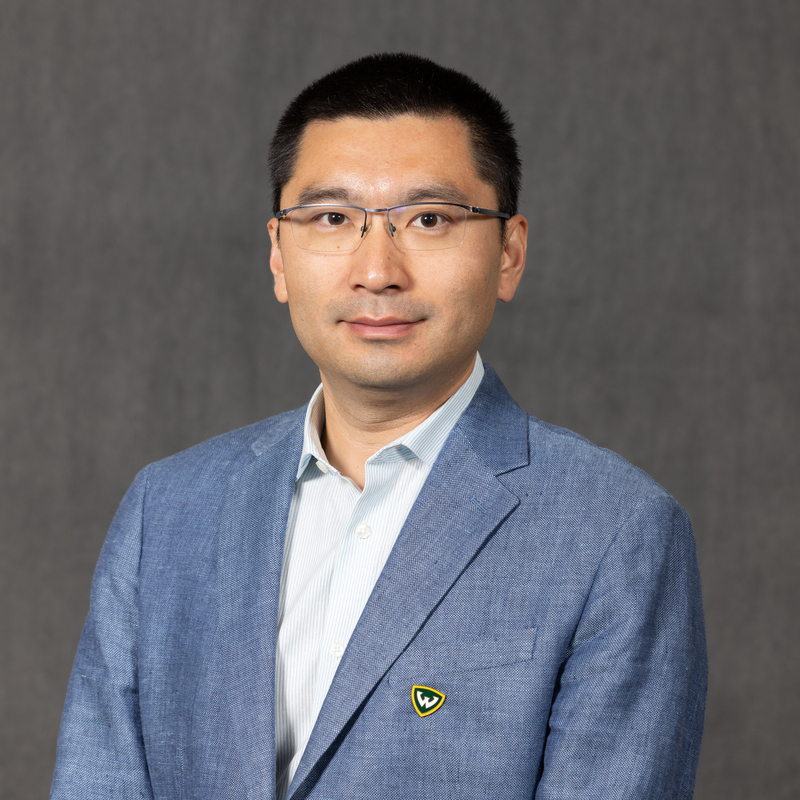
Zhenfei Liu is an Associate Professor in the Department of Chemistry at Wayne State University, affiliated with the College of Liberal Arts and Sciences. His research focuses on theoretical and computational studies of electronic structure at molecule-substrate interfaces and nanostructured materials. Key areas include developing new electronic structure methods, studying functional materials for energy conversion, and analyzing charge transport in molecular junctions. He holds a B.S. from Peking University (2007), a Ph.D. in theoretical chemistry from UC Irvine (2012), and completed a postdoc at Lawrence Berkeley National Laboratory (2012–2018). His work is supported by grants from NSF, DOE, ACS, and the Sloan Foundation. Research interests emphasize first-principles methods for predicting energy conversion mechanisms in quantum dots, metal-organic frameworks, and 2D materials. He explores charge transport properties in molecular junctions and defects' impact on material performance. Notable awards include the 2024 Alfred P. Sloan Fellowship and NSF CAREER Award. He teaches advanced courses in quantum chemistry and statistical thermodynamics, and leads the Liu Group at WSU.
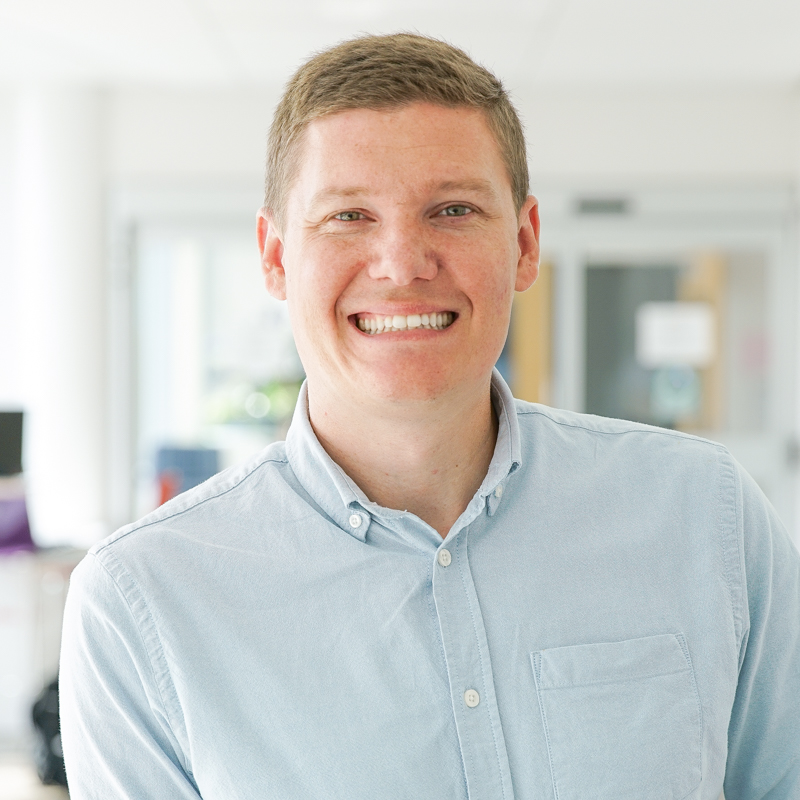
Michael Hilton is an Associate Teaching Professor in the Software and Societal Systems Department of the School of Computer Science at Carnegie Mellon University. He also serves as the Associate Department Head for Education and directs both the Software Engineering Minor and Software Engineering Concentration programs. His work bridges academic research with practical software engineering education. Ph.D. in Computer Science, Oregon State University (2017) M.S. in Computer Science, Cal Poly San Luis Obispo (2013) B.S. in Computer Science, San Diego State University (2002) Professor Hilton's research primarily focuses on understanding and improving the developer experience, with particular emphasis on flaky tests, continuous integration practices, and software engineering education. His work combines empirical studies of real-world development practices with educational innovations to enhance how software engineers are trained. He has conducted extensive research on test flakiness, identifying patterns, causes, and potential solutions to this pervasive problem in modern software development. His scholarly contributions reveal a consistent focus on practical software engineering challenges, particularly those affecting developer productivity and software quality. The research trajectory shows increasing attention to educational aspects of software engineering, including team-based learning, structured feedback mechanisms, and the impact of emerging technologies like AI on programming education. Professor Hilton has over 20 years of professional experience in software development, including 9 years at SPAWAR Pacific where he worked on projects for the US Navy, Coast Guard, and White House. This industry background informs his teaching approach, which emphasizes preparing students for real-world challenges they'll face after graduation. He teaches software engineering-focused courses and has developed educational approaches that integrate practical development experience with theoretical foundations. His teaching philosophy centers on providing students with both immediate practical skills and enduring principles that will serve them throughout their careers, with special attention to software engineering in startup environments.
Naureen Ghafoor is an Associate Professor (Docent) at Linköping University, affiliated with the Department of Physics, Chemistry and Biology (IFM) and the Thin Film Physics Division. Her research focuses on advanced materials for neutron and X-ray optics, particularly multilayer structures and thin film physics. Dr. Ghafoor's research interests span thin film physics , nanomaterials science , and neutron optics . She specializes in the development and characterization of multilayer materials, particularly those involving iron-silicon structures with boron carbide interlayers for neutron optical applications. Her work combines advanced deposition techniques like magnetron sputtering with detailed materials characterization to optimize performance in neutron optics and related fields. A key innovation in her research involves the strategic use of isotope-enriched boron carbide (11B4C) to create atomically flat interfaces that enhance the optical properties of multilayer structures. Her recent publications demonstrate a strong focus on enhancing the performance of neutron optical components through innovative materials engineering. Key themes include the use of isotope-enriched boron carbide (11B4C) to improve interface quality in multilayer structures, the development of stress-free diaphragms for medical applications like inner ear implants, and the creation of superstructured materials with exceptional mechanical properties that combine metal-like ductility with high hardness. These advancements have significant implications for both scientific instrumentation and medical device technology. Postdoctoral scholarship in Thin Film Physics granted by Carl Tryggers Stiftelse (600,000 SEK) for studying "Stress-free Diaphragms for Long-lasting Inner Ear Implants" Dr. Ghafoor is actively involved in research commercialization and technology transfer. She is a co-founder of Quantum Beam Optics (QBO), a startup company that aims to bring advanced multilayer neutron optics technology to the international market. Her laboratory work is centered in the Thin Film Physics Division at IFM, where she leads research on nanomaterials science with applications spanning from fundamental neutron optics to practical medical devices. Her research group collaborates extensively with international partners and contributes significantly to advancing the field of neutron optical components.
Cenke Xu is a Professor in the Department of Physics at the University of California, Santa Barbara (UCSB). He received his B.S. from Tsinghua University (2003) and Ph.D. from UC Berkeley (2007), advised by Joel E. Moore. After a junior fellowship at Harvard (2007-2010), he joined UCSB, rising from Assistant to Professor. His research focuses on strongly correlated quantum systems and unconventional phase transitions. Education : B.S. (Tsinghua, 2003) Ph.D. (UC Berkeley, 2007, advisor: Joel E. Moore) Research spans quantum criticality, topological phases, and non-Fermi liquids in systems like moiré heterostructures and cold atoms. His work on deconfined criticality and symmetry-protected phases has influenced theoretical physics. Selected publications (2013-2022) explore topics such as bosonic topological insulators, fractal order, and dualities in quantum critical points. These studies often involve collaborations with institutions like Cornell, UC Berkeley, and Technion. Awards : Simons Investigator (2019) Packard Fellowship (2012) NSF Early Career Award (2012) Sloan Research Fellowship (2011) Overseas Chinese Physics Association Outstanding Young Researcher (2010) His former students and postdocs (e.g., Kevin Slagle, Yichen Xu) hold academic positions at Rice, UCSD, and Cornell. Current advisees include Alex Rasmussen and Kaixiang Su.
Marcelo Pereyra is a Professor in Statistics at the School of Mathematical & Computer Sciences of Heriot-Watt University and the Maxwell Institute for Mathematical Sciences in Edinburgh, UK. His academic journey began with a double M.Eng. degree from ITBA (Argentina) and INSA Toulouse (France), followed by a M.Sc. from INSA Toulouse in 2009. He earned his Ph.D. in Signal Processing from the University of Toulouse in 2012, after which he served as a Research Fellow in Statistics at the University of Bristol from 2012 to 2016. In 2017, he joined Heriot-Watt University as an Assistant Professor in Statistics, was promoted to Associate Professor in 2019, and subsequently to Professor in Statistics in 2023. His educational background includes: Ph.D. in Signal Processing, University of Toulouse (2012) M.Eng. (double degree) from ITBA (Argentina) and INSA Toulouse (France), with M.Sc. from INSA Toulouse (2009) Professor Pereyra's research advances the statistical foundations of quantitative and scientific imaging. He has made important contributions to Bayesian imaging sciences and developed significant connections between statistical, variational, and machine learning approaches to imaging. His specific interests include robust uncertainty quantification in imaging inverse problems, automatic calibration and verification of statistical image models, scalable Bayesian computation algorithms derived from stochastic diffusion processes, and applications of imaging with high social or environmental value. His work sits at the intersection of statistics, computational mathematics, and imaging science, with a strong emphasis on developing mathematically rigorous methods that provide reliable uncertainty quantification alongside point estimates. His recent publications demonstrate a clear trajectory toward integrating modern machine learning techniques, particularly diffusion models and generative approaches, with traditional Bayesian statistical methods for imaging problems. The research spans applications from medical imaging to astronomical observations and industrial inspection, with consistent emphasis on uncertainty quantification. His work increasingly focuses on developing scalable computational methods that can handle the high-dimensional nature of modern imaging problems while maintaining statistical rigor. Professor Pereyra has received numerous prestigious awards throughout his career: SIAM SIGEST Award in Imaging Sciences for contributions to proximal Markov chain Monte Carlo methodology Marie Curie Intra-European Fellowship for Career Development (2013) Brunel Postdoctoral Research Fellowship in Statistics (2012) Postdoctoral Research Fellowship from French Ministry of Defence (2012) Leopold Escande PhD Thesis award from the University of Toulouse (2012) INFOTEL R&D award from the Association of Engineers of INSA Toulouse (2009) ITBA R&D award from the Buenos Aires Institute of Technology (2007) Professor Pereyra is deeply committed to developing early career talent, currently supervising five PhD students and two Postdoctoral Research Associates (PDRAs), having previously supervised four PhD students and three PDRAs to completion. His research has received significant support from Heriot-Watt University and the UK Engineering and Physical Sciences Research Council (EPSRC). He is known for fostering multidisciplinary collaboration, having organized eleven international interdisciplinary research meetings in the UK since 2012 and chaired the IMA Conference on Inverse Problems in Edinburgh (2022). As a leader in his field, Professor Pereyra has held Invited Professor positions at prestigious institutions including Institut Henri Poincaré (Paris, 2019), Ecole Normale Supérieure Lyon (2023), and Université Paris Cité (2024). He frequently delivers invited talks at leading mathematical centers worldwide (CIRM, BIRS, IHP, Flatiron, Hausdorff School, INI, and ICMS) to promote multidisciplinary collaboration in imaging sciences.
Alexandre LEGRIS is a Professor at the University of Lille within Polytech'Lille, conducting research in the Materials and Transformations Unit (UMR 8207 CNRS). He is a core member of the Physical Metallurgy and Materials Engineering research team, focusing on computational modeling of phase transformations in metallic alloys subjected to irradiation. His work has significant applications in nuclear materials science, particularly for nuclear reactor components and fuel cladding systems. LEGRIS specializes in crystallography, corrosion mechanisms, and phase transformations in metallic systems. His research employs advanced computational techniques including phase-field modeling, atomic-scale simulations, and multiscale approaches to understand radiation damage mechanisms in structural materials. His expertise spans zirconium alloys for nuclear applications, advanced steels, and oxide dispersion strengthened materials. His publication record demonstrates consistent contributions to understanding irradiation effects in nuclear materials, with recent work focusing on zirconium growth mechanisms, radiation-induced segregation, and dislocation behavior under irradiation. The research spans fundamental atomic-scale phenomena to engineering-scale applications in nuclear systems. Modeling radiation damage in zirconium alloys for nuclear fuel cladding Phase transformations in advanced steels under irradiation Computational prediction of microstructure evolution in nuclear materials Development of models for radiation-induced segregation and defect clustering LEGRIS has supervised numerous doctoral students whose research has advanced understanding of irradiation effects in nuclear materials. His students have investigated topics including ODS steels for fourth-generation reactors, thermomechanical treatments of austenitic steels, and additive manufacturing of radiation-resistant materials. Many of his former students have secured positions in industry and research institutions specializing in nuclear materials. He collaborates extensively with researchers at the national and international level, particularly on nuclear materials projects involving CNRS, CEA, and international nuclear research organizations. His work contributes to the development of advanced materials for next-generation nuclear energy systems.
Prof. Ben Maoz is a Professor at the Department of Bio-Medical Engineering , The Iby and Aladar Fleischman Faculty of Engineering , Tel Aviv University . He directs the MaozLab, which pioneers interdisciplinary research in neuroengineering, microphysiological systems, and nanoscale therapeutic delivery. His lab integrates engineering principles with neuroscience to model human diseases and develop translational technologies. Research Focus Prof. Maoz's research spans: Organ-on-Chip Platforms : Developing modular microfluidic systems (e.g., neurovascular units, PNS-CNS models) for disease modeling and drug screening. Nanoneuroengineering : Designing brain-targeted nanocarriers (liposomes, dendriplexes) for siRNA and antibody delivery in neurodegenerative disorders like Parkinson's. Medical Devices : Creating implantable sensors, nanogenerators for sensory restoration, and tools for traumatic brain injury analysis. Cellular Mechanobiology : Investigating biomechanical forces in tissues using magnetoresponsive hydrogels and 3D cultures. Publication Trends His recent work (2023-2025) emphasizes: Advanced drug delivery systems for neurological applications (e.g., siRNA to neurons, alpha-synuclein-targeting antibodies). Innovative organ-on-chip platforms for studying cancer metastasis, viral entry, and neuro-immune interactions. Biomaterials and nanotechnologies addressing sensory restoration, cellular contractility, and super-resolution imaging. Laboratory & Collaborations The MaozLab employs microfabrication, molecular biology, and in vitro modeling to tackle challenges in brain health, with collaborations spanning oncology, virology, and gastroenterology.
Reid Holmes is a Professor in the Software Practices Lab at the University of British Columbia's Department of Computer Science, Faculty of Science. With over 15 years of academic experience, he has progressed from Assistant Professor at the University of Waterloo (2010-2015) to Associate Professor (2015-2022) and now full Professor (2022-present) at UBC. His research spans multiple dimensions of software engineering with a strong emphasis on the human aspects of development. Dr. Holmes' research interests focus on understanding the problems software engineers encounter when creating and evolving software systems. His work examines software testing and validation, source code reuse, code search, context-sensitive example location, API understanding, speculative analysis, code review, and team awareness. He believes that by better understanding how people create, explore, evolve, and reason about software systems, we can enhance developers' effectiveness and improve software quality. His research is characterized by its practical application to real-world software development challenges. His recent publications demonstrate a consistent focus on improving developer productivity through better tools and understanding of developer behavior. The publications reveal a trajectory from traditional software engineering topics toward newer areas involving AI-assisted development, with particular attention to how generative AI affects workflow and collaboration. His work consistently bridges theoretical software engineering concepts with practical developer experience considerations. ACM SIGSOFT Distinguished Paper Award (multiple times) FSE 2024 Most Impactful Paper Award 2024 ICSE Most Influential Paper Award Winner of the 2008 MSR Mining Challenge As an educator and mentor, Dr. Holmes has supervised numerous graduate students who have gone on to successful careers in academia and industry. He has served on program committees for major software engineering conferences including ICSE, FSE, and MSR, and has been an Associate Editor for TSE since 2016. His work on developer tools like CodeShovel, Devy, and Baker demonstrates his commitment to creating practical solutions that address real developer pain points.
David Yaron is a Professor of Chemistry at Carnegie Mellon University's Mellon College of Science. His research focuses on computational chemistry, machine learning applications in chemical modeling, and educational technology. He holds a Ph.D. from Harvard University (1990) and a B.S. from Wilkes College (1983). Yaron's work includes developing semiempirical quantum chemical models, designing dyes for biological imaging, and creating virtual labs like ChemCollective and ChemVLab+. He has received numerous awards, including the Richard Moore Award (2023) and the Henry Dreyfus Teacher-Scholar Award (2000). His educational initiatives emphasize data-driven learning and open-ended problem-solving. Research Interests: Machine Learning for Chemistry, Photophysics, Materials Theory, Chemical Education Key Projects: Quantum chemical models via ML, design of fluorogenic dyes, light-driven molecular motors Education: Ph.D. Harvard (1990), B.S. Wilkes College (1983) Awards highlight both research (e.g., Camile & Henry Dreyfus Foundation) and teaching (e.g., Teaching Innovation Awards). His lab has advised over 30 graduate and undergraduate students. Publications span quantum chemistry methods, polymer science, and educational technology.
Dallas Trinkle is the Ivan Racheff Professor and Associate Head of the Department of Materials Science and Engineering at the University of Illinois, Urbana-Champaign. He holds a Ph.D. in Physics from Ohio State University (2003) and joined UIUC's faculty in 2006 after postdoctoral work at the Air Force Research Laboratory. Affiliations: Willett Faculty Scholar, NCSA Faculty Fellow, Center for Advanced Study Associate. Research Focus: Computational materials science, including defect properties (dislocations, point defects), mechanical behavior at atomic scales, and diffusion mechanisms using density-functional theory and machine learning. Key Achievements: NSF CAREER Award (2009), TMS Brimacombe Medal (2019), and over 150 peer-reviewed publications. His research group develops atomistic methods to study material defects and their impact on mechanical/thermal properties. Projects include magnesium alloy strengthening, hydrogen diffusion in palladium, and oxygen diffusion in titanium. They also create open-source computational tools like the magnesium solute database. Teaching: Courses on atomic-scale simulations, plasticity, and computational materials engineering (MSE 485, MSE 584, CSE 498 DM). Current Group:** Includes 7 Ph.D. students and a research scientist. Former advisees hold roles at institutions like MIT, Lawrence Berkeley Lab, and industry leaders such as MathWorks and General Motors.
Cesar Ruiz is an Assistant Professor in the Department of Industrial & Systems Engineering at The University of Oklahoma. His research focuses on integrating domain knowledge with machine learning and stochastic modeling for engineering applications, particularly in metal additive manufacturing, predictive maintenance, and quality control. He holds a Ph.D. and M.S. in Industrial Engineering from the University of Arkansas and a B.A. in Business Engineering from the Higher School of Economics and Business in El Salvador. His research domains include metal additive manufacturing processes, process-informed machine learning frameworks, and reliability evaluation in complex systems. Notable works address challenges in layer segmentation for quality assessment, predictive maintenance strategies, and degradation-based reliability analysis. Ruiz has received prestigious awards such as the RAMS Golomski Award (2020, 2022), ASQ Best Reliability Paper (2021), and IEEE CASE Best Conference Paper (2021). His affiliations include SRE, INFORMS, and ASME. His research spans aerospace and defense systems, with recent publications emphasizing advanced manufacturing techniques, functional data analysis, and Bayesian modeling for reliability growth. He collaborates on projects involving biosensor optimization and large-scale system maintenance frameworks.
Wolfgang H. Sachse is a Professor at Cornell University's College of Engineering, specializing in ultrasonic wave applications for materials characterization. He contributes to the graduate fields of Mechanical Engineering, Theoretical and Applied Mechanics, and Materials Science and Engineering, with visiting roles at NIST and the University of Tokyo. B.S. in Physics from Penn State University M.S.E. and Ph.D. in Mechanics and Materials from Johns Hopkins University His research pioneered active/passive ultrasonic techniques for flaw detection, dynamic fracture analysis, and stress measurement in metals. Early work on laser-spark-X-ray ultrasound generation and point-source/point-receiver methods advanced anisotropic material characterization. Recent innovations include air-coupled ultrasonics for powders and acoustic microscopy of bio-materials. Collaborating with Igor Grabec, he developed intelligent measurement systems described in their Springer-Verlag monograph Synergetics of Measurement, Prediction and Control (1997). His publications span geophysical acoustics (2015), transducer calibration (2015), crystal wave phenomena (2013), and conference proceedings (2008-2010), reflecting interdisciplinary impacts across Acoustics, Materials Science, and Physics. The Golden Whistle (2013) - International Congress on Ultrasonics' highest award German Academic Exchange Fellow Humboldt Fellow Editor-in-Chief of Ultrasonics (Elsevier) Former Editor-in-Chief of Materials Evaluation As an educator, he developed Cornell's acclaimed ENGRI 118 Design Integration course and teaches Mechanics of Solids (250+ students) and Mechanical Properties Laboratory (140+ students). His laboratory innovations include two patents for advanced acoustic measurement systems.