Jörg Cammenga is a Senior Lecturer at Lund University's Division of Molecular Medicine and Gene Therapy. He serves as a Consultant, Specialist Research Team Manager, and Principal Investigator for both StemTherapy (National Initiative on Stem Cells for Regenerative Therapy) and LUCC (Lund University Cancer Centre). His research focuses on myeloid neoplasms, hematopoietic stem cell biology, and germline genetic predispositions to blood cancers. Division of Molecular Medicine and Gene Therapy, Lund University StemTherapy National Initiative LUCC (Lund University Cancer Centre) Research interests include: Germline genetic mutations in myeloid malignancies Hematopoietic stem cell functionality Monosomy 7 chromosomal abnormalities Immune-based therapies for acute myeloid leukemia Regenerative medicine applications Familial platelet disorders Recent research trends show a focus on: Genetic investigation guidelines for myeloid neoplasms Radiation effects on stem cell resilience Clinical management of germline predispositions Molecular mechanisms in myelodysplastic syndromes Collaborative Nordic research initiatives
Professor Sarah Fidler is Professor of HIV and Communicable Diseases in the Department of Infectious Disease at Imperial College London's Faculty of Medicine, where she provides clinical care for people living with HIV while leading groundbreaking research in HIV cure strategies and public health interventions. Her academic credentials include: PhD, Imperial College London (1993-1998) MBBS, King's College London (1982-1988) BSc, University College London (1984-1985) MRCP, Royal College of Physicians, London (1992) Professor Fidler's research program focuses on HIV cure mechanisms , early antiretroviral therapy , and community-level interventions for HIV/TB co-infection. Her work integrates virological analysis with real-world implementation science , particularly through the HPTN 071 (PopART) trial across Zambia and South Africa. Key themes include reservoir characterization in early-treated infection, optimizing ART initiation strategies, and addressing health disparities in perinatally infected aging populations. Analysis of her 15 most recent publications reveals dominant trends in community-based HIV/TB service integration (42% of articles), advanced virological monitoring (28%), and adolescent/youth health interventions (20%), with increasing emphasis on implementation challenges in sub-Saharan African settings. Over 75% of her 2023-2025 work directly utilizes HPTN 071 data. As principal investigator for major trials including CAR-iNKT, RIVER, and Yathu Yathu, she secures substantial funding from NIHR and NIH for HIV cure research and public health implementation. Her team structure demonstrates strong integration of clinical care (St Mary's Hospital), laboratory science (Section of Virology), and community engagement. Professor Fidler directs research through the St Mary's Clinical Trials Centre, leading a multidisciplinary team investigating HIV reservoir dynamics, TB co-infection management, and behavioral interventions for vulnerable populations. Her current work prioritizes translating cure research into clinical practice while addressing structural barriers in high-burden settings.
Daniela Hernandez Muguiro serves as a Clinical Assistant Professor in the Department of Diagnostic Medicine/Pathobiology at Kansas State University's College of Veterinary Medicine. Her clinical expertise spans hematology, cytology, urinalysis, chemistry, and serum protein electrophoresis within veterinary diagnostic pathology. Her academic foundation includes: BVSc (2008) from Universidad de Guadalajara Master in Veterinary Medicine: Veterinary Clinical Pathology (2011-2013) from Universidad Nacional Autonoma de Mexico Clinical Pathology residency (2015-2018) at Cornell University Diplomate of the American College of Veterinary Pathologists (Clinical Pathology, 2018) Dr. Hernandez Muguiro's research program centers on clinical pathology with specialized focus on canine and feline hematopoietic neoplasia and tick-borne diseases. Her work bridges diagnostic laboratory medicine with collaborative clinical studies, particularly examining vector-borne pathogens in Hong Kong canine and feline populations. Recent publications reveal expanding interests in machine learning applications for immunocytochemistry image analysis and the epidemiology of emerging pathogens in exotic species. Her scientific contributions demonstrate consistent productivity across parasitology, hematology, and diagnostic methodology. The publication timeline shows progressive specialization in tick-borne disease epidemiology (2023-2024), hematopoietic neoplasia in exotic species (2020), and innovative diagnostic approaches (2023-2025), with increasing international collaboration evident in Hong Kong-based studies. Her professional recognition includes: Diplomate, American College of Veterinary Pathologists (Clinical Pathology, 2018) As an educator, she directs fourth-year veterinary student rotations in VDMP902 Diagnostic Medicine while training diagnostic medicine interns and anatomic pathology residents. Her collaborative research model emphasizes clinical pathology support for multidisciplinary studies, though specific grant details remain unpublicized. Current work shows strong international engagement through Hong Kong-based investigations of vector-borne diseases and fungal infections in companion animals, with growing integration of computational methods in diagnostic pathology.
Dr. Christopher Howes is an Associate Professor of Medicine at Yale School of Medicine, serving as Chief of Cardiology at Greenwich Hospital and Director of Cardiac Catheterization and Intervention. He specializes in interventional cardiology and cardiovascular wellness, focusing on atherosclerosis, heart failure, hypertension, and women's heart health. Dr. Howes holds leadership roles including Medical Director of YNHH HVC:Greenwich and Chairman of the Medical Executive Committee at Greenwich Hospital. Education: MD from Albert Einstein College of Medicine (1989), BA in History from Brown University (1984). Completed residency at Yale-New Haven Hospital (1992) and fellowship at Yale University School of Medicine (1997). Research interests include cardiovascular disease management, clinical trials for novel therapies, and complications of infectious diseases like COVID-19 on heart function. Key publications address drug efficacy in cardiac patients, arrhythmia risks, and comorbidity patterns in myocardial infarction. Rewarded with Castle Connolly Top Doctor recognition annually since 2008 and the Golden Apple Award for teaching. Active in committees such as the Clinical Governance Committee and Anticoagulation Subcommittee at YNHH. Leads multidisciplinary teams in Greenwich Hospital’s cardiac programs and participates in national clinical trials evaluating new cardiovascular treatments and devices.
Dr. Caroline Reddel is an Adjunct Lecturer in Medical Sciences and a Research Fellow at the ANZAC Research Institute, affiliated with the Concord Clinical School at the University of Sydney's Faculty of Medicine and Health. She specializes in vascular biology and thrombosis research, focusing on platelet activation, coagulation assays, and hypercoagulable conditions in clinical populations such as coronary artery disease, cancer, and schizophrenia. Education: Completed her PhD in 2009 at the University of Sydney under Prof. Tony Weiss in the School of Molecular Bioscience. Postdoctoral research at ANZAC Research Institute. Research Interests : Thrombosis mechanisms, platelet-derived microparticles, global coagulation assays, risk stratification in cardiovascular and oncological diseases, and anticoagulant efficacy. Her work integrates clinical and preclinical models, including mouse studies of cancer cachexia. Publications : Over 15 peer-reviewed articles since 2004, with recent focus on colchicine's anti-thrombotic effects, platelet phenotypes in the elderly, and hypercoagulability in schizophrenia patients. Key themes include translational research bridging basic science and clinical applications. Grants : Co-investigator on the 2020 Apixaban vs. Rivaroxaban trial (MRFF-funded). Labs/Teams : Vascular Biology Group at ANZAC Research Institute, collaborating with Cardiology and Haematology departments at Concord Hospital.
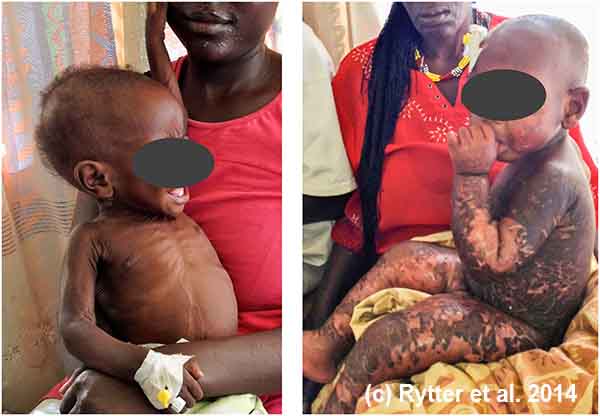
Jonathan Sturgeon is a Wellcome Clinical Research Fellow at the Centre for Genomics and Child Health within the Blizard Institute, Faculty of Medicine and Dentistry at Queen Mary University of London. He conducts clinical research at the Zvitambo Institute of Maternal and Child Health Research in Harare, Zimbabwe, focusing on malnutrition and its effects on the gut and immune system in children. His work involves sub-studies of the HOPE-SAM and TAME trials, examining how gut-targeted therapies might improve outcomes for children with severe acute malnutrition. Dr. Sturgeon's educational background includes: PhD candidate at Queen Mary University of London (December 2019 - present) MRCPCH (Member of the Royal College of Paediatrics and Child Health, February 2017) DTM&H (Diploma in Tropical Medicine and Hygiene, London School of Hygiene & Tropical Medicine, August-November 2014) MBBS in Medicine from St George's University of London (September 2007 - July 2011) MA in Natural Sciences from Pembroke College, Cambridge (October 2004 - June 2007) Dr. Sturgeon's primary research focuses on severe acute malnutrition (SAM) in children, particularly examining the relationship between gut function and immune system changes. Children with SAM experience significant structural and functional gut abnormalities, termed malnutrition enteropathy, characterized by small intestinal inflammation, abnormal villus architecture, increased gut permeability, and malabsorption. These gut changes allow bacterial translocation from the gut lumen into systemic circulation, inducing inflammation and blunting subsequent immune responses to pathogens. His research aims to understand how these pathogenic pathways impact mortality and nutritional recovery, with the goal of developing interventions to reduce inflammation and promote epithelial repair. Dr. Sturgeon's publication record shows a strong focus on malnutrition, particularly severe acute malnutrition in children from low-resource settings. His work spans clinical trials, observational studies, and systematic reviews, with a significant portion examining the gut-immune axis. His recent work has increasingly focused on interventions targeting malnutrition enteropathy and their effects on inflammatory pathways. Much of his research involves collaborations across multiple African countries, particularly Zimbabwe and Zambia, reflecting his commitment to global health research. His findings demonstrate that inflammation persists for up to 48 weeks after hospital discharge despite nutritional recovery, and that growth factors indicative of endothelial and epithelial repair are associated with reduced mortality. Dr. Sturgeon holds a prestigious Wellcome Trust clinical PhD fellowship, administered by the London School of Hygiene & Tropical Medicine. This fellowship supports his research on malnutrition and its effects on the gut and immune system in children and is part of the Wellcome Clinical PhD Programme in Global Health Research run by the Bloomsbury Group. Dr. Sturgeon is supervised by Prof Andrew Prendergast and Prof Paul Kelly for his Wellcome Trust clinical PhD fellowship. His research has been supported by the Wellcome Trust and involves collaborations with the Zvitambo Institute in Zimbabwe. He has successfully gained funding from Bart's Charity for previous research projects and has extensive experience with ethical approvals, study protocols, and Good Clinical Practice requirements. His NIHR Academic Clinical Fellowship examined gut-immune changes in children with non-critical infection, and his earlier NIHR Academic Foundation Programme investigated platelet effects on neutrophil function in cirrhosis. Dr. Sturgeon is part of the Prendergast Group at the Blizard Institute, Queen Mary University of London. His research is conducted in collaboration with the Zvitambo Institute of Maternal and Child Health Research in Harare, Zimbabwe, where he works on the HOPE-SAM study and TAME trial. He is also affiliated with the Wellcome Clinical PhD Programme in Global Health Research, run by the Bloomsbury Group, which includes six universities in London and Brighton. His work bridges clinical practice and research, with a focus on improving outcomes for children suffering from severe malnutrition in resource-limited settings through understanding the pathophysiology of malnutrition enteropathy and developing targeted interventions.
Siayareh Rambally, M.D., serves as an Associate Professor in the Department of Internal Medicine at UT Southwestern Medical Center, specializing in non-malignant blood disorders within the Division of Hematology/Oncology. Her clinical expertise focuses on complex hematologic conditions requiring multidisciplinary management. Her educational journey includes a bachelor's degree in biochemistry from Southern Methodist University, an M.D. from UT Southwestern Medical Center, internal medicine residency at Baylor College of Medicine, and hematology/oncology fellowship training at the same institution. Board-certified by the American Board of Internal Medicine in hematology and oncology, she joined the faculty in 2013. Dr. Rambally's research centers on sickle cell disease and bleeding disorders, with significant contributions to understanding thrombotic thrombocytopenic purpura mechanisms and coagulation abnormalities. Her work integrates clinical observations with laboratory investigations to develop novel therapeutic approaches for refractory hematologic conditions, emphasizing patient-specific treatment strategies. Analysis of her 13 publications (2007-2021) reveals consistent focus on thrombotic microangiopathies, coagulation testing methodologies, and genetic erythrocytosis. Key trends include innovative applications of immunomodulatory agents (rituximab, infliximab) for refractory cases, diagnostic algorithms for bleeding disorders, and molecular mechanisms underlying rare coagulation factor deficiencies. Her professional recognition includes: Eugene P. Frenkel Teaching Award (2020) for excellence in medical education Dr. Rambally actively mentors medical students, residents, and fellows while serving on the Anticoagulation Safety Workgroup at Parkland Memorial Hospital. She maintains active membership in the Texas Medical Association and American Society of Hematology, contributing to national hematology guidelines and educational initiatives. Her clinical practice integrates with research through participation in institutional committees focused on anticoagulation safety protocols and multidisciplinary tumor boards addressing complex hematologic cases.
Hamid Al-Mondhiry is a Professor in the Department of Medicine at Penn State Cancer Institute , specializing in Blood and Vascular Disorders. His research addresses critical aspects of hematology and coagulation disorders. Research Interests Dr. Al-Mondhiry’s work focuses on hemostasis , thrombosis , and blood stasis , with significant contributions to acquired hemophilia A and acute myeloid leukemia . His studies examine genetic mutations like Factor V Leiden and prothrombin G20210A in thrombosis recurrence, therapeutic applications of recombinant activated factor VII, and demographic trends in hemophilia patients. Scientific Trends His recent articles (2016-2020) emphasize clinical outcomes in hemophilia treatment, genetic abnormalities in leukemia, and population-based registry studies . Keywords span medicine , hematology , genetics , and thrombosis . Scientific Awards No specific awards or honors were explicitly mentioned in the provided texts. Research Output 2020: Prospective cohort study on acquired hemophilia A treatment 2019: Chromosome rearrangements in leukemia 2019: Thrombosis recurrence risk in Factor V Leiden 2016: Patient demographics in U.S. hemophilia registries 2016: Recombinant factor VII efficacy in bleeding episodes
Dr Fraser Macrae is a University Academic Fellow and Sir Henry Wellcome Postdoctoral Fellow at the University of Leeds, working within the Faculty of Medicine and Health, School of Medicine, and the Leeds Institute of Cardiovascular and Metabolic Medicine (LICAMM). He leads research on the interplay between haemostasis, infection, and wound healing, with a specific focus on fibrin clot structure and function. Dr Macrae completed his undergraduate medical sciences degree (BSc hons) at the University of Leeds in 2011, followed by a part-time PhD while working as a research assistant in Professor Robert Ariëns' lab. His research has spanned over a decade, initially focusing on fibrin clots in cardiovascular disease before expanding to explore connections between coagulation, thrombosis, and wound healing. In 2019, he was awarded a Sir Henry Wellcome Fellowship to explore fibrin films in infection and wound healing. Research Focus Dr Macrae's primary research investigates how changes in coagulation link thrombosis and tissue repair. His work examines how alterations in clot formation contribute to thrombotic diseases (heart attacks, strokes, DVT) and investigates potential blood-related connections between thrombosis development and poor wound healing. His laboratory also explores cryopreservation of blood and its cells, addressing the growing clinical challenge of poor wound healing in chronic diseases. Professional Recognition Sir Henry Wellcome Fellowship from the Wellcome Trust (2019) Fellow of the Higher Education Academy (FHEA) Teaching and Leadership Dr Macrae actively teaches the undergraduate medical curriculum at Leeds, focusing on haemostasis, thrombosis, and wound healing. He contributes to the British Heart Foundation-funded 4-year PhD program and supervises undergraduate and postgraduate research students. As LICAMM lead for Mid-career development, he supports professional growth of researchers within the institute. Professional Affiliations International Society on Thrombosis and Haemostasis British Society for Haemostasis and Thrombosis Platelet Society Society of Low Temperature Biology
Matthew Lemler, M.D., is a Professor in the Department of Pediatrics at UT Southwestern Medical Center, specializing in pediatric cardiology. Board certified in pediatric cardiology, he joined the faculty in 1996 and focuses on echocardiographic diagnostics, congenital heart defects, and critical care applications. Medical Degree: University of Texas Medical Branch at Galveston Internship & Residency: Pediatrics at Children’s Health Dallas Fellowship: Pediatric Cardiology at Children’s Hospital of Denver His research centers on pediatric cardiology , particularly echocardiographic evaluation of congenital anomalies (e.g., patent foramen ovale, anomalous coronary arteries), postoperative monitoring (Fontan procedure), and pharmacological challenges like aspirin resistance in postoperative patients. Recent publications highlight diagnostic innovations and clinical outcomes. Dr. Lemler’s 15 most recent articles (2016-2008) emphasize echocardiography for diagnosing vascular anomalies, optimizing cardiac procedures (e.g., fenestration), and understanding cardiomyopathy in rare syndromes. Topics span from pulmonary sequestration to systemic arterial supply abnormalities. He is affiliated with the Pediatric Cardiology and Heart Center - Children's , contributing to clinical advancements in pediatric cardiovascular care. No scientific awards or student advisement details were explicitly mentioned in the provided text.
Eirik Frengen is a Professor at the Department of Medical Genetics, Oslo University Hospital (OUS). His research focuses on identifying disease-causing genomic variations in patients with rare neurological diseases and syndromes, using cell cultures and model organisms to elucidate molecular disease mechanisms. He has been employed at the University of Oslo (UiO) since 2005 and served as Section Head (2010-2017) and Senior Researcher (2017->) at OUS. He holds a Dr.scient degree (1993) and Cand.scient (1989) in molecular and general genetics from UiO. His research involves characterizing genomic variations in rare neurological conditions and connecting gene defects to clinical features. He has supervised 11 PhD students (7 as main supervisor), 3 research students, and 23 MSc students. His publications span topics like ciliopathies, leukodystrophy, intellectual disability, and genomic deletions/duplications. Recent articles (2024-2019) explore NAV3 variants in developmental delay, STIM1 mutations in Stormorken syndrome, and genomic mechanisms in Strømme syndrome. Keywords include Genetics, Neurology, Molecular Biology, and Developmental Disorders. Subfields cover topics like intellectual disability, microcephaly, calcium signaling, and ciliopathy.
Dr. Abhishek Chaturvedi serves as a Professor in the Department of Imaging Sciences at the University of Rochester School of Medicine and Dentistry. Board-certified in Diagnostic Radiology by the American Board of Radiology (2011) with Cardiac CT Certificate of Advanced Proficiency (2012), he specializes in thoracic and abdominal diagnostic imaging. An active member of the Society of Thoracic Radiology, North American Society of Cardiovascular Imaging, Radiological Society of North America, and Society of Cardiovascular Magnetic Resonance, he maintains clinical practice at UR Medicine while accepting new patients. His educational trajectory includes: MBBS from JLN Medical College, India (1997) Residency in Radiology at Sawai Man Singh Medical College, India (1999-2001) Fellowship in Abdominal Imaging at University of Washington Medical Center (2007-2010) Fellowship in Cardiothoracic Imaging/Informatics at University of Washington Medical Center (2010-2011) Dr. Chaturvedi's research centers on Cardiothoracic MRI with significant contributions to CT/MRI protocol optimization for pulmonary hypertension, aortic stenosis, and cardiac structural abnormalities. His work bridges technical innovation and clinical application, particularly in emergency radiology and pediatric imaging. Key publications address imaging pitfalls in axillary anatomy, post-procedural complications, and congenital vertebral anomalies, demonstrating his commitment to improving diagnostic accuracy across diverse clinical scenarios. Analysis of his 15 most recent publications (2018-2022) reveals three dominant thematic clusters: cardiovascular imaging (40% of articles focusing on CT/MRI for heart failure and pulmonary hypertension), thoracoabdominal pathology (35% covering fistulas, hernias, and gastric emergencies), and technical optimization (25% addressing CT angiography protocols and artifact reduction). His collaborative approach spans cardiology, thoracic surgery, and emergency medicine departments, with increasing emphasis on pediatric applications since 2020. Notable recognitions include: Three American College of Radiology Certificates of Merit (2014-2016) Shu-Ren-Lin Award for Excellence in Teaching (2014) Second prize for cardiac MRI poster presentation (2012) Cum Laude publication award (2013) As an educator, Dr. Chaturvedi mentors radiology residents and fellows in abdominal and cardiothoracic imaging subspecialties, with his teaching excellence formally recognized by the Shu-Ren-Lin Award. While specific grant funding isn't detailed publicly, his research is institutionally supported through University of Rochester Medical Center channels. He actively participates in multidisciplinary teams managing complex cardiac/thoracic cases, particularly within the Cardiothoracic Imaging section where he contributes to protocol development for TAVR evaluations and emergency cardiac imaging. Dr. Chaturvedi leads the Cardiothoracic Imaging subsection within the Department of Imaging Sciences, collaborating closely with cardiologists on MRI protocol standardization and with emergency physicians on rapid CT assessment algorithms. His current initiatives focus on AI-assisted image analysis for pulmonary embolism quantification and personalized contrast protocols for valvular heart disease patients.
Lilian Oliveira is a Lecturer in the Department of Pathology at the University of Georgia's College of Veterinary Medicine. She holds a DVM from Universidade de São Paulo (2001), MS in Science (2005), and PhD in Animal Molecular and Cellular Biology from the University of Florida (2010), with additional residency training in Veterinary Anatomic Pathology (2019) and board certification from the American College of Veterinary Pathologists (2023). Her research focuses on: Maternal-fetal immune interactions in healthy and diseased states Molecular mechanisms of viral pathogenesis during pregnancy Placental biology and developmental epigenetics Comparative reproductive immunology Spatial organization of biological systems Recent publications reveal consistent focus on: Placental immunology in viral infections Epigenetic regulation of development Wildlife and veterinary pathology Stem cell applications Reproductive immunopathology She teaches multiple pathology courses including VPAT 8002 (Gross Pathology), VPAT 8005 (Current Literature in Veterinary Pathology), VPAT 8140 (Pathology Research Seminar), VPAT 5400 (Diagnostic Pathology), and VPAT 5215 (Systemic Pathology I). Her research utilizes bovine and ovine models to investigate pregnancy complications arising from infections like Zika virus.
Costin Ionescu, MD, PhD, is an Assistant Professor of Medicine (Cardiovascular Medicine) at Yale School of Medicine. He specializes in interventional cardiology, focusing on coronary and peripheral vascular disease. His research integrates basic science and clinical approaches to study platelet biology in atherosclerosis and refine antiplatelet therapies. Education & Training: MD: Carol Davila University of Medicine (1999) PhD: Wesleyan University (2006) Residency: Hospital of St. Raphael (2006) Fellowships: Cardiovascular Disease (Hospital of St. Raphael, 2010), Interventional Cardiology (Tufts University School of Medicine, 2011) Research Interests: Dr. Ionescu investigates platelet roles in coronary and peripheral vascular disease, emphasizing translational research. Key areas include antiplatelet therapy optimization, redox homeostasis in aging, and clinical outcomes in critical limb ischemia. Publications Overview: His work spans clinical trials, systematic reviews, and basic science studies. Notable contributions include evaluating CYP2C19 genotype testing in limb ischemia and studying platelet dysfunction in aging populations. Labs & Teams: Active contributor to the VAMOS Lab, focusing on vascular aging and platelet biology.
Dr. Gabrielle Pennings is a Research Fellow at the ANZAC Research Institute and Concord Clinical School, University of Sydney. Her research focuses on platelet and leukocyte biology, with an emphasis on cardiovascular disease mechanisms, inflammation, ageing, and remote ischaemic preconditioning. She completed her PhD under Prof. John Fletcher and Dr. Heather Medbury at Westmead Hospital, earning the prestigious John Loewenthal Medal for outstanding surgical research. Her work explores how platelets contribute to cardiovascular pathology, including age-related platelet hypersensitivity and the effects of therapies like colchicine. She is also investigating remote ischaemic preconditioning’s impact on platelet activity in coronary patients. Dr. Pennings holds grants such as the Sydney Medical School/Balnaves Foundation Kickstart Grant (2015) and has been recognized with multiple awards, including finalist status for the Concord Repatriation General Hospital Early Career Research Award (2016, 2019). Key themes in her research include the interplay between ageing, inflammation, and thrombosis, as well as translational approaches to cardiovascular disease prevention. She collaborates with the Vascular Biology Group, advancing understanding of platelet biology through cutting-edge methodologies like flow cytometry and molecular assays.