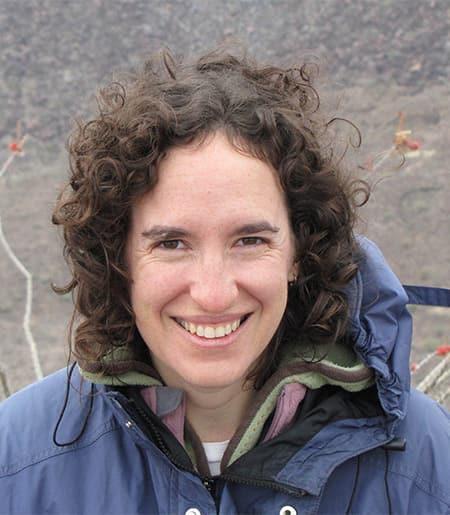
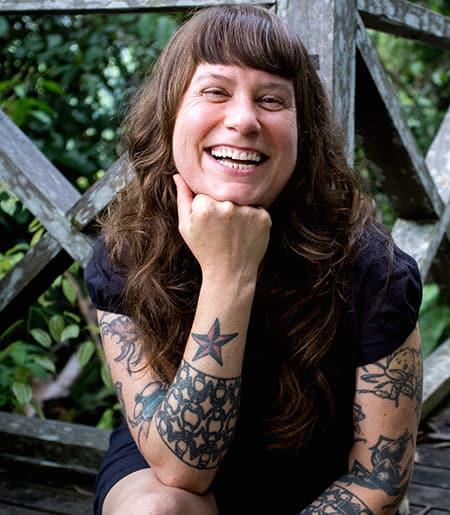
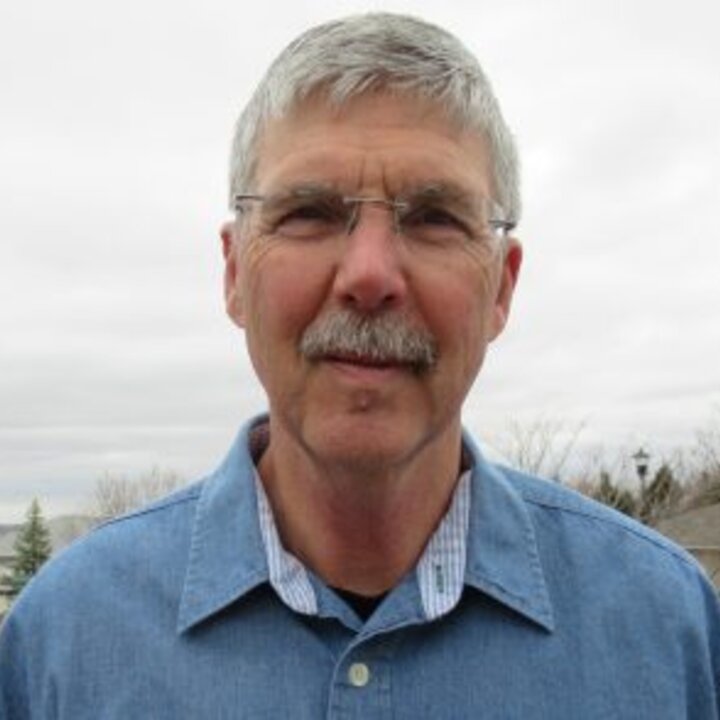
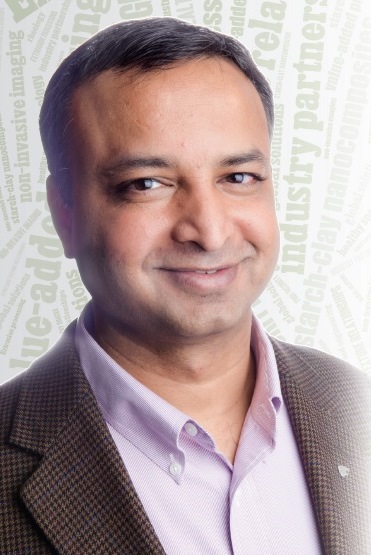
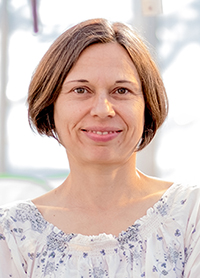
Dr. Corey T. Callaghan is an Assistant Professor in the Department of Wildlife Ecology and Conservation at the University of Florida . Based at the Fort Lauderdale Research and Education Center , his research focuses on global change ecology using big data from citizen science platforms like eBird and iNaturalist, combined with geospatial analyses and macroecological theory . Ph.D. (2019) from UNSW Sydney M.S. (2015) from Florida Atlantic University B.S. + B.S. (2013) from Canisius College His work examines urban ecology , including how species traits influence urban tolerance across birds, amphibians, and butterflies. He develops adaptive sampling frameworks to optimize citizen science data collection while addressing biases. Current projects analyze human-nature interactions through citizen science participation, secondary data in photographs, and machine learning for biodiversity monitoring. He actively contributes to conservation strategies for urban biodiversity and data-driven restoration efforts . Recent publications highlight his expertise in cross-taxa comparisons , continental-scale analyses , and ecosystem service quantification . He leads the Global Ecology Research Group at the University of Florida, emphasizing collaborative science and open-source methodologies .
Jennifer S. Thaler is a Professor in the Department of Ecology and Evolutionary Biology at Cornell University, affiliated with the College of Arts and Sciences. She holds a Ph.D. from the University of California, Davis (1999) and a B.A. from Wellesley College (1993). Her research focuses on tri-trophic interactions between plants, herbivores, and predators, with an emphasis on chemical ecology, plant defense mechanisms, and pest control strategies. She teaches courses such as Chemical Ecology and Insect Ecology, and her work bridges fundamental ecological theory with applied agricultural challenges. Dr. Thaler’s research investigates how plant traits, predator presence, and nutritional states influence herbivore behavior and population dynamics. Notable projects include studying non-consumptive predator effects, plant genotypic diversity’s impact on herbivores, and the evolutionary potential of antipredator plasticity. Her publications span journals like Ecology , Oecologia , and Proceedings of the Royal Society B . Her scientific contributions include winning the 2nd place Elton Prize (2015) for research on predator effects on aphids. She actively engages in departmental initiatives, including the Graduate Program and the Plant-Insect Interactions Seminar. Affiliated with the Cornell Stable Isotope Laboratory, she contributes to interdisciplinary efforts in ecological research and education.
Corrie Moreau is the Martha N. & John C. Moser Professor of Arthropod Biosystematics and Biodiversity at Cornell University, serving as Director & Curator of the Cornell University Insect Collection. She holds affiliations with the Department of Ecology and Evolutionary Biology and the College of Arts and Sciences. Her research focuses on symbiotic factors driving speciation, adaptation, and diversification in insects, particularly ants. Moreau’s work integrates molecular methods, next-generation sequencing, and field-based research to study biodiversity across scales. Education: Ph.D. in Organismic and Evolutionary Biology from Harvard University (2007), M.Sc. in Biology from San Francisco State University/California Academy of Sciences (2003), B.S. in Biology from San Francisco State University (2000). Research Interests: Evolutionary patterns/processes, organismal biology, plant-animal interactions, chemical ecology, sustainability, and microbiome dynamics. Her lab (Moreau Lab) investigates ant-microbe symbioses, host-microbe interactions, and the role of symbioses in macroevolutionary processes. Recent work includes studies on ant phylogenetics, gut microbiome evolution, and the impact of invasive species on native ecosystems. Publications highlight her contributions to understanding ant evolution, microbial symbiosis, and biogeography. Grants include NSF-funded projects on ant genomics and symbiosis. She advocates for natural history collections and their role in biodiversity research and education.
Ian Grettenberger is an Assistant Professor of Cooperative Extension in the Department of Entomology and Nematology at the University of California, Davis. He leads the Grettenberger Lab, focusing on applied entomology in agricultural ecosystems. His work emphasizes pest management strategies, biological control, and sustainable solutions for invasive species threatening California crops. Education: B.S. in Biology, Western Washington University Ph.D. in Entomology, Pennsylvania State University Research Interests: Grettenberger’s expertise spans pest management of field/vegetable crops, invasive species like the Bagrada bug and western striped cucumber beetle, and resistance management in pests such as the alfalfa weevil. He investigates biological control mechanisms, pesticide efficacy, and economic impacts of pest management policies. Key Contributions: Recent work includes studies on insecticide spray optimization, economic implications of pesticide regulations, and biological control of invasive species. His research bridges laboratory and field settings, addressing challenges in California’s agricultural landscapes. Labs/Teams: The Grettenberger Lab collaborates on applied entomology projects, advancing IPM practices and crop protection strategies.
Sungkwon Park is a Professor in the Department of Food Science and Biotechnology at Sejong University, specializing in advanced food science and biotechnology research with a focus on meat science, cultured meat production, and sustainable food systems. His research integrates molecular biology, food biotechnology, and systems biology to develop innovative food solutions. His educational background includes a Ph.D. from Purdue University (2008), M.S. from Yeungnam University (2001), and B.S. from Yeungnam University (1999). Prior to his current position, he worked as a Postdoctoral Fellow at Virginia Tech (2008-2012) and as a Research Officer at the National Institute of Animal Science, RDA (2012-2015). Professor Park's research interests focus on livestock production optimization, meat processing for health functionality, environmentally friendly animal production systems, and in vitro meat production. His work has led to significant achievements including the identification of calcium and glucose interaction mechanisms in muscle metabolism, development of oleogel-based meat processing techniques, optimization of feed ingredients for sustainable livestock, and establishment of in vitro meat production systems. His recent publications (2023-2025) demonstrate a strong focus on cultured meat technology, meat science, and sustainable food production. The research spans cellular mechanisms for cultured meat production, safety and regulatory aspects of alternative proteins, comparative analysis of muscle satellite cells, and optimization of meat processing techniques. His work shows a clear trend toward developing practical applications for next-generation meat products with emphasis on health functionality and environmental sustainability. Professor Park actively serves as a reviewer for Frontiers in Veterinary Science and is an Editorial Board Member of the Korean Society of Animal Science. His laboratory, the M&M'a lab (Functional Food Lab), conducts research on high-value-added, health-functional BioFood and future foods using bio-convergence technologies.
Dr. Albert Ruhi is Associate Professor in Environmental Science, Policy and Management at UC Berkeley. His research examines freshwater ecosystem responses to global change, with focus on hydrologic alteration and drought impacts across river networks. The Ruhi Lab integrates field experiments, time-series analysis, and hydrologic modeling to understand metacommunity dynamics and ecosystem resilience. Educational background: PhD in Ecology, University of Girona BS in Biology, University of Girona Research explores: Drought impacts on aquatic communities Climate change effects on stream metabolism Wetland restoration outcomes Metacommunity recovery pathways Ecohydrological feedbacks Recent publications address: Phenological shifts in estuarine food webs Flow alteration cascades in river networks Beaver-mediated drought resilience Groundwater-riparian interactions Awards and honors: NSF CAREER Award (2021) California Sea Grant Award (2021) Hellman Fellowship (2020) Winkler Scholar (2023) Research group includes 7 graduate students and postdocs studying: Urban river restoration Tidal marsh food webs Alpine stream thermal regimes Vernal pool seedbanks Field sites span Sierra Nevada streams, San Francisco Bay wetlands, and Mediterranean rivers.
Peter Wilf is a Professor in the Department of Geosciences at Pennsylvania State University's College of Earth & Mineral Sciences. His research focuses on fossil plants as indicators of past climates, biodiversity, and environmental disturbances from the latest Cretaceous through middle Eocene (~67-45 million years ago). Wilf leads significant research projects including the Origins of Southeast Asian Rainforests from Paleobotany and Machine Learning and the Patagonia Paleofloras Project. His research interests span paleobotany, paleoclimatology, plant-insect interactions, and biogeography, with emphasis on how deep-time data illuminate modern ecosystems and their responses to anthropogenic change. Wilf's work primarily focuses on the latest Cretaceous through middle Eocene, examining global disturbances including warming and cooling events, the end-Cretaceous mass extinction, and recovery periods. His research has significant implications for understanding climate change, biodiversity conservation, and ecosystem dynamics. Wilf's extensive publication record demonstrates consistent high-impact research across paleobotany, with recent work focusing on Southeast Asian rainforests, Patagonian paleofloras, and the connections between Gondwanan landmasses. His research integrates fieldwork in Patagonia and Southeast Asia with advanced analytical techniques, including machine learning applications for fossil leaf identification. Fellow, American Association for the Advancement of Science (AAAS) 2022 Wilson Award for Excellence in Research, Penn State College of Earth & Mineral Sciences 2022 Fellow, Paleontological Society 2017 Fellow, Geological Society of America 2016 Paul F. Robertson Research Breakthrough of the Year Award, Penn State College of Earth & Mineral Sciences 2016 George W. Atherton Award for Excellence in Teaching, Pennsylvania State University 2013 Wilf maintains an active research program with numerous NSF-funded projects and international collaborations. He leads a productive lab group conducting extensive fieldwork in Patagonia, Argentina, and Southeast Asia. His research has transformed understanding of Southern Hemisphere floras, the role of Patagonia in plant evolution, and connections between ancient and modern ecosystems across continents. Wilf's laboratory serves as a hub for paleobotanical research, bringing together students, postdocs, and international collaborators to study fossil plant collections from around the world. The lab integrates traditional paleobotanical methods with cutting-edge technologies including machine learning for fossil identification and advanced imaging techniques for detailed morphological analysis.
Dr. Gary Brewer is a Professor in the Department of Entomology at the University of Nebraska-Lincoln, with a 60% research and 40% teaching appointment. He has served as department head at NDSU (1997-2006) and UNL (2006-2018). His research focuses on field crops entomology, IPM of pasture cattle flies, salt creek tiger beetle conservation, and pollinator health. He has pioneered a push-pull strategy using coconut oil-derived repellents and led curriculum design for Rwanda’s Conservation Agriculture program. Education: B.S. in Zoology, University of Nebraska-Lincoln (1974) M.S. in Entomology, University of Nebraska-Lincoln (1978) Ph.D. in Entomology, Kansas State University (1984) Research Interests: Brewer’s work spans insect ecology, pest management, and conservation. Key areas include stable fly and horn fly control, pollinator protection, and endangered species recovery (e.g., Salt Creek tiger beetle). His lab develops natural product-based pest repellents and evaluates biopesticides for sustainable agriculture. Grants & Contributions: $362,150 USDA grant for undergraduate research in beneficial insect protection (2018) $325,000 USDA grant for multi-tactic stable fly control (2017) NE Game and Parks funded salt creek tiger beetle reintroduction programs Labs & Teams: Brewer’s team collaborates with industry (e.g., Vestergaard Frandsen) and international partners to advance IPM strategies. His work bridges field research with applied solutions for farmers and conservationists.
Jenny Kao-Kniffin is a Professor in the Horticulture Section of the School of Integrative Plant Science at Cornell University. Her research focuses on the belowground ecology of horticultural landscapes, particularly the ecology and management of invasive plants and weeds in horticultural landscapes, wetlands, and urban ecosystems. She applies concepts from microbial ecology to understand how soil microorganisms impact plant populations both beneficially (aiding in plant growth and fitness) and negatively (keeping populations in check). Dr. Kao-Kniffin's research interests include: Weed science and ecological management of weeds Urban ecology and urban agriculture Rhizosphere biology and plant-microbe interactions Soil microbiome selection and manipulation Ecological approaches to sustainable agriculture Her work centers on three main research areas: selection of rhizosphere microbiomes that modulate plant traits, identifying functional roles of microbiomes that mediate plant growth, and assembly of plant-microbial communities that enhance ecosystem services. She has demonstrated that microbiomes can be manipulated to alter flowering time in plants and has developed ecological approaches for weed management through soil carbon amendments. Her recent publications reveal a strong focus on urban soil microbiomes, nitrogen cycling in agroecosystems, and the application of microbial ecology to sustainable agriculture. The research spans from fundamental plant-microbe interaction studies to practical applications in urban agriculture and weed management, with particular emphasis on how soil amendments and microbial communities can be leveraged for ecological management of plant systems. Notable scientific achievements include: The White House Presidential Early Career Award for Scientists and Engineers (PECASE), 2019 Weihenstephan Science Award, International Collaboration for Early Career Scientists 2017 Cornell University CALS Award for Excellence in Mentoring Undergraduate Students in Independent Research 2013 Dr. Kao-Kniffin actively mentors graduate students and has developed extension programs focused on assisting public and private audiences with methods to manage weedy and invasive plants in horticultural landscapes. Her lab has developed a web-based software program that allows users to select weed management methods based on conventional or organic preferences. She teaches PLSCI 4900: Reflection on Plant Sciences Experiential Learning and maintains an active research program with several ongoing projects in urban agriculture, particularly working with New York City farmers to construct clean soil from local materials.
Nick Haddad is a Professor of Integrative Biology at Michigan State University and serves as the Director of the Long-Term Ecological Research (LTER) site at Kellogg Biological Station. His research focuses on ecological experimentation, particularly examining how habitat loss and fragmentation impact biodiversity and ecosystem functioning. He specializes in reversing these negative effects through landscape connectivity strategies and diversified working landscapes, with a strong emphasis on insect conservation, including critically endangered butterfly species. Role: Professor, Integrative Biology Directorship: KBS LTER Site Location: 322 Kellogg Biological Station Email: haddadn3@msu.edu Haddad's research spans habitat fragmentation, biodiversity conservation, climate change impacts, and agricultural sustainability. His lab conducts large-scale experiments like the Corridor Project and studies rare butterflies (e.g., St. Francis’ satyr, Miami blue) to understand extinction risks and recovery strategies. Recent work explores pesticide effects, prairie restoration, and long-term ecological trends. The 15 most recent publications highlight habitat fragmentation's ecological impacts, climate-driven phenological shifts, and innovative conservation approaches. Key themes include biodiversity monitoring, pesticide-driven declines, prairie restoration for pollinators, and climate adaptation strategies. His work leverages long-term datasets (e.g., 40-year LTER) and integrates theory with applied conservation. Lab activities include mentoring undergraduate and graduate students at KBS, leading the Haddad Lab, and collaborating on projects like the KBS-LTER and SRS Corridor initiatives. Research spans both terrestrial and agroecosystems, emphasizing actionable solutions for conservation and sustainable land use.
Dr. Sajid Alavi is a Professor in the Department of Grain Science and Industry at Kansas State University. He joined the faculty in 2002 after earning his Ph.D. in Food Science/Food Engineering from Cornell University (2002), M.S. in Agricultural and Biological Engineering from Penn State (1997), and B.S. in Agricultural Engineering from IIT (1995). His research focuses on extrusion processing in food, pet food, and feed applications, with expertise in rheology, food microstructure imaging, and process sustainability. He leads global projects in Africa, Brazil, India, and beyond, emphasizing sustainable food technologies and AI-driven processing innovations. Dr. Alavi is a recipient of the 2010 Young Research Scientist Award from the Cereals & Grains Association. He teaches GRSC 620 (Intro to Extrusion Processing) and GRSC 820 (Advanced Extrusion Processing), and has trained over 1,000 industry leaders through his renowned 'Extrusion Processing: Technology and Commercialization' short course. His work bridges food science and engineering, addressing challenges in plant-based meat analogs, nutrient bioavailability, and food aid product development. Key facilities associated with his work include the BIVAP Feed Quality Assurance Lab and Hal Ross Flour Mill. His research spans sensory analysis of meat alternatives, fiber utilization in pet food, and sustainability assessments of novel crops like intermediate wheatgrass. Recent studies explore insect protein in pet food, AI-driven extrusion optimization, and iron bioavailability in fortified foods. Dr. Alavi’s contributions span academic, industrial, and global food security domains, reflecting a commitment to innovative, scalable food solutions.
Bryan Brown is an Adjunct Assistant Professor at the School of Integrative Plant Science , Horticulture Section , and an Integrated Weed Management Specialist with Cornell Integrated Pest Management . His work focuses on minimizing agricultural and environmental risks through innovative weed control strategies. Ph.D., University of Maine, 2017 B.A., Colby College, 2009 Dr. Brown’s research emphasizes integrated weed management informed by weed species biology, including weed seedbank dynamics and culturally appropriate extension . His projects explore ecologically-based solutions like stacked cultivation, electrical weed control, and cover cropping to address herbicide resistance and labor shortages. He also investigates the interplay between weed management and soil health or economic viability in organic and conventional systems. Dr. Brown’s extension efforts prioritize farmer collaboration through on-farm demonstrations , educational media , and slow-motion analysis of cultivation tools. His outreach includes addressing glyphosate-resistant waterhemp in New York State and clarifying public health risks through the Into the Weeds podcast.
Ross Meentemeyer is a Professor and Director of the Center for Geospatial Analytics at North Carolina State University, affiliated with the Department of Forestry and Environmental Resources in the College of Natural Resources. He holds a Ph.D. in Geography from the University of North Carolina, Chapel Hill (2000) and a B.S. in Geography from the University of Georgia (1993). His research focuses on geospatial analytics, ecological forecasting, biological invasions, and forest health, with a strong emphasis on integrating geospatial data and modeling to address environmental challenges. Dr. Meentemeyer's work includes developing decision-support tools for pest management, climate adaptation, and land-use planning. Notable projects involve forecasting invasive species spread via international trade, creating open-source geospatial platforms, and modeling floodplain development risks. He collaborates extensively with federal agencies like USDA, DOI, and NPS to translate research into practical solutions. His grants include multi-million dollar NSF and USDA-funded initiatives addressing plant disease pandemics, agricultural pest threats, and geospatial infrastructure development. Key outcomes include the PAdb system for pandemic prediction and the FUTURES model for urbanization forecasting. He also leads efforts to enhance stakeholder engagement through participatory modeling tools like Tangible Landscape. Research contributions span 20+ years, with over 100 peer-reviewed articles on topics like viewscape modeling, river water dynamics, and wildfire-epidemic interactions. His work bridges ecological and social sciences, emphasizing actionable solutions for sustainable land management and climate resilience.
Ana Maria Velez is an Associate Professor at the Department of Entomology, University of Nebraska-Lincoln. Her research focuses on insect responses to chemical stressors, particularly RNA interference (RNAi) and Bt toxins for pest management. With a 80% research and 20% teaching appointment, she leads the Insect Toxicology Lab and teaches courses like 'Toxins in the Environment' and 'Insecticide Toxicology.' Education: Ph.D. in Entomology, University of Nebraska-Lincoln, 2013 M.S. in Entomology, Universidad Nacional de Colombia, 2009 B.S. in Biology, Pontificia Universidad Javeriana, Colombia, 2006 Her research spans molecular, organismal, and population levels to evaluate transgenic crops and RNAi technologies. Key areas include resistance mechanisms, non-target effects, and risk assessment frameworks. She has extensive publications on western corn rootworm and fall armyworm, emphasizing sustainable pest control. Her work also addresses sublethal impacts on non-target species like monarch butterflies and honeybees. Recent articles highlight RNAi delivery optimization, Bt resistance dynamics, and ecological impacts of insecticides. Her lab collaborates on patents for RNAi-based pest suppression methods targeting chromatin remodeling and developmental genes. Scientific Awards Distinguished Multicultural Alumni (2019) DuPont Young Professor Award (2016) International Congress of Entomology Travel Awards (2016) Widaman Trust Distinguished Graduate Assistant (2011) Milton E. Mohr Teaching Fellowship (2012) The Vélez Arango Lab investigates durability and safety of insect control technologies, with emphasis on RNAi and Bt crops. Their work informs integrated pest management (IPM) systems and regulatory frameworks.
Zsofia Szendrei is a Professor in the Department of Entomology at Michigan State University (MSU), affiliated with the College of Agriculture & Natural Resources. Her work spans teaching (10%), research (40%), and extension (50%), focusing on vegetable production entomology. She leads the Szendrei Lab, which explores chemical ecology, biological control, and sustainable pest management. Her research emphasizes reducing reliance on synthetic pesticides through integrated approaches like habitat manipulation and molecular detection of trophic interactions. She collaborates closely with growers and extension educators to implement practical solutions for vegetable pest challenges. Education: M.Sc. in Horticulture (Hungary, 2001), Ph.D. in Entomology (MSU, 2005). Professional roles include Co-Editor-in-Chief of American Entomologist (2021–present) and leadership in MSU's Extension programs. She prioritizes student mentorship, fostering creativity and hands-on research in a collaborative lab environment. Key research themes include agroecology, pest-behavioral interactions, and pollinator conservation. Her extension efforts target reducing insecticide use while maintaining crop profitability. Recent work investigates heatwave impacts on crop-pest dynamics and pollinator protection. She has authored/co-authored over 50 peer-reviewed articles, with a focus on topics like cover crops, pathogen management, and invasive species. Her lab’s findings inform both academic discourse and real-world agricultural practices.