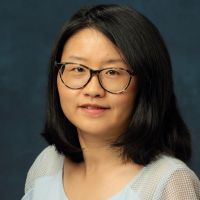
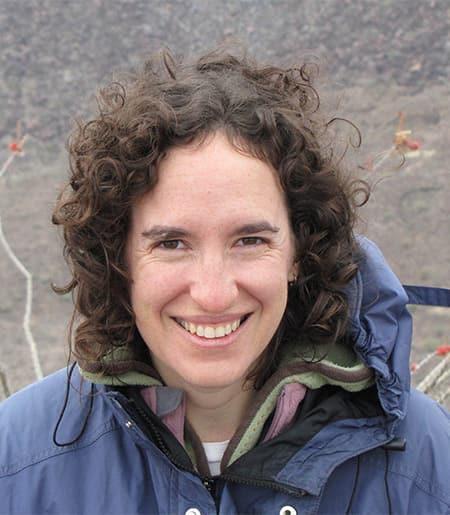
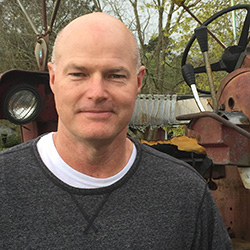
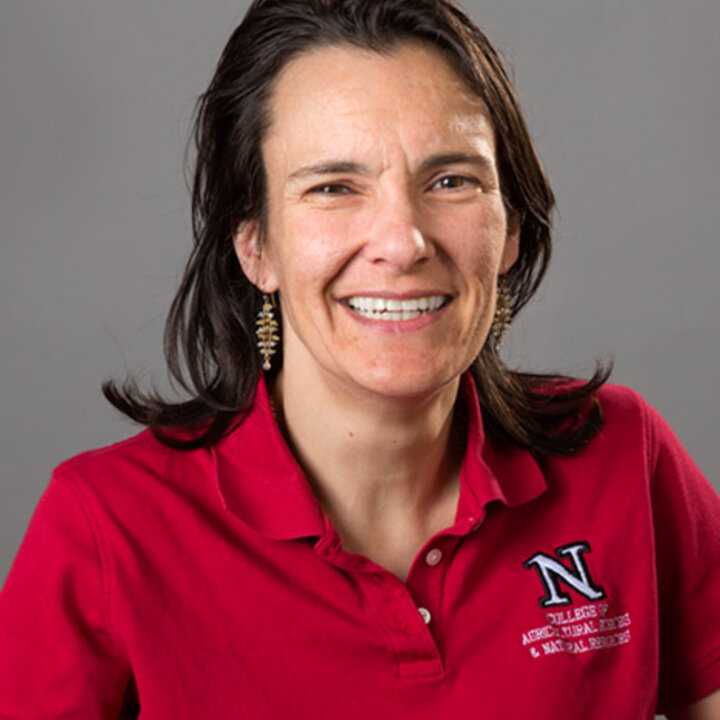
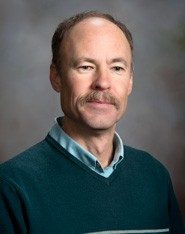
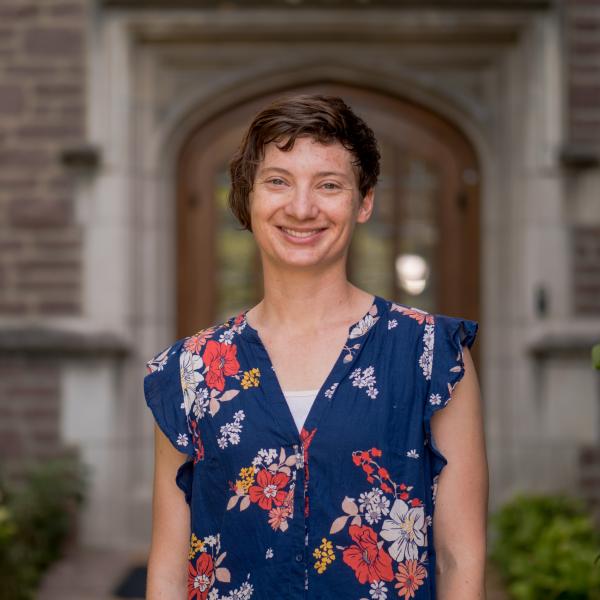
Arti Singh is an Assistant Professor in the Department of Agronomy at Iowa State University. Her research focuses on plant breeding, soybean diseases, genomics, and phenomics, with a strong emphasis on integrating artificial intelligence and high-throughput technologies into agricultural systems. She leads projects involving AI-driven disease identification, precision agriculture, and crop improvement strategies. Her expertise includes developing machine learning models for real-time weed and insect classification (e.g., WeedNet and InsectNet), deploying drones and ground robots for crop phenotyping, and leveraging genomic data to map traits like flowering time and disease resistance in legumes. Singh collaborates on initiatives like the AIIRA Institute for Resilient Agriculture and the BioTrove biodiversity dataset. Singh’s work spans plant stress phenotyping, digital twin technologies for plant sciences, and multi-sensor phenotyping for early disease detection. Her research bridges computational methods with traditional agronomy, aiming to enhance crop resilience and sustainability in the face of environmental challenges. Her recent projects include optimizing robotic navigation for precision agriculture, improving soybean yield estimation via video analysis, and dissecting genetic architectures of traits in mungbean and soybean using GWAS and genomic tools. She actively contributes to conferences and publishes in high-impact journals, advancing both foundational and applied aspects of agricultural science.
Ning Zhang is an Assistant Professor in the Biology Department at James Madison University (JMU), joining in 2024. Her research focuses on enhancing crop resilience through molecular and biochemical studies of plant defense mechanisms against bacterial pathogens, alongside developing genome editing technologies for trait improvement. She holds a PhD in Horticulture and Crop Science from The Ohio State University (2016), an MS in Silviculture from Zhejiang Agriculture and Forestry University (2011), and a BS in Landscape Architecture from Shandong Agricultural University (2008). Research Interests: Dr. Zhang's lab investigates plant immunity pathways, CRISPR/Cas9 genome editing applications, and engineering crops for disease resistance. Her work integrates molecular biology, genetics, and biochemistry to tackle challenges posed by climate change and biotic/abiotic stresses. Recent Trends in Publications: Her articles concentrate on MAPK signaling pathways, NLR protein interactions, PP2C phosphatase regulation, and bacterial effector mechanisms in tomato and other crops. Key themes include immune system activation, pathogen recognition diversity, and transgenic plant development. Lab Information: The Zhang Lab at JMU is part of the Department of Biology, focusing on plant biotechnology solutions for agricultural sustainability. They collaborate on projects involving CRISPR-based gene editing and stress tolerance research.
Jennifer S. Thaler is a Professor in the Department of Ecology and Evolutionary Biology at Cornell University, affiliated with the College of Arts and Sciences. She holds a Ph.D. from the University of California, Davis (1999) and a B.A. from Wellesley College (1993). Her research focuses on tri-trophic interactions between plants, herbivores, and predators, with an emphasis on chemical ecology, plant defense mechanisms, and pest control strategies. She teaches courses such as Chemical Ecology and Insect Ecology, and her work bridges fundamental ecological theory with applied agricultural challenges. Dr. Thaler’s research investigates how plant traits, predator presence, and nutritional states influence herbivore behavior and population dynamics. Notable projects include studying non-consumptive predator effects, plant genotypic diversity’s impact on herbivores, and the evolutionary potential of antipredator plasticity. Her publications span journals like Ecology , Oecologia , and Proceedings of the Royal Society B . Her scientific contributions include winning the 2nd place Elton Prize (2015) for research on predator effects on aphids. She actively engages in departmental initiatives, including the Graduate Program and the Plant-Insect Interactions Seminar. Affiliated with the Cornell Stable Isotope Laboratory, she contributes to interdisciplinary efforts in ecological research and education.
Dr. Rebecca Pratt is a tenured Professor in the Department of Foundational Medical Studies at Oakland University William Beaumont School of Medicine (OUWB), where she has been a faculty member since January 2018. She previously held professorial roles at Michigan State University College of Osteopathic Medicine (MSUCOM), where she taught anatomy, embryology, neuroanatomy, physiology, and histology, and served as Associate Professor and Director of Histology at the West Virginia School of Osteopathic Medicine. She also held appointments at Grand Valley State University and completed postdoctoral training at Purdue University. Ph.D., Cell Biology and Oncology, Purdue University B.S., Zoology and Botany/Plant Pathology, Michigan State University Dr. Pratt's research focuses on the fascial system and its role in whole-body health, including fascial continuity, muscle attachment, somatic pain transmission, and biochemical communication. She integrates radiology into anatomy education and advocates for evidence-based medical curricula. Her work bridges clinical anatomy, histology, embryology, and physiology with modern educational practices. Her recent publications reflect a strong emphasis on fascial anatomy, medical education innovation, and the integration of imaging in teaching. Themes include plastination, generational learning trends, and fascia’s role in women's health and athletic performance, published in journals like Clinical Anatomy and Anatomical Sciences Education , as well as in Women and Men’s Health and NIKE magazines. Scientific awards and honors include: Basmajian Award (American Association of Anatomy) Keith and Marion Moore Award (AAA) Five consecutive Golden Apple Teaching Awards at MSUCOM Golden Apple Award at OUWB Dr. Pratt has served in major leadership roles, including President of the International Fascia Research Society, Board Member of the American Association of Anatomy (AAA) and the American Association of Clinical Anatomy (AACA), and Chair of multiple AAA committees. She is a Visiting Anatomy Professor at Weill Cornell and St. George’s University School of Medicine, and faculty advisor for the Docapellas at OUWB. She has been an invited speaker internationally and contributed to high-impact projects like the BodyWorlds Fascial Net Plastination Project. She actively serves on OUWB’s Admissions and Student Promotion and Retention Committees. Dr. Pratt leads and organizes major international initiatives, including the Women's Clinical Health Summit in Rio de Janeiro (2024) and the Fascia Research Congress in New Orleans (2025), fostering global collaboration in fascial science. Her lab and research team focus on fascial anatomy and medical education, working closely with institutions in Italy (University of Padova) and Germany (BodyWorlds project).
Wing Lam is an Associate Research Scientist in the Department of Pharmacology at the Yale School of Medicine. He holds a BSc in Molecular Biology and a PhD in Biochemical Pharmacology from City University of Hong Kong, followed by postdoctoral training at Yale. His research focuses on developing traditional Chinese medicine (TCM) formulations as adjuvants for cancer therapy, notably YIV-906, which enhances chemotherapy efficacy and mitigates intestinal toxicity. Lam also pioneered the STAR database for herbal drug discovery and the Mechanism-Based Quality Control (MBQC) platform for botanical drug standardization. Education: BSc (Hons) Molecular Biology, City University of Hong Kong, 1995 PhD Biochemical Pharmacology, City University of Hong Kong, 1999 Postdoc, Pharmacology, Yale University, 1999-2002 His research interests span cancer pharmacology, TCM modernization, and mitochondrial toxicity mechanisms. Key projects include YIV-906’s role in enhancing anti-PD1 and CAR T-cell therapies, developing L-nucleoside analogs like troxacitabine, and investigating tylophorine analogs’ antitumor effects. Lam has co-chaired sessions at multiple Consortium for Globalization of Chinese Medicine (CGCM) meetings and contributed to patents on herbal drug formulations and quality control methods. Recent work explores YIV-906’s potential for inflammatory bowel disease (IBD) and phase II clinical trials for colon and liver cancers. Lam’s publications highlight synergistic drug interactions, mitochondrial DNA depletion mechanisms, and TCM’s evidence-based application in chronic diseases. His grants include studies on PHY906 as an adjuvant in rectal cancer therapy and collaborations with Yiviva, Inc. He maintains active roles in editorial boards, including a special issue on herbal drug quality control in Frontiers in Pharmacology . Lam’s lab is embedded within Dr. Yung-Chi Cheng’s group, focusing on translational pharmacology and botanical drug innovation.
James Van Etten is the William Allington Distinguished Professor of Plant Pathology at the University of Nebraska-Lincoln, affiliated with the School of Biological Sciences and Nebraska Center for Virology. His research focuses on chloroviruses—large dsDNA viruses infecting Chlorella-like algae—with emphasis on DNA replication, restriction systems, and membrane transport proteins. Key research themes include: Viral DNA modification systems Host-virus interactions Structural virology Evolution of organellar genomes Recent work analyzed: SMRT sequencing of viral methylation patterns Chlorovirus cryopreservation methods Potassium channel biophysics Host chemical signaling mechanisms Lab webpage: vanettenlab.unl.edu
Ian Grettenberger is an Assistant Professor of Cooperative Extension in the Department of Entomology and Nematology at the University of California, Davis. He leads the Grettenberger Lab, focusing on applied entomology in agricultural ecosystems. His work emphasizes pest management strategies, biological control, and sustainable solutions for invasive species threatening California crops. Education: B.S. in Biology, Western Washington University Ph.D. in Entomology, Pennsylvania State University Research Interests: Grettenberger’s expertise spans pest management of field/vegetable crops, invasive species like the Bagrada bug and western striped cucumber beetle, and resistance management in pests such as the alfalfa weevil. He investigates biological control mechanisms, pesticide efficacy, and economic impacts of pest management policies. Key Contributions: Recent work includes studies on insecticide spray optimization, economic implications of pesticide regulations, and biological control of invasive species. His research bridges laboratory and field settings, addressing challenges in California’s agricultural landscapes. Labs/Teams: The Grettenberger Lab collaborates on applied entomology projects, advancing IPM practices and crop protection strategies.
David L Jordan is the William Neal Reynolds Distinguished Professor in the Department of Crop and Soil Sciences within the College of Agriculture and Life Sciences at North Carolina State University. His appointment consists of 50% Extension, 25% Research, and 25% Academic responsibilities. He serves as a Crop Science Extension Specialist with a focus on peanut production and weed management, working closely with the North Carolina Peanut Growers Association, private consultants, industry representatives, and farmers. Dr. Jordan received his educational background from North Carolina State University and the University of Arkansas: PhD in Agronomy, University of Arkansas, 1993 MS in Crop Science, North Carolina State University, 1988 BS in Agronomy, North Carolina State University, 1985 AS, Chowan College, 1983 Dr. Jordan's research focuses primarily on peanut-based cropping systems, integrated pest management in peanut production, and the applied biology and management of weeds. His work addresses critical challenges in sustainable agriculture, including herbicide resistance management, crop rotation strategies, and aflatoxin mitigation in peanut production. He has developed significant expertise in developing risk tools to assist peanut growers and their advisors manage pests. His international work extends to Africa, where he collaborates with colleagues to develop more effective and sustainable pest management strategies for peanut (groundnut) and to improve food safety through aflatoxin mitigation. His recent publications reveal a strong focus on optimizing agricultural practices for peanut, cotton, and soybean production. Key themes include crop rotation effects on weed populations, nematode management in peanut systems, herbicide resistance evolution in agricultural weeds, and international peanut production practices. His research integrates field studies with practical extension applications to address real-world agricultural challenges across multiple continents. Dr. Jordan has received numerous prestigious awards throughout his career: Fellow of multiple professional societies including the American Society of Agronomy, Crop Science Society of America, Weed Science Society of America, and Southern Weed Science Society William Neal Reynolds Distinguished Professor (2015) Academy of Outstanding Faculty in Extension and Engagement, North Carolina State University (2022) Outstanding Extension and Engagement Award, North Carolina State University (2022) Dow AgroSciences Award for Excellence in Education from the American Peanut Research and Education Society (2010) Dr. Jordan has mentored numerous graduate students, serving as advisor or co-advisor for 3 MCS, 13 MS, and 12 PhD students, and has served on 40 MS, 45 PhD, and 7 MA graduate committees. His grant funding totals over $11.9 million from Louisiana State University Agricultural Center (1993-1996) and North Carolina State University (1996-present). He has led multiple USAID-funded international projects focused on peanut production and aflatoxin mitigation in countries like Ghana, Haiti, and Malawi. Dr. Jordan leads a comprehensive research and extension program focused on peanut production systems. His work involves close collaboration with multiple departments at NC State including Entomology and Plant Pathology and Biological and Agricultural Engineering. Internationally, he works with colleagues across Africa to develop sustainable pest management strategies. His program emphasizes interdisciplinary collaboration among many individuals, disciplines, and institutions with the common goal of improving the quality of life of people through agricultural improvements, education, and science.
Dr. Michael Ivie is a Professor in the Department of Plant Sciences & Plant Pathology at Montana State University (MSU), affiliated with the College of Agriculture. His research focuses on insect systematics, faunistics, and taxonomy, with a particular emphasis on beetles and bees. He holds a Ph.D. in Systematic Entomology from The Ohio State University (1985), an M.S. in Entomology (1981), and a B.S. in Entomology from the University of California, Davis (1977). His research contributions include groundbreaking work on beetle phylogenetics, integrative taxonomy of Coleoptera, and biodiversity studies of North American insects. Notable projects include phylogenomic analyses of Phengodidae and revisions of Lycidae genera. He has authored or co-authored numerous articles in journals like the Zoological Journal of the Linnean Society and The Coleopterists Bulletin. Grants: Exotic Woodborer traps (MDA), Pollinator Surveys (US Forest Service), Wild Bees of Montana (MDA/BLM), and biodiversity studies funded by BLM. Awards: Nominated for Fellow of the Royal Entomological Society (1991) and Honorary Member of the Coleopterists Society (2009). Service: Editor for Zootaxa and ZooKeys, former President of the Bozeman Creek Neighborhood Association, and President of the Coleopterists Society. Dr. Ivie is the Curator of the Montana Entomology Collection (MTEC), a major repository of North American invertebrates, with strengths in Coleoptera, Diptera, and Apoidea. The collection supports regional and global research, including studies on pollinators and aquatic insects.
Jennifer L. Clarke is a Professor in the Department of Statistics at the University of Nebraska–Lincoln and Director of the Quantitative Life Science Initiative. She holds leadership roles in enabling big data integration across the University of Nebraska system through collaborative research programs. Her affiliations include the Institute of Agriculture and Natural Resources (IANR) and the College of Agriculture and Natural Resources. Dr. Clarke's research focuses on statistical methodology for high-dimensional data, computational biology, bioinformatics, and bacterial genomics. Her work bridges statistical innovation with applications in oncology, microbiome analysis, and agricultural phenomics. Key areas include predictive modeling, machine learning, and genomic/metagenomic data integration. Her recent publications span cancer biomarker discovery, plant phenotyping methodologies, and microbial community analysis, reflecting her interdisciplinary approach. Articles emphasize translational applications like therapeutic target identification and precision agriculture. Dr. Clarke leads initiatives fostering collaboration between statisticians and domain scientists, including the Quantitative Life Science Initiative and contributions to the Agricultural Genome-to-Phenome Initiative (AG2PI). Her work advances data-driven solutions for healthcare and food security challenges. Notable projects include developing statistical tools for microbiome studies, analyzing root architecture via 3D imaging, and investigating cranberry-derived compounds' cancer-inhibitory mechanisms. Her methodological contributions include hybrid clustering techniques and predictive model validation frameworks.
Virginia Polytechnic Institute and State UniversityUnited States
Dr. Kevin Kochersberger is an Associate Professor in the Department of Mechanical Engineering at Virginia Tech , with a career spanning academic research, technical innovation, and educational leadership. His work focuses on autonomous aerial systems , robotic control , and applied aerodynamics , particularly through the Uncrewed Systems Laboratory . Kochersberger's research has pioneered UAV-based radiation detection , 3D terrain mapping , and low-resource drone applications , including establishing the African Drone and Data Academy in Malawi . Education: Ph.D., Mechanical Engineering, Virginia Tech (1994) M.S., Mechanical Engineering, Virginia Tech (1984) B.S., Mechanical Engineering, Virginia Tech (1983) A.S., Engineering Science, Jamestown Community College (1981) Kochersberger's publications demonstrate expertise in UAV path planning , smart material actuation , and radiation source localization , with over $9M in research funding. His scientific awards include AIAA Associate Fellow (2009) and Aviation Week Aerospace Laureate (2003). Notable projects involve helicopter-deployable robotic systems and urban canyon navigation without GPS. Recent articles highlight BVLOS drone simulators , 2.5D terrain mapping , and autonomous negative obstacle traversal , reflecting his focus on real-time adaptive control and heterogeneous robotic systems . He teaches Drone Technology and Flight Operations and Advanced Design Projects , emphasizing student-driven innovation and industry collaboration .
Dr. Rachel Penczykowski is an Assistant Professor of Biology at Washington University studying disease ecology in changing environments. Her NSF CAREER Award supports research on urban plant pathogens, particularly powdery mildew epidemics in urban heat islands. Combining field observations, lab experiments, and mathematical modeling, she examines how climate, biodiversity loss, and urbanization reshape host-parasite interactions. Her work spans diverse ecosystems—from aquatic Daphnia-parasite systems to terrestrial plant-pathogen networks—revealing how predators, resources, and microclimates indirectly modulate disease spread. Current projects investigate warming impacts on fungal virulence and host resistance evolution in St. Louis-area plant populations. Dr. Penczykowski leads outreach through the PlantSTEM program, engaging K-12 students in pathogen research. She mentors high schoolers via Tyson Research Center apprenticeships and teaches Disease Ecology, integrating modeling with empirical approaches. Her lab collaborates with the Taylor Geospatial Institute to map urban microclimate-disease linkages.
Dr. Kelsey Andersen Onofre is an Assistant Professor in the Department of Plant Pathology at Kansas State University, joining the faculty in 2020. Her research focuses on wheat diseases, integrating epidemiology, diagnostics, and management strategies to enhance on-farm productivity. She emphasizes extension and outreach, engaging extensively with Kansas farmers through field tours, workshops, and media. Education: PhD in Plant Pathology, University of Florida, 2020 MS in Plant Pathology, The Ohio State University, 2013 BA in Biology, Lafayette College, 2011 Research Focus: Her lab combines applied and theoretical approaches to study wheat diseases, including Fusarium head blight, seed system interventions, and landscape-scale disease management. Key areas include integrated pest management, pathogen surveillance, and diagnostic innovations. Outreach: She is actively involved in extension activities across Kansas, providing real-time disease updates via field scouting, radio appearances, and social media (@KSUWheatDisease). Her work bridges academic research with practical agricultural solutions.
Dr. John K VanDyk is an Adjunct Assistant Professor at Iowa State University, affiliated with the College of Agriculture and Life Sciences and Department of Entomology. He manages the CALS/LAS Web Team and maintains BugGuide.net, a major online arthropod resource. His research bridges information technology and entomology, focusing on biodiversity databases, web development, and citizen science platforms. Educational background includes a PhD and MS from Iowa State University and BS from Dordt University. Digital Projects: BugGuide.net, ISU Sites service Technical Expertise: Drupal development, data systems architecture
Nicholas Kortessis is an Assistant Professor in the Department of Biology at Wake Forest University, within The Undergraduate College. His research lies at the intersection of ecology, evolution, and theoretical modeling, focusing on how environmental variability shapes biological diversity. Research Interests: His primary areas include statistical and theoretical ecology, adaptation in variable environments, population and community dynamics, and ecosystem modeling. He uses mathematical frameworks to simulate ecological processes across large spatial and temporal scales, bridging experimental data with predictive theory. Publication Trends: His recent work spans topics such as habitat fragmentation, disease in invasive species, character displacement, seed dormancy evolution, and pandemic transmission dynamics. These reflect a strong emphasis on theoretical and synthetic approaches to ecological problems, often involving collaboration across institutions. Scientific Awards: No awards are mentioned in the provided text. Advising and Grants: While no specific students or grants are listed, Dr. Kortessis leads an active research lab and collaborates widely, indicating ongoing mentorship and likely grant-supported research. His lab engages in theoretical and data-driven ecological studies, suggesting funding from agencies supporting environmental and theoretical biology. Labs and Teams: He runs the Kortessis Lab at Wake Forest University, which focuses on modeling ecological and evolutionary processes. The lab emphasizes mathematical and conceptual tools to explore biodiversity, coexistence, and ecosystem responses to environmental change.