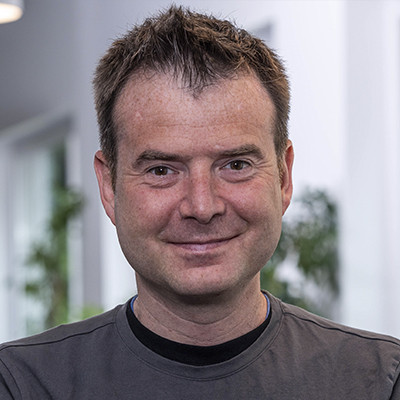
Andrey Pranovich is a faculty member at the Faculty of Natural Sciences and Engineering, where he leads the Laboratory of Natural Materials Technology focused on "Technologies for a sustainable future." His research spans multiple areas of wood chemistry, biomass utilization, and sustainable materials development. Dr. Pranovich's research interests center around natural materials, particularly focusing on: Lignin chemistry and applications Wood polysaccharides (especially xylan) Biomass fractionation and biorefinery processes Sustainable materials development Wood chemistry and characterization Nanocellulose and nanomaterials from biomass His recent publication record demonstrates significant contributions to the field of sustainable biomaterials, with particular emphasis on lignin-carbohydrate complexes, xylan-based hydrogels, and biobased materials for industrial applications. His work shows a strong trend toward developing environmentally friendly alternatives for industrial products while maximizing the utilization of biomass components. Notable scientific contributions include: Development of lignin-based CO2 capture materials Innovative extraction methods for wood components using green solvents Creation of xylan-based hydrogels for drug delivery applications Sustainable alternatives for road marking paints Advanced characterization of lignin-carbohydrate complexes Dr. Pranovich's research aligns with multiple UN Sustainable Development Goals, particularly those related to sustainable production and consumption, climate action, and responsible resource management. His work bridges fundamental wood chemistry with practical applications in materials science and environmental sustainability.
Maria Tatiana Pina Desfilis is a Professor at the Faculty of Teacher Training, Universitat de València, and an active researcher in agricultural and environmental sciences. She is affiliated with the Department of Experimental A and associated with the research groups GEOLIT (Literary Geographies) and Didactics of Experimental Sciences. She has also served as a Post-Doc at Universitat Jaume I de Castelló in Ciències Agràries i del Medi Natural. Her work bridges science education and applied entomology, particularly in sustainable citrus farming. PhD in Biological Sciences, Universitat de València (2007) Research focus: biological control, integrated pest management, soil ecology Current affiliation: Universitat de València Email: tatiana.pina@uv.es Her research centers on the biological control of key citrus pests such as Tetranychus urticae (two-spotted spider mite) and Ceratitis capitata (Mediterranean fruit fly). She investigates the impact of cover crops, pollen quality, and soil microorganisms on predator-prey dynamics and natural enemy efficacy. Her work includes evaluating acaricides and alternative control methods, such as petroleum-derived oils, and exploring molecular techniques like multiplex PCR to analyze gut contents of predatory mites. She also studies host adaptation in mite populations and the role of mycorrhizal fungi and nitrogen-fixing bacteria in plant-herbivore interactions. Her publications, primarily from 2001 to 2015, show a consistent focus on sustainable pest control in citrus agroecosystems. Key themes include the enhancement of phytoseiid mite communities, the side effects of chemical treatments on natural enemies, and ecological engineering for pest regulation. Her collaborative work with researchers like Helga Montón, G. Camañes, and Josep A. Jacas highlights her integration into a broader network of agricultural scientists. Scientific Awards: No awards mentioned in the provided texts. She has contributed to advising and research projects related to pest management, though no formal list of students is available. Her work has been supported through institutional affiliations and collaborative research, particularly in integrated pest management programs in Spanish citrus orchards. She is involved in field surveys, semi-field experiments, and molecular ecological studies. Laboratories and Research Teams: Research group: 'didacies' – Research group in science education and science teacher training Research group: GEOLIT – Literary Geographies Former Post-Doc at Universitat Jaume I de Castelló Collaborative network in citrus pest management and biological control
David M. Geiser is a Professor in the Department of Plant Pathology and Environmental Microbiology at Pennsylvania State University, where he conducts research in molecular evolutionary genetics and systematics of fungi. His work focuses on the phylogenetics and taxonomy of Fusarium and related plant pathogens, with implications for agriculture and food safety. His research interests include molecular phylogenetics, species complex delineation, DNA sequencing, fungal genomics, and mycotoxin production. He is a leading expert in the taxonomy and identification of Fusarium , contributing to major resources such as FUSARIUM-ID. His work integrates genomic, phylogenetic, and morphological data to resolve fungal species boundaries and improve diagnostic accuracy. The recent publications show a strong trend in phylogenomics, fungal taxonomy, and molecular diagnostics, particularly within the Fusarium genus. His research spans species discovery, misidentification issues in culture collections, trichothecene potential, and the development of genomic tools for pathogen identification. These works reflect a deep engagement with both fundamental fungal systematics and applied plant pathology. Elected to leadership in the Mycological Society of America Dr. Geiser has supervised and collaborated with numerous researchers, including PhD students and postdoctoral scholars, though formal advisees are not explicitly listed. He has been involved in multiple collaborative grants focused on fungal genomics, taxonomy, and plant disease diagnostics. His laboratory is part of a broad network of fungal researchers and contributes to international efforts in fungal nomenclature and classification. His lab is involved in high-impact collaborative research, particularly in the areas of fungal phylogenomics and diagnostic tool development. He is part of a global consortium working on fungal taxonomy and sequence-based nomenclature, contributing to standards that shape modern mycology.
Jeffrey Feder is a full Professor in the Department of Biological Sciences at the University of Notre Dame, where he has been a faculty member since 1993 and earned tenure in 2006. He is affiliated with the College of Science and contributes to interdisciplinary initiatives including the Eck Institute for Global Health, the Environmental Change Initiative, Advanced Diagnostics and Therapeutics, and the Integrated Biomedical Sciences graduate program. He also directs GLOBES, an NSF-funded interdisciplinary graduate training program in environment and society. Research Interests: Dr. Feder's research focuses on ecological and evolutionary genomics, particularly the mechanisms of sympatric speciation. His lab studies the apple maggot fly ( Rhagoletis pomonella ) as a model system for real-time speciation driven by host plant shifts. His work integrates genomics, population genetics, neurophysiology, and field ecology to understand how ecological adaptation leads to reproductive isolation and biodiversity. Additional interests include vector-borne diseases like Chagas disease and the coevolution of insect communities under climate change. Recent Research Trends: His recent publications highlight the genomic architecture of speciation, the predictability of evolutionary trajectories, and cascading diversification across trophic levels. Articles span topics from transcriptomic responses to host environments to the dynamics of tipping points in speciation, reflecting a multidisciplinary approach combining empirical data with theoretical insights. Sloan Foundation Evolutionary Biology Fellow NSF Career Award Fellow, Wissenschaftskolleg zu Berlin Fellow, John J. Reilly Center for Science, Technology, and Values NSF Dimensions of Biodiversity Grant (co-PI, $2M) Advising and Grants: Dr. Feder has mentored numerous PhD and master’s students, including Cheyenne Tait, Glen Hood, Mary Glover, and Meredith Doellman, many of whom have published high-impact research. He actively recruits graduate students with backgrounds in bioinformatics and evolutionary biology. His lab has secured major funding from the NSF, Indiana Clinical and Translational Science Institute, and other sources to support research on speciation genomics and disease vector diagnostics. Labs and Teams: The Feder Lab at Notre Dame is a vibrant research group focused on evolutionary genetics and genomics. It collaborates widely, including with researchers at the University of Florida, University of Colorado Denver, and Binghamton University. The lab emphasizes both field and laboratory work, maintaining strong ties to the broader Rhagoletis research community and contributing to global understanding of speciation dynamics.
Graham Christie serves as an Associate Professor in the Department of Chemical Engineering and Biotechnology at the University of Cambridge. His research is centered on bacterial spore biology, with particular expertise in spore structure, germination mechanisms, and structural biology approaches including protein crystallography. Christie collaborates with Professor Ian Wilson and Professor Lisa Hall within the Cambridge research ecosystem. Christie's research interests focus on bacterial spore structure and germination , structural biology (protein crystallography) , and coronavirus testing and inactivation . His work bridges fundamental microbiology with practical applications in biotechnology and public health. He has made significant contributions to understanding the molecular mechanisms of spore resistance and germination in Bacillus species, with implications for food safety, decontamination protocols, and antimicrobial development. Analysis of Christie's recent publications reveals a consistent focus on bacterial spore biology, particularly examining cortex lytic enzymes, germination triggers, and spore resistance mechanisms in Bacillus species. His research spans structural biology, molecular microbiology, and applied biotechnology, with increasing attention to antimicrobial applications and environmental microbiology. The publications demonstrate sophisticated integration of biochemical, genetic, and structural approaches to address fundamental questions in spore biology. Christie actively supervises PhD students and contributes to graduate education in chemical engineering and biotechnology at Cambridge. His research program appears to be well-funded through multiple projects examining spore biology from structural, functional, and applied perspectives. His work on holographic sensors for spore detection indicates translational research efforts with potential commercial applications. Christie maintains laboratory facilities within the Department of Chemical Engineering and Biotechnology, with research groups focused on spore structure-function relationships, protein engineering related to spore biology, and antimicrobial applications derived from spore research. His work on coronavirus testing suggests adaptation of spore-related technologies to address pandemic challenges.
Javier Gutierrez Illan is a Research Professor in the Department of Entomology at Washington State University. His academic career includes roles in conservation biology and ecological research, focusing on biodiversity responses to environmental changes, particularly climate change. He holds a Ph.D. in Conservation Biology from Universidad Rey Juan Carlos, Spain, and has expertise in predictive modeling, species distribution, and pest management in agroecosystems. Education: Ph.D., Universidad Rey Juan Carlos, Spain (2009) M.S., Conservation Biology, Universidad Rey Juan Carlos, Spain (2006) B.S., Biology, Universidad Complutense de Madrid, Spain (2003) Research interests center on biodiversity conservation, climate change impacts, and ecological modeling. His work addresses how species distributions shift in response to warming, with recent focus on predicting pest dynamics in the Pacific Northwest. He contributes to the Decision Aid System (DAS) group, developing tools to forecast pest effects on agriculture. Key research trends in his articles include invasive species management, soil microbiome analysis, and urban ecosystem functions. His studies highlight the interconnectedness of climate, land use, and biodiversity, emphasizing practical applications for sustainable agriculture and conservation. No scientific awards are listed. His work involves collaborations with academic and agricultural institutions, focusing on grants related to pest modeling and ecological forecasting. He participates in interdisciplinary teams like the DAS group, aiming to bridge ecological research with real-world agricultural challenges. Current projects target predictive models for invasive pests and soil health in urban and agricultural settings.
Sheng Yang He is the Benjamin E. Powell Distinguished Professor of Biology at Duke University, with joint appointments in Cell Biology. He leads the He Lab, focusing on molecular mechanisms of plant immunity against microbial pathogens, particularly the interplay between host-microbe interactions and environmental factors like climate change. His research bridges plant pathology, microbiology, and systems biology. Education: PhD in Plant Pathology from Cornell University (1991), followed by faculty roles at the University of Kentucky and Michigan State University (1995–2020) before joining Duke in 2020. He is a Howard Hughes Medical Institute Investigator (2011–2024) and a member of the U.S. National Academy of Sciences (2015). Research Interests: Host defense mechanisms, bacterial effector proteins, stomatal immunity, microbiome dynamics, and climate resilience in crops. Recent work addresses how temperature and humidity influence plant-pathogen interactions and microbiome composition. Grants & Awards: Received HHMI funding renewal (2024–2031), Clarivate Highly Cited Researcher (2021–2024), and recognition for pioneering studies on Pseudomonas syringae pathogenesis and Arabidopsis immunity. His lab has produced over 200 peer-reviewed articles. Advising & Mentoring: Guided over 20 PhD students and postdocs, many of whom now lead academic or industrial research groups. Notable advisees include Brad Paasch (Sandia National Labs), Jonghum Kim (POSTECH), and Li Zhang (Soochow University). Labs & Teams: The He Lab at Duke collaborates with institutions globally, focusing on interdisciplinary approaches to combat crop diseases. Current projects include engineering climate-resilient plant immunity and microbiome-based disease prevention strategies.
David Andow is Professor and Department Head of the Department of Applied Ecology at North Carolina State University's College of Agriculture and Life Sciences. He previously served as Distinguished McKnight University Professor in Entomology at the University of Minnesota for 38 years and conducted extensive research in Brazil with Embrapa. His work focuses on insect population ecology , ecological risk assessment , and science policy related to genetically engineered organisms. PhD in Ecology from Cornell University BSc in Biology (magna cum laude) from Brown University Postdoctoral work at Cornell University and Japan's National Institute of Agro-environmental Sciences His research has tracked insect resistance management across decades, showing consistent interest in Bt crops and transgenic plant risks . Recent work emphasizes molecular gut content analysis for understanding predator-prey relationships and insect dispersal patterns in agricultural ecosystems. Major awards include: OECD Fellow McMaster Fellow (Australia) JSPS Fellow (Japan), twice Rockefeller Foundation Fellow Entomological Society of America Fellow With over 250 invited presentations and extensive publications, Dr. Andow remains a leading voice in genetic engineering risk assessment and ecological policy .
Luigimaria Borruso is a Tenured Professor at the Faculty of Agricultural, Environmental and Food Sciences at the Free University of Bolzano. Their research focuses on soil and molecular ecology, microbial communities in agro-ecosystems, and environmental DNA (eDNA) applications for biodiversity conservation. University: Free University of Bolzano School: Faculty of Agricultural, Environmental and Food Sciences Email: luigimaria.borruso@unibz.it Research Interests: Soil and molecular ecology Plant-fungal/bacterial-soil interactions (Agro)-ecological networks in apple orchards and vineyards Soil quality indicators Agroecology Environmental DNA (eDNA) in soil biodiversity conservation Science education for soil literacy Recent Publications Trends: Recent works explore microplastics in soil systems, biochar-microbe partnerships for crop growth, microbial dynamics in extreme environments (volcanoes, Antarctica), and applications of metabarcoding in conservation biology (lemurs, bats). They also investigate sustainable agricultural practices, including living labs and soil enzyme analysis via machine learning. Courses Taught: General Chemistry and Biochemistry at the bachelor's level, and advanced topics like Soil Ecology, Statistical Methods for Agricultural Research, and Soil Protection in master's programs.
Daniel Kneeshaw is a Professor in the Department of Biological Sciences at the University of Quebec in Montreal (UQAM), where he holds the UQAM Strategic Research Chair on the resilience and vulnerabilities of temperate and boreal forests to climate change. He is a Regular Member of the Center for Forest Ecology (CEF) and has been actively contributing to forest ecology research since joining UQAM in 2001 after serving as a researcher at the Forest Research Branch of the Quebec Ministry of Natural Resources. His educational background includes a Post-doctorate in forestry sciences (1999, Laval University), Ph.D. in Environmental Sciences (1997, UQAM), M.Sc. in Forest Ecology (1992, University of British Columbia), and B.Sc. in Forestry (1989, University of Toronto). Before his academic career, he worked in softwood forests in Manitoba and British Columbia. Dr. Kneeshaw's research focuses on sustainable forest management tools, mortality and population dynamics in forest ecosystems, and the dynamics of forest gaps in maintaining old-growth forests. His work aims to develop and integrate indicators of sustainable forest management by better understanding forest dynamics, particularly in advanced development stages, tree mortality and regeneration, and competition in gaps. He employs modeling approaches to assess ecosystem responses to different management strategies across multiple spatial and temporal scales. His recent publications demonstrate a strong focus on climate change impacts on boreal forests, tree physiology in urban environments, forest insect outbreaks (particularly spruce budworm), and biogeochemical processes in forest ecosystems. His research spans from fundamental forest ecology to applied management solutions, with a growing emphasis on climate change adaptation and resilience. Prix de la Faculté des sciences de l'UQAM 2024 - Prix de la recherche - Professeur – volet carrière Prix de la ministre de l'éducation, du loisir et du sport for the book Aménagement écosystémique en forêt boréale (2009) Dr. Kneeshaw has supervised an extensive number of graduate students (over 50 Master's and PhD students listed) and has collaborated with numerous researchers across Canada and internationally. His work has been supported by various grants, including NSERC funding for his postdoctoral research and ongoing projects related to forest dynamics and climate change. He has contributed significantly to developing ecosystem-based management approaches that mimic natural disturbance regimes in boreal forests. His laboratory focuses on understanding forest dynamics at multiple scales, from tree-level physiological processes to landscape-level patterns. His team employs a range of methodologies including field measurements, dendrochronology, remote sensing (particularly LiDAR), and ecosystem modeling to address complex questions about forest resilience and sustainability in the face of climate change and other disturbances.
Dr. Kyle Koch serves as an Associate Extension Educator in the Department of Entomology at the University of Nebraska-Lincoln's College of Agricultural Sciences and Natural Resources. His 100% Extension appointment focuses on field crops entomology, with expertise in insect ecology, pest management, and plant-insect interactions. Dr. Koch plays a key role in Nebraska Extension's statewide issue teams, developing educational programs and resources for agricultural stakeholders across the state. Dr. Koch's educational background includes: B.S. in Biology from Creighton University, Omaha, NE (2009) M.S. in Entomology from University of Nebraska-Lincoln (2013) Ph.D. in Entomology from University of Nebraska-Lincoln (2017) Dr. Koch's research centers on insect-plant interactions, particularly focusing on aphid pests in agricultural systems. His work examines the molecular, biochemical, and behavioral aspects of how insects interact with host plants, with special emphasis on switchgrass, sorghum, and soybean systems. He investigates plant defense mechanisms against aphids, including constitutive and inducible resistance, as well as plant tolerance strategies. His research integrates molecular biology, biochemistry, and behavioral ecology to develop sustainable pest management approaches for agricultural systems. Analysis of Dr. Koch's publication record reveals a strong focus on aphid-plant interactions across multiple crop systems, with particular expertise in electrical penetration graph (EPG) technology for studying insect feeding behavior. His work spans molecular mechanisms of plant defense, behavioral ecology of insect pests, and applied pest management strategies. A significant portion of his research involves switchgrass as a bioenergy crop and its interactions with cereal aphids, reflecting both fundamental and applied research interests. Dr. Koch has received numerous awards and honors throughout his career: North American Colleges and Teachers of Agriculture Graduate Student Teaching Award of Merit (2016) Dean's Fellowship, University of Nebraska-Lincoln (2015) Milton E. Mohr Research Fellowship, University of Nebraska-Lincoln, Center for Biotechnology (2014) Milton E. Mohr Teaching Fellowship, University of Nebraska-Lincoln, Center for Biotechnology (2014) Milton E. Mohr Teaching Fellowship, University of Nebraska-Lincoln, Center for Biotechnology (2012) North Central Branch Meeting of the Entomological Society of America, Student Competition, Oral 10-minute paper (1st Place) (2012) President's Prize Student Competition at the Annual Meeting of the Entomological Society of America (2011) As an Extension Educator, Dr. Koch leads and innovates Nebraska's identification, surveillance, and mapping of invasive and threatening arthropod species, particularly those of economic importance. He trains extension personnel, UNL students, faculty, and staff in new insect diagnostic technologies and engages Nebraskans in citizen science projects focused on invasive species. His professional responsibilities include developing rapid and innovative insect diagnostics and providing state-wide leadership in entomology extension programming. Dr. Koch is an active member of the Entomological Society of America (ESA) and collaborates with researchers across multiple institutions on projects related to insect-plant interactions and pest management. His work often involves interdisciplinary teams combining expertise in entomology, plant science, molecular biology, and agricultural extension.
Kelly M. Loftin is a Professor and Extension Entomologist in the Department of Entomology and Plant Pathology at the University of Arkansas. She also serves as the Director of Experiment Station (DREX) and is part of the Cooperative Extension Service (CES). Her work focuses on livestock pest Integrated Pest Management (IPM), imported fire ant management, and public health-related arthropods. Education: Ph.D. in Entomology (with Minor in Experimental Statistics), New Mexico State University (1991) M.S. in Entomology, University of Arkansas (1987) B.S. in Fisheries & Wildlife Management, Arkansas Tech University (1984) Research & Extension: Dr. Loftin specializes in livestock pest management, including flies, ticks, and mosquitoes. Her research includes insecticide resistance, biological control of fire ants, and tick-borne pathogens in feral swine. She develops extension programs on IPM strategies, fire ant control, and medical/veterinary entomology through web-based courses, field training, and outreach. Professional Contributions: She serves as Arkansas’s state leader for the Fire Ant Community of Practice and contributed to the Insecticide Recommendations for Arkansas (MP 144). Her work bridges applied research and practical solutions for farmers, livestock producers, and public health agencies. Awards: Board Certified Entomologist in Medical/Veterinary and Urban/Industrial Entomology (ESA, 1994) Teaching: Teaches special topics in Medical and Veterinary Entomology (ENTO 410V) and guest lectures on insect behavior and pest management.
Anas Cherqui is an Assistant Professor at the University of Picardie Jules Verne, where he serves in the Department of Life and Earth Sciences within the Faculty of Sciences. With his HDR (Habilitation à Diriger des Recherches) qualification, he has been actively contributing to entomological research and teaching since at least 2006. His academic career includes significant administrative roles such as Co-Director of the Life and Earth Sciences Degree (2010-2018) and Co-manager of the Agroecology Course since 2018. Dr. Cherqui's research focuses on insect physiology, particularly plant-aphid interactions, protein biochemistry, and host-parasitoid relationships. His work explores how insects interact with their host plants, the molecular mechanisms of plant defense responses, and the identification of proteins with potential agricultural applications. His research has evolved to include investigating parasitoid wasp venoms for potential therapeutic applications, particularly in cancer treatment. His publication record shows consistent productivity with research spanning electropenetrography (EPG) studies of aphid feeding behavior, molecular analysis of salivary proteins, plant defense mechanisms, and the biochemical characterization of insect immune responses. Recent work has focused on pea aphid resistance mechanisms, plant manipulation strategies by aphids, and the potential medical applications of hymenopteran venoms. Dr. Cherqui has secured multiple competitive research grants including ANR projects, regional council funding, and SATT-NORD initiatives totaling over €200,000 in project leadership. His research has practical applications in developing alternative pest control strategies and understanding plant-insect coevolution. As an educator, he teaches entomology, insect immunity, and innovative agrosystems at the Master's level, and fundamental immunology, cell biology, and insect biology at the Bachelor's level. He has co-supervised multiple PhD students working on topics related to aphid-plant interactions and parasitoid virulence mechanisms.
Dr Katerina Cerna is an Assistant Professor (Associate Senior Lecturer) at the School of Information Technology, Halmstad University, Sweden. She leads research on participatory and more-than-human design, embedding learning sciences, sustainability and care ethics into technology development. She coordinates work in the REBEL research programme, is Area Leader for Participation in CAISR Health, and drives projects such as PadAI, Grow 2B Well and PAS-SAP. Education: PhD in Education Sciences, University of Gothenburg Research Interests: Her scholarship converges around enabling meaningful participation in design processes, especially for marginalised or vulnerable groups. Current strands include: Mental-health technology co-designed with young adults (PadAI) Embodied and multispecies engagements with plants for urban wellbeing (Grow 2B Well) Care-full participatory design with older adults (ACCESS, Demokit) Proxy-user methods for hard-to-reach populations (PAS-SAP) Publications at a glance: The 2022-2025 corpus reveals an intensifying focus on mental health support systems , multispecies and more-than-human design , and care-centred participatory methods . Qualitative, ethnographic and design-research methodologies dominate, often applied in contexts of ageing, disability, youth mental health and environmental sustainability. Scientific Awards & Fellowships: No specific awards listed; recognition is implicit through sustained funding (REBEL, CAISR Health, ACCESS, PadAI, PAS-SAP, Grow 2B Well). Advising & Grants: Principal investigator/supervisor on PadAI (participatory AI for youth mental health) Area Leader for Participation – CAISR Health Work-package leader – REBEL programme “Re-imagining Future Smart Living” Coordinator – ACCESS (postdoc project on older adults’ digital literacy) Workshop leader – I.N.S.E.C.T. summer camps on multispecies design Labs & Teams: She is embedded in the REBEL collective – an interdisciplinary group of researchers, designers and practitioners re-imagining inclusive futures. She collaborates closely with the CAISR Health research environment and has ongoing partnerships with Chalmers University of Technology, University of Gothenburg, Umeå University, Bergen University and Salzburg University.
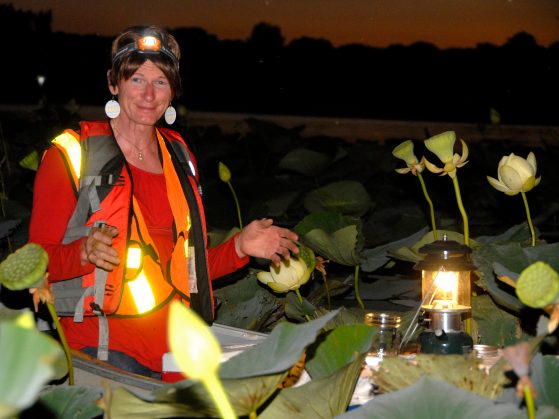
Hannah-Maria Jacques is an independent research scientist affiliated with the Museum of Zoology at the University of Michigan. Her work leverages the extensive collections of the Insect, Fish, and Mollusk Divisions, as well as the UM Herbarium, to conduct biodiversity research across diverse ecosystems in Ontario, Canada, and Michigan. Her primary research interests lie in ecology and biodiversity, with a focus on aquatic entomology and freshwater ecosystems. She investigates the relative distributions of aquatic insects, particularly caddisflies (Trichoptera) and two-winged flies (Diptera), in relation to watershed vegetation across various plant communities. This work spans a 1000 km transect in Ontario extending from Point Pelee National Park to the Hudson Bay Lowland, and Michigan watersheds including the Bear River and Jordan River, providing critical insights into ecological interrelationships within natural communities. Dr. Jacques utilizes the resources of the University of Michigan Museum of Zoology to accurately identify organisms, which is essential for elucidating ecological patterns. Her fieldwork includes sampling in locations such as Point Pelee National Park, Lake Superior Provincial Park, and the Hudson Bay Lowland, contributing to foundational understanding of freshwater biodiversity dynamics across latitudinal gradients.