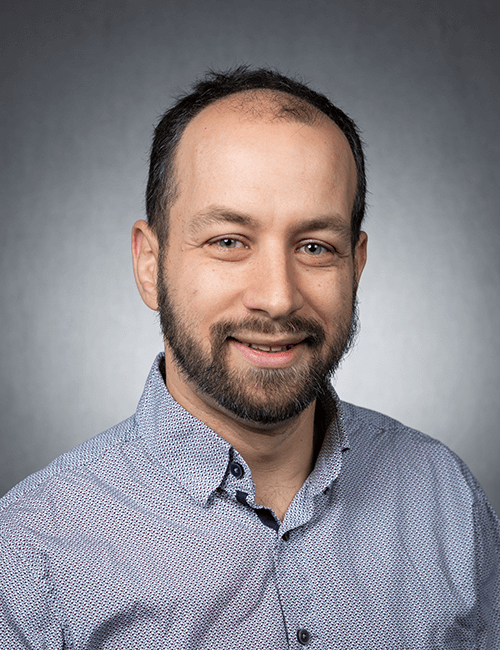
Cornelius Barry is an Associate Professor in the Department of Horticulture at Michigan State University, with affiliations to the Plant Breeding, Genetics and Biotechnology program, AgBioResearch, and the Molecular Plant Sciences Graduate Program. He joined MSU in July 2007 with a 75% research and 25% teaching appointment. Education: PhD and BSc from the University of Nottingham and University College of Wales Current roles: Director of NSF REU Site: Plant Genomics @ MSU His research focuses on the evolution of biochemical diversity within the Solanaceae family , particularly specialized metabolites like terpenoids, flavonoids, and alkaloids. He investigates their roles in plant defense, pollinator attraction, and human applications through genomics, metabolite profiling, and synthetic biology. Recent publications show expertise in alkaloid biosynthesis , trichome chemistry , and metabolic pathway engineering . Key collaborations include teams at Boyce Thompson Institute, Texas A&M, and University of Nottingham. He advises graduate students in Genetics , Biochemistry & Molecular Biology , and Molecular Plant Sciences programs.
Elena Anatolyevna Babushkina is a Professor at the Department of Construction and Economics of Siberian Federal University. She serves as director and scientific consultant of the Scientific and Educational Laboratory 'Dendroecology and Environmental Monitoring' . Her work spans dendrochronology, climate change impacts on tree growth, wood anatomy, and environmental monitoring in Siberian ecosystems. Doctor of Biological Sciences (2020) Corresponding Member of the Russian Academy of Sciences Extensive collaborations with international institutions like University of Arizona, University of Cambridge, and Swiss Federal Institute for Forest, Snow and Landscape Research Her research focuses on climatic reconstruction through tree rings , moisture-limited forest ecosystems , and environmental drivers of xylogenesis . Recent studies analyze earlywood/latewood dynamics, drought sensitivity, and cross-species growth patterns in Siberian larch, spruce, and Scots pine populations. Elena’s publications (100+ scientific, 10+ methodological) include 15 recent articles on tree-ring-based climate proxies , crop yield modeling , and seasonal growth regulation . Key journals include Forests , Dendrochronologia , and Scientific Reports . Notable scientific awards include the 2021 Honorary Worker of Education of the Russian Federation title and multiple Presidential and Ministerial Certificates of Appreciation . She leads national grants (RFBR, RSF) on climate-crop interactions and genetic adaptation to environmental stress .
Xavier Martini is an Associate Professor in Entomology at the University of Florida's North Florida Research and Education Center (NFREC). His work focuses on integrated pest management (IPM), insect behavior, and chemical ecology, particularly targeting plant pest vectors like the Asian citrus psyllid and ambrosia beetles. He leads research on citrus greening disease, laurel wilt, and invasive species management. His roles include 70% research and 30% extension, bridging academic and applied pest control strategies. Research emphasizes vector biology, semiochemical-based pest control, and community engagement. He collaborates on publications addressing cucurbit production, onion pest management, and organic vegetable systems. Current projects include repellent development for citrus pests and biological control of invasive vines. His lab group works on ecological interactions between plants, pathogens, vectors, and predators. Key achievements include developing traps for small insect vectors and exploring floral resource enhancements for pollinator populations. He contributes to Florida's citrus and vegetable industries through extension guides and workshops, ensuring practical applications of his research.
Mary Ann Lila holds the David H. Murdock Distinguished Professorship at North Carolina State University’s Department of Food, Bioprocessing & Nutrition Sciences. She leads the Plants for Human Health Institute and is affiliated with the Global Institute for Bioexploration (GIBEX). Her research focuses on phytochemicals in functional foods, immune modulation, and plant-based solutions for health challenges like allergies and cognitive decline. Lila has pioneered protein-polyphenol particle technology to enhance bioactive delivery and mitigate food allergies. Education: Ph.D. Plant Biology (University of Wisconsin, 1984); M.S. Plant Pathology (University of Illinois, 1980); B.S. Horticultural Sciences (University of Illinois, 1978) Key Roles: Director of Plants for Human Health Institute; Affiliate Faculty at University of Alaska Fairbanks Her research interests include bioactive phytochemicals’ roles in inflammation, immunosuppression, and cognitive health. She investigates how plant-derived compounds interact with the gut microbiome to enhance health outcomes. Notable studies address blueberry bioavailability, anti-cancer properties of berry juices, and ozone-induced skin damage mitigation. Recent Achievements: - Copernico Bronze Medal (2021) - 2023 Senior Outstanding Global Engagement Award - David H. Murdock Distinguished Professorship (2010–present) Lila’s work spans collaborations across disciplines, including food engineering, genomics, and cosmeceutical development. Her lab develops sustainable food technologies to address global health and environmental challenges, emphasizing functional ingredients from underutilized crops and byproducts.
Professor Vincent Savolainen is a Professor of Organismic Biology at Imperial College London's Department of Life Sciences (Silwood Park Campus), part of the Faculty of Natural Sciences. He serves as Director of the Georgina Mace Centre for the Living Planet, focusing on interdisciplinary environmental challenges. Previously, he was Deputy Head of the Department of Life Sciences (2013–2016) and Deputy Head of Molecular Systematics at the Royal Botanic Gardens, Kew (2007–2016). His research integrates field ecology, molecular phylogenetics, and population genomics to address biodiversity preservation, evolutionary biology, and societal challenges like pandemic monitoring. Key areas include ecological speciation in palms, same-sex behavior in animals, and zoonotic disease surveillance in bats. He has pioneered environmental DNA (eDNA) techniques for biodiversity assessment and led studies on the genetic basis of traits like sexual orientation in primates. Professor Savolainen holds prestigious awards, including the Linnean Society’s Bicentenary Medal (2006), European Research Council Advanced Grant (2008), and Coincy Medal for Botany (2014). He sits on UK Natural Environment Research Council panels and Royal Society committees. His group includes researchers like Dr Marco Balducci and Dr Louis Bell-Roberts, and collaborates with institutions like the Zoological Society of London and Royal Society of Biology. Current projects explore plant-insect coevolution, conservation genetics of deer species, and the evolution of endothermy in fish.
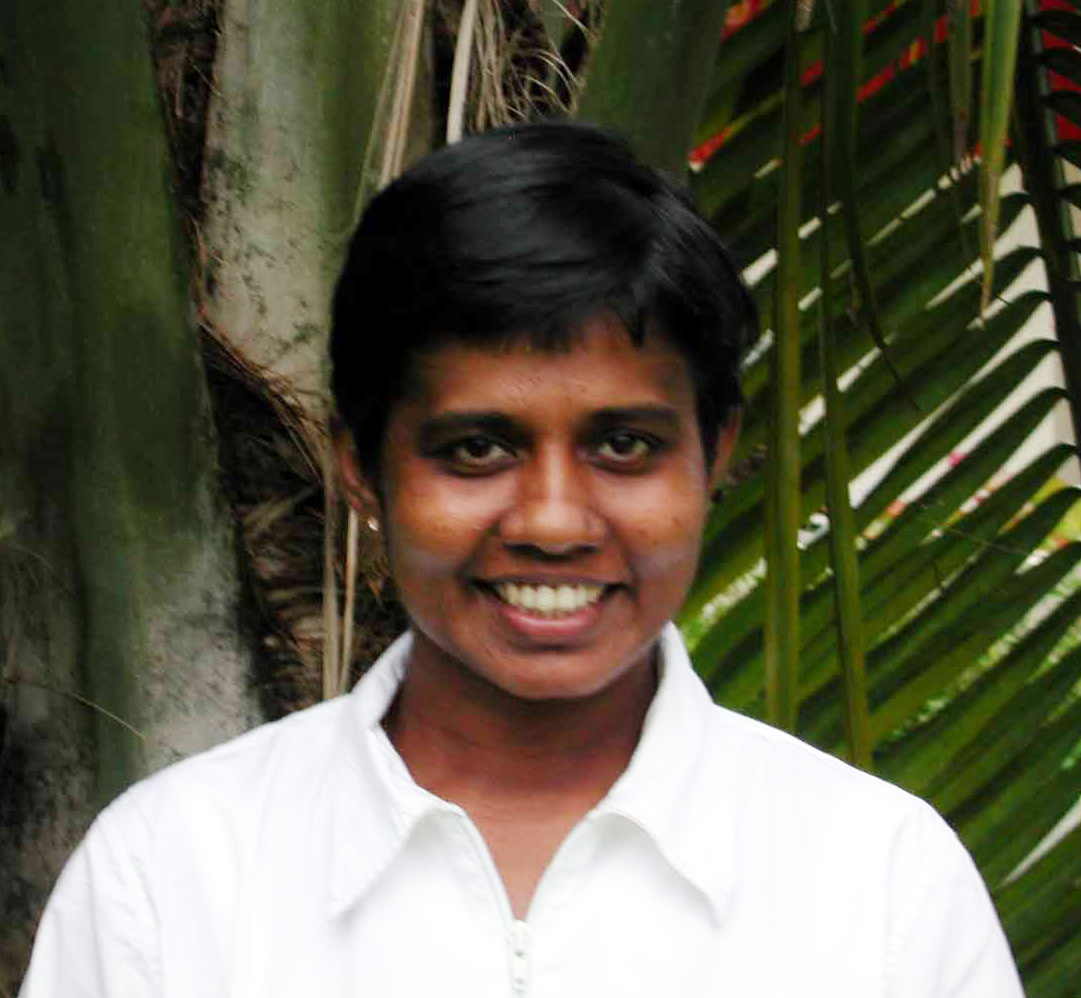
Dr. Kaushalya G. Amarasekare is an Associate Professor and Extension Specialist in Entomology at the Department of Agricultural Sciences and Engineering, College of Agriculture, Tennessee State University. Her research focuses on integrated pest management (IPM), biological control, and pesticide efficacy. She joined TSU in November 2015 and holds a Ph.D. in Entomology from the University of Florida, an M.S. from Oklahoma State University, and a B.S. (Honors) in Agriculture from the University of Peradeniya, Sri Lanka. Her research interests include pest-natural enemy interactions, effects of reduced-risk pesticides, and invasive pest management. She has authored numerous publications in journals like Journal of Economic Entomology and Biological Control , focusing on pesticide selectivity, insecticide residues, and biological control strategies in orchards. Her work often combines field and laboratory studies to assess ecological impacts of agricultural chemicals. Dr. Amarasekare has received grants totaling over $300,000 for projects like improving IPM practices for cucurbits and enhancing biological control in orchards. She is actively involved in professional societies such as the Entomological Society of America and the International Organization for Biological Control. Awards include the Outstanding Young Researcher Award (2019) and multiple ESA participation awards. Teaching responsibilities include AGSC 5900/7900 Applied Entomology (graduate) and AGSC 4900 Entomology (undergraduate). She leads Extension activities including farmer training, K-12 outreach, and stakeholder field visits. Her lab, the Fruit, Vegetable and Field Crop Entomology Lab, contributes to applied research and community education.
Federico Casanova is an Associate Professor at the National Food Institute of the Technical University of Denmark (DTU), specializing in sustainable food processing and biotechnological valorization of food waste. His work focuses on extracting high-value molecules (proteins, chitins, fatty acids) using green technologies like ultrasound, ohmic heating, and pulsed electric fields to enhance functional properties. Education : PhD (2015–2017, Federal University of Vicosa, Brazil), MSc (Agrocampus Ouest, France, 2009–2010; Universitat Jaume I, Spain, 2006–2007), BSc (Università Cattolica, Italy, 2003–2006). Research Trends : Recent publications highlight applications of green technologies to modify protein-polyphenol interactions, characterize gelatin from jellyfish by-products, and optimize plant protein emulsifying properties. Keywords include Food Science, Food Chemistry , and Biotechnology , with subfields spanning bioactive peptides, rheological properties, and sustainable processing . Projects : Casanova contributes to active initiatives like seaweed-derived bioactives (2025–2027) and SUSTAIN-A-BITE (2025–2028), alongside supervising PhD students investigating dairy proteins and insect-based ingredients. He also serves as an editor for International Journal of Biological Macromolecules (2025–2027). External Roles : Junior Project Leader at Nestlé Purina (2017–2018), Engineer at CNRS's Soft Matter Group (2010–2014). Teaching : Delivered guest lectures on food proteins and sustainable food systems at universities globally.
Darrell Ross is a Professor in Entomology at the School of Natural Resource Sciences , North Dakota State University . Previously, he held professorial roles at Oregon State University in the Department of Forest Ecosystems and Society and served as Director of the Richardson Hall Quarantine Facility from 2006–2019. His academic journey began with a PhD in Entomology from the University of Georgia (1990), an MS in Forest Ecology from Oregon State University (1985), and a BS in Forest Science from Pennsylvania State University (1981). PhD , Entomology, University of Georgia, 1990 MS , Forest Ecology, Oregon State University, 1985 BS , Forest Science, Pennsylvania State University, 1981 Dr. Ross specializes in forest entomology, focusing on bark beetle ecology, pheromone-based management strategies, and biological control of invasive species like the hemlock woolly adelgid. His work integrates chemical ecology with forest health assessment and ecological restoration. His research emphasizes pheromone applications (e.g., MCH) for bark beetle control, predator-prey dynamics in biological control of adelgids, and habitat manipulation for pest management. Recent studies address biodegradable pheromone formulations, predator phenology for invasive species control, and post-outbreak ecological impacts on pollinators. At Oregon State University, he directed the Richardson Hall Quarantine Facility, contributing to large-scale forest protection strategies. Current work at NDSU continues his legacy in integrating chemical signaling with forest ecosystem management.
Niklas Janz is a Professor in Evolutionary Insect Ecology at the Department of Zoology, Stockholm University. He serves as Head of the Department of Biology Education (BIG) and Vice Chair of the Faculty of Science's Advisory Committee for Undergraduate Education, teaching courses like 'Ecology I' and 'Science in Biological Research and Investigation'. His research focuses on evolutionary dynamics between butterflies and host plants, investigating host shifts, speciation, and ecological network modularity. He leads research group Janz, analyzing how environmental changes affect herbivorous insect interactions through phylogenetic modeling and network analysis. Recent publications examine ancestral ecological network transitions, host repertoire evolution, and reconciling diversification hypotheses in phytophagous insects. Key findings demonstrate how gene expression patterns in generalist butterflies reflect evolutionary adaptation rather than plant phylogeny. Scientific awards and honors are not explicitly mentioned in the provided text. His laboratory specializes in butterfly-plant coevolutionary studies using advanced network-theoretical approaches.
Professor Owen Lewis is a Professor of Ecology and Tutorial Fellow at Brasenose College, University of Oxford. His research focuses on community ecology and conservation biology, particularly in tropical rainforests, emphasizing biodiversity maintenance, species interactions, and climate change impacts. He holds an MA (Oxford) and PhD (Leeds) and has led the Ecology and Conservation Section in the Department of Biology since 2007. His teaching includes ecology, entomology, and conservation biology across undergraduate years, alongside supervising fourth-year research projects. Lewis organizes annual tropical field courses in Sabah, Malaysian Borneo. His research explores insect-driven ecosystems, invasive species, and human-ecosystem interactions. Notable contributions include studies on parasitoid communities under climate change, ant invasion dynamics, and seed predation in tropical forests. He leads the Community Ecology Research Group, collaborating internationally on biodiversity conservation and ecosystem functioning. His work integrates field experiments, molecular analyses, and ecological modeling to address global environmental challenges. Education: MA in Biological Sciences, St. Hugh's College, Oxford PhD in Population Ecology of Butterflies, University of Leeds Research Interests: Tropical biodiversity, insect-plant interactions, climate change effects, and conservation strategies in modified ecosystems. He prioritizes functional and community-level approaches to understand ecosystem resilience. Publications: Over 100 peer-reviewed articles, with recent focus on experimental climate impacts, food web structures, and invasive species effects. His work bridges theoretical and applied ecology, influencing conservation policies. Awards & Grants: Not explicitly listed, but his leadership roles and extensive publications suggest recognition in ecological research. Advising & Grants: Supervises undergraduate and postgraduate students, coordinates field courses, and secures grants for tropical research. Collaborates with institutions like the Smithsonian Tropical Research Institute and the Natural History Museum (London). Labs & Teams: Heads the Community Ecology Research Group, focusing on tropical forest biodiversity, functional ecology, and conservation biology. The group’s website highlights ongoing projects and international collaborations.
Kerry M. Oliver is a Professor and Director of Graduate Studies in the Department of Entomology at the University of Georgia's College of Agricultural & Environmental Sciences. Her research focuses on defensive symbiosis, particularly examining how heritable microorganisms protect insects against various biotic and abiotic threats. She leads a research laboratory that takes a multidisciplinary approach to understanding ecological and evolutionary consequences of these symbiotic relationships. Dr. Oliver's research primarily centers on aphids and their symbiotic bacteria, especially Hamiltonella defensa , which protects aphids against parasitoids through bacteriophage-encoded toxins. Her work spans organismal studies, molecular and genomic analyses, and field research to track the impact of defensive symbionts from molecular to ecosystem levels. She's particularly interested in how climate change affects these symbiotic relationships and the eco-evolutionary dynamics that maintain diversity in natural populations. Her laboratory's recent publications reveal trends in understanding how defensive symbionts provide protection against diverse threats including parasitoids, pathogens, and environmental stressors. Current research directions focus on thermal resilience of symbiotic defenses under climate change and the eco-evolutionary dynamics where evolution and ecology operate on similar timescales. This work has significant implications for ecosystem management and species conservation in rapidly changing environments. Current Students: Roy Kukuk, Kenedie Jones, Ben Trendle (PhD), Alina Makarenko (MS) Former Students: Clesson Higashi, Nicole Lynn-Bell, Stephanie Weldon, Adam Martinez, Matt Doremus, Laura Kraft, Hannah Dykstra Courses Taught: ENTO 4000/6000 (General Entomology), First-Year Odyssey seminars on insect evolution and symbiosis Dr. Oliver leads a research team studying defensive symbiosis, with Dr. Vilas Patel serving as Lab Manager and Research Professional. Their work combines laboratory experiments with field studies to investigate how symbionts like Hamiltonella defensa provide protection against parasitoids through phage-encoded toxins, and how these relationships respond to environmental challenges like climate change.
Saumik Basu is an Assistant Professor in the Department of Entomology at the University of Georgia (UGA), based at the Tifton Campus within the College of Agricultural & Environmental Sciences. His research focuses on developing sustainable integrated pest management (IPM) strategies for vegetable crops in South Georgia. He leads the Vegetable Entomology Lab, which investigates pest complexes like whiteflies, diamondback moths, and pepper weevils, along with their interactions with plant pathogens. His work emphasizes molecular ecology, plant defense mechanisms, and the role of abiotic factors (e.g., climate, soil microbiota) in pest management. Education: B.S. in Human Physiology, University of Calcutta M.S. in Biotechnology, Visva-Bharati University Ph.D. in Molecular Plant Virology, Jawaharlal Nehru University Postdoctoral Research: University of Nebraska-Lincoln (UNL) and Washington State University (WSU) Research Interests: Molecular mechanisms of plant-insect interactions Sustainable IPM for vegetable pests Plant defense signaling and phytohormonal crosstalk Impact of soil microbiota on pest-pathogen dynamics Climate change effects on agroecosystems Lab & Collaborations: The lab collaborates with county extension agents, growers, and other research groups to translate findings into practical solutions. Current projects address pest attack order effects on plant defenses and the role of biopesticides like Metarhizium fungus. Graduate students and postdocs work on topics such as soil amendments for pest resistance and vector-borne disease transmission. Advising & Grants: Advises Ph.D. candidate Sourav Pal and M.S. student Rajesh Udavant. Technical staff includes Charles Laney Gruver, an expert in field trials and insect rearing. Undergraduate Alexis Crossgrove supports lab activities. Labs/Teams: Vegetable Entomology Lab (UGA), previously affiliated with Molecular Plant Sciences at WSU.
Dr. Clint Beiermann is an Assistant Professor in the Department of Plant Sciences at the University of Wyoming, specializing in Forage Crop Production and Weed Management. He holds a Ph.D. in Agronomy and Horticulture (Weed Science) from the University of Nebraska-Lincoln (2020), an M.S. in Agronomy (2017), and a B.S. in Agroecology with a Soil Science minor (2012) from the University of Wyoming. His research focuses on enhancing forage crop productivity and resilience through agronomic practices and weed management strategies. Key areas include crop-weed competition dynamics, herbicide efficacy against resistant weeds (e.g., Palmer amaranth), and optimizing weed removal timing in dry bean and forage systems. He actively seeks graduate students passionate about applied field weed science and forage crop systems. Teaching responsibilities include courses such as PLNT 2200 (Field Crop Production), PLNT 3030 (Ecology of Plant Protection), and PLNT 3031 (Applied Plant Protection). His peer-reviewed publications emphasize integrated pest management, herbicide strategies for weed control in crops, and plant breeding advancements (e.g., hard red spring wheat varieties). Research trends reflect a focus on sustainable agricultural practices, herbicide resistance mitigation, and precision agronomy. Dr. Beiermann’s work bridges applied research and practical solutions for agricultural challenges, with contributions to both forage and grain crop systems.
Professor Jos Barlow is a Distinguished Professor of Conservation Science at the Lancaster Environment Centre, University of Lancaster. His research focuses on understanding how human activities impact tropical forest biodiversity and ecosystem services, with a primary focus on the Brazilian Amazon. He co-founded the Sustainable Amazon Network (Rede Amazônia Sustentável) and serves as a Trustee of WWF-UK, Lead Author for the UN’s Science Panel for the Amazon, and Editor-in-Chief of the Journal of Applied Ecology. His work integrates field studies, collaborative networks, and policy engagement to address environmental and socio-economic challenges in tropical regions. Research Interests: Human impacts on tropical forest biodiversity Ecosystem services and climate resilience Amazonian forest dynamics and restoration Socio-ecological trade-offs in land-use change Publications: His recent work explores insect acoustic activity in Amazonian forests, holistic conservation strategies, and biodiversity database development. Key themes include climate impacts, deforestation drivers, and secondary forest regeneration. Advising: Supervises 4 postgraduate students, including Matthew Clark, Pablo Gallego Anex, and Oana Resiga. Collaborates with institutions like the Federal University of Pará, Brazil. Labs/Teams: Active in the Lancaster Environment Centre and co-leads the Sustainable Amazon Network, fostering interdisciplinary research on conservation and sustainable development.
Dr. Martin Taylor is an Associate Professor in Molecular Ecology at the University of East Anglia's School of Biological Sciences. He has held academic positions since 2013, including Senior Lecturer roles at Bangor University and postdoctoral research experience in Belgium. His primary research focuses on molecular ecology, evolution, and conservation of marine and freshwater fishes, with an emphasis on genetic methods like microsatellite markers and next-generation sequencing. Key interests include polyploidy in Corydoras catfishes, fisheries-induced evolution, and traceability of fish populations. Taylor leads projects on lobster ageing via DNA methylation and collaborates internationally on studies of biodiversity and conservation genetics. Education: BSc (Animal and Plant Biology) from the University of Leeds (1990–1993) and PhD from the University of Aberdeen/Southampton (1993–1996), studying speciation in African cichlids. Research projects include Woodland impacts on pollinator diversity Genetic basis of catfish venoms Development of novel ageing methods for European lobsters His work bridges fundamental and applied research, addressing challenges in fisheries management, conservation, and ecological sustainability. Taylor serves as an Associate Editor for Marine Biology and maintains an active lab group at UEA. Key contributions include advancing DNA-based methods for ecological and conservation applications, such as detecting jellyfish predation and tracking fish populations via genetic markers.