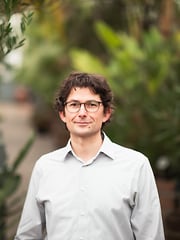
Pragya SinghView profile
Researcher
Dr. Pragya Singh is a chemical ecologist at the University of Bielefeld's Faculty of Biology, specializing in Chemical Ecology. She is actively affiliated with the SFB/Transregio 212 "A Novel Synthesis of Individualization across Behavior, Ecology and Evolution: Niche Choice, Niche Conformance, Niche Construction" (NC³) research consortium. Her work bridges theoretical frameworks with empirical approaches to understand how chemical compounds shape ecological and evolutionary processes. Her research interests focus on chemical ecology, evolutionary biology, and insect behavior , with particular expertise in pharmacophagy (the non-nutritional use of plant chemicals by insects), niche construction theory, and sexual selection mechanisms. Singh investigates how chemical compounds influence insect behavior, social structures, and evolutionary trajectories across multiple life stages, often examining the intersection between individual variation and population-level ecological processes. Analysis of her recent publications reveals a strong emphasis on reproducibility in ecological research, individual behavioral variation, and the role of chemical compounds in mediating ecological interactions. Her work frequently examines holometabolous insects (those with complete metamorphosis) to understand how different life stages respond to environmental stressors and chemical cues. While specific awards are not documented in the available information, her publication record demonstrates significant contributions to understanding how chemical ecology shapes evolutionary processes. Her collaborative work across multiple laboratories suggests strong networking within the ecological research community. Dr. Singh's research has important implications for understanding how species respond to environmental change through individual variation and behavioral plasticity. Her work on pharmacophagy and chemical defense mechanisms provides insights into potential applications for pest management and conservation biology.