Dr. Jonathan Cale is an Assistant Professor in the Department of Forest Ecology and Management at the University of Northern British Columbia, affiliated with the NRES Graduate Program. His research program merges basic and applied approaches to investigate fungal ecology and forest pathology, focusing on how fungus-tree interactions influence forest health challenges. Specializes in forest fungi roles across disturbance stages: development, impact, and recovery Key interests: emerging forest diseases, climate change impacts on fungi, bark beetle-fungus interactions, chemical defense mechanisms Supervises graduate students in Biology and Forestry (MSc NRES) and serves as a media-contactable expert in Forest Pathology His recent publications address topics such as fungal community dynamics in disturbed forests, chemical defense responses in pines, and bark beetle-fungus coevolutionary mechanisms. No scientific awards are mentioned in the provided text.
Professor Michael W. Shaw is a distinguished academic at the University of Reading's School of Agriculture, Policy and Development, Department of Plant Sciences, with a research career spanning over two decades. His expertise lies at the intersection of plant pathology, disease epidemiology, and sustainable disease management strategies. Shaw's research interests encompass plant-pathogen interactions , particularly focusing on fungal diseases affecting major crops. His work investigates the epidemiology of plant diseases , fungicide resistance mechanisms , biological control strategies , and asymptomatic pathogen infections . He has made significant contributions to understanding pathogen evolution, host specificity, and the environmental factors influencing disease development. His recent publications demonstrate a consistent research trajectory examining the molecular, ecological, and epidemiological aspects of plant diseases. Shaw's work spans multiple pathosystems including Botrytis cinerea (gray mold), Venturia inaequalis (apple scab), begomoviruses affecting okra, and banana Xanthomonas wilt. His research integrates molecular techniques, field studies, and mathematical modeling to address complex plant health challenges. Professor Shaw has contributed significantly to the understanding of fungicide resistance development, particularly in cereal pathogens, and has explored innovative approaches to disease management through biological control agents and integrated strategies. His work on asymptomatic infections has revealed novel insights into host-pathogen relationships that extend beyond traditional disease paradigms. His collaborative research network spans internationally, with co-authors from multiple countries, reflecting the global relevance of his work in plant health and food security. Shaw's research has practical applications for sustainable agriculture and crop protection strategies worldwide.
Dr. Tristan A.F. Long is an Associate Professor in the Department of Biology at Wilfrid Laurier University's Faculty of Science in Waterloo, Ontario. A behavioral ecologist and evolutionary geneticist, he focuses on sexual selection and the role of female mate preference variation in evolutionary change. With teaching responsibilities for large introductory biology courses like BI111 and BI393, he has developed innovative active learning techniques using playing cards, iClickers, and role-playing games to teach population genetics and ecological principles. University of Western Ontario - BSc in Honours Ecology and Evolution (1999) University of Guelph - MSc in Zoology (2001) Queen’s University - PhD in Biology (2005) University of California Santa Barbara - Postdoctoral Fellow (2005-2009) University of Toronto - Postdoctoral Fellow (2009-2010) His research examines how female Drosophila melanogaster vary in their mating preferences and how these differences shape evolutionary trajectories. He has published extensively on reproductive plasticity, sexual conflict, and environmental interaction effects. His laboratory combines experimental evolution with computational modeling to explore genetic trade-offs and behavioral adaptations. Scientific awards include the Laurier Teaching Award for Sustained Excellence (2017). He has developed innovative classroom techniques like the Battle of the Beaks exercise for teaching adaptive evolution and an iClicker-based population genetics simulation using playing cards. His 2024 BI393 biostatistics course policy strongly discourages generative AI use due to concerns about educational integrity and environmental impact.
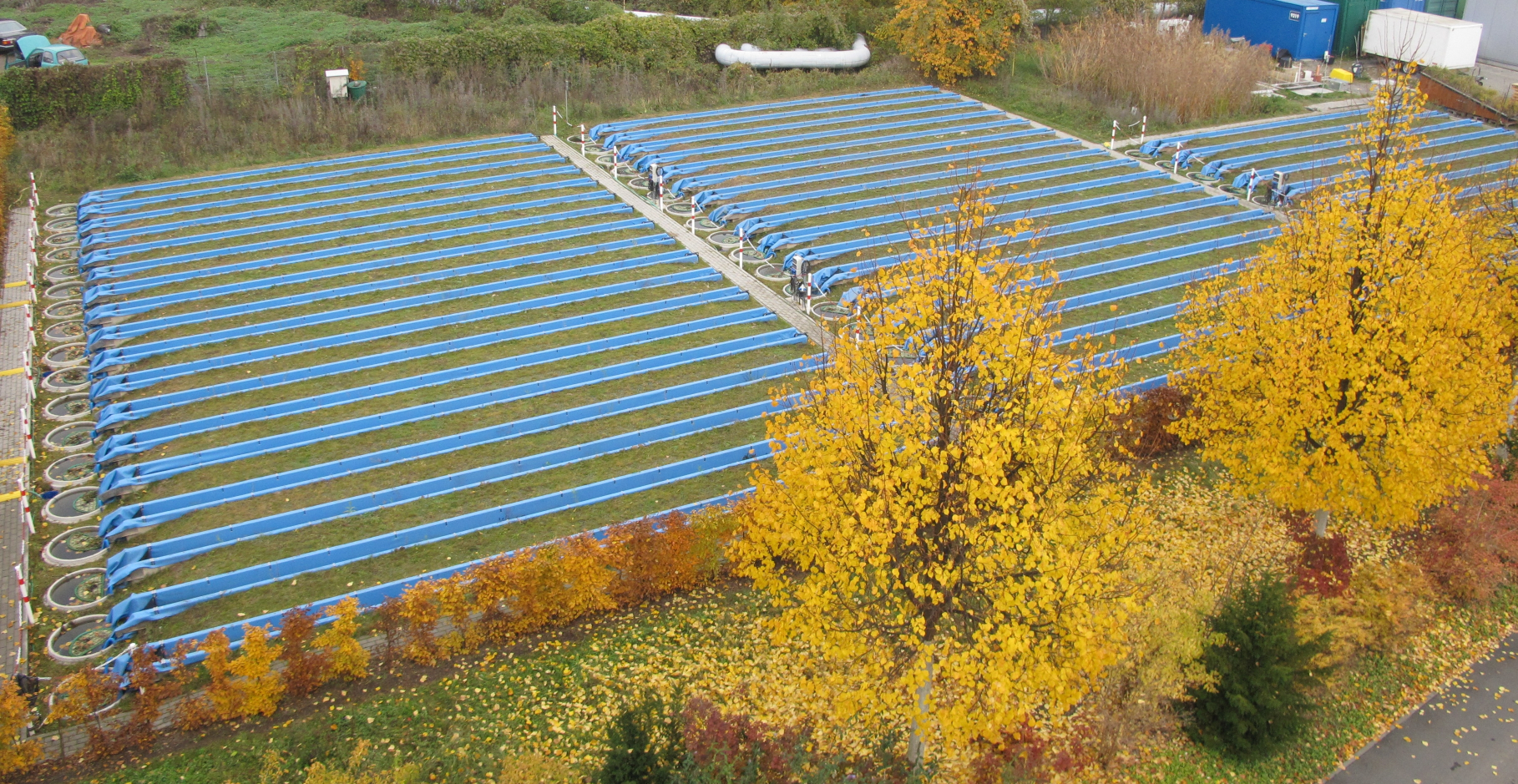
Judith Risse is a Postdoctoral Researcher in the Bioinformatics (BIF) department at Wageningen University & Research. Her work focuses on genomic and evolutionary studies, including phylogenomic analysis of plant development, insect adaptation, and microalgal biotechnology. She has contributed to projects involving genome sequencing, transcriptome analysis, and nanopore technologies. Education: Completed her PhD in Bioinformatics (2014) under Prof. Bisseling and Dr. Leunissen, focusing on text-mining for metabolic pathway reconstruction. Research Interests: Floral development in Asteraceae, evolutionary adaptation in insects (e.g., field crickets), and genomic mechanisms of stress tolerance in microalgae. Her work integrates computational biology with experimental genomics. Publications: Key contributions include studies on dandelion floral genetics (2023), great tit genome inversion analysis (2023), and microalgal thermotolerance (2022). She has also published on cricket genomics (2020) and viral photosynthesis interactions (2022). Projects: Led a PhD project on text-mining applications in metabolic pathway analysis. Currently involved in collaborative projects on plant and animal genomics. Labs/Teams: Active in the BIF group at Wageningen, collaborating with institutions like St Andrews University and the Netherlands Institute of Ecology.
Bo Lu is a Professor of Biostatistics and Statistics at The Ohio State University. His research focuses on advancing early detection technologies for forest pathogens and pests using spectroscopy, machine learning, and metabolomics. He specializes in understanding plant defense mechanisms against invasive species and climate-driven disease dynamics. Key research areas include: Non-invasive disease diagnostics via FT-IR/Raman spectroscopy Machine learning applications in plant health monitoring Molecular basis of plant-pathogen interactions Environmental risk modeling for emerging forest diseases Notable projects include developing early detection systems for ash dieback, beech leaf disease, and soybean cyst nematode infestations. His work integrates statistical modeling with biochemical analysis to improve forest biosecurity strategies globally. He advocates for international collaboration in addressing the global forest health crisis through improved diagnostic frameworks and resistance breeding programs.
Professor Ben Sheldon FRS holds the Luc Hoffmann Chair of Ornithology and directs the Edward Grey Institute within the University of Oxford's Department of Biology. His research focuses on evolutionary ecology, particularly individual variation, environmental adaptation, and long-term ecological studies like the Wytham Woods great tit project. Current themes include spatial scaling of ecological interactions, life-history evolution, and social dynamics in bird populations. He has secured major grants from ERC, UKRI, NERC, and BBSRC, and hosted postdocs via Marie Curie Fellowships. Research interests integrate field studies, genetics, and quantitative analysis to explore how environmental and social factors shape animal behavior and adaptation. Recent work examines phenological mismatches, climate impacts, and social network effects on reproduction and survival. Awards include Fellowship of the Royal Society. Advising includes 7-8 graduate students and postdocs, with a focus on PhD and postdoc project supervision. Administrative roles include past Head of the Department of Zoology (2016–2021) and Senior User Representative for the Life and Mind Building (2019–2022). The Edward Grey Institute serves as a key research hub for avian ecology and ornithology.
Dr. Norman Q. Arancon is an Associate Professor of Horticulture and Director in the College of Agriculture, Forestry & Natural Resource Management (CAFNRM) at the University of Hawaiʻi at Hilo. He holds a B.S. from Xavier University (Philippines), and M.S. and Ph.D. degrees from The Ohio State University. His research focuses on vermicomposting, composting, soil ecology, and sustainable agricultural practices, particularly in tropical environments. Dr. Arancon has contributed extensively to understanding the role of vermicomposts in pest suppression, soil health, and crop productivity. His work emphasizes organic agriculture and tropical fruit crop production, with a strong emphasis on practical applications in field settings. Key areas of investigation include the biological control of nematodes, mites, and other pests using vermicompost-derived products, as well as the optimization of waste-to-resource systems for sustainable farming. Dr. Arancon’s academic contributions span peer-reviewed articles, book chapters, and conference proceedings, reflecting his expertise in integrating ecological principles with agricultural practices. He teaches courses such as Hydroponics and Vegetables (HORT 263), Plant Growth/Development (PPHY 310), and Orchard & Horticultural Crops (HORT 352). His research has been published in journals like Crop Protection , Biocycle , and European Journal of Soil Biology . Dr. Arancon collaborates on initiatives like the Global Agriculture Multidisciplinary International Conference (GAMIC) and contributes to programs within CAFNRM, emphasizing conservation biology and environmental science. His work bridges laboratory research and field applications, fostering sustainable agricultural solutions for tropical regions.
Douglas Yu is a Professor in the School of Biological Sciences at the University of East Anglia (UEA), where he also serves as Principal Investigator and Director of the Ecology, Conservation, and Environment Center (ECEC), a joint venture with the Kunming Institute of Zoology. He is a member of the Centre for Ecology, Evolution and Conservation and the Organisms and the Environment research group. His research focuses on cooperation in ecological systems, particularly mutualisms between species and conservation as cooperation between humans and nature. Key methodologies include environmental DNA (eDNA), metabarcoding, and game theory. He co-founded NatureMetrics to commercialize biodiversity monitoring tools. His work spans tropical ecology, conservation genetics, and human-wildlife conflict resolution, notably in the Amazon. His recent research outputs highlight trends in molecular biodiversity assessment, landscape-scale eDNA analysis, and integrating remote sensing with ecological data. He leads multiple NERC-funded projects and industry collaborations focused on pollination services, cocoa sustainability, and statistical frameworks for eDNA. He is actively involved in scientific governance, serving on the NERC Biomolecular Analysis Facility Steering Committee and UKRI grant panels. He also contributes to public discourse through media appearances on topics like leech-based disease surveillance and bee conservation. He teaches courses in evolutionary biology, conservation genetics, and statistical modeling using R. He welcomes PhD and postdoctoral researchers, especially those interested in fieldwork in East Asia.
Gary W. Felton is a Professor and Department Head of Entomology at the Pennsylvania State University's College of Agricultural Sciences. His research focuses on chemical ecology, insect-plant interactions, and induced plant defenses against herbivores. Key Affiliations: Pennsylvania State University, College of Agricultural Sciences, Department of Entomology Research Interests: Dr. Felton investigates how plants perceive and respond to herbivore attacks, with particular emphasis on biochemical mechanisms like flavonoid-mediated defenses, microbial interactions in Lepidoptera, and stomatal regulation of volatile signaling. His work bridges agricultural sustainability and ecological theory. Recent Publications: His 2025 studies explore salinity stress impacts on tomato defenses, microbiome roles in herbivore digestion, and volatile-mediated host plant specialization. Earlier works (2023-2024) examine water stress effects, flavonoid toxicity, and microbial influences on plant-herbivore dynamics. Scientific Awards: Huck Chair of Chemical Ecology (2022) Laboratory Focus: The Felton Lab studies herbivore-induced plant defenses, microbial symbiosis in pest species, and integrated pest management strategies across crops like maize, tomatoes, and sorghum.
Dr. Anja Schmidt is a Postdoctoral Researcher at the Helmholtz Centre for Environmental Research - UFZ , specifically within the Department of Conservation Biology & Social-Ecological Systems. She has been affiliated with UFZ since 2020 and previously worked at the German Centre for Integrative Biodiversity Research (iDiv) and UFZ's Community Ecology Department. Her research focuses on ecosystem processes, particularly decomposition dynamics driven by invertebrates in tropical and agricultural systems, climate change impacts, and biodiversity conservation. PhD in Ecology (UFZ, 2012–2015) Master's in Ecology, Environmental Science, Bioinformatics (University of Giessen, 2008–2011) BSc in Biotechnology, Animal Physiology, Organismic Biology (University of Erlangen/Nuremberg, 2005–2008) Her work explores the interplay between decomposition processes , invertebrate biodiversity , and human-driven environmental changes . She investigates how climate change, land use, and pollution affect soil and aquatic ecosystems, with a focus on multitrophic interactions. Her research integrates experimental platforms like the iDiv Ecotron and UFZ's environmental observatories (TERENO, MOSES) to simulate and monitor real-world conditions. Dr. Schmidt's recent publications highlight her contributions to understanding invertebrate decline and its cascading effects on microbiomes, soil biodiversity assessments, and policy frameworks for conservation. She collaborates extensively with networks such as iDiv, STACCATO, and LEGATO, bridging experimental ecology with societal decision-making through projects like Faktencheck Artenvielfalt . She is associated with experimental infrastructures including: iDiv Ecotron Project (2018–2020) Global Change Experimental Facility (GCEF) TERENO (Terrestrial Environmental Observatories) MOSES (Modular Observation Solutions for Earth Systems) MOBICOS (Mobile Stream Laboratories) River Experiment Leipzig
Birger Lindberg Møller is a Professor in Plant Biochemistry at the Department of Plant and Environmental Sciences, Faculty of Science, University of Copenhagen. He also serves as Director of the Carlsberg Laboratory (since 2014) and Head of the VILLUM Research Center for Plant Plasticity (since 2013). His research spans plant biochemistry, synthetic biology, and natural products chemistry with applications in sustainable production systems. His educational background includes: M.Sc. (1972) Ph.D. (1975) D.Sc. (1984) D.Sc. h.c. (honoris causa) Professor Møller's research focuses on bio-active natural products , particularly the biosynthesis, transport, storage and degradation of cyanogenic glucosides . His work elucidates how plants communicate with their environment and defend themselves against herbivores, pests and abiotic stresses. A promising application of his lab's research involves engineering microalgae, mosses and plant cells into production units for high value natural products . His engagement in synthetic biology represents a logical extension of his plant research activities, with work targeted towards forming new combinations of membrane proteins for harvesting sunlight energy to synthesize valuable natural products or degrade toxic compounds. Analysis of Professor Møller's recent publications reveals a strong focus on plant specialized metabolism, particularly cyanogenic glucosides and related compounds. His work spans genomics, transcriptomics, metabolomics, and synthetic biology approaches to understand plant defense mechanisms and engineer plants for improved traits. Key themes include sorghum and cassava metabolism, diterpenoid biosynthesis, and the application of synthetic biology for sustainable production of high-value compounds through photosynthetic systems. His notable scientific awards include: Villum Kann Rasmussen Research Prize (2007) - Denmark's largest research award (2.5 mil DKK or 350,000 €) The Academy of Future Research's "The Future Prize" (2004) Societas Physiologia Plantarum Scandinavica "Popularization Prize" (2003) Knight of the Dannebrog (1995) Carlsberg Research Prize Award (1994) Hans Gram Medal from the Royal Danish Academy of Sciences and Letters (1985) Appointed Honorary Doctor at the University of Umeå, Sweden (2009) Professor Møller has served as the main advisor for 43 PhD students (with 8 ongoing in Denmark and 3 in Australia) and numerous BSc and MSc students. He has secured significant research funding throughout his career, including an ERC Advanced Grant (2.5 million €), Villum Foundation grants, and participation in major research centers with multi-million euro budgets. His current funding includes projects related to synthetic biology, plant plasticity, and cyanogenic glucoside metabolism. He leads the Plant Biochemistry Laboratory and is deeply involved with the Center for Synthetic Biology at the University of Copenhagen. His laboratory focuses on understanding plant specialized metabolism and applying this knowledge through synthetic biology approaches to engineer plants and microorganisms for sustainable production of high-value compounds. His team collaborates extensively with international partners across Europe, Australia, and beyond, and he actively promotes cross-disciplinary collaboration to address complex global challenges in energy, sustainability, and medicine.
Professor Riikka Rinnan (University of Copenhagen) is a leading expert in ecosystem-atmosphere interactions, focusing on volatile organic compounds (VOCs) in Arctic environments. Her groundbreaking discovery of VOCs in permafrost has advanced climate prediction models, revealing complex interactions between climate warming, insect herbivory, microbial activity, and vegetation shifts. Current position: Professor, Department of Biology, University of Copenhagen Major research themes: Permafrost VOCs, Arctic climate feedbacks, plant-insect-microbial interactions International collaborations: China, Germany, Russia Her work combines field expeditions in extreme Arctic conditions with laboratory experiments and advanced VOC analysis. Climate warming experiments show VOC emissions could increase 40-fold with combined warming and insect attacks, while Arctic soils may act as unexpected VOC sinks. Key publications appear in Nature Communications , Nature Geoscience , and Global Change Biology . Riikka Rinnan has received prestigious awards including the EliteForsk Award, European Research Council Consolidator Grant, and Sapere Aude Research Leader. She leads international research teams, advises five PhD candidates, and supervises four postdocs (including two Marie Curie fellows). Her Siberian expedition plans demonstrate commitment to real-world scientific challenges.
Alexis Lussier Desbiens is an Associate Professor at the Université de Sherbrooke in the Department of Mechanical Engineering , Faculty of Engineering. He co-founded several research labs and initiatives including NSERC CREATE CoRoM (Collaborative Robotics in Manufacturing) and NSERC CREATE UTILI (Uninhabited Aircraft Systems Training). His work bridges robotics, mechanical design, and sports equipment innovation. PhD in Mechanical Engineering (Stanford University, 2012) BEng in Mechanical Engineering (Université de Sherbrooke, 2005) Postdoctoral Research (Harvard University, 2013) His research focuses on robotics and automation , particularly unmanned aerial vehicles (UAVs) with bioinspired design principles for mechanical intelligence. Key areas include: Autonomous UAV perching and climbing Hybrid locomotion systems Sports equipment dynamics (skis, hockey sticks) Magnetorheological actuator applications Conservation biology tools via aerial sampling Recent publications highlight interdisciplinary work in robotics , sports engineering , and ecological monitoring . His projects often integrate mechanical design with environmental or human-centric applications. Scientific recognition includes: Best Student Paper (IEEE SMC, 2021) Best Poster (ISEA, 2020) National Geographic Explorer (2020) CSME Gold Medal (2005) Current grants (2020-2023) include: $339,000 - High-performance UAV for power line interactions $1.65M - NSERC CREATE UTILI training program $120,000 - Intelligent hockey stick development He also leads the CREATEK Research Lab and maintains global collaborations with institutions like Harvard University, Stanford University, MIT, and EPFL.
Reto Nyffeler , PD Dr., has been Lecturer and Curator of Phanerogams at the University of Zurich since 2002. He leads the Institute of Systematic Botany’s herbarium activities and heads the Nyffeler research group, collaborating closely with the Sukkulenten-Sammlung Zürich. Education & Career Diploma in Systematic Botany, University of Zurich (1988-1991) Ph.D., Institute of Systematic Botany, University of Zurich (1994-1997) Post-doctoral researcher & Mercer Fellow, Arnold Arboretum, Harvard University (1997-2000) Post-doctoral researcher, Stanford University (2000-2001) Lecturer and Herbarium Curator, University of Zurich (2002-present) Research Focus Nyffeler’s work integrates plant systematics, biogeography, and phylogenetic methodology. Empirically, he concentrates on the diversification of succulent plants—especially Cactaceae—using molecular phylogenetics to untangle taxonomy, growth-form evolution, and biogeographic history. Parallel interests include the floristics of alpine regions and the systematics of Campanulaceae, Asteraceae, and Ranunculaceae. Across dozens of peer-reviewed papers (2010-2025) he has advanced family-wide phylogenies for Cactaceae and Caryophyllales, documented repeated succulent radiations, and created online taxonomic backbones such as Caryophyllales.org . His current projects combine next-generation sequencing with classical morphology to revise genera like Parodia and to understand adaptation in high-altitude Callianthemum . Students & Mentoring PhD advisee: Anita Lendel (systematics of Trichocereeae) Master advisees: 16 students (2006-2018) working on alpine ecology, cactus morphology, and floristic change Research Group & Collaborations The Nyffeler group comprises a scientific assistant (Dr. Heike Hofmann), technical and IT staff, and rotating Master students. The team maintains close collaborations with the Sukkulenten-Sammlung Zürich, Harvard’s Arnold Arboretum (Mercer Fellowship network), and multiple international cactus specialists.
Alan Andersen is a Professor at Charles Darwin University (CDU), holding positions in the Office of Research and Innovation and the Research Institute for the Environment and Livelihoods. Previously, he served as Chief Research Scientist at CSIRO’s Tropical Ecosystems Research Centre in Darwin, leading interdisciplinary teams to address environmental challenges in tropical savannas. His research focuses on ant ecology, bioindicator systems, fire management, and tropical ecosystem dynamics. Research Interests: Global ant community ecology and biogeography Use of ants as bioindicators for ecological change Tropical savanna ecology and management Fire regimes and their ecological impacts Invertebrate biodiversity conservation Recent articles emphasize ant diversity in monsoonal Australia, fire effects on communities, and cross-taxa ecological responses. His work bridges basic and applied research, with practical outcomes for land management and policy. Awards include the 2000 Asian Innovation Award and the 2007 Charles Darwin Medal. He chairs the Australian Academy of Science’s National Committee for Ecology, Evolution, and Conservation, and leads initiatives like the Territory Science Forum to promote innovation in the NT. Key Projects: TERN ant biodiversity surveys Ecosystem restoration genomics Beetaloo Basin environmental surveys Indigenous energy sustainability projects His contributions span over 250 publications, an h-index of 76, and extensive grants, reflecting leadership in tropical ecological science.