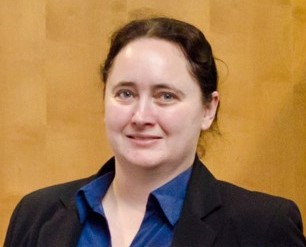
Associate Professor Peng Zhang is affiliated with the School of Life and Environmental Sciences and the Plant Breeding Institute at the University of Sydney. She holds memberships in the China Studies Centre and Sydney Institute of Agriculture. Her educational background includes a BSc from Wageningen Agricultural University (Netherlands), MSc in Biotechnology (Wageningen), and PhD in Genetics from Kansas State University (USA). Her research focuses on molecular cytogenetics of wheat, introgression of rust resistance genes from wild relatives, and developing durable resistant germplasm. Key research interests include cereal crop improvement, rust pathogen resistance mechanisms, and genomic tools for plant breeding. Notable awards include the 2023 Sydney Research Accelerator (SOAR) Prize. Recent grants involve rust resistance mechanisms and hybrid wheat breeding programs in collaboration with international partners. Publications highlight work on resistance gene characterization, molecular mapping, and disease management strategies. Collaborative research with institutions like Kansas State University and international bodies underscores her global impact in agricultural science.
Rosie Halsmith is a Lecturer in the Discipline of Landscape Architecture at the UWA Design School, University of Western Australia. Her research focuses on landscape architecture’s intersection with biodiversity, community engagement, and urban resilience. She has authored 18 publications, including works on professional practice, urban design theory, and ecological design. Her teaching excellence was recognized through the 2023 UWA School of Design Excellence in Teaching Award. She has received national and state-level awards for research and policy contributions from the Australian Institute of Landscape Architects (AILA). Halsmith actively participates in public outreach, including exhibitions and forums like the Fremantle Design Week and 'Rewilding Fremantle' initiatives. She contributed to a coastal resilience project funded by the Oceans Institute (2024–2025), focusing on community-driven design solutions. Her work bridges artistic expression with environmental stewardship, emphasizing practical applications of landscape architecture in urban environments.
Roger Jones is an Adjunct Professor at the Institute of Agriculture, University of Western Australia. He holds a PhD from St Andrews University (1972) and has held senior roles at institutions including the International Potato Center, UK MAFF laboratories, and the Cooperative Research Centre for Legumes in Mediterranean Agriculture. His expertise spans plant virology, virus ecology, epidemiology, and integrated disease management. Research Interests: Dr Jones focuses on plant virus ecology, epidemiology, and control, particularly under Mediterranean climates. His work emphasizes seed transmission, vector dynamics, and the impact of climate change on plant viruses. He has pioneered studies on viruses affecting cereals, legumes, root crops, and native flora, with a focus on integrated management strategies. Grants & Awards: He has secured >$3M in research funding from ARC, GRDC, and industry partners. Awards include Fellowships from the American Phytopathological Society (2014), Australasian Plant Pathology Society (2003), and Australian Institute of Agricultural Science and Technology (2002). Advising & Mentorship: Supervised 14 PhD, 8 MSc, and numerous Honours students globally. Current projects include virus-climate change interactions, native plant virology, and deep sequencing of viral genomes. Labs & Collaborations: Collaborates with CSIRO, Murdoch University, and international partners on projects like windborne virus spread and cucurbit disease management. His work bridges agricultural and ecological systems to address global crop challenges.
Philipp Bayer is an Adjunct Research Fellow at the University of Western Australia (UWA) and a Principal in the OceanOmics project at the Minderoo Foundation. His roles include computational biology research focused on plant genomics, machine learning applications in genomics, and environmental DNA (eDNA) methods for ocean biodiversity monitoring. He holds a PhD from the University of Queensland (UQ) and has held positions such as a Forrest Fellowship and DECRA fellowship, focusing on wheat breeding and evolutionary genomics. Bayer is a member of the UWA Data Institute's Research Committee and the Scientific Advisory Committee for the ARDC Machine Learning CoP. Education and Career Highlights: PhD in Plant Genomics, UQ (2016) DECRA Fellowship at UWA (2021–2023), studying plant gene evolution Forrest Fellowship (2018–2020) on wheat genomics and machine learning Principal, Computational Biology, Minderoo Foundation (2022–present) Research Interests: Plant pangenomics and genome evolution Machine learning for crop improvement and biodiversity analysis eDNA-based marine biodiversity monitoring Genetic mechanisms underlying crop domestication Grants and Collaborations: GRDC: Machine learning for canola disease resistance ARC DECRA: Evolutionary genomics of plant genes Collaborations with BASF, Intergrain, and the OceanOmics initiative Awards: Finalist in the 2019 WA Premier’s Science Award. Labs/Teams: Leads the OceanOmics project and organizes Hacky Hour (code/data support sessions).
Dr. Alison Haynes is a Lecturer in Biological Sciences at the School of Science, University of Wollongong, Australia, a position she has held since February 2024. She also serves as the Director of the Janet Cosh Herbarium at the same institution, starting July 2024. Her work bridges plant ecology, urban environmental science, and conservation physiology. Lecturer in Biological Sciences, University of Wollongong (2024–present) Director, Janet Cosh Herbarium (2024–present) Her research focuses on plant responses to urban environments, particularly in the context of air pollution and climate stress. She investigates how mosses and native plants accumulate particulate matter, function as bioindicators, and contribute to urban greening strategies. Her work integrates ecological, physiological, and conservation perspectives to understand resilience in urban flora. Dr. Haynes' recent publications reveal a strong trend in urban air quality research, with emphasis on phytoremediation, moss-based monitoring, and environmental stress responses. Her work spans experimental studies, field observations, and critical reviews, often highlighting the intersection of ecology, policy, and public engagement. She has contributed book reviews in prominent journals such as Austral Ecology , reflecting her engagement with broader conservation literature. While no formal awards are listed, her publications have garnered citations and media attention, including a feature in The Conversation . Dr. Haynes advises on urban ecology and air quality, and her collaborative network includes researchers in atmospheric science, conservation, and plant physiology. She has not listed any formal PhD or Master’s students in the provided data. Her research is associated with the Janet Cosh Herbarium, where she leads curation and research efforts, supporting biodiversity documentation and ecological studies in the region.
Dr. Joanna Gambetta serves as a Lecturer in Food Science at the University of Newcastle , affiliated with the School of Environmental and Life Sciences . With academic qualifications from Montpellier SupAgro (MSc in Oenology and Viticulture) and the University of Adelaide (PhD in Wine Science), her research focuses on grape and wine quality assessment , biotic/abiotic stress impacts on aroma composition , and practical solutions for vineyard challenges in Australian contexts. Education : MSc in Oenology and Viticulture, Montpellier SupAgro PhD in Wine Science, University of Adelaide Research Interests span three primary domains: Antifungal microbial volatile organic compounds (VOCs) for biocontrol applications, particularly against Botrytis cinerea and Alternaria alternata through novel analytical approaches Climate change adaptation strategies in viticulture, including modeling vine phenology and mitigating sunburn damage via secondary metabolite analysis Food chemistry innovations in plant-based protein gels and dairy alternatives, integrating fermentation and enzymatic crosslinking Publication Trends reveal a multidisciplinary approach combining analytical chemistry (SPME-GC-MS, LC-MS/MS), chemometrics , and industrial collaboration . Her work bridges agricultural science with food sensory analysis , while recent studies tackle plant-based cheese development using pea protein emulsions.
Dr Satomi Hayashi is a Researcher and Research Associate in Genomics at Queensland University of Technology (QUT), affiliated with the Faculty of Science and the School of Biology & Environmental Science. She holds a PhD in Plant Science from The University of Queensland (UQ), alongside a Bachelor of Science with Honours and a Bachelor of Science, both from UQ. Her research focuses on plant genomics, gene editing, and plant-microbe interactions, with projects encompassing RNA-dependent RNA polymerase roles in plant defense and development. Key interests include disease resistance, gene regulation, and plant development. She collaborates with national and international teams on next-generation sequencing and genomic projects. Her publications highlight contributions to plant genomics, including studies on soybean nodulation, wheat genome mapping, and viral resistance mechanisms. Notable work includes the development of a multi-omic resource for Nicotiana benthamiana and analyses of genome editing efficiency in plants. Her research bridges fundamental science and agricultural biotechnology, addressing challenges in crop improvement and disease management. Dr Hayashi’s work is part of the Centre for Agriculture and the Bioeconomy (CAB) and Peter Waterhouse’s team at QUT. She has contributed to projects on plant-microbe interactions, hormone regulation in nodulation, and genomic tools for complex plant genomes.
Associate Professor David Lee is an academic at the University of the Sunshine Coast (UniSC), specializing in plant genetics and forest research. He leads genetic improvement programs for tree species like Acacia, Corymbia, Eucalyptus, and Santalum, focusing on disease resistance, biomass assessment, and carbon sequestration. His work has influenced hardwood plantation development in Australia, South Africa, and Brazil. He holds a PhD in Plant Genetics from James Cook University and a BAgricSc(Hons) from the University of Melbourne. Lee’s research integrates molecular technologies (e.g., resistograph, NIR spectroscopy) to enhance tree breeding efficiency. He manages over $9 million in grants from bodies like ACIAR, FWPA, and MLA. His projects include Myrtle rust resistance screening, sandalwood domestication for Indigenous communities, and carbon sequestration modeling in tropical forests. He has supervised 10+ PhD students, contributing to studies on Corymbia hybrids, pest-pathogen interactions, and forest biomass estimation. Current projects emphasize ginger disease resistance and bioenergy potential from sandalwood residues. Lee collaborates with institutions like DAF, CSIRO, and international partners, advancing sustainable forestry practices globally. His expertise spans forest genetics, agroforestry, and environmental adaptation, with over 30 peer-reviewed papers and book chapters. He is affiliated with UniSC’s Forest Industries Research Centre and Tropical Forests and People Research Centre, driving interdisciplinary research to address climate change and biodiversity challenges.
Dr. Aleese Barron is a Postdoctoral Research Fellow at the Australian National University (ANU) , working within the Materials Physics department and the X-ray tomography and applications group . Her research focuses on applying microCT imaging to archaeobotanical studies, particularly for identifying domesticated plant remains in pottery sherds and reconstructing early agricultural practices. Key research areas: Archaeobotany, 3D imaging of ancient plant residues, plant domestication analysis, and geoarchaeological investigations. Collaboration with Dr. Tim Denham and other experts on projects spanning Southeast Asia, Papua New Guinea, and Northern Mali. Publication Trends : Aleese's work bridges material physics and archaeology, with publications on MicroCT protocols for plant remains, domestication of rice/sorghum/millet, and analysis of shell middens. Her methodologies have been applied to sites in Guangxi (China) , Nombe rockshelter (PNG) , and Northern Mali . Collaborative Networks : Works with interdisciplinary teams including Dr. Tim Denham, Dr. Yulai Zhang, and geologists from ANU's X-ray tomography group. No explicit mention of academic awards or student supervision in available texts.
Karam Singh is an Adjunct Professor at the Institute of Agriculture, The University of Western Australia. His research focuses on plant genomics, pathology, and molecular mechanisms underlying plant-insect and plant-pathogen interactions. He has contributed significantly to studies on lupin genetics, disease resistance mechanisms, and genomic resources for crop improvement. His work aligns with UN Sustainable Development Goals related to sustainable agriculture and food security. Research Interests: Plant genomics and gene expression Molecular plant pathology Resistance to fungal pathogens and insect pests Lupin domestication and genetic improvement Epigenetic regulation of flowering time and vernalization Grant Activities: Genomic approaches to explore plant-insect interactions (UWA Led) Strategies to Provide Resistance to Rhizoctonia solani Lupin B Conglutin Seed Protein Characterization (EU-funded) TeraBase sequencing for mutant development (ARC-funded) Innovative Approaches to Necrotrophic Pathogen Resistance Key Achievements: Developed the first chromosome-length reference genome for narrow-leafed lupin, identified novel resistance genes against fungal pathogens, and elucidated molecular pathways controlling plant defense responses.
Associate Professor Lois Balmer is an academic at Edith Cowan University (ECU) in the School of Medical and Health Sciences, with affiliations to the Centre for Precision Health. She holds dual roles as a researcher and educator, specializing in diabetes genetics, glycobiology, and medical education. Her teaching focuses on biomedical science and genetics at both undergraduate and postgraduate levels, including coordinating units like SCH2141 Advanced Biomedical Techniques and SCH6234 Molecular Biology and Genomics. Balmer’s research explores genetic underpinnings of Type 1/2 Diabetes complications, glycomics, and suboptimal health status, with over 12 PhD students supervised to date. Education: PhD in Medical Science (University of Western Australia, 2005). Research Interests: Balmer’s work bridges clinical and basic science, focusing on diabetes pathogenesis, biomarker discovery (e.g., IgG N-glycosylation profiling), and translational studies in chronic disease. Recent projects investigate S-methyl cysteine sulfoxide’s role in cardiometabolic health and ellagic acid’s potential in non-alcoholic steatohepatitis (NASH). Awards: Notable recognitions include the 2023 Athena Swan Award for STEMM advancement, 2021 SDR Scientific Education Award, and multiple teaching excellence nominations. Her work has been funded by grants totaling over AU$2 million, including NH&MRC Program Grants and ECU Early Career Research schemes. Grants & Projects: Recent funding includes a WA Near-Miss Award (2024-2025) for cardiometabolic health studies and a $39,511 grant examining S-methyl cysteine sulfoxide’s health effects. She has led projects on beta cell mass genetics and collaborated on diabetes susceptibility mapping in domestic cats. Labs & Teams: Affiliated with ECU’s Harry Perkins Institute of Medical Research and the Nathan Centre for Rare Disease as a Research Advisor. Active in editorial roles for Gene Protein and Disease and Frontiers in Endocrinology .
William Erskine is a Senior Honorary Research Fellow at the University of Western Australia (UWA) , directing the Centre for Plant Genetics and Breeding. His career spans 18 years as a Lentil Breeder at ICARDA (Aleppo, Syria), followed by Program Leader (1998-2001) and Assistant Director General (Research) (2001-2007). Educated at the University of Cambridge (BA 1973, PhD 1979) and Papua New Guinea (MAg 1976), he focuses on plant breeding for food security. Education BA, University of Cambridge (1973) MAg, Papua New Guinea (1976) PhD, University of Cambridge (1979) His research integrates plant breeding, germplasm evaluation, and genetics to enhance food security through Climate-resilient crops in Nepal Salinity-tolerant legumes in Bangladesh Subterranean clover improvement Lentil breeding programs across 31 countries His 15 most recent articles highlight advancements in salinity tolerance mechanisms, waterlogging adaptations, and genomic approaches to crop improvement. Scientific awards Minister of Agriculture Award, Bangladesh (2005) for lentil research impact Grants include funding from ACIAR (Timor-Leste), MLA (pasture sequencing), GRDC , and ARC . He has supervised 24 PhD/MSc students at UWA and institutions in Finland, UK, Germany, Turkey, Lebanon, Syria, and Jordan. Collaborative projects span Timor-Leste, Bangladesh, Nepal, and Australia, with a focus on sustainable farming systems and UN SDG contributions.
Dr. Patrick Roberts is an Honorary Senior Fellow at the School of Social Science, University of Queensland, and directs the stable isotope research group in the Department of Archaeology. He holds a DPhil in Archaeological Science from the University of Oxford, specializing in human paleoecology and tropical forest adaptations. His work integrates stable isotope analysis, LiDAR, and paleoenvironmental proxies to study long-term human-environment interactions across Africa, Asia, and the Americas. Research interests include tropical forest ecology, human dietary adaptations, megafaunal extinctions, and the Anthropocene concept. He collaborates with institutions like Griffith University, Australian National University, and the Sri Lankan government. His key projects explore prehistoric rainforest reliance, climate-society interactions, and archaeological contributions to modern conservation. Dr. Roberts advises students on archaeological science projects and promotes interdisciplinary approaches to sustainability challenges. He has published over 50 peer-reviewed articles, focusing on isotopic analyses of human and faunal remains, paleoenvironmental reconstructions, and the application of biomarkers in evolutionary studies.
Professor Dave Edwards holds a position at the University of Western Australia (UWA) within the School of Biological Sciences and the Institute of Agriculture. He completed a BSc (Hons) at the University of Nottingham (1989) and a PhD at the University of Cambridge (2000). Previously, he served as Professor at the University of Queensland (2011–2015) and Associate Professor (2007–2011). His research focuses on crop genomics, bioinformatics, and translational genomics in wheat, Brassica, and chickpea, addressing climate change impacts and crop improvement. Awards include recognition as a Highly Cited Researcher (2019–2021). Education: BSc (Hons), University of Nottingham, 1989 PhD, University of Cambridge, 2000 Research interests emphasize genomic structure, gene expression, and crop adaptation. He leads projects on pangenomics, climate resilience, and invasive species in agricultural systems. His work spans 378 publications, including high-impact journals like Nature Genetics and Science , and over $10M in research grants. Awards: Highly Cited Researcher (2019) Highly Cited Researcher (2020) Highly Cited Researcher (2021) Grants & Advising: Principal investigator in projects like the ARC Training Centre in Predictive Breeding and Effective Control of Blackleg of Canola. Advised numerous students and trained staff in bioinformatics and genomics. His lab group operates via appliedbioinformatics.com.au .
Professor Andrew Fairbairn is a distinguished academic specializing in archaeobotany at the School of Social Science, Faculty of Humanities, Arts and Social Sciences, University of Queensland. With over three decades of archaeological experience, he has established himself as a leading expert in the analysis of archaeological plant remains to reconstruct past environments and economic practices. His educational background includes a BSc in Archaeology (1991), MSc in Bio and Geoarchaeology (1992), and PhD (2001), all from University College London. His career has spanned multiple institutions including the Museum of London Archaeology Service, UCL Geoarchaeology Unit, Cambridge University (Catalhoyuk Research Project), and The Australian National University before joining UQ in 2006. Professor Fairbairn's research interests focus on ancient agriculture, plant use, and human environmental impact across diverse regions including Turkey (particularly Central Anatolia), Italy (Pompeii), and Australasia (with significant work in Papua New Guinea). His expertise lies in analyzing plant macrofossil remains such as seeds, fruits, leaves, and wood from archaeological sites to reconstruct past environments and economic practices. His recent publications demonstrate a consistent focus on archaeobotanical methods and their application to understanding ancient agricultural systems, human-environment interactions, and the spread of crops across regions. His work spans from the Neolithic period in Anatolia to early Aboriginal occupation in Australia, showing remarkable geographic and temporal range. Professor Fairbairn has secured significant research funding, including multiple ARC Discovery Projects such as 'Testing the Dark Emu hypothesis' (2022-2025) and 'Re-evaluating forager-farmer plant use in Anatolia's Neolithic transition' (2018-2025). His work has substantial implications for understanding the development of agricultural systems globally. He is actively supervising multiple PhD and Master's students, with current projects focusing on olive domestication, Central Anatolian Bronze Age resilience, Indigenous plant management in Australia, and archaeological analysis of sites in Tanzania and Papua New Guinea. His supervision record shows a strong commitment to mentoring the next generation of archaeologists. Professor Fairbairn maintains active research connections with archaeological sites across Turkey, Australia, Papua New Guinea, and China, demonstrating his international research profile and collaborative approach to archaeology. His work bridges scientific analysis with broader anthropological questions about human-environment relationships throughout history.