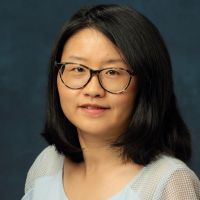
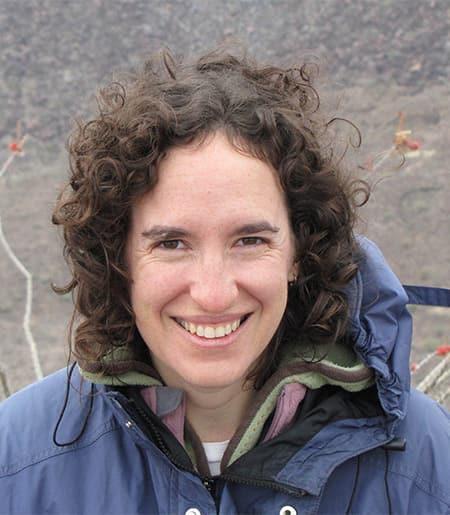
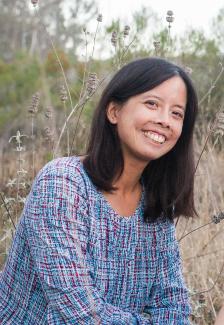
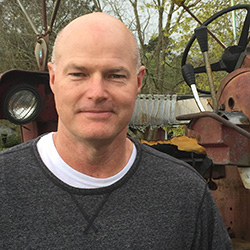
Arti Singh is an Assistant Professor in the Department of Agronomy at Iowa State University. Her research focuses on plant breeding, soybean diseases, genomics, and phenomics, with a strong emphasis on integrating artificial intelligence and high-throughput technologies into agricultural systems. She leads projects involving AI-driven disease identification, precision agriculture, and crop improvement strategies. Her expertise includes developing machine learning models for real-time weed and insect classification (e.g., WeedNet and InsectNet), deploying drones and ground robots for crop phenotyping, and leveraging genomic data to map traits like flowering time and disease resistance in legumes. Singh collaborates on initiatives like the AIIRA Institute for Resilient Agriculture and the BioTrove biodiversity dataset. Singh’s work spans plant stress phenotyping, digital twin technologies for plant sciences, and multi-sensor phenotyping for early disease detection. Her research bridges computational methods with traditional agronomy, aiming to enhance crop resilience and sustainability in the face of environmental challenges. Her recent projects include optimizing robotic navigation for precision agriculture, improving soybean yield estimation via video analysis, and dissecting genetic architectures of traits in mungbean and soybean using GWAS and genomic tools. She actively contributes to conferences and publishes in high-impact journals, advancing both foundational and applied aspects of agricultural science.
Rolf Halden is a Professor and Center Director at Arizona State University, holding appointments in the School of Sustainable Engineering and the Built Environment, the Biodesign Center for Environmental Health Engineering, and the Global Futures Scientists and Scholars program. He is a leading expert in environmental health engineering, wastewater-based epidemiology, and bioremediation. Education: Ph.D. in Civil (Environmental) Engineering, University of Minnesota (1997) M.S. in Civil (Environmental) Engineering, University of Minnesota (1994) M.S. in Biology, Technical University of Braunschweig, Germany (1992) Postdoctoral Fellow, Environmental Science, Lawrence Livermore National Laboratory (1998) Research Focus: Halden’s research integrates environmental chemistry, public health, and sustainability to understand how anthropogenic chemicals affect ecological and human health. His lab uses advanced mass spectrometry (LC-MS/MS, MALDI-TOF) to track pollutants such as PPCPs, microplastics, pesticides, and dioxins across air, water, soil, and biological systems. He pioneered the use of wastewater treatment plants as public health observatories, enabling real-time tracking of disease, drug use, and environmental exposures. Scientific Awards & Recognition: Leadership Award, Arizona State University (2018) Rocky Mountain Emmy Award (2018) Leroy E. Burney Lecturer, Johns Hopkins School of Public Health (2011) ACS Expert Program Member (2014–present) NIEHS Superfund R01 Working Group National Leader (2012–2014) Labs & Teams: Halden is the Founding Director of the Biodesign Center for Environmental Health Engineering at ASU, where he leads a multidisciplinary team focused on environmental proteomics, bioremediation, and diagnostic tool development. He also co-leads the Human Health Observatory , a national wastewater monitoring network. Grants & Funding: Halden has secured major funding from NSF, NIH, EPA, DoD, and private industry. Notable projects include the development of in-situ groundwater monitoring devices, national wastewater surveillance of SARS-CoV-2, and studies on microplastics and neurodegenerative disease.
SUNY College of Environmental Science and ForestryUnited States
Jun Hyung Lee is a Visiting Assistant Professor in the Department of Environmental Biology at SUNY College of Environmental Science and Forestry (ESF). His research focuses on advancing forest tree improvement and conservation through molecular and synthetic biology approaches, with a particular emphasis on enhancing plant resilience to environmental stresses via beneficial microbial interactions. He teaches courses in plant biotechnology and tissue culture methods. Education includes a Ph.D. in Forest Genetics from Purdue University (USA), and M.S. and B.S. degrees in Plant Science from Seoul National University (South Korea). His work integrates cutting-edge genetic engineering techniques with ecological studies to address challenges in plant stress tolerance, symbiosis, and epigenetic regulation. Recent projects include identifying novel symbiosis pathways for thermotolerance and analyzing flooding tolerance in hybrid poplars. Publications highlight contributions to plant-microbe interaction research, synthetic biology applications, and genome editing epigenetic impacts. Collaborations span institutions like Oak Ridge National Laboratory and the University of Georgia, reflecting his transdisciplinary approach to plant science. Lee’s teaching emphasizes practical skills in biotechnology, bridging laboratory innovation with field applications.
Roles & Affiliations: Ikhlas Khan serves as Director of the National Center for Natural Products Research (NCNPR), Distinguished Professor, and Research Professor of Pharmacognosy at the University of Mississippi's School of Pharmacy. He also leads the FDA Program and coordinates natural products research across multiple initiatives, including the Sino-US TCM Research Center and the Center for Research of Indian Systems of Medicine (CRISM). Education: B.Sc. Chemistry (1980) - Aligarh Muslim University, India M.Sc. Organic Chemistry (1982) - Aligarh Muslim University, India Ph.D. Pharmacy (1987) - Ludwig-Maximilians-Universität, Munich Postdoctoral Studies - Swiss Federal Institute of Technology (ETH), Zurich Research Focus: Dr. Khan specializes in natural products research with emphasis on: Phytomedicine: Standardization of herbal products via analytical fingerprinting, pesticide/herbicide residue analysis, and bioanalytical quality control. Drug Discovery: Isolation of bioactive natural products, development of analytical methods for phytochemical characterization, and chiral separation techniques. Metabolism Studies: Role of metabolism in drug/natural product activity, particularly in aminoquinoline antimalarials. His work bridges academia, industry, and regulatory bodies, shaping policies for botanical supplements. Key Contributions: Over 850 peer-reviewed publications and leadership in high-impact projects like the FDA Center of Excellence. His lab pioneered methods to combat herbal product adulteration and safety issues. Awards & Recognition: UM Distinguished Professor Award (2018) Wiley Award (AOAC International, 2018) Qihuang International Prize (2017) Honoris Causa Doctorate (University of Hamdard, 2012) Labs & Collaborations: Directs the NCNPR, a global leader in natural products research, and collaborates with institutions worldwide. His team develops technologies for herbal product authentication and drug metabolism studies.
Ning Zhang is an Assistant Professor in the Biology Department at James Madison University (JMU), joining in 2024. Her research focuses on enhancing crop resilience through molecular and biochemical studies of plant defense mechanisms against bacterial pathogens, alongside developing genome editing technologies for trait improvement. She holds a PhD in Horticulture and Crop Science from The Ohio State University (2016), an MS in Silviculture from Zhejiang Agriculture and Forestry University (2011), and a BS in Landscape Architecture from Shandong Agricultural University (2008). Research Interests: Dr. Zhang's lab investigates plant immunity pathways, CRISPR/Cas9 genome editing applications, and engineering crops for disease resistance. Her work integrates molecular biology, genetics, and biochemistry to tackle challenges posed by climate change and biotic/abiotic stresses. Recent Trends in Publications: Her articles concentrate on MAPK signaling pathways, NLR protein interactions, PP2C phosphatase regulation, and bacterial effector mechanisms in tomato and other crops. Key themes include immune system activation, pathogen recognition diversity, and transgenic plant development. Lab Information: The Zhang Lab at JMU is part of the Department of Biology, focusing on plant biotechnology solutions for agricultural sustainability. They collaborate on projects involving CRISPR-based gene editing and stress tolerance research.
Jennifer S. Thaler is a Professor in the Department of Ecology and Evolutionary Biology at Cornell University, affiliated with the College of Arts and Sciences. She holds a Ph.D. from the University of California, Davis (1999) and a B.A. from Wellesley College (1993). Her research focuses on tri-trophic interactions between plants, herbivores, and predators, with an emphasis on chemical ecology, plant defense mechanisms, and pest control strategies. She teaches courses such as Chemical Ecology and Insect Ecology, and her work bridges fundamental ecological theory with applied agricultural challenges. Dr. Thaler’s research investigates how plant traits, predator presence, and nutritional states influence herbivore behavior and population dynamics. Notable projects include studying non-consumptive predator effects, plant genotypic diversity’s impact on herbivores, and the evolutionary potential of antipredator plasticity. Her publications span journals like Ecology , Oecologia , and Proceedings of the Royal Society B . Her scientific contributions include winning the 2nd place Elton Prize (2015) for research on predator effects on aphids. She actively engages in departmental initiatives, including the Graduate Program and the Plant-Insect Interactions Seminar. Affiliated with the Cornell Stable Isotope Laboratory, she contributes to interdisciplinary efforts in ecological research and education.
University of California , Santa Barbara (UCSB)United States
Alenda Y. Chang serves as an Assistant Professor in Film and Media Studies at the University of California, Santa Barbara. With a multidisciplinary background spanning biology, literature, and film, she integrates ecocritical theory with contemporary media analysis. Her scholarly work appears in journals including Interdisciplinary Studies in Literature and Environment , Qui Parle , and electronic book review , focusing on sustainable media practices and ecological frameworks for digital engagement. Her educational background includes: M.A. and Ph.D. in Rhetoric from the University of California, Berkeley M.A. in English Language and Literature from the University of Maryland Chang specializes in environmental media and game studies, developing theoretical frameworks for ecological game design. Her research examines how digital games model environmental systems and foster player engagement with climate change through concepts like "slow violence" and "rambunctious play." She advocates for sustainable design patterns that address gaming's carbon footprint while creating immersive ecological narratives. Analysis of her 15 most recent publications reveals a consistent trajectory from foundational ecological game theory (2013-2018) to current work on thermal contexts of play and sustainable infrastructure (2022-2024). Her scholarship increasingly bridges data-driven activism with critical game design, emphasizing multispecies entanglements and infrastructural play as tools for environmental awareness. As co-founder of Wireframe—a collaborative media studio at UCSB—Chang cultivates critical game design practices through initiatives like growinggames.net . The studio supports data-driven global media art, environmental activism, and experimental pedagogy, serving as a hub for translating ecological theory into tangible digital interventions that challenge anthropocentric perspectives in gaming.
Wing Lam is an Associate Research Scientist in the Department of Pharmacology at the Yale School of Medicine. He holds a BSc in Molecular Biology and a PhD in Biochemical Pharmacology from City University of Hong Kong, followed by postdoctoral training at Yale. His research focuses on developing traditional Chinese medicine (TCM) formulations as adjuvants for cancer therapy, notably YIV-906, which enhances chemotherapy efficacy and mitigates intestinal toxicity. Lam also pioneered the STAR database for herbal drug discovery and the Mechanism-Based Quality Control (MBQC) platform for botanical drug standardization. Education: BSc (Hons) Molecular Biology, City University of Hong Kong, 1995 PhD Biochemical Pharmacology, City University of Hong Kong, 1999 Postdoc, Pharmacology, Yale University, 1999-2002 His research interests span cancer pharmacology, TCM modernization, and mitochondrial toxicity mechanisms. Key projects include YIV-906’s role in enhancing anti-PD1 and CAR T-cell therapies, developing L-nucleoside analogs like troxacitabine, and investigating tylophorine analogs’ antitumor effects. Lam has co-chaired sessions at multiple Consortium for Globalization of Chinese Medicine (CGCM) meetings and contributed to patents on herbal drug formulations and quality control methods. Recent work explores YIV-906’s potential for inflammatory bowel disease (IBD) and phase II clinical trials for colon and liver cancers. Lam’s publications highlight synergistic drug interactions, mitochondrial DNA depletion mechanisms, and TCM’s evidence-based application in chronic diseases. His grants include studies on PHY906 as an adjuvant in rectal cancer therapy and collaborations with Yiviva, Inc. He maintains active roles in editorial boards, including a special issue on herbal drug quality control in Frontiers in Pharmacology . Lam’s lab is embedded within Dr. Yung-Chi Cheng’s group, focusing on translational pharmacology and botanical drug innovation.
Réka Albert is a Distinguished Professor of Physics at Pennsylvania State University, affiliated with the Eberly College of Science. Her research focuses on the application of network science to biological systems, including signal transduction networks, ecological interactions, and cancer systems biology. She holds editorial roles at npj Systems Biology and Applications , IET Systems Biology , and Bulletin of Mathematical Biology . Education: Ph.D. in Physics from the University of Notre Dame (2001), M.S. and B.S. from Babeș-Bolyai University, Romania (1995-1996). Research Interests: Modeling complex systems using network theory; Boolean network analysis of biological pathways; ecological community dynamics; systems-level understanding of disease mechanisms (e.g., cancer, AML). Her work bridges theoretical physics, computational biology, and experimental data to predict system behavior and therapeutic strategies. Awards: External member of the Hungarian Academy of Sciences (2016), APS Maria Goeppert-Mayer Award (2011), NSF CAREER Award (2007), and Alfred P. Sloan Fellowship (2004). Grants/Support: NSF awards (MCB 1715826, IIS 1814405), ARO MURI on hyperuniform systems, and collaborations with biologists like Sarah Assmann (plant signaling) and Katriona Shea (ecology). Labs/Teams: Leads a multidisciplinary research group at Penn State, mentoring over 20 PhD alumni and current students like Eli Newby and Fatemeh Nasrollahi. Active in developing tools like pystablemotifs for Boolean network analysis.
Sushmita Roy is a Professor at the University of Wisconsin–Madison, affiliated with the Department of Computer Sciences and the College of Letters and Science. Her research focuses on developing computational methods in statistical machine learning to understand gene regulatory networks in living cells, particularly under environmental, developmental, disease, and evolutionary contexts. She explores bulk and single-cell genomic data integration to study processes like cell fate specification, host-microbe interactions, and diseases such as cancer and neurodevelopmental disorders. Her work emphasizes three key areas: inference of genome-scale transcriptional networks, evolutionary analysis of regulatory networks, and 3D genome organization dynamics. Roy’s lab collaborates across disciplines, leveraging genomic data from plant and mammalian systems. She has contributed to methodologies for analyzing chromatin accessibility, single-cell profiling, and network-based models of pathogen systems. Her affiliations include Wisconsin Institutes for Discovery, and she is a leader in computational biology and systems genomics research.
Owen R. White is a Professor in the Department of Epidemiology & Public Health at the University of Maryland School of Medicine, serving as Associate Director of the Institute for Genome Sciences and Associate Director of Research Collaboration & Development. He leads a team of 25 scientists and engineers developing genomic annotation pipelines and data analysis tools for state-of-the-art research in microbiome and multi-omic studies. His academic background includes: BS in Biotechnology from the University of Massachusetts (1985) PhD in Molecular Biology from New Mexico State University (1992) Postdoctoral Fellowship in Genome Informatics at the Institute for Genomic Research (TIGR) (1994) Dr. White's research spans bioinformatics, genomics, transcriptomics, and metagenomics with emphasis on data management, metadata standards, ontologies, and cloud systems. His work has been foundational for large-scale initiatives like the Human Microbiome Project (HMP) and Integrative Human Microbiome Project (iHMP), generating over 50,000 datasets totaling 10 terabytes of multi-omic data. Analysis of his recent publications reveals a strong trend toward neuroscience multi-omics (BRAIN Initiative), cloud-based data infrastructure, and ethical data sharing frameworks. His work consistently bridges microbiome research with emerging fields like single-cell analysis and Alzheimer's disease biomarker discovery through integrated data platforms. Notable awards include: Benjamin Franklin Award for Open Access in the Life Sciences (2015) Kumho Science International Award in Plant Molecular Biology and Biotechnology (2001) As Principal Investigator for major NIH-funded centers, he has secured sustained support for the HMP Data Analysis and Coordination Center and iHMP Data Coordination Center. His team's work combines fee-for-service models with collaborative research funding to maintain cutting-edge genomic analysis capabilities. The Institute for Genome Sciences houses his computational team responsible for developing production annotation pipelines, database systems, and visualization tools that serve researchers across the University of Maryland School of Medicine and national consortia.
Ian Grettenberger is an Assistant Professor of Cooperative Extension in the Department of Entomology and Nematology at the University of California, Davis. He leads the Grettenberger Lab, focusing on applied entomology in agricultural ecosystems. His work emphasizes pest management strategies, biological control, and sustainable solutions for invasive species threatening California crops. Education: B.S. in Biology, Western Washington University Ph.D. in Entomology, Pennsylvania State University Research Interests: Grettenberger’s expertise spans pest management of field/vegetable crops, invasive species like the Bagrada bug and western striped cucumber beetle, and resistance management in pests such as the alfalfa weevil. He investigates biological control mechanisms, pesticide efficacy, and economic impacts of pest management policies. Key Contributions: Recent work includes studies on insecticide spray optimization, economic implications of pesticide regulations, and biological control of invasive species. His research bridges laboratory and field settings, addressing challenges in California’s agricultural landscapes. Labs/Teams: The Grettenberger Lab collaborates on applied entomology projects, advancing IPM practices and crop protection strategies.
David L Jordan is the William Neal Reynolds Distinguished Professor in the Department of Crop and Soil Sciences within the College of Agriculture and Life Sciences at North Carolina State University. His appointment consists of 50% Extension, 25% Research, and 25% Academic responsibilities. He serves as a Crop Science Extension Specialist with a focus on peanut production and weed management, working closely with the North Carolina Peanut Growers Association, private consultants, industry representatives, and farmers. Dr. Jordan received his educational background from North Carolina State University and the University of Arkansas: PhD in Agronomy, University of Arkansas, 1993 MS in Crop Science, North Carolina State University, 1988 BS in Agronomy, North Carolina State University, 1985 AS, Chowan College, 1983 Dr. Jordan's research focuses primarily on peanut-based cropping systems, integrated pest management in peanut production, and the applied biology and management of weeds. His work addresses critical challenges in sustainable agriculture, including herbicide resistance management, crop rotation strategies, and aflatoxin mitigation in peanut production. He has developed significant expertise in developing risk tools to assist peanut growers and their advisors manage pests. His international work extends to Africa, where he collaborates with colleagues to develop more effective and sustainable pest management strategies for peanut (groundnut) and to improve food safety through aflatoxin mitigation. His recent publications reveal a strong focus on optimizing agricultural practices for peanut, cotton, and soybean production. Key themes include crop rotation effects on weed populations, nematode management in peanut systems, herbicide resistance evolution in agricultural weeds, and international peanut production practices. His research integrates field studies with practical extension applications to address real-world agricultural challenges across multiple continents. Dr. Jordan has received numerous prestigious awards throughout his career: Fellow of multiple professional societies including the American Society of Agronomy, Crop Science Society of America, Weed Science Society of America, and Southern Weed Science Society William Neal Reynolds Distinguished Professor (2015) Academy of Outstanding Faculty in Extension and Engagement, North Carolina State University (2022) Outstanding Extension and Engagement Award, North Carolina State University (2022) Dow AgroSciences Award for Excellence in Education from the American Peanut Research and Education Society (2010) Dr. Jordan has mentored numerous graduate students, serving as advisor or co-advisor for 3 MCS, 13 MS, and 12 PhD students, and has served on 40 MS, 45 PhD, and 7 MA graduate committees. His grant funding totals over $11.9 million from Louisiana State University Agricultural Center (1993-1996) and North Carolina State University (1996-present). He has led multiple USAID-funded international projects focused on peanut production and aflatoxin mitigation in countries like Ghana, Haiti, and Malawi. Dr. Jordan leads a comprehensive research and extension program focused on peanut production systems. His work involves close collaboration with multiple departments at NC State including Entomology and Plant Pathology and Biological and Agricultural Engineering. Internationally, he works with colleagues across Africa to develop sustainable pest management strategies. His program emphasizes interdisciplinary collaboration among many individuals, disciplines, and institutions with the common goal of improving the quality of life of people through agricultural improvements, education, and science.
Seddik M. Djouadi is a Professor in the Min H. Kao Department of Electrical Engineering and Computer Science at the University of Tennessee, Knoxville. He holds a PhD from McGill University (1999), an M.A.Sc. from École Polytechnique (1992), and a B.Sc. from École Nationale Polytechnique (1989). His research focuses on robust control, distributed systems, wireless communication, model reduction, and power networks. He has authored over 100 publications and received awards including recognition as an outstanding reviewer by Automatica (2006-2007, 2003-2004) and the Tibbets Award (1999). Education: PhD in Electrical Engineering, McGill University, 1999 M.A.Sc., École Polytechnique, 1992 B.Sc., École Nationale Polytechnique, 1989 Research Interests: Robust and distributed control Wireless communication systems Model reduction for fluid flows Power network dynamics and renewable integration Biological systems modeling Cyber-physical systems security Awards: Outstanding Reviewer, Automatica (2006-2007, 2003-2004) Best Paper Award, Mediterranean Conference on Intelligent Systems (2008) Ralph E. Powe Junior Faculty Enhancement Award (2005) Tibbets Award (1999) Students and Advising: Djouadi has mentored over 20 graduate students and postdoctoral researchers, including current advisees Yichen Zhang and Ehsan Raoufat. Notable past students include Jin Dong (now at Oak Ridge National Laboratory) and Xiao Ma (Western Digital). Projects: Current research includes distributed control of large power networks, data-driven nonlinear model reduction, and stochastic modeling of wireless systems. Collaborations involve ORNL and TVA on energy systems and cybersecurity.
Jennifer L. Clarke is a Professor in the Department of Statistics at the University of Nebraska–Lincoln and Director of the Quantitative Life Science Initiative. She holds leadership roles in enabling big data integration across the University of Nebraska system through collaborative research programs. Her affiliations include the Institute of Agriculture and Natural Resources (IANR) and the College of Agriculture and Natural Resources. Dr. Clarke's research focuses on statistical methodology for high-dimensional data, computational biology, bioinformatics, and bacterial genomics. Her work bridges statistical innovation with applications in oncology, microbiome analysis, and agricultural phenomics. Key areas include predictive modeling, machine learning, and genomic/metagenomic data integration. Her recent publications span cancer biomarker discovery, plant phenotyping methodologies, and microbial community analysis, reflecting her interdisciplinary approach. Articles emphasize translational applications like therapeutic target identification and precision agriculture. Dr. Clarke leads initiatives fostering collaboration between statisticians and domain scientists, including the Quantitative Life Science Initiative and contributions to the Agricultural Genome-to-Phenome Initiative (AG2PI). Her work advances data-driven solutions for healthcare and food security challenges. Notable projects include developing statistical tools for microbiome studies, analyzing root architecture via 3D imaging, and investigating cranberry-derived compounds' cancer-inhibitory mechanisms. Her methodological contributions include hybrid clustering techniques and predictive model validation frameworks.