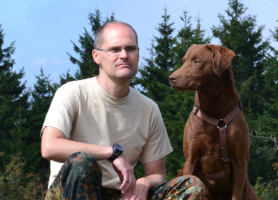
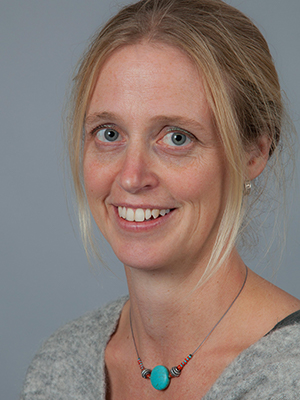
Mikael Thollesson is a Senior Lecturer at Uppsala University, affiliated with the Department of Organismal Biology; Systematic Biology and Klubban’s Biological Station. His research focuses on evolutionary biology, phylogenetics, taxonomy, and molecular biology, particularly in marine and freshwater sponges (Porifera), bacterial pathogens, and computational methods in evolutionary analysis. Evolutionary Biology Marine Biology Taxonomy His recent publications highlight trends in sponge biodiversity, phylogeography, bacterial horizontal gene transfer, and mitochondrial gene evolution. Key articles include studies on Swedish demosponge faunas, Silene sect. Arenosae systematics, and computational tools like SPRIT for detecting gene transfers. No explicit awards or grants are mentioned.
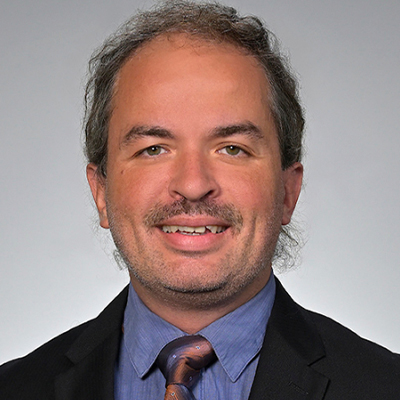
Dr. Jason Gibbs is an Associate Professor in the Department of Entomology at the University of Manitoba, Faculty of Agricultural and Food Sciences. He also serves as the Curator of the J. B. Wallis / R. E. Roughley Museum of Entomology (WRME), a significant center for the study of bee biodiversity. His work is central to advancing knowledge in wild bee systematics, phylogenetics, and conservation. PhD in Biology, York University, Canada MSc in Botany, University of Toronto, Canada BSc in Biological Sciences, University of Toronto Scarborough, Canada His research focuses on the diversity, taxonomy, and conservation of wild bees , particularly halictid and panurgine bees. He employs integrative taxonomic approaches , combining morphological, molecular, and ecological data to resolve species boundaries and evolutionary relationships. His work extends to pollinator ecology , examining how habitat management, agricultural practices, and landscape changes affect bee communities and pollination services. He is deeply involved in bee conservation , including the rediscovery of rare species and the development of habitat strategies to support pollinators in human-modified landscapes. The trends in his recent publications reveal a strong emphasis on systematics and alpha-taxonomy , with numerous revisions of bee genera and checklists of regional faunas. He frequently uses DNA barcoding and phylogenomics to address taxonomic challenges. Additionally, his work explores pollination dynamics in agricultural systems , particularly in blueberry and other crops, assessing the roles of wild versus managed bees. There is a consistent theme of habitat enhancement and conservation across his research, with studies on floral strips, prairie restoration, and the impacts of land-use change. Dr. Gibbs is actively involved in mentoring and training the next generation of entomologists. His lab includes several graduate students and highly qualified personnel who contribute to his diverse research projects, as indicated by the asterisked names in his publications. He leads the Gibbs Wild Bee Lab, which is dedicated to understanding bee diversity and evolution. The lab combines field research with molecular and morphological analyses, and maintains close ties with the WRME museum, which serves as a vital resource for specimen-based research and education.
Scott E. Miller is Senior Biodiversity Advisor, Senior Research Entomologist, and Curator of Lepidoptera at the Smithsonian's National Museum of Natural History. He has held numerous leadership positions including Deputy Under Secretary for Collections and Interdisciplinary Support, Deputy Under Secretary for Science, Associate Director for Science at the Smithsonian's National Zoological Park, and Interim Director of Smithsonian Libraries and Archives. Prior to the Smithsonian, he held leadership roles at the International Centre of Insect Physiology and Ecology in Nairobi, Kenya, and the Bishop Museum in Honolulu, Hawaii. Miller earned his BS from the University of California at Santa Barbara and his PhD from Harvard University. His academic journey has been marked by significant contributions to entomology and biodiversity research. Dr. Miller's research focuses on the integration of systematics, ecology, biogeography and conservation of insects and plants. His current work uses museum-based taxonomy and systematics to mobilize biodiversity information to empower ecology, conservation, and agriculture. Major research themes include moth systematics, biogeography and phylogenomics (particularly Dalceridae, Geometridae, and other families), insect food web and ecology projects in Papua New Guinea, Kenya and elsewhere, and building DNA reference libraries from museum vouchers for ecological applications. He has been instrumental in developing DNA-based identification tools through initiatives like the Consortium for the Barcode of Life. His recent publications demonstrate a strong focus on biodiversity informatics, DNA barcoding, and the application of museum collections to contemporary ecological questions. Miller's work spans tropical ecology, systematics, and the development of new methodologies for biodiversity assessment, with significant fieldwork conducted in Papua New Guinea, Kenya, and other biodiversity hotspots. Dr. Miller has contributed significantly to scientific infrastructure development, including co-chairing the US Government's Interagency Working Group on Scientific Collections and helping establish the Consortium for the Barcode of Life. His leadership extends to international scientific collaboration and the development of research centers like Mpala Research Centre in Kenya. As Senior Biodiversity Advisor, he oversees major initiatives that connect museum collections with contemporary biodiversity challenges. His laboratory and team focus on leveraging the extensive moth collections at NMNH for phylogenomic studies and ecological applications, working closely with international collaborators on projects spanning multiple continents.
Matthew D. Barrett is a researcher at James Cook University , specializing in plant systematics and fungal taxonomy. His work spans diverse areas including angiosperm phylogenomics, fungal biodiversity, and conservation biology of rare Australian flora. Research Focus : Phylogenomic analysis, fungal systematics, and ecological adaptations of Australian plant species. Publications : Contributed to major studies in Nature , Studies in Mycology , and Telopea , with a particular emphasis on Western Australian endemics. His recent publications highlight integrative approaches combining morphological and molecular data for taxonomic revisions, particularly in Basidiomycota and Orchidaceae.
Prof. Dr. Jörg Schultz serves as a Professor for Bioinformatics at the Faculty of Biology, University of Würzburg, a position he has held since 2003. He is also a Group Leader at the Center for Computational and Theoretical Biology (CCTB) and was a member of the CCTB Managing Board from 2015-2019. His academic journey includes significant roles as Group Leader at the Max Planck Institute for Molecular Genetics in Berlin (2002-2003) and at cellzome in Heidelberg (2000-2002). He completed his PhD studies at EMBL Heidelberg (1996-2000) after conducting his diploma thesis there in 1995-1996, following biology studies at the University of Konstanz (1991-1996). Prof. Schultz's research spans bioinformatics, computational biology, and evolutionary genomics, with notable contributions to protein domain analysis, phylogenetics, and structural bioinformatics. His recent work has focused extensively on plant genomics, particularly studying carnivorous plants like the Venus flytrap to uncover the evolutionary roots of plant carnivory. His research integrates computational methods with biological questions to address fundamental evolutionary patterns and molecular mechanisms across diverse organisms. Prof. Schultz has maintained a prolific publication record since the late 1990s, with his most recent work demonstrating continued innovation in computational approaches to biological questions. His publications reveal a consistent trajectory from foundational work on protein domain evolution (including the development of the SMART database) to current research on plant genomics, molecular evolution, and bioinformatics tool development. His work shows particular strength in bridging computational methodology with biological insight across multiple domains. Among his significant contributions is the development of the ITS2 Database, a widely used resource for phylogenetic analyses, along with various computational tools including ALVIS for sequence alignment visualization, reper for repetitive element analysis, and BCdatabaser for DNA barcoding. These resources have advanced methodological capabilities in the bioinformatics community. As an academic mentor, Prof. Schultz has guided numerous students and researchers through his laboratory at the University of Würzburg, contributing significantly to the education and training of the next generation of bioinformaticians. His leadership roles demonstrate his commitment to advancing computational and theoretical biology as academic disciplines while maintaining strong connections between computational approaches and biological discovery.
Douglas Yu is a Professor in the School of Biological Sciences at the University of East Anglia (UEA), where he also serves as Principal Investigator and Director of the Ecology, Conservation, and Environment Center (ECEC), a joint venture with the Kunming Institute of Zoology. He is a member of the Centre for Ecology, Evolution and Conservation and the Organisms and the Environment research group. His research focuses on cooperation in ecological systems, particularly mutualisms between species and conservation as cooperation between humans and nature. Key methodologies include environmental DNA (eDNA), metabarcoding, and game theory. He co-founded NatureMetrics to commercialize biodiversity monitoring tools. His work spans tropical ecology, conservation genetics, and human-wildlife conflict resolution, notably in the Amazon. His recent research outputs highlight trends in molecular biodiversity assessment, landscape-scale eDNA analysis, and integrating remote sensing with ecological data. He leads multiple NERC-funded projects and industry collaborations focused on pollination services, cocoa sustainability, and statistical frameworks for eDNA. He is actively involved in scientific governance, serving on the NERC Biomolecular Analysis Facility Steering Committee and UKRI grant panels. He also contributes to public discourse through media appearances on topics like leech-based disease surveillance and bee conservation. He teaches courses in evolutionary biology, conservation genetics, and statistical modeling using R. He welcomes PhD and postdoctoral researchers, especially those interested in fieldwork in East Asia.
Pavel P. Kuksa is a Research Assistant Professor in the Department of Pathology and Laboratory Medicine, specializing in bioinformatics, computer science, and functional genomics. His work focuses on high-throughput sequencing analysis, chromatin interaction data, and developing scalable software platforms for genomics research.
Dr. Marcell K. Peters is a Senior Academic Councillor at the Chair of Animal Ecology and Tropical Biology (Zoology III) at the University of Bremen. His research focuses on biodiversity patterns, ecosystem functioning, and climate-land use interactions in tropical and montane environments, with extensive fieldwork in East Africa and the Amazon. He leads projects under DFG and EU funding, including the UPSCALE initiative. Habilitation in Zoology (University of Würzburg, 2018) PhD in Biology (University of Bonn, 2008) Diploma in Biology (RWTH Aachen & University of Bonn, 2003) Research spans multi-taxa community ecology, army ants and ant-following birds, DNA barcoding applications, and climate change impacts on pollination networks. Google Scholar highlights recent work on climate-agriculture interactions in sub-Saharan Africa, trait-based community assembly, and network resilience in biodiversity hotspots. His publications emphasize elevational gradients, disturbance ecology, and functional diversity across Mount Kilimanjaro studies. Current affiliations include the DFG Research Unit Kilimanjaro and EU-funded UPSCALE project. He employs advanced methods like airborne LiDAR for biodiversity prediction and investigates nutrient use by ant communities across continents.
Mary Catherine Aime is a Professor of Botany & Plant Pathology at Purdue University's College of Agriculture, where she serves as Director of the Purdue University Herbaria (Arthur Fungarium and Kriebel Herbarium). Her research program focuses on the systematics, biodiversity, and evolution of Fungi, with particular emphasis on the earliest diverging lineages of Basidiomycota, rust fungi, fungi in tropical ecosystems, and fungal diseases of tropical tree crops. Dr. Aime's research interests span fungal systematics, biodiversity, and evolution. Her lab employs diverse methodologies from genomics to field studies in remote regions to investigate vastly underexplored fungal lineages. She has made significant contributions to the understanding of rust fungi (Pucciniales) taxonomy, establishing a comprehensive higher-rank classification based on molecular, morphological, and ecological data. Her work has important implications for plant pathology, agriculture, and biodiversity conservation. Dr. Aime's publication record demonstrates consistent contributions to fungal systematics, particularly in rust fungi research. Her work spans taxonomic revisions, molecular phylogenetics, biodiversity documentation, and the development of practical identification tools like Rust HUBB. Her research shows a clear progression from foundational taxonomic work to the development of molecular resources that benefit the broader plant pathology community. As Director of the Purdue University Herbaria, Dr. Aime oversees one of the most important collections of rust fungi (Pucciniales) in the world through the Arthur Fungarium (PUR). Her leadership in maintaining and expanding these critical research collections supports global mycological research efforts.
Silvia Rondon is a Professor and Director of the Integrated Pest Management Center at Oregon State University (OSU), affiliated with the College of Agriculture and Department of Crop & Soil Science. She moved to OSU's Corvallis campus in September 2022 after extensive work in eastern Oregon. Education: PhD in Crop Sciences (2002), MS in Entomology (1999), BA in Biology/Zoology (1993) from Universidad Nacional Agraria La Molina (Peru) and University of Illinois. Research Focus: Ecological-based Integrated Pest Management for irrigated crops (potatoes, onions, corn, wheat) emphasizing insect ecology, biological/chemical control, and pest population dynamics. Her publications span potato psyllid management, zebra chip disease, wireworm genomics, and landscape-driven pest movement. Key awards include the Erasmus Teaching Award, Pacific Branch ESA Excellence in Extension, and multiple NACAA/OSU honors. She leads extension programs through on-farm demonstrations and train-the-trainer workshops, while mentoring graduate students in IPM research.
Anna Maria Palermo is an Associate Professor in the Department of Biology, Ecology and Earth Sciences at the University of Calabria, where she specializes in General Botany (BIO/01). She has held this position since October 2022, following a long academic trajectory that includes serving as a confirmed researcher since 2004 and prior technical service from 1990 to 2004. She is actively involved in teaching, research, and academic governance, with no indication of retirement or departure. Education: Laurea in Scienze Biologiche, University of Naples (1986) Professional qualification as Biologist, University of Naples (1987) Her research interests lie at the intersection of molecular botany and cultural heritage conservation. She focuses on molecular biosystematics of Mediterranean flora, particularly rare and endemic species in Calabria, using techniques such as ISSR, RAPD, AFLP, microsatellites, DNA barcoding, and isoenzyme analysis. A second major research line involves the study of biodeteriogens —fungi, cyanobacteria, algae, and lichens—on both organic (paper, wood, parchment) and inorganic (stone, plastic) cultural artifacts. Her work includes developing green conservation methods, notably using titanium dioxide nanoparticles for biocidal and preventive treatments. Her recent publications highlight a strong engagement in orchid pollination biology , heritage biodeterioration , and molecular taxonomy . These works reflect interdisciplinary trends combining ecology, botany, and conservation science, often with applications to historical monuments in Southern Italy. Scientific Service and Recognition: Reviewer for international journals: Environmental Engineering and Management, Journal Plant Biology, Aerobiologia, Studies in Conservation, Journal of Fungi, Horticulture, International Biodeterioration & Biodegradation, Botanical Studies Member of the Scientific Secretariat of the PhD Program in Life Science and Technology (2021) Member of the Italian Botanical Society since 2007 Active participant in research groups on plant biology and conservation Anna Maria Palermo has supervised numerous Master's and PhD theses in Biological Sciences, Natural Sciences, and Cultural Heritage Conservation. She has participated in research projects, organized workshops, and collaborated with various institutions. She is a key member of the Plant Biology Research Group at the University of Calabria, specifically contributing to the section on Biosystematics, Conservation, and Botany in Cultural Heritage led by Prof. Giuseppe Pellegrino.
Malte Ebach is an Honorary Associate Professor at the School of Biological, Earth & Environmental Sciences, University of New South Wales (UNSW). His primary affiliation is with UNSW’s Science faculty, where he contributes to teaching and research in biogeography and systematics. He has held collaborative roles with institutions like CSIRO Publishing and the Linnean Society, and his work spans multiple disciplines involving classification and natural history. Ebanch’s research focuses on Australasian and Gondwanan biogeography, emphasizing natural classification methods such as cladistics and Goethean science. He critically examines historical taxonomic practices, advocating for rigorous area taxonomy and the integration of tectonic data into bioregionalization. Key themes include transition zones, the legacy of 19th-century plant and animal geography, and the revival of bioregionalization in the context of modern geology. He has authored or co-authored over 20 books since 2004, including Biotectonics of Neotropical Transition Zones (2024) and Goethe in the Age of Artificial Intelligence (2023). His edited works include Handbook of Australasian Biogeography (2017) and Biogeography in a Changing World (2006). His recent publications analyze tectonic influences on biogeography, SARS-CoV-2 taxonomy, and the philosophical underpinnings of classification systems. Ebanch’s teaching roles at UNSW include convening GEOS1111 Fundamentals of Geology and GEOS3071 Life on a Dynamic Earth , and lecturing in GEOS1211 Earth and Environmental Science . He critiques emerging trends in taxonomy, such as DNA barcoding, and emphasizes the need for intuitive, historically grounded methods in systematics.
Professor David Bilton is a Professor of Aquatic Biology at the University of Plymouth and holds a Visiting Professorship at the University of Johannesburg's Department of Zoology. He serves as Deputy Director of the NERC ARIES Doctoral Training Partnership and leads postgraduate research activities in the Faculty of Science and Engineering. His research focuses on ecological and evolutionary questions using aquatic insects as models, with a strong emphasis on South African biodiversity. He has published over 200 papers and authored four books, contributing to global understanding of biogeography, conservation, and speciation. His teaching spans undergraduate modules in biodiversity, marine biology, ecology, and global change biology, with fieldwork in coastal ecosystems like South Africa's Western Cape. He supervises 6–10 student projects annually, covering topics from arthropod zoology to speciation mechanisms. His research highlights include discovering new species, analyzing thermal tolerance in insects, and assessing invasive species impacts. He has supervised 11 PhD students, contributing to projects on invertebrate dispersal, genetic diversity, and conservation strategies. Despite his extensive contributions, no scientific awards are explicitly mentioned in the provided texts. His work bridges field ecology with molecular techniques, advancing conservation efforts in aquatic ecosystems.
Dr. Rosalee Hellberg is an Associate Professor at Chapman University's Schmid College of Science and Technology, specializing in Food Science. Her work combines molecular biology and analytical chemistry to combat food fraud and ensure safety. Lewis & Clark College (BA) | Oregon State University (MS, PhD in Food Science & Technology) Research focuses on: DNA barcoding applications for species identification Food fraud detection in seafood and botanical products Pathogen detection using molecular techniques Labeling compliance in processed foods Development of rapid authentication methods Recent publications address seafood mislabeling patterns, ginseng supplement authenticity, and pathogen control through advanced spectroscopy. Awards include multiple recognitions for research and mentorship excellence. Her work bridges regulatory compliance, consumer protection, and food supply chain integrity through innovative molecular approaches. Key Scientific Awards: Wang-Fradkin Assistant Professorship Award (2015-2017) Institute of Food Technologists Emerging Leaders Network Award (2017) Mentorship of Undergraduate Research Award (2018-2019)
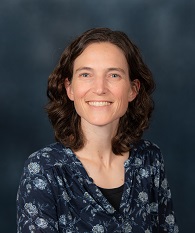
Anneleen Kool serves as Professor and Head of the Botanical Garden at the University of Oslo's Natural History Museum, driving interdisciplinary research on human-plant relationships through conservation, education, and public outreach initiatives focused on global plant diversity. Her academic qualifications include: MSc in Biology, Wageningen University (2003) MSc in Biology, Uppsala University (2004) PhD in Systematic Botany, Uppsala University (2012) Dr. Kool's research centers on ethnobotany, DNA barcoding, and ancient DNA analysis to investigate millennia of human impact on plant diversity, with special emphasis on Viking-Age trade, medicinal plants, and sustainable foraging practices. She integrates biological data with cultural sources to reconstruct historical plant use patterns across Nordic regions. Her recent publications (2020-2024) demonstrate transdisciplinary methodologies combining historical records, archaeology, and molecular techniques. Key trends include Viking-Age plant utilization validation, co-conservation of indigenous knowledge with seed banking, sustainable wild food plant management, and immunomodulatory compound discovery in traditional medicines through text-screening pipelines. Professional recognition includes: Uppsala University’s Excellence in Teaching Award (2007) Dr. Kool leads the EDGE research group and participates in major projects including NORPART, Nordic People and Plants, NorCol, and FOODIMPACT. She teaches BIOS 1150 (Biodiversity), BIOS 2200 (Botanical Diversity), and field courses while engaging public communities through initiatives like the 'People and Plants' project that documents contemporary wild plant use. The Botanical Garden under her leadership functions as a living laboratory for research and education, while the EDGE group advances molecular ethnobotany through international collaborations. Her work bridges academic research with organizations like the Norwegian Mushroom and Useful Plants Association to preserve cultural plant knowledge.