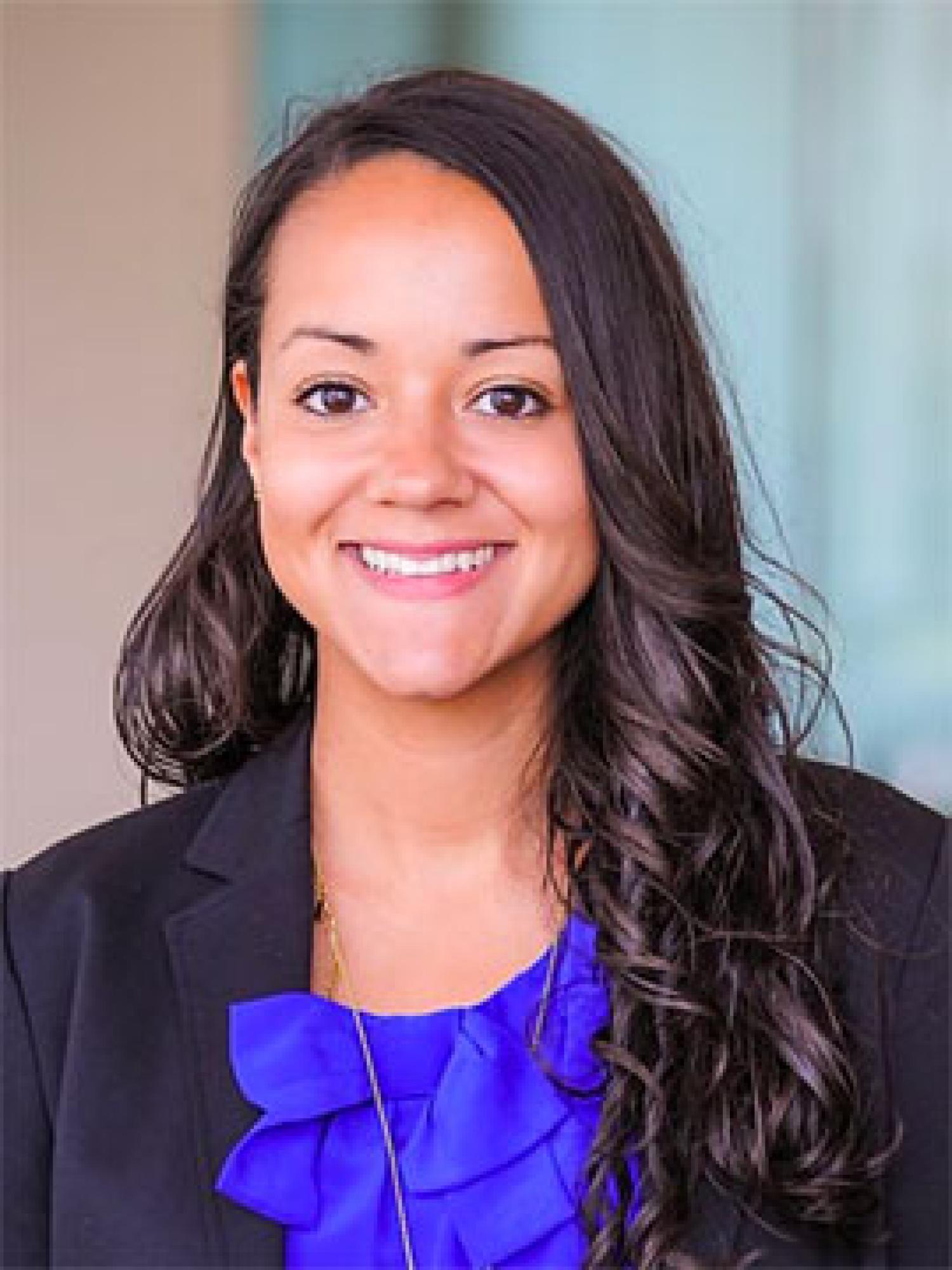
Dr. Laura Lechuga Gómez is a CSIC Research Professor and Group Leader at the Institute of Nanoscience and Nanotechnology (ICN2), focusing on NanoBiosensors and Bioanalytical Applications . Her research emphasizes plasmonic and photonic biosensors for clinical, biomedical, and environmental diagnostics. Key projects include label-free detection of pathogens, autoimmune markers, and environmental pollutants. She leads an interdisciplinary team advancing point-of-care platforms for conditions such as tuberculosis, cancer, and preeclampsia. Research Interests span nanotechnology, biosensor design, and analytical chemistry. Her work bridges fundamental physics and applied biomedical engineering, with a focus on translating lab innovations into real-world diagnostic tools. Recent advances include biomimetic sensors for immunotherapy evaluation and veterinary SARS-CoV-2 detection. Publications (2025–2022) highlight cutting-edge contributions in Biosensors & Bioelectronics , Analytical Chemistry , and Nanomaterials , addressing challenges in sensor sensitivity, integration, and clinical validation. Her team collaborates globally on EU-funded projects, advancing nanotechnologies for health and environmental monitoring. Laura’s group develops portable platforms using silicon photonics and plasmonic systems, enabling rapid diagnostics in resource-limited settings. Ongoing work explores mRNA cleavage for splicing analysis and microfluidic integration for automated assays.
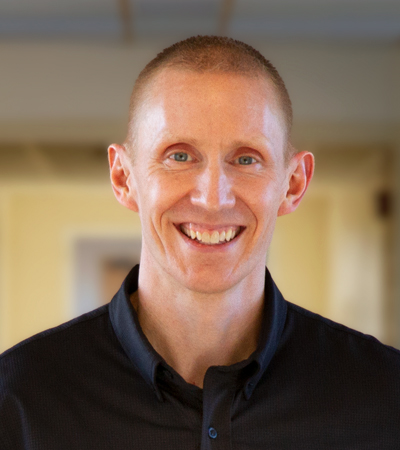
Greg Zaharchuk is a Professor of Radiology specializing in Neuroimaging and Neurointervention at Stanford University's School of Medicine. His academic roles include leadership in clinical and translational imaging research. He holds an MD from Harvard Medical School, a PhD in Applied Physics from Harvard/MIT, and dual undergraduate degrees in Materials Science & Engineering and German Studies from Stanford. Education: MD, Harvard Medical School (2000) PhD, Harvard/MIT (1999) BS & BA, Stanford (1990) Research Focus: Dr. Zaharchuk's work centers on advancing neuroimaging techniques for cerebrovascular diseases, stroke, and neurodegenerative disorders. He pioneers AI-driven innovations in MRI/PET fusion, low-dose imaging, and deep learning models to enhance diagnostic accuracy and clinical decision-making. Key areas include stroke outcome prediction, amyloid PET reconstruction, and cross-modality imaging integration. Research Trends: His recent articles emphasize AI applications in neuroimaging, such as improving low-field MRI quality and PET reconstruction using MRI priors. He also explores stroke lesion segmentation, CBF quantification, and the ethical implications of AI in neuroradiology. Affiliations & Labs: He leads the Center for Advanced Functional Neuroimaging at Stanford, advancing cutting-edge imaging technologies. His research bridges clinical practice and innovation, addressing challenges in ischemic stroke, Alzheimer's imaging, and radiation dose reduction. Grants & Collaborations: His work is supported by NIH grants and industry partnerships, focusing on multimodal imaging systems and AI-driven diagnostics. Collaborations include international neuroradiology societies and interdisciplinary teams in neurology and computer science.
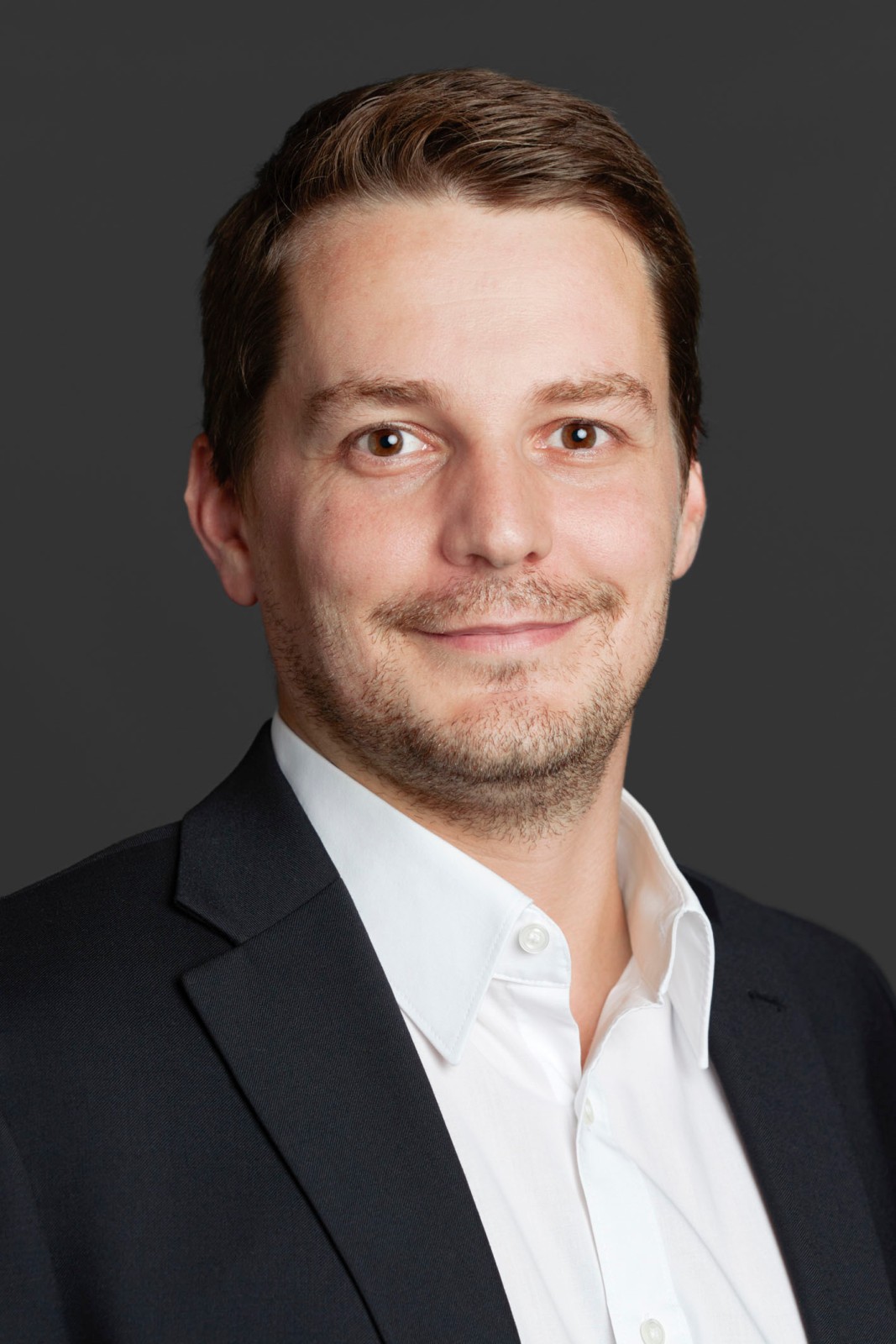
Dr. Vincent Humphrey is a Lecturer at ETH Zurich's Department of Environmental Systems Science, specializing in climate dynamics and Earth system modeling. His research focuses on climate change impacts, satellite observations, and machine learning applications in environmental science. He holds a PhD in Land-Climate Dynamics from ETH Zurich (2017) and completed postdoctoral fellowships at institutions including Caltech and the University of Zurich. Education PhD (2014-2017): ETH Zurich, Land-Climate Dynamics MSc (2011-2014): University of Lausanne, Environmental Geosciences BSc (2008-2011): University of Lausanne, Geosciences and Environment Research Interests Humphrey’s work addresses climate feedback mechanisms, terrestrial water and carbon cycles, and the integration of satellite data (e.g., GRACE, GPS) into Earth system models. He develops machine learning tools to analyze time series data and improve model accuracy. Key projects include CONSTRAIN (constraining climate projections) and GRUN (global runoff dataset). Awards ETH Medal (2018) Advising & Grants Humphrey has contributed to major initiatives like the Global Sea Level Budget Group and collaborated on datasets such as GRACE-REC and GRUN. His research bridges observational and modeling approaches to understand climate system interactions. Labs/Teams He is affiliated with ETH Zurich’s Climate Physics group and collaborates with institutions like NASA’s Jet Propulsion Laboratory (via Caltech).
Kimberlee Kearfott, Sc.D., is a Professor in the Department of Nuclear Engineering and Radiological Sciences at the University of Michigan. Her primary affiliation is with the College of Engineering, and she holds an additional role as Affiliate Faculty in Biomedical Engineering (BME). Her research focuses on radiation protection, nuclear medicine, medical physics, and biomedical imaging. Key areas include radon gas dynamics, dosimetry techniques, environmental radiation monitoring, and the development of radiation-aware technologies like drones and weather stations. Her work spans theoretical and applied domains, including algorithm development for anomaly detection in radon time series data, advanced imaging systems, and radiation source mapping. She has contributed to the design of cost-effective radiation measurement instruments and systems for real-time environmental monitoring. Notable projects include the creation of an Intelligent Radiation Awareness Drone and a Low-cost Radiation Weather Station. Dr. Kearfott’s expertise also extends to radiation safety protocols, quality control in dosimetry calibration, and the application of machine learning to thermoluminescent dosimeter analysis. Her research has addressed critical issues such as earthquake prediction through radon gas analysis and sterilization techniques for SARS-CoV-2-contaminated equipment. Her laboratory focuses on interdisciplinary projects at the intersection of nuclear engineering, biomedical sciences, and environmental science. Collaborations involve both academic and industrial partners, emphasizing practical solutions for radiation-related challenges in healthcare, environmental safety, and homeland security.
Pedro Nardelli is a Full Professor (tenured) of IoT in Energy Systems at the LUT School of Energy Systems, Lappeenranta University of Technology (Finland). He holds a double doctoral degree in electrical engineering from the University of Campinas (Brazil) and communications engineering from the University of Oulu (Finland). As a Docent in Information Processing and Communications Strategies for Energy Systems, he leads research in cyber-physical systems, smart grids, and 6G-enabled energy networks. Research Interests : His work focuses on integrating IoT, AI, and communication technologies into energy systems. Key areas include cyber-physical systems, UAV-enabled networks, sustainable energy management, and cybersecurity in critical infrastructure. He emphasizes interdisciplinary approaches to address challenges in the green-digital transition. Projects & Leadership : He is Principal Investigator for projects such as 'Energy-Conscious Operation: Network Efficiency for Wireless Sustainability' (2024–2026) and coordinates the Finnish-Brazilian AI and 5G training program. Past roles include leadership in the 'Hydrogen and Carbon Value Chains in Green Electrification' initiative (2021–2024). Publications : Recent work explores topics like hybrid optimal power flow models, UAV-IRS NOMA systems, and energy-centric analysis. His research bridges theoretical frameworks with practical applications, emphasizing sustainability and resilience in energy networks. Labs & Teams : Leads the IoT Solutions group within LUT's MORE SIM research platform, focusing on simulation-driven innovation for energy systems.
Xiaonan Guo is an Assistant Professor in the Department of Information Sciences and Technology at George Mason University. His research focuses on security and privacy in cyber-physical systems, mobile device security, IoT, mobile healthcare, and machine learning applications in mobile computing. He holds a PhD in Computer Science from the Hong Kong University of Science and Technology. His work spans innovative applications of mmWave technology for authentication, health monitoring, and activity recognition, alongside contributions to privacy-preserving systems and mobile deep learning optimization. Recent research emphasizes contactless human concentration monitoring, secure mobile DNN execution, and universal adversarial attacks against mmWave-based systems. Xiaonan’s publications reflect a strong focus on mobile and IoT-driven healthcare solutions, wearable device security, and cross-technology localization. His articles often bridge theoretical advancements with real-world applications in smart healthcare systems and pervasive computing environments.
Evava (Eva) Pietri is an Associate Professor in the Department of Psychology and Neuroscience at the University of Colorado Boulder. She previously held a position at IUPUI before moving to CU Boulder in 2021. Dr. Pietri earned her PhD in Social Psychology from The Ohio State University in 2013. Her research focuses on reducing biases and promoting diversity in STEM through interventions targeting identity-safety, intergroup relations, and allyship. Her work emphasizes understanding how marginalized individuals, particularly Black and Latina women, form connections with role models and perceive inclusive environments. Key projects include developing the Video Interventions for Diversity in STEM (VIDS) to address gender bias, exploring allyship frameworks, and examining organizational cues that foster belonging. She has secured grants from the National Science Foundation and SIOP to study identity-safety in STEM and anti-racism messaging strategies. Dr. Pietri’s lab, the PSIA Lab, employs experimental methods and collaborations to investigate real-world applications of social psychology. Current research includes expanding role model effectiveness, mitigating bias, and enhancing equity in education and workplaces. She advises PhD students Nadia Floyd and Sheba Aikawa, both from NYU, and collaborates widely on initiatives like the NSF-funded project on shared adversity and identity-safety.
Robert J. Doerksen is Professor of Medicinal Chemistry in the Department of BioMolecular Sciences at the University of Mississippi School of Pharmacy , Associate Dean of the Graduate School , and Research Professor in the Research Institute of Pharmaceutical Sciences . Since 2004 he has combined computational chemistry with experimental collaborations to advance drug discovery, particularly in glycoscience and cannabinoid research. Education: B.S. (Double First Class Honours) in Mathematics & Physics, University of New Brunswick, 1986 Graduate Diploma in Christian Studies, Regent College, Vancouver, 1996 Ph.D. in Chemistry, University of New Brunswick, 1998 (Advisor: Prof. Ajit Thakkar) Postdoctoral Fellow, UC Berkeley (with Prof. Martin Head-Gordon) Postdoctoral Fellow, University of Pennsylvania (with Prof. Michael Klein) Research Interests: Dr. Doerksen’s laboratory develops and applies computational medicinal chemistry approaches spanning chemoinformatics , molecular dynamics , virtual screening , and machine learning to understand how small molecules interact with proteins. Central themes include: Glycoscience : lectin–glycan interactions, glycosyltransferase regulation, glycomimetic design. Cannabinoids : CB1/CB2 receptor allosteric modulation, cannabidiol pharmacology, synthetic cannabinoid SAR. Neglected & Infectious Diseases : malaria, hepatitis B, tuberculosis, SARS-CoV-2, urinary-tract infections. Drug Delivery & Formulation : nanoparticle coatings, pharmacokinetic optimization, bioavailability enhancement. Publications Trend: Over 2023–2025 his 15 most recent papers reveal intense activity at the intersection of AI-driven discovery , glycobiology , and cannabinoid pharmacology , with emphasis on anti-infective, anticancer, and CNS-active agents. Key contributions include first-in-class MraY inhibitors for TB, cannabinoid-inspired antivirals against SARS-CoV-2, and glycomimetic antagonists of bacterial adhesins for UTI prevention. Scientific Awards & Honors: UM School of Pharmacy Faculty Service Award (2015–2016) UM School of Pharmacy Faculty Service Award (2010–2011) Editorial Boards: Molecules , AIMS Biophysics , Pharmaceutical Sciences , Perspectives in Medicinal Chemistry Repeated NIH, DoD, NSF, Wellcome Trust, and international grant-review panels (2010–present) Guest Editor for multiple special issues in Molecules and Frontiers journals Advising & Mentoring: As Associate Dean, Dr. Doerksen oversees University-wide graduate programs, chairs the Graduate Recruiting Fellowship and Scholarship Committee, and mentors students across disciplines. Faculty advisor for the UM chapters of the Christian Pharmacists Fellowship International (since 2005) and Taiwanese Student Association (2022–2025). He actively participates in PhD and MS thesis committees worldwide and has delivered NSF GRFP information sessions to support trainee funding. Laboratories & Teams: He directs research within the Computational Chemistry and Bioinformatics Research CORE (CCBRC) , fostering collaborative projects involving medicinal chemists, structural biologists, pharmacologists, and data scientists. The group leverages high-performance computing resources at the University of Mississippi to perform large-scale virtual screening, AI/ML model development, and integrative structural biology studies.
Yuan Liu is a faculty member affiliated with Guangzhou University's Cyberspace Institute of Advanced Technology. Their research focuses on cybersecurity, blockchain technology, federated learning, and IoT systems. They have held roles at multiple institutions, including Northeastern University (Software College) and Nanyang Technological University (PhD in Computer Engineering). Liu's work emphasizes secure communication, edge computing, and distributed systems, with contributions to protocols like blockchain-based redactable systems and quantum federated learning frameworks. They have collaborated extensively on projects addressing IoT security, smart healthcare, and privacy-preserving technologies. Key research trends include leveraging AI for enhanced security (e.g., watermarking frameworks, attack detection) and optimizing resource allocation in edge computing environments. Their publications span journals like IEEE Communications Surveys & Tutorials and conferences such as GLOBECOM.
Jordan J. Williams is an Assistant Professor and Director of the Neural Engineering & Modulation Laboratory (NEMo Lab) at the Joint Department of Biomedical Engineering, affiliated with Marquette University and the Medical College of Wisconsin. He holds MD and PhD degrees from Washington University in St. Louis and completed postdoctoral work at the University of Pittsburgh. Education: Postdoctoral Scholar (2013-2019), Systems Neuroscience Institute, University of Pittsburgh MD (2013), Washington University in St. Louis PhD (2013), Biomedical Engineering, Washington University in St. Louis B.S. (2005), Electrical Engineering and Engineering Physics, South Dakota State University His research focuses on neural engineering, optogenetics, and brain-machine interfaces. Key projects include peripheral optogenetic stimulation for motor recovery post-spinal cord injury, neuroprosthetics, and viral gene therapy applications. Recent publications highlight advancements in spatiotemporal nerve stimulation patterns, non-human primate studies, and neural interface biocompatibility. Dr. Williams teaches courses like Neural Engineering , Biomedical Signal Processing , and Control Systems for Biomedical Engineering . His funded grants include projects on functional motor recovery and improved spinal cord injury rehabilitation through optogenetics. Current research emphasizes the intersection of neuroscience and engineering to address paralysis, with a strong focus on translating preclinical findings into clinical applications. His work has been published in journals such as Journal of Neuroscience Methods , Science Robotics , and Frontiers in Neuroscience .
Dr. Paul Thevenon is an Assistant Professor at ENAC (National Civil Aviation School) in Toulouse, France, since July 2013. He holds a Habilitation à Diriger les Recherches (2023) and focuses on GNSS signal processing, integrity monitoring, and hybrid sensor systems. His research integrates advanced algorithms for cycle slip detection, multipath mitigation, and hybrid navigation filters using 5G/ LTE signals. Education: Bachelor's in Electronic Engineering from École Centrale de Lille (2004) Master's in Space Telecommunications from ISAE (2007) PhD in Signal Processing from ENAC (2010) Research Themes: GNSS robustness against malicious signals (e.g., evil waveforms) Multi-receiver systems for RTK positioning enhancement Integration of non-GNSS signals (5G, LTE) for hybrid navigation Factor graph approaches for carrier phase processing Awards: 2023: Habilitation à Diriger les Recherches Technical Contributions: Developed CNN-based multipath detection systems Advanced RTK ambiguity resolution via multi-rover arrays Validated TDCP measurements in low-cost PPP-IMU filters Labs/Teams: Core member of the SIGNAV lab, specializing in signal processing and navigation systems.
Andreas Güntner is an Assistant Professor at ETH Zürich's Department of Mechanical and Process Engineering and a research associate at the University Hospital Zürich's Endocrinology, Diabetes and Clinical Nutrition department. His interdisciplinary research integrates physics, chemistry, and medicine to develop micro/nanosystems for chemical sensing, with applications in healthcare and environmental monitoring. Research focuses on creating innovative sensor technologies from concept to validated devices, particularly chemoresistive gas sensors and handheld detectors. Recent breakthroughs include selective benzene and methanol detection systems, breath analyzers for metabolic monitoring, and nanoparticle-based sensors fabricated via flame synthesis. Publications demonstrate expertise in nanomaterials engineering for molecular sensing, with applications spanning medical diagnostics (breath analysis for diabetes) to environmental protection (air quality monitoring). His group develops complete sensing systems from fundamental material science to portable device implementation. Honors include the De Vigier Award (2022), ERC Starting Grant (2022), and ETH Medal for outstanding PhD (2017). Patents cover handheld detection devices for toxic compounds in consumer products.
Dr. Khoa Phan is a Senior Lecturer in the Department of Computer Science and Information Technology at La Trobe University, Australia. He holds an ARC DECRA Senior Research Fellowship (2020-2023) and has held prior positions at UCLA, Monash University, and others. His academic background includes a B.Eng. (UNSW), two M.Sc. degrees (University of Alberta and Caltech), and a Ph.D. in Electrical Engineering from McGill University. Dr. Phan's research focuses on optimizing next-generation communication networks, particularly in wireless communications, IoT, satellite systems, and machine learning applications. He has secured significant grants, including ARC Discovery Projects and industry partnerships. His work emphasizes secure cyber-physical systems, federated learning, and edge computing. He has received prestigious awards such as the ARC DECRA and Atwood Fellowship. His research spans over 100 publications, with contributions to areas like OTFS modulation, secure satellite communications, and graph-based anomaly detection. He actively supervises PhD students and collaborates internationally, including initiatives to strengthen ties between La Trobe University and Vietnamese institutions. Grants include ARC Discovery Projects (totaling $1.3M+), CRC SmartSAT, and industry scholarships. His work addresses energy efficiency, secure resource allocation, and AI-driven solutions for 5G/6G networks and the metaverse.
Professor Risteski Aleksandar holds a Ph.D. in Telecommunications and has been a faculty member at the Faculty of Electrical Engineering and Information Technologies, University Ss. Cyril and Methodius, since 1996. He currently serves as a Professor and has held roles including Vice-Dean for Science and International Cooperation (2008–2016). His research focuses on telecommunications, cybersecurity, blockchain applications in education, and IoT security. He has extensive industry experience, including internships at IBM T.J. Watson Research Center in the U.S. Education: Ph.D. in Telecommunications (2001–2004) M.Sc. in Telecommunications (1997–2000) Dipl. Ing. in Electronics and Telecommunications (1991–1996) Research Interests: Blockchain technology for academic credential verification Cybersecurity in tactical communication systems IoT energy efficiency and reliability Network intrusion detection using deep learning Anti-forgery systems using AI and blockchain Publications Trends: Over 50 publications since 2000, with recent focus on blockchain applications in education, cybersecurity frameworks for 5G networks, and IoT energy optimization. His work bridges theoretical advancements with practical implementations in telecommunication infrastructure. Awards: No specific awards listed, though his contributions to blockchain-based educational systems and cybersecurity research are notable. Advising & Grants: No listed students, but active in research projects funded by industry partnerships. Collaborations include IBM Research and initiatives in Macedonia's telecommunication sector. Labs/Teams: Affiliated with the Institute of Telecommunications at his faculty, focusing on network security and emerging technologies.
Michael Reimer is an Associate Professor at the University of Waterloo, affiliated with the Institute for Quantum Computing (IQC). His primary role involves advancing quantum photonic technologies through experimental and theoretical research. He is a full-time faculty member with expertise in semiconductor nanowire-based devices, quantum dot systems, and their integration with atomic ensembles for quantum communication applications. His research interests focus on developing high-efficiency single-photon sources and detectors, metamaterials for photonic applications, and leveraging cold atoms in hollow-core fibers to enhance quantum state manipulation. He also explores hybrid quantum-classical systems, particularly in optimizing signal-to-noise ratios (SNR) and mitigating nonlinear impairments in optical networks. His work bridges fundamental quantum optics with practical implementations in quantum computing and secure communication systems. Recent articles highlight trends toward achieving near-unity absorption in metamaterials, on-demand photon generation with quantum dots, and probabilistic constellation shaping for optical networks. While no scientific awards are explicitly mentioned, his contributions to quantum photonic devices are notable. No specific grants or advisees are detailed in the provided text, but his affiliation with IQC suggests involvement in collaborative research projects. He is affiliated with the Institute for Quantum Computing, a leading academic unit at the University of Waterloo.