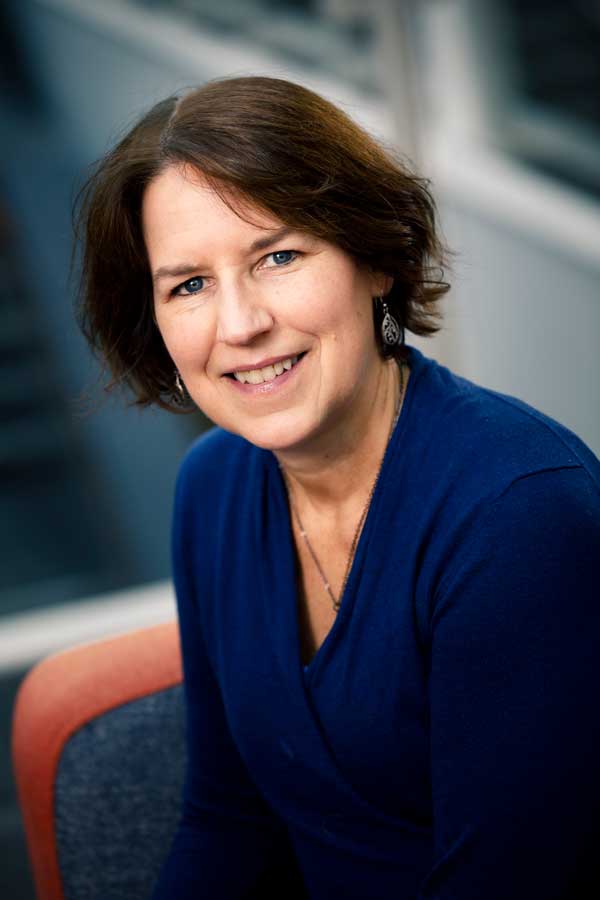
Dr. Hillel Adesnik is a Professor in the Department of Neuroscience at the University of California, Berkeley, and a leading researcher in the neural basis of sensory perception. His lab focuses on cortical microcircuits, optogenetics, and neural coding, with emphasis on visual processing and memory formation. Key Research Areas: Cortical Microcircuits Optogenetic Tools Gamma Band Rhythms Neural Coding Mechanisms Dr. Adesnik has pioneered high-speed optical methods like 3D-MAP and 3D-SHOT to manipulate neural activity. His work spans cortical dynamics, synaptic plasticity, and cortical layer interactions, with applications in understanding learning algorithms and sensory inference. Selected Trends from Publications: Recent preprints and papers highlight advancements in cortical VIP neuron function, channelrhodopsin structures, and inter-areal computations. His team utilizes two-photon holography, cryo-EM, and computational modeling to decode perception-related neural codes. Scientific Awards: NIH Director's New Innovator Award (2013) Dr. Adesnik's lab collaborates with institutions like NIH and develops tools for awake animal studies. Funding includes grants from the Beckman Young Investigator Program and NIH.
Dr. Silu Wang is an Assistant Professor in the Department of Biological Sciences at the University at Buffalo. Her research focuses on speciation, adaptation, and forest evolutionary genomics, particularly in avian species. She leads the Forest Speciation Lab, studying the genomic and ecological mechanisms underlying species divergence in North American and global forest ecosystems. Her work integrates field studies, genomic analyses, and computational modeling to address biodiversity conservation challenges under climate change. Education: BS in Behavior Genetics and Neurobiology, University of Toronto MA in Ecology, Evolution and Behavior, University of Texas, Austin PhD in Zoology, University of British Columbia Postdoctoral Research at University of California Berkeley and UC Davis Research Interests: Dr. Wang investigates how hybridization, climate adaptation, and reproductive isolation shape avian biodiversity. Her lab uses old-growth forest bird species as models to study early-stage speciation processes, including mate choice, genetic incompatibilities, and mitochondrial-nuclear interactions. Key themes include understanding organismal responses to environmental changes and developing genomic tools for conservation prioritization. Lab and Teams: The Forest Speciation Lab collaborates with institutions globally, focusing on fieldwork in temperate and tropical forests. Current projects include studies on warbler hybrid zones, tinamou speciation, and the genomic architecture of mitonuclear coevolution. Teaching: Dr. Wang teaches courses on Speciation, Tropical Ecology, and Evolutionary Biology, emphasizing hands-on research training for students.
Dr. Teresa Puthussery is an Associate Professor in the School of Optometry & Vision Science at the University of California, Berkeley. Her research focuses on retinal neurobiology and neurophysiology, investigating how visual signals are encoded in healthy retinas and disrupted during degeneration. She uses advanced techniques like patch-clamp electrophysiology, immunohistochemistry, and microscopy to study retinal circuits, neurotransmitter receptors, and ion channels. Dr. Puthussery teaches courses on vision science anatomy, physiology, and problem-based learning, including VISION SCIENCE 206B/C and 260C. Her research explores questions such as how retinal neurons extract motion/spatial details, how photoreceptor mutations cause degeneration, and how inner retinal circuits adapt post-photoreceptor loss. Recent work includes studies on ON-type direction-selective ganglion cells, optogenetic therapy for vision restoration, and calcium dynamics in foveal ganglion cells post-degeneration. She collaborates on projects involving primate and rodent models, contributing to understanding retinal disease mechanisms and therapeutic targets. Dr. Puthussery’s lab (retinalab.berkeley.edu) emphasizes translational research, bridging basic science and clinical applications. Her work has been published in journals like Nature and Cell Reports , with a focus on retinal degeneration, synaptic plasticity, and optogenetic interventions. She actively participates in training future vision scientists through Berkeley’s Optometry program and oversees GSI affairs as a faculty advisor.
Jessica E. Treisman is a Professor in the Department of Cell Biology and Department of Ophthalmology at NYU Grossman School of Medicine. Her research focuses on developmental genetics and molecular neuroscience, particularly in the context of visual system development and synapse formation in Drosophila . Research Interests: Cell fate determination, tissue morphogenesis, neural circuit assembly, and corneal lens development Contact: Jessica.Treisman@nyulangone.org | 212-263-1031 Lab: Treisman Lab, Skirball Institute, New York, NY Her work explores how intrinsic transcription factors and extrinsic signaling pathways interact to regulate cell differentiation and tissue organization in the Drosophila visual system, with implications for understanding human corneal development and neural connectivity disorders. Recent publications highlight her contributions to understanding: Molecular mechanisms of corneal lens curvature formation Regulation of synaptic targeting specificity Role of Sidekick in epithelial junction dynamics Transcriptional synergy between Glass and EGFR signaling The Treisman Lab employs interdisciplinary approaches in Drosophila genetics to uncover fundamental principles of cell signaling and neural circuit development, with potential applications in human vision research and developmental disorders.
Dr. Ling Zhu is an Associate Professor and Senior Research Fellow at the Save Sight Institute, University of Sydney. He holds dual affiliations with the Centre for Drug Discovery Innovation and the University of Sydney Nano Institute. His research focuses on retinal diseases, including diabetic retinopathy, age-related macular degeneration, and macular telangiectasia type 2, combining clinical and basic research approaches. Dr. Zhu leads a lab with a postdoc, two research assistants, and one HDR student, emphasizing innovative techniques like human retinal explant culture and nanomedicine. Dr. Zhu obtained his PhD in Biochemistry from Rutgers University (USA) in 2008. His work has attracted over $2 million in research funding in the past five years and includes 93 publications (3590 citations, H-index 34). He is a major author in leading journals like eLife and Ophthalmology . Current research projects include preclinical RNA-LNP therapy for retinal degeneration, targeting retinal metabolism for macular diseases, and developing a 'Macula-on-a-Chip' drug screening platform. His expertise spans biochemistry, molecular biology, and translational nanomedicine. Key achievements include establishing human retinal explant models and advancing lipid nanoparticle-based drug delivery systems. Dr. Zhu collaborates widely, with projects addressing unmet clinical needs in ophthalmology and drug discovery.
David R. Williams is the William G. Allyn Professor of Medical Optics at the University of Rochester's Institute of Optics. He holds joint appointments in Ophthalmology, Biomedical Engineering, and Brain & Cognitive Sciences. His research focuses on advancing retinal imaging techniques, particularly using adaptive optics, to study vision mechanisms and disorders. Williams directs the Center for Visual Science, an interdisciplinary initiative with over 40 faculty members. Education: B.S. from Denison University (1975), Ph.D. from University of California, San Diego (1979), postdoctoral fellowship at Bell Labs (1980). Research Interests: Adaptive optics for high-resolution retinal imaging Retinal physiology and photoreceptor function Optogenetic therapies for vision restoration Pathological mechanisms in macular diseases Publications Highlight: His work spans foundational studies in retinal ganglion cells, optogenetic therapies, and innovations in adaptive optics systems. Recent trends focus on in vivo imaging of photoreceptors and neural activity restoration. Scientific Awards: Champalimaud Vision Award (2012) National Academy of Sciences Membership (2014) David F. Weeks Award (2020) Advising & Grants: As director of the Center for Visual Science, he oversees interdisciplinary grants and mentorship in vision science. His lab collaborates with leading institutions globally to advance translational research in ophthalmology and neurobiology. Labs/Teams: Core leader of the Center for Visual Science, with teams specializing in adaptive optics, retinal imaging, and optogenetic therapies.
Ignacio Provencio is a Professor of Biology at the University of Virginia. His research focuses on melanopsin-based photoreception and its role in non-visual light responses, including circadian rhythm regulation, fear modulation, and glaucoma pathophysiology. His lab investigates melanopsin signaling pathways and their broader implications for vertebrate physiology. Education: B.A., Swarthmore College, 1987 Ph.D., University of Virginia, 1996 Postdoctoral Research, Uniformed Services University, 1996–1999 Key research interests include: Melanopsin phototransduction mechanisms Role of intrinsically photosensitive retinal ganglion cells (ipRGCs) in non-image-forming vision Impact of light on circadian rhythms and neurodegenerative diseases like glaucoma Light’s influence on fear behavior and weight regulation Recent work highlights: ipRGC survival in glaucoma models Melanopsin’s role in weight loss under dietary challenges Clinical applications of melanopsin-based light therapy His research spans in vivo and in vitro studies, integrating molecular, cellular, and behavioral approaches to understand light’s multifaceted effects on physiology.
Professor Timothy P. Bender is a distinguished faculty member at the University of Toronto, holding a primary appointment in the Department of Chemical Engineering and Applied Chemistry with cross-appointments in the Department of Chemistry and the Department of Materials Science and Engineering. His research laboratory focuses on developing novel organic electronic materials for applications in sustainable energy technologies, particularly organic solar cells and light-emitting devices. Professor Bender earned his B.Sc. and Ph.D. from Carleton University before joining the University of Toronto faculty in 2006. Prior to his academic appointment, he was a research staff member at the Xerox Research Centre of Canada from 2000-2006, where he filed over 65 US patents and published numerous peer-reviewed papers. His industrial research experience provides valuable perspective on the commercialization pathway for academic discoveries. Professor Bender's research program centers on the design, synthesis, and engineering of new materials for organic electronic devices, particularly organic photovoltaics (OPVs) and organic light-emitting diodes (OLEDs). His group has made significant contributions to the understanding and application of boron subphthalocyanines (BsubPcs) and silicon phthalocyanines (SiPcs), establishing methodologies for tailoring their chemical structure to optimize device performance. The Bender Lab employs a comprehensive 'applied chemistry-device continuum' approach, integrating computational modeling, synthetic chemistry, physical characterization, and device engineering to establish molecular structure-property relationships. Their research spans fundamental chemistry to applied device engineering, with strong emphasis on sustainability considerations throughout the materials development process. Analysis of Professor Bender's recent publications reveals a strong focus on developing BsubPcs as triplet harvesting materials in organic photovoltaics, engineering silicon phthalocyanines for enhanced electron transport, and exploring halogen bonding to control solid-state arrangements of these materials. His work demonstrates how molecular engineering can overcome traditional limitations in organic electronic materials, particularly regarding solubility, charge transport, and environmental stability. The research shows consistent progression toward higher efficiency devices with improved longevity. 2008 Professor Diran Basmadjian Teacher of the Year Award from the Department of Chemical Engineering and Applied Chemistry Corporate Special Recognition Award from Xerox Corporation for photoreceptor technology that enabled 'life of machine' parts Professor Bender actively mentors a diverse team of highly qualified personnel (HQP), including undergraduate students, graduate students, and post-doctoral fellows. His laboratory fosters cross-disciplinary collaboration between chemists, materials scientists, and chemical engineers, allowing students to engage with the complete research cycle from molecular design to environmental testing. He has secured funding from NSERC, SABIC Corporation, and other sources to support his research program, which maintains strong industrial partnerships with companies including SABIC Corporation, Siltech Corporation, and Xerox Corporation. His research bridges fundamental academic discoveries with practical commercial applications in the growing field of organic electronics. The Bender Laboratory maintains comprehensive infrastructure for organic synthesis, materials characterization, and device fabrication. Their facilities enable complete development cycles from molecular design to environmental testing of organic electronic devices. The lab's 'applied chemistry-device continuum' approach ensures that fundamental discoveries are rapidly translated into practical device applications, with particular emphasis on sustainability considerations throughout the materials development process. Current research directions include accelerated materials development, sustainable chemical processes, and life cycle analysis of organic electronic devices in real-world environments.
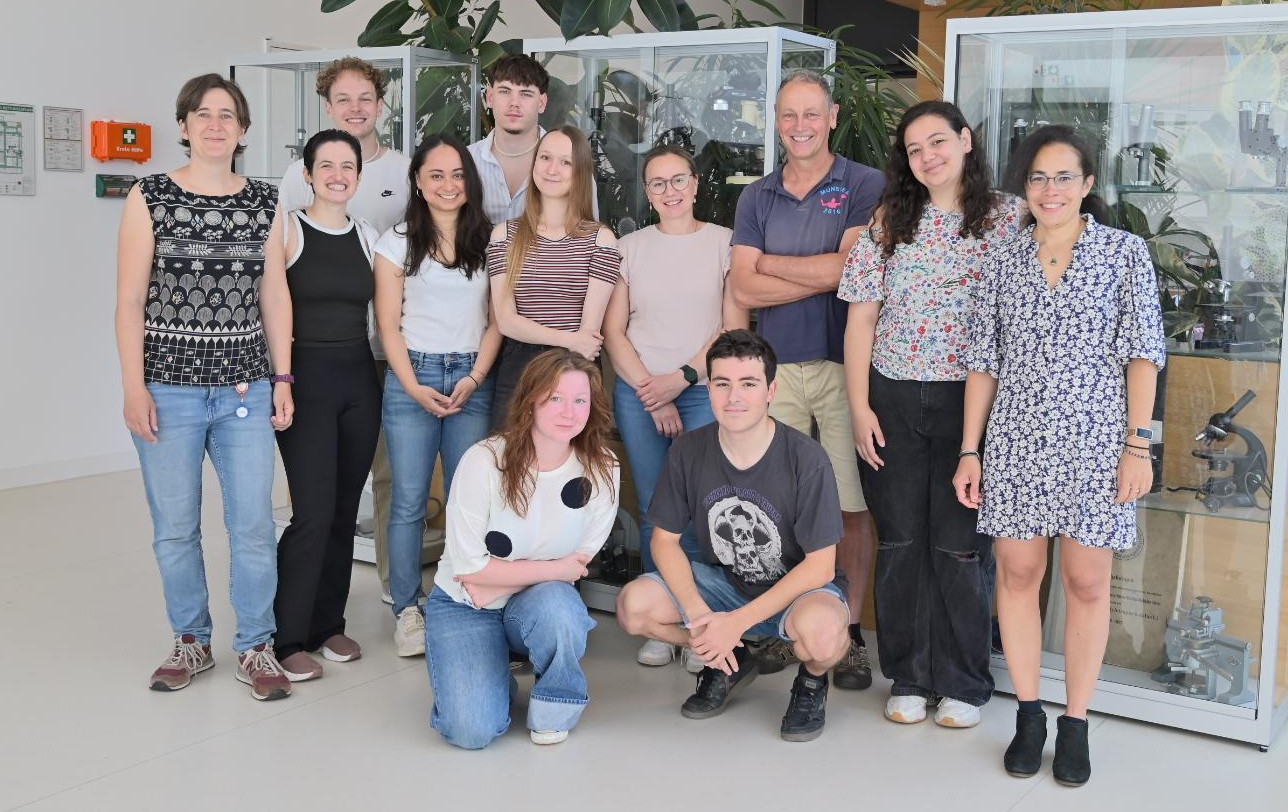
Professor Ralf Stanewsky leads the Stanewsky Group at the Institute of Neuro- and Behavioral Biology, University of Münster. His research focuses on the molecular mechanisms of circadian rhythms in Drosophila melanogaster , particularly how environmental cues like light and temperature reset the circadian clock. The group employs genetic, molecular, histological, and behavioral approaches to study sensory pathways and their integration in central clock neurons. Member of the Multiscale Imaging Centre (MIC) and Imaging Network – Microscopy Current lab members: Ph.D. students Anna Katharina Eick, Angelica Coculla, Maia Zabel Barroso Technical assistants Regina Hube and Ume Aiman Research Themes Light and temperature synchronization of circadian clocks Temperature compensation mechanisms in biological timing Neuronal integration of environmental signals Evolutionary aspects of circadian regulation Professor Stanewsky’s work spans molecular clock components (e.g., cryptochromes, timeless gene variants) to broader ecological implications of temporal niche choice. His lab investigates how clock gene expression responds to seasonal changes and environmental stressors, while also exploring novel synchronization pathways beyond classical photoreceptors. Publication Trends Recent articles emphasize temperature-dependent clock regulation , evolutionary capacitance via Hsp90 , and non-canonical phototransduction in circadian systems. Key subfields include nuclear transport dynamics, kinase evolution, and computational modeling of periodic patterns across species. Contact Information Institute of Neuro- and Behavioral Biology, University of Münster MIC | Röntgenstraße 16, D-48149 Münster, Germany Email: stanewsky@uni-muenster.de Phone: +49 251 8321029
Peter R. MacLeish serves as Professor of Neurobiology at Morehouse School of Medicine's School of Medicine, where his laboratory in the Multidisciplinary Research Center (F-22614) investigates fundamental mechanisms of retinal function and regeneration. Education: Undergraduate: Bachelor of Engineering Science (Electrical) from University of Western Ontario Graduate: Doctor of Philosophy from Harvard University Postdoctoral Training: Neurobiology at Harvard Medical School Research Focus: Dr. MacLeish's program encompasses two interconnected domains. First, he characterizes functional properties of mature retinal neurons in salamanders and primates using electrophysiology and optical imaging to dissect phototransduction cascades, synaptic connectivity, and compartmentalized ionic conductances. Second, he investigates retinal regeneration mechanisms in adult newts, examining how retinal pigment epithelial (RPE) cells undergo depigmentation, proliferation, and differentiation to form functional retinas after injury. His innovative approaches include antibody-immobilized substrates to enhance neuronal adhesion for in vitro studies. Publication Trends: His 25-year publication record reveals consistent contributions to vision science, evolving from foundational studies on retinal development (1990s) to contemporary work on primate retinal circuitry (2010s), with his 2015 BRAIN Initiative paper highlighting leadership in large-scale neuroscience collaboration. The body of work demonstrates methodological progression from immunolabeling to advanced electrophysiological techniques across multiple model organisms. Scientific Recognition: Elected Member of the Institute of Medicine (National Academies) Dana Alliance for Brain Initiatives membership NIH BRAIN Initiative Working Group participant Research Operations: While specific grant details aren't provided, his laboratory maintains active research programs in retinal neuroscience with demonstrated capacity for multi-institutional collaboration as evidenced by the BRAIN Initiative publication. The absence of student listings suggests either independent research focus or unreported mentoring activities. Facilities: Research is conducted within the Multidisciplinary Research Center at Morehouse School of Medicine, utilizing specialized equipment for cellular electrophysiology and optical imaging of retinal tissues.
Prof. Anna Franklin is a Professor of Visual Perception and Cognition at the University of Sussex's School of Psychology. She leads the Sussex Colour Group and Sussex Baby Lab , focusing on human color perception, development, and neural representation. Her research combines cognitive psychology, developmental science, and neuroscience to explore how color perception develops, influences aesthetics, and relates to conditions like autism. Key projects include ERC-funded initiatives studying environmental impact on color perception and developing the ColourSpot diagnostic app for childhood color vision deficiency. She also serves as Deputy Director of Research and Knowledge Exchange for the School of Psychology. Education includes a BA from the University of Nottingham and a PhD from the University of Surrey, followed by a postdoctoral fellowship. Her work spans 107+ publications, emphasizing interdisciplinary methods like hyperspectral imaging and fMRI. Collaborations include industry partnerships with ETTA LOVES and COSATTO to apply infant visual preference research in product design. Research grants include European Research Council awards (Starting Grant 2012-2017, Consolidator Grant 2018-2025) and a Proof of Concept grant for ColourSpot . Her labs investigate cross-cultural color categorization, infant aesthetics, and neural correlates of color processing. Future work focuses on calibrating visual systems to environmental statistics and improving early childhood color vision screening.
Prof. Ferenc Nagy is a distinguished academic at the University of Edinburgh, UK, holding the position of Professor of Plant Cell and System Biology. He is also affiliated with the Biological Research Centre (BRC) in Szeged, Hungary, where he serves as Deputy Director, and holds honorary roles at the University of Freiburg, Germany. His expertise spans plant molecular biology, photobiology, chronobiology, and optogenetics, with a focus on light signaling pathways, circadian clocks, and stress responses in plants. Education: Ph.D. in Biochemistry and Genetics (1981), József Attila University, Szeged D.Sc. in Molecular Mechanisms of Gene Expression (1997), Hungarian Academy of Sciences Habilitation (2001), Eötvös Loránd University, Budapest Research Interests: His work explores phytochrome signaling , UV-B light responses , and circadian clock regulation . Key areas include the molecular mechanisms of light-controlled plant development, stress signaling integration, and optogenetic tools for mammalian gene control. His lab has pioneered studies on protein phosphorylation in phytochrome function and the role of UVR8 in UV-B perception. Scientific Impact: With 160+ publications, over 10,000 citations, and an H-index of 59, his research bridges fundamental biology and applied optogenetics. Notable contributions include defining the structure/function of phytochromes and identifying critical cis-regulatory elements in plant stress responses. Leadership and Awards: He has served as Deputy Director of BRC Szeged, General Director of the Agricultural Biotechnology Center, and Monitoring Editor of Plant Physiology . Recognitions include the Commander’s Cross of the Order of Merit (2013), Humboldt Research Award (1997), and membership in the German Academy of Sciences (Leopoldina).
Dr. Dierck Hillmann is an Associate Professor at the Faculty of Science, Department of Biophotonics and Medical Imaging, Vrije Universiteit Amsterdam. He holds a PhD in Holoscopy from Luebeck University (2013). His research focuses on advanced optical imaging techniques, particularly Optical Coherence Tomography (OCT), with applications in retinal imaging, functional signal analysis, and computational imaging. He is affiliated with the LaserLaB - Biophotonics and Microscopy research group. Key research areas include improving OCT resolution through holographic methods, functional imaging of retinal neurons and photoreceptors, and developing computational adaptive optics to enhance imaging quality. His work addresses challenges like speckle reduction, aberration correction, and real-time data processing in biomedical imaging. Dr. Hillmann’s contributions span over 37 publications, including innovations in full-field OCT, optoretinography, and phase-sensitive measurements. He teaches courses such as Computational Optical Imaging and Light-Tissue Interaction. His current project explores imaging individual retinal cells and their functions using advanced techniques. No scientific awards are explicitly listed, but his extensive publication record reflects significant academic impact. Students advised are not specified in the provided materials.
Anita L. Zimmerman is a tenured Professor of Molecular Microbiology and Immunology at Brown University’s Warren Alpert Medical School. Since 1987 she has progressed from Assistant to Associate to full Professor, served as Director of the MD/PhD Program (2005–2007), Vice Chair of the Department (2008–2021), and currently directs the Graduate Program in Molecular Pharmacology & Physiology. She also holds the position of Director of Student Welfare in the Therapeutic Sciences Graduate Program. Education PhD, Physiology & Biophysics, University of Miami Miller School of Medicine, 1982 AB, Zoology, University of California, Berkeley, 1978 Research Interests Dr. Zimmerman’s scientific career has centered on the molecular and cellular neurobiology of ion channels . Using patch-clamp electrophysiology, molecular biology, and heterologous expression systems, she has elucidated the mechanisms of cyclic-nucleotide-gated (CNG) channels, TRP channels, and their roles in visual phototransduction , UV-light signaling in melanocytes , and synaptic transmission . Her work has clarified how retinoids modulate CNG channel activity and how mutations in these channels lead to retinal disease. Although she no longer maintains an active wet-lab, she continues to provide critical consultation to ongoing projects at Brown and remains a key mentor in NIH-funded training programs. Scientific Awards & Honors Dean’s Excellence in Teaching Award (multiple years) Graduate School Faculty Award for Advising and Mentoring (2011) Brown Advance Scientific Leadership Award (2009) Salomon Faculty Research Award (1998) Rhode Island Foundation Research Grant (1998) Editorial Board Member, Journal of General Physiology (2006–2017) Council Member, Biophysical Society & Society of General Physiologists Training Grants & Mentorship Dr. Zimmerman co-directs the NIH T32 training grant “Interdisciplinary Training in Pharmacological Sciences” (GM139793, 2021-2026) and previously co-directed its predecessor T32 GM077995. She has mentored numerous MD/PhD and PhD students through the MPP Graduate Program and served as Associate Director and Director of the Brown MD/PhD Program (2000–2007). Laboratory & Team While her independent laboratory is now closed, she collaborates closely with colleagues such as Professor Elena Oancea on NIH-funded projects involving UV phototransduction and ion-channel signaling. She remains an integral part of Brown’s multidisciplinary neuroscience and pharmacology community.
Dr. Heidi Baseler is a Senior Lecturer in Imaging Sciences at the Hull York Medical School and the Department of Psychology , University of York . She serves as INSPIRE Programme Lead for undergraduate research and contributes to research governance and public/patient involvement in research through committees like the York Neuroimaging Centre Research Governance Committee and Involvement@York . Education : AB in Biology/Psychology from Dartmouth College (1986), PhD in Vision Science from University of California, Berkeley (1995) Career : Research Fellow at Stanford, Smith-Kettlewell Eye Research Institute, and University of York; Lecturer in Imaging Sciences at Hull York Medical School (2012-2021) Her research focuses on neural mechanisms for central/peripheral vision processing, cortical responses to sensory loss (e.g., AMD, deafness), and neuroprotective strategies like photobiomodulation. Techniques include structural and functional MRI , magnetic resonance spectroscopy , multifocal EEG , and electroretinography . Key findings include cortical reorganization in macular degeneration and superior visual performance in deaf adults. Recent article trends highlight: Neuroimaging biomarkers for AMD progression Cross-modal plasticity in deaf individuals Long-term effects of sensory deprivation on brain structure Photobiomodulation for neurodegeneration Functional connectivity in face-selective regions Contrast perception dynamics across aging Scientific awards include: Exceptional Contribution to Student Experience Finalist , Hull York Medical School (2024) Pursuing Excellence Award , Hull York Medical School (2023) Vice-Chancellor's Teaching Award , University of York (2020) Multiple Teacher of Excellence Finalist recognitions (2016-2018) She teaches undergraduate medical students in Foundations of Medicine and Neurological Diseases , and supervises MSc Cognitive Neuroscience projects. Collaborations span institutions like University of Hull , University of Lille , and University of Regensburg . Current students include Sharyfah Alasiri (PhD, Biomedical Sciences) and Erin English (PhD, Psychology) at the University of York.