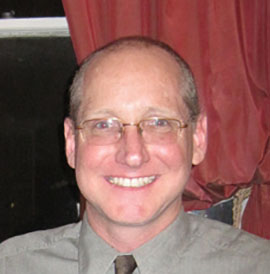
Jennifer Kohler is an Associate Professor in the Department of Biochemistry at UT Southwestern Medical Center, leading the Kohler Lab. Her research focuses on developing chemical biology tools to study glycosylation's roles in biological systems, including glycans' interactions with pathogens like cholera toxin and their impact on cellular processes. She completed her Ph.D. at Yale University and postdoctoral training at UC Berkeley. Key research areas include O-GlcNAc modifications, sialic acid pathways, and the structural biology of glycoconjugates. Her lab has pioneered photocrosslinking sugar analogs to study transient glycan-mediated interactions, advancing understanding of cholera toxin mechanisms and nuclear transport. Collaborations span glycobiology, infectious disease, and metabolic disorders. Her work bridges biochemistry and clinical applications, with a focus on glycoscience's underappreciated potential in medicine and biotechnology. Current projects address glycosylation's role in intestinal epithelial biology and glycobiology tools' application to cancer and metabolic disorders. Publications highlight discoveries in cholera toxin receptor dynamics, O-GlcNAc signaling, and glycan engineering. The lab is part of the Simmons Cancer Center, integrating glycoscience with oncology research.
Jeremy M. Baskin, PhD, is an Associate Professor in the Department of Chemistry and Chemical Biology and the Weill Institute for Cell & Molecular Biology at Cornell University . His research focuses on chemical biology approaches to study lipid signaling and membrane dynamics in human diseases. He previously completed postdoctoral work at Yale University and earned his PhD from UC Berkeley. Education PhD, University of California, Berkeley (Chemistry) Postdoc, Yale School of Medicine (Cell Biology) BS, Massachusetts Institute of Technology (Chemistry) Dr. Baskin develops bioorthogonal imaging tools and optogenetic membrane editors to study phosphatidic acid signaling in cancer , neurodegenerative diseases , and cell signaling pathways . His lab's IMPACT and optoPLD technologies enable spatiotemporal control of lipid metabolism. Key methodologies include click chemistry , chemical proteomics , and directed evolution . Recent publications in Chemical Reviews and Nature Cell Biology highlight his work on synthetic lipid biology and phosphorylation-controlled signaling . His 2025 awards include the Ono Pharma Breakthrough Science Initiative Award and ACS Chemical Biology Young Investigator Award . Collaborations span biochemistry , cell biology , and computational biology . Key Scientific Awards Ono Pharma Breakthrough Science Initiative (2025) ACS Chemical Biology Young Investigator (2025) Sloan Research Fellowship (2019) NSF CAREER (2018) Beckman Young Investigator (2017) Nancy & Peter Meinig Family Investigator (2016) He teaches CHEM 4430 and CHEM 4610 at Cornell and contributes to the Graduate Field of Biochemistry, Molecular and Cell Biology . Lab members receive recognition at Lindau Nobel Laureate Meetings and ACS National Meetings .
Dr. Min Dong is a Professor in the Department of Electrical, Computer and Software Engineering at Ontario Tech University, within the Faculty of Engineering and Applied Science. He holds a PhD from Cornell University (2004) and a BEng from Tsinghua University (1998). His research focuses on statistical signal processing, communication systems, and optimization in cyber-physical systems. He has held roles such as Interim Associate Dean (2017-2017) and is a Status-Only Professor at the University of Toronto (2019-present). Previously, he worked at Qualcomm (2004-2008). Education: PhD in Electrical and Computer Engineering (Cornell University, 2004); BEng in Automation/Electrical Engineering (Tsinghua University, 1998). Research interests include federated learning, MIMO systems, network virtualization, and coded caching. He has contributed to over-the-air aggregation techniques, beamforming optimization, and resource allocation in wireless networks. His work emphasizes energy efficiency and real-time performance in distributed systems. Key awards include the NSERC Discovery Accelerator Supplement (2019), Ontario Early Researcher Award (2012), and multiple IEEE best paper awards. He has served as an editor for IEEE Transactions on Wireless Communications and Signal Processing Society committees. His professional activities include roles as editor and committee member for IEEE journals. Grants and advising focus on edge computing, distributed optimization, and wireless communication advancements. Labs/teams: His research group likely focuses on cyber-physical systems and wireless communication innovations, though specific lab names are not explicitly mentioned in the text.
Linda Hsieh-Wilson serves as the Milton and Rosalind Chang Professor of Chemistry and Merkin Institute Professor at the California Institute of Technology, leading the Hsieh-Wilson Lab within the Division of Chemistry and Chemical Biology. Her research program integrates chemical synthesis, biochemical assays, and in vivo studies to investigate glycan molecular functions and structure-activity relationships across physiological and pathological contexts. Her work centers on glycobiology with emphasis on glycosaminoglycan sulfation patterns, O-GlcNAc post-translational modifications, and neurobiological applications. Key discoveries include elucidating how specific heparan sulfate sequences regulate synaptic plasticity and social memory, and developing chemical tools to decode glycan roles in cancer biomarker detection and vascular development. This research bridges chemical biology and neuroscience through innovative methodological approaches. Recent publications demonstrate a consistent trajectory in developing chemoenzymatic labeling techniques, systems-level analysis of glycan networks, and structural characterization of sulfation codes. These efforts focus on translating fundamental glycan science into applications for neurological disorders and cancer diagnostics, with particular emphasis on heparan sulfate and O-GlcNAcylation pathways. Her major scientific recognition includes: Election to the National Academy of Sciences (2022) Professor Hsieh-Wilson maintains an active mentorship program with 16 documented graduate students including current PhD candidates Sophia Gonzalez, Andrew Schilling, and Stefan Hansel, alongside recent graduates like Gracie Zhang. Her lab recruits new members annually and supports undergraduate researchers such as John Stauffer SURF fellow Ardra Charath, fostering interdisciplinary training in chemical neurobiology. The Hsieh-Wilson Lab operates from the Norman W. Church Laboratory for Chemical Biology at Caltech, comprising graduate students, postdocs including Ankita Paul and Rajat Singh, and undergraduate researchers. The team collaborates across chemical synthesis, neurobiological assays, and translational biomarker development, maintaining strong industry and clinical partnerships for disease-focused glycan research.
Jennifer Kohler is an Associate Professor in the Department of Biochemistry at UT Southwestern Medical Center. She leads the Kohler Lab, which focuses on developing chemical biology tools to study glycosylation in biological systems. Her research has significant implications for understanding fundamental biology, cancer metastasis, and infectious diseases. Dr. Kohler completed her undergraduate degree in Chemistry at Bryn Mawr College. She earned her Ph.D. in the Chemistry Department at Yale University, where she studied the kinetics of protein-DNA interactions under Prof. Alanna Schepartz. From 2000-2004, she was an American Cancer Society postdoctoral fellow with Prof. Carolyn Bertozzi at the University of California, Berkeley. Dr. Kohler's research focuses on understanding the roles of glycoconjugates in biological systems. Her lab develops innovative chemical biology methods to address challenges in glycoscience, particularly through the creation of photocrosslinking sugar analogs that can be metabolically incorporated into cellular glycoconjugates. These tools enable the identification of transient glycan-mediated interactions that would otherwise be difficult to capture. Her work spans multiple areas including: Development of photocrosslinking reagents for sialic acid and GlcNAc Investigation of glycan-mediated host-pathogen interactions, particularly with cholera toxin Exploration of O-GlcNAc's role in nuclear transport Creation of methods to discover glycoprotein substrates of sialidases Understanding glycosylation in intestinal epithelial tissue Analysis of Dr. Kohler's recent publications (2021-2024) reveals a consistent focus on glycobiology with particular emphasis on sialic acid and O-GlcNAc modifications. Her work bridges chemical biology and disease mechanisms, with applications in infectious disease (particularly cholera), metabolism, and cancer. She frequently collaborates with other researchers worldwide and shares her innovative photocrosslinking reagents with the scientific community. Dr. Kohler was an American Cancer Society postdoctoral fellow during her time at UC Berkeley. While specific awards aren't detailed in the provided text, her sustained research program and numerous high-impact publications suggest recognition within her field. Dr. Kohler advises graduate students in the Biochemistry and Cell Regulation programs at UT Southwestern. Her research is supported by grants that enable her lab to develop and implement new tools for studying glycosylated molecules, with applications spanning fundamental biology, cancer metastasis, and infectious disease. She has mentored numerous students and postdoctoral fellows who have contributed to her extensive publication record. The Kohler Lab is dedicated to advancing glycoscience through innovative chemical biology approaches. The lab actively develops and shares photocrosslinking sugar analogs that have been adopted by research groups worldwide. Current research focuses on understanding glycosylation in intestinal epithelial tissue and its implications for host-pathogen interactions. The lab maintains strong collaborations with other research groups both within UT Southwestern and internationally.
M. Sloan Siegrist is an Associate Department Head of Research and Associate Professor at the University of Massachusetts Amherst in the Department of Microbiology . Her work focuses on bacterial cell wall biology, particularly in intracellular pathogens like Mycobacterium tuberculosis and Listeria monocytogenes . Research Interests : Siegrist investigates how pathogens adapt their cell walls to host environments and develops tools to engineer these structures for biomedical applications. Key areas include: Cell wall synthesis and remodeling in mycobacteria Host-pathogen interactions via cell wall components Chemical biology approaches for studying cell envelope dynamics Antibiotic permeation and resistance mechanisms Article Trends : Her recent publications emphasize M. tuberculosis cell wall interactions with host immune systems (e.g., SNARE inhibition), mycomembrane heterogeneity in antibiotic resistance, and chemical engineering of bacterial surfaces for drug delivery or diagnostics. Techniques include metabolic labeling, click chemistry, and biophysical analyses. Education : Siegrist earned her PhD at the Harvard School of Public Health , specializing in microbial pathogenesis and cell wall biology.
Vladimir A. Pozdin is an Assistant Professor in the Department of Mechanical and Materials Engineering at Florida International University (FIU). He holds a secondary appointment within the university and is actively involved in research and academic leadership. His work focuses on advanced materials and wearable technologies with applications in healthcare monitoring and biomedical engineering. Research Interests: Wearable health monitoring systems In-situ sensing for medical diagnostics Flexible electronics integration Microphysiological systems modeling Light-responsive materials for biomedical applications His research emphasizes developing innovative wearable devices for real-time health tracking, including systems like wireless functional near-infrared spectroscopy for cognitive monitoring and smart wound dressings. He also explores microphysiological systems to model biological barriers and study cellular responses under hypoxic conditions. His work intersects materials science, biomedical engineering, and clinical applications, with a focus on translating lab innovations into practical healthcare solutions. Publications Trends: Recent articles highlight advancements in wearable sensor design, light-controlled peptide ligands for protein purification, and microfluidic models for tissue engineering. These studies often bridge organic electronics, molecular engineering, and clinical diagnostics to address unmet needs in personalized medicine and regenerative therapies. Awards & Recognition: No scientific awards explicitly mentioned in the provided texts. Advising & Grants: Details on student advising and funded grants are not available in this dataset. However, his involvement with initiatives like the CELL-MET and PATHS-UP Engineering Research Centers (ERCs) suggests participation in collaborative, industry-linked projects. Labs & Teams: Affiliated with FIU’s CELL-MET ERC (Cellular Microphysiological Models for Engineering and Toxicology) and PATHS-UP ERC (Personalized Advanced Therapeutic and Health Solutions Using Microphysiological Systems), focusing on translating microphysiological research into clinical and industrial applications.
Dr. Claudia C Bauer serves as a Research Fellow in Molecular Biology and Pharmacology at the School of Medicine, University of Leeds, within the Faculty of Medicine and Health. She currently leads British Heart Foundation-funded research on TRP channel small molecule binding sites under Dr. Robin Bon's supervision. Her academic credentials include: PhD in Neuroscience from the University of Leeds (2011) BSc (Hons.) First-Class Neuroscience from the University of Leeds (2006) Dr. Bauer specializes in TRPC channel modulation mechanisms using molecular cloning, high-throughput calcium imaging, and photoaffinity labeling techniques. Her work bridges vascular biology and diabetes research, examining how small molecules influence cation-permeable channels in physiological and pathological contexts. This research has significant implications for understanding endothelial dysfunction in metabolic disorders. She maintains active collaborations across institutions including the University of Reading and multiple Leeds research groups. As a member of the Leeds Institute of Cardiovascular and Metabolic Medicine (LICAMM), she contributes to interdisciplinary cardiovascular research initiatives. Her British Heart Foundation grant supports ongoing investigations into TRP channel pharmacology, building on prior work with Prof. Chris Peers (Leeds) and Dr. Alister McNeish (Reading).
Roberto Di Santo , a Professor at the Department of Pharmaceutical Chemistry and Technology of Sapienza University of Rome , specializes in Drug Design and Synthetic Medicinal Chemistry . His research focuses on developing Antimicrobial Agents against viruses (HIV, SARS-CoV-2, HCV, CHIKV), bacteria, fungi, protozoa, and mycobacteria, with additional work on Antitumor Agents targeting kinases and tubulin. Key Expertise: Microwave-assisted synthesis, flow chemistry, parallel synthesis, and classic batch methods for drug development Notable Targets: HIV-1 integrase, SARS-CoV-2 Nsp13, carbonic anhydrases IX/XII, trypanothione reductase Research Interests span multiple domains: Virology: Designing SARS-CoV-2 protease/Nsp13 inhibitors, HIV ribonuclease H inhibitors Oncology: Kinase/tubulin inhibitors, PDCD4 stabilizers, Aurora-A/HDAC dual targets Microbiology: Metallo-β-lactamase inhibitors, biofilm disruptors (Candida albicans, Histoplasma capsulatum) Pharmacology: Sigma-1 receptor agonists, endocannabinoid system modulators Industry Collaborations include projects with: Sigma-Tau: β-amyloid aggregation inhibitors, antimalarial agents ACRAF: 5-HT4 receptor ligands AlfaSigma: Triamcinolone derivatives, heparanase inhibitors Pfizer: Combiotic formulations Microbo: Metallo-β-lactamase inhibitors Techniques employ modern synthetic approaches (microwave heating, flow chemistry) alongside traditional methods.
Eisuke Ota is a non-tenure-track Associate Professor at the Waseda Institute for Advanced Study (School of Advanced Science and Engineering, Waseda University). His research focuses on synthetic organic chemistry , organic photochemistry , and chemical biology , with particular emphasis on photoredox/zirconocene catalysis for unconventional C–C, C–O, and C–F bond cleavage reactions . He has pioneered methods for reductive ring-opening of epoxides and cyclic amines via radical mechanisms , achieving reverse regioselectivity compared to traditional approaches. Ph.D. in Science (Keio University/RIKEN) 2024–now: Associate Professor, Waseda Institute for Advanced Study 2020–2024: Assistant Professor, Department of Applied Chemistry, Waseda University Ota's 15 most recent publications highlight innovations in zirconocene-photoredox synergies for defluorination , pyrrolidine cleavage , and homocoupling of benzyl chlorides . His work has been recognized through multiple Satomi Awards , a Konica Minolta Award , and invitations to lecture internationally on visible-light-driven bond cleavage . He has secured grants from the Japan Society for the Promotion of Science , Waseda University Specific Research Grants , and the Uehara Memorial Foundation , advancing applications in plant circadian clock modulation and pharmaceutical synthesis .
Diomedes Logothetis is a Professor in the Department of Pharmaceutical Sciences and Affiliated Faculty in Bioengineering at Northeastern University. His research focuses on ion channel physiology, G-protein coupled receptor (GPCR) signaling, and lipid-regulated membrane protein functions. He explores molecular mechanisms underlying ion channel activation, pharmacological modulation, and their implications in neurological and cardiovascular disorders. Key research themes include: GIRK channel regulation by phosphoinositides and G-proteins Structural-functional studies of TRP, KCa, and BK channels GPCR heteromerization and cross-signaling in neuropsychiatric diseases Development of optogenetic tools for kinase signaling studies Recent work emphasizes: Small molecule activators/inhibitors for therapeutic applications Role of cholesterol and PIP2 in channel function Mechanosensitive ion channel regulation Computational modeling of receptor activation pathways His lab employs advanced techniques including cryo-EM, molecular dynamics simulations, and optogenetic approaches to unravel molecular mechanisms at the lipid-protein interface. Current projects explore novel therapeutic targets for arrhythmias, schizophrenia, and pain management.
David C. Forbes is a Professor of Chemistry at the University of South Alabama's Department of Chemistry, part of the College of Arts and Sciences. His research integrates synthetic organic chemistry with asymmetric catalysis to develop stereoselective methodologies for creating biologically relevant chiral molecules. He emphasizes undergraduate involvement in exploring catalytic systems and medicinal compound synthesis. Education: B.S. in Chemistry, University of Florida (1989) Ph.D. in Chemistry, University of Illinois (1996) Postdoctoral Fellowship, Trinity University (1997) Postdoctoral Fellowship, University of Arizona (1998) His research focuses on asymmetric catalysis, synthetic methodology development, and stereoselective construction of medicinally significant compounds—particularly chiral molecules with biological relevance. A signature theme is chirality-focused synthesis blending basic and applied research. Recent publications (2018–2025) demonstrate strong emphasis on: Metal-catalyzed reactions (Rh, Cu) for cyclopropanation and carbenoid transfers Sulfoxonium ylide applications in heterocycle synthesis Protein phosphatase inhibitor design and structural analysis Innovative reagent systems (e.g., vinyl carbenoids, non-diazo precursors) No scientific awards or formal student advisees are mentioned in available materials. His lab involves undergraduate researchers in projects spanning synthetic methodology and medicinal chemistry.
Choon Kim is an Assistant Research Professor in the Department of Chemistry and Biochemistry at the University of Notre Dame, part of the College of Science. He is based in McCourtney Hall and conducts research focused on bacterial biochemistry and antibiotic resistance mechanisms. Education: Ph.D. in Biochemistry, University of Notre Dame (2006) M.S. in Biology, Chonnam National University, Korea (1999) B.S. in Genetic Engineering, Chonnam National University, Korea (1996) Dr. Kim's research centers on Methicillin-resistant Staphylococcus aureus (MRSA) , particularly the regulatory and functional roles of the β-lactamase BlaZ . He discovered that phosphorylation of BlaZ controls its subcellular localization—phosphorylated BlaZ is membrane-anchored, while non-phosphorylated BlaZ is secreted—linking this modification to bacterial virulence and immune evasion. His work aims to identify the kinase(s) responsible for BlaZ phosphorylation as novel therapeutic targets to disarm MRSA. His research spans enzyme regulation, bacterial signaling, cell wall biology, and virulence factors . His recent publications reveal a strong focus on bacterial cell wall metabolism, spore germination in Clostridioides difficile , and resistance mechanisms in Pseudomonas aeruginosa . These works, published in high-impact journals like Nature Chemical Biology and JACS , reflect a multidisciplinary approach combining biochemistry, structural biology, and medicinal chemistry to combat antibiotic-resistant pathogens. Scientific Awards: No awards listed in the provided text. Dr. Kim collaborates extensively with leading researchers such as Shahriar Mobashery and is involved in federally funded or institutionally supported research projects aimed at understanding and inhibiting bacterial resistance mechanisms. While no formal advisees are listed, he welcomes prospective graduate students to join his research. His lab contributes to a broader team effort in antimicrobial discovery and bacterial physiology at Notre Dame. Research Groups and Collaborations: Active member of the biochemical and antimicrobial research group at the University of Notre Dame Key collaborator with the Mobashery Lab, focusing on bacterial resistance and cell wall enzymes Engaged in interdisciplinary studies involving chemical biology, proteomics, and structural analysis
Dr Claudia C Bauer is a Research Fellow in Molecular Biology and Pharmacology at the School of Medicine, University of Leeds, Faculty of Medicine and Health. She is currently working on a British Heart Foundation-funded project under Dr Robin Bon, focusing on small molecule binding sites of TRP channels using pharmacological and molecular biology techniques. Her educational background includes: BSc (Hons.) in Neuroscience (First Class), University of Leeds, 2006 PhD, University of Leeds, 2011 Her research focuses on TRPC channels—cation-permeable ion channels involved in various physiological and pathological processes—with a particular interest in their modulation by small molecules. She employs techniques such as molecular cloning, high-throughput calcium imaging, and photoaffinity labelling with chemical probes to study channel function. Her prior work has explored vascular biology, including the regulation of calcium-activated potassium channels and the impact of diabetes and dietary polyphenols on endothelial cells. She is an Early Career Member of the British Pharmacological Society. While no specific publications or awards are listed in the provided text, her research trajectory demonstrates a strong focus on molecular mechanisms in cardiovascular and metabolic disease. She has previously held postdoctoral positions at the University of Reading and University of Leeds, indicating sustained research engagement in vascular and cellular pharmacology. There is no mention of students supervised, grants led, or laboratory leadership in the provided profile. However, her work is embedded within the Leeds Institute of Cardiovascular and Metabolic Medicine, suggesting collaborative research within a larger team focused on cardiovascular health.
Louise Walport is a Lecturer in the Chemistry Department at Imperial College London and a Group Leader at the Francis Crick Institute. She established her lab at the Francis Crick Institute in 2018 with a joint appointment at Imperial College London, where she leads research at the intersection of chemical biology, structural biology, and epigenetics. Dr. Walport obtained her MChem Chemistry from Magdalen College, University of Oxford in 2009, followed by a DPhil in Chemical Biology from the Department of Chemistry, University of Oxford in 2014. Her doctoral research, supervised by Prof. Chris Schofield and Prof. Christina Redfield, focused on the structure and function of 'reader' and 'eraser' proteins involved in epigenetics using biochemical and structural techniques. After completing her PhD, she conducted further postdoctoral work at Oxford before receiving a prestigious Marie Skłodowska-Curie Global Fellowship to work in Japan for two years in the laboratory of Hiroaki Suga at the University of Tokyo, with an additional return year in Chris Schofield's laboratory at Oxford. Dr. Walport's research primarily focuses on chemical biology approaches to understand and manipulate protein function, with particular emphasis on epigenetic regulators including histone demethylases and peptidyl arginine deiminases (PADIs). Her lab employs a range of techniques including structural biology, biochemical assays, and innovative peptide engineering approaches such as mRNA display to develop cyclic peptide inhibitors and probes for challenging protein targets. This work has significant implications for understanding fundamental biological processes and developing new therapeutic strategies for diseases including cancer and autoimmune disorders. Her publication record shows a clear trajectory toward developing chemical tools for epigenetic mechanisms, with increasing emphasis on cyclic peptide technologies for targeting protein-protein interactions that have traditionally been considered 'undruggable.' Recent publications demonstrate her lab's expertise in applying mRNA display and other high-throughput techniques to discover and optimize cyclic peptide binders for epigenetic reader domains, particularly bromodomains and peptidyl arginine deiminases. Scientific awards and recognition: Marie Skłodowska-Curie Global Fellowship Dr. Walport has established a productive research program with numerous collaborations across institutions including the University of Tokyo, University of Oxford, and various groups within the Francis Crick Institute. Her lab utilizes facilities including Structural Biology, Chemical Biology, Proteomics, Flow Cytometry, Light Microscopy, Genomics, and Genetic Modification services at the Francis Crick Institute to pursue their interdisciplinary research program. She mentors multiple researchers in her dual-lab setup between the Crick Institute and Imperial College London.