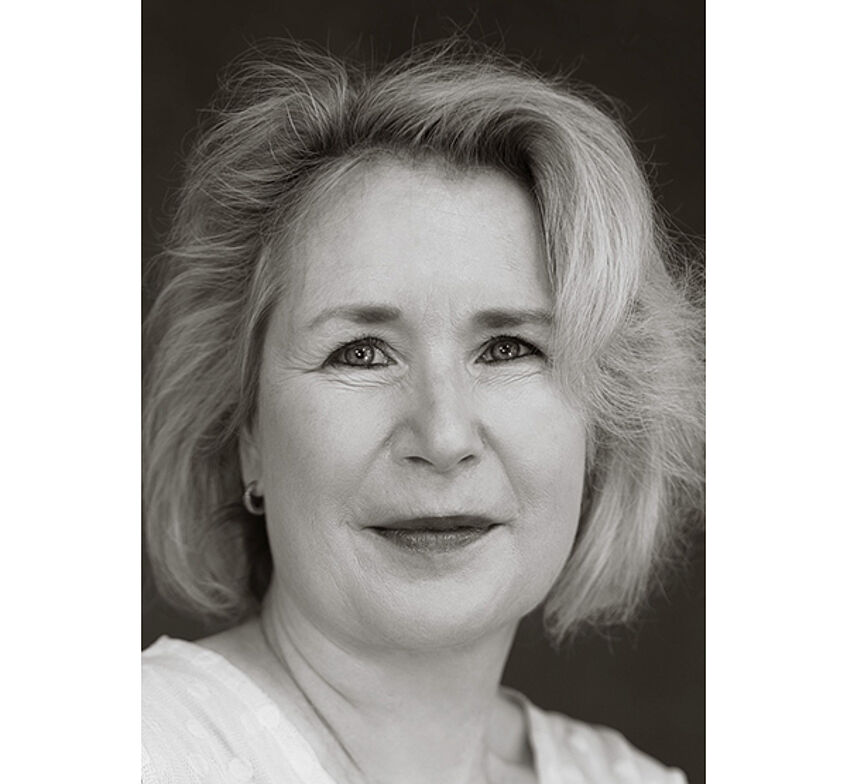
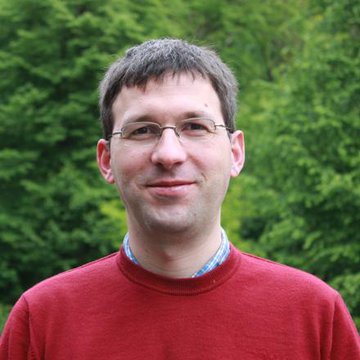
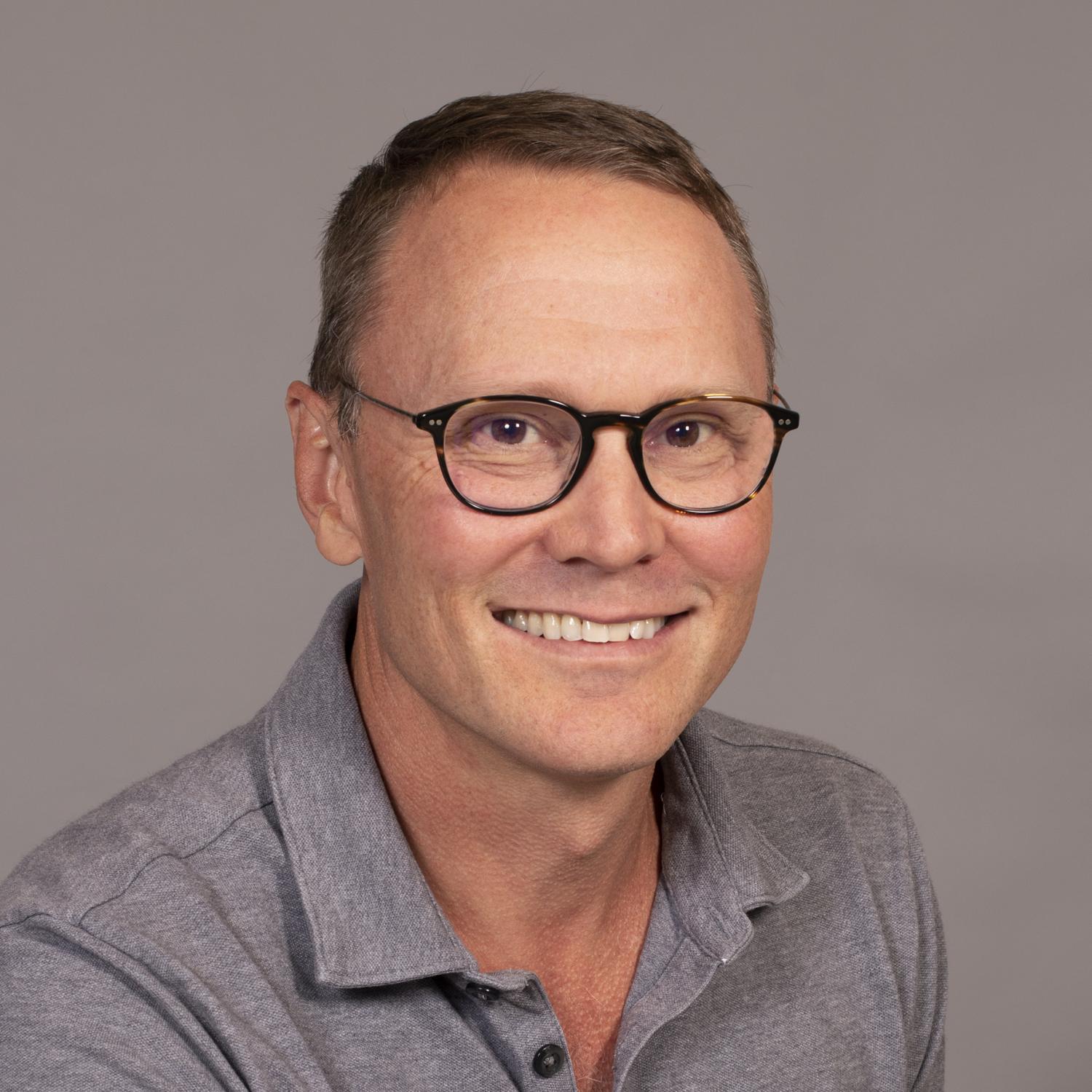
Rene Carmona is the Paul M. Wythes '55 Professor and Chair in Operations Research and Financial Engineering at Princeton University. His research focuses on stochastic control, reinforcement learning, financial mathematics, and mean field games, with applications spanning energy systems, quantitative finance, and optimization. Carmona's research explores probabilistic modeling in finance and energy markets, including stochastic optimization, mean field games, and high-dimensional control problems. His recent work integrates machine learning techniques with traditional stochastic methods to solve complex dynamic optimization problems. His publications demonstrate consistent focus on stochastic modeling, control theory, and financial applications. Recent trends show increased attention to energy grid optimization, reinforcement learning algorithms, and mean field approximations for large-scale systems.
Armands Gritsans serves as Associate Professor in the Department of Mathematics and Leading Researcher at the Institute of Life Sciences and Technology at Daugavpils University, Latvia, positions he has held since 2004 and 2015 respectively. His academic career spans over thirty years following his Doctorate in Mathematics from the University of Latvia. His educational background includes: Doctor of Mathematics, University of Latvia, 1992 Dr. Gritsans specializes in nonlinear boundary value problems for ordinary differential equations , with significant contributions to stability analysis of convective flows and dynamical systems theory. His research bridges pure mathematical frameworks like the Nehari manifold approach with applied contexts including fluid dynamics and biomass thermal conversion processes. He frequently investigates asymmetric nonlinearities and period annuli structures in conservative systems, demonstrating both theoretical depth and practical relevance. Analysis of his publication trajectory (2014-2025) reveals a strategic evolution from foundational boundary value problem theory toward interdisciplinary fluid dynamics applications. Recent work focuses on convective flow stability with nonlinear heat sources in annular geometries, characterized by sustained collaboration with Felix Sadyrbaev and Andrei Kolyshkin. This progression reflects a deliberate expansion into energy-related mathematical modeling while maintaining core expertise in nonlinear differential equations. Scientific recognition: No specific awards documented in source materials Though publication records indicate active research supervision, no student names or grant details appear in available documentation. His extensive co-authorship patterns suggest significant mentorship and collaborative project involvement despite absent explicit references. Dr. Gritsans operates within Daugavpils University's Institute of Life Sciences and Technology, contributing to cross-disciplinary teams addressing environmental and energy challenges through mathematical modeling. His biomass conversion research specifically connects with engineering groups developing sustainable thermal energy solutions.
Barbara Schedl serves as an Associate Professor at the Institute of Art History within the Faculty of History and Cultural Studies at the University of Vienna. She maintains her office in Room 3F.EG.05 at Garnisongasse 13, University Campus Hof 9, 1090 Vienna. With a distinguished academic career spanning over two decades, Dr. Schedl has established herself as a leading expert in medieval architectural history, particularly focusing on religious buildings and their liturgical contexts. Her research interests center on Architecture and liturgy in the Middle Ages with a focus on religious communities, Written sources on medieval construction, and New media & computer animations in art history. Dr. Schedl's work demonstrates a consistent focus on the intersection of architectural form, religious practice, and social organization in medieval Europe, with particular emphasis on Austrian ecclesiastical structures. She has pioneered the application of digital reconstructions and virtual modeling to understand historical architectural spaces. Analysis of her recent publications reveals a strong thematic concentration on St. Stephen's Cathedral in Vienna, examining its construction history, architectural evolution, and liturgical function from multiple perspectives. Her work increasingly explores the relationship between urban development and sacred architecture, donor networks, and the social dynamics that shaped medieval building projects. She frequently employs interdisciplinary approaches, combining architectural analysis with historical, liturgical, and social perspectives. Dr. Schedl has secured significant research funding, most notably from the Austrian Science Fund (FWF) for multiple projects including the current "Donor Networks: The Viennese Major Construction Projects of St. Stephen's and St. Michael's in the 15th Century" (2021-2025). She has also collaborated on international projects including the "North Alpine Building Culture of the Late Middle Ages" network and previously managed the UCLA Center for Medieval & Renaissance Studies project on "The Plan of St. Gall." Her academic leadership includes project management for several major research initiatives and collaboration with institutions including the Cathedral Chapter of St. Stephen's Church in Vienna. Dr. Schedl maintains active scholarly engagement through conference organization and participation, as evidenced by her co-edited volume "St. Stephen's Cathedral in Vienna. The Duke's Workshop" from a 2017 international conference.
Ricardo Aguas serves as Associate Professor at the University of Oxford's Nuffield Department of Medicine, with primary affiliation at the Mahidol Oxford Tropical Medicine Research Unit (MORU) in Bangkok. He leads the MAEMOD research group focused on mathematical modeling of malaria transmission dynamics and intervention strategies across Southeast Asia. His research spans two critical domains: malaria elimination and viral host adaptation. For malaria, he develops dynamic transmission models for targeted elimination strategies (METF), specializing in mass drug administration (MDA) optimization through individual-based simulations across diverse epidemiological settings. His viral research pioneers machine learning approaches for genotype-to-phenotype mapping, demonstrating how multi-class algorithms can identify conserved genetic signatures determining host specificity in RNA viruses, particularly relevant for pandemic preparedness. Publication analysis reveals a methodological evolution from foundational malaria transmission modeling (2008-2015) to integrated approaches combining epidemiological, economic, and conflict dimensions (2020-2023). Recent work addresses vaccine policy under uncertainty (Thailand), pandemic responses in conflict zones (Syria), and cost-effectiveness of malaria interventions (Myanmar), reflecting increasing real-world policy relevance. His laboratory work prominently features principal component analysis of viral genomes and superimposed antigenic mapping, with key visualizations showing SARS-CoV-2 spike protein sequences and MDA simulation outputs across 800-village networks.
Dr. Jakob Walcher is a Researcher at the Leibniz Institute for Astrophysics Potsdam (AIP) within the Galaxies and Quasars group of the Extragalactic Astrophysics division. His work focuses on observational extragalactic astronomy using integral field spectroscopy and large galaxy surveys to study galaxy formation and evolution. Walcher's research centers on galaxy dynamics, chemical evolution, and stellar populations. Key investigations include the Milky Way's bar structure, metallicity variations in spiral arms, stellar orbit distributions, and the connection between galaxy morphology and stellar populations. He utilizes data from major surveys including CALIFA, SAMI, and WEAVE to analyze spatially resolved galaxy properties across cosmic time. His publication record (2013-2024) reveals consistent focus on observational galaxy evolution through integral field spectroscopy. Dominant trends include kinematic analysis of barred galaxies, metallicity gradient studies in disk systems, and instrumentation development for next-generation spectroscopic facilities like WEAVE and 4MOST. No scientific awards are mentioned in the provided text. There is no information available regarding student advising or grant funding in the source material. Walcher actively collaborates within the Galaxies and Quasars team at AIP on international projects including the CALIFA survey data releases, SAMI Galaxy Survey analysis, and WEAVE spectroscopic facility implementation. These efforts leverage integral field spectroscopy to advance understanding of galaxy evolution through detailed spatially resolved observations.
Dr. Julian Priddle serves as Academic Lead for Learning Partnerships within Anglia Ruskin University's Anglia Learning & Teaching unit, holding the title of University Teaching Fellow. His role focuses on curriculum enhancement through student-staff partnerships, active learning initiatives, and inclusive education strategies. He collaborates extensively with the Students' Union, faculty learning leads, University Library, and Student Services to improve student engagement and success across ARU. Priddle's academic credentials include a BSc (Hons) Zoology, PhD, and PGCert eLearning. His professional recognitions feature Senior Fellowship of the Higher Education Academy, Fellowship of the Staff and Educational Development Association, and Certified Membership of the Association for Learning Technology. His research spans two distinct domains: contemporary educational development and historical environmental science. Current work emphasizes student engagement, differential attainment (particularly for BAME students), assessment practices, and sustainability education. Earlier career phases involved Antarctic marine research with significant contributions to Southern Ocean biogeochemistry. This dual expertise informs his innovative approaches to curriculum design, including the 'learning journey' framework and the MSc Sustainability course developed with the Global Sustainability Institute. Recent publications (2015-2019) reveal a concentrated focus on sustainability pedagogy, student partnership models, and technology-enhanced learning, while pre-2003 works document foundational Antarctic ecosystem research. This transition reflects his strategic shift from laboratory science to educational leadership. Professional honors include: Senior Fellow of Higher Education Academy Fellow of Staff and Educational Development Association Certified Member of Association for Learning Technology Priddle supervises doctoral candidates and contributes to staff development through Course Design Intensive workshops and ARU's accredited recognition scheme as mentor and assessor. His project leadership includes major initiatives like OSIER (Open Sustainability in Education Resource), NUMBAT (Numeracy Bank), and Simshare, all focused on open educational resources and learning technologies. Current work addresses differential student success through partnerships with Student Services and the Students' Union. Within Anglia Learning & Teaching, he co-developed the Study Skills Plus programme and contributes to the Active Curriculum framework. His collaborative network spans the Global Sustainability Institute, Eden Project (for MSc Sustainability), and multiple UK universities where he maintains honorary teaching positions.
Prof. Dr. Björn Usadel serves as Head of the Institute of Biological Data Science at Heinrich Heine University Düsseldorf (HHU) and Head of the Institute of Bioinformatics at Forschungszentrum Jülich (IBG-2). His dual appointments position him at the intersection of computational biology and plant sciences, where he leads research initiatives focused on leveraging data science approaches to understand plant biology and improve crop performance. Usadel is also actively involved with CEPLAS (Cluster of Excellence on Plant Sciences), having joined in 2019. Dr. Usadel's research program centers on the development and application of computational methods for plant omics data analysis. His group specializes in comparative analyses of plant genomes, with particular focus on identifying mechanisms underlying abiotic stress tolerance and valuable compound accumulation. Key technological platforms developed under his leadership include the Mercator platform for automated protein classification and annotation, which utilizes hand-curated hidden Markov models to categorize over 6,000 functional processes, and the Plant Knowledge Hub for sustainable data management and interactive web-based analysis. His team extensively employs nanopore sequencing technology for pangenomics studies and collaborates with the German ELIXIR plant nodes to maintain comprehensive databases tracking protein annotation across more than 1,000 sequenced plant genomes. Analysis of Dr. Usadel's recent publication record reveals a consistent focus on high-quality genome assembly and comparative genomics across diverse plant species. His work spans staple crops like potato, tomato, and faba bean, as well as specialty crops like tea. A notable trend is the increasing use of long-read sequencing technologies (particularly nanopore) to achieve chromosome-scale assemblies and haplotype-resolved genomes, enabling deeper insights into structural variation and its implications for crop breeding. His research bridges computational innovation with practical agricultural applications, particularly in understanding stress tolerance mechanisms and metabolic pathways relevant to food security. Dr. Usadel has successfully mentored numerous doctoral students, with several interview excerpts highlighting how the research questions posed by early-career scientists have led to unexpectedly significant findings. His group actively participates in both fundamental plant science and agricultural applications, with an emphasis on FAIR (Findable, Accessible, Interoperable, Reusable) data management principles. The team maintains strong collaborative networks across international research institutions, as evidenced by the multi-institutional authorship on his publications. Usadel's laboratory operates cutting-edge platforms including the Plant Metabolism and Metabolomics Facility and an Imaging Platform, which support integrated multi-omics analyses. His group also contributes to the CEPLAS Data initiative and maintains public datasets and tools that serve the broader plant science community. Current research directions include optimizing plant performance by mapping interfaces between development and metabolism, studying plant microbiota metabolic networks, advancing synthetic biology approaches, and developing theoretical frameworks in plant biology through data science.
Matthew C. Keller is a Professor in the Psychology & Neuroscience department at the University of Colorado Boulder and serves as Director of the Institute for Behavioral Genetics. His research focuses on using measured genetic data, family data, and simulations to understand the causes of human complex trait variation, with particular emphasis on psychiatric disorders and behavioral phenotypes. Dr. Keller received his formal training in statistics and psychology and has developed expertise in statistical genetics, evolutionary psychology, and quantitative methods. His lab is currently recruiting students for fall 2026 and postdoctoral fellows interested in developing innovative methods to understand complex trait genetic architecture. His research interests span several interconnected areas: developing extended pedigree models to uncover genetic and environmental architecture of traits; creating models that use whole-genome data to uncover genetic architecture; studying the effects of distal inbreeding on complex traits; investigating gene-by-environment interactions; and utilizing whole-genome data to estimate assortative mating and vertical transmission. His work has evolved from studying depression heterogeneity to developing methods in extended twin family designs, and more recently to analyzing whole-genome data to understand trait genetic architecture. Analysis of his recent publications reveals a strong focus on structural equation modeling approaches using polygenic scores, estimation of full heritability spectra across the relatedness spectrum, and understanding the environmental influences of parents on offspring. His work increasingly integrates whole-genome data with family-based designs to disentangle genetic and environmental influences. Fulker Award for best paper published in Behavioral Genetics (2011, 2021) Fuller/Scott Early Career Award from the Behavioral Genetics Association (2012) Faculty Research Award in Psychology & Neuroscience department (2019) Multiple awards for mentees including the Dozier/Muenzinger Award and Thompson Award Dr. Keller has successfully mentored numerous postdocs and graduate students who have gone on to successful careers in behavioral genetics. His lab is funded by seven NIH grants totaling approximately $16.6M in direct costs, with Dr. Keller serving as Principal Investigator on four of these grants. He also leads the Workshop on Statistical Genetic Methods for Human Complex Traits, a major training venue for the next generation of behavioral geneticists. His research group maintains strong collaborations with leading institutions worldwide, particularly with Peter Visscher and Naomi Wray's lab in Brisbane, Australia. The lab combines computational approaches with theoretical developments to advance our understanding of how genes and environments interact to shape human differences.
Himadri Shekhar Dhar is an Associate Professor in the Department of Physics at the Indian Institute of Technology Bombay, specializing in theoretical quantum physics with applications in quantum information processing and quantum technology development. His research focuses on four interconnected domains: Quantum entanglement and resource theories in many-body systems and quantum optics Theoretical modeling of light-matter interactions in cavity QED and hybrid quantum platforms Quantum dynamics analysis using tensor networks, quantum trajectories, and variational algorithms Optimal control frameworks for quantum device engineering enhanced by machine learning Recent publications (2020-2025) demonstrate sustained contributions to photon condensation phenomena, quantum coherence preservation, and entanglement characterization, frequently appearing in Physical Review Letters and Nature Photonics through international collaborations. His work bridges fundamental quantum theory with practical quantum technology applications.
Sai Venkatesh Pingali is a Neutron Scattering Scientist at Oak Ridge National Laboratory (ORNL), a Department of Energy laboratory, where he has worked since 2008. He is part of the Neutron Sciences Directorate, specifically within the Neutron Scattering Division's Large Scale Structures Section and Biological Labeling and Scattering Group. His work focuses on using scattering techniques to probe nano- to mesoscale structure and morphology of biological and chemical systems, with a primary emphasis on understanding structure-function correlations. Dr. Pingali earned his doctoral degree in Physics from the University of Illinois at Chicago. He completed postdoctoral training under Dr. Thiyagarajan Pappannan at Argonne National Laboratory and Dr. Volker S. Urban at Oak Ridge National Laboratory. Dr. Pingali's research centers on the structural and morphological study of materials relevant for biofuels and biomedicine. His primary focus is on lignocellulose materials, particularly understanding deconstruction and assembly processes at the nanoscale using scattering techniques. He has expertise in Small-Angle Neutron Scattering (SANS) and has been instrumental in facilitating the use of the Bio-SANS instrument for scientific research. His work spans membrane biophysics, biomass deconstruction, and the development of advanced materials for bioenergy applications, with recent publications showing increasing focus on interdisciplinary research bridging physics, materials science, and biology. Dr. Pingali has received several prestigious awards for his contributions to science: The Secretary's Honor Award, 2021: 'Molecular design and analysis to inform therapeutics related to COVID-19' Significant Event Award, 2016: 'Bio-SANS Detector Expansion Project, West Wing Detector System' Significant Event Award, 2012: 'Bio-SANS Detector Upgrade Project, Gas to Tube Detector System' As a scientist at ORNL, Dr. Pingali plays a dual role: facilitating the use of the Bio-SANS instrument for the broader scientific community and driving his own independent research program. His work is supported by access to world-class facilities including the Center for Structural Molecular Biology, High Flux Isotope Reactor, and Spallation Neutron Source. His research appears connected to DOE-funded initiatives in bioenergy and structural biology, with applications ranging from biofuel production to therapeutic development. Dr. Pingali is an active member of the Biological Labeling and Scattering Group within ORNL's Large Scale Structures Section. His work leverages the capabilities of the High Flux Isotope Reactor and Spallation Neutron Source user facilities, collaborating with researchers from various institutions to advance understanding of complex biological and chemical systems at the nanoscale.
Chris Wilson is a Professor at the University of Waterloo, located at QNC 3122. His research focuses on quantum computing, quantum simulation, superconducting circuits, and condensed matter physics. He actively contributes to advancing quantum technologies, including quantum radar, quantum communication, and topological quantum states. His work bridges theoretical and experimental quantum physics, with a particular emphasis on leveraging superconducting systems for quantum computation and simulation. Key research interests include lattice gauge theories, quantum many-body systems, nonclassical photonics, and quantum state manipulation. Recent work explores three-body interactions in superconducting quantum simulators, robustness of quantum correlations in topological models, and microwave-to-optical quantum transducers for hybrid quantum networks. His experimental contributions involve parametric cavities, NV-center photon detection, and variational quantum eigensolvers. Publications from 2023-2025 highlight advancements in quantum simulation, quantum sensing, and foundational studies of non-Hermitian dynamics in topological systems. While no specific awards are listed, his work is recognized in leading journals and conferences in quantum science.
Christine Muschik is an Associate Professor and University Research Chair at the University of Waterloo. Her research focuses on quantum computing, quantum simulation, and theoretical physics, particularly in the context of lattice gauge theories and quantum algorithms. She explores applications of quantum technologies to problems in particle physics, condensed matter physics, and high-energy phenomena. Her work bridges quantum information science with experimental implementations in superconducting circuits, trapped ions, and optical systems. She is affiliated with research groups in Photonics, Atomic/Molecular/Optical Physics, and Quantum Information & Computing. Her research interests emphasize developing scalable quantum algorithms for simulating complex physical systems, error mitigation techniques, and hybrid quantum-classical methods. She investigates topological phases, gauge symmetries, and real-time dynamics in quantum systems. Recent work includes quantum simulations of quantum chromodynamics, variational approaches for hadron dynamics, and superposed quantum gate protocols. Muschik’s publications span quantum error correction, measurement-based algorithms, and the integration of quantum technologies with classical computational frameworks. She collaborates across disciplines to advance both theoretical and experimental quantum computing. Her research contributes to foundational understanding of quantum systems while addressing practical challenges in quantum hardware and algorithm design. Her articles highlight advancements in simulating lattice gauge theories, optimizing variational quantum eigensolvers, and applying neural networks to quantum state tomography. These contributions underscore her role as a leader in applying quantum computing to fundamental physics problems.
Dr. Anurag Bajpai is a Research Fellow and Project Group Leader of the "Artificial Intelligence for Materials Science" group at the Max Planck Institute for Sustainable Materials in Düsseldorf, Germany. He holds a Ph.D. and M.Tech in Materials Science and Engineering from the Indian Institute of Technology, Kanpur (2017–2023), and a B.E. in Materials and Metallurgical Engineering from Punjab Engineering College, Chandigarh (2011–2015). His research focuses on integrating AI with experimental materials science to advance sustainable alloy design, particularly in metallic glasses and multicomponent alloys. Research Interests include: Machine learning-driven alloy/process design Thermal and mechanical behavior of metallic glasses Electronic waste recycling and green metallurgy Molecular dynamics simulations Process kinetics optimization His current work emphasizes sustainable materials development using scrap steel and reducing environmental impacts. Key Contributions include pioneering machine learning approaches for glass formation prediction (2022–2023), developing AI models for high-entropy alloy design (2024), and advancing cryomilling techniques for waste beneficiation. His group's work on attention-enhanced variational learning (2025) has pushed boundaries in ultra-hard metallic glass design. Awards include the prestigious Alexander von Humboldt Postdoctoral Fellowship (2024–present). His research has been published in 20+ articles, with notable contributions in AI-driven materials discovery and sustainable waste management.
Professor Venkat R. Subramanian holds the Ernest Dashiell Cockrell II Professorship in Engineering at the University of Texas at Austin, affiliated with the Cockrell School of Engineering. He specializes in advanced materials science, complex systems, and electrochemical engineering, with a focus on battery technology and model-based design. His research group develops next-generation energy storage systems, particularly in lithium-ion and lithium-metal batteries, emphasizing safety, longevity, and efficiency. He has pioneered fast-impedance simulation methods and robust solvers for battery models, improving battery life by 2x in 18Ah cells through model-based charging profiles. Education: B.Tech. in Chemical and Electrochemical Engineering from Central Electrochemical Research Institute (CECRI), India (1997); Ph.D. in Chemical Engineering from the University of South Carolina (2001). Research Interests: Advanced battery management systems (BMS), capacity fade mechanisms, phase-field modeling, electrochemical impedance spectroscopy, and model-based design for next-gen energy storage. His work bridges fundamental science and engineering applications, addressing challenges in battery degradation, thermal management, and multi-scale modeling. Key Awards: Elected ECS Fellow; Past Chair of IEEE Division (Electrochemical Society); Past Technical Editor of Electrochemical Society; Past Chair of Area 1e: Electrochemical Engineering (AIChE). Lab Affiliation: M.A.P.L.E. Lab (Modeling and Analysis of Processes in Lithium Electrochemistry), focused on high-energy batteries for clean energy grids and transportation. The lab’s innovations include the fastest battery simulators and IP-protected solvers, contributing to safer and more efficient energy storage systems.
Florian Bossmann is an Associate Professor at the College of Mathematics, Harbin Institute of Technology (HIT), specializing in Applied Signal Processing with a focus on algorithms and applications. His research encompasses inverse problems, greedy algorithms, sparsity, and compressed sensing, with applications in seismic exploration, ptychography, and video processing. He holds a PhD in Mathematics from the University of Göttingen (2013) and a Diplom in Mathematics from the University of Duisburg-Essen (2009). Current projects include NSFC-funded seismic data interpolation and a start-up grant for applied signal processing research. He teaches courses like 'Signal and Image Processing' and 'Calculus for Civil Engineering'. Supervising Master/PhD students in signal processing, he emphasizes collaboration and innovation. His lab, the ASP Group, explores cutting-edge methods in multidimensional data reconstruction and algorithm design. Prominent publications focus on impedance inversion, neural network applications in geoscience, and object reconstruction techniques. He has led collaborative research initiatives with institutions like the Fraunhofer Institute and the Helmholtz Center for Environmental Health.