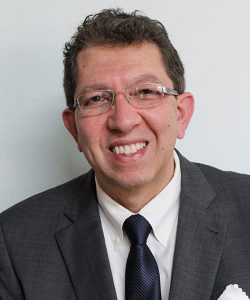
Dr. Nikolas Roberts serves as an Assistant Professor in the Department of Criminal Justice at Pennsylvania Western University, tenured since 2022. He holds appointments in the College of Education, Arts, and Humanities. His roles include teaching courses on correctional systems, criminological theory, research methods, and international conflict resolution. He previously worked with the Pennsylvania Department of Corrections, focusing on inmate education and solitary confinement reform. Dr. Roberts is AccessData-certified in digital forensics and authored the 2024 anthology The Law Behind the Wall . Education: B.A., B.S., and M.S. from Pennsylvania Western University M.A. from Indiana University of Pennsylvania Ph.D. from Saybrook University Research Interests: Dr. Roberts specializes in corrections policy, criminological theory, and conflict resolution. He emphasizes practical applications of research, such as re-entry training and policing strategies. His upcoming work Research Methods for Qualitative Justice Studies (co-edited) underscores his commitment to methodological rigor. Service & Leadership: Elected Co-Chair of the University-wide Tenure Committee (2024–) Title IX Student Advisor and Hearing Board Member (2023–2024) Member of numerous committees, including curriculum development, faculty professional development, and policy review Community Engagement: Dr. Roberts serves as an official prison monitor with the Pennsylvania Prison Society and contributed to the Donora Smog Museum’s historical preservation efforts. His consultancy work with legal institutions includes mediation for federal litigation cases.
Dara Kay Cohen is a Professor of Public Policy at Harvard University's John F. Kennedy School of Government. She specializes in political violence, gender and conflict, and qualitative research methods. She holds a Ph.D. from Stanford University and an A.B. from Brown University. Her research focuses on civil war dynamics, sexual violence in conflict, and state legitimacy in weak governance contexts. Cohen’s work has been funded by the National Science Foundation, United States Institute of Peace, and others. She is affiliated with Harvard’s Ash Center, Center for International Development, and Women and Public Policy Program. Her acclaimed book Rape During Civil War (2016) received multiple awards, including the Theodore J. Lowi First Book Award. Her second book, Lynching and Local Justice (2020), explores vigilantism in Haiti and South Africa. Cohen serves on editorial boards for journals like International Security and Political Science Research and Methods . Awards: 2023 J. David Singer Award, 2019 ISSS Emerging Scholar Award, 2014 APSA Article Prize Grants: NSF, USIP, Folke Bernadotte Academy Teaching: Courses include 'Sex and Violence in Global Politics'; multiple HKS Teaching Excellence Awards Cohen previously taught at the University of Minnesota and worked as a paralegal in the U.S. Department of Justice’s Counterterrorism Section. Her research bridges academic rigor with policy impact, addressing issues like gender equality’s role in reducing conflict and ethical challenges in studying political violence.
Insung Park is a Milnor Lecturer (postdoctoral position) at the Institute for Mathematical Sciences (IMS) at Stony Brook University. His academic journey includes a Ph.D. from Indiana University Bloomington under Dylan Thurston, followed by a postdoctoral fellowship at ICERM through the Simons Bridge Program, mentored by Jeremy Kahn. His research focuses on low-dimensional topology (particularly 2 and 3 dimensions), geometry, and dynamics, with a current emphasis on complex dynamics. No specific awards are mentioned in the provided text. No grants or advising roles are detailed here. His affiliation with IMS suggests involvement in advanced mathematical research initiatives, though specific labs or teams are not explicitly stated.
Miriam Chorley-Schulz is an Assistant Professor and Mokin Fellow of Holocaust Studies at the University of Oregon , affiliated with the Schnitzer School of Global Studies and Languages and its German & Scandinavian, Judaic Studies Program . Her scholarly focus encompasses Yiddish diasporic cultures, Jewish socialist traditions, historical and theoretical analyses of racism and fascism, Holocaust studies, and critical theory. Education: Post-Doc, University of Toronto M.A., M.Phil., Ph.D., Columbia University M.A., B.A., Freie Universität Berlin Miriam co-founded the EU-funded digital archive project We Refugees. Digital Archive on Refugeedom, Past and Present , highlighting her commitment to interdisciplinary research on displacement and diaspora.
Zac Wiebe is an Assistant Professor at the William Dillard Department of Accounting within the Walton College of Business at the University of Arkansas. He also serves as the Director of Master's Programs for the Accounting Department. Dr. Wiebe joined the faculty in 2018 after completing his Ph.D. in Business at the University of Kansas. His position combines teaching responsibilities with research focused on financial reporting in public capital markets. Education: PhD in Business, University of Kansas Master of Accounting, University of Kansas Bachelor of Commerce, University of Saskatchewan Dr. Wiebe's research primarily focuses on the intersection of financial reporting and capital markets. His work examines how accounting information influences investor decision-making and market efficiency. Key areas include Financial Reporting and Capital Markets , Non-GAAP Financial Measures , Investor Information Processing , Accounting Standard Setting , and Mergers, Acquisitions, and Divestitures . His research investigates how financial disclosures affect market participants' understanding of firm performance and value, with particular attention to non-GAAP metrics, segment reporting, and the impact of temporal factors on information processing. Dr. Wiebe's publication record demonstrates a consistent focus on how financial reporting practices influence capital market participants. His most recent work examines the impact of daylight saving time on investor information processing, revealing behavioral aspects of financial decision-making. Earlier research investigates the determinants and usefulness of non-GAAP revenue disclosures and segment profit/loss reporting. His work spans top accounting journals including The Accounting Review , Management Science , and Contemporary Accounting Research , indicating strong methodological rigor and relevance to both academic and practitioner audiences. Professional Recognition: Research published in top-tier accounting journals: The Accounting Review, Management Science, and Contemporary Accounting Research Research cited by major media outlets including Forbes, Fox Business News, and Bloomberg Active CPA license with the Colorado Society of CPAs As Director of Master's Programs for the William Dillard Department of Accounting, Dr. Wiebe oversees the Accounting Master's program curriculum and administration. He teaches Financial Accounting Research and Theory to Master's students, bridging his research expertise with classroom instruction. While specific grant information isn't provided in the available materials, his publication record in premier journals suggests successful research funding support. His role as program director indicates leadership responsibilities within the department beyond traditional teaching and research duties. Dr. Wiebe maintains an active research agenda focused on financial reporting's role in capital markets. His work suggests collaboration with other accounting scholars across multiple institutions, though specific research teams or labs aren't explicitly mentioned in the available information. His focus on practical implications of accounting standards indicates engagement with both academic and professional accounting communities.
Bruno Takahashi is the Brandt Endowed Professor of Environmental Communication at Michigan State University, holding a joint appointment in the School of Journalism and AgBioResearch. He serves as Research Director of the Knight Center for Environmental Journalism and maintains affiliations with the Health and Risk Communication Center, the Environmental Science and Policy Program, and the Center for Latin American and Caribbean Studies at MSU. Born and raised in Lima, Peru, Dr. Takahashi earned his bachelor's degree in communication from Universidad de Lima, followed by M.S. and Ph.D. degrees in Environmental Science from SUNY ESF. Bachelor's in Communication, Universidad de Lima, Peru M.S. in Environmental Science, SUNY ESF Ph.D. in Environmental Science (specializing in environmental communication and participatory processes), SUNY ESF Dr. Takahashi's research program focuses on news coverage of environmental issues, environmental journalism practices in Latin America and U.S. Latino media, and identity in science communication. His work emphasizes counter-hegemonic environmental discourses in Latin American contexts, examining complex networks of actors, media, and communication processes embedded in post-colonial and social and environmental justice dynamics. He has conducted extensive field research in Peru, Bolivia, and Puerto Rico, with particular attention to environmental communication during disasters and in Indigenous communities. His recent scholarly output reveals a strong trend toward examining climate change communication through diverse cultural lenses, with significant attention to Latin American perspectives, immigrant experiences in the United States, and identity factors in science communication. His publications frequently address decolonial approaches to environmental communication and the need for more inclusive international scholarship that centers Global South perspectives. Scientific awards and recognitions include: 2024 AEJMC First Place in Latin American Communication Research 2021 Fellow of the Institute for Diverse Leadership, AEJMC 2019 Knudson Latin America Book Prize Multiple top paper awards from ICA and AEJMC conferences Dr. Takahashi actively mentors a diverse research team of Ph.D. students, post-doctoral associates, and MA students, with former students now holding positions at universities including University of Nevada, University of Minnesota, and Emory University. His research is supported by significant grants including a $2.8 million NSF grant for the SciComm Identities Project, funding from the Climate and Land Use Alliance, and multiple State Department and Embassy grants for environmental journalism training in Latin America. He has developed and led education abroad programs to Peru (2018, 2024) and the Netherlands/Belgium (2022), providing experiential learning opportunities for students in environmental communication. As Research Director of the Knight Center for Environmental Journalism, Dr. Takahashi leads initiatives supporting environmental journalists globally. His current projects include examining environmental discourses in the Peruvian Amazon related to oil spills affecting Indigenous communities, studying decolonial environmental journalism practices in Bolivia and Peru, and co-leading Working Group 5 on Public Engagement and Governance for The Lancet Countdown Latin America, which has generated significant media coverage in outlets like CNN and El País.
Saras D. Sarasvathy is the Paul M. Hammaker Professor at the Darden Graduate School of Business, University of Virginia, where she is a member of the Strategy, Entrepreneurship and Ethics area. A leading researcher in entrepreneurship, she advises entrepreneurship programs globally across Europe, Asia, and Africa, while serving on boards of companies including Lending Tree (Nasdaq: TREE) and Upekkha, a SaaS accelerator in Bangalore, India. Her research focuses on the cognitive basis of high-performance entrepreneurship, particularly her groundbreaking work on effectuation theory. Sarasvathy's scholarship examines how expert entrepreneurs think and act under uncertainty, challenging traditional predictive approaches to business strategy. She has developed frameworks showing how entrepreneurs create markets and opportunities through action-oriented, non-predictive methods that leverage available means rather than predetermined goals. Sarasvathy's award-winning research has generated significant scholarly attention and practical applications worldwide. Her work has spawned over a hundred scholars involved in the effectuation research program, with publications available through www.effectuation.org. Her influential book Effectuation: Elements of Entrepreneurial Expertise and co-authored textbook Effectual Entrepreneurship (winner of the 2012 Axiom Business Book Awards Gold Medal) have shaped entrepreneurship education globally. Among her numerous accolades are the 2022 Global Award for Entrepreneurship Research (the highest recognition in the field), the Academy of Management's 2019 Foundational Work Award, and recognition as one of Fortune Small Business Magazine's top 18 entrepreneurship professors. She has received honorary doctorates from multiple universities in Europe and Asia and has been named a Visiting Professor at institutions worldwide. Before academia, Sarasvathy founded and ran five successful businesses across three countries. Her doctoral research at Carnegie Mellon University was supervised by Herbert Simon, the 1978 Nobel Laureate in Economics, with whom she collaborated to discover the essential elements of entrepreneurial know-how. She holds a B.Com. from the University of Bombay, India, and an MSIA and Ph.D. from Carnegie Mellon University.
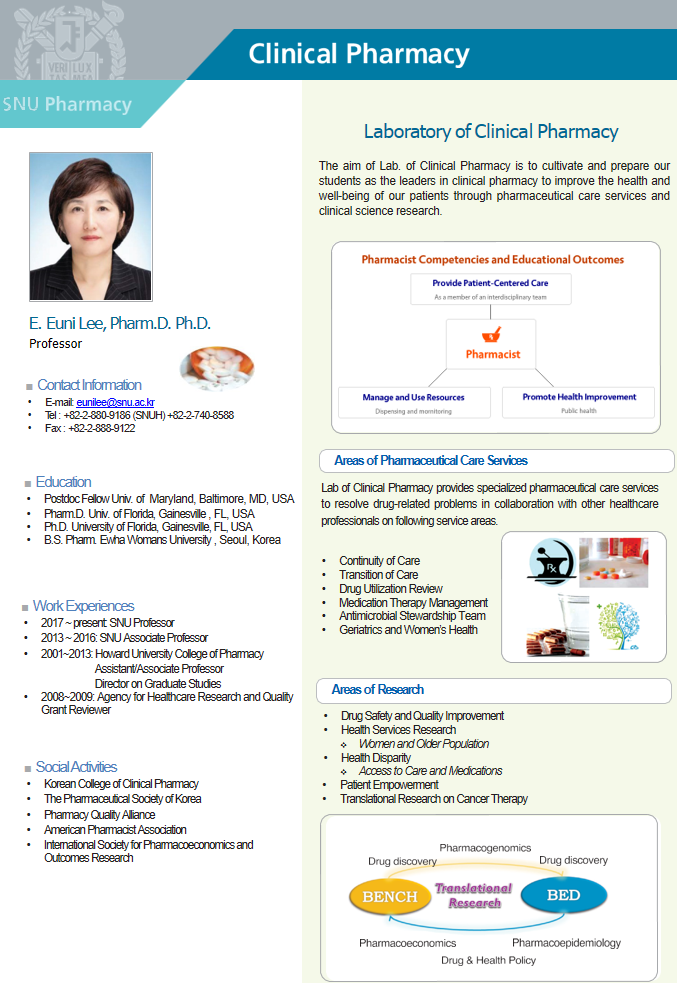
Professor Kim Eun-kyung is a full-time Professor at the College of Pharmacy , Seoul National University , South Korea. She directs patient-oriented research at the intersection of pharmacy, public health and clinical epidemiology, leading projects that range from nationwide pharmaco-epidemiologic cohort analyses to qualitative investigations of pharmacist-led care models. Education Ph.D. & Pharm.D., University of Florida, USA Research Interests Professor Kim’s research program is built on five mutually reinforcing pillars: Population-based patient care research – leveraging large national databases to understand medication utilization and outcomes in real-world settings. Drug safety and patient empowerment – identifying adverse drug reactions and developing interventions that enable consumers and clinicians to report and prevent harm. Access to care and medications in underserved and special populations – examining barriers faced by the elderly, rural residents, patients with rare diseases, and those undergoing high-cost procedures such as hematopoietic stem-cell transplantation. Disease prevention and appropriateness of therapy – evaluating preventive pharmacotherapy (e.g., anti-osteoporosis drugs, vitamin D) and ensuring evidence-based prescribing. Quality improvement in health-care delivery – designing multidisciplinary models that integrate pharmacists into care teams to optimize medication therapy and reduce drug-related problems. Publication Trends Across 2017–2020, Professor Kim has published extensively in International Journal of Environmental Research and Public Health , Clinical Nutrition , Medicina , BMC Public Health , Blood Research , Neuroepidemiology and other peer-reviewed journals. Her work characteristically combines rigorous secondary-data analyses of Korean or US national health surveys with systematic reviews/meta-analyses focusing on drug safety endpoints. Themes include neurological adverse events (trimetazidine-induced parkinsonism), hematologic toxicities (linezolid-induced thrombocytopenia), nutritional and metabolic complications in critical care, and access/utilization of medications in vulnerable populations. Scientific Awards & Honors (None listed in the provided texts) Grants & Research Support While specific grant identifiers are not detailed in the supplied pages, the breadth of large-scale database studies and multi-institutional collaborative projects implies sustained funding from national agencies such as the Korea Health Industry Development Institute (KHIDI) or the Ministry of Health & Welfare. Laboratory & Team Professor Kim leads an active research group located in Yeongeon Campus 17-201. The team integrates graduate students, post-doctoral researchers, pharmacists and biostatisticians working together on pharmacoepidemiology, patient-reported outcomes and health-services research.
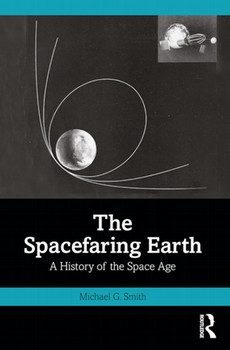
Michael G. Smith is a Professor of History at Purdue University's College of Liberal Arts, specializing in Russian History and Aerospace History. His office is located in BRNG 6170, where he holds office hours by appointment and before or after class. Dr. Smith teaches a diverse range of courses including History of Russia to 1861 (HIST 238), History of Russia from 1861 (HIST 239), History of Aviation (HIST 384), and History of the Space Age (HIST 387), along with numerous advanced seminars on Russian history, aerospace history, and global historical topics. Dr. Smith earned his Ph.D. from Georgetown University in 1991 and has established himself as a leading scholar in both Russian revolutionary history and aerospace history. His research demonstrates remarkable interdisciplinary breadth, connecting linguistic studies with political history in the Soviet context while simultaneously exploring the cultural dimensions of space exploration and aviation history. His scholarly output reveals two major research trajectories: deep investigations into the Russian Revolution with particular focus on language policy, nationalities issues, and revolutionary violence in Azerbaijan and the Caucasus region; and pioneering work on the history of aerospace, space exploration, and the cultural dimensions of the Space Age. These dual interests converge in his examination of how technological innovation intersects with political ideology and national identity formation. Dr. Smith has successfully mentored numerous undergraduate and graduate students whose research has resulted in publications in respected journals such as the Journal of Purdue Undergraduate Research, Quest: The History of Spaceflight Quarterly, and Astropolitics. His students have explored diverse topics including Purdue's aviation pioneers, NASA mission insignia, Shuttle-Mir program, and regional impacts of space programs. Working closely with the Purdue Archives, Dr. Smith has developed innovative archival-research seminars that have produced multiple student publications and special projects including Flight Paths: Purdue University's Aerospace Pioneers and Purdue Students Study Boilermaker Eugene Cernan's Remarkable Career. His commitment to connecting historical research with contemporary technological heritage has created unique opportunities for students to engage with primary sources related to aerospace history.
Laura Ascenzi-Moreno serves as Professor of Bilingual Education and Bilingual Program Coordinator in the Childhood, Bilingual and Special Education Department at Brooklyn College, City University of New York (CUNY), School of Education. Her academic leadership focuses on developing educators capable of serving linguistically diverse student populations through equity-centered pedagogical frameworks. Her educational foundation includes a B.A. in Anthropology and Education from Swarthmore College (1994), an M.A. in Individualized Studies in Education from Harvard Graduate School of Education (1999), New York State Permanent Certification for PreK-6 (2002), a Bilingual ESL and Teacher Leadership Program from Bank Street College (2004), and a Ph.D. in Urban Education from CUNY Graduate Center (2012). Dr. Ascenzi-Moreno's research pioneers translanguaging applications across literacy instruction, assessment, and computational learning environments. She investigates how emergent bilinguals' linguistic repertoires can transform reading development, teacher knowledge construction, and multimodal assessment practices. Her work consistently centers equity through frameworks like syncretic reasoning and accompáñamiento, challenging deficit ideologies while promoting asset-based approaches to multilingual education. Analysis of her 2020-2024 publications reveals an accelerating interdisciplinary trajectory where translanguaging principles increasingly intersect with computer science education. This evolution demonstrates strategic expansion from foundational literacy research into computational literacies, with growing emphasis on co-design methodologies and teacher agency in developing multilingual CS curricula. Her scientific recognition includes the 2024 NCTE Outstanding Elementary Educator Award, Language Arts Distinguished Article Award, and major NSF grants totaling $1.3 million for computational literacy projects. Additional honors encompass Fulbright Scholarship work in Colombia, PSC-CUNY research awards, and Westinghouse Science Talent Search distinction. As Principal Investigator of NSF-funded PiLa-CS and former CUNY-NYSIEB Associate Investigator, she secures substantial grant support while mentoring teacher candidates. Her service includes NCTE Elementary Steering Committee leadership (2022-2026), journal reviewing, and Brooklyn's New York Teacher Table participation addressing educator recruitment/retention. Dr. Ascenzi-Moreno co-directs the Participating in Literacies in Computer Science project and maintains active collaboration with NYC schools through translanguaging professional development initiatives. Her work with the CUNY-NYSIEB project established foundational frameworks now implemented across New York bilingual programs.
Sharon Rozovsky is a Professor in the Department of Chemistry and Biochemistry at the University of Delaware's College of Arts & Sciences, where she leads research on oxidative stress response mechanisms and protein quality control pathways. Her work bridges biochemistry, chemical biology, and structural biology with direct implications for understanding neurodegenerative diseases and viral pathogenesis. Her academic foundation includes a B.S. from Tel Aviv University (1994) and a Ph.D. from Columbia University (2000), establishing her expertise in protein dynamics and redox biochemistry. These credentials underpin her innovative approaches to studying cellular stress responses. Rozovsky's research program centers on selenoproteins—proteins containing the rare amino acid selenocysteine—and their critical roles in endoplasmic reticulum (ER) stress resolution. She investigates how membrane-bound selenoproteins like Selenoprotein S and K regulate the ER-associated degradation (ERAD) pathway, with recent work revealing their surprising autoproteolytic activity and involvement in SARS-CoV-2 replication. Her lab pioneers chemical tools including expressed protein ligation and advanced 77Se NMR spectroscopy to characterize these systems at molecular resolution. Analysis of her 2021-2025 publications shows dominant themes in selenoprotein structure-function relationships, ER stress mechanisms, and viral interactions, alongside methodological innovations in cryo-EM grid technology and NMR. This body of work demonstrates consistent focus on redox biochemistry with expanding applications in virology and structural biology. No major scientific awards or fellowships were explicitly documented in the available materials, though her research impact is evident through high-impact publications and methodological contributions. She directs the active Rozovsky Research Group, mentoring graduate students and postdoctoral researchers in biochemical and biophysical techniques. Her laboratory operations are supported by competitive funding including an NSF CAREER award (2011) focused on selenoprotein reactivity, reflecting sustained recognition of her innovative research program.
Giulia Giordano is a Full Professor in the Department of Industrial Engineering at the University of Trento, Italy, where she leads the Dynamical Networks and Systems Biology research group. She also holds a dual appointment as Visiting Professor and Delft Technology Fellow at the Delft Center for Systems and Control, Delft University of Technology, The Netherlands. Her career includes previous positions as Assistant Professor at Delft University of Technology (2017-2019), Postdoctoral Research Fellow at Lund University, Sweden (2016-2017), and Research Fellow at the University of Udine, Italy (2016). Giulia earned her Ph.D. in Industrial and Information Engineering: Automation (Excellent) from the University of Udine with a thesis titled "Structural Analysis and Control of Dynamical Networks." She completed her M.Sc. and B.Sc. in Electrical Engineering (both Summa cum laude) at the same institution. She also undertook research visits at Caltech (2012) as a SURF Fellow and at the University of Stuttgart (2015) as a DAAD Research Scholar. Her primary research focuses on the analysis and control of dynamical networks with applications in systems biology, mathematical ecology, and mathematical epidemiology. She develops mathematical frameworks that bridge control theory, network theory, and dynamical systems to address complex problems in biological systems. Her recent work spans epidemic modeling, opinion dynamics, biochemical networks, and neurological disorders, with a particular emphasis on structural analysis of networked systems. She employs both theoretical and computational approaches to understand system behavior under uncertainty. Giulia's publications reveal a strong interdisciplinary focus, spanning from theoretical control systems to practical applications in epidemiology and biology. Her recent work shows increasing emphasis on epidemic modeling (particularly related to mpox and SARS-CoV-2), network synchronization, and the application of control theory to biological phenomena like fibromyalgia pathogenesis and opinion formation. Many of her papers appear in top-tier control journals including Automatica and IEEE Transactions on Automatic Control. 2024: Outstanding Service as Associate Editor of IEEE Control Systems Letters 2021: SIAM Activity Group on Control and Systems Theory Prize 2020: Outstanding Reviewer, Annals of Internal Medicine 2017: NAHS Best Paper Prize and EECI PhD Award 2016: Outstanding TAC Reviewer, IEEE Transactions on Automatic Control Giulia actively mentors students and postdoctoral researchers, currently supervising five postdoctoral researchers and two Ph.D. students at the University of Trento. She has advised numerous M.Sc. and B.Sc. students on topics ranging from bio-inspired modeling to optimal control of epidemic systems. Her research is supported by competitive grants including the ERC Starting Grant INSPIRE (Integrated Structural and Probabilistic Approaches for Biological and Epidemiological Systems). She serves as Associate Editor for IEEE Control Systems Letters and Automatica, and is a Senior Member of IEEE and the Control Systems Society. Giulia leads the Dynamical Networks and Systems Biology research group at the University of Trento, which maintains strong international collaborations across Europe and North America. The group's work combines theoretical advances in control theory with practical applications to pressing problems in public health and biological systems, demonstrating the power of mathematical approaches to understanding complex phenomena in the life sciences.
Auritro Majumder is Associate Professor of English at the University of Houston's College of Liberal Arts and Social Sciences, holding a courtesy appointment in the India Studies Program. His academic profile spans literary scholarship, critical theory, and intellectual history with a focus on non-Western perspectives. His educational background includes a Ph.D. in English from Syracuse University (2014), a Certificate in Critical Theory from Cornell University (2012), an M.A. (First Class) in English from Jadavpur University (2009), and a B.A. (First Class Honours) in English from Jadavpur University (2007). Majumder's research centers on peripheral internationalism and decolonial knowledge production , examining literary traditions across India, the Soviet Union, China, Latin America, and the United States. His work bridges literary theory , critical race studies , and global political movements , with particular emphasis on Bengali literature, caste-race intersections, and South-South cultural networks. His monograph Insurgent Imaginations: World Literature and the Periphery (Cambridge University Press, 2020) redefines world literature through non-Western frameworks. Analysis of his 15 most recent publications reveals consistent engagement with decolonial aesthetics , transnational solidarity , and subaltern epistemologies . His scholarship demonstrates interdisciplinary reach spanning literary studies, political theory, film criticism, and comparative intellectual history, with increasing focus on contemporary debates around planetary consciousness and peripheral modernities. His scientific recognition includes: Project Completion Grant, CLASS (2019) William Lee Pryor College Professorship (2018-2019) Research Progress Grant (2017) CLASS Research Funds (2016) New Faculty Summer Research Grant (2015) Majumder actively contributes to academic service as Executive Committee member of the Modern Language Association’s South Asian and South Asian Diasporic Language, Literature and Culture Forum, editorial board member for Mediations , jurist for the National Endowment for the Humanities, and reviewer for multiple international journals. He has lectured globally across North America, South Asia, Europe, and Brazil. His teaching portfolio includes courses on postcolonial literature, modern Indian literature, and graduate seminars in postcolonial theory. Current projects include a monograph titled The Global South in Literature and Theory and a co-edited anthology Cultures of the Cold War in South Asia .
Marios Polycarpou is a Professor of Electrical and Computer Engineering and Director of the KIOS Research and Innovation Center of Excellence at the University of Cyprus. He holds honorary positions at Imperial College London and is a member of Academia Europaea. His expertise spans intelligent systems, adaptive control, machine learning, and critical infrastructure. Education: B.A. Computer Science (Rice University, 1987) B.Sc. Electrical Engineering (Rice University, 1987) M.S. Electrical Engineering (University of Southern California, 1989) Ph.D. Electrical Engineering (University of Southern California, 1992) Research Focus: Polycarpou’s work emphasizes fault diagnosis in cyber-physical systems, water distribution networks, and adaptive control. He pioneers digital twin technologies for infrastructure resilience and develops algorithms for real-time anomaly detection and system optimization. Article Trends: His recent publications address adaptive control strategies, cybersecurity in networked systems, and AI-driven solutions for water management. Key themes include distributed control, event-triggered mechanisms, and transformer-based anomaly localization. Awards: 2023 IEEE Frank Rosenblatt Technical Field Award 2016 IEEE Neural Networks Pioneer Award Fellow of IEEE and IFAC Grants & Leadership: He secured prestigious grants including ERC Advanced and Synergy Grants. He led KIOS CoE’s Horizon 2020 projects and served as IEEE Computational Intelligence Society President (2012–2013). Labs & Teams: Directs the KIOS CoE, a hub for AI in critical infrastructure. Collaborates on projects like ERC Water-Futures, focusing on long-term water system transitions and contamination mitigation.
Özüm Asirim is a Researcher at the Technical University of Munich (TUM) under the Associate Professorship of Computational Photonics led by Prof. Christian Jirauschek. Her work focuses on computational photonics , quantum optics , and nonlinear optical phenomena , particularly in micro-resonators and semiconductor devices. Education: Ph.D. in Electrical Engineering from Middle East Technical University (Ankara, Turkey). Research spans optical parametric amplification , Fourier domain mode-locked lasers , self-phase modulation , and machine learning applications in photonics . Her studies include optimizing gain factors, enhancing harmonic generation, and modeling supercontinuum sources via carrier injection. Recent publications (2019–2023) highlight interdisciplinary approaches, merging photonics with computational finance and nonlinear dynamics . She contributes to EU Project QOMBS and teaches courses like Python for Engineering Data Analysis and Quantum Engineering and Machine Learning seminars. Collaborations include Prof. Christian Jirauschek (TUM), Prof. Mustafa Kuzuoğlu (Middle East Technical University), and teams in computational photonics and quantum optics. Her work impacts semiconductor physics , laser technology , and adaptive optical systems .