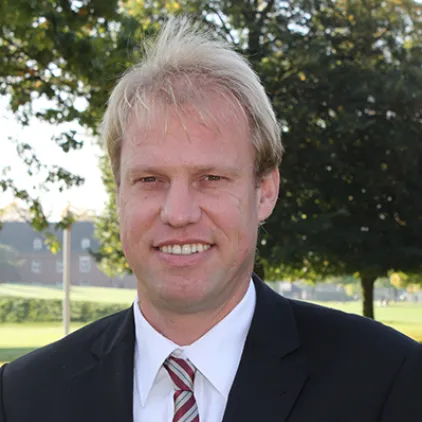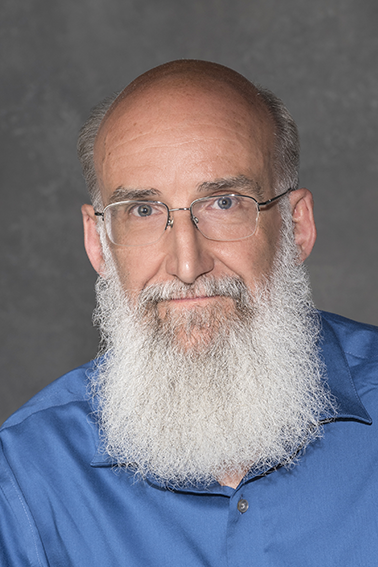
Thomas FarmerView profile
Professor
Thomas Farmer serves as Professor and Chair of the Department of Foundations of Education at Virginia Commonwealth University School of Education, where he integrates educational psychology, developmental science, and special education to create responsive classroom environments for diverse learners within their socio-cultural contexts. His academic journey includes a B.A. in Philosophy from the College of William & Mary, followed by M.A. and Ph.D. degrees in Special Education from the University of North Carolina at Chapel Hill. Farmer's research centers on social inclusion of diverse learners, teacher management of classroom social dynamics, and research-practice partnerships. Key frameworks include the BASE (Behavioral, Academic, and Social Engagement) model and SEALS (Supporting Early Adolescent Learning and Social Strengths) intervention, emphasizing rural education contexts , adaptive evidence-based practices , and developmental responsiveness . His work prioritizes teacher attunement to students' dynamic needs within multi-level ecological systems. Analysis of his 2022-2025 publications reveals three dominant trends: (1) addressing teacher burnout through social network analysis and classroom dynamics management; (2) advancing targeted universalism to address systemic oppression for youth of color; and (3) developing tiered adaptive support systems that prioritize contextual implementation over rigid fidelity, particularly in rural schools. Farmer directed the National Research Center on Rural Education Support (NRCRES, 2004-2011) and co-edits the Journal of Emotional and Behavioral Disorders (2012-present). He completed the presidential line of the Council for Exceptional Children's Division for Research (2018-2022), demonstrating sustained leadership in special education scholarship. His grant portfolio includes NRCRES and development of the BASE/SEALS models, implemented through research-practice partnerships with rural school districts. Farmer's laboratory focuses on classroom social network analysis, utilizing tools like the 'scouting report' process to help teachers understand peer dynamics and adapt interventions in real-time, ultimately enhancing student engagement and social inclusion.