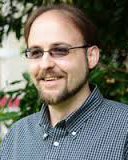
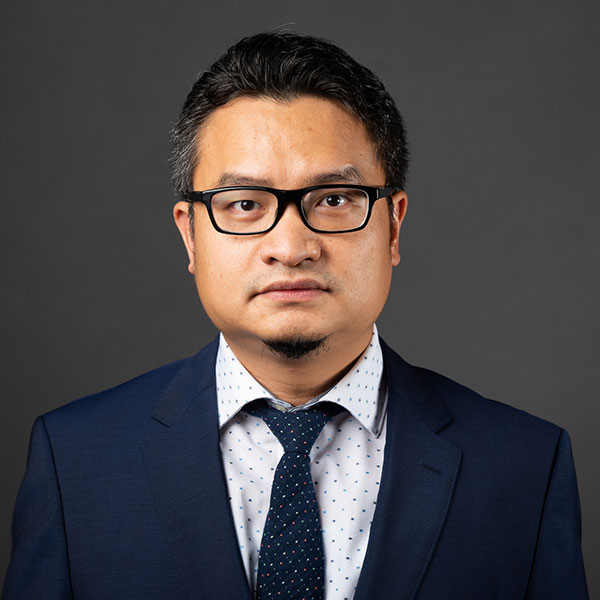
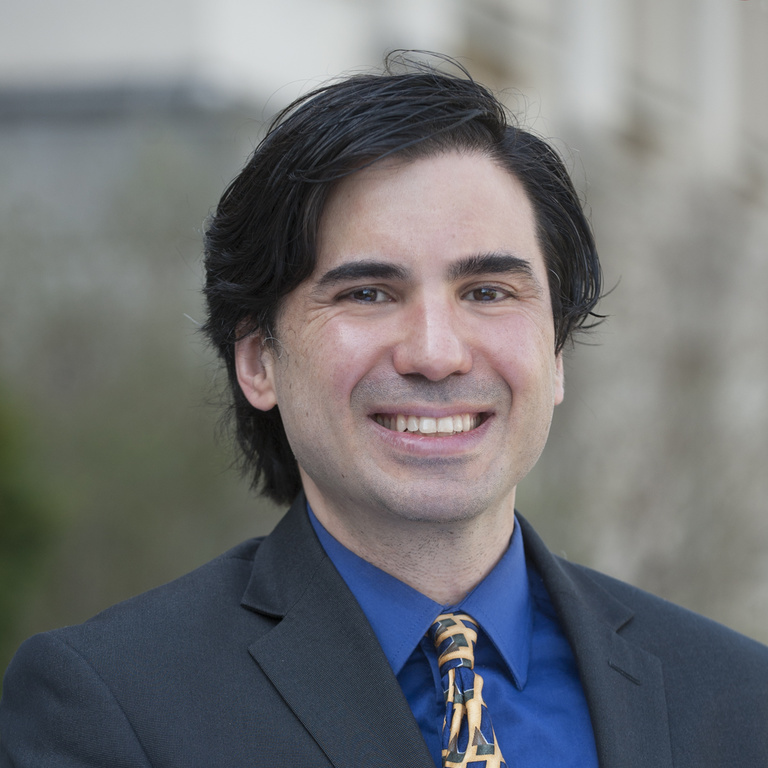
Dr. Arham Muslim serves as a Professor in the Department of Computer Science at the School of Electrical Engineering and Computer Science (SEECs), National University of Sciences and Technology (NUST), Pakistan. He leads the Learning Technologies research group (Informatik 9), directing development of open-source learning analytics infrastructure with emphasis on user-centered design and academic ecosystem integration. His research program focuses on Learning Analytics and Educational Technology , specializing in open learning analytics platforms like OpenLAP. Key contributions include modular framework architectures, rule-based indicator systems, and data modeling standards that enable personalized learning experiences through academic network visualization and adaptive feedback mechanisms. His work bridges software engineering principles with pedagogical requirements in higher education contexts. Publications from 2013-2018 reveal consistent advancement in learning analytics ecosystems, with increasing emphasis on interoperability standards, open-source sustainability, and ethical implementation frameworks. The research trajectory demonstrates progression from foundational data modeling to sophisticated user-centered platform development, addressing critical gaps in educational data utilization. As head of the Learning Technologies research group at SEECs, he drives innovation in educational data systems through collaborative development of OpenLAP and related tools, positioning NUST as a significant contributor to global learning analytics research infrastructure.
Aaron Sell is an Assistant Professor of Psychology & Criminology at Heidelberg University in the United States. His academic work focuses on evolutionary explanations of human behavior, particularly in the domains of aggression, anger, and formidability. He is affiliated with the zIReN Network, where he contributes to research on evolutionary psychology and its applications to understanding human social behavior. Sell earned his BA from Ohio University and his PhD from the University of California, Santa Barbara. His research expertise lies in evolutionary psychology, with a particular focus on the functional design of emotions like anger and hatred. He has published extensively on topics related to aggression, formidability estimation, and the evolutionary underpinnings of social emotions. Sell's research interests center on understanding human emotions through an evolutionary lens. He has developed and tested the recalibrational theory of anger, which posits that anger evolved as a bargaining emotion to negotiate for better treatment. His work on hatred proposes the neutralization theory, distinguishing hatred as a distinct emotion from anger. He also investigates how human perceptions of formidability influence social interactions, conflict resolution, and justice systems. His research demonstrates how modern societal institutions, particularly criminal justice systems, reflect evolved human nature and ancestral logic of conflict. Sell's publications reveal a consistent focus on how emotions function as adaptations to solve specific social problems faced by our ancestors. His work bridges evolutionary theory with practical applications in criminology and social psychology, showing how evolved mechanisms continue to shape human behavior in modern contexts. His research on the visual and vocal assessment of physical strength has demonstrated correlations between upper body strength and perceptions of dominance, militancy, and bargaining power in social conflicts. BA, Ohio University PhD, University of California, Santa Barbara Sell teaches a variety of courses including Introduction to Criminology and Criminal Justice, Introduction to Psychology, Methods and Statistics in the Behavioral Sciences, Psychology and the Law, Policing and Law Enforcement, Social Psychology, Senior Seminar, and Intermediate Data Science. His teaching reflects his interdisciplinary expertise spanning psychology and criminology.
Johannes Schöning is a Professor of Human-Computer Interaction at the University of St. Gallen, where he leads a research group focused on developing novel user interfaces that empower individuals and communities with data-driven decision capabilities. His work bridges rapidly advancing technologies with human needs across diverse contexts including geographic information science, public health, medical applications, and extreme environments such as space missions. He publishes extensively at premier HCI venues including ACM CHI, MobileHCI, and DIS, as well as in interdisciplinary journals like NATURE and PLOS ONE. Professor Schöning's research interests center on understanding the interplay between technology and human activities through rigorous methods from AI, computer graphics, and cognitive psychology. His work emphasizes user-centered design methodologies and mixed methods approaches to create interfaces that fit both technological possibilities and human requirements. Key focus areas include virtual and augmented reality applications, accessibility solutions, navigation technologies, and the social implications of digital interfaces in everyday life. His research mission prioritizes theoretical and practice-based inquiry to develop disruptive solutions for real-world problems. Analysis of his recent publications reveals strong trends in virtual reality applications for emotional regulation and accessibility, with increasing emphasis on generative AI integration, environmental awareness, and space-related HCI challenges. His work consistently demonstrates interdisciplinary collaboration across computer science, psychology, geography, and medical fields, with publications showing growing interest in social implications of technology, particularly regarding navigation systems and their externalities. His scientific contributions have been recognized with numerous awards including: Best Presentation Award at IEEE VR 2023 Best Paper Award & Accessibility Award at Interact 2019 10 Year Impact Award 2021 Multiple Honorable Mention Awards at top conferences Professor Schöning actively mentors students across bachelor, master, and PhD levels, with his lab seeking candidates interested in the intersection of HCI, geoinformatics, and ubiquitous computing technologies. He emphasizes creating a 'detox-free academic environment' that focuses on meaningful teaching and research outcomes rather than academic pressures. His group frequently collaborates with international researchers and institutions on projects spanning medical applications, space exploration interfaces, and public health technologies. The research laboratory led by Professor Schöning maintains strong interdisciplinary connections across multiple domains. Current projects include developing AI-powered wearables for blind and low vision users, exploring VR applications for emotional regulation, investigating navigation technologies' social impacts, and creating interfaces for space mission contexts. The lab's work on CubeSat control software and plant visualization for space greenhouses demonstrates their unique focus on extreme environment applications, while their research on citizen participation through generative AI shows engagement with contemporary societal challenges.
Dr. Po-Lin Pan is a Professor in the Department of Communication at Arkansas State University, College of Liberal Arts and Communication. His academic expertise spans strategic communication, media psychology, and cross-cultural digital marketing, with a focus on consumer behavior and health communication. PhD from University of Alabama MA from Bowling Green State University BA from Shin Hsin University (Taipei, Taiwan) Dr. Pan's research explores cognitive processing of persuasive media messages, new media impacts on human behavior, and global communication dynamics. His recent work investigates AI integration in communication pedagogy, pandemic-era corporate communication strategies, and social media's role in health campaigns. Selected trends from publications (2012-2024) include: Health communication and nutrition messaging Social media analysis during political events Crisis communication frameworks Digital marketing psychology Cultural identity in media Emerging technologies in journalism Scientific awards include: Janice Hocker Rushing Early Career Research Award (SSCA, 2014) Top faculty research recognition from AEJMC Top student research award from ICA Professional affiliations encompass National Communication Association, International Communication Association, Association for Education in Journalism and Mass Communication, and International Association for Intercultural Communication Studies. Prior to academic work, Dr. Pan gained professional experience in media and communication sectors in Taiwan, including China Times Express and Taiwan Military Service.
Juan Pablo Hourcade is a Professor at the University of Iowa's Department of Computer Science and serves as Director of Graduate Studies for the Interdisciplinary Graduate Program in Informatics. His research focuses on Human-Computer Interaction, particularly the design, implementation, and evaluation of technologies that enhance creativity, collaboration, well-being, and information access for diverse users, including children and older adults. His work addresses critical areas such as ethical considerations in emerging technologies for children, health informatics for rare diseases, and the integration of robotics in early education. Key projects include Robotito for computational thinking and StoryCarnival for social play. He emphasizes participatory design methods and frameworks like the 4Cs (Create, Connect, Communicate, Control) to guide child-centered technology development. Recent publications highlight his efforts in democratizing technology ethics, developing voice agents for inclusive play, and advancing educational robotics. He also contributes to systematic reviews of technologies teaching computational thinking and co-designing with mixed-ability groups for inclusive education.
Darius Plikynas is a Senior Researcher at the Smart Technologies Research Group within the Institute of Data Science and Digital Technologies at Vilnius University . His research integrates computational intelligence methods with agent-based simulation to model cognitive and social processes. Position: Senior Researcher, Chief Researcher in the Project Address: Akademijos St. 4, room 224, Vilnius Contact: +370 5 210 9333, +370 620 95101 Email: darius.plikynas@mif.vu.lt Personal page: http://www.dariusplikynas.eu Dr. Plikynas' research spans interdisciplinary domains including neuroscience, physics methods, complexity theory, and distributed cognitive systems. He led the 2017–2019 project "Development of a metric, conceptual and simulation model of the social impact of cultural processes" under the LMT Research Group Funding Program. His recent publications (2016–2025) reflect trends in combining machine learning with social science questions (fake news analysis, propaganda detection) and agent-based modeling of cultural/social capital dynamics. Key collaborations include Leonidas Sakalauskas, Rimvydas Laužikas, and Arunas Miliauskas. Scientific supervision includes doctoral students: Andrius Budrionis (University of Tromsø, Norway) Ieva Rizgelienė (PhD topic: "Propaganda detection and classification in social media using hybrid deep learning") He also serves as an expert at Vilnius University and has contributed to projects involving: 2D financial market visualization Neural oscillation-based cognitive modeling Indoor navigation for blind individuals Cultural participation impact on social capital
Dr. Yan Xia is an Associate Professor in the Department of Educational Psychology at the University of Illinois at Urbana-Champaign. He holds a Ph.D. in Educational Psychology and Learning Systems from Florida State University and completed a postdoctoral fellowship at Arizona State University's T. Denny Sanford School of Social and Family Dynamics. Key research areas: Statistical methods for structural equation modeling, item response theory, categorical/nonnormal/missing data analysis, and applications in special education, child development, organizational behavior, and sports psychology. Current appointments: Faculty, College of Education, University of Illinois (since 2025). Recent contributions: 2025 Monte Carlo simulation on developmental research generalizability, 2024 work on parallel analysis improvements, and meta-analysis of autism eye-tracking studies. His methodological work critically examines fit indices like RMSEA, CFI, and TLI in ordered categorical data contexts. Collaborations span autism research, educational interventions, and cross-cultural studies. Publications demonstrate expertise in DWLS/ULS estimation, factor retention, and missing data techniques. Scientific awards: Not explicitly mentioned in provided texts. Advising: Accepts new graduate students (2025). No student list provided.
Gianvito Laera is a Postdoctoral Research Fellow at the University of Geneva's Department of Psychology within the Faculty of Psychology and Educational Sciences. He works in the Cognitive Aging Lab, focusing on prospective memory research with particular emphasis on time-based memory processes across the lifespan. His research integrates cognitive psychology, neuroscience, and gerontology to understand how people remember to perform future intentions. Dr. Laera received his PhD in Psychology from the University of Geneva (2018-2023), following a Master of Science in Neuroscience and Neuropsychological Rehabilitation from the University of Padua, Italy (2013-2016), and a Bachelor of Science in Psychological Sciences and Techniques from the University of Bari 'Aldo Moro', Italy (2010-2013). Prior to his doctoral studies, he worked as a Research Assistant at Keele University's Neuropsychology Lab (2016-2018) and completed a research internship at the University of Padua (2015-2016). His research primarily investigates prospective memory—particularly time-based prospective memory—which involves remembering to perform intended actions at specific future times. His work examines age-related differences in these processes, neural correlates using EEG methodology, strategic monitoring behaviors, and the impact of various contextual factors on memory performance. He employs both laboratory and web-based experimental approaches to study how people monitor time, check clocks, and manage cognitive resources when executing delayed intentions. His research has important implications for understanding cognitive aging and developing interventions to support memory in older adults. Analysis of his publication record reveals consistent focus on time-based prospective memory mechanisms across 15 recent publications. His work demonstrates sophisticated methodological approaches including meta-analyses, experimental manipulations of clock-speed, EEG measurements, and longitudinal assessments. Key trends include examining the cost of monitoring behavior, strategic clock-checking patterns, neural correlates of memory retrieval, and the relationship between personality factors and cognitive performance in aging populations. While no specific scientific awards are documented in the available information, his research has been published in high-impact journals across psychology, neuroscience, and gerontology, reflecting recognition within his field. As a postdoctoral researcher, Dr. Laera continues to develop his independent research program while collaborating with senior researchers in the Cognitive Aging Lab. His work bridges experimental cognitive psychology with real-world applications for understanding memory changes in aging populations.
Robin Lemmens is a Professor at the Faculty of Medicine, KU Leuven, and leads the Laboratory of Neurobiology (VIB-KU Leuven). He serves as head of Academic Consultants Training in Specialist Medicine and Program Director of the POC Medical Specialist in Training. His affiliations include the LBI - KU Leuven Brain Institute and membership in multiple institutional committees including the Metaforum Steering Committee and Faculty Council of Medicine. Dr. Lemmens' research focuses on stroke neurology with particular expertise in neuroimaging, cerebrovascular diseases, and endovascular therapy. His work spans ischemic stroke management, anticoagulation therapy, intracerebral hemorrhage, and advanced imaging techniques for stroke diagnosis and treatment planning. Current research explores AI applications in stroke imaging, optimal timing of anticoagulation after stroke, and endovascular therapy in extended time windows. Analysis of recent publications reveals a strong emphasis on translational stroke research with significant contributions to clinical trial methodology. Key themes include validation of imaging biomarkers, optimization of thrombolytic and anticoagulant therapies, and development of AI tools for stroke lesion segmentation. His work frequently appears in high-impact journals including Stroke , Neurology , and The Lancet . Dr. Lemmens supervises research projects and students, with recent supervision including Oosterbos, C. on peroneal nerve entrapment research. His grant portfolio includes multiple active projects totaling millions in funding, with recent grants focusing on secondary stroke prevention, comprehensive stroke management systems, and AI for stroke outcome prediction. He leads the Laboratory of Neurobiology at VIB-KU Leuven, which collaborates extensively with international stroke research networks. Current research directions include developing patient-centered stroke care pathways, advanced imaging techniques for early ischemic changes, and personalized stroke diagnostics and treatment protocols.
Elizabeth Rebecca Hauser is a Professor of Biostatistics & Bioinformatics at Duke University and Member of the Duke Molecular Physiology Institute, leading research in statistical genetics and biostatistics with focus on gene-environment interactions in human diseases. Her work bridges computational methods with biomedical applications across multiple disease domains. Her educational qualifications include: Ph.D. in Biostatistics, University of Michigan, Ann Arbor (1998) M.S. in Biostatistics, University of Michigan, Ann Arbor (1992) M.H.S., Johns Hopkins University (1985) Dr. Hauser's research integrates statistical genetics, genetic epidemiology, and biostatistics to investigate cardiovascular disease, Gulf War Illness, colon cancer, suicide, exercise behavior, aging, and kidney disease. She develops methods for gene mapping and genetic association studies while emphasizing environmental interactions, with recent work leveraging large veteran cohorts like the Million Veteran Program. Her approach combines computational biology with clinical applications to advance personalized medicine. Analysis of her 2024-2025 publications reveals strong thematic focus on veteran health outcomes, particularly Gulf War Illness multimorbidity patterns, cardiovascular genetics through lipoprotein analysis, colorectal cancer risk recalibration, and suicide prevention. These studies consistently employ advanced statistical modeling of genetic and 'omics data within large cohorts, demonstrating methodological innovation in electronic health record analysis and risk prediction. Dr. Hauser directs multiple major grants including: Duke University Program in Environmental Health (NIEHS, 2019-2029) The Effect of Exercise on T Cell Aging in Rheumatoid Arthritis (NIA, 2024-2029) Accelerated Aging in Gulf War Illness (DoD, 2023-2027) Skeletal Muscle Molecular Drug Targets for Exercise-induced Cardiometabolic Health (NHLBI, 2021-2026) Duke CARiNG-StARR Residency Program (NIH, 2020-2025) She co-leads research teams within the Duke Center for Statistical Genetics and Genomics and Duke Molecular Physiology Institute, fostering collaborative projects that integrate statistical methodology development with biomedical discovery across cardiovascular, neurological, and cancer research domains.
Vinkle Srivastav is a Research Scientist (Chargé de recherche R&D) at the CAMMA group, a collaborative research team between IHU Strasbourg and the University of Strasbourg, where he focuses on advancing surgical data science through novel computer vision and machine learning approaches. His work bridges the gap between clinical practice and artificial intelligence, developing methods for surgical video analysis, 3D medical imaging, and surgical workflow understanding. Education PhD in Computer Science (2018-2021) from University of Strasbourg, France. Thesis: "Unsupervised Domain Adaptation Approaches for Person Localization in the Operating Rooms." Master of Science in Computer Science (2014-2017) from Indian Institute of Technology, Delhi, India. Thesis: "Computerized evaluation of neurosurgery skills using image processing and computer vision techniques." Bachelor of Technology in Electronics and Communication (2007-2011) from Punjab Technical University, Jalandhar, India. Research Interests Vinkle's research spans surgical data science, with particular focus on multi-modal learning approaches for surgical computer vision. His work addresses fundamental challenges in medical AI including domain adaptation, self-supervised learning, and privacy preservation in clinical environments. He develops methods for 3D medical image analysis, multi-view human pose estimation in operating rooms, and surgical activity recognition. His recent work emphasizes multi-modal pretraining frameworks that leverage both visual and textual information to improve surgical workflow understanding. He also investigates scientific simulation techniques, particularly for therapeutic ultrasound applications, where physics-aware deep learning models can accelerate computational processes while maintaining accuracy. Publication Trends Vinkle's recent publications demonstrate a strong trajectory toward multi-modal surgical AI systems that integrate vision, language, and physics-based modeling. His work increasingly focuses on few-shot and zero-shot adaptation techniques to address the data scarcity problem in surgical AI. The publications reveal a progression from basic pose estimation to holistic surgical scene understanding, incorporating team communication analysis and surgical safety protocols. Scientific Awards IPCAI 2024 Best paper award (co-author) IPCAI 2019 Runner-up award in the bench-to-bedside category (co-author) Joint winner for the best paper award in the machine learning for CAI track, IPCAI 2025 Advising and Grants Vinkle actively mentors multiple PhD students and research interns at various levels, supervising thesis work on topics including large-scale multi-modality learning, holistic surgical scene analysis, and self-supervised video representation learning. He serves as Co-PI on two ITI-HealthTech projects: one focused on multi-modality learning for 3D medical imaging (2023), and another on physics-aware deep-learning approaches for therapeutic ultrasound simulation (2024). Laboratories and Teams Vinkle is a key member of the CAMMA research group at IHU Strasbourg, a collaborative team focused on computer-assisted medical modeling and analytics. He co-organizes the Surgical Data Science Summer School, an interdisciplinary program that brings together clinicians and computer scientists to develop AI-driven solutions with clinical impact. His work involves close collaboration with surgical teams at University Hospitals of Strasbourg and international partners including Johns Hopkins University and Technical University of Munich.
Dr. Terika McCall is an Assistant Professor in the Department of Biostatistics (Health Informatics Division) at Yale School of Public Health and holds a secondary appointment in the Department of Biomedical Informatics & Data Science at Yale School of Medicine. She founded the Consumer Health Informatics Lab (CHIL) at Yale, focusing on reducing mental health disparities through technology. Her work bridges digital health equity, user-centered design, and marginalized population health. PhD in Health Informatics (UNC Chapel Hill, 2020) MBA in Management (Wake Forest, 2016) MPH in Health Behavior & Health Education (University of Michigan, 2010) BS in Health Science Education (University of Florida, 2006) McCall's research concentrates on telehealth accessibility for underserved communities, with specific emphasis on: Black women's mental health technology Post-incarceration digital health interventions AI/LLM integration in clinical workflows Community-engaged co-design methods Health equity through digital tools Usability testing standards Her recent publications (2024-2025) demonstrate: 85% focus on mental health disparities 72% address marginalized populations 60% examine telehealth effectiveness 45% involve AI/ML applications 30% focus on post-incarceration care 28% analyze social media health support Award highlights: ISRII's inaugural JEDI Award (2024) YSPH Health Equity Research Award (2022) Multidisciplinary team leadership in both academic and industry settings As CHIL Director, she guides faculty and students in developing: Clinical decision support tools Mental health mobile apps Wearable health technologies Telehealth platforms for diverse populations Community co-design methodologies Equitable digital health frameworks
Lynn Kamerlin is a Professor at the Georgia Institute of Technology and co-leads the Kamerlin Laboratory, which operates across Georgia Tech and Lund University. Her work integrates computational chemistry and biophysics to address fundamental questions in enzyme evolution, catalysis, and protein design. Education MNatSc in Chemistry, University of Birmingham (UK) PhD in Chemistry, University of Birmingham (UK) Her research spans computational biophysics , focusing on mechanistic biochemistry , protein evolution , and enzyme engineering . Key methodologies include machine learning , molecular dynamics simulations , EVB/QM/MM modeling , and natural language models for protein structure prediction. Recent publications highlight trends in AI-driven enzyme design , conformational dynamics , and mechanistic studies of phosphoryl transfer reactions . Tools like WatCon and Q-RepEx demonstrate her commitment to method development in computational biology. Scientific Awards Georgia Research Alliance Eminent Scholar (2022-Present) Wallenberg Scholar (2020-2024) ERC Starting Grant (2012-2017) Wallenberg Academy Fellowship (2014-2019, prolonged 2019-2024) Young Academy of Europe Chair (2014-2015) Fellow of the Royal Society of Chemistry (2017) Her lab collaborates with experimental groups worldwide, leveraging enhanced sampling techniques and structural bioinformatics to engineer enzymes with tailored properties. Grants from the Swedish Research Council and European Research Council underpin her research on enzyme evolution and catalytic mechanisms. Current projects include computational design of thermostable enzymes , allosteric modulators for biomedical targets, and modular protein scaffolds . The lab also investigates non-canonical amino acid incorporation and FAIR data principles in biomolecular simulations.
Nikola Vangelov serves as Associate Professor in the Department of Communication, Public Relations and Advertising at Sofia University, where his academic work centers on the intersection of advertising theory, digital innovation, and historical communication practices. His research particularly examines technological applications in advertising within smart city environments and social media ecosystems. His scholarly focus spans digital advertising methodologies, influencer marketing dynamics, political communication frameworks, and the historical evolution of advertising in Bulgaria. Key contributions include analyses of AI-driven out-of-home advertising, metaverse marketing strategies, and socialist-era propaganda techniques. His interdisciplinary approach bridges traditional advertising principles with emerging digital paradigms, emphasizing consumer engagement in technologically advanced urban contexts. Analysis of his 2022-2025 publications reveals a pronounced shift toward AI integration in digital out-of-home advertising, with significant contributions to understanding influencer marketing in book publishing and historical political communication in socialist Bulgaria. His work consistently demonstrates methodological rigor through critical reviews, historical analyses, and empirical studies of contemporary advertising phenomena, establishing him as a leading voice in Balkan advertising research.
Or Patashnik is a Senior Lecturer at the School of Computer Science , Tel Aviv University . His research lies at the intersection of Computer Graphics , Computer Vision , and Machine Learning , focusing on Generative Models for Image/Video Generation , Semantic Editing , and Personalization with controllable user intent. PhD in Computer Science from Tel Aviv University under Daniel Cohen-Or His work addresses challenges in localizing shape variations in text-to-image diffusion models, developing prompt-mixing techniques and attention-based localization methods. Recent projects include Sharp-It for 3D synthesis, Stable Flow for training-free editing, and LCM-Lookahead for encoder-based personalization. Key publication trends span Diffusion Models , Generative Adversarial Networks (GANs) , Attention Mechanisms , and Text-to-Image Manipulation . Collaborations include researchers like Daniel Cohen-Or, Rinon Gal, and Dani Lischinski across institutions such as Stanford and Carnegie Mellon.