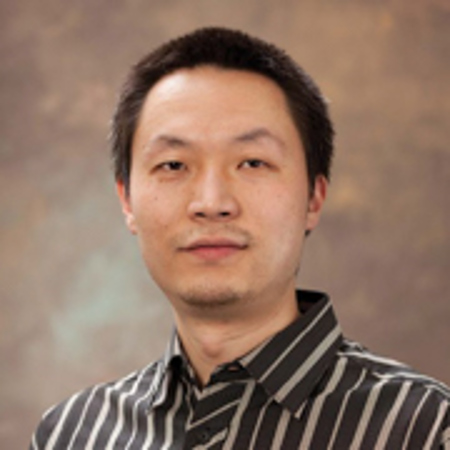
Jian Hu is a Professor at Michigan State University (MSU) in the Department of Biochemistry & Molecular Biology, with joint appointments in the Department of Chemistry and the BioMolecular Science Gateway. His research integrates structural biology, biochemistry, and biophysics to investigate macromolecular mechanisms in biology and biomedicine, focusing on bio-metal utilization and homeostasis. Ph.D., Peking University, 2004 B.S., Beijing Medical University, 1999 Associate Research Scientist, Yale University (2008–2013) Postdoctoral Research Associate, Florida State University (2005–2007) The Hu lab targets three major projects: (1) ZIP metal transporters, exploring alternating access mechanisms and substrate specificity; (2) Lar proteins, analyzing Ni-pincer cofactor biosynthesis and catalytic mechanisms; and (3) PIPK lipid kinases, studying membrane sensing and inhibitor development. Collaborations with Dr. Robert P. Hausinger and Dr. Xuefei Huang advance drug discovery and structural elucidation. Recent publications highlight interdisciplinary work, blending plant biology (phenylalanine metabolism, peroxisome dynamics) with computational methods (watermarking algorithms, signal processing). His collaborations extend to engineering and medicine, emphasizing functional characterization of proteins and drug target validation. Scientific Awards: Invited State-of-the-Art Review, FEBS Journal 2021 Current courses include BMB 829: Special Problems in Macromolecular Analysis & Synthesis and CEM 999: Doctoral Dissertation Research . The lab employs X-ray crystallography, cryo-EM, NMR, and biochemistry to resolve atomic-level structures and functions of critical macromolecules, including ZIP4 and PIP5Kγ.
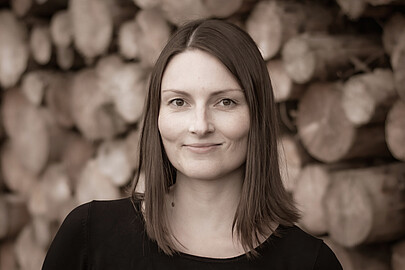
Marta Lipinski is an Associate Professor in the Department of Anesthesiology at the University of Maryland School of Medicine . She is also affiliated with the Shock, Trauma and Anesthesiology Research (STAR) Center , the Center for Stem Cell Biology and Regenerative Medicine , and the Center for Biomolecular Therapeutics . Her research focuses on the role of autophagy and lysosomal function in neurotrauma and neurodegenerative diseases . PhD in Cancer Biology, MIT Postdoctoral training at Harvard Medical School Her research keywords include Autophagy , Lysosomes , Neuroinflammation , Lipid Metabolism , Traumatic Brain Injury , Spinal Cord Injury , and Brain Aging . She investigates how autophagy disruption after CNS injury contributes to neuroinflammation and neuronal death , with recent work exploring the link between TBI and late-onset neurodegeneration as well as autophagy-lipid metabolism interactions . Her collaborative network spans departments and institutions, including Junfang Wu (Anesthesiology), Eugene Koh (Orthopaedics), Maureen Kane (School of Pharmacy), and Michael Cummings (UMD College Park). Active grants include NIH R33 AG076858 and R01 NS115876 , focusing on multi-omics platforms for brain aging and autophagy modulation in TBI.
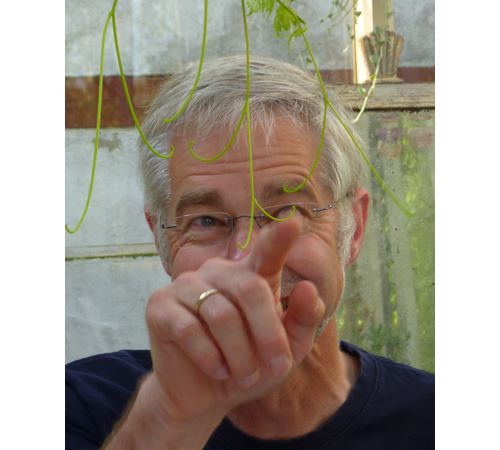
PD Dr. Klaus B. Tenberge is a Professor in the Department of Botany at the University of Münster, Germany. His research focuses on molecular cytology of plant-pathogen interactions and cell wall biology , with a particular emphasis on Claviceps purpurea infections in rye and Botrytis cinerea interactions with tomato/bean plants. He has supervised numerous doctoral and state examination theses since 1992 and serves on the Münster State Examination Office for biology teaching positions. Education: Biology and Mathematics at University of Münster (First State Examination, Doctorate, Habilitation in Botany) Contact: Schlossplatz 7, Münster | tenberg@uni-muenster.de His research projects analyze host-pathogen dynamics using light/electron microscopy , immunogold labeling , and in situ hybridization , targeting mechanisms like cell wall degradation , active oxygen species , and scavenging enzymes . Key collaborations include work on Claviceps and Botrytis systems with DFG and EU funding. He contributes to scientific societies (German Botanical Society, German Society for Electron Microscopy) and peer-review for journals such as Molecular Plant Pathology and New Phytologist . Recent teaching includes modules on field biology , plant biodiversity , and electron microscopy .
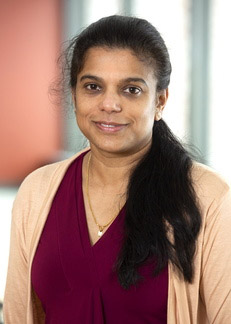
Dr. Reena Kartha is an Associate Professor in the Department of Experimental and Clinical Pharmacology at the University of Minnesota College of Pharmacy, where she also serves as the Associate Director of Translational Pharmacology. Her research focuses on rare diseases, particularly investigating the pathophysiological role of oxidative stress and inflammation in rare disorders occurring due to inherited errors of metabolism. Dr. Kartha directs the Center for Orphan Drug Research and leads multiple translational research projects with pharmaceutical industry partners including Sanofi, Takeda, and Pfizer. Dr. Kartha's educational background includes: Molecular and Cellular Biology from Indian Institute of Science, Bangalore, India Biotechnology from Tamil Nadu Agricultural University, India Agriculture from Kerala Agricultural University, India Dr. Kartha's research program is dedicated to deciphering the pathophysiological role of oxidative stress and inflammation in rare disorders, particularly those caused by inherited metabolic errors. Her laboratory conducts studies to elucidate the mechanism of action of drugs using cellular and animal models, with the long-term goal of developing new therapies or optimizing existing treatments for rare diseases. A significant focus of her work involves the identification of novel protein- or miRNA-based biomarkers for early diagnosis, prognosis, and treatment response using patient-derived samples. Her expertise spans molecular pharmacology, biomarker analysis, and rare inherited metabolic disorders, particularly Gaucher disease and adrenoleukodystrophy. Analysis of Dr. Kartha's recent publications reveals a strong focus on rare diseases, particularly Gaucher disease and related lysosomal storage disorders. Her work consistently explores the role of oxidative stress and inflammation in these conditions, and investigates potential therapeutic interventions such as N-acetylcysteine. There is a clear progression from basic mechanistic studies to clinical applications, with an increasing emphasis on biomarker discovery and validation. Her research demonstrates significant collaboration with clinical teams and pharmaceutical industry partners, reflecting the translational nature of her work. Dr. Kartha has received numerous awards and recognitions for her contributions to research and mentorship: CTSI Outstanding Junior Mentor of the Year (2017) NIH Rare Disease Clinical Research Network (RDCRN) Certificate Training Scholar (2016-17) Lysosomal Disease Network Clinical Fellow (2016-18) Senior Research Fellowship from Council for Scientific and Industrial Research, New Delhi, India M.S. Swaminathan award for best scholar in Biotechnology, Coimbatore, India Merit scholarship from Department of Biotechnology, New Delhi, India Dr. Kartha is actively involved in mentoring students and junior researchers, as evidenced by her CTSI Outstanding Junior Mentor award. She leads multiple significant research projects funded by pharmaceutical companies including Sanofi, Takeda, and Pfizer, with a focus on translational pharmacology for rare diseases. Her current projects include investigating extracellular vesicles as potential biomarkers and therapeutic targets in Gaucher disease, and exploring the use of antioxidant or anti-inflammatory medications to mitigate oxidative stress in Type 1 Gaucher Disease. Dr. Kartha directs research activities at the Center for Orphan Drug Research within the Department of Experimental and Clinical Pharmacology. Her laboratory collaborates with multiple research teams across the University of Minnesota and with external partners in the pharmaceutical industry. Her work frequently involves interdisciplinary teams including pharmacologists, biochemists, clinicians specializing in rare diseases, and bioinformaticians for biomarker analysis.
Ville Paavilainen is a Research Director at the Institute of Biotechnology, University of Helsinki, and supervisor for doctoral programs in Biomedicine and Integrative Life Science. With a postdoctoral background at the University of California, San Francisco (2008–2014), he focuses on Biochemistry , Cell Biology , and Molecular Biology , particularly mechanisms of protein translocation, membrane biology, and structural modeling. His research includes groundbreaking work on Sec61 translocon inhibition for cancer therapy and mitochondrial gene expression noise . Recent publications address lipid scrambling pathways, glioma stem cell targeting, and actin regulation. Active projects span EU-funded drug discovery and NIH collaborations. Key scientific contributions include Elucidating Sec61-client interactions Developing computational models for signal peptide prediction Uncovering mitochondrial-ER communication mechanisms He has supervised PhD theses (e.g., Paul Carlson) and contributed to over 39 research outputs. His work bridges structural biology, computational modeling, and translational pharmacology, with applications in tumor biology and neurodegenerative disease research.
Dr. Jennifer Gerke is a Researcher at the Institute of Organic Chemistry within the Faculty of Natural Sciences at Leibniz University Hannover. Her work focuses on microbial secondary metabolism, fungal development, and synthetic biology. She leads research in the Synthetic Biology Group and contributes to interdisciplinary projects in organic chemistry and molecular biology. Her research explores mechanisms of fungal adaptation, including secondary metabolite regulation, transcription factor networks, and plant-microbe interactions. Recent studies highlight novel biosynthetic pathways, pathogen virulence mechanisms, and applications in biotechnology such as fragrance production in yeast. Key contributions include discoveries in tropolone biosynthesis, velvet domain protein functions, and the role of Hülle cells in fungal survival. Her work bridges fundamental research with applied biotechnology, addressing topics from antibiotic discovery to metabolic engineering.
Dr. Zeyad Nassar is a Research Fellow at the University of Adelaide's South Australian Immunogenomics Cancer Institute and SAHMRI Prostate Cancer Research Group. His research focuses on prostate cancer, lipid metabolism, and drug discovery, with a particular emphasis on synthetic lethality and precision medicine. He has contributed to over 50 publications and secured grants from NHMRC, Cancer Australia, and the US Department of Defense. Dr. Nassar explores how lipid metabolism influences cancer progression and treatment resistance, aiming to identify novel therapeutic targets. His current projects include advancing synthetic lethality approaches for precision medicine and investigating diet interventions for mutation-specific prostate cancer therapies. Education: PhD in cancer research, with MSc and BSc backgrounds in related fields (details not explicitly provided). Supervision: Eligible to supervise Masters and PhD students in prostate cancer and lipid metabolism research. Research Contributions: Identified vulnerabilities in prostate cancer via synthetic lethality screens, studied fatty acid oxidation's role in treatment resistance, and developed patient-derived models for clinical trials. His work bridges laboratory discoveries with clinical applications, particularly in prostate cancer. Awards/Grants: Competitive grants from NHMRC, Cancer Australia, and US DoD. Promoted to Academic Level (C) at the University of Adelaide in 2022. Labs/Teams: Part of the SAHMRI Prostate Cancer Research Group, collaborating nationally and internationally on precision medicine initiatives.
Jared Rutter is Distinguished Professor of Biochemistry and an Adjunct Professor of Nutrition and Integrative Physiology at the University of Utah, where he is also an HHMI Investigator. His laboratory spans the Biological Chemistry and Molecular Biology PhD programs, using yeast, Drosophila, mammalian cells, and mice to dissect metabolism and mitochondrial biology. Education B.S., Brigham Young University Ph.D., University of Texas Southwestern Medical Center Research Focus The Rutter group is driven by a central question: how does metabolism control cell fate? They pursue three interlocking themes: MIDAS platform — high-throughput mass spectrometry coupled to equilibrium dialysis for systematic discovery of allosteric metabolite-protein interactions. Mitochondrial Biology — multidisciplinary genetics, imaging, and biochemical approaches to reveal evolutionarily conserved proteins governing mitochondrial function and human disease. Mitochondrial Pyruvate Carrier (MPC) — a complex they discovered in 2012 that dictates pyruvate fate, thereby steering energy production, stemness, and cancer cell proliferation. Publication Trends Across >50 high-impact papers from 2009-2025, Rutter’s work defines how metabolites serve as signaling molecules, how mitochondrial transporters gate metabolic flux, and how rewiring these pathways can treat cancer, heart failure, and inherited metabolic disorders. His most recent studies integrate metabolomics with structural biology to map allosteric networks and exploit them therapeutically. Scientific Awards While specific honors are not enumerated in the source text, Rutter’s designation as an HHMI Investigator and Distinguished Professor signals sustained national and international recognition. Training & Collaboration The Rutter laboratory welcomes rotation students and fosters cross-disciplinary collaborations across the University of Utah Health Sciences campus and beyond. Prospective trainees are encouraged to contact Dr. Rutter directly or follow the lab website and Twitter @RutterLab .
Maria Bohnert serves as Professor at the Institute of Cell Dynamics and Imaging within the Medical Faculty of the University of Münster, where she leads the Bohnert Lab focused on organelle communication and cellular lipid homeostasis. Appointed as Gerty Cori Group leader since September 2018, she actively supervises students through the CiM-IMPRS Graduate Programme and contributes to the Cells in Motion interdisciplinary research cluster. Her academic foundation includes: 2002-2007: Diplom in Molecular Medicine (Dipl.Mol.Med.) from University of Freiburg 2007-2011: Doctor rerum naturalium (Dr.rer.nat) from University of Freiburg 2012-2015: Postdoctoral research at University of Freiburg 2015-2018: Postdoctoral research at Weizmann Institute of Science, Israel Bohnert's research program centers on lipid droplet (LD) dynamics and inter-organelle communication, employing robotic high-throughput microscopy screening to identify molecular players in LD contact sites. Her lab investigates how specialized molecular machines physically link organelles to exchange material and information, with particular focus on LD dysfunction in obesity, diabetes, lipodystrophy, and neurological disorders. This work bridges fundamental cell biology with translational implications for metabolic diseases. Analysis of her recent publications (2020-2025) reveals consistent investigation of organelle contact sites across multiple model systems, with predominant emphasis on lipid droplet interactions with peroxisomes, mitochondria, and vacuoles. Key thematic threads include identification of tethering proteins like Pex3 and seipin partners, metabolic regulation of contact site dynamics, and conserved mechanisms from yeast to mammalian systems. Her work demonstrates increasing methodological sophistication through cryo-EM and live-cell imaging approaches. As supervisor in the CiM-IMPRS Graduate Programme, Bohnert mentors next-generation scientists within the Cells in Motion research environment. Her lab maintains active collaborations with the Multiscale Imaging Centre and participates in the University Hospital Münster's research infrastructure, operating from the Institute of Cell Dynamics and Imaging facility at Von-Esmarch Str. 56.
Dr. Yazan Alwarawrah is an Assistant Professor of Pediatrics at the University of North Carolina at Chapel Hill School of Medicine, specializing in Pediatric Endocrinology. His research focuses on the intersection of immunology and metabolism, with particular emphasis on how obesity affects immune function and the development of metabolic interventions for immune-related pathologies. Undergraduate: Al Al-Bayt University, Mafraq, Jordan Master of Science: Yarmouk University, Irbid, Jordan Doctor of Philosophy: Pharmacology, Duke University Dr. Alwarawrah's primary research interests center on immunometabolism, particularly how metabolic pathways regulate immune cell function in obesity and disease states. His work investigates T cell metabolism in the context of obesity-associated immune dysfunction, with specific focus on protective immunity against influenza. He also studies the role of Immunity Related GTPase I (Irgm1) in regulating T cell metabolism and function, and explores metabolic engineering approaches to enhance chimeric antigen receptor (CAR) T cell persistence in tumor microenvironments. His diverse scientific background spans molecular biology, bioinformatics, pharmacology, and immunology. Analysis of Dr. Alwarawrah's publication record reveals a strong focus on the intersection of metabolism and immunity, particularly in obesity contexts. His work spans fundamental mechanisms of immune cell metabolism to translational applications in infectious disease, cancer, and autoimmune conditions. Key themes include T cell metabolic dysfunction in obesity, macrophage metabolism, and pharmacological targeting of metabolic pathways for therapeutic benefit. His research employs diverse approaches including diet-induced obesity mouse models, metabolic and flow cytometric analyses, and pharmacological interventions. Dr. Alwarawrah's research program bridges basic science and clinical applications, with implications for treating obesity-associated pathologies, cancer, and autoimmune diseases through metabolic interventions. His work on T cell metabolism in obesity has particular relevance for understanding impaired immune responses in metabolic disease states. While specific grant information isn't detailed in the provided materials, his research trajectory suggests involvement in NIH-funded projects related to immunometabolism and obesity.
Sheila Jacobi is an Assistant Professor at The Ohio State University, specializing in animal nutrition and gut health. Her research focuses on the effects of dietary components like polyunsaturated fatty acids, prebiotics, and probiotics on intestinal barrier function, myopathies in poultry, and immune responses in livestock. She investigates nutritional strategies to mitigate diseases such as wooden breast myopathy in broilers and neonatal gut dysfunction in pigs. Her work spans topics including maternal nutrition's impact on fetal development, the role of fatty acids in inflammation moderation, and the microbiome's response to dietary interventions. Key research themes include enteric disease models, PPARγ regulation pathways, and probiotic efficacy in nursery pigs. Publications highlight contributions to understanding dietary arachidonate's effects on piglet macrophages, vitamin E's role in poultry muscle health, and omega-3 fatty acids' influence on intestinal morphology. Her studies often employ in vitro and in vivo models to bridge nutritional science and clinical outcomes in agricultural systems. Dr. Jacobi collaborates on projects addressing translational nutrition in animal agriculture, with a focus on sustainable practices and animal welfare. Her lab explores novel nutritional solutions for common production challenges in swine and poultry industries.
Brooke Gardner is an Assistant Professor in the Department of Molecular, Cellular, and Developmental Biology at UC Santa Barbara. Her research focuses on peroxisome biogenesis and homeostasis, particularly investigating how organelle dysfunction contributes to aging-related diseases. She leads the Gardner Lab, which employs biochemistry, cell biology, and genetics to study peroxisome regulation. Dr. Gardner holds a BA from Middlebury College, a PhD from UCSF, and completed postdoctoral research at UC Berkeley. She joined UCSB in 2019 and is affiliated with the Center for Aging and Longevity Studies (CALS). Education: PhD in Biochemistry, UC San Francisco (Walter Lab, 201X) BA in Biochemistry, Middlebury College Miller Fellow, UC Berkeley (Martin Lab) Research Interests: Peroxisome biogenesis and degeneration Role of Pex proteins in organelle formation Impact of peroxisomal dysfunction on aging and metabolic disorders Mechanisms of protein translocation across peroxisomal membranes Lab Members and Advising: Graduate students: Bashir Ali, Soham Chowdhury, Milagros Esmerode, Nikki Jacobsen, Connor Sheedy Undergraduates: David Boehm, Sambhav Jain, Alexei Miller Lab Manager: Julien Bacal Labs & Affiliations: Gardner Lab, UC Santa Barbara Center for Aging and Longevity Studies (CALS) Neuroscience Research Institute
Prof. Dr. Michael Meinecke is a Professor of Biochemistry and Molecular Biology at Heidelberg University's Biochemistry Center (BZH), Medical Faculty. His research focuses on the molecular principles governing membrane morphology and the interplay between membrane proteins and organelle structures. He has held academic positions at the University Medical Center Göttingen and the European Neuroscience Institute. Education includes a Dr. rer. nat. from the University of Osnabrück (2007) and postdoctoral training at the MRC Laboratory of Molecular Biology in Cambridge, UK (2008–2012). His work combines biochemical, biophysical, and imaging techniques to study ion channels and mitochondrial membrane dynamics. Research interests include membrane protein function, mitochondrial cristae morphology, and the role of membrane curvature in cellular processes. His recent publications highlight advancements in understanding MICOS complex activity and Hrd1-mediated retrotranslocation. He leads a research group at the BZH, contributing to interdisciplinary projects in biomolecular structure and dynamics.
Gregory Ducker is an Assistant Professor of Biochemistry at the University of Utah , specializing in cancer metabolism, cardiovascular disease, and lipidomics. His research integrates mass spectrometry with genetic engineering to quantify metabolic fluxes in vivo. Education : B.A. from Carleton College, Ph.D. from University of California, Berkeley. Research interests include: Metabolic reprogramming in liver cancer and diabetes Role of mitochondrial pyruvate and serine metabolism in disease Chemical biology approaches to target metabolic vulnerabilities His recent publications focus on one-carbon metabolism , mitochondrial transporters (e.g., SLC7A5, MPC), and metabolic crosstalk between organs. While no explicit student lists or awards are mentioned, his lab emphasizes interdisciplinary science at the intersection of chemical biology and human disease.
Inês Castro is an Assistant Professor in Biology and Associate Director for Global Experience within the CoMEMS faculty at Northeastern University London. She holds a PhD in Biosciences from the University of Exeter (2016), an MSc in Molecular and Cellular Biology from the University of Coimbra (2011), and a BSc in Applied Biology from the University of Minho (2009). Her research focuses on organelle function and interactions, particularly in peroxisomes and membrane contact sites across diverse model organisms. Her academic journey includes postdoctoral work at the Weizmann Institute of Science, where she studied contact site proteins in yeast using high-throughput techniques and microscopy. Key contributions include identifying molecular links between peroxisomes and kinesin motors, ER-peroxisome contact sites, and lipid transport mechanisms. She has established Biology courses for Mobility students and teaches General Biology I and II. Inês’ research spans cellular lipid distribution, organelle motility, and disease relevance of organelle dysfunction. Her work integrates in silico , in vivo , and microscopy approaches. Awards include the Fellowship of the Higher Education Academy (FHEA, 2023). Teaching and administrative roles include course leadership for General Biology I and contributions to other Biology courses. Her work supports Northeastern’s global academic network, emphasizing interdisciplinary collaboration and student mobility programs.