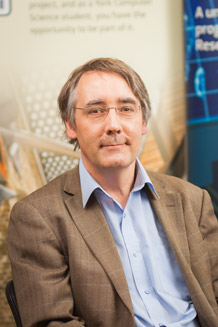
Professor Miles Witham is a leading academic at Newcastle University , with a focus on geriatric medicine, sarcopenia, frailty, and multimorbidity in older adults. His research spans clinical trials, epidemiological studies, and health systems analysis, often leveraging large datasets like the UK Biobank. Key Research Areas: Geriatric medicine, sarcopenia, frailty, multimorbidity, physical performance, nutritional interventions, and cardiovascular aging. Collaborations: Involved in the ADMISSION collaborative, LACE trial, and MET-PREVENT study, working with multidisciplinary teams across global health and clinical pharmacology. His recent publications (2025–2024) emphasize experimental medicine (e.g., acipimox trials), genetic associations in sarcopenia, and hospital care optimization for patients with multiple long-term conditions. He also contributes to methodological advancements in deprescribing and clinical trial design for aging populations. Scientific Trends: His work bridges clinical geriatrics with data science, focusing on predictive models, biomarkers, and interventions to improve mobility and reduce adverse outcomes in frail older adults.
Danielle Hewitt is a Postdoctoral Research Associate at the Oxford University Centre for Integrative Neuroimaging (OxCIN) within the Nuffield Department of Clinical Neurosciences (NDCN) at the University of Oxford, working in Prof. Ben Seymour's Pain and Aversive Learning group. Her research investigates how sensory, cognitive, and contextual factors dynamically shape somatosensory perception—particularly pain and touch—using multimodal neuroimaging (EEG, fMRI) and virtual reality in both healthy and clinical populations. She earned her PhD from the University of Liverpool under Dr. Andrej Stancak, Dr. Nick Fallon, and Dr. Christopher Brown, where her doctoral research examined neural changes associated with spinal cord stimulation and peripheral nerve stimulation for neuropathic pain treatment. Hewitt's work spans pain mechanisms, aversive learning, and clinical neuroscience with emphasis on methodological rigor. Recent projects analyze anticipatory processes in sustained pain using immersive VR environments and explore cultural influences on affective touch perception, reflecting her commitment to interdisciplinary science with real-world impact. Her publications reveal strong trends in computational pain modeling, cross-cultural sensory neuroscience, and advanced neuroimaging meta-analysis, with increasing focus on Bayesian experimental design and machine learning applications for decoding neural signatures of pain and perception. No scientific awards or fellowships were mentioned in the provided information. The text contains no details about student advising roles or externally funded research grants. She operates within the Pain and Aversive Learning research group at OxCIN, which employs multimodal neuroimaging and virtual reality paradigms to investigate pain processing and threat perception, contributing to NDCN's broader mission in clinical neurosciences.
Jens Gerken is a Professor at TU Dortmund University, Germany, specializing in Human-Computer Interaction with a particular focus on assistive robotics, tangible interfaces, and human-robot collaboration. His work bridges theoretical HCI research with practical applications for people with disabilities, resulting in numerous publications in top-tier venues including CHI, HRI, and INTERACT. Dr. Gerken's research interests center around making technology more accessible and intuitive, particularly through innovative interaction techniques. His current work explores how shared control systems, AI-enhanced interfaces, and extended reality can empower users with motor impairments. He has developed frameworks like AdaptiX for evaluating assistive robotic applications and investigates how to effectively communicate robot motion intent to users. His recent publications also address ethical concerns in interface design, particularly deceptive patterns in digital interfaces, using serious games as educational tools. The trajectory of his recent publications shows a consistent focus on human-centered robotics, with increasing integration of AI techniques. His work demonstrates a strong commitment to participatory design methods, frequently involving end-users with disabilities in the development process. The research spans from fundamental interaction techniques to complete system implementations, always maintaining a strong connection to real-world usability and accessibility needs. Dr. Gerken has mentored several doctoral students who have become active researchers in the field, including Max Pascher, Kirill Kronhardt, and Younes Lakhnati. His collaborative network extends across multiple institutions, with frequent partnerships with researchers at the University of Konstanz and other German universities. His projects often involve interdisciplinary teams combining expertise in computer science, engineering, and human factors. His laboratory work focuses on developing and testing assistive technologies in realistic settings, moving beyond traditional lab evaluations to more authentic contexts. Recent projects include developing robotic arms with adaptive control for users with limited mobility, creating transparency tools for AI-generated personas, and designing serious games to raise awareness about deceptive interface patterns.
Danilo Demarchi is Full Professor at the Polytechnic University of Turin's Department of Electronics and Telecommunications (DET). He directs the eLiONS Lab and coordinates PoliTO's Italian Institute of Technology Microelectronics Group. As pioneer in wearable plant sensors and AgriFood electronics, he bridges microelectronics with agriculture and biomedical applications. IEEE Senior Member Founder & Editor-in-Chief: IEEE Transactions on AgriFood Electronics General Chair: IEEE BioCAS (2017), IEEE CAFE (2023) Research spans smart systems for: Precision agriculture (IoT, plant health monitoring) Biomedical devices (implantables, wearables) Low-cost electronics Molecular electronics His 350+ publications focus on bio-inspired architectures integrating microsystems with physiological applications, while leading EU and PNRR projects like FERNS and ATHOS. Scientific leadership includes: Coordinating 5 EU projects Founding 2 IEEE conferences Editorial roles in 4 IEEE journals Current PhD students explore topics from plant bioimpedance to pilot workload monitoring, supported by his 5 granted patents and extensive industry collaborations.
Gabriele Filipponi is a third-year Ph.D. student in Computer and Control Engineering at Politecnico di Torino (38th cycle, 2022–2025). He serves as a Part-Time Lecturer and Teaching Assistant at the Department of Control and Computer Science (DAUIN) for Operating Systems courses. His research focuses on embedded electronics testing and ultra-reliable in-field manufacturing techniques for automotive SoCs, leveraging Logic Built-In Self-Test (LBIST) and functional procedures. Research Areas: Embedded Systems Testing Automotive Electronics Computer Architecture Semiconductor Reliability Fault Diagnosis Publication Trends: His work spans 2022–2025 and addresses logic/memory BIST methodologies, in-field diagnostics for automotive SoCs, fault characterization, and firmware-controlled testing frameworks. Teaching Roles: Course Collaborator for Operating Systems (Computer Engineering, 2023–2025) Course Collaborator for Operating Systems (Computer Science Engineering, 2023–2025)
Kyle K. Henderson, Ph.D., is an Associate Professor of Physiology at Midwestern University with multiple appointments across several colleges including the Chicago College of Osteopathic Medicine, College of Dental Medicine-Illinois, College of Graduate Studies - Illinois, College of Pharmacy at Downers Grove Campus, and Chicago College of Optometry. His academic career began after completing his Ph.D. in Integrative Physiology at Kansas University Medical Center in 2001, followed by postdoctoral training at University of Missouri-Columbia and Loyola University. Ph.D. in Integrative Physiology, Kansas University Medical Center (2001) B.Sc.Ed., University of Missouri-Columbia (1993) Dr. Henderson's research focuses on the physiological mechanisms and efficacy of Osteopathic Manipulative Medicine (OMM), particularly its effects on cardio-pulmonary systems and cranial rhythmic impulse. His laboratory investigates the effect of somatic dysfunction and fascial strain patterns on pulmonary function, the impact of HVLA on low back pain and sympathetic tone, and Cranial Osteopathic Manipulative Medicine. His research integrates knowledge from respiratory physiology, cardiovascular function, and manual therapy techniques. His publication record demonstrates an evolution from cardiovascular physiology and exercise science toward osteopathic medicine. Early work focused on oxygen transport systems, endothelial function, and vascular biology, while more recent publications center on osteopathic manipulative treatment, empathy in medical practice, and physiological mechanisms of manual therapies. This transition reflects his growing interest in evidence-based approaches to osteopathic medicine. Dr. Henderson teaches Human Physiology courses across multiple programs at Midwestern University, including the Chicago College of Pharmacy, College of Dental Medicine-Illinois, Chicago College of Health Sciences, Chicago College of Osteopathic Medicine, and Chicago College of Optometry. His teaching spans courses on Body Water, Respiratory, Renal & Acid Base Physiology, Cardiovascular and Respiratory Systems, and related topics. His research program has developed numerous collaborative opportunities with experts in Speech Language Pathology, Physical Therapy, Dental Medicine, and Clinical Integration, reflecting the interdisciplinary nature of his work in osteopathic medicine. Dr. Henderson's contributions bridge basic physiological research with clinical applications in osteopathic practice.
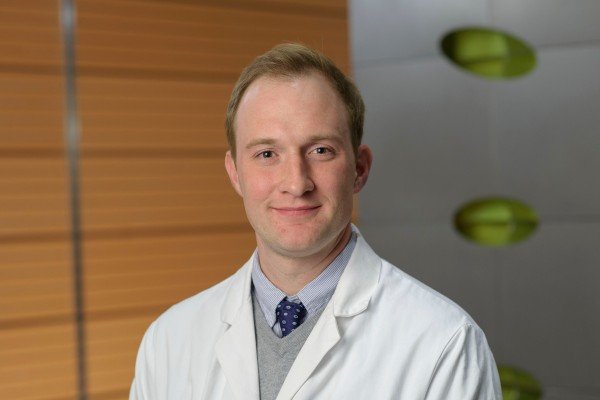
Brian Shaffer, MD, is a Physician Scientist at the Memorial Sloan Kettering Cancer Center , specializing in bone marrow transplantation and cellular therapy for hematologic malignancies. He serves as the Program Director for the Bone Marrow Transplantation and Immunotherapy Fellowship Programs. His research focuses on Natural Killer (NK) cell dynamics post-transplantation , aiming to optimize NK cell behavior to improve outcomes for patients with leukemia, myelodysplastic syndromes, and lymphoma . He has contributed to clinical trials evaluating cyclophosphamide prophylaxis, donor selection criteria, and AI-driven toxicity prediction in transplantation. Recent Publications (2023–2025) address: Standardizing graft-versus-host disease prevention HLA-mismatched donor transplantation β-Receptor inhibitors' impact on recovery AI for ECG-based toxicity prediction Education : MD from Eastern Virginia Medical School Residency at Wake Forest University Medical Center Fellowships at the National Cancer Institute and National Heart, Lung and Blood Institute Clinical Expertise : Board-certified in internal medicine and hematology, with a focus on Stem cell/bone marrow transplants Cellular therapies (e.g., CAR T-cell) Optimizing outcomes for patients without matched sibling donors Collaborative Networks : Works with the Bone Marrow Transplant Service, Cellular Therapy Service, and CIBMTR (Center for International Blood and Marrow Transplant Research) teams.
Sandesh Kamdi is a Postdoctoral Fellow in the Department of Diagnostic Radiology and Nuclear Medicine, conducting interdisciplinary research at the intersection of neuroscience, biomedical engineering, and reproductive medicine. Education: PhD, MPharm, BM. His primary research domains include: Neuroscience: Developing non-invasive neuromodulation techniques using low-intensity focused ultrasound for epilepsy treatment Diabetes Research: Investigating natural compounds like phloridzin for cognitive and metabolic complications Reproductive Medicine: Optimizing therapies for polycystic ovary syndrome and pregnancy outcomes Publication analysis reveals a translational research trajectory, with recent work (2021-2024) emphasizing neuromodulation technologies for neurological disorders and phytochemical interventions for metabolic diseases, bridging animal model studies with clinical applications. His scholarly contributions demonstrate expertise in designing controlled animal studies, retrospective clinical analyses, and bioequivalence testing, with consistent focus on mechanistic pathways involving oxidative stress, inflammatory responses, and neural network modulation.
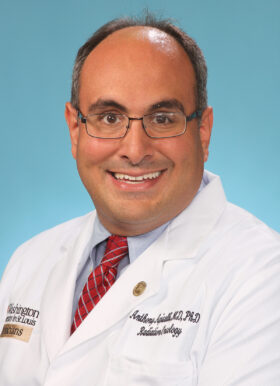
Anthony J. Apicelli, MD, PhD is an Associate Professor in the Department of Radiation Oncology at Washington University School of Medicine, specializing in brain metastases, head and neck cancer, and lung cancer. He maintains clinical appointments at Siteman Cancer Center and Barnes-Jewish Hospital, with additional hospital affiliations at the VA Medical Center in St. Louis. His research focuses on radiation therapy techniques for head and neck cancers, HPV-related malignancies, and metastatic disease management. Recent work examines contralateral neck dissection outcomes, palliative radiotherapy protocols including PEAQ-RT, and molecular mechanisms of radiation resistance. His publication record demonstrates consistent contributions to radiation oncology, with significant work in prostate cancer bone metastases, ovarian cancer salvage therapy, and uveal melanoma brachytherapy. Dr. Apicelli's 25+ publications since 2002 show evolving expertise from early molecular biology research on tumor suppressor pathways to current clinical radiation oncology applications. Key emerging trends include HPV-related oropharyngeal cancer management, advanced radiation delivery systems, and molecular correlates of treatment response. His clinical practice at the Center for Advanced Medicine focuses on complex radiation oncology cases requiring specialized expertise in metastatic disease and challenging anatomical sites.
Michael Rohs is a full Professor of Human-Computer Interaction at the Leibniz University Hannover , Germany, within the Faculty of Electrical Engineering and Computer Science and the Institute of Practical Computer Science . Since 1 July 2012 he has led the Human-Computer Interaction research group, while also serving in numerous governance roles such as chair of the computer-science examination board, managing director of his research group, and elected representative of professors on the faculty council and study commission. Education & Career Path 1994–2000: Computer-science studies at Technische Universität Darmstadt & University of Colorado at Boulder 2000–2005: PhD candidate and research assistant, ETH Zürich 2005: Doctorate (Dr. sc. ETH Zürich) 2005–2010: Senior Research Scientist, Deutsche Telekom Laboratories (TU Berlin) 2007–2008: Visiting Professor for User Interface Engineering, Bonn-Aachen Int’l Center for IT (B-IT), University of Bonn & Fraunhofer IAIS 2010–2012: Junior Professor for Media Informatics, Ludwig-Maximilians-Universität München since 2012: Professor for Human-Computer Interaction, Leibniz University Hannover Research Focus Michael Rohs’ research lies at the intersection of mobile human-computer interaction , pervasive computing and wearable technologies . He explores novel interaction techniques for mobile and wearable devices , leveraging computer vision , sensor fusion , and haptic feedback to create seamless, context-aware user experiences. A particular emphasis is placed on integrating physical and virtual resources in users’ environments, enabling richer interactions that extend beyond the screen. His recent work delves into on-skin wearables , electrotactile and vibrotactile feedback , smartwatch interaction paradigms , and assistive technologies for visually impaired users . By combining rapid prototyping , electrical muscle stimulation (EMS) , 3D printing , and augmented-reality audio , his group investigates how subtle, always-available interfaces can support daily activities ranging from navigation to knowledge work. Publication Trends Across more than 100 peer-reviewed papers (2008–2024), a clear trend emerges: early work focused on mobile device input techniques (magic lenses, tilt & pressure input, around-device interaction), evolving toward wearable and on-body systems that integrate haptics , computer vision and machine learning . Recent publications emphasize health & well-being applications (proactive voice assistants for knowledge workers, cycling navigation aids), accessibility (tactile navigation aids, AR object recognition), and novel materials & fabrication (gold-plated 3-D printed on-skin devices). Venues include ACM MobileHCI, CHI, UIST, IMWUT, TOCHI, DIS, and specialized workshops on pervasive and ubiquitous computing. Scientific Awards & Honors No specific awards explicitly listed in the provided text. Funding, Labs & Teams Prof. Rohs heads the Human-Computer Interaction group at Leibniz University Hannover. While exact grant details are not reproduced here, the extensive publication record at top-tier venues indicates sustained funding from national (DFG, BMBF) and European sources, as well as industry partnerships (e.g., Deutsche Telekom Laboratories). The group maintains well-equipped labs for rapid prototyping (3-D printing, electronics), haptics & EMS experimentation , and mobile & wearable device evaluation . Regular collaboration with PhD, master’s and bachelor’s students is evident from co-authorship patterns, though individual student names are not itemized in the supplied text.
Dr. Kenneth Fuld serves as Dean of the College of Liberal Arts at the University of New Hampshire, holding a faculty position within this academic unit. His administrative leadership complements an extensive research career spanning over four decades in vision science and ophthalmology, with publications appearing in premier journals including Investigative Ophthalmology and Visual Science and Vision Research . His educational foundation includes: B.A. from Northeastern University Ph.D. in Psychology from Dartmouth College Dr. Fuld's research program centers on the physiological and perceptual mechanisms of human vision, with particular emphasis on macular pigment function and photophobia phenomena. His work has systematically investigated the spatial distribution of macular pigment optical density, its relationship to dietary carotenoids, and protective effects against light-induced visual discomfort. The longitudinal nature of his publications reveals an evolving research trajectory from foundational color perception studies in the 1970s-1980s toward specialized investigations of retinal photoprotection mechanisms in later decades. His 2019 marine debris visual identification study represents a notable interdisciplinary extension of his visual assessment expertise into environmental science applications. Analysis of his publication trends indicates consistent focus on three interconnected domains: (1) macular pigment biochemistry and topography, (2) photophobia mechanisms and spatial characteristics, and (3) color perception fundamentals. This research has generated important insights into retinal protection strategies, visual discomfort thresholds, and the physiological basis of color vision. While no specific scientific awards are documented in the available materials, his sustained publication record in high-impact vision science journals demonstrates significant scholarly contribution to the field. His 2014 chapter on psychology faculty preparation suggests active engagement in academic development initiatives beyond his research program. As Dean of the College of Liberal Arts, Dr. Fuld oversees academic programming and faculty development across multiple disciplines. His administrative leadership appears integrated with his scholarly identity, as evidenced by publications addressing both vision science and academic training. No information is available regarding current grant funding or laboratory facilities under his direct supervision.
Prof Jim Austin is a Professor of Neural Computing at the Department of Computer Science, University of York. He is also the CEO of Cybula Ltd., a spin-off company from the University of York established in 2000. His research spans neural networks, computer vision, hardware implementations, and distributed computing systems. Education: BSc in Neurobiology, University of Sussex PhD in Electronic and Electrical Engineering, Brunel University Research Interests: Jim Austin specializes in neural networks, computer vision, and distributed computing. His work includes hardware implementations of neural networks, associative memory systems, parallel processing on large datasets, and applications in cloud computing and biosignal analysis. Article Trends: His recent publications focus on space systems engineering, bio-signal processing, and distributed neural network frameworks. Topics include CubeSat design, low-power biomedical devices, and parallel computing architectures, reflecting his interdisciplinary expertise in computer science and neuroscience. Professional Activities: Jim Austin has contributed to the development of the CARMEN platform for neuroinformatics and conducted applied research in collaboration with industry through Cybula Ltd.
Karin Lindberg is a Researcher at Karolinska Institutet's Department of Oncology-Pathology, holding a PhD (2015) and medical degree (2005). Her work focuses on precision radiotherapy for lung cancer, particularly stereotactic body radiation therapy (SBRT), with extensive contributions to clinical trials and translational research within Kristina Viktorsson's and Simon Ekman's research groups. Education Doctor of Philosophy, Department of Oncology-Pathology, Karolinska Institutet (2015) Medical Degree, Karolinska Institutet (2005) Dr. Lindberg's research centers on lung cancer radiotherapy optimization , with emphasis on SBRT for early-stage and central tumors. She investigates molecular mechanisms, biomarkers, and clinical outcomes through multi-center trials like HILUS. Her work bridges preclinical, translational, and clinical domains to refine radiation dosing, minimize toxicity, and integrate novel therapies. Key areas include: Stereotactic Body Radiation Therapy (SBRT) Ultracentral Lung Tumor Management Radiation-Immunotherapy Synergy Toxicity Risk Prediction Emergency Radiation Response Analysis of her 15 most recent publications (2020-2025) reveals dominant themes in SBRT for central/ultracentral lung tumors, dose constraint validation, and radiotherapy-immunotherapy combinations. She leads pivotal Nordic trials (e.g., HILUS) addressing therapeutic windows and toxicity risks, while contributing to global consensus guidelines during crises like the COVID-19 pandemic. No scientific awards are documented in the source material. Dr. Lindberg collaborates with the Precision Cancer Medicine groups of Kristina Viktorsson and Simon Ekman, focusing on molecular mechanisms and clinical translation. Her research infrastructure includes BioClinicum facilities in Solna, leveraging Karolinska Institutet's clinical trial networks for lung cancer radiotherapy innovation.
Lachlan Kelsey is an Adjunct Research Fellow at the UWA Medical School, affiliated with the UWA Centre for Medical Research and the Harry Perkins Institute of Medical Research. His work focuses on hemodynamics, cardiovascular disease mechanisms, and medical device innovation. He holds a PhD and has contributed to over 34 peer-reviewed publications since 2015. His research interests include computational fluid dynamics (CFD), vascular physiology, and translational medical engineering. Key areas of study involve endovascular aneurysm dynamics, coronary plaque activity, placental vascular networks, and peripheral intravenous catheter design. His work addresses clinical challenges such as aortic dissection repair, microgravity-induced circulatory changes, and pandemic-related PPE manufacturing. Notable contributions include developing novel CFD models for predicting aneurysm progression and co-inventing a peripheral IV catheter design that reduced failure rates in porcine models. His 2021 Western Australian Innovator award recognized advancements in cardiovascular device innovation. Collaborations span institutions globally, with projects funded by health research grants. Supervision includes one doctoral student completing a thesis on vascular access technologies. His lab integrates biomedical engineering, clinical imaging, and mechanobiology to advance personalized vascular care.
Christopher Zaslawski is an Adjunct Associate Professor and Visiting Fellow at the University of Technology Sydney (UTS), School of Life Sciences. With over 40 years of clinical practice in acupuncture and herbal medicine, his work spans research, education, and policy. He has authored over 95 peer-reviewed papers and contributed to WHO documents on acupuncture clinical research and traditional medicine education. Currently, he serves on Standards Australia's HE 031 committee for Chinese medicine standards and the Chinese Medicine Board of Australia's accreditation committee. His editorial roles include the Journal of Acupuncture and Tuina Science and Acupuncture Research . Research interests focus on acupuncture mechanisms, clinical trial methodology, and standardization of traditional medicine practices. Zaslawski pioneered studies on blinding techniques in herbal trials and pattern differentiation in clinical research. He has led international collaborative studies on acupuncture efficacy for musculoskeletal conditions and integrative medicine approaches for chronic diseases. His contributions include advancing evidence-based practices while addressing cultural and regulatory challenges in traditional medicine. Teaching expertise includes traditional Chinese diagnostic systems and acupuncture point anatomy. He actively promotes interprofessional education through innovative methods like 'mystery shopper' empathy training for students. Zaslawski's service roles reflect his commitment to professional standards, contributing to global health initiatives and policy development in traditional medicine sectors.