Professor Alison Fox-Robichaud is a leading academic in the Department of Medicine at McMaster University, with extensive contributions to critical care research and sepsis pathophysiology. Her work bridges clinical practice and translational science, focusing on improving diagnostic tools and treatment protocols for critically ill patients. Department of Medicine, McMaster University Critical Care and Sepsis Research Specialization Lead investigator in multiple clinical trials including CYCLE, FLUID, and SQUEEZE studies Her research interests span sepsis pathophysiology, microfluidic diagnostic devices, critical care rehabilitation, and social determinants of health in sepsis. She has pioneered preclinical models of sepsis and developed point-of-care diagnostic systems. Recent scholarly output highlights her work in sepsis subphenotyping, ICU rehabilitation protocols, and sepsis prevention strategies. Her studies frequently appear in high-impact journals like Critical Care Medicine , Shock , and Intensive Care Medicine Experimental . Professor Fox-Robichaud contributes to healthcare policy development and implementation science, particularly regarding sepsis management and critical care resource allocation. She actively participates in national and international critical care trials and consensus processes.
Ricardo Henao is an Associate Professor of Biostatistics & Bioinformatics, Associate Professor in Surgery, and Assistant Professor in the Department of Electrical and Computer Engineering at Duke University. He is also a core member of the Duke Clinical Research Institute, the Duke Center for Applied Genomics and Precision Medicine, and the Duke Center for Statistical Genetics and Genomics. Education: Ph.D., Technical University of Denmark, 2011 Research Interests: Henao’s research integrates advanced machine learning with high-impact clinical and biological questions. His work spans infectious-disease diagnostics (including rapid host-response assays for bacterial vs viral infection), cardiovascular genomics and risk prediction, precision-medicine toolkits for transplant recipients, ophthalmic AI for retinal and cardiac imaging, and fairness-aware AI to ensure equitable healthcare delivery across demographic groups. Publications Trend: Across >317 peer-reviewed publications (2013–2025), a clear trajectory emerges from foundational statistical methodology to large-scale translational implementations. Recent 2025 papers emphasize automated harmonization of electronic health records, fairness-constrained predictive models for stroke risk, computer-vision systems for point-of-care echocardiography, and deep-learning segmentation of pulmonary vasculature—demonstrating a fusion of NLP, computer vision, and survival modeling to solve real clinical problems. Scientific Awards & Honors: While the supplied text does not list specific named awards, Henao’s funding portfolio serves as a proxy for recognition: he is PI or multi-PI on >34 active grants totaling tens of millions of dollars from NIH, NHLBI, NIAID, NSF, DoD, and private foundations such as Brigham and Women’s Hospital and the Henry M. Jackson Foundation. Advising & Grants: Henao mentors trainees at the intersection of data science and medicine. Current grant titles illustrate the breadth of mentee opportunities: PREEMPT: Prospective Randomized Evaluation and Management of Premature Atherosclerosis (NIH, 2025–2032) Machine Learning Guided Precision Genetic Testing for Monogenic Cardiovascular Disorders (NHLBI, 2024–2028) Synthesizing immunoinformatics and genetic epidemiology for malaria immunity signatures (NIAID, 2023–2028) NSF CC* Integration-Large: Scaling scientific workloads on distributed commodity GPUs (NSF, 2025–2027) Improving quality of life in SLE via stratified personalized health planning (DoD, 2022–2026) Multidisciplinary study of biological disparities in NASH progression (DoD, 2020–2025) Rapid point-of-care host gene-expression test for pre-symptomatic viral infection (DoD, 2021–2024) Clinical and molecular epidemiology of high-risk coronary plaque (NIH, 2019–2024) Labs & Teams: Henao leads the Division of Translational Biomedical Informatics within the Department of Biostatistics & Bioinformatics and participates in Duke’s Bass Connections and Data+ programs, embedding graduate and undergraduate students in interdisciplinary teams that span genomics, cardiology, surgery, and global health.
Dr. Tim Angeli-Gordon is a Senior Research Fellow at the University of Auckland , affiliated with both the Auckland Bioengineering Institute and the Department of Surgery . As director of the TARGET Lab , he specializes in in vivo measurement and modulation of gastrointestinal (GI) electrophysiology, focusing on diagnostic device development and therapeutic interventions for functional GI disorders. His work bridges biomedical engineering , medical physiology , and clinical translation .
Timothy Zakutney is an Adjunct Research Professor in the Department of Systems and Computer Engineering at Carleton University and serves as Senior Vice President, Digital Health and Cardiac Technology, and Chief Information and Technology Officer at the University of Ottawa Heart Institute. He holds advanced qualifications including an MHSc in Clinical Engineering (University of Toronto) and is a Professional Engineer (PEng), Certified Clinical Engineer (CCE), and Fellow of the Canadian Medical and Biological Engineering Society (FCMBES). His expertise spans biomedical engineering, clinical technology management, and healthcare informatics. Education : M.HSc. in Clinical Engineering, University of Toronto Bachelor of Applied Science (Systems Design), University of Waterloo Certified Clinical Engineer (CCE), Professional Engineer (PEng) Research Focus : Medical technology management, including battery protocols and LEAN process optimization Development of asset management software for clinical engineering Maximizing medical device utilization and patient safety Awards : 2008 CMBES Outstanding Canadian Biomedical Engineer of the Year Award Advising & Leadership : Consultant to Health Canada, FDA, and Auditor General of Canada Former Canadian Board of Examiners for Certification in Clinical Engineering (CCE) Chair of the Awards Committee, Canadian Medical and Biological Engineering Society Labs & Teams : Leads digital health initiatives at the University of Ottawa Heart Institute and collaborates with Carleton University’s engineering programs, emphasizing biomedical informatics and clinical technology integration.
David Owens is a Professor of the Practice of Organizational Studies at Vanderbilt University's Owen Graduate School of Business and a Professor of the Practice of Engineering Management. He also serves as the Evans Family Executive Director of the Wond'ry, Vanderbilt's innovation and entrepreneurship hub. His academic roles are complemented by extensive industry experience, including CEO of Griffin Technology and consulting for organizations like NASA, Gibson, and LEGO. Dr. Owens holds a Ph.D. in Management Science and Engineering from Stanford University, alongside an M.S. in Engineering Product Design and a B.S. in Electrical Engineering. His research focuses on product development, creativity, innovation, and entrepreneurship, with notable contributions to healthcare technology, museum design, and leadership training. His book Creative People Must Be Stopped! explores systemic barriers to innovation. Owens' work has been featured in major media outlets and he is a recipient of numerous teaching awards. His consulting spans industries, emphasizing practical strategies for organizational change and product design. In leadership roles, he directs executive education programs and spearheads interdisciplinary initiatives like the Wond'ry Quantum Studio. His research blends academic rigor with real-world applications, addressing topics from healthcare systems to cultural product commercialization.
Martin Jacobsson is an Associate Professor at the School of Computer Science and Communication (CBH) at KTH Royal Institute of Technology, affiliated with the Digital Futures Faculty. He co-founded the Digital Futures research center, which focuses on cross-disciplinary digital technologies addressing societal challenges such as healthcare innovation, IoT systems, and wireless communication. His work emphasizes practical applications with high industrial relevance and strategic importance through collaborations with Stockholm University and RISE Research Institutes of Sweden. His research interests span machine learning in clinical decision support, biomedical data compression, wearable sensor networks, and low-power wireless communication protocols. Notable projects include drone-based motion capture systems for sports analytics, embedded emergency systems, and predictive models for surgical outcomes using ML techniques. Publications highlight contributions to healthcare informatics (e.g., trauma care improvement), IoT device optimization (e.g., battery-free wearables), and wireless network protocols (e.g., LoRaWAN interference analysis). His work bridges theoretical advancements with real-world implementations in healthcare, sports, and industrial IoT. He is actively involved in the Digital Futures community, engaging through LinkedIn, YouTube, and academic conferences. The center is located at Osquars Backe 5 in Stockholm, with contact via info@digitalfutures.kth.se.
Anne Fernandez, Ph.D. is an Associate Professor in the Department of Psychiatry at the University of Michigan Medical School. She serves as Director of Clinical Programming for both the U-M Addiction Treatment Services and the U-M Multidisciplinary Alcohol-Related Liver Disease Clinic. Additionally, she is the Director of Clinical Research for MI-ACRE (Michigan Integrated Center for Health Analytics and Reasoning Engine) and works as a practicing Clinical Psychologist with U-M Addiction Treatment Services. Dr. Fernandez received her doctoral degree in clinical psychology from University of Rhode Island with a focus in health psychology. Her training includes a clinical psychology residency in Behavioral Medicine at Yale New Haven Hospital and a post-doctoral fellowship at the Center for Alcohol and Addiction Studies at Brown University. Her research focuses on two primary areas: surgical optimization for patients with alcohol use disorders and prevention of opioid misuse among patients prescribed opioids for pain management after surgery. The overarching goal of this work is to improve surgical outcomes through early pre-operative intervention that addresses addiction and other behavioral health risk factors. She employs innovative methodologies including machine learning and natural language processing to identify patient cohorts in need of addiction prevention and intervention at key time points in clinical care. Dr. Fernandez's recent publications demonstrate a strong focus on alcohol use disorders, alcohol-associated liver disease, and perioperative substance use. Her work spans clinical trial design, diagnostic methodologies, risk prediction, and implementation of behavioral interventions in medical settings. She has made significant contributions to understanding gender differences in alcohol-related conditions and developing frameworks for psychosocial evaluation in liver transplantation. National Institute of Alcohol Abuse and Alcoholism career development grant University of Michigan Precision Health Award Dr. Fernandez leads several research initiatives funded by prestigious grants, with a particular focus on integrating behavioral health interventions into surgical care pathways. Her work bridges clinical psychology, hepatology, and surgical specialties to address critical gaps in care for patients with substance use disorders. She is actively involved in developing and testing interventions that leverage technology to improve identification and treatment of substance use issues in medical settings. As Director of Clinical Programming for the U-M Multidisciplinary Alcohol-Related Liver Disease Clinic, Dr. Fernandez oversees a team that provides integrated care for patients with alcohol-associated liver conditions. Her leadership in this clinic exemplifies her commitment to creating innovative care models that address the complex interplay between addiction and medical conditions.
Gabriel Hanssen Kiss is currently an Associate Professor at the Department of Computer Science (IDI), Norwegian University of Science and Technology (NTNU), and Senior Engineer at the Operating Room of the Future, St Olavs Hospital. He holds a PhD in Engineering from K.U. Leuven, Belgium, with a focus on visualization and automated polyp detection in virtual colonoscopy, and a computer science engineer diploma from Technical University of Cluj-Napoca, Romania. Education: PhD in Engineering (K.U. Leuven), Computer Science Engineer (Technical University of Cluj-Napoca) Affiliations: NTNU (Associate Professor), St Olavs Hospital (Senior Engineer) His research focuses on medical image processing and visualization, extended reality (XR) systems, and ultrasound technology. Key subfields include volumetric data visualization, image registration/fusion, and XR applications in both medical and non-medical domains. Recent publications highlight AI-driven echocardiography, LiDAR-GNSS data fusion for localization, and mixed reality in surgical training. Collaborative work spans AI applications in transesophageal echocardiography for left ventricular function, 3D segmentation models, and augmented reality systems for medical education. He works with teams at NTNU and St Olavs Hospital, focusing on systems like the Operating Room of the Future (FOR).
Osvaldas Pranevicius is a Clinical Assistant Professor at Weill Cornell Medical College and an Assistant Attending Anesthesiologist at NewYork-Presbyterian Queens. His clinical focus spans anesthesiology and neurocritical care, with expertise in intracranial pressure dynamics, cerebral hemodynamics, and perioperative pain management. Ph.D. and M.D. from Lithuanian University of Health Sciences Board-certified by the American Board of Anesthesiology His research integrates computational modeling with neuroanesthesiology, particularly in cerebral venous steal phenomena and non-invasive intracranial pressure assessment . Publications highlight collaborations between neuroscience, cardiovascular medicine, and medical physics. Recent work explores hemodynamic modeling in stroke (2011-2012), non-opioid anesthesia protocols (2009), and ultrasound-based diagnostics (2007, 2016). Articles emphasize applications of mathematical frameworks to physiological systems and clinical translation of these models. He practices at NewYork-Presbyterian Queens in Flushing, NY, offering expertise in anesthesiology and clinical research .
Erik Korsten is a Part-time Professor at Eindhoven University of Technology (TU/e) in the Department of Electrical Engineering's Signal Processing Systems group, while concurrently serving as an anesthesiologist-intensivist at Eindhoven's Catharina Hospital and holding a part-time professorship at Zhejiang University, China. His dual expertise bridges clinical medicine and engineering, focusing on translating signal processing innovations into healthcare solutions through affiliations with the Eindhoven MedTech Innovation Center (e/MTIC) and EAISI Health. His academic foundation includes a Medical degree from Groningen University (1979), anesthesiology specialization from St. Antonius Hospital Utrecht (1982), and a PhD from Leiden University (1984). Groningen University: MD (1979) St. Antonius Hospital Utrecht: Anesthesiology Specialization (1982) Leiden University: PhD (1984) Korsten's research centers on clinical decision support systems and medical signal processing, with emphasis on reducing medication errors through tools like the Gaston software for Dutch Electronic Patient Files. His fingerprint reveals deep engagement in hemodynamic monitoring, ultrasound data analysis, and Business Process Model and Notation applications in intensive care. Recent work demonstrates a pivot toward causal inference in observational studies and AI-driven sensor systems for perioperative care, reflecting growing integration of machine learning in critical care analytics. With 190 publications and 28 supervised works, his output shows sustained productivity through 2024. Current projects focus on therapeutic recirculation measurement via photonic sensors, radial artery catheterization techniques, and adverse drug reaction detection algorithms—highlighting consistent translation of engineering solutions to anesthesiology and critical care challenges. Korsten actively contributes to UN Sustainable Development Goal 3 (Good Health and Well-being) through hospital protocol optimization and error reduction systems. His supervised works and datasets (including Zenodo repositories for causal inference and early warning scoring systems) indicate strong mentorship in health data science, though specific grant details remain unreported in the source material. He operates at the TU/e-Catharina Hospital interface within the Eindhoven MedTech Innovation Center, collaborating internationally (notably with China's Zhejiang University) on ultrasound-guided procedures and hemodynamic parameter validation. Current efforts target real-time clinical decision support using integrated sensor networks and deconfounded observational study methodologies.
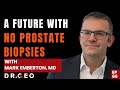
Mark Emberton is a Professor of Interventional Oncology at University College London (UCL) , with dual roles as an Honorary Consultant Urologist at University College Hospitals NHS Foundation Trust and Dean of UCL Faculty of Medical Sciences since 2015. His work bridges clinical practice and research, focusing on prostate cancer diagnostics and treatment innovation.
Genevieve B Melton-Meaux is a Professor in the Department of Surgery, Transplant and Cellular Therapy at the University of Minnesota , where she also serves as Associate Dean for Administration in the Institute for Engineering in Medicine. Her work bridges clinical practice, biomedical informatics, and health systems research. Research Interests: Electronic Health Records and clinical informatics Health systems optimization for surgical and geriatric care Application of machine learning to clinical data Development of evidence-based care models Key Projects: Principal Investigator for PCORI Clinical Research Network Phase 4 Co-Investigator in FDA-funded M-PALS pain management collaborative NIH-funded Advance Care Planning dissemination research Advising & Collaborations: Frequent collaborator with institutions like University of California, San Francisco and FDA. Mentors cross-disciplinary teams in clinical data analysis and health system interventions.
Natalie Silverton, MD , is a Clinical Associate Professor in the Department of Anesthesiology at the University of Toronto, with additional affiliations at the University of Utah. Her clinical and academic work focuses on cardiothoracic anesthesia , acute kidney injury (AKI) detection , and perioperative echocardiography . She is board-certified by the American Board of Anesthesiology and Emergency Medicine, and holds a Fellowship from the Royal College of Physicians of Canada. Education: B.S. in Biology from Brown University, M.D. from the University of Utah, followed by residencies and fellowships in Anesthesiology, Emergency Medicine, and Echocardiography at the University of Utah and University of Toronto. Her research bridges biomedical engineering and clinical practice , emphasizing noninvasive monitoring techniques (e.g., urine oxygen monitoring) and echocardiographic strain analysis to improve outcomes in cardiac surgery. Key contributions include developing algorithms for AKI risk prediction and investigating right ventricular function through transesophageal imaging. Recent publications highlight her expertise in hemodynamic monitoring and renal protection strategies , while patents like US 11,395,616 for oxygen-sensing catheters underscore her innovation in perioperative tools. Awards include Fellow of the Royal College of Physicians of Canada and Advanced Perioperative TEE certification . Selected Contributions: Clinical Tools: Urine oxygen monitoring algorithms for AKI detection in cardiac surgery. Echocardiography: Right ventricular strain analysis and 3D imaging techniques. Patents: Catheter assemblies with oxygen-sensing capabilities.
Christian S. Guay, MD, MS, is an Assistant Professor in the Department of Anesthesiology at the University of Utah. He practices clinically at multiple locations including the Huntsman Cancer Institute, University of Utah Hospital SICU/ICU, and University of Utah Hospital Anesthesiology departments. His specialties include Cardiothoracic Anesthesia, Critical Care, and Neuroanesthesia. Education: Medicine (MD, MS) at Saba University School of Medicine, Engineering, Neuroscience, and Psychology at McGill University Fellowships: Adult Cardiothoracic Anesthesiology and Critical Care Medicine at Massachusetts General Hospital, Harvard Medical School Residency: Anesthesiology at Washington University School of Medicine in St. Louis, Barnes-Jewish Hospital Dr. Guay's research focuses on anesthetic brain states, EEG monitoring during sedation, postoperative delirium mechanisms, and sleep medicine applications in critical care. His work bridges anesthesiology with neurophysiology, particularly in consciousness tracking during anesthesia and recovery. Recent publications highlight his expertise in Dexmedetomidine-induced sedation , EEG spectral analysis , post-cardiac surgery delirium , and neurophysiological monitoring . He actively contributes to clinical trial protocols and systematic reviews in anesthetic pharmacodynamics. Dr. Guay is affiliated with the SAND Lab and has published extensively on topics like consciousness tracking, sleep homeostasis during sedation, and microvascular flow analysis. His collaborative work spans institutions including Massachusetts General Hospital, Washington University, and international teams in critical care research.
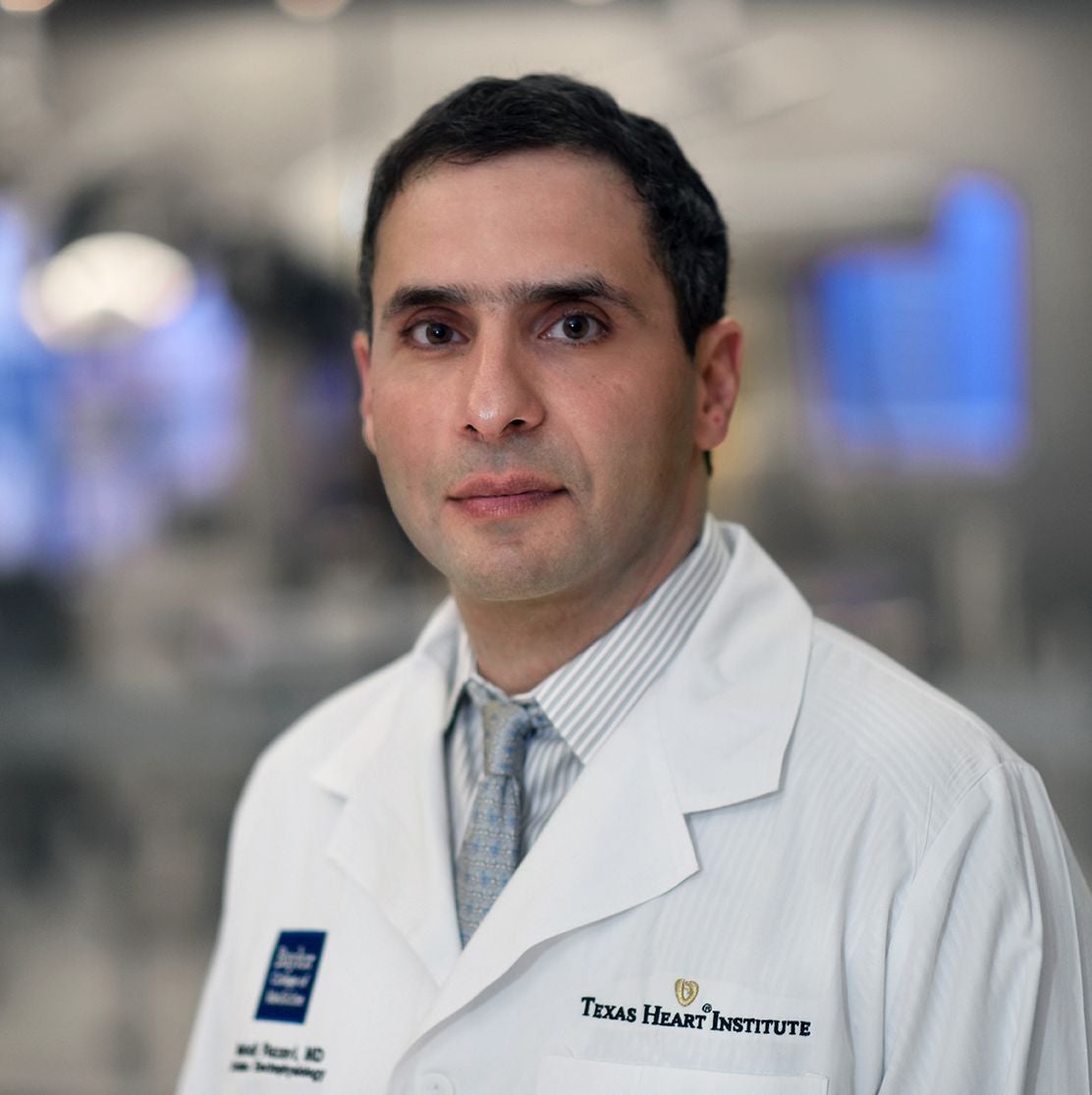
Dr. Mehdi Razavi is an Associate Professor of Medicine-Cardiology at Baylor College of Medicine and Director of the Electrophysiology Clinical Research & Innovations program at the Texas Heart Institute. He holds clinical appointments at multiple institutions including CHI St. Luke's Health and serves as an Editorial Consultant for the Texas Heart Institute Journal . With board certifications in Internal Medicine, Cardiovascular Disease, and Clinical Cardiac Electrophysiology, Dr. Razavi bridges clinical practice with cutting-edge research. Education: MD from Medical College of Pennsylvania (1995), Residency and Fellowships at Mayo Graduate School of Medicine (1998-2002) Academic Affiliations: Baylor College of Medicine, Texas Heart Institute, Rice University, University of Houston, Texas A&M University, UCLA His research focuses on cardiac electrophysiology , atrial fibrillation , and biomedical device innovation . He has pioneered technologies like battery-less pacemakers , carbon nanotube fibers , and photoacoustic lesion mapping , with 18 patents to his name. Collaborations with engineering teams at Rice and Texas A&M drive his work in clinical cardiac electrophysiology and device development . Recent publications highlight his expertise in machine learning for arrhythmia detection, graphene-based nanomaterials for cardiac repair, and ethanol ablation techniques. Notably, his 2024 JMIR Mental Health study on stress monitoring and 2024 Sci Rep work on photoacoustic cardiac imaging demonstrate interdisciplinary innovation. Scientific Awards: Texas Super Doctors (2024, 2023, 2022, 2021) Robert J. Hall Outstanding Cardiology Faculty Teaching Award (2006, 2013) Texas Heart Institute EP Teaching Attending of the Year (2019) Pfizer Award for Electrophysiology Training (2002) Dr. Razavi leads the TMC Biodesign Program Mentorship and maintains active clinical trial participation. His work spans biomaterials , cardiac device development , and machine learning diagnostics , with a strong emphasis on translational research from bench to bedside. As a founder of multiple medical device startups, he drives commercialization of cardiovascular innovations .