Prof. Dr. Martin Gersch is a faculty member at the Department of Information Systems, School of Business & Economics, Freie Universität Berlin. His research spans digital transformation, business process management, service engineering, and e-health, with a focus on institutional logics and technology-driven change. He has secured significant external funding, including the Einstein Center Digital Future (ECDF) and Junior Professorships in Digital Transformation. Appointed to habilitation at Ruhr University Bochum (2006) Founded Competence Center E-Commerce at Ruhr University Bochum (2000) Visiting Professorial Fellow at University of Sydney, UNSW, and QUT (2012) His research explores digital transformation , ICT in integrated care , business model innovation , and entrepreneurial hubris . Recent work includes agent-based simulations for healthcare information sharing, API management in digital service systems, and institutional tensions in health data spaces. Key trends in his publications include health informatics , service blueprinting , and digital education . He has contributed to entrepreneurship education and blended learning frameworks , with a focus on medical device education and cross-sector collaboration.
Dr. Alireza Soltanzadeh serves as Assistant Professor of Anesthesiology at Istanbul Okan University's School of Medicine since 2022, specializing in Cardiac Anesthesia and Pain Management. His clinical expertise spans interventional pain procedures including ultrasound-guided nerve blocks, spinal canal interventions, and cancer pain management via infusion pumps. Previously, he held positions at Istanbul Maltepe University (2018-2022) and Iranian Social Security Hospitals (2001-2018). His research focuses on innovative anesthesia techniques and pain management solutions, evidenced by publications on nerve block simulation, specialized stethoscope design for medical education, and procedural anesthesia methods. Key trends include electrophysiological modeling of nerve blocking, minimally invasive spinal procedures, and hemodynamic monitoring during laparoscopic surgery. His work bridges clinical practice with engineering principles, particularly in electrical waveform applications for anesthesia. Professional memberships include: Turkish Medical Council (since 2017) Turkish Intensive Care Society (since 2020) Turkish Anesthesia and Reanimation Society (since 2021) International Association for the Study of Pain (2000-2004) His clinical practice integrates seven languages (English, Persian, Turkish, Azerbaijani, Kurdish, German, Arabic) to serve diverse patient populations. Current work emphasizes ozone therapy applications and invasive vascular access techniques within pain management protocols.
Mahyar Firouzi is a Researcher at Vrije Universiteit Brussel, affiliated with the department of Physiotherapy, Human Physiology and Anatomy and the Brain, Body and Cognition research group. His work focuses on neurorehabilitation, motor learning, and the application of non-invasive brain stimulation (e.g., tDCS) in neurological conditions like Parkinson’s disease. He is the principal investigator of the ongoing project 'Neural networks underlying implicit motor sequence learning in Parkinson's disease: effects of non-invasive brain stimulation' (2021–2025). His research integrates cognitive neuroscience with clinical rehabilitation, exploring topics such as cerebellar function, dual-task gait performance, and exoskeleton design for aging populations. Firouzi has supervised two Master’s theses examining perioperative pain management strategies and lumbar radiculopathy. He actively participates in academic events, including organizing symposiums on portable technology and presenting at conferences on neurostimulation. Key contributions include systematic reviews on stroke rehabilitation electrotherapy and tDCS effects in Parkinson’s disease, as well as developing exergames and functional cerebellum atlases. He received the Best Presentation Award at the C4N PhD Day in 2020 and holds a FWO Fundamental Research Fellowship.
Simona Turco is an Assistant Professor at the Electrical Engineering department at Eindhoven University of Technology. She is affiliated with the Biomedical Diagnostics (BM/d) Lab and the Eindhoven MedTech Innovation Center (e/MTIC). Her research focuses on model-driven analysis of medical images and biosignals for oncology and perioperative care. MSc Biomedical Engineering, University of Pisa (2012) Professional Doctorate in Engineering (PDEng), TU/e (2015) PhD, TU/e (2018) Her research integrates pharmacokinetic modeling and machine learning to advance diagnostics in cancer (angiogenesis imaging) and perioperative risk prediction. She utilizes contrast-enhanced ultrasound and MRI for multi-scale functional and molecular analysis. Key subfields include microbubble dynamics, dispersion imaging, and biosignal modeling. Recent publications highlight applications in prostate cancer radiogenomics, renal cell carcinoma, adenomyosis, and patient-ventilator asynchrony. She combines mathematical modeling with data-driven approaches for clinical translation, supported by collaborations with healthcare partners. Scientific Awards: Academy Van Leersum Grant (2019) Best Paper (3rd place), IEEE-EMBS (2017) Best Poster Awards at European Symposium on Ultrasound Contrast Imaging (2019) and IEEE-EMBS Benelux (2017) Hanart Fonds Fellowship (2019) She contributes to projects like MEDICAID (cardiovascular diagnostics) and PISANO SPS (perioperative innovation), with over 86 research outputs and 5 datasets. Her work aligns with the UN Sustainable Development Goals for healthcare innovation.
Chenyang Lu is the Fullgraf Professor of Computer Science & Engineering at Washington University in St. Louis, with joint appointments in Anesthesiology and Medicine. As the founding director of the AI for Health Institute, he leads interdisciplinary efforts to address healthcare challenges through AI and data-driven approaches. His research focuses on machine learning for health outcomes prediction, cyber-physical systems, and real-time embedded systems. Education: PhD (University of Virginia, 2001), MS (Chinese Academy of Sciences, 1997), BS (University of Science and Technology of China, 1995). Research interests include AI-driven healthcare, wearable sensor systems, and cyber-physical co-design. Notable projects include predictive models for postoperative risks, HIV treatment adherence, and phenotyping neurological disorders like Chiari malformation. His work has produced foundational AI tools for perioperative care, physician burnout prediction, and mental health monitoring. Awards include ACM Fellow (2020), IEEE Fellow (2016), and the 2022 IEEE TCRTS Outstanding Technical Achievement Award. He has published over 200 papers and serves as Editor-in-Chief of ACM Transactions on Cyber-Physical Systems . Led teams securing grants from NIH, NSF, and industry. Advises over 30 PhD students who now hold roles at top universities and tech companies like Google, Meta, and Amazon. Directs the Cyber-Physical Systems Laboratory and oversees the AI for Health Institute’s translational research initiatives.
Jose M. Vidal is a Professor and Director of Undergraduate Studies in the Computer Science and Engineering department at the Molinaroli College of Engineering and Computing, University of South Carolina . He holds a Ph.D. in Computer Science and Engineering from the University of Michigan (1998), an M.S. in Computer Science from Rensselaer Polytechnic Institute (1991), and a B.S. in Computer Science and Engineering from MIT (1990). His research focuses on multiagent systems , spanning theoretical aspects like coordination mechanisms, algorithmic game theory, and distributed algorithms, as well as implementation in agent-based simulations, web services, and mobile applications. He has authored numerous publications in fields including healthcare process optimization, traffic engineering, and sociological theory construction. 2019: Ad Hoc Vehicle Platoon Formation (Traffic Engineering) 2019: Wikitheoria for Sociological Theory Construction 2018: Email Intent Classification using Deep Learning 2017: Intelligent Transportation Systems using Mobile Data 2016: Healthcare Workflow Simulation Models 2014: Behavioral Modeling from Observational Data He has received significant funding from the NSF, Darpa, and industry partners for projects like Wikitheoria (a collaborative theory-building platform), TargetShare (resource allocation), and mobile healthcare applications. His work bridges theoretical research with practical implementations in domains ranging from traffic systems to hospital operations.
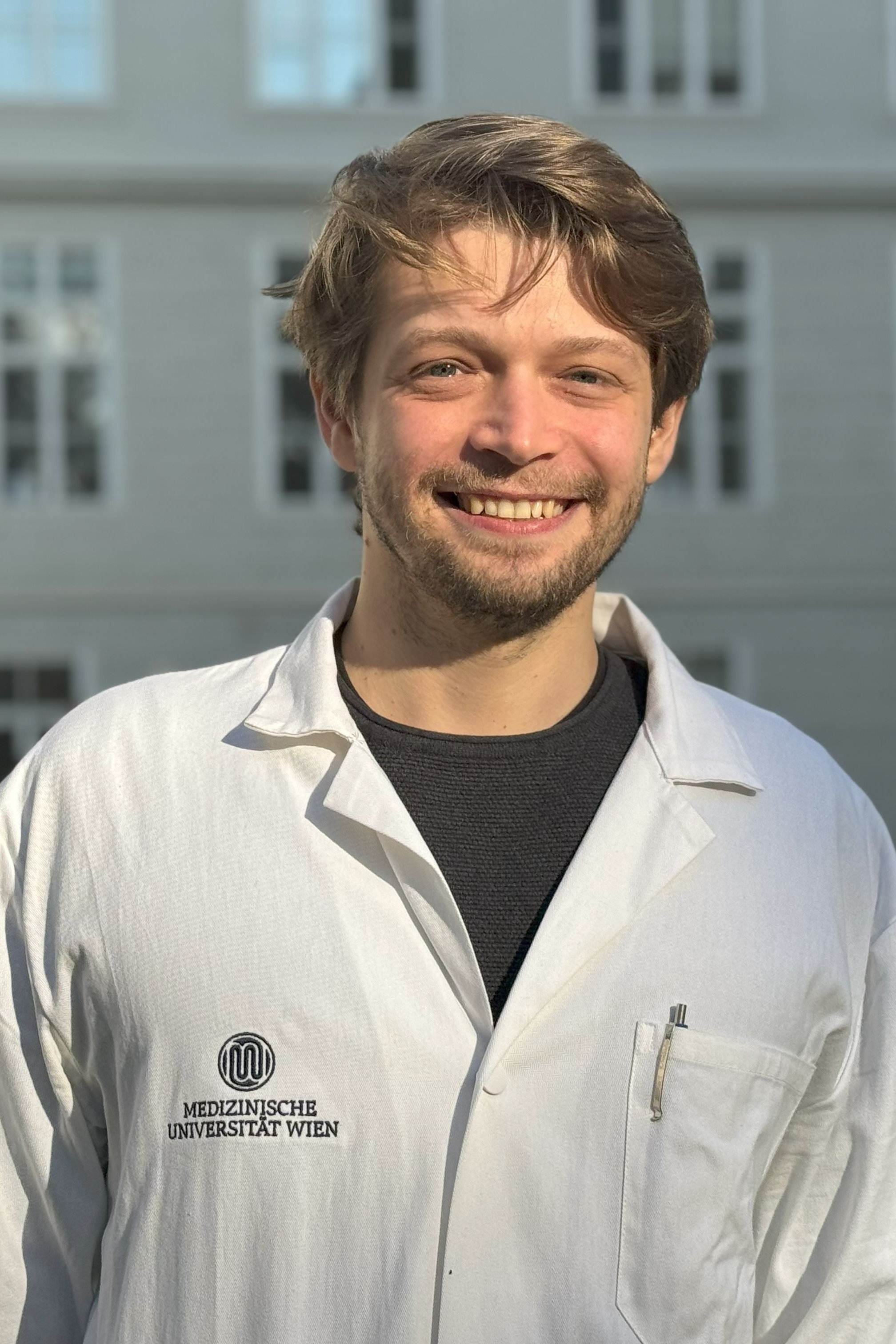
Lorenz Kapral is a researcher at the Medical University of Vienna, affiliated with the Department of Anaesthesia, Intensive Care Medicine and Pain Medicine (Division of General Anaesthesia and Intensive Care Medicine). His work focuses on developing machine learning solutions for intraoperative monitoring and critical care optimization, with significant contributions to blood pressure forecasting and artifact detection in vital signs. His primary research interests include: Machine Learning for real-time clinical decision support Intraoperative complication prediction (hypotension, hypothermia) Artifact detection in electronic health records Reinforcement learning for critical care therapy optimization Public health aspects of patient-centered care during pandemics Emergency medical services operational analysis Analysis of his publication record reveals a strong interdisciplinary approach combining engineering, computer science, and clinical medicine. His most impactful work involves temporal fusion transformer models for blood pressure forecasting, achieving high accuracy in predicting intraoperative hypotension using low-resolution data from 73,009 patients. No scientific awards were mentioned in the available information. Dr. Kapral maintains active collaborations across multiple disciplines, working with clinicians, data scientists, and public health researchers on projects spanning anesthesia monitoring, sepsis management, emergency services, and pandemic response. His recent work demonstrates increasing integration of advanced machine learning techniques into practical clinical applications.
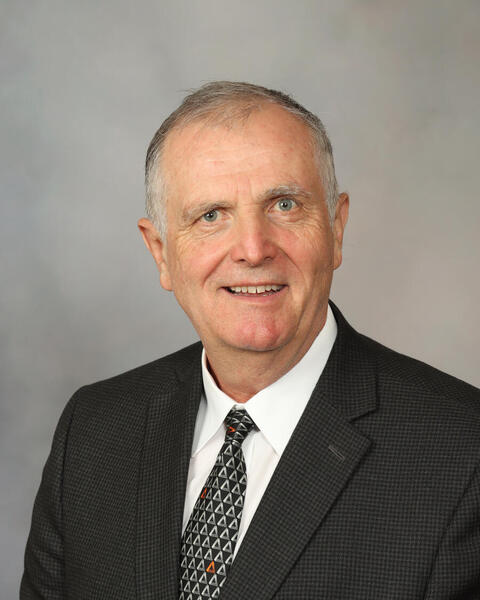
Ognjen Gajic, M.D., M.Sc. , is a Professor of Medicine at the Mayo Clinic College of Medicine and Science in Rochester, Minnesota. He holds primary and joint appointments in the Division of Pulmonary and Critical Care Medicine , Department of Physiology & Biomedical Engineering , and Division of Health Care Policy & Research . His clinical and research expertise lies in critical care medicine, with a focus on acute respiratory distress syndrome (ARDS), mechanical ventilation, and clinical informatics. Education: M.D., University of Sarajevo (1987) Resident, Pediatric Surgery, Sarajevo University Clinical Center Visiting Fellow, Pediatric Surgery, Brown University Medical School Resident & Chief Resident, Internal Medicine, New York Methodist Hospital Fellow, Critical Care & Pulmonary Critical Care, Mayo Clinic College of Medicine and Science M.Sc., Clinical Research, Mayo Clinic College of Medicine and Science Research Fellowship, Department of Internal Medicine, Mayo Clinic Research Interests: Dr. Gajic's research centers on the epidemiology, pathophysiology, and management of critical care syndromes , particularly acute lung injury, ARDS, and multiorgan dysfunction. He leverages clinical informatics, simulation modeling, and implementation science to improve health care delivery and patient outcomes. His METRIC-ePM Laboratory (Multidisciplinary Epidemiology and Translational Research in Intensive Care, Emergency, and Perioperative Medicine) is dedicated to evaluating critical illness trajectories and implementing best practices globally. He has led major international initiatives such as the CERTAIN (Checklist for Early Recognition and Treatment of Acute Illness and iNjury) and VIRUS (Viral Infection and Respiratory Illness Universal Study) projects, which aim to standardize and improve critical care processes worldwide. Scientific Awards & Honors: CHEST 2021 Roger C. Bone Memorial Lecture in Critical Care Mayo Clinic School of Continuous Professional Development Outstanding International Faculty Award (2020) SCCM Star Research Achievement Award (2019) SCCM Presidential Citation (2018) Distinguished Scholar, The CHEST Foundation (2015) Fellow, American College of Critical Care Medicine (2012) Outstanding Investigator, Department of Internal Medicine (2012) Distinguished Mentor Award, Mayo Clinic Center for Translational Science Activities (2008) Best Abstract Award, International Symposium on Intensive Care and Emergency Medicine (2007) Hasan Brkic Award for Outstanding Achievement in Medical School (1987) Leadership & Service: Dr. Gajic has held numerous leadership roles, including Chair of the Discovery, Critical Care Research Network for the Society of Critical Care Medicine (2017–2019), Director of the US Critical Illness and Injury Trials Group (NIH), and member of steering committees for ARDS Network and SCCM. He is a Fellow of the American College of Chest Physicians (FCCP) and the American College of Critical Care Medicine (FCCM). Grants & Funding: He has been a principal or co-principal investigator on major NIH and NSF grants, including: ARREST Pneumonia (NHLBI): Investigating beta-agonists for pneumonia-related respiratory failure PROOFCheck (NHLBI): Preventing severe acute respiratory failure Causal AI Digital Twin Framework (NSF): Transforming ICU care delivery using AI Laboratory & Team: Dr. Gajic leads the METRIC-ePM Laboratory at Mayo Clinic, which integrates data science, clinical informatics, and translational research to improve critical care outcomes. The lab collaborates globally and has developed decision-support tools implemented in hospitals worldwide.
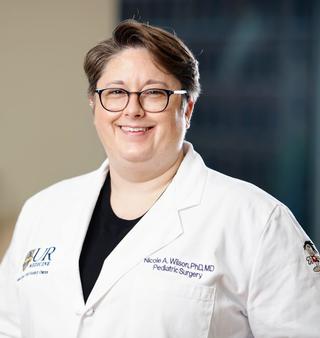
Nicole A. Wilson, Ph.D., M.D. serves as a faculty member at the University of Rochester Medical Center within the departments of General Surgery, Pediatrics, and Surgery. She practices at Golisano Children's Hospital in Rochester, NY, specializing in pediatric surgical care with clinical expertise in pediatric general/thoracic surgery, minimally invasive techniques, and congenital neonatal diseases. Her research program focuses on computational imaging, 3D modeling, biomechanics, and medical device development through the Pediatric Surgery Structure-Function Laboratory. Current research examines the intersection of social determinants of health with pediatric surgical outcomes, machine learning applications in trauma activation systems, and novel imaging technologies for procedural guidance. Dr. Wilson's publication portfolio demonstrates strong emphasis on healthcare disparities, with recent work analyzing neighborhood deprivation impacts on child abuse severity, gastrostomy utilization patterns, and kidney transplant outcomes. Her engineering background informs translational projects including photoacoustic imaging for gastric tube placement and adhesion prevention pharmacotherapies. Jay Grosfeld, MD Scholar Grant (2023) Keith D. Amos, MD Memorial Award (2018) Eugene M. Bricker, MD Teaching Award (2018) Alpha Omega Alpha Medical Honors Society (2018) As an educator, she actively mentors medical students, graduate students, and surgical residents. Her leadership extends to quality improvement initiatives that have successfully reduced healthcare disparities in gastrostomy tube management and ovarian torsion care. Current projects include developing AI-assisted trauma activation systems and investigating impostor syndrome within pediatric surgical professionals.
Dr. Antonio Valentín is an Associate Professor in Clinical Neurophysiology and Epilepsy at King's College London, affiliated with the Institute of Psychiatry, Psychology & Neuroscience (IoPPN) and the Department of Basic & Clinical Neuroscience. His research focuses on neuromodulation techniques for epilepsy treatment, including deep brain stimulation and single-pulse electrical stimulation. He leads major projects such as the SMART-DBS initiative for real-time neuromodulation and the CADET trial for pediatric epilepsy. Collaborators include Prof. Gonzalo Alarcón (Weil Cornell Medicine) and Prof. Rodrigo Quiroga (University of Leicester). He co-directs the International League Against Epilepsy's VIREPA EEG course and has published over 118 peer-reviewed articles, including high-impact work in Nature Communications and Cell Reports . His work addresses epilepsy diagnosis, surgical outcomes, and novel therapies, with a focus on translational neurotechnology. Education: PhD in Neuroscience MD (Medical Doctorate) Research Interests: His work spans neuromodulation for drug-resistant epilepsy, surgical treatment innovations, and the application of AI/machine learning in EEG analysis. Recent studies include generalized epilepsy network mapping and EEG signal translation using GANs. He explores seizure source localization and closed-loop stimulation systems for chronic conditions. Projects & Grants: Leads multi-institutional projects funded by NIHR, EPSRC, and the Royal Academy of Engineering. Current grants include wireless neuromonitoring devices and pediatric DBS protocols. Labs/Teams: Directs the Laboratory Research Project in Neuroscience (6BBYN306) and collaborates with global networks in epilepsy research and neurotechnologies.
Anne Vifladt is an Associate Professor at the Department of Health Sciences, Norwegian University of Science and Technology (NTNU) in Gjøvik. She holds a master's degree in health informatics and a Ph.D. focused on patient safety culture in hospital settings. Her research interests center on patient safety, healthcare teamwork dynamics, medication administration processes, and workplace safety culture. She coordinates the Introduction to Research Methods course and teaches patient safety, evidence-based medicine, and research methodologies. Vifladt leads the Ph.D. project Team-training to support medication administration in prehospital care and supervises graduate students in health sciences. Key research areas include analyzing healthcare work systems (e.g., ambulance medication administration), evaluating team training interventions, and studying organizational factors influencing patient safety. Her work often employs mixed-methods approaches, including qualitative studies of healthcare professionals' experiences. Recent publications (2020–2025) emphasize ambulance service workflows, surgical ward team dynamics, and primary healthcare competence development. Her studies frequently highlight the importance of interprofessional collaboration and system-level improvements in healthcare. Teaching and outreach activities include developing courses on paramedic science and presenting at conferences on topics like patient safety culture and healthcare team training. She has collaborated with hospitals like Sykehuset Innlandet HF and Akershus Universitetssykehus through research partnerships and lectures.
Dr. Sophie Liang is a Clinical Lecturer at the University of Sydney's Sydney Medical School, affiliated with the Westmead Clinical School within the Faculty of Medicine and Health. She holds qualifications including a BSc (Advanced), GStat, MBBS (Honours I), and an MMed in Clinical Epidemiology. Her research focuses on Anaesthetics, Biostatistics, Evidence-based Medicine, Surgery, and Biomedical Engineering, with a clinical specialty in Anaesthesia. Her work emphasizes clinical trials, statistical research design, and intervention treatments. Key research areas include postoperative pain management, neuromuscular blockade monitoring, and anaesthetic techniques in surgery. Dr. Liang has contributed to studies evaluating epidural analgesia in labour, residual neuromuscular blockade effects, and gastric content risks in endoscopy patients. Her publications (2013–2019) highlight methodological advancements in monitoring muscle recovery and anaesthetic outcomes, with a focus on improving patient safety in perioperative care. Collaborative projects with institutions like the Cochrane Database and international journals underscore her contributions to evidence-based clinical practices. While no formal grants or awards are listed, her academic profile reflects active engagement in clinical research and teaching within anaesthesiology and biomedical fields.
Dr. Jordan Wehrman is a Postdoctoral Research Fellow at the Central Clinical School, Sydney Medical School, University of Sydney. His research focuses on time perception, anesthetic effects on consciousness, and neural mechanisms of sensory processing. He collaborates extensively with interdisciplinary teams in anesthesiology, neuroscience, and biomedical engineering. His work spans experimental psychology, neuroimaging, and computational modeling. Key areas include the impact of anesthetics on temporal judgment, EEG signal analysis using neural networks, and the neurophysiological basis of face perception. He has contributed to clinical studies on anesthesia depth monitoring and postoperative outcomes in cardiac surgery patients. Dr. Wehrman’s recent studies investigate retrocausal effects in cueing paradigms and the application of consumer EEG devices in unshielded environments. His methodological innovations include tutorials on modeling human electrophysiological data with recurrent neural networks. He has published in high-impact journals such as British Journal of Anaesthesia , The Lancet Healthy Longevity , and Journal of Neural Engineering , reflecting his cross-disciplinary research impact.
Professor Matt-Mouley Bouamrane is a Professor of Health & Care Informatics & Implementation Science at the Division of Computing Science and Mathematics, University of Stirling. His expertise spans Electronics Engineering (B.Eng., Université de Paris XI), Computing Science (PhD & Pg. Dip, Trinity College Dublin), and Health Services Research (M.Sc., University of Glasgow). His research focuses on developing and implementing digital health solutions to address unmet care needs, particularly for patients with chronic diseases and high treatment burdens. Key domains include assistive technologies for ageing populations, smart home solutions for dementia care, and co-design of patient portals for renal care. He has led major initiatives such as the TITTAN Interreg programme (£134k) and the Data Driven Innovation Talent programme (£989k). Research interests emphasize systems engineering, socio-technical design, and implementation science. Notable projects include a patient portal for chronic kidney disease patients and remote postoperative monitoring systems. He has authored over 100 publications in top journals like Nature npj Digital Medicine and conferences like CHI and CIKM. Current roles include membership on the CSO Health Improvement, Protection and Services Research Committee. He actively seeks collaborations with universities, health boards, and industry, offering mentorship for post-doctoral fellowships and supervising PhD students in digital health, telecare, and data science. Grants: TITTAN (£134k), Data Driven Innovation (£989k), DALLAS (£563k) Labs/Teams: Leads interdisciplinary teams in digital health innovation Future Work: Scaling assistive technologies, optimizing ePrescribing systems, multimorbidity research
Christina M. Pabelick, M.D., is a Professor of Anesthesiology and Physiology at Mayo Clinic, with appointments in the Department of Anesthesiology and Perioperative Medicine, Physiology & Biomedical Engineering, and Pediatric and Adolescent Medicine. As Vice Chair of Research in Anesthesiology, she leads interdisciplinary teams studying airway diseases, particularly asthma in children, premature infants, and aging populations. Her work focuses on cellular mechanisms regulating airway structure/function using patient-derived samples and animal models to identify therapeutic targets for lung diseases. Education: MD, magna cum laude from Heinrich-Heine University (1988); residency in Anesthesiology at Mayo Clinic (2003); Fellowships in Cardiology and Anesthesia Research. Research Interests: Asthma mechanisms, oxygen toxicity, secondhand smoke effects, neonatal lung disease, mitochondrial dysfunction, and cellular senescence. Current projects include investigating hyperoxia-induced asthma in children and oxygen therapy impacts on premature infants, funded by NIH grants such as the Hydrogen Sulfide in Neonatal Airway Disease (2023–2025). Publications: Over 160 peer-reviewed articles in journals like American Journal of Physiology and British Journal of Pharmacology , emphasizing translational physiology and novel therapeutic strategies. Awards: FAER Research Starter Grant (2004), multiple research excellence awards, and leadership roles in Sigma Xi and the American Thoracic Society.