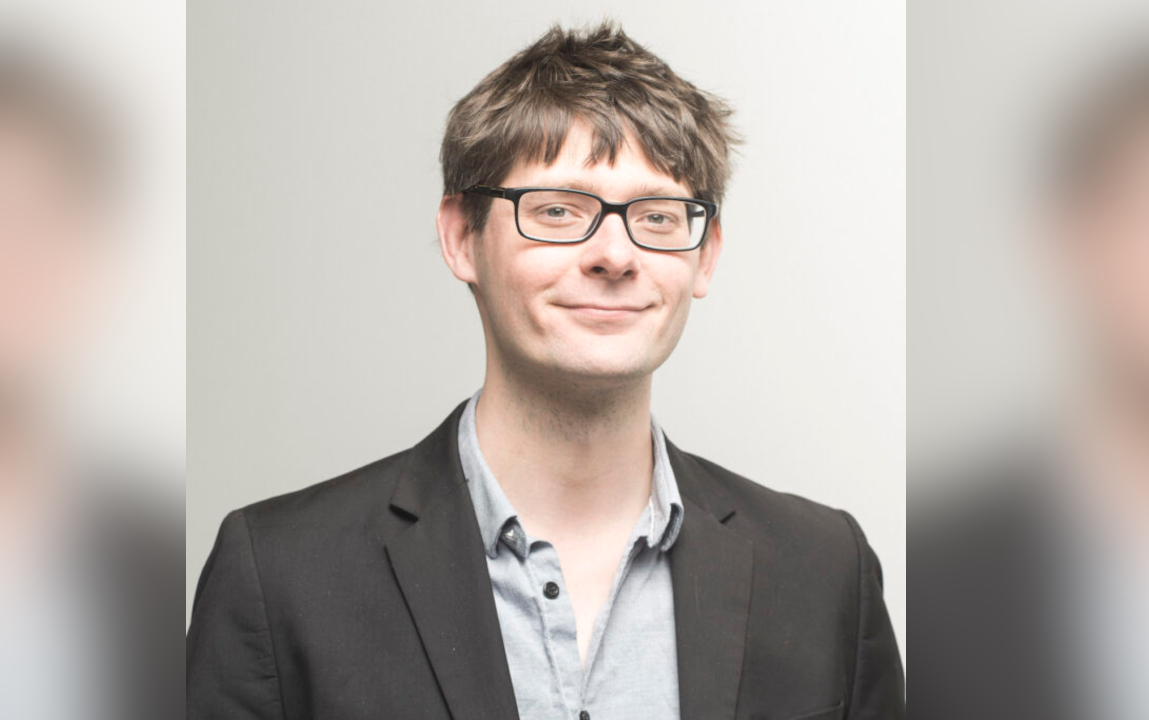
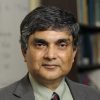
John Gales is an Associate Professor in Civil Engineering at York University, leading research on structural fire resilience and human evacuation dynamics. His work integrates fire science, materials engineering, and behavioral studies to enhance building safety in contexts ranging from urban infrastructure to wildfire zones. His recent publications analyze structural performance in fires, wildfire building codes, and applications of AI in fire safety engineering. Research consistently addresses equity considerations, particularly gender diversity in engineering education.
Professor Ken Nosaka is Lead of Exercise and Sports Science at Edith Cowan University's School of Medical and Health Sciences. With over 310 peer-reviewed publications, he is an internationally recognized expert in eccentric exercise research. His research spans neuromuscular fatigue, muscle damage mechanisms, and exercise as medicine, supported by numerous grants from organizations including the National Health and Medical Research Council and Defence Science and Technology Group. His research interests focus on eccentric exercise physiology, muscle damage mechanisms, thermoregulation during exercise, and strength training adaptations. His work has practical applications in sports performance, rehabilitation, and public health initiatives. Professor Nosaka's publications demonstrate consistent focus on neuromuscular physiology, exercise interventions, and methodological innovations in sports science. Recent work shows increasing emphasis on clinical applications in cardiac/pediatric populations and advanced biomechanical analysis techniques. He has received significant recognition including the ECU Vice-Chancellor's Award for Research Engagement (2020) and Excellence in Research (2012), plus multiple citations honors. Current research projects include implementing eccentric exercises for submarine crews and muscle training for spinal cord injury patients. Professor Nosaka directs the Centre for Exercise and Sports Science Research, supervising 6 PhD and 2 Master's students while coordinating the school's PhD program. His research collaborations span multiple continents, with over 70% of publications involving international partners.
Prof. Wolfgang Ecker is a Professor at the Technical University of Munich (TUM), affiliated with the Chair of Design Automation within the TUM School of Computation, Information and Technology . His research focuses on Electronic Design Automation (EDA), RISC-V processor architectures, and hardware-software co-design. He leads projects advancing EDA tools for embedded systems, neural network acceleration, and formal verification methodologies. Ecker's work bridges machine learning techniques with traditional EDA challenges, addressing topics like energy-efficient AI inference and automated documentation generation. His contributions span compiler optimization, FPGA implementations, and fault analysis in digital systems. Recent research highlights include contributions to the TRISTAN project for RISC-V ecosystem development, model-driven architecture frameworks, and AI-driven timing analysis. He actively collaborates on open-source EDA tools and explores Rust-based embedded systems development. Ecker’s lab emphasizes practical applications in edge computing and automotive microcontroller safety, with a strong emphasis on interdisciplinary collaboration across TUM’s CIT School. His publications (15 most recent listed) reflect a focus on EDA tool innovation, processor design, and leveraging machine learning for hardware optimization. While no specific awards are mentioned, his involvement in ERC-funded projects and leadership in international collaborations underscores his academic impact.
Farhad Rachidi is a Full Professor at the Swiss Federal Institute of Technology (EPFL), where he serves as the Head of the Electromagnetic Compatibility (EMC) Laboratory within the School of Engineering's Department of Electrical Engineering. His research group has been active in EMC research since the early 1980s and maintains collaborations with numerous international institutions including Universities of Bologna and Rome (Italy), Uppsala University and KTH (Sweden), University of Toronto (Canada), University of Florida (USA), and others. Professor Rachidi's research spans electromagnetic compatibility, lightning electromagnetics, lightning and EMP interaction with transmission lines, electromagnetic time reversal, fault location, numerical computation of electromagnetic fields, and power line communications. His work integrates theoretical modeling with experimental validation, particularly in the context of lightning phenomena and electromagnetic interference. The research group develops innovative techniques such as electromagnetic time reversal for applications ranging from lightning detection to partial discharge localization in power systems. Analysis of his recent publications (2023-2025) reveals a strong focus on electromagnetic time reversal techniques, lightning physics and modeling, machine learning applications in electromagnetic phenomena, and advanced computational methods for electromagnetic field analysis. His work bridges fundamental electromagnetic theory with practical applications in power systems, atmospheric electricity, and security technologies. 2025 IEEE EMC Technical Achievement Award 2005 CIGRE Technical Committee Award 2006 Blondel Medal from SEE 2016 Berger Award from ICLP Best Paper Awards of IEEE Transactions on EMC (2016, 2018) Motohisa Kanda Award for most cited papers (2012-2018) 2024 Distinguished Honorary Professor at Tsinghua University 2014 Honorary Professor at Xi'an Jiaotong University Professor Rachidi has supervised numerous students through semester projects, diploma projects (equivalent to MS), and PhD programs at EPFL. His research is primarily sponsored by Swiss National Science Foundation, European Community programs, European Space Agency, Swiss Electrical Utilities, and private companies. He has served in leadership roles including President of the International Conference on Lightning Protection (2008-2014), Editor-in-Chief of IEEE Transactions on Electromagnetic Compatibility (2013-2015), and President of the Swiss National Committee of the International Union of Radio Science (2012-2020). The EMC Laboratory at EPFL, which he heads, maintains the Säntis lightning research facility and has been instrumental in advancing our understanding of lightning phenomena through direct measurements at instrumented towers. The group has developed innovative techniques including electromagnetic time reversal for fault location in power networks and lightning detection systems.
Christopher Vogel is a Research Fellow at New College and a Senior Research Associate in the Department of Engineering Science at the University of Oxford. He holds a first-class BE(Hons) in Engineering Science from the University of Auckland and completed his DPhil at Oxford under the Oxford Martin School’s Programme on Globalising Tidal Power Generation. His work focuses on advancing renewable energy technologies, particularly in tidal and wind energy systems. His research interests include fluid dynamics of tidal turbines, aerodynamic performance optimization, blade design under erosion, and large-scale renewable energy array modeling. He has contributed to projects like the Tidal Energy Research Group and the FastBlade facility for full-scale tidal blade testing. Vogel’s work integrates computational fluid dynamics (CFD), experimental testing, and multi-scale analytical models to address challenges in energy extraction efficiency, structural durability, and system reliability. Recent publications highlight advancements in actuator line methods for turbine wake prediction, uncertainty quantification in blade-element momentum theory, and dynamic loading analysis of tidal arrays. His studies often bridge theory and application, emphasizing practical solutions for marine and wind energy deployments. Collaborations include the Tidal Benchmarking Project and investigations into hybrid systems combining wave energy converters with breakwaters. Vogel’s interdisciplinary approach addresses both technical and environmental dimensions of sustainable energy systems.
Owen Williams is a Research Associate Professor in the William E. Boeing Department of Aeronautics and Astronautics at the University of Washington, with a focus on turbulent and hypersonic flows. He holds a PhD from Princeton University and an MEng from Imperial College, London. His research explores unsteady turbulent flows, hypersonic boundary layers, and renewable energy systems like rotating foils for hydrokinetic power generation. Dr. Williams has held prior positions, including Research Associate at the University of Maryland. His work addresses challenges in compressible turbulence, shock interactions, and flow separation dynamics. He leads the Williams Lab, which investigates turbulence modeling, flow control, and aerospace applications. Recent student achievements include Kevin Manohar's Herbold Fellowship and Abigale Snortland's graduation to PNNL. Research Interests: Fluid mechanics, turbulence dynamics, hypersonic flow physics, stratified atmospheric flows, and renewable energy systems. His lab focuses on improving predictive models for vehicular and environmental flows through experimental and computational methods. Recent Contributions: Studies on asymmetric flow phenomena, cross-flow turbine performance optimization, and supersonic retropropulsion. His work bridges fundamental turbulence studies with practical applications in aerospace and energy sectors. Lab Activities: Active in mentoring students and overseeing projects like the Pacific Marine Energy Center. Lab members have presented at SHARC Week and Space Grant's SURP program, showcasing innovations in hypersonic testing and turbine design.
Professor Stephen Woods is a leading academic in Work and Organisational Psychology, serving as Head of the Department of People and Organisations at Surrey Business School, University of Surrey. His expertise spans personality assessment, development, and its workplace implications, alongside recruitment practices and digital HR strategies. He holds advanced qualifications: MSc in Occupational Psychology and a PhD in Psychology, and is a Chartered Psychologist (CPsychol). Research interests focus on personality dynamics in organizations, including trait assessment, personality change trajectories, and the impact of work environments. He explores digital recruitment innovations and fair assessment practices. Notable affiliations include the British Psychological Society’s Occupational Psychology Division and the European Association of Work and Organizational Psychology (EAWOP). Educations: MSc (Occupational Psychology), PhD (Psychology) Awards: Academy of Management (2018), British Psychological Society Division of Occupational Psychology (2019) His research highlights include the Demands-Affordances TrAnsactional (DATA) model for personality development, and a Periodic Table of Personality mapping framework. He advises on doctoral research, with notable students exploring workplace well-being, safety behaviors, and engagement dynamics. Teaching spans undergraduate and postgraduate programs in Occupational Psychology, including leadership workshops for MBA students. He actively contributes to organizational psychology discourse through publications and professional engagement.
James West is a Professor of Electrical and Computer Engineering and Mechanical Engineering at Johns Hopkins University's Whiting School of Engineering. He is renowned globally as co-inventor of the foil electret microphone, foundational to 90% of modern microphones. With over 60 U.S. patents and 200+ foreign patents, his career spans Bell Laboratories (1962–2001), where he pioneered polymer foil electret technologies. At Johns Hopkins since 2001, he focuses on teleconferencing acoustics, wearable health sensors, and energy harvesting. His research emphasizes biomedical applications like lung sound monitoring and telemedicine integration. Education: B.S. in Physics from Temple University (1957). Awards include National Inventors Hall of Fame Induction. He actively mentors students, advocating for diversity in STEM. Key research areas include medical device innovation, acoustic transducers, and sustainable energy systems. Key Contributions: Electret microphone technology, lung sound sensors, and hybrid energy harvesters. Recent Focus: Acoustic-based disease detection (e.g., COVID-19 screening) and telehealth sensor integration. Labs/Teams: Healthcare Acoustics Research Team (HART), collaborating on medical acoustics and sensor development. His work bridges academic and industrial innovation, emphasizing interdisciplinary collaboration. Current projects address noise suppression in clinical settings and wearable health monitoring systems.
Sara Witmer is an Associate Professor of School Psychology at Michigan State University (MSU), holding a Ph.D. from the University of Minnesota and National Certified School Psychologist (NCSP) certification. She is affiliated with the College of Education’s Department of Counseling, Educational Psychology & Special Education (CEPSE). Her roles include Principal Investigator for Project ETUDE (funded by the Institute of Educational Sciences) and Project Director for Project Hi2LD (funded by the U.S. Office of Special Education and Rehabilitative Services), which focus on improving assessment practices and reducing graduate study costs for school psychology and special education students. Education: Dr. Witmer earned a Ph.D. in School Psychology from the University of Minnesota. She also holds an NCSP credential, reflecting her specialization in school-based psychological services. Research Interests: Her work centers on enhancing instructional decision-making through equitable assessment practices, particularly for at-risk students, students with disabilities, and English language learners. Key themes include validity and fairness in testing, accommodation use, and the integration of accessibility tools into large-scale accountability systems. She employs empirical and mixed-methods approaches to address disparities in educational measurement. Projects & Grants: Leading Project ETUDE (IES-funded) and Project Hi2LD (OSE-funded), she investigates testing accommodations’ effectiveness and develops interdisciplinary training programs. These initiatives aim to improve outcomes for K-12 students and reduce barriers to graduate education. Labs/Teams: While no specific lab is mentioned, her research aligns closely with MSU’s CEPSE department and interdisciplinary efforts within the College of Education, such as the CREATE for STEM Institute. She collaborates with national and international agencies to advance inclusive assessment policies.
Ozgur Ozdemir is an Associate Research Professor in the Department of Electrical and Computer Engineering at North Carolina State University's College of Engineering. He is affiliated with the university's primary faculty and works closely with platforms like AERPAW and AFAR Challenge. His research focuses on advanced wireless systems, including UAV networks, mmWave technology, spectrum analysis, and radar-communication integration. His work spans experimental testbed development, digital twin applications for AI research, and methodologies for improving coverage in rural and urban environments. Ozdemir has contributed to standards like 5G NR and non-standalone 5G systems, emphasizing practical implementation and environmental impact analysis. He leads efforts in signal processing for autonomous systems and has expertise in software-defined radio (SDR) technologies. Research interests include aerial threat detection, RF signal analysis, and robust localization techniques. He explores challenges in NLOS bias correction, antenna radiation patterns, and passive reflector-based coverage enhancement. His work often combines theoretical models with experimental validation using platforms like AERPAW. His articles highlight advancements in drone detection systems, channel modeling for mmWave, and the integration of radar and communication systems. Key trends show a focus on outdoor/indoor spectrum measurements, UAV navigation, and resilient network design. Ozdemir's contributions are characterized by empirical studies and cross-disciplinary approaches to wireless challenges.
Dr. Agathoklis Giaralis is a Senior Lecturer in Structural Engineering within the Department of Civil Engineering at the School of Engineering and Mathematical Sciences, City, University of London. He earned his PhD in Civil & Environmental Engineering from Rice University, USA, in 2008, following an MSc and a 5-year Diploma (Ptychion) in Structural Engineering from Aristotle University of Thessaloniki, Greece. He is a Fellow of the Higher Education Academy, UK. PhD, Civil & Environmental Engineering, Rice University, USA (2008) MSc, Seismic Design of Structures, Aristotle University of Thessaloniki, Greece (2004) Ptychion (5 yr Diploma), Civil/Structural Engineering, Aristotle University of Thessaloniki, Greece (2003) Dr. Giaralis's research is centered on nonlinear stochastic dynamics and time-frequency signal analysis , applied to critical areas such as earthquake engineering , seismic structural design and assessment , structural health monitoring (SHM) , and passive vibration control . His work is pioneering in the development and application of inerter-based vibration control systems, such as the Tuned Mass-Damper-Inerter (TMDI), for enhancing the resilience of structures. He also explores compressive sensing and low-power wireless sensors for sustainable SHM, as well as digital twinning and machine learning in wind engineering. His recent research has significant implications for offshore wind turbines and urban wind comfort. An analysis of his 15 most recent publications reveals a consistent and cutting-edge research trajectory focused on the optimization and application of inerter-based devices for structural control. The work spans from developing analytical tuning formulas for TMDIs to conducting experimental validation on shaking tables and exploring novel applications in offshore wind turbines and composite floors. A strong emphasis is placed on performance-based design , uncertainty quantification , and practical implementation for real-world infrastructure. His scientific contributions have been recognized by prestigious awards, including the Fulbright Exchange Student Program scholarship for his PhD studies and a Fellowship from the Higher Education Academy . He is also a member of several leading professional organizations such as the American Society of Civil Engineers (ASCE) and the Society for Earthquake and Civil Engineering Dynamics (SECED). Dr. Giaralis is actively involved in research funding and academic mentorship. He has secured significant grants from Innovate UK and the EPSRC to support his work on machine learning-based design and optimal inerter configurations. He supervises a cohort of PhD students whose theses focus on advanced topics like adaptive control of bridge joints, inerter-based energy harvesting, and seismic assessment using digital twins. He also leads the Smart Structures and Structural Health Monitoring Research Unit , driving collaborative research in smart infrastructure technologies.
Somnath Ghosh is the Michael G. Callas Chair Professor at Johns Hopkins University, holding joint appointments in the Departments of Civil & Systems Engineering, Mechanical Engineering, and Materials Science & Engineering. He directs the Computational Mechanics Research Laboratory (CMRL) and founded the Center for Integrated Structure-Materials Modeling and Simulations (CISMMS). His research focuses on multiscale computational mechanics, materials science, and integrated computational materials engineering (ICME). Key areas include additive manufacturing, fatigue and fracture mechanics, machine learning, and uncertainty quantification. Education includes a B.Tech. from IIT Kharagpur, M.S. from Cornell University, and Ph.D. from the University of Michigan. Ghosh has led major initiatives like NASA’s Space Technology Research Institute for Additive Manufacturing (IMQCAM) and the Air Force-funded Center of Excellence in Integrated Materials Modeling (CEIMM). He has authored over 300 peer-reviewed publications, three books, and is a Fellow of multiple societies, including the AAAS, ASME, and TMS. Award highlights include the Theodore von Karman Medal (2025), J.N. Reddy Medal (2024), and Nathan M. Newmark Medal (2013). His work bridges theory and industry applications in aerospace, automotive, and defense sectors. Labs under his leadership (CMRL and CISMMS) develop digital twins and advanced modeling tools for materials qualification and design.
Simaan Abourizk, PhD, PEng, is the Dean of the Faculty of Engineering at the University of Alberta and holds the rank of Professor in Construction Engineering and Management. He also served as the NSERC/Alberta Construction Industry Research Chair (1997–2011) and Canada Research Chair in Operations Simulation (2001–2008). His roles include Executive Board membership at the Construction Research Institute of Canada. Education: Doctor of Philosophy in Construction Engineering and Management from Purdue University (1990), Master of Science and Bachelor of Civil Engineering (Honors) from Georgia Institute of Technology (1985 and 1984). Research focuses on advancing simulation technologies for construction and natural resource industries, including: Development of the Simphony simulation environment and COSYE framework Integration of AI, visualization, and scheduling tools (e.g., SmartEst, MTRACK) Optimization of tunneling, modular assembly, and industrial fabrication processes Key awards include the E. Whitman Wright Award (2002), E.W.R. Steacie Memorial Fellowship (2001), and Walter Shanly Award (2001). Current projects emphasize synthetic environments, safety analytics, and data-driven decision support systems in construction. He leads initiatives on risk simulation, resource allocation, and industrial automation.
Dr. Xinshan Li is a Senior Lecturer in the Department of Mechanical Engineering at the University of Sheffield , affiliated with the School of Mechanical, Aerospace and Civil Engineering . Her work bridges computational modeling and biomedical applications, focusing on musculoskeletal mechanics across pediatric and adult populations. PhD in Bioengineering (2011), Auckland Bioengineering Institute Research interests: continuum modeling of musculoskeletal systems, pediatric bone mechanics, fracture risk prediction using finite element analysis, pelvic floor biomechanics in childbirth, and medical image-based computational models. Key collaborations: University of Sheffield’s Digital Patient initiatives, Procter & Gamble, Hospital for Special Surgery, and international biomedical research teams. Her recent publications highlight applications of finite element analysis and musculoskeletal modeling in osteoporosis screening , childbirth mechanics , and infant bone development , with methodological innovations in deep learning-based image segmentation . Dr. Li’s work has no listed awards but emphasizes translational research, including pFIRE (parallel image registration framework) and agent-based modeling of skin stem cells. She collaborates extensively on CT/MRI data integration for clinical applications. Contact: Room 1312, Sir Frederick Mappin Building , Mappin Street, Sheffield S1 3JD, UK. Email: xinshan.li@sheffield.ac.uk .
Hugo Curiel is an Assistant Professor in the Department of Psychology at Western Michigan University , specializing in behavior analysis. His research focuses on stimulus preference assessments, reinforcer assessments, and gender representation in academic journals. He holds a Ph.D. in Behavior Analysis (2018) from Western Michigan University, an M.A. (2012), and a B.A. (2009) from California State University, Fresno. Dr. Curiel is a Board Certified Behavior Analyst with clinical experience in early intervention for children with autism and other developmental disabilities, emphasizing culturally responsive care through his bilingual (Spanish/English) expertise. His work integrates technology with traditional behavioral assessment methods and examines diversity in authorship across behavior-analytic journals. Education : Ph.D. in Behavior Analysis, Western Michigan University (2018) M.A. in Psychology, California State University, Fresno (2012) B.A. in Psychology, California State University, Fresno (2009) Research Interests : Development and validation of stimulus preference assessment tools Technology-enhanced reinforcer identification for children with autism Gender equity in behavior-analytic authorship and editorial roles Efficient skill acquisition methods like matrix training His recent articles explore global trends in behavior-analytic publications, cross-cultural research collaborations, and the integration of video-based interventions. Dr. Curiel actively promotes diversity in academia and has advised graduate students in applied behavior analysis programs. His work contributes to both theoretical advancements and practical applications in behavioral interventions.