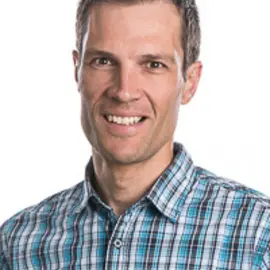
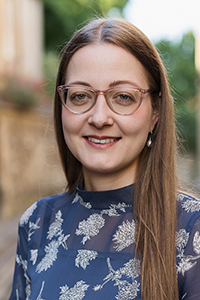
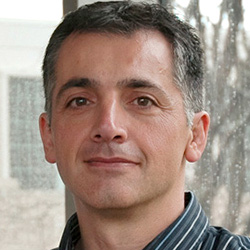
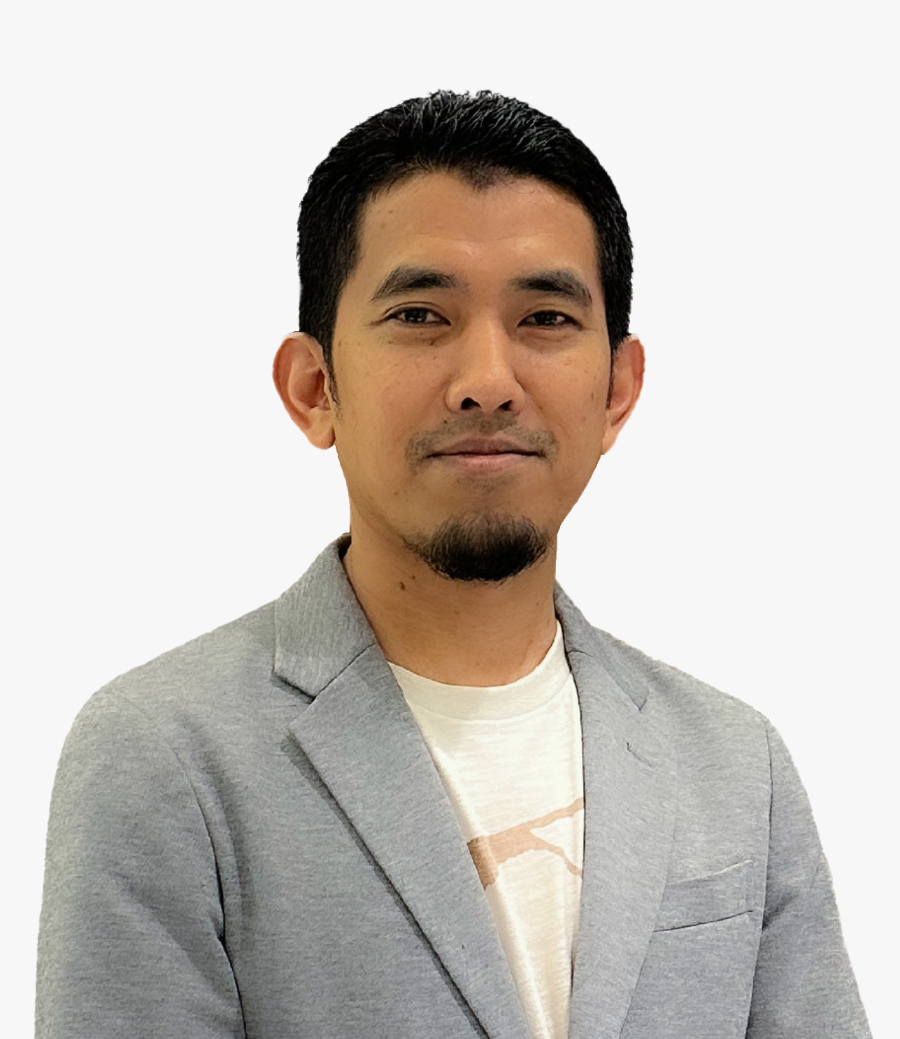
Dr. Marcel Dettling is a Group Lead in Data Analysis and Statistics at the ZHAW School of Engineering , focusing on predictive analytics, applied statistics, and complex data analysis. He also serves as a Lecturer at ETH Zurich , teaching advanced statistical methods. Education : PhD in Mathematics (2000-2004), ETH Zurich Postdoc in Applied Statistics (2004-2006), Johns Hopkins University His research spans predictive analytics (regression, classification, time series), data mining, and applications in health economics, transportation safety, social sciences , and business analytics . Recent work includes pharmaceutical cost group analysis for Swiss healthcare and predictive maintenance for marine vessels. Selected publications highlight his expertise in flight trajectory modeling , deep learning error mitigation , and statistical frameworks for rehabilitation finance . His projects address diverse fields like crowdworking in nursing, energy optimization for shipping, and customer behavior prediction.
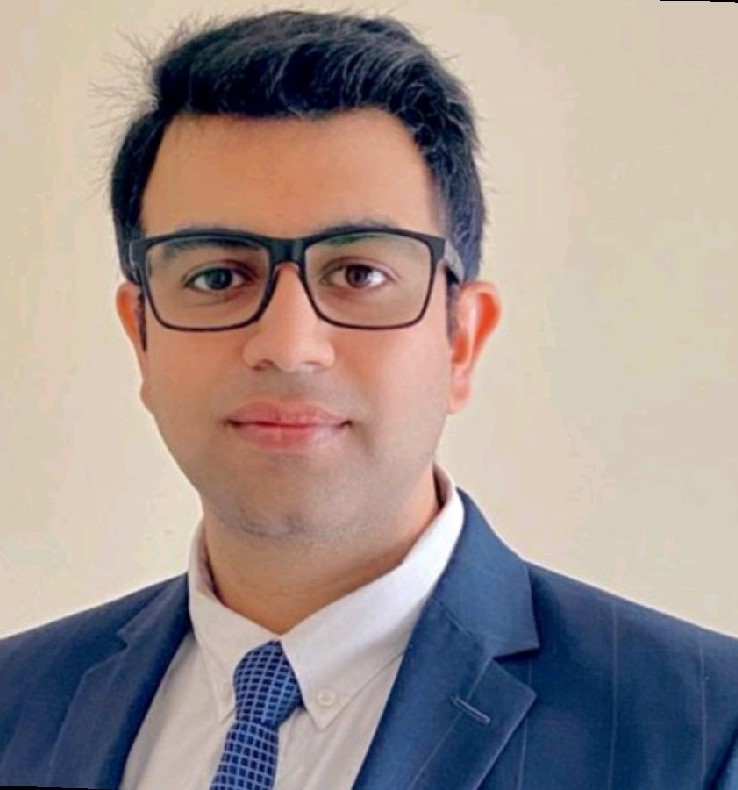
Dr. Vishal Sharma is a Senior Lecturer in the School of Electronics, Electrical Engineering and Computer Science at Queen's University Belfast. His research focuses on Cyber-Physical Systems (CPS), 5G/6G Security, Unmanned Aerial Vehicles (UAVs), Blockchain, and Digital Twins. He has held roles at institutions like Singapore University of Technology and Design (SUTD) and Soonchunhyang University, South Korea. Notable achievements include Best Paper Awards at ICCMIT 2017, IEEE SITE 2024, and HUCAPP/VISIGRAPP 2025. He leads the Innovation-by-Design Lab and is a Fellow of the Higher Education Academy (FHEA). Research Interests: Cyber Defence, UAV Security, Secure Computing, Network Security, and Sustainable Edge Computing. He has collaborated on projects like RapidRANDefender (QRICSec) and Traceable Procurement for Net-Zero Processes. Awards include the Royal Society International Exchanges Committee appointment (2025) and QUB's Individual Performance Award (2024). Grants and Projects: Principal Investigator for projects such as Exploring Operational Capabilities of Arm Morello for UAV Security (2023) and TUDOR: Ubiquitous 3D Open Resilient Network (2023). Active in editorial roles for IEEE Communications Magazine and IET Networks. His work aligns with UN Sustainable Development Goals (SDGs) related to climate action and innovation. Publications span 150+ articles in top journals/conferences, with a focus on secure communication, edge computing, and UAV networks. Supervises PhD students in cyber defence, AI security, and distributed ledger technologies.
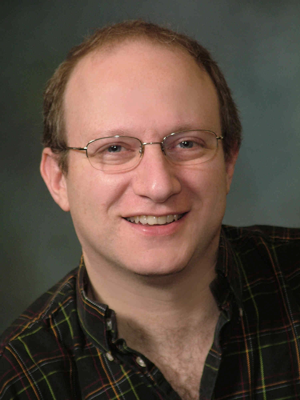
Kenneth Ross is a Professor in the Computer Science Department at Columbia University in New York City. His primary appointment is within the Department of Computer Science, with affiliations including the Foundations of Data Science Committee. His work bridges theoretical database research and practical system implementation. His research focuses on database systems with particular expertise in query processing, query language design, data warehousing, and architecture-sensitive database system design. Additional research spans computational biology, especially analysis of large genomic data sets. Current projects include Linear Algebra Operators in Databases for machine learning workloads and Repeats and Somatic Mutation analysis in genomics. His work consistently addresses the intersection of hardware capabilities and database system design. Ross leads the Database Research Lab at Columbia, which has produced significant work on query optimization, GPU database processing, and hardware-conscious database systems. His recent publications demonstrate strong focus on adapting database systems to modern hardware including GPUs, SIMD processors, and persistent memory. His scientific recognition includes: Packard Foundation Fellowship Sloan Foundation Fellowship NSF Young Investigator Award Distinguished Faculty Teaching Award (2008) Ross actively advises undergraduate engineering students (juniors with last names P-Z) and has taught foundational courses including Introduction to Databases and Programming and Problem Solving for over two decades. His teaching portfolio shows consistent engagement with both theoretical concepts and practical implementation challenges in computer science education.
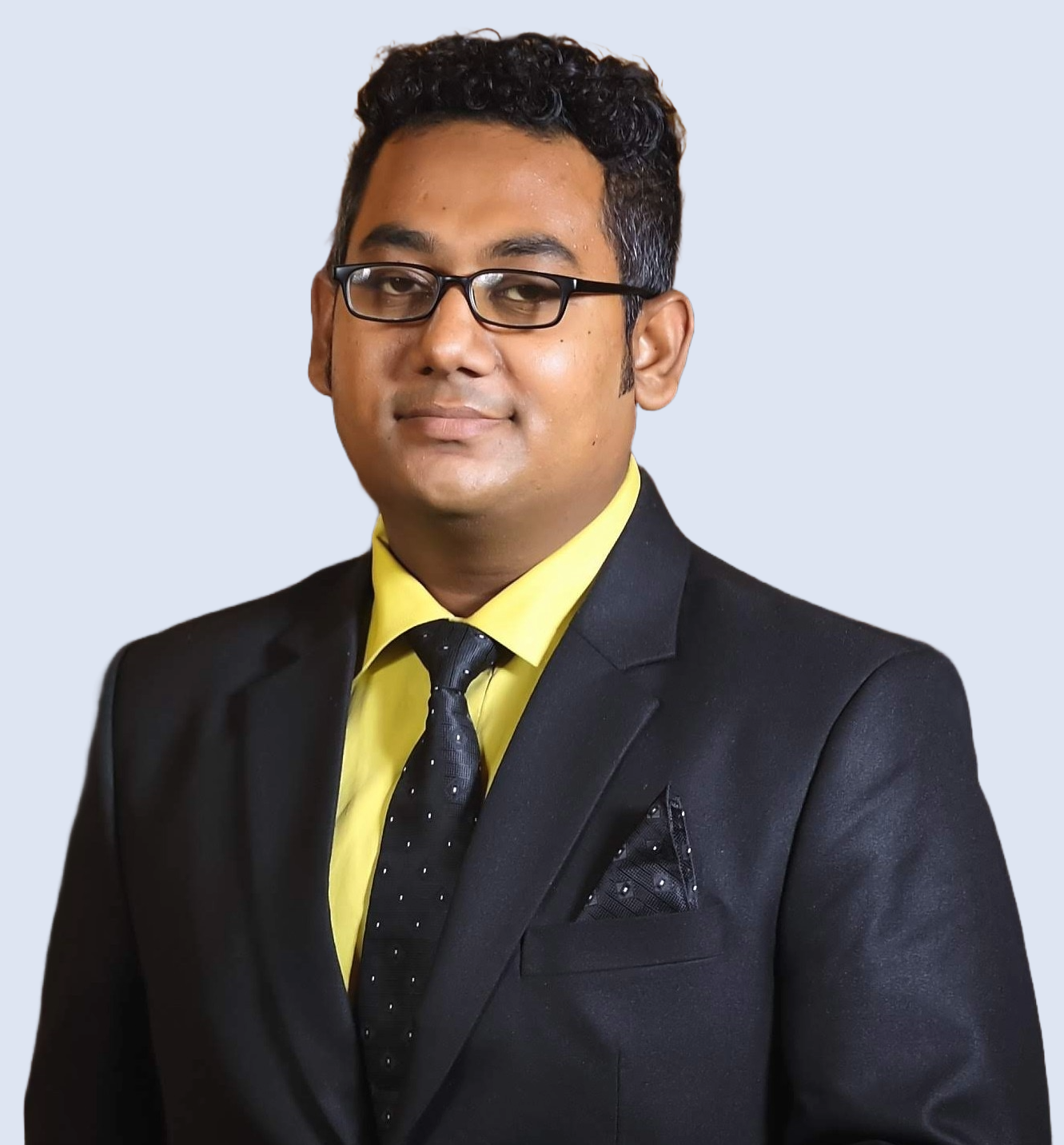
Dr. Muhammad Rashed is an Assistant Professor in the Department of Computer Science and Engineering at the University of Texas at Arlington, within the College of Engineering. He holds a Ph.D. in Computer Engineering from the University of Central Florida (2024) and a B.S. in Electrical and Electronics Engineering from Bangladesh University of Engineering and Technology (2015). Ph.D. : Computer Engineering, University of Central Florida, 2024 B.S. : Electrical and Electronics Engineering, Bangladesh University of Engineering and Technology, 2015 His research focuses on electronic design automation (EDA), in-memory computing, AI acceleration, and sustainable computing. He explores novel computing paradigms to overcome the limitations of traditional architectures, particularly in data-intensive applications such as AI and scientific computing. His work emphasizes hardware-software co-design and leveraging emerging non-volatile memories for energy-efficient processing. The 15 most recent publications highlight a consistent focus on in-memory computing, particularly in path-based and flow-based architectures, logic synthesis, and AI acceleration. Key themes include optimization, fault tolerance, verification, and the use of advanced data structures like sentential decision diagrams. His work is published in top-tier venues such as DAC, ICCAD, ASP-DAC, and IEEE/ACM journals. Scientific Awards: UTA CARES Grant for OER Creation Research Experiences for Undergraduates (REU) Grant Alireza Seyedi Doctoral Research Innovation Endowed Scholarship David T. & Jane M. Donaldson Memorial Scholarship IEEE/ACM William J. McCalla ICCAD Best Paper Award Nomination Best Research Video Award, Design Automation Conference (DAC) Dr. Rashed advises several graduate and undergraduate students in the NextGen Computing Lab and is involved in research grants including the UTA CARES Grant and REU funding. He actively contributes to academic service through roles such as conference TPC member, journal reviewer (e.g., IEEE TCAD, ACM TODAES), and committee participation in the department and college. His lab, the NextGen Computing Lab, is dedicated to building scalable, energy-efficient computing systems for next-generation AI and scientific workloads, aligning with national initiatives in advanced computing.
Corrado De Sio is a Fixed-term Researcher at the Department of Control and Computer Science (DAUIN) , Politecnico di Torino , affiliated with the College of Computer, Film, and Mechatronics Engineering . His academic roles include course instruction and collaboration for Reconfigurable Computing , High Performance Computing (HPC) , and Operating Systems for High-Performance Supercomputers across multiple academic years (2020-2025). Research Interests focus on: Reliability of reconfigurable systems and FPGAs under radiation effects Hardware-software co-design for fault tolerance Embedded systems in aerospace and safety-critical applications Machine learning acceleration on reconfigurable hardware Radiation effects on real-time operating systems and CNN implementations Recent publications address: 2025: Selective hardening of RISCV soft-processors for space applications 2025: Real-time 'signal for help' gesture recognition systems 2024: Reliability analysis of RISC-V processors and CNN placement algorithms 2023: Fault tolerance in FPGA-based CNNs and radiation effects on RTOS Patents include: PyXEL - Python Toolkit for Reconfigurable Hardware Surveillance Software for Real-Time Violence Detection Academic Supervision : Co-supervisor for PhD candidate Arash Amini Bardpareh in Computer and Systems Engineering .
Cagri A. Savran is a Professor of Mechanical Engineering at Purdue University, with courtesy appointments in Biomedical Engineering and Electrical and Computer Engineering. He holds a B.S. from Purdue University (1998), an M.S. and Ph.D. from MIT (2000 and 2004, respectively). His research focuses on MEMS, nanotechnology, and biosensors, particularly in protein detection, aptamers, and biomedical applications. His work spans fluid mechanics, systems control, and micro/nano fabrication. Education: B.S., Purdue University, 1998 M.S., MIT, 2000 Ph.D., MIT, 2004 Research Interests: Dr. Savran pioneers innovations in bioMEMS and nanoscale biosensing technologies. His lab develops platforms like immunomagnetic diffractometry and microfluidic systems for real-time pathogen detection and clinical diagnostics. Key areas include aptamer-based assays, magnetic nanoparticle integration, and single-molecule studies of DNA packaging motors. Awards: Motorola PhD Fellowship (2001-2004) NSF U.S.-Japan Young Researchers Exchange (2007) #1 News in Analytical Chemistry (2007) #1 News in JACS Weekly (2007) Labs & Teams: The Savran Lab (savranlab.org) integrates engineering and biology to create next-generation biomedical devices. Research emphasizes translating nanotechnology into practical diagnostic tools for healthcare and environmental monitoring.
Melanie Weber is an Assistant Professor of Applied Mathematics and Computer Science at Harvard University's John A. Paulson School of Engineering and Applied Sciences (SEAS), leading the Geometric Machine Learning Group. Her research focuses on leveraging geometric structures in data for designing efficient machine learning and optimization algorithms with theoretical guarantees. She holds a PhD from Princeton University (2021) and has held fellowships at the Mathematical Institute of Oxford, Brasenose College, and the Simons Institute. Her work bridges geometry, optimization, and machine learning, with funding from NSF, Sloan Foundation, and Harvard initiatives. Education : PhD in Applied Mathematics, Princeton University (2021) BSc/MSc in Mathematics and Physics, University of Leipzig (2016) Research Interests : Dr. Weber's research integrates geometric principles into machine learning and optimization, focusing on non-Euclidean spaces, graph structures, and manifold-based methods. Key areas include optimization on Riemannian manifolds, curvature-based analysis (e.g., Ricci curvature), and developing algorithms resilient to data geometry challenges like over-smoothing in graph neural networks. Her work emphasizes theoretical foundations while addressing practical scalability in high-dimensional data. Awards & Recognition : 2024 Sloan Research Fellowship 2023 Leslie Fox Prize in Numerical Analysis 2023 NSF Grant for Geometric Optimization Grants & Funding : Supported by National Science Foundation (NSF), Alfred P. Sloan Foundation, Aramont Foundation, Harvard Dean’s Fund, and Harvard Data Science Initiative. Labs & Collaborations : Leads the Geometric Machine Learning Group at SEAS, collaborating with institutions like MIT, Max Planck Institute, and industry labs (Facebook, Google, Microsoft). Active in organizing workshops on geometric methods and curvature analysis.
Noah A. Smith is an Adjunct Professor of Computer Science and Engineering at the University of Washington. His work focuses on computational linguistics, machine learning, and natural language processing. He holds a Ph.D. in Computer Science from Johns Hopkins University (2006). His research explores ethical AI applications, multimodal systems, and foundational aspects of language models. Key research areas include: Ethical considerations in NLP, such as detecting rights abuses through text analysis Efficient decoding and alignment strategies for large language models Large-scale evaluation frameworks for multitask and multimodal generation Understanding pretraining dynamics and data composition effects Recent work emphasizes transparency in language models (e.g., tracing outputs to training data) and improving alignment through human feedback. He has contributed to open-source projects like OLMo and Dolma, advancing reproducibility in NLP research. No awards explicitly listed in provided texts. No specific advising or grant details available, though extensive publication output indicates active research involvement.
Professor Guoxiu Wang is a Distinguished Professor and Industry Laureate Fellow at the University of Technology Sydney (UTS), leading the Centre for Clean Energy Technology. His expertise spans battery technologies, materials chemistry, and electrochemistry, with a focus on lithium-ion, sodium-ion, and other advanced energy storage systems. He holds prestigious fellowships, including from the Royal Society of Chemistry and the European Academy of Sciences. His research has been recognized through numerous awards, including being listed as a Highly Cited Researcher since 2018. Research Interests: Professor Wang’s work addresses challenges in energy storage through innovative materials design, including electrode materials for sodium-ion and lithium-sulfur batteries, MXenes, and electrolyte development. His team explores strategies to enhance battery performance, such as heterostructure engineering and defect-rich catalysts. Publications & Impact: With over 750 refereed papers, including in Nature Energy , Advanced Materials , and Angewandte Chemie , his work has garnered >78,000 citations (H-index 153/165). Recent trends focus on sodium-ion battery materials, MXene-based capacitors, and sustainable energy solutions like osmotic energy harvesting. Awards & Leadership: Awards include Fellowships from the Royal Society of Chemistry (2017), International Society of Electrochemistry (2018), and European Academy of Sciences (2020). He serves as an Associate Editor for Energy Storage Materials and Electrochemical Energy Reviews , and leads international collaborations, including a Royal Society Wolfson Visiting Fellowship at the University of Manchester (2024–2026). Grants & Supervision: Secured significant external grants, with active supervision of PhD/Masters students in battery technologies. His labs prioritize sustainable energy solutions and advanced material synthesis. Labs & Teams: Directs the Centre for Clean Energy Technology, fostering interdisciplinary research to advance clean energy technologies, from novel battery designs to electrochemical catalysts for CO2 and nitrate conversion.
Fabian E. Bustamante is a Professor of Computer Science at the McCormick School of Engineering, Northwestern University. His research focuses on experimental analysis of large-scale Internet networks and distributed systems, emphasizing network measurement, infrastructure characterization, and system design improvements. He leads the AquaLab research group. Education: Ph.D. Computer Science, Georgia Institute of Technology (200?) M.S. Computer Science, Georgia Institute of Technology Licenciado en Ciencias de la Computacion, Universidad Nacional de la Patagonia San Juan Bosco, Argentina Analista Programador Universitario, same university Research Interests: Professor Bustamante's work spans network survivability, crisis-driven network analysis (e.g., Venezuela's internet), and re-architecting internet infrastructure. His lab develops tools to improve network visibility and system resilience. Recent Work Trends: 2023-2024 publications emphasize geopolitical network impacts, infrastructure interdependencies, and latency optimization across global networks. His team collaborates with institutions like ACM and Springer on measurement-driven system redesign. Lab/Team: AquaLab focuses on applied networking research with real-world deployment implications. Current projects include crisis network analysis and internet topology optimization.
Prof. Xiaojing Huang is a Professor of Information and Communications Technology at the University of Technology Sydney (UTS), serving as Head of Discipline for SEDE Communications and Electronics within the School of Electrical and Data Engineering. He leads the Mobile Sensing and Communications program at the Global Big Data Technologies Centre. With over 30 years of experience, he has authored over 300 publications and 31 patents, focusing on wireless communications, signal processing, and antenna technologies. Education: PhD (Electrical Engineering, Shanghai Jiao Tong University, 1989). Previous roles include Principal Research Scientist at CSIRO (2009-2014), Associate Professor at University of Wollongong (2004-2009), and key industry roles at Motorola and Shanghai Yang Tian Science and Technology Corporation. Research interests include full-duplex wireless systems, millimeter-wave and terahertz communications, massive antenna arrays, and mixed-signal processing platforms. His work on the CSIRO Ngara backhaul system earned multiple awards, including the 2012 CSIRO Chairman's Medal and Australian Engineering Innovation Award. Recent grants include $4.2M (AUD) for projects like 'Radio Frequency Camera for Radar Imaging' (ARC DP220101158) and 'Terabit mm-Wave Backbones for Integrated Space Networks' (ARC DP200101532). He has supervised numerous students in high-speed communication systems and full-duplex technologies. Awards include: 2013 CSIRO Leadership Achievement Award, 2012 Australian Engineering Innovation Award, and IEEE Sumner Award (nominee). Active in IEEE standards (802.11/802.15) and collaborations with institutions like Tsinghua University.
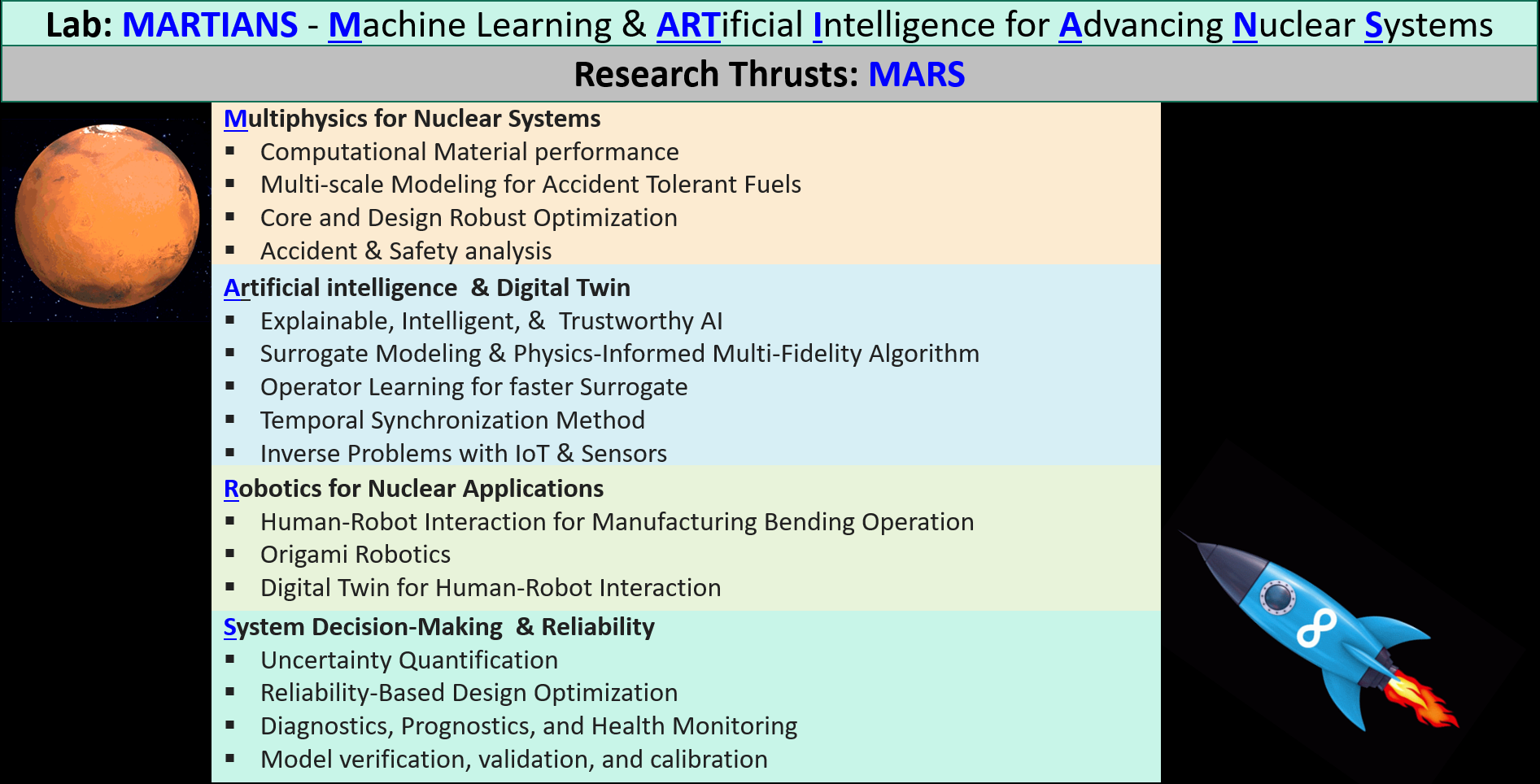
Syed Bahauddin Alam is an Assistant Professor at the University of Illinois Urbana-Champaign (UIUC) in the Nuclear, Plasma & Radiological Engineering department. He holds appointments in the Grainger College of Engineering and the National Center for Supercomputing Applications (NCSA). His research focuses on AI-driven digital twins, uncertainty quantification, and cybersecurity for nuclear systems. Education: B.Sc. in Electrical and Electronics Engineering, Bangladesh University of Engineering and Technology (BUET), 2011 MPhil in Nuclear Energy, University of Cambridge, 2013 PhD in Nuclear Engineering, University of Cambridge, 2018 Research Interests: AI and Digital Twins for Nuclear Energy Multiscale Modeling with Uncertainty Quantification Cybersecurity for Nuclear Systems Sensors and Instrumentation for Reactor Monitoring His work emphasizes explainable AI (XAI), physics-informed machine learning, and robust design optimization. Key contributions include AI-powered digital twins for nuclear systems, which received global media coverage and top 5% Altmetric scores. Awards & Honors: 2025 Dean’s Award for Excellence in Research (UIUC) 2024 Illinois Innovation Award Finalist 2022-2021 Outstanding Teaching Award (Missouri S&T) 2017 Cambridge Philosophical Society Research Studentship Award Grants & Funding: $700,000 U.S. Nuclear Regulatory Commission (NRC) Distinguished Faculty Development Award (2024) $2 million DOE grant for nuclear fuel storage solutions (2023) $500,000 NRC R&D Grant (2024) Labs & Teams: Leads the MARTIANS Lab (Machine Learning and ARTificial Intelligence for Advancing Nuclear Systems), focusing on hybrid data-physics-driven AI and explainable machine learning for nuclear engineering challenges.
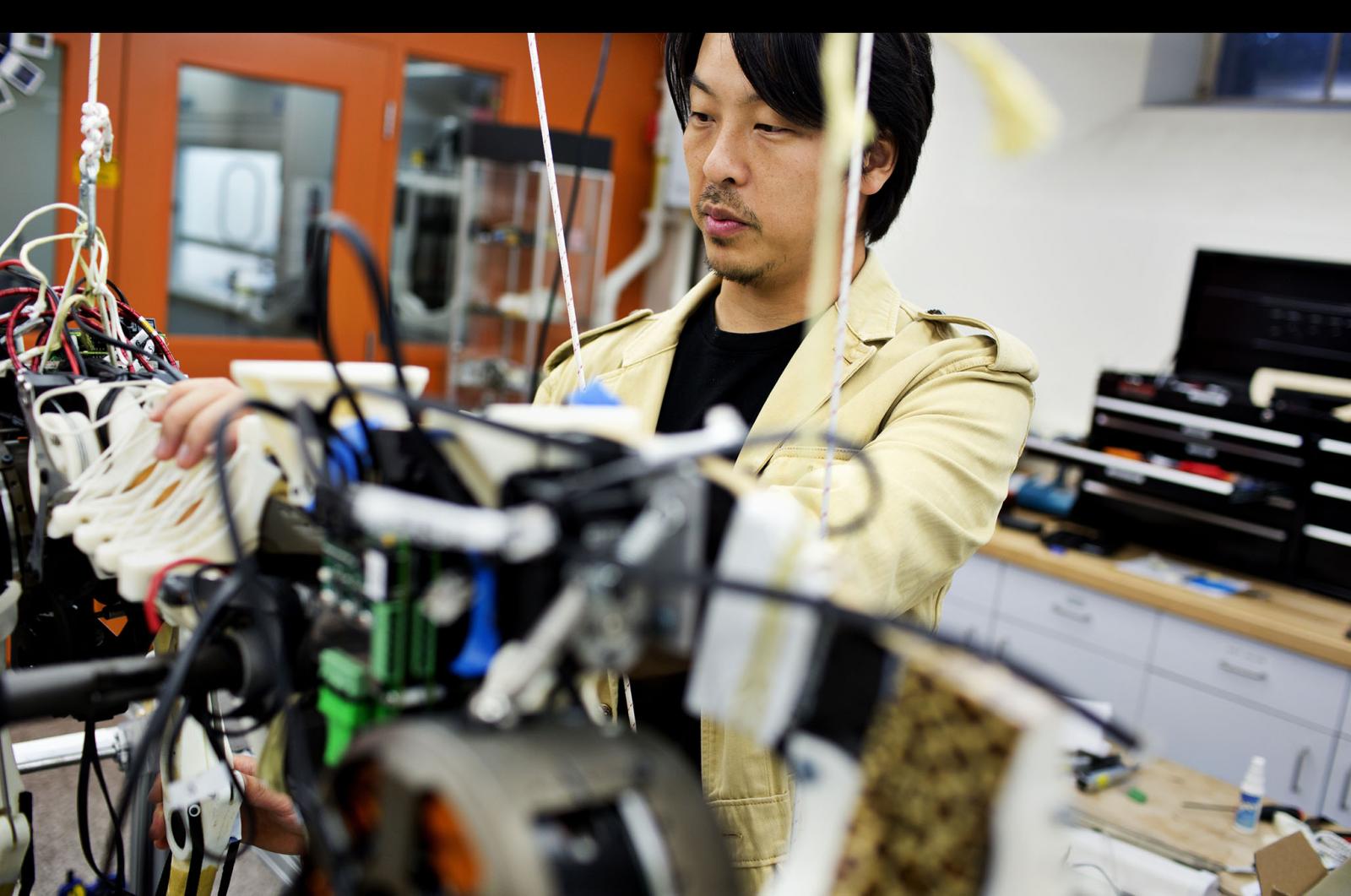
Professor Sangbae Kim is the Jerry McAfee (1940) Professor in Engineering at the Massachusetts Institute of Technology (MIT), School of Engineering, Department of Mechanical Engineering. His research focuses on bio-inspired robotics, extracting principles from animal biomechanics to develop high-performance robotic systems. Education: B.S. from Yonsei University (2001), M.S. (2004) and Ph.D. (2008) from Stanford University. Research Interests: Bio-inspired Robotics, Robotic Actuators, Locomotion Dynamics, Composite Sensor Fabrication, and Minimally Invasive Surgical Robotics. His notable achievements include the MIT Cheetah robot capable of 13mph outdoor running and autonomous obstacle jumping, and Stickybot, a climbing robot featured in TIME's Best Inventions (2006). Recent publications emphasize soft robotics, energy-efficient legged locomotion, and bio-inspired actuator design. Kim has received prestigious awards including the NSF CAREER Award (2014), DARPA Young Faculty Award (2013), and Ruth and Joel Spira Award for Distinguished Teaching (2015). Scientific Awards: NSF CAREER (2014), DARPA YFA (2013), TIME Best Invention (2006), multiple best paper awards. Professional Service: Associate Editor roles, NSF review panels, and leadership in IEEE and ASME organizations.
Warren Seering is the Weber-Shaughness Professor at the Massachusetts Institute of Technology (MIT) in the Department of Mechanical Engineering . He plays a pivotal role in the System Design and Management (SDM) program and has been a key figure in design theory and product development research. Education: B.Sc. and M.Sc. from University of Missouri-Columbia (1971, 1972), Ph.D. from Stanford University (1978) Research Areas: Design theory, product development processes, dynamic system modeling, and robotics His work focuses on design innovation , particularly in product development and machine dynamics . He has pioneered set-based thinking and input shaping techniques to reduce mechanical vibrations. Recent research includes balancing risk and innovation in crowdfunding ventures. Seering has served as a visiting professor at Cambridge, Caltech, UC Irvine, UC Berkeley, and Harvard. He founded Convolve, Inc. (1992) and contributed to patents in dynamics control and design optimization . Scientific Awards: Ralph R. Teetor Educational Award (1982) MIT Harold E. Edgerton Faculty Achievement Award (1983) ASME Fellow (1993) MIT Frank E. Perkins Award for Graduate Advising (2007) ASME Design Theory and Methodology Award (2021) Design Society Fellow (2021) Seering has advised numerous graduate programs and served on editorial boards of journals including Research in Engineering Design and IEEE Transactions on Automation Science and Engineering . His lab engagements include collaborations with the Nissan Cambridge Basic Research Center and the Skolkovo-MIT Partnership .
Azma Putra Azis is a Lecturer in the School of Civil and Mechanical Engineering at Curtin University, with a focus on acoustics, vibration control, and sustainable materials. He is affiliated with campuses in Australia, Dubai, Malaysia, Mauritius, and Singapore. His research emphasizes eco-friendly acoustic absorbers using natural fibers (e.g., wood, oil palm, coconut) and additive manufacturing. He collaborates widely, publishing in journals like International Journal of Environmental Science and Technology and Applied Acoustics . His work spans noise control, composite material development, and structural acoustics. Teaching areas include Science and Engineering, with contributions to the Centre for Aboriginal Studies and interdisciplinary fields. Education: Not explicitly stated in profile, but extensive academic publications suggest advanced qualifications in mechanical/acoustical engineering. Research Interests: Acoustic absorber design, composite materials, vibration dynamics, and sustainable engineering. Professional Networks: ORCID (0000-0001-6023-2493), Google Scholar, LinkedIn, and personal website ( www.azmaputra.com ). Publications highlight innovations in sound absorption using agricultural waste (e.g., durian husk, sugarcane fiber) and optimization of muffler designs. His work bridges engineering and environmental science, with applications in construction, automotive, and renewable materials.