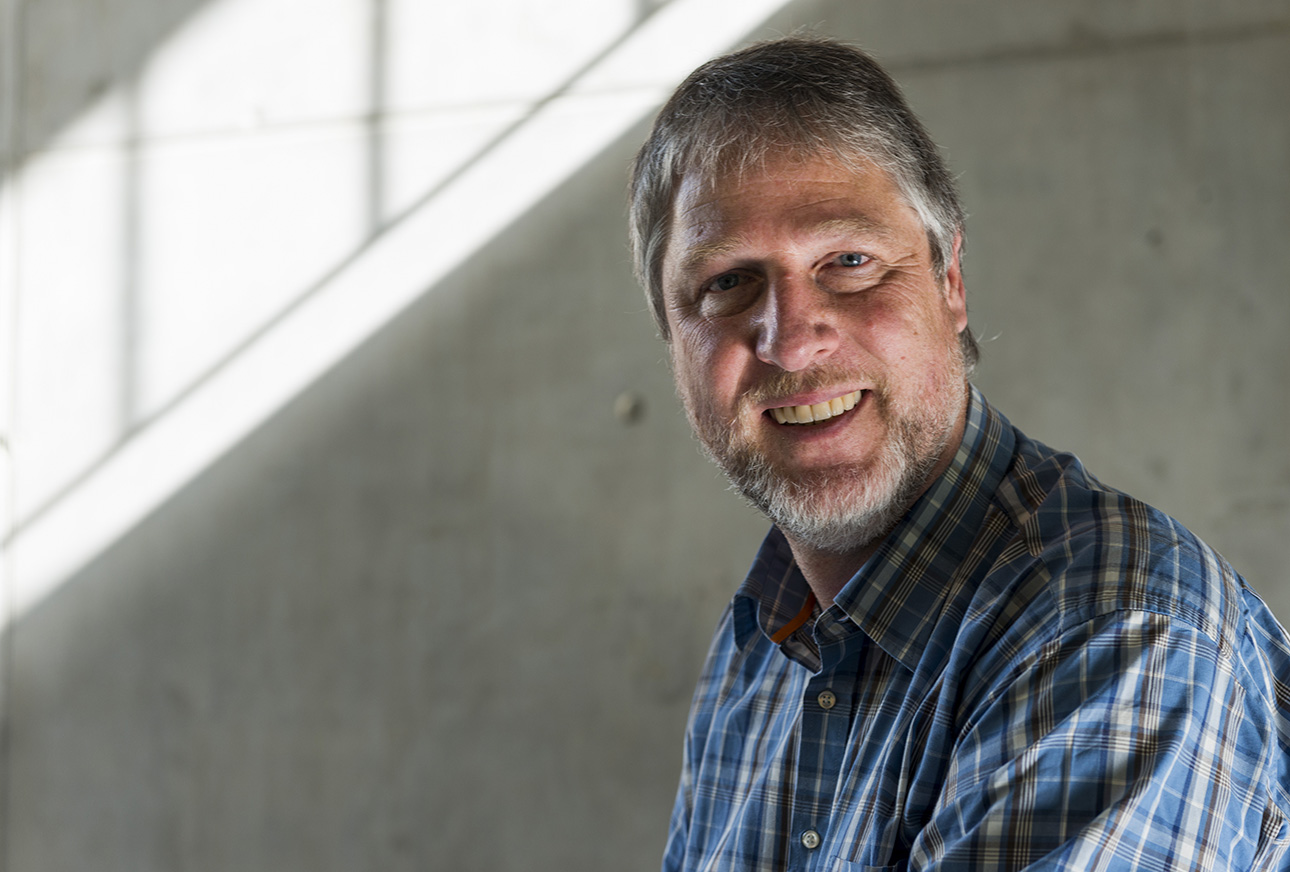
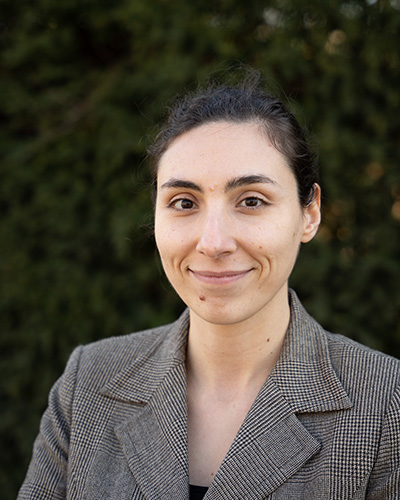
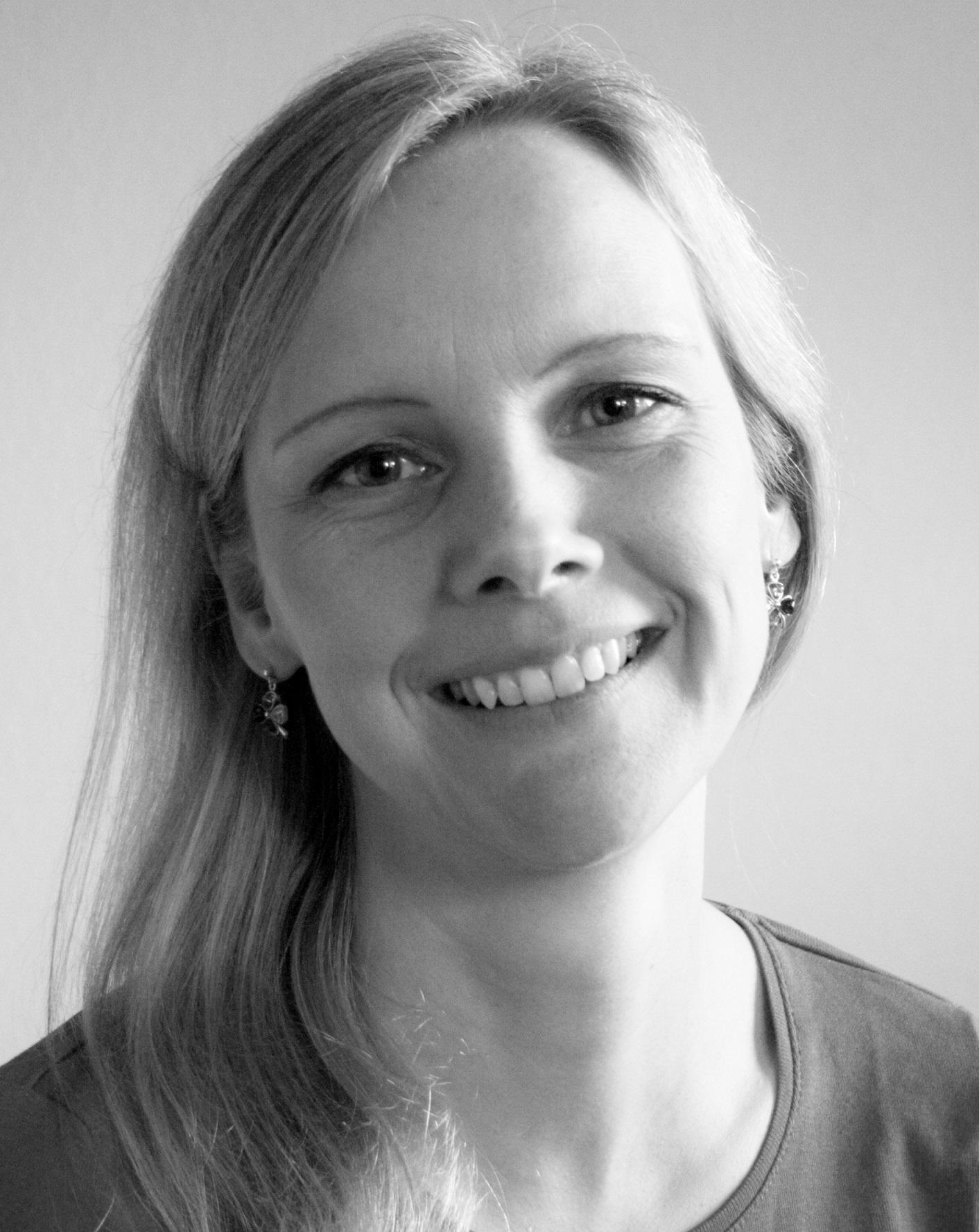
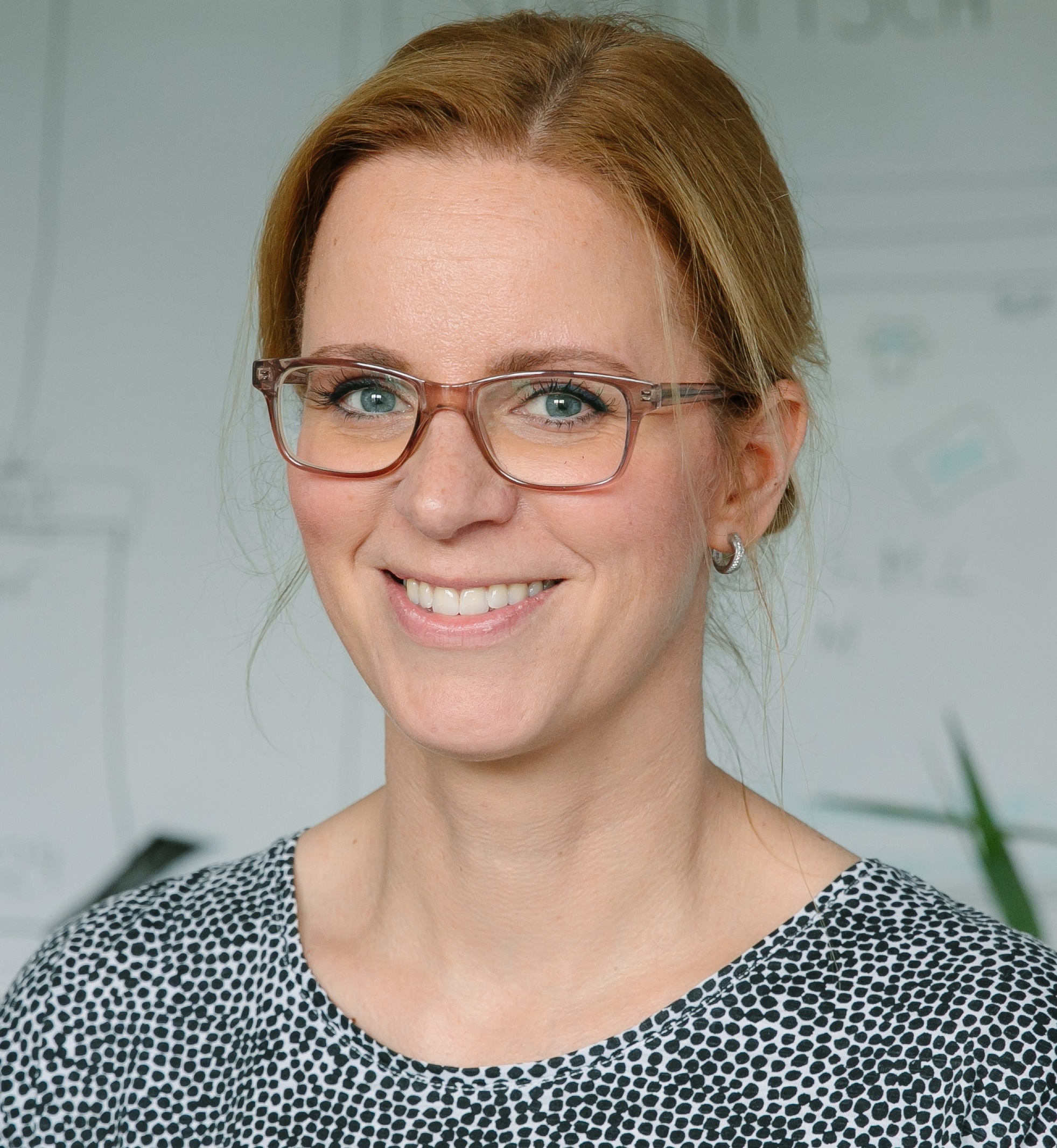
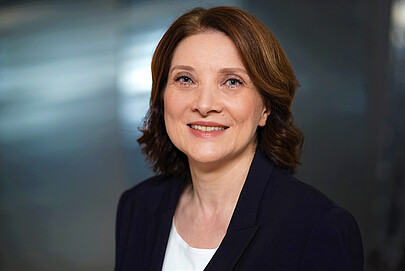
Professor Bernd Möbius is a leading academic in Phonetics and Phonology at the Department of Language Science and Technology, Saarland University. His research bridges phonetic theory with speech technology applications, focusing on text-to-speech systems, prosody modeling, and computational simulations of speech processes. Current research projects: DFG SFB 1102, C1: Information density and phonetic structure predictability DFG SFB 1102, C4: Slavic intercomprehension and surprisal theory (INCOMSLAV) Research Themes: Key areas include text-to-speech synthesis, speech prosody analysis, experimental methods in speech production/perception, information density in phonetics, and cross-linguistic studies of Slavic-Germanic languages. Scientific Contributions: Recent work explores Parkinson-induced dysarthria detection, breath noise acoustics, surprisal-driven speech behaviors, multilingual BERT models for idiomaticity, and perceptual consequences of acoustic adjustments.
Prof. Marianne Pouplier is a Professor at the Institute of Phonetics and Speech Processing (IPS) at Ludwig Maximilian University of Munich. Her research focuses on speech production mechanisms, particularly coarticulation, phonetic universals, and language-specific variations. She investigates articulatory timing, speech errors, and cross-linguistic differences in consonant clusters using advanced methodologies like real-time MRI and electromagnetic articulography. Her work bridges theoretical models (e.g., Articulatory Phonology) with empirical data, emphasizing the interplay between phonological representation and motor execution. Key contributions include studies on nasal coarticulation, larynx dynamics, and the role of articulatory effort in speech production. Selected publications highlight her expertise in analyzing speech motor control through interdisciplinary approaches. She collaborates internationally, contributing to projects like the Bavarian Archive for Speech Signals (BAS). No awards or grants are explicitly listed, but her extensive publication record underscores her scholarly impact.
Prof. Torsten Wolfgang Kuhlen serves as a Universitätsprofessor at RWTH Aachen University, leading the Teaching and Research Area for Virtual Reality and Immersive Visualization within the Department of Computer Science. He is affiliated with Chair of Computer Science 12 (High Performance Computing), the Visual Computing Institute, and remains an integral part of the RWTH IT Center where his research group operates one of the world's largest Virtual Reality laboratories including the 30 sqm aixCAVE visualization chamber. The group maintains strong connections with Computational Science & Engineering Division, National High Performance Computing Center for Computational Engineering Science (NHR4CES), and VR in Science and Industry Network NRW e.V. Prof. Kuhlen's research spans virtual reality, immersive visualization, and multimodal 3D user interfaces with applications across simulation science, production technology, neuroscience, and medicine. His work combines basic research on advanced methods and algorithms with interdisciplinary collaborations involving RWTH Aachen institutes, Forschungszentrum Jülich, and industry partners. Recent publications demonstrate strong focus on audiovisual perception, immersive analytics, collaborative virtual environments, and practical VR applications in education and manufacturing. His research group has produced significant work on listening effort in virtual environments, immersive authoring techniques, and VR applications for scientific visualization. Notable projects include VRScenarioBuilder for automated vehicle testing and applications in monitoring additive manufacturing processes. The group actively participates in major conferences including IEEE VIS and EuroVis, with several award-winning contributions. Prof. Kuhlen has advised PhD students including Martin Bellgardt who recently completed his doctoral degree on "Increasing Immersion in Machine Learning Pipelines for Mechanical Engineering". The research group maintains state-of-the-art VR infrastructure including the aixCAVE facility which is open to all RWTH research groups.
Mariya Toneva is a tenure-track faculty member at the Max Planck Institute for Software Systems , conducting groundbreaking research at the intersection of Machine Learning , Natural Language Processing , and Neuroscience . She leads the Bridging AI and Neuroscience (BrAIN) group , focusing on computational models that align AI systems with human brain processes. Her work aims to enhance both AI capabilities and neuroscience understanding through this cross-disciplinary approach. Actively recruiting postdocs, PhDs, and research interns in areas like code/text representation, brain-AI alignment, and neuroimaging data analysis Collaborator on NIH-funded projects using fMRI and neuropixel data Research Themes : Her group explores neural mechanisms of language processing, event segmentation in narratives, memory reactivation via music, and effective human-AI collaboration frameworks. Key methods include LLM analysis, cross-modal similarity metrics, and naturalistic task-based fMRI studies. Key Publications (2024-2025): Brain-tuned speech models (INTERSPEECH 2025) Cognitive event boundaries in LLMs (Behavioral Research Methods 2025) Music-induced memory reactivation (biorxiv 2024) LLM-brain alignment reasons (EMNLP 2024) Advising : Mentors PhD candidates Omer Moussa (speech processing), Camila Kolling (representational similarity), and Gabriele Merlin (LLM alignment). Collaborates with institutions like MIT, NYU, and ETH Zurich.
Felicitas Kleber is Professor of Speech Science in the Department of Language Science and Technology at Saarland University (Universität des Saarlandes). Her research profile demonstrates extensive expertise in experimental phonetics and laboratory phonology with a particular focus on German dialects and sound change phenomena. She maintains active research collaborations, most notably with J. Harrington and Ulrich Reubold, resulting in numerous high-impact publications in leading linguistics and phonetics journals. Her research interests span experimental phonetics and laboratory phonology with specific expertise in speech production and perception , sound change processes, German dialectology , phonological acquisition , and prosody and intonation analysis. Her work frequently examines the acoustic, perceptual, and articulatory dimensions of speech, particularly focusing on vowel and consonant quantity phenomena in German varieties. Analysis of her publication record reveals consistent methodological rigor with emphasis on acoustic analysis, perception experiments, and longitudinal studies. Her research often investigates sound changes in progress, particularly examining vowel fronting phenomena in both German and English varieties, and the relationship between speech production and perception mechanisms. Much of her work employs apparent-time analyses to track diachronic changes through synchronic variation across age groups. Professor Kleber serves as an Associate editor for the Journal of the Acoustical Society of America, reflecting her standing in the field. She has secured significant research funding including the DFG-funded project "Typology of vowel and consonant quantity in South German varieties: acoustic, auditory, and articulatory analyses of adult and child speakers" (2016-2024) and the DAAD-supported "Form and function of prosodic structure in Hungarian and German" (2015-2016). Her research methodology typically combines acoustic analysis with perception experiments and sometimes articulatory measurements to provide comprehensive insights into phonetic phenomena.
Mor Naaman is a Professor at Cornell University specializing in Human-Computer Interaction, Social Media Analysis, and AI-Mediated Communication. With a prolific publication record spanning over two decades, his research focuses on how people interact with social computing systems, particularly examining trust, information exposure, and community dynamics in online environments. His research interests span several interconnected domains: Human-Computer Interaction with emphasis on social media platforms, AI-Mediated Communication examining how AI systems influence human communication patterns, Misinformation Detection and analysis of information ecosystems, Location-Based Social Networks and community awareness systems, and Trust in Online Systems. His work often bridges technical and social aspects of computing, with publications appearing in top venues like CHI, CSCW, and ICWSM. Analysis of his recent publications (2022-2025) reveals a strong focus on the emerging challenges of AI in social contexts, particularly examining AI-generated content, trustworthiness evaluations of AI systems, and the social implications of generative AI. His research shows consistent interest in understanding community dynamics across platforms like Reddit, Facebook, and Twitter, with recent work examining hyperlocal communities, news consumption patterns, and cross-cultural aspects of AI-mediated communication. Mor Naaman has mentored numerous students and collaborators, including Xiao Ma, Yiqing Hua, and Marianne Aubin Le Quéré, who frequently appear as co-authors on his publications. His work demonstrates strong interdisciplinary connections between computer science, social science, and communication studies. His research methodology typically combines large-scale data analysis of social media platforms with user studies and system design, contributing both theoretical insights and practical applications for designing more effective social computing systems. Recent projects have examined AI writing assistants, community governance of AI content, and the cultural implications of AI-mediated communication.
Prof. Dr. Antje Wilton is a W2 Professor for English Linguistics with a Focus on Sociolinguistics at the Institute of English Philology (WE6) within the Department of Philosophy and Humanities at Freie Universität Berlin. She is a leading scholar in sociolinguistics, English as a Lingua Franca (ELF), and discourse analysis, with a focus on media, sports, and forensic linguistics. Education: Magistra Artium in English, German, and Sociology (1990-1997) PhD: English and Applied Linguistics, University of Erfurt (2006) Her research spans sociolinguistics , multimodal interaction , discourse analysis , and cross-cultural communication . Recent work examines language use in sports interviews, media discourse, and forensic settings. She has co-edited volumes on organizational language and European linguistic dynamics. Key article trends include analyzing interactional strategies in sports interviews, ELF usage in media, and discourse patterns in public security debates. She teaches courses on sociolinguistics, language and space, and global English.
Max Planck Institute for the Study of Religious and Ethnic DiversityGermany
Núria Agell Jané is a Full Professor at ESADE Business School , Universitat Ramon Llull, specializing in Artificial Intelligence and Decision-Making Systems. She leads the JUICE (Judgements and Decisions in the Market Place) research group and the ESADE D3 - Institute for Data-Driven Decisions . Doctorate in Applied Mathematics (Qualitative Reasoning Modelling), UPC-BarcelonaTech Bachelor's in Mathematics, University of Barcelona Her research focuses on Artificial Intelligence , Decision-Making Systems , and Fuzzy Logic , with applications in Business, Marketing, and Sustainability. Recent publications emphasize Hesitant Fuzzy Linguistic Term Sets , Consensus Modeling , and AI in Sustainable Development . She coordinates multiple publicly and privately funded projects applying AI to Business and Marketing challenges. As PhD Programme Director (2005-2013) and current Department Director of Operations, Innovation and Data Sciences , she has shaped academic and research strategies at ESADE. Her work spans collaborations with institutions like LAAS-CNRS (France) and University of Edinburgh Business School , with over 40 journal publications and 50 conference contributions. She has directly supervised 11 PhD students in AI and Decision Sciences.
Felicitas Kleber is a Professor of Speech Science at the Department of Language Science and Technology, Saarland University. Her research focuses on experimental phonetics and laboratory phonology, emphasizing the interplay between speech production and perception in sound change processes. Research Areas : experimental phonetics, laboratory phonology, coarticulation dynamics, prosody and intonation, diachronic sound change, German dialects. Projects : Directed DFG-funded research on vowel/consonant quantity typology in Southern German varieties (2016–2024); DAAD-funded study on prosodic structure in Hungarian and German (2015–2016). Collaborations : Key partnerships with Jonathan Harrington (phonetics), Ulrich Reubold (acoustic analysis), and interdisciplinary teams in computational linguistics and sociophonetics. She serves as Associate Editor for the Journal of the Acoustical Society of America , integrating cognitive and social dimensions into sound change models.
Prof. Dr. Angelika Braun is a full Professor of Phonetics at the University of Trier since October 2009, with a career spanning forensic phonetics, sociophonetics, and cross-cultural speech analysis. She previously held roles at the Bundeskriminalamt (Wiesbaden/Düsseldorf) and Philipps-Universität Marburg, where she habilitated in Phonetics and Speech Processing (2000). Her work bridges academic research with forensic practice. Research Focus: Her Sociophonetics (language and emotions, gender-specific speech) Forensic Phonetics (speaker identification, voice analysis) Contrastive and Hawaiian Phonetics Speech prosody and toxin effects (smoking, alcohol) Intercultural dubbing studies Academic Contributions: Over 15 recent articles explore voice quality, emotional speech, forensic age estimation, and cross-cultural dubbing effects. Key conferences include Interspeech, International Congress of Phonetic Sciences, and ISCA. Her work appears in journals like Forensic Linguistics and The Phonetician . Scientific Honors: Fellow of the American Academy of Forensic Sciences (AAFS) Founder Member and former Chairperson of the International Association for Forensic Phonetics (IAFP) Life-Member of the International Phonetic Association (IPA) Leadership roles in ISPhS and GAL Practical Impact: Developed the Almeida-Braun Transcription System for dialect analysis and contributed to forensic audio enhancement protocols (e.g., Rodney King case). Serves as reviewer for Language and Speech , Forensic Linguistics , and JIPA . Collaborates on longitudinal studies of vocal aging and speaker identification.
Dr. Antje Strauß is a Researcher at the Department of Linguistics, University of Konstanz, where she serves as Principal Investigator for a DFG-funded project on theta oscillations and prelexical abstraction since October 2018. Her work bridges speech processing, auditory cognition, and neural oscillations, with a focus on lexical and sublexical mechanisms in noisy environments. PhD in Neural Oscillatory Dynamics of Spoken Word Recognition (2011–2014, Max Planck Institute) Magistra Artium in German Philology and Philosophy (2004–2010, Albert Ludwig University) Her research explores how brain rhythms like alpha and theta oscillations support auditory selective inhibition, speech segmentation, and predictive processing. She has pioneered studies on cued speech applications for enhancing speech-in-noise perception and developed the Fharvard corpus—a phonemically-balanced resource for audiology research. Recent publications highlight her expertise in neural oscillations, auditory perception, and speech-in-noise intelligibility. Collaborative work spans institutions like CNRS, MPI CBS, and Freiburg Institute for Advanced Studies. Post-doctoral fellow at Zukunftskolleg, University of Konstanz (2016–2018) Post-doctoral fellow at CNRS, GIPSA-lab (2015–2016) She contributes to peer review for journals including Journal of Neuroscience , Cortex , and PLOS Biology , and maintains memberships in the Society for the Neurobiology of Language, European Society for Cognitive Psychology, and related organizations.
Dr. Mathis Richter is a Postdoctoral Researcher at the Institute of Neuroinformatics (INI), part of the Faculty of Computer Science at Ruhr University Bochum, Germany. He has been affiliated with the INI since 2008, progressing from Research Assistant to Research Associate, and currently serves as a Postdoctoral Researcher since July 2018. At the INI, he contributes to both the Embodied Cognition group and the Autonomous Robotics group, led by Prof. Dr. Gregor Schöner. Dr. Richter earned his Dr.-Ing. (Ph.D. equivalent) in Engineering from Ruhr-Universität Bochum between 2011 and 2018, following an M.Sc. and B.Sc. in Applied Computer Science from the same institution. His academic journey includes an exchange year at the University of Birmingham, UK. His research centers on higher cognition, specifically concept representation, how concepts combine to form complex mental scenes, and the neural mechanisms organizing cognitive operations in time. Using Dynamic Field Theory as his primary framework, he develops mathematical models explaining how neural populations represent objects and concepts. His work demonstrates how these cognitive models connect to sensory-motor systems, often implemented on robotic platforms to validate their autonomy and functionality. Analysis of Dr. Richter's publications reveals a consistent focus on neural dynamic modeling of cognitive processes, with particular emphasis on spatial relations, language grounding, and embodied cognition. His research trajectory shows increasing sophistication in modeling complex cognitive phenomena while maintaining strong connections to robotic implementations. As an educator, Dr. Richter has taught Lab courses in Autonomous Robotics across multiple terms since Winter 2015/2016 and has delivered Lectures in Computational Neuroscience: Neural Dynamics since Winter 2018/2019. His teaching directly reflects his research expertise in neural dynamics and cognitive systems. Dr. Richter actively participates in interdisciplinary research that bridges cognitive science, neuroscience, computer science, and robotics, contributing to the INI's mission of understanding how organisms generate behavior and cognition through interaction with their environments.
Ulrike Altendorf serves as Associate Professor of Contemporary English Language at Leibniz University Hannover's Faculty of Philosophy, where she holds multiple leadership positions including Head of the English Linguistics Department and Managing Director of the English Department (since 2021, and previously from 2012-2014). Her extensive administrative roles include Deputy Chair of the Audit Committee, Examination Officer for German and English Linguistics, and representation on the Doctoral Committee of the Faculty of Philosophy. Altendorf's research expertise centers on English language variation with particular focus on Estuary English, which has formed the cornerstone of her academic career since her 2001 doctoral dissertation at Heinrich Heine University Düsseldorf. Her scholarly approach bridges traditional dialectology with cognitive sociolinguistics, developing innovative frameworks like the perceptual prototype approach to language variation. She examines how ideology and social perception shape linguistic categorization, particularly in the contested case of Estuary English as a legitimate dialect category. Analysis of her publication record reveals consistent focus on language variation, with particular attention to British English dialects, accent studies, and the sociocultural dimensions of linguistic change. Her work demonstrates evolution from descriptive documentation of Estuary English features to theoretical contributions examining the cognitive and ideological processes behind dialect formation and recognition. Recent publications increasingly incorporate cognitive sociolinguistic perspectives while maintaining empirical grounding in phonetic and phonological analysis. Altendorf leads active research projects including 'Estuary English Revisited' and 'S Retraction,' examining sound changes in Southeastern England. Her scholarly influence extends through editorial work, including co-editing 'Cultural Issues in the Matrix of Applied Linguistics' (2020) and 'Australien Verstehen – Facetten eines Kontinents' (2010), demonstrating her commitment to interdisciplinary approaches in linguistic research.
Dr. Silvia Caprioglio Panizza is a philosopher working at the University of Tübingen's Philosophical Seminar as a Researcher on the DFG project 'Natural Badness.' She is also a Senior Researcher at Univerzita Pardubice's Centre for Ethics and an Adjunct Senior Research Fellow at University College Dublin's School of Philosophy. Her research spans meta-ethics, moral psychology, and applied ethics, with a focus on animal ethics, environmental ethics, and bioethics. She specializes in feminist philosophy, philosophy of literature, translation, mysticism, and ancient philosophy (Greek, Roman, and Indian traditions). PhD in Philosophy (2016, University of East Anglia), thesis on attention and morality MA in Comparative Literature (University of Sussex) Laurea Specialistica and Triennale in English Literature (University of Genoa) Her work explores the intersection of moral philosophy and practical applications, particularly regarding human-animal relationships and eco-feminism. She is influenced by Iris Murdoch and Simone Weil, examining concepts like moral impossibility and attention. Recent projects include the MSCA MIGHT initiative on 'Moral Impossibility' and the AKTION Austria-CZ cooperation project on 'Contested Moral Framings.' Her publications and conferences highlight interdisciplinary approaches to ethics, including collaborations with the Government of Ireland's Department of Health, film consultant roles, and public engagement initiatives like the 'Eating Animals' debate. She serves as Associate Editor at The Journal of Ethics and is certified in university teaching and freediving.
Max Planck Institute for Evolutionary AnthropologyGermany
Daniel Hanus is a Researcher at the Max Planck Institute for Evolutionary Anthropology in the Department of Comparative Cultural Psychology . He coordinates the Wolfgang Köhler Primate Research Center and Global Primate Study Network, with over 15 years of experience in African chimpanzee sanctuaries. His work spans Physical cognition Causal understanding Visual illusions Numerical competence Meta-cognition research in human and non-human primates. As an International Primatological Society member and ad hoc reviewer for journals like Animal Behaviour and Science , he contributes to methodological advancements. He teaches at the University of Leipzig and has held visiting positions at Free University Berlin and University of Tübingen. Hanus's research combines fieldwork at chimpanzee sanctuaries with controlled experiments to explore cognitive evolution. His 2025 publications in Nature Communications and Animal Behaviour examine neural precursors of language and social attention mechanisms, while 2023 work in Nature Ecology & Evolution reveals cognitive stability across primate development. 2009 Poster Competition Winner, Workshop on Cognition and Evolution, Rovereto 2003 Poster Competition Winner, German Primatological Society, Leipzig He coordinates research collaborations with Chimfunshi (Zambia) Tacugama (Sierra Leone) LCRP (Liberia) sanctuaries and maintains active research stays at Ngamba Island (Uganda) and Tchimpounga (Congo). Fluency in German, English, and French supports cross-cultural research initiatives.