Prof. Dr. Monika Bobbert is a full professor of Moral Theology and director of the Catholic Theological Faculty at Westfälische Wilhelms-Universität Münster since 2016. She holds additional memberships in the National Research Program 76 Fürsorge und Zwang (Switzerland) and the International Society for Moral Theology and Social Ethics. Current research focuses on theological ethics , bioethics , and applied ethics in medical and nursing contexts Key areas: autonomy , conscience , care ethics , and ethics of biotechnology Her academic work spans medical ethics , nursing ethics , and ethics in pastoral care , with particular attention to end-of-life decisions, organ transplantation, and disability rights. Recent publications emphasize digital care documentation , assisted dying , and ethical review processes . She has served on numerous national and international ethics commissions, including the German Federal Health Ministry's transplantation law evaluation group (2021-2022). Scientific recognition includes the 2017 Research Prize from the German Medical Ethics Commissions Association. Her teaching portfolio includes courses on Christian theological ethics , medical ethics , and applied ethics since 2016.
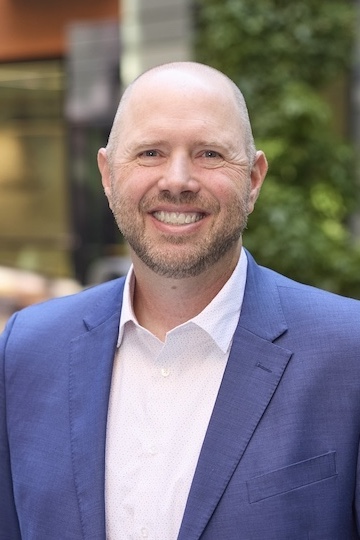
Shawn D. Whiteman serves as Professor and Interim Dean in the College of Education and Human Services at Utah State University, where he leads the Department of Human Development and Family Studies. His interdisciplinary work bridges developmental science, family studies, and public health to examine youth outcomes through adolescence and early adulthood. His educational background includes a PhD in Human Development and Family Studies (Statistics) from The Pennsylvania State University (2004), an MA in Psychology from Wake Forest University (2000), and a BA in Psychology from Shippensburg University (1998). PhD, Human Development and Family Studies (Statistics), The Pennsylvania State University, 2004 MA, Psychology, Wake Forest University, 2000 BA, Psychology, Shippensburg University, 1998 Whiteman’s research centers on sibling relationships as critical pathways for social influence and comparison within family systems. He investigates how sibling dynamics shape health behaviors, socioemotional adjustment, and developmental trajectories through adolescence into emerging adulthood. His work integrates longitudinal methodologies with family systems theory to unpack bidirectional sibling influences, differential parental treatment, and contextual factors like military deployment or pandemic disruptions. Current projects examine sibling mediation of substance use pathways, sport participation patterns, and crisis-related family adaptations. Analysis of his recent publications reveals consistent focus on sibling relationship mechanisms across developmental contexts. His work increasingly incorporates crisis events (military deployment, pandemics) as natural experiments to study family resilience. Methodologically, he combines advanced longitudinal modeling with mixed-methods approaches, particularly in military family and sibling sport research. His scientific recognition includes: Faculty Researcher of the Year (2019) from Emma Eccles Jones College of Education and Human Services, Utah State University Purdue University Scholar (2014) Early Career Research Achievement Award (2012) from Purdue University Whiteman mentors doctoral students in Human Development and Family Studies, with recent graduates including Leslie Page, Iliana Wilkinson, Jenna Dayley, and Liam Fischback. His research program receives substantial external funding from the National Institutes of Health and Department of Defense, supporting investigations into military family resilience and youth health behaviors. Current projects include longitudinal studies of wartime deployment effects on sibling relationships and pandemic-related family stress pathways. His work operates within university-wide research infrastructure at Utah State, collaborating with military family research centers and leveraging longitudinal datasets on sibling dynamics across diverse family structures.
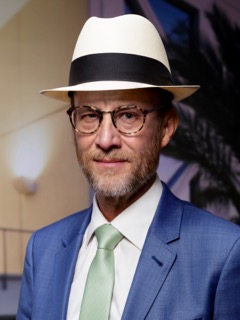
Don D. Coffman is a Professor and Chair of the Department of Music Education and Music Therapy at the Frost School of Music, University of Miami. With extensive experience in music education and community music programs, particularly focused on adult learners and older adults, he has made significant contributions to the field through research, editorial work, and leadership. Dr. Coffman's research interests primarily focus on community music, music education for adults, and the therapeutic applications of music. His work explores: Community music practices and their integration with formal music education Adult learning in musical contexts, particularly through New Horizons Band programs Music therapy applications for older adults and those with visual impairments Editorial ethics and research integrity in academic publishing Comparative analysis of pedagogical approaches (pedagogy, andragogy, heutagogy) in music education His recent publications demonstrate a strong focus on community music research trends, ethical considerations in academic publishing, and innovative approaches to music education for diverse populations. Dr. Coffman has served as an editor for the International Journal of Community Music, where he has contributed to shaping the discourse in this growing field. Dr. Coffman has received recognition for his editorial work and scholarly contributions to community music research. His leadership as Chair of the Department of Music Education and Music Therapy has helped position the University of Miami as a leader in innovative music education approaches. As an educator and mentor, Dr. Coffman has guided numerous graduate students and emerging scholars in the fields of music education and community music. His research has been supported by various academic institutions and has contributed to the development of community music programs worldwide, particularly those serving adult populations. Dr. Coffman is actively involved with the New Horizons Band movement, which provides musical opportunities for adults, and has conducted extensive research on the experiences of both participants and teaching assistants in these programs. His work bridges the gap between academic research and practical community music applications.
Michelle Bombaugh is an Assistant Professor at the University of South Florida 's College of Education , specializing in Higher Education Administration and Student Affairs. With over 15 years of experience at USF, she has held multiple administrative roles including Undergraduate Admissions and Academic Advocacy. Bachelor's in Music Education & Performance (Florida Southern College) M.Ed in College Student Affairs (USF) PhD in Higher Education Administration (USF) Her research focuses on student success strategies , utilizing predictive analytics and case management to improve retention. She has presented at international conferences on topics like first-year persistence and academic advocacy models. Recent publications examine predictive data systems , cross-functional team dynamics , and transfer student timelines . She currently coordinates the M.Ed in Curriculum and Instruction with a concentration in College Student Affairs.
Dr. Gerard Bellefeuille is a Professor in the Department of Child and Youth Care at MacEwan University's Faculty of Health and Community Studies. He previously served as an Associate Professor of Social Work at the University of Northern British Columbia and brings over two decades of direct practice experience in human services. His academic focus integrates creative pedagogical approaches with child welfare practices. PhD in Social Work (University of Victoria) Research interests include Arts-based Education , Indigenous Child Welfare , and Relational-centered Practice . His work emphasizes creativity as a transformative tool for learning, leveraging arts-based methods to enhance somatic awareness and uncover hidden knowledge in educational settings. Recent publications highlight his expertise in qualitative inquiry , 2SLGBTQ+ youth support , and international experiential learning . His academic contributions span over 60 peer-reviewed articles, 70 invited lectures, and three co-authored books. Distinguished Teacher Award (2014) Dissemination Grant (2019) Multiple Campus Alberta Grants for International Learning (2010, 2016) Dr. Bellefeuille actively involves students in research, mentoring over 100 CYC students as co-authors. His grants include funding from Alberta Advanced Education, the British Columbia Ministry of Children and Family Development, and Indigenous community partnerships.
Richard H. Sander is the Dukeminier Distinguished Professor of Law at UCLA School of Law, where he has been a faculty member since 1989. He also serves as co-chair of the UCLA-RAND Center for Policy Research and Vice-Chair of the Inclusivity Institute. Sander holds a J.D. and Ph.D. in Economics from Northwestern University. Sander's research focuses on social and economic inequality, with particular emphasis on housing segregation, law school admissions policies, and affirmative action. His most notable contribution is the development of the "mismatch hypothesis," which argues that large racial preferences in university admissions can harm the very students they intend to help by placing them in academic environments where they struggle relative to their peers. His influential book Mismatch: How Affirmative Action Hurts Students It's Intended to Help, and Why Universities Won't Admit It (2012) expanded on this theory. Sander has extensively studied the effects of California's Proposition 209, which banned racial preferences in public university admissions. His research shows that after Prop 209's implementation, underrepresented minority enrollment initially declined but then rebounded to record levels through improved outreach programs and socioeconomic-based admissions criteria. He argues that race-neutral policies ultimately improved graduation rates and STEM participation for minority students. Sander teaches courses in property law, quantitative methods, urban housing policy, and policy analysis. His empirical approach to legal scholarship has made significant contributions to debates about racial equality in education and housing. His work combines economic analysis with legal scholarship to examine the unintended consequences of well-intentioned policies.
Dr. Ana Paula Caetano is an Associate Professor at the Institute of Education, University of Lisbon , specializing in teacher training, ethical development, and inclusion in education. She has led projects such as BRiDGE , LC4Inclusion , and 4StuDi , focusing on intercultural education and social mediation. Research spans complexity in education , cyberbullying interventions , and artistic education Her work examines emotional and ethical dimensions in teaching-learning processes Current projects include (Re)Configurations of Teaching-Learning and Ibero-American Network for Professional Teacher Identity Recent publications analyze higher education inclusion policies and emotional dynamics in cyberbullying . She can be contacted at apcaetano@ie.ulisboa.pt .
Lyne Martel is an Adjunct Professor in the Department of Educational Administration and Foundations at the Faculty of Education, Université de Montréal. She holds a PhD in Education (2020) and a Master’s in Educational Administration (2011), both from the Université de Sherbrooke. Her academic profile includes membership in the CRIFPE research center and leadership roles in graduate programs like the DESS in Educational Leadership and Management. Adjunct Professor, Université de Montréal PhD in Education (2020), Université de Sherbrooke Master’s in Educational Administration (2011), Université de Sherbrooke Member, CRIFPE research center Her research focuses on school leadership practices, particularly how administrators can enhance student success through collaborative governance and pedagogical leadership. She has explored the integration of experiential knowledge with scientific insights, emphasizing qualitative approaches to understanding school management realities. Recent publications highlight her work on data-driven decision-making in schools, concordance-based training for novice administrators, and collaborative practices between school leaders and teachers. Funded by SSHRC and FRQSC, her projects include provincial professional learning networks and initiatives supporting unqualified teachers. Scientific contributions include book chapters on school leadership training, peer-reviewed articles in journals like Revue Hybride de l'Éducation , and presentations at international conferences. She has supervised several graduate students, including ongoing theses on school leadership transitions and educational equity in Senegal. Desjardins Foundation Scholarship for academic excellence Second Prize in Scientific Poster Contest (2014) University of Sherbrooke Institutional Scholarships (2013, 2012) Martel’s career bridges practical experience as a school principal with academic research, focusing on sustainable educational leadership and institutional knowledge transfer.
Jo Gleeson is a Research Fellow with the Q Project in the Faculty of Education at Monash University, where she investigates how educators use research evidence in their practice. She is actively engaged in research output with 57 publications to date, including 16 journal articles, 11 reports, 11 abstracts, and 7 book chapters, demonstrating significant scholarly contribution to education research. PhD in Measuring Adolescent Career Identity in the 21st Century (Monash University, 2020) Graduate Certificate in Educational Research (Monash University, 2015) Graduate Diploma in Career Development (Swinburne University of Technology, 2013) Graduate Diploma in Management (Human Resources) (RMIT University, 1994) Bachelor of Commerce (University of Melbourne, 1989) Dr. Gleeson's research centers on quality evidence-use by educators and its benefits for teaching practices, with broader scholarly interests encompassing youth transitions and employability, adolescent career development, evidence-based practice across sectors, transcultural capacity in teachers, and inter-generational education patterns. Her work significantly contributes to UN Sustainable Development Goals related to quality education. She has developed expertise in Rasch analysis, measurement and scale development, particularly through her PhD research focused on creating a measure of adolescent career identity to improve careers education and youth transitions from education to work. Her recent publications show a strong trend toward examining evidence implementation in educational settings, with particular focus on school educators' research utilization, graduate employability, and preparing students for workforce precarity. The majority of her work connects educational research to practical classroom applications, emphasizing how evidence can drive quality education outcomes. Dean's Award for Excellence in Research Engagement and Impact (2023) ICSEI / JPCC Innovation Award (2025) As an active researcher, Dr. Gleeson serves as a peer reviewer for Higher Education Research & Development journal and has contributed to numerous conferences and public lectures on evidence-informed education. She is currently involved in The Q Project: Quality Use of Evidence Driving Quality Education (2019-2024), where she serves as an Associate Investigator examining how research evidence can be effectively integrated into educational practice. Dr. Gleeson is accepting PhD students and has supervised research projects focused on evidence-based approaches in education. Her work with the Q Project represents her primary research team affiliation, focusing on bridging the gap between educational research and classroom practice through evidence-informed approaches that enhance teaching quality and student outcomes.
Alan J. Daly is a Professor and Co-Director in the Department of Education Studies at the University of California, San Diego, where he also serves as Director of Educational Leadership Doctoral Programs. With 16 years of public school experience across various instructional and leadership roles, his academic career bridges practical educational experience with rigorous research. His research expertise spans several key areas: Social Networks in Educational Organizations Educational Leadership and Policy Organizational Change in Educational Settings Equity and Marginalized Student Populations STEM Education and Student Belonging Professor Daly has established himself as a leading scholar in social network analysis in education, examining how relationships and network structures influence educational outcomes, policy implementation, and organizational change. His work particularly emphasizes how these network dynamics affect traditionally marginalized student populations. Among his major scholarly contributions are four influential books: Social Network Theory and Educational Change Using Research Evidence in Schools Thinking and Acting Systemically: Improving School Districts Under Pressure Leading Holistically His research program has been well-supported through external funding, with over $2.5 million secured for educational network studies. Professor Daly's international recognition includes being named a Fulbright Scholar with research experiences in New Zealand and South Africa. Professor Daly maintains an active research agenda focused on practical applications of network theory, particularly in understanding knowledge brokering, leadership networks during reform initiatives, and leveraging social networks to improve educational outcomes for marginalized students. His work on educator wellbeing demonstrates his commitment to addressing the holistic needs of educational professionals.
Stephen A. Edwards is an Associate Professor at the Computer Science Department of Columbia University , where he explores automating software for embedded systems and real-time control . His work focuses on compiler techniques for languages like Esterel and domain-specific solutions for device drivers and communication protocols . Education : PhD in Electrical Engineering, University of California, Berkeley (1997) MS in Electrical Engineering, UC Berkeley (1994) BS in Electrical Engineering, California Institute of Technology (1992) Research Interests span hardware synthesis , functional programming , and synchronous languages . He develops domain-specific languages to bridge software and hardware, emphasizing determinism and timing precision in embedded systems. His group's work includes projects like the FHW compiler and the Sparse Synchronous Model . Article Trends show a focus on FPGA-based systems , garbage collection for accelerators, and parallel functional programming . These reflect his broader interests in hardware-software co-design and compiler optimization for real-time applications. Students : John Hui (2021-2024, Apple) Max Levatich (2020-) Richard Townsend (2013-2019, Tufts) Nalini Vasudevan (2007-2011, Google) Marcio Buss (2004-2008) Jia Zeng (2002-2008) Cristian Soviani (2002-2007, Synopsys) Consulting & Expert Services : He provides litigation support and expert witness services in patent cases involving software architecture and computer design , including ITC cases. Labs & Projects : Leads research on sparse synchronous systems and hardware synthesis , with initiatives like the GAPS CLOSURE Project and FHW Compiler for translating Haskell to System Verilog.
Gina-Maria Pomann is an Associate Professor of Biostatistics & Bioinformatics at Duke University's School of Medicine, where she serves as Director of the Biostatistics, Epidemiology, and Research Design (BERD) Methods Core. She leads a diverse team of quantitative experts including biostatisticians, data scientists, and bioinformaticians who contribute to groundbreaking research across clinical and translational domains. Dr. Pomann earned her Ph.D. from North Carolina State University (2015) and has developed expertise in novel statistical methodology for functional data and brain imaging. She has directed 30 collaboration teams across medical fields including Pediatrics, Global Health Institute, and Neurosurgery. Her primary research focuses on the science of team science, developing administrative structures and workforce development programs to support data-intensive biomedical research. Her research program demonstrates a consistent focus on improving how quantitative scientists collaborate with biomedical researchers. Recent publications examine integrating large language models in biostatistical workflows, methods for building quantitative collaboration units, workforce development for biostatisticians, and the organizational aspects of team science. Her 15 most recent articles (2023-2025) span topics from AI in healthcare to statistical education and collaborative research structures, reflecting her dual expertise in methodological statistics and research organization. Dr. Pomann has developed significant workforce development initiatives: BERD Core Training and Internship Program (BCTIP) for Masters of Biostatistics students Duke AI Health Fellowship Program (two-year postgraduate training) R25 grant: "Quantitative Methods for HIV/AIDS Research" as MPI She holds a joint appointment at Duke National University of Singapore and has secured multiple NIH grants including CTSA UM1 (2025-2032), Quantitative Team Science Program (2024-2029), and Quantitative Methods for HIV/AIDS Research (2018-2028). Her leadership has enabled the BERD Core to assist over 1,100 investigators and produce more than 550 collaborative manuscripts, while training over 100 student interns and 40 staff members in data-intensive biomedical research.
Dr. Brian Francis is Professor of Ophthalmology at UCLA's David Geffen School of Medicine and Medical Director of Doheny Eye Center UCLA in Fountain Valley. He holds the Rupert and Gertrude Steiger Endowed Chair in Vision Research at the Doheny Eye Institute, specializing in glaucoma and minimally invasive surgical techniques. Education MD, Tulane University School of Medicine, 1992 Transitional Internship, Tulane University Hospital & Clinics, 1993 Ophthalmology Residency, Tulane University Hospital & Clinics, 1996 Glaucoma Fellowship, UCSF Medical Center, 1997 MS in Biostatistics and Clinical Trials, University of Southern California A pioneer in glaucoma care, Dr. Francis performed the first combined cataract and MIGS surgery in 2006. His research focuses on canaloplasty, trabecular microbypass stents, suprachoroidal stenting, and advanced diagnostic modalities including OCT and visual field technology. He actively develops innovative surgical approaches for glaucoma and cataract management while emphasizing evidence-based practices. With over 130 peer-reviewed publications and co-editorship of the textbook Minimally Invasive Glaucoma Surgery , his recent scholarly work addresses MicroPulse Transscleral Laser Therapy protocols and outcomes. His publication history demonstrates consistent leadership in translating surgical innovations into clinical practice through consensus guidelines and technical refinements. Scientific Awards American Academy of Ophthalmology Secretariat, Achievement, and Senior Achievement Awards Super Doctors, Southern California (2022-2025) Top Doctors, Los Angeles Magazine (2018, 2021, 2024) As Fellowship Director at Doheny-UCLA, Dr. Francis trains ophthalmologists worldwide in cutting-edge glaucoma techniques. He directs significant outreach initiatives providing free glaucoma care in Mexico and underserved communities through UCLA programs. His endowed chair supports ongoing research in vision preservation technologies and surgical advancements. Dr. Francis leads Glaucoma Services across Doheny Eye Center's multi-site network (Fountain Valley, Arcadia, Pasadena) with integrated teams developing next-generation diagnostic and therapeutic approaches. His clinical-research pipeline focuses on improving accessibility of MIGS procedures and long-term outcomes monitoring.
Anthony (Tony) T. Dren, PhD, RPh , is a Consulting Professor in the Duke University School of Nursing . A registered pharmacist with more than three decades of experience in pre-clinical and clinical drug development, Dr. Dren brings extensive industry expertise to Duke’s graduate nursing programs. Education PhD in Pharmacology, University of Michigan at Ann Arbor MS in Pharmacy, Duquesne University (Pittsburgh, PA) Research Interests Dr. Dren’s scholarly focus centers on the design, execution, monitoring, and reporting of Phase I–IV multi-center clinical trials . His work bridges pharmacology and advanced nursing practice, emphasizing rigorous methodologies for evaluating new therapeutic agents. Areas of particular depth include pre-clinical safety assessment, adaptive trial design, regulatory strategy, and the integration of pharmacokinetic–pharmacodynamic modeling into clinical research. Scientific Awards & Honors Holds ten patents in drug development and pharmaceutical sciences. Author of numerous peer-reviewed articles in leading pharmacology and clinical research journals. Advising & Grant Activity While the directory does not enumerate specific grants or funded projects, Dr. Dren’s long-standing collaboration with industry leaders such as Abbott Laboratories, Burroughs Wellcome Co., and Cato Research Ltd. indicates substantial extramural support. He has implemented, managed, monitored, and reported on more than 40 drug-development clinical trials, providing mentorship and practical guidance to Duke Master of Science in Nursing and Doctor of Nursing Practice students engaged in translational research. Labs & Teams Although no dedicated laboratory is referenced, Dr. Dren’s role as Consulting Professor implies active participation in multidisciplinary teams within the School of Nursing, interfacing with biostatistics, clinical pharmacology units, and external contract research organizations.
Alayne D. Markland, DO, MSc is a tenured Professor and holds the D. Kevin Barnes, MD and Dottie Barnes Presidential Endowed Chair in the Division of Geriatrics within the Department of Internal Medicine at the University of Utah. She serves as Executive Director of the Center on Aging and is an investigator at the Salt Lake City VA Health Care System's Geriatric Research, Educational, and Clinical Center (GRECC). Dr. Markland is nationally and internationally recognized for her expertise in lower urinary tract disorders, women's health, and aging. Dr. Markland received her D.O. from the University of North Texas Health Science Center, College of Osteopathic Medicine, a B.S. in Biology from Southwestern University, an M.Sc. in Clinical Investigation from the University of Texas Health Science Center at San Antonio, and completed her Geriatric Medicine Fellowship at the same institution. She also completed her Internal Medicine Residency at the University of California, Davis Medical Center. Her research focuses on optimizing community-based life functioning through the prevention and treatment of geriatric syndromes, with specific emphasis on lower urinary tract symptoms and incontinence. Dr. Markland's work spans population-based studies, multicenter clinical trials, and implementation studies to increase access to incontinence care using technology. She has published over 190 peer-reviewed publications with more than 10,000 citations and brings 20 years of clinical experience treating adults with lower urinary tract symptoms. Analysis of Dr. Markland's recent publications reveals a strong focus on bladder health across the lifespan, particularly women's bladder health, urinary incontinence, and the relationship between mental health and lower urinary tract symptoms. Her work increasingly incorporates mobile health technology to improve access to care and examines social determinants of health as they relate to bladder conditions. D. Kevin Barnes, MD and Dottie Barnes Presidential Endowed Chair NIA K24 Mid-career Award in Aging Research ("Research and Mentoring Program in Improving Access to Incontinence Care for Older Adults") Continual NIH and VA funding throughout her career Dr. Markland serves as Principal Investigator on multiple significant grants including a NIDDK-funded U01 grant, two NIDDK-funded R01 grants, and an implementation consortium grant from AHRQ/DHHS. She actively mentors early-stage investigators through her NIA K24 award and has served as an ad-hoc member on NIH and VA study sections. Her research program encompasses over 190 peer-reviewed publications with more than 10,000 citations according to Google Scholar. As Executive Director of the Center on Aging at the University of Utah, Dr. Markland leads interdisciplinary research initiatives focused on aging-related conditions. Her work with the Prevention of Lower Urinary Tract Symptoms (PLUS) Research Consortium represents a major collaborative effort to understand bladder health across the female lifespan. She also collaborates extensively with the Geriatric Research, Educational, and Clinical Center (GRECC) at the Salt Lake City VA, where she investigates interventions to improve care for older veterans.