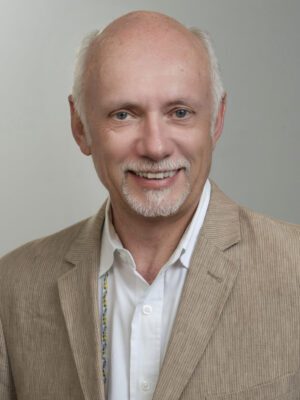
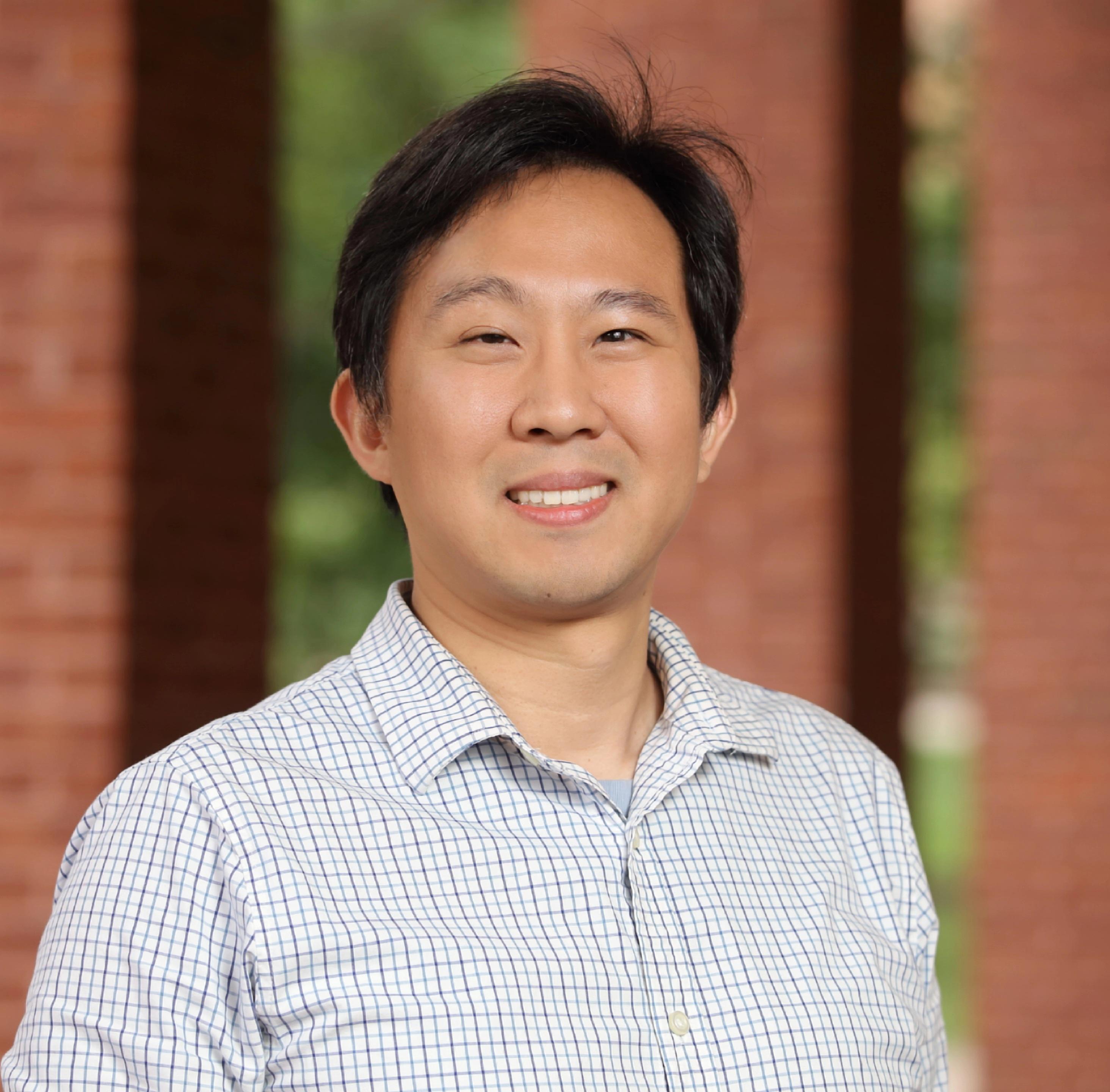
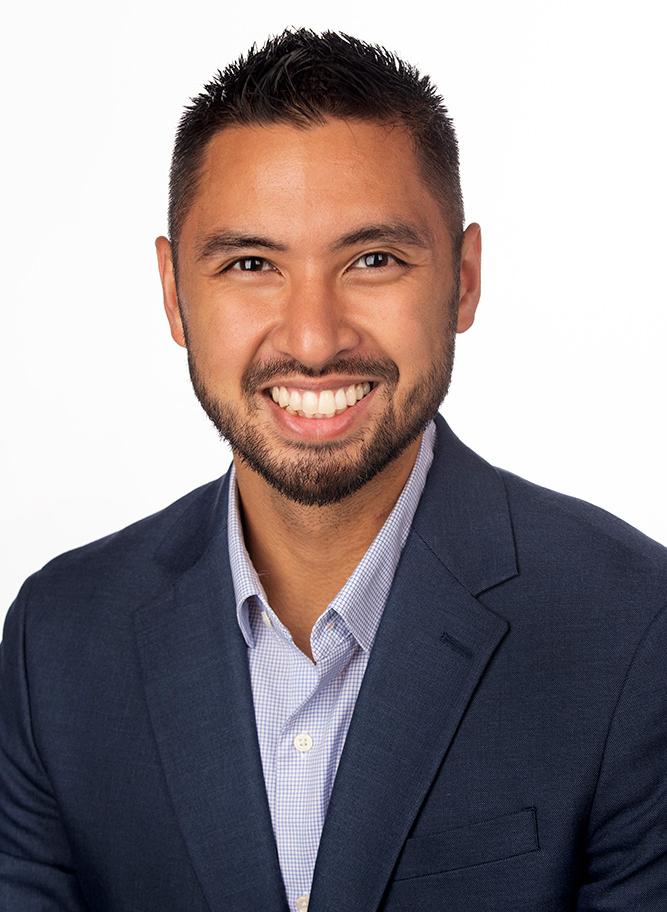
Martyn T. Smith is a Professor of Toxicology and the Kenneth Howard and Marjorie Witherspoon Kaiser Endowed Chair in Cancer Epidemiology at the University of California, Berkeley. He has led the Superfund Research Program (SRP) Center at Berkeley since 1987, a flagship NIH-funded program focusing on toxic waste site remediation and the exposome paradigm. His research spans molecular epidemiology, toxicology, and genomics, with a focus on chronic diseases like cancer and diabetes. Education: BSc in Biology (Queen Elizabeth College, 1977), PhD in Biochemistry (Medical College of St. Bartholomew's Hospital, 1980), Postdoc in Toxicology (Karolinska Institute, 1981). Awards: AAAS Fellow, 2010 Children’s Environmental Health Network Award, 2024 Stokinger Award (ACGIH). Teaching: Courses include Advanced Toxicology and Health Risk Assessment. Dr. Smith’s research emphasizes the exposome approach to assess cumulative environmental risks, particularly from chemicals like arsenic, benzene, and PFAS. His team combines biomedicine and engineering to address complex environmental health challenges. Grants & Labs: The SRP Center, funded at ~$2.15M annually, includes 6 projects and 5 cores targeting hazardous site remediation. Collaborations focus on translational research and community engagement. Future Work: Expanding exposomics applications to improve risk assessment and remediation strategies for multi-chemical contaminated sites.
Caroline Ketcham is a Professor of Exercise Science and the Associate Dean of Elon College, the College of Arts and Sciences at Elon University. Her research focuses on movement neuroscience, neurodiversity, concussions, and mental health, with expertise in neuromusculoskeletal control and rehabilitative strategies across diverse populations including children, elderly, neurological patients, and athletes. Education: PhD in Exercise Science/Motor Control, Arizona State University (2003) MS in Exercise Science/Motor Control, Arizona State University (1999) BA in Biology/Psychology, Colby College (1996) Her work spans motor control, concussion management, and mental wellness, with over 87 undergraduate mentees and 65+ publications. She co-edited Concussion in Athletics and Cultivating Capstones , and co-directs the Elon BrainCARE Research Institute, which advocates for concussion awareness and mental health. Recent research trends include concussion baseline testing as mental health screening, dual-task gait analysis, and global mentoring frameworks. Scientific awards highlight her contributions: Distinguished Scholar (2023), Ward Family Mentoring Award (2017), and multiple teaching distinctions. Scientific Awards: Distinguished Scholar Award (2023), Elon University Ward Family Excellence in Mentoring Award (2017), Elon University Elon College Service Award (2014), Elon University School of Education Excellence in Scholarship Award (2010), Elon University Teacher of the Year (2007), Texas A&M University She actively mentors students in concussion advocacy and neurodiverse movement research, with hundreds advised in health professions. Her labs focus on neuromuscular control and mental wellness initiatives.
Daniel Hedequist MD is an Associate Professor of Orthopedic Surgery at Harvard Medical School and serves as Chief of the Spine Division and Co-Director of the Complex Cervical Spine Program at Boston Children's Hospital. His clinical expertise encompasses pediatric spine surgery with a focus on congenital scoliosis, kyphosis, and lordosis treatment. Dr. Hedequist received his medical degree from Creighton University School of Medicine in 1995, completed his internship and residency at the University of Texas Southwestern Medical Center (2000), and pursued a fellowship in pediatric orthopedics at Boston Children's Hospital (2001). He is board-certified by the American Board of Orthopedic Surgery. His research focuses on advancing pediatric spine surgery through innovations in robotic-assisted techniques, surgical safety protocols, and outcome assessment. Dr. Hedequist has pioneered work in cervical spine stabilization, growth-friendly instrumentation for early onset scoliosis, and telehealth applications for scoliosis evaluation. His publications reveal a strong emphasis on minimizing surgical complications, improving patient safety in robotic spine procedures, and addressing health disparities in orthopedic care. As Chief of the Spine Division at Boston Children's Hospital—the largest pediatric spine center in the United States—Dr. Hedequist leads a multidisciplinary team specializing in both non-surgical and surgical management of complex spinal conditions in children. The Complex Cervical Spine Program he co-directs brings together specialists in spinal surgery, neurosurgery, radiology, and anesthesia to treat rare and complex cervical spine conditions. His clinical approach emphasizes non-invasive treatments whenever possible, including bracing for scoliosis and casting for fractures, before considering surgical intervention. Dr. Hedequist has developed significant expertise in managing spinal conditions in children with complex medical histories including Down syndrome, Prune Belly Syndrome, and congenital heart disease.
William Meehan is a Professor of Pediatrics and Orthopedic Surgery at Harvard Medical School, an Attending Physician in the Orthopedics and Sports Medicine Department at Boston Children’s Hospital, and Director of both the Micheli Center for Sports Injury Prevention and the NFL LONG Study (Neurologic Function across the Lifespan: A Longitudinal, Prospective, and Translational Study for Former National Football League Players). He also oversees the Emerging Physician Leadership Program. Boston College (Undergraduate) Harvard Medical School (Medical School) Boston Children's Hospital (Internship, Residency, Fellowship) Dr. Meehan’s research focuses on clinical and scientific studies of sports injuries, spine injuries, and concussive brain trauma in athletes. His work spans injury prevention, long-term neurological effects of sports-related trauma, and translational studies in pediatric populations. Funding sources include the National Institutes of Health (NIH), the National Football League Players Association (NFLPA), and the National Hockey League Alumni Association. 2012 American Medical Society for Sports Medicine Award for Best Overall Research He has authored books on concussion management and co-edited texts on head and neck injuries in youth athletes. As co-founder of the Micheli Center for Sports Injury Prevention, he leads initiatives to reduce injury risks through evidence-based strategies. Dr. Meehan’s clinical team provides real-time evaluation for over 30 school and college teams and collaborates with institutions like the Skating Club of Boston and UMass Lowell. His interdisciplinary approach integrates nutrition, psychology, and biomechanics for holistic athlete care.
Navid Faraji, MD is an Assistant Professor in both the Department of Radiology and Department of Anatomy at Case Western Reserve University School of Medicine. He also serves as Associate Program Director for the Diagnostic Radiology Residency at UH Cleveland Medical Center, where he actively mentors medical students and residents in radiology research initiatives. University: Case Western Reserve University School: School of Medicine Departments: Radiology, Anatomy Academic Rank: Assistant Professor Email: navid.faraji@uhhospitals.org His research spans two primary domains: Radiology Education and Musculoskeletal Imaging . Recent publications demonstrate expertise in: Educational technology integration (e.g., Anki flashcards) Emergency fracture detection tool validation Bone marrow edema patterns in athletes/military trainees Gender equity initiatives in radiology pipeline AI-human collaboration in diagnostic imaging Cross-modality image registration techniques Scientific accolades include the Wei-Shen Chin Award for Medical Student Teaching (2022) . His 2023-2025 publications focus on optimizing radiology workflows, ballet dancer injuries, and incidental lesion analysis, with emerging themes in synthetic imaging and psychological safety frameworks.
University of North Carolina at Chapel HillUnited States
Geoffrey Handsfield is an Assistant Professor at the University of North Carolina at Chapel Hill, holding appointments in the Department of Orthopaedics and the Lampe Joint Department of Biomedical Engineering. His work integrates advanced medical imaging, computational modeling, and mechanical experimentation to improve clinical orthopaedic medicine and understand musculoskeletal form and function. Educated at East Carolina University (B.S. Physics, Summa Cum Laude with Mathematics Minor), the University of Virginia (Ph.D., Biomedical Engineering), and as a Whitaker Postdoctoral Scholar at the University of Auckland, his research focuses on musculoskeletal MRI, computational modeling of muscle-tendon interactions, and pediatric cerebral palsy rehabilitation. Education: Ph.D., Biomedical Engineering, University of Virginia, 2014 Postdoctoral Fellowship, Auckland Bioengineering Institute, 2014–2016 (Whitaker Scholar) B.S., Physics (Summa Cum Laude), Mathematics Minor, East Carolina University, 2008 Research Interests: Dr. Handsfield’s lab pioneers techniques like ultra-high contrast MRI and 3D ultrasound to study muscle-fascia interactions, tendon mechanics, and pediatric cerebral palsy. Key areas include: Image-based computational models for personalized musculoskeletal analysis Muscle architecture and regeneration in children and athletes Biomechanical interventions for cerebral palsy rehabilitation Non-invasive muscle profiling for clinical decision-making Awards: Aotearoa Early Career Research Fellow, Robertson Foundation Early Career Research Award, Australia-New Zealand Orthopaedic Research Society Whitaker Postdoctoral Scholar Academic All-American in Swimming & Diving (2007–2008) Advising & Grants: While specific grant details are not listed, his lab’s focus on pediatric cerebral palsy and musculoskeletal modeling suggests involvement in NIH-funded or foundation-sponsored research. No formal advisees are listed in the provided data. Labs & Teams: His interdisciplinary lab collaborates with clinicians and engineers to translate imaging and modeling innovations into clinical practice, focusing on tools like the dSIR MRI sequence and high-dimensional muscle clustering for athlete and pediatric populations.
Hyojoon Kim is an Assistant Professor in the Department of Computer Science at the University of Virginia. His research focuses on computer networks and distributed systems, emphasizing in-network computing, programmable networks, software-defined networking (SDN), network measurement, and security. He received his Ph.D. from Georgia Tech (2015) and B.S. from the University of Wisconsin-Madison (2005). Prior to UVA, he worked as an Associate Research Scholar at Princeton University. Education: Ph.D. in Computer Science, Georgia Institute of Technology, 2015 B.S. in Computer Science, University of Wisconsin-Madison, 2005 Research Interests: Programmable Networks & SDN Network Measurement & Performance Analysis Network Security & Privacy In-Network Computing & Real-Time Monitoring Teaching: CS 7457: Advanced Computer Networks (Graduate) CS/ECE 4457: Computer Networks (Undergraduate) CS 6501: Software-Defined Networking & Programmable Networks (Graduate) Lab & Group: The Network Mechanics Group at UVA focuses on improving network monitoring, troubleshooting, and configuration through SDN, P4, and programmable data planes. Advising: Current advisees include Di Zhu (PhD) and Carson Kuzniar. The group actively seeks PhD students interested in systems and networking research.
Qiongshi Lu is an Associate Professor at the University of Wisconsin–Madison, affiliated with the Department of Biostatistics and Medical Informatics within the School of Medicine and Public Health. He also holds affiliate faculty positions in the Department of Statistics, Computer, Data & Information Sciences at the College of Letters and Science. His research focuses on developing statistical methods for human genetics, including genome-wide association studies (GWAS), gene-environment interactions, and genetic risk prediction. Lu’s work bridges computational biology, epidemiology, and clinical genetics, with a particular emphasis on understanding complex trait variability and resilience mechanisms in neurodegenerative diseases like Alzheimer’s. His lab (qlu-lab.org) explores innovative statistical frameworks such as PIGEON for gene-environment interaction analysis and has contributed to tools like the R package 'ipd' for predictive data inference. Recent studies highlight his interdisciplinary approach, addressing topics from congenital heart disease genetics to socioeconomic health gradients using large-scale genomic datasets. While no formal advisees are listed, his research collaborations span multiple institutions and disciplines.
Lisa Cadmus-Bertram, PhD, is an Associate Professor of Kinesiology in the School of Education at the University of Wisconsin-Madison. She serves as Co-Director of the Clinical Investigation Graduate Program and as the contact Principal Investigator for the All of Us Research Program. Her work bridges physical activity research, behavioral interventions, and population health, with a focus on vulnerable populations such as cancer survivors and rural communities. Affiliation: University of Wisconsin-Madison, School of Education, Department of Kinesiology Leadership Roles: Co-Director, Clinical Investigation Graduate Program; All of Us Research Program PI Lisa’s research explores physical activity promotion through technology-enabled interventions, including wearable trackers, telehealth delivery, and EHR integration. Her studies target diverse groups—from hemodialysis patients to rural men—addressing barriers to exercise, sedentary behavior reduction, and mental health impacts of multimorbidity. Current projects emphasize feasibility, acceptability, and real-world applicability of behavioral health strategies. Her recent publications highlight 2025-2024 collaborations on rural health interventions, cancer survivorship, and biobehavioral approaches. Articles span randomized trials, cross-sectional analyses, and qualitative studies, reflecting her interdisciplinary focus on public health and clinical kinesiology.
Denny Yu is an Associate Professor at the Edwardson School of Industrial Engineering, Purdue University. His work bridges human factors, neuroergonomics, and healthcare safety through advanced sensor systems and AI. Primary Affiliation : Edwardson School of Industrial Engineering, Purdue University Research Themes : Surgical ergonomics, autonomous vehicle human factors, cognitive workload assessment, multimodal physiological sensing Dr. Yu's research focuses on neuroergonomics and human-robot interaction , particularly in surgical and transportation contexts. His team develops sensor-based systems for workload monitoring, including: EEG-eye tracking fusion for situation awareness Wearable exoskeletons for surgical posture support Computer vision tools for lifting task risk analysis Smart infusion pump usability frameworks AI-driven surgical coaching systems Recent publications emphasize deep learning applications in soft tissue deformation estimation and real-time adaptive systems for robotic surgery augmentation. His work spans both occupational health (veterinary surgeons, airport workers) and medical device innovation domains.
Dr. Andrea Bauer is an Associate Professor of Orthopedic Surgery at Harvard Medical School and an Orthopedic Surgeon at Boston Children's Hospital, where she serves as Director of the Brachial Plexus Program and Director of Faculty Development. She also serves as Co-School Physician at Berklee. Dr. Bauer is a specialist in pediatric hand, upper extremity, and peripheral nerve surgery, with a particular focus on brachial plexus birth injury, congenital hand differences, and peripheral nerve injuries. Dr. Bauer completed her undergraduate education at Princeton University (2001), medical school at Columbia University College of Physicians and Surgeons (2005), orthopedic surgery residency at Harvard Combined Orthopedic Residency Program (2010), hand surgery fellowship at Massachusetts General Hospital (2011), and pediatric hand surgery fellowship at Shriners Hospital for Children in Sacramento, CA (2011). Dr. Bauer's research primarily focuses on improving outcomes for children with brachial plexus birth injuries through early diagnosis and intervention. She has extensive expertise in congenital hand differences and peripheral nerve injuries in children. Her work bridges clinical practice and research to advance pediatric orthopedic care, particularly in complex nerve injuries and congenital conditions. She has been instrumental in developing protocols for diagnosing and treating brachial plexus injuries in infants, with an emphasis on improving functional outcomes. Analysis of Dr. Bauer's recent publications reveals a strong focus on brachial plexus birth injuries, congenital hand differences, and pediatric orthopedic conditions. Her work spans diagnostic techniques (particularly MRI), surgical interventions, and outcomes research. She has made significant contributions to understanding the relationship between perinatal factors and injury severity, developing return-to-play protocols for young athletes, and improving diagnostic accuracy for nerve injuries. Her research often involves multi-center collaborations and registry-based studies, reflecting her commitment to evidence-based practice in pediatric orthopedics. Dr. Bauer received the competitive Ruth Jackson Orthopaedic Society Traveling Fellowship in 2014, which she used to visit three centers specializing in brachial plexus birth injury treatment. This fellowship allowed her to bring innovative techniques and approaches back to Boston Children's Hospital, continuing the institution's legacy of advancing care for children with brachial plexus injuries. As Director of the Brachial Plexus Program at Boston Children's Hospital, Dr. Bauer oversees a comprehensive program dedicated to the care of children with brachial plexus injuries. The program includes multidisciplinary teams of surgeons, therapists, and researchers working together to provide optimal care from diagnosis through rehabilitation. Dr. Bauer also serves as Director of Faculty Development, playing a key role in mentoring junior faculty and shaping the educational mission of the department. Her clinical work spans multiple locations including Boston, Lexington, and Waltham, ensuring broad access to specialized pediatric orthopedic care.
University of Illinois Urbana-ChampaignUnited States
Matthew Michael Hanks is an Assistant Professor at the University of Illinois at Urbana-Champaign, affiliated with the College of Applied Health Sciences and the Beckman Institute for Advanced Science and Technology. He also serves as an affiliate at Disability Resources and Educational Services (DRES). Research focuses on biomechanics and adaptive sports medicine Specializes in spinal cord injury rehabilitation and upper extremity joint dynamics Active in analyzing wheelchair athletics and pediatric rehabilitation His work spans biomechanical analysis of wheelchair lacrosse, scapular positioning in postural compression garments, and muscle activation patterns in adaptive sports. Current research includes 3D trunk and upper limb biomechanics in athletes with disabilities and sex-based differences in pediatric wheelchair users. Recent publications emphasize sports injury prevention, mobility enhancement technologies, and comparative physiological studies in wheelchair basketball. Collaborations include clinical researchers in orthopedics and rehabilitation engineering.
University of California, San FranciscoUnited States
Dr. Aenor Sawyer is an Associate Professor in the Department of Orthopaedic Surgery at the University of California, San Francisco (UCSF) School of Medicine. She leads the Skeletal Health Service and serves as Director of Innovator Enrichment and Manager in Strategic Alliances at UCSF Innovation Ventures while directing the UC Space Health Program. Education: MD from University of California, Davis (1993), Orthopaedic Surgery residency at Stanford University, Pediatric Orthopaedic and Sports Medicine fellowships at Boston Children's Hospital Research Focus: Combines orthopaedics, space health innovation, and digital medicine through AI-driven diagnostics, remote monitoring, and skeletal health optimization across lifespans Her scholarly output spans 2025's npj Microgravity work on AI-based bone density assessment to 2021 rural SARS-CoV-2 transmission studies, with key contributions in: Spaceflight-associated neuro-ocular syndrome monitoring Digital health applications in orthopaedics Bone health in extreme environments Leadership roles include: Co-Founder/Director, UCSF Center for Advanced 3D+ Technologies Co-Founder, UCSF Center for Digital Health Innovation Chair, Murdoch Children's Research Institute Health Technology Advisory Board
Katherine Saul is a Professor in the Department of Mechanical and Aerospace Engineering at North Carolina State University's College of Engineering, where she also serves as Director of Graduate Programs. Her research focuses on dynamics and neural control of the musculoskeletal system, upper limb biomechanics, orthopaedic rehabilitation, computational simulation of movement, and musculoskeletal imaging. Dr. Saul directs the Movement Biomechanics Lab (MoBL), which investigates musculoskeletal structure-function relationships in the upper limb through integrated approaches combining MR imaging, strength assessments, functional testing, and computational simulations. The lab characterizes neuromuscular control mechanisms in both healthy populations and those with impairments such as brachial plexus injuries and cerebral palsy. Her recent publications (2023-2025) reveal consistent focus on upper limb biomechanics across diverse conditions including birth brachial plexus injuries, transtibial amputation, and hemiplegic cerebral palsy. Key methodological themes include computational modeling of musculoskeletal systems, analysis of motor unit properties, and development of rehabilitation frameworks that bridge engineering principles with clinical applications. Scientific awards were not explicitly mentioned in the source material. As Director of Graduate Programs, Dr. Saul oversees MAE's graduate curriculum and mentorship while leading externally funded research. Her active grants portfolio includes projects on brachial plexus birth injury mechanisms, neural interfaces for rehabilitation, military injury evaluation frameworks, rotator cuff repair analysis, MRI segmentation for clinical applications, and exoskeleton control for post-stroke rehabilitation. The Movement Biomechanics Lab (MoBL) serves as the primary research vehicle, employing interdisciplinary teams to translate engineering principles into clinical orthopaedic solutions through advanced imaging and simulation techniques focused on upper limb function.
Gian-Gabriel Garcia is an Assistant Professor and Harold E. Smalley Early Career Professor at the H. Milton Stewart School of Industrial and Systems Engineering at Georgia Institute of Technology, with a dual role as Pillar 1 Co-lead in Data Science, Machine Learning, and Artificial Intelligence at the Children's Healthcare of Atlanta Pediatric Technology Center. His work bridges predictive analytics and decision-making frameworks in healthcare contexts. Education : PhD and MS in Industrial and Operations Engineering (University of Michigan), BS in Industrial Engineering (University of Pittsburgh) Research focuses on responsible AI for healthcare, emphasizing health equity , stochastic optimization , and machine learning applied to concussion management, opioids, maternal health, and cardiovascular disease. His methodologies integrate dynamic programming and simulation to address stakeholder acceptability. Key article themes include concussion diagnostics , responsible AI in diabetes care, and interpretable policies for chronic disease management. His work frequently leverages Markov decision processes and stochastic modeling . Scientific Awards National Science Foundation Graduate Research Fellowship INFORMS Bonder Scholarship for Applied Operations Research in Health Services SMDM Lee B. Lusted Prize INFORMS Minority Issues Forum Paper Competition First Prize INFORMS Minority Issues Forum Poster Competition First Prize Garcia also contributes to undergraduate mentorship and serves as Vice President of Communications (co-chair) for the INFORMS Minority Issues Forum, alongside council membership in the INFORMS Health Applications Society.