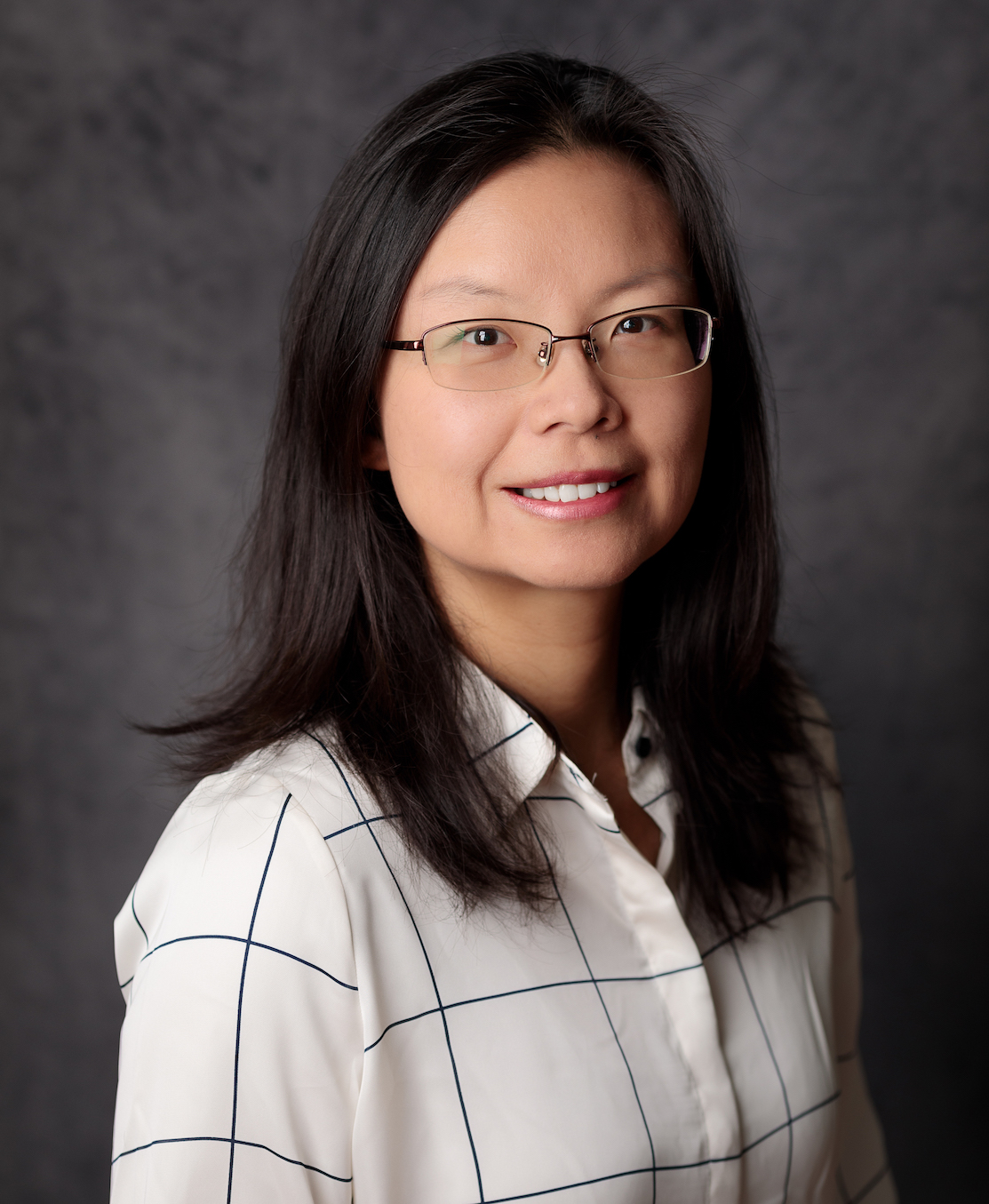
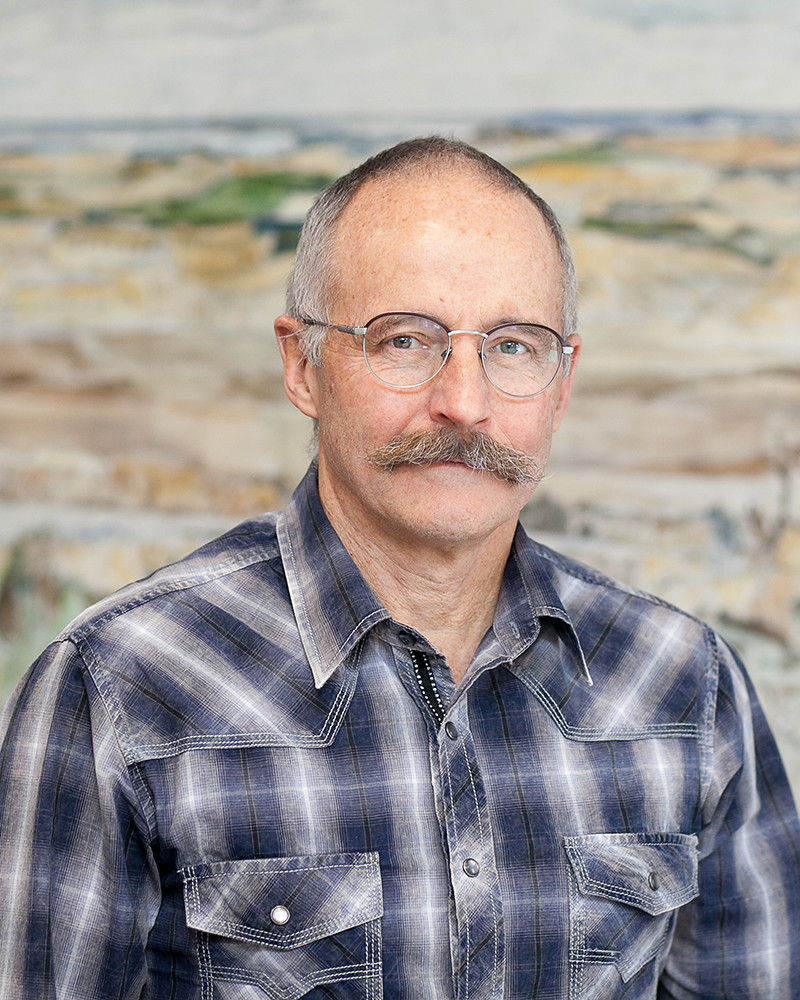
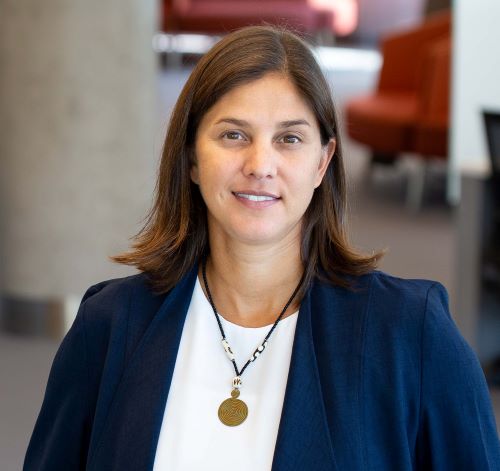
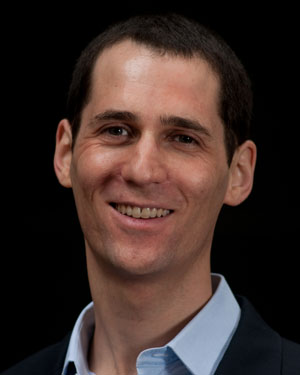
Mingchen Gao is an Associate Professor in the Department of Computer Science and Engineering at the University at Buffalo, SUNY. He serves as Program Director for the Engineering Sciences (Artificial Intelligence) MS Program and is affiliated with the Institute for Artificial Intelligence and Data Science. Previously, he was a Postdoctoral Fellow at the NIH Clinical Center's Radiology and Imaging Science Department (2014–2017). His research focuses on medical imaging informatics, computer vision, and machine learning applications in healthcare. Notable projects include NSF-funded work on continual learning and federated domain adaptation. He teaches advanced courses like CSE674 (Advanced Machine Learning) and CSE703 (Deep Learning for Medical Imaging). Dr. Gao earned his Ph.D. in Computer Science from Rutgers University (2014), advised by Dimitris N. Metaxas, and a B.S. from Southeast University, China (2007). His lab develops AI systems for medical diagnosis, with recent work on robust neural networks and federated learning frameworks. His team has produced impactful algorithms for segmentation, classification, and domain adaptation in imaging tasks. Current research includes NSF CAREER Award (2023–2028) for deployable medical diagnosis systems and collaborations on drug discovery and toxicity prediction. He advises four PhD students and has authored over 60 peer-reviewed publications in top venues like NeurIPS, CVPR, and MICCAI.
Jessica Lin is an Associate Professor in the Department of Computer Science at George Mason University, with a focus on data mining and time series analysis. She has published extensively on topics including motif discovery, anomaly detection, clustering, and symbolic representation of time series data. Ph.D., M.S., and B.S. in Computer Science from UC Riverside (2005, 2002, 1999) Her research spans efficient algorithms for mining massive time series datasets, extending to multimedia data like images and texts. She has developed tools such as GrammarViz and SAX for pattern visualization and symbolic analysis. Recent publications highlight advancements in variable-length motif discovery, interpretable classification frameworks, and anomaly detection. Her work appears in top conferences like AAAI, ICDM, and SDM, as well as journals including Knowledge and Information Systems and Data Mining and Knowledge Discovery . Dr. Lin has advised numerous Ph.D. students, many of whom have taken academic or industry positions. She has served on editorial boards and program committees for conferences such as KDD, ICDM, and ECML-PKDD.
Soumya Dutta is an Assistant Professor in the Department of Computer Science and Engineering at the Indian Institute of Technology Kanpur (IITK), where he leads the INSIGHT: Intelligent Scientific and Visual Computing of Big Data Research Group. He joined IIT Kanpur in October 2022 after working as a Scientist II at Los Alamos National Laboratory (LANL) from July 2019 to August 2022, and previously as a Postdoctoral Research Associate at LANL from June 2018 to July 2019. His educational background includes a Ph.D. and M.S. in Computer Science and Engineering from The Ohio State University (2011-2018), where he was part of the GRAVITY research group, and a B.Tech. in Electronics and Communication Engineering from West Bengal University of Technology, India (2005-2009). Research Interests: Dr. Dutta's research focuses on the intersection of machine learning, visual computing, big data, and high-performance computing. His primary research areas include Machine Learning for Visual Computing and Image Analysis, Big Data Visualization and Analytics, Data Science and HPC, Machine Learning for Scientific Computing, and Explainability and Interpretability of AI Models. His work addresses various big data characteristics including the 5 Vs: Volume, Velocity, Variety, Veracity, and Value. He develops techniques that make complex machine learning models more interpretable and explainable, enabling their effective adoption in real-life applications across scientific domains, social media, IoT, healthcare, and industry applications. Dr. Dutta's research group has secured multiple funded projects including: DAVi: An Intelligent Data Analytics and Visualization Framework (funded by ISRO), Intelligent Visual Computing of Extreme-scale Data for Accelerating Scientific Discovery (IIT Kanpur Initiation Grant), Enabling Interactive Big Data Analytics and Visualization at Exascale (SERB), Development of AI-Enabled National Portal for Efficient Search of Missing People (C3iHub), and Proactive and Generalized Deepfake Defense Mechanisms (C3iHub). Best Reviewer, Honorary Mention Award for IEEE Transactions on Visualization & Computer Graphics (TVCG), 2021 Best Paper Award at ISAV 2021, co-located with Supercomputing (SC) LAAP Award at Los Alamos National Laboratory, 2021 Best Paper Award at TopoInVis 2019 Best Paper Award at ISAV 2018, co-located with Supercomputing (SC) Best Poster Award in 12th Annual CSE Student Poster Exhibition, The Ohio State University, 2018 Best Poster Award in 11th Annual CSE Student Poster Exhibition, The Ohio State University, 2017 Best Paper Honorable Mention Award at IEEE Visualization Conference (IEEE VIS) 2016 Dr. Dutta actively mentors a large group of students including Ph.D., M.Tech., and B.Tech. students. His current Ph.D. students include Shanu Saklani, Sankhadeep Bhowmick, Ananya Chaturvedi, Arpita Santra, Anubhav Dixit (co-supervised), and Robin Shah. He has supervised numerous M.Tech. students with thesis topics ranging from uncertainty-aware neural networks to deepfake detection. Dr. Dutta currently teaches courses including CS360 - Introduction to Computer Graphics and CS661 - Big Data Visual Analytics. The INSIGHT research group collaborates internationally with researchers from Meta, Oak Ridge National Laboratory, and National Taiwan Normal University. The group's work focuses on building machine learning and data science-based solutions to analyze large-scale multifaceted data in a scalable way, enabling interactive and interpretable analytics of complex data from scientific simulations, social media, IoT, healthcare, and other application domains.
Eamonn Keogh is a Professor in the Computer Science and Engineering Department at the University of California, Riverside. His pioneering work centers on the Matrix Profile, a transformative approach to time series data mining enabling efficient solutions for motif discovery, anomaly detection, and similarity search. His algorithms (STAMP, STOMP, SCRIMP, DAMP, SCAMP) offer exact, parameter-free, and scalable solutions across domains like seismology, bioinformatics, and industrial IoT. Research areas include: Development of ultra-fast algorithms for time series joins and motif discovery at unprecedented scales (breaking the 100 million barrier) GPU acceleration for time series mining Domain-agnostic methods for semantic segmentation and anomaly detection Novel primitives like Time Series Chains, Snippets, and Consensus Motifs His work is highly cited and recognized by industry and academia, with applications ranging from NASA's Cassini mission to detecting BGP anomalies in computer networks.
Rotem Karni, PhD, is an Associate Professor of Genetics at the Perelman School of Medicine, University of Pennsylvania, Philadelphia. He leads a research lab focused on understanding how alternative RNA splicing contributes to cancer and genetic diseases, with a strong emphasis on translating these findings into RNA-based therapies. Karni's lab develops decoy oligonucleotides, small molecules, and splice-switching technologies to modulate splicing factors and enhance immunotherapy. Education BSc in Biological Chemistry from The Hebrew University of Jerusalem (1997) PhD in Biological Chemistry from The Hebrew University of Jerusalem, Israel (2002) Postdoctoral Fellowship at Cold Spring Harbor Laboratory, NY (2002-2007) Karni's research explores the deregulation of alternative splicing in oncogenesis, particularly how splicing factors like RBFOX2 and S6K1 influence metastasis, DNA repair, and immune checkpoint modulation. His team investigates m6A RNA modifications for stabilizing mutant genes, with applications in Duchenne Muscular Dystrophy and pancreatic cancer. The lab's work is commercialized through biotech companies: SKIP Therapeutics, Andlit Therapeutics, and RNAble. Selected Research Trends RNA mis-splicing and neoantigen generation (2025) Splicing factor inhibition for tumor suppression (2023) Metastatic splicing signatures in pancreatic cancer (2023) Immune checkpoint splicing in cancer immunotherapy (2021) m6A modulation for mRNA stabilization (2023) Advising & Collaborations Karni has mentored numerous PhD and postdoctoral researchers, many of whom now hold leadership roles in academia, biotech, and medical institutions globally. His lab collaborates extensively on projects involving RNA innovation, including partnerships with the Institute for RNA Innovation. Contact Department of Genetics & Institute for RNA Innovation, One uCity Square, Room 4018, Philadelphia, PA 19104 Phone: 215-898-5072 Email: Rotem.Karni@Upenn.edu
Prof. Knut Drescher is an Associate Professor at the Biozentrum, University of Basel , leading a research group focused on bacterial biofilms , swarming , and microbial multicellularity . Previously, he served as a Professor of Biophysics and Max Planck Research Group Leader at Philipps-Universität Marburg (2015-2021) and conducted postdoctoral research at Princeton University. Research Interests: Physical and biological mechanisms of biofilm formation Cell-cell interactions in microbial communities Antibiotic resistance in biofilms Hydrodynamics of bacterial swarms Evolution of cooperation in multispecies biofilms Development of bioimaging software (BiofilmQ, BacStalk) Scientific Awards: 2023: SNSF Consolidator Grant 2019: Heinz Maier-Leibnitz Prize (DFG), VAAM Research Prize, IUPAP Young Scientist Prize 2016: ERC Starting Grant Advising & Grants: Advises PhD and Master's students in microbiology, biophysics, and bioinformatics Secured major grants from ERC , HFSP , and DFG
Stefano Rossi is a Full Professor of Finance at Bocconi University's Department of Finance, serving as Chair of the Department. He holds affiliations with the Centre for Economic Policy Research (CEPR) and the European Corporate Governance Institute (ECGI), and serves on editorial boards for journals including Journal of Law, Finance, and Accounting and European Financial Management . His research focuses on corporate governance, bankruptcy, debt financing, sovereign borrowing, and quantitative trading, with publications in top journals such as The Journal of Finance and Journal of Monetary Economics . He has received international recognition, including awards for his work on ownership evolution. Prior to Bocconi, he taught at institutions including the Stockholm School of Economics and Cornell University. He earned his BA/MSc from Bocconi and a PhD in Finance from London Business School. Prof. Rossi's research explores intersections between corporate finance and public policy, with recent work analyzing credit cycles, municipal bankruptcy law, and liquidity shocks in insurance markets. His articles frequently address systemic financial risks and institutional frameworks governing corporate and sovereign debt. Awards include the ECGI Best Paper Prize for his collaborative research on ownership dynamics. Teaching spans corporate finance, valuation, and financial markets at undergraduate, graduate, and executive levels. He has developed courses at Bocconi's undergraduate, MBA, and PhD programs, emphasizing practical applications of theoretical finance models. His comprehensive curriculum includes mergers & acquisitions and private equity strategies. Key contributions include studies on shareholder voting mechanisms, sovereign default dynamics, and the impact of tax policies on corporate behavior. His work often bridges academic rigor with real-world policy implications, influencing both academic discourse and regulatory practices.
Prof Terry O'Neill serves as Executive Dean at the Bond Business School , Bond University, while also holding the title of Professor and Director at the Centre for Data Analytics. His research spans applied statistics , big data analytics , and financial modeling , with over 80 publications (20% in A* journals). Grants: Lead investigator on five ARC Discovery/Linkage grants totaling $2.99M, including studies on retirement savings, climate change modeling, and financial crisis resilience. Research Trends: Focus on financial literacy , retirement economics , and myelopoiesis , bridging finance with computational biology through collaborations with his spouse Helen O'Neill. Academic Leadership: Established Bond University's University Centre in Actuarial and Financial Big Data Analytics to elevate institutional research prominence in data science.
Ali Mousavi is Assistant Professor of Iranian Archaeology in UCLA’s Department of Near Eastern Languages and Cultures and a core faculty member of the Cotsen Institute of Archaeology. A Berkeley PhD and former fellow of the Smithsonian, Maison de l’Orient and Global Heritage Fund, he has directed excavations and UNESCO World-Heritage projects at Pasargadae, Bam, Susa, Sultaniyeh and Turang Tepe and authored prize-winning volumes Ancient Iran from the Air and Persepolis: Discovery and Afterlife of a World Wonder . Education PhD, Near Eastern Studies (Archaeology), University of California, Berkeley (2005) MA, Archaeology, History and Languages of Old World Civilizations, Université Lyon II, France (1997) BA, Archaeology and Art History of Europe and the East Mediterranean, Université Lyon II, France (1996) Research interests span the archaeology and art history of Iran from the Neolithic to the early-20th century, with particular focus on Achaemenid and Sasanian monumental architecture, ancient irrigation (qanats), landscape archaeology, digital heritage, and the modern historiography of Iranian archaeology. His field projects integrate remote sensing, epigraphy, GIS and conservation science to investigate imperial capitals, rock-cut monuments and water-management systems across the Iranian plateau. Across more than 30 peer-reviewed articles and book chapters, Mousavi has re-examined dating criteria for Achaemenid stone monuments, analysed royal inscriptions as visual displays, traced medieval Persian pilgrims’ graffiti at ancient sites, and produced synthetic archaeological surveys of the Sasanian empire and the Central Alborz Iron-Age cultures. The corpus reflects a sustained engagement with primary field data, archival research and critical historiography of 19th- and 20th-century excavations. Selected honours Ehsan Yarshater Book Award (2014) Iranian Ministry of Culture World Book Award (2014) Leon Levy – Shelby White publication grant (2008) UNESCO award for World-Heritage nomination files (2003) Iran Heritage Foundation field-work award (2003) Guitty Azarpay Fellowship, UC Berkeley (2000-2003) IFRI Fellowship, Paris (1998) At UCLA he offers undergraduate courses “Archaeology of Iran” and “Ancient Cities of Iran (4000 BC-AD 1900)” and mentors graduate researchers in the Cotsen Institute. His grants and fellowships from NSF-equivalent European and American agencies underwrite both field seasons and publication of critical archaeological corpora, while his service on Iranian, UNESCO and international heritage boards continues to link scholarly output with heritage-management policy.
Renée J. Miller is a Professor and Canada Excellence Research Chair in Data Intelligence at the Cheriton School of Computer Science, University of Waterloo. Her research focuses on data integration, data management, and open data systems. She holds a PhD in Computer Science from the University of Wisconsin-Madison and bachelor’s degrees in Mathematics and Cognitive Science from MIT. Her work addresses challenges in data preparation, integration, and curation, aiming to reduce the burden on data scientists. She co-authored foundational papers on data exchange and schema mapping, earning the ICDT Test-of-Time Award (2013) and the Alonzo Church Award (2020). Miller has led major initiatives like the NSERC Business Intelligence Network and the International Very Large Data Base Foundation. Her grants include NSERC Accelerator Awards and funding from IBM, SAP, and Microsoft. Notable students include Ariel Fuxman (SIGMOD Dissertation Award winner) and Oktie Hassanzadeh (IBM PhD Fellow). Her research group, the Miller Lab, develops tools like Clio for schema mapping and systems for data lake exploration (RONIN, JOSIE).
Trent K. Bollinger is a Professor in the Department of Veterinary Pathology at the University of Saskatchewan's Western College of Veterinary Medicine (WCVM), and serves as Regional Director for the Western/Northern Region of the Canadian Wildlife Health Cooperative (CWHC). His academic credentials include a BSc (Honours) from the University of Saskatchewan (1984), a DVM (Distinction) from the University of Saskatchewan (1988), and a DVSc in Pathology from the Ontario Veterinary College (1992). Dr. Bollinger's research focuses on the pathology and epidemiology of diseases in wildlife and fish, with particular emphasis on chronic wasting disease in deer/elk and white-nose syndrome in bats. He has conducted extensive studies on disease transmission dynamics, wildlife population health, and the ecological impacts of emerging pathogens. His work bridges veterinary science, ecology, and conservation biology. His publications demonstrate expertise in viral and bacterial zoonoses, fungal pathogens affecting bats, and spatial epidemiology of wildlife diseases. Recent research highlights include investigating sylvatic plague in prairie dogs, coronavirus persistence in hibernating bats, and landscape connectivity's role in chronic wasting disease spread. His studies often combine molecular diagnostics, field observations, and ecological modeling. Dr. Bollinger collaborates with national and international wildlife agencies, contributing to disease surveillance and management strategies for endangered species. His work emphasizes the interconnectedness of wildlife health, ecosystem health, and public health concerns.
Karoline Faust is an Associate Professor at KU Leuven, affiliated with the Laboratory of Molecular Bacteriology (Rega Institute) and the Faculty of Medicine . She contributes to the iSi Health and Leuven One Health institutes, and serves on senior academic councils. Her research spans microbial systems biology, focusing on community dynamics and network analysis. Education: PhD in bioinformatics (2010, KU Leuven) Affiliations: KU Leuven, ISME Journal editorial board, Belgian Society for Microbiology Her research investigates microbial community dynamics , systems biology approaches to microbiomes, and bioinformatics tool development . She specializes in modeling human gut microbiota , synthetic microbial communities , and environmental microbiomes (e.g., microplastic impacts on Daphnia microbiomes). Her work integrates metabolic modeling , network analysis , and experimental systems to understand microbial interactions. Recent publications highlight her contributions to microbial network inference , 16S rRNA sequencing protocols , microfluidics , and ecological modeling of microbiomes. She develops tools like manta , miaSim , and CoNet to analyze community structures. Teaching: Karoline co-teaches courses in microbiology, bioinformatics, and network analysis at KU Leuven, and has contributed to international workshops on microbial network inference. Scientific Engagement: She serves as Senior Editor at ISME Journal and Secretary of the Belgian Society for Microbiology .
Dr. Manisha Kulkarni is a Professor at the School of Epidemiology and Public Health, University of Ottawa, where she holds the University Research Chair in Climate Change and Emerging Diseases. She is also the Director of the INSIGHT (Interdisciplinary Spatial Informatics for Global Health) research lab and serves as Scientific Director of the Canadian Lyme Disease Research Network (TickNet Canada). Her work spans global public health, with a focus on vector-borne and zoonotic diseases. PhD in Medical Entomology, McGill University (2006) BSc in Environmental Biology, McGill University (2001) Dr. Kulkarni's research centers on the socio-ecological determinants of infectious disease emergence, particularly malaria, Lyme disease, and West Nile virus. She applies population surveys, entomological field sampling, molecular diagnostics, and GIS to study spatio-temporal patterns and the impacts of climate change and landscape transformation on disease transmission. Her work emphasizes One Health approaches and capacity building in low-resource settings. Her recent research trends show a strong focus on geospatial modeling of vector-borne diseases, climate change adaptation, urban tick surveillance, and international collaborations in Tanzania, Benin, and Latin America. She leads interdisciplinary projects integrating drone mapping, citizen science (e.g., eTick.ca), and community participation to identify disease risk factors. Scientific awards and recognitions include: University Research Chair in Climate Change and Emerging Diseases Ontario Early Researcher Award Faculty of Medicine Award for Leadership in Global Health (2023) Researcher of the Year, Faculty of Medicine (2019) Member, College of New Scholars, Royal Society of Canada NSERC Discovery Grant and CIHR funding Dr. Kulkarni has successfully advised multiple PhD and Master’s students and leads major funded projects supported by CIHR, PHAC, CFI, IDRC, and NSERC. She has held leadership roles as Associate Dean of Global Health (2021–2024) and currently serves on the CIHR Institute of Infection and Immunity advisory board. Her lab, INSIGHT, fosters an interdisciplinary training environment combining field, lab, and analytical methods for global health research. Key research teams and collaborations include: INSIGHT Lab, University of Ottawa Pan-African Malaria Vector Research Consortium (PAMVERC) Canadian Lyme Disease Research Network (TickNet Canada) London School of Hygiene & Tropical Medicine (LSHTM) National Microbiology Lab, PHAC Centre de Recherche Entomologique de Cotonou (CREC), Benin
Ron Dror is the Cheriton Family Professor of Computer Science at the Stanford Artificial Intelligence Lab , with courtesy appointments in Structural Biology and Molecular & Cellular Physiology . He also holds affiliations with Bio-X, the Institute for Human-Centered Artificial Intelligence (HAI), the Institute for Computational and Mathematical Engineering (ICME), Sarafan ChEM-H, and the Wu Tsai Neurosciences Institute. Education: PhD in Electrical Engineering and Computer Science, MIT MPhil in Biological Sciences, University of Cambridge (Churchill Scholar) BS in Mathematics and Electrical & Computer Engineering, Rice University (summa cum laude) Ron leads a multidisciplinary research group that combines molecular simulation and machine learning to study biomolecular structure, dynamics, and function. His work focuses on developing computational methods to accelerate drug discovery by predicting molecular interactions and designing more effective therapeutics. Current projects include the PENSA software library for analyzing biomolecular ensembles and FRAME framework for structure-based ligand design. His research has produced groundbreaking work on G-protein-coupled receptors (GPCRs) , RNA structure prediction , and mitochondrial transport mechanisms . Key publications highlight applications of geometric deep learning and molecular dynamics simulations in structural biology. Scientific Awards: Cheriton Family Professorship (2023) Two Gordon Bell Prizes (2014, 2009) Best Paper Awards at NeurIPS (2021), IPDPS (2013), SC11 (2011), SC09 (2009), SC06 (2006) Science Magazine Top 10 Breakthrough (2010) Fulbright Scholarship , NSF Fellowship , DoD Fellowship , Whitaker Foundation Fellowship Ron has advised numerous doctoral and master’s students including EJ Fine , Masha Karelina , and Briana Sobecks . His lab collaborates with experimentalists across academia and industry, applying computational methods to diverse biomedical problems such as RNA structure prediction , GPCR signaling , and mitochondrial metabolism .
Professor Guy Williams is a leading academic at the University of Cambridge with a focus on imaging science and clinical neurosciences, affiliated with Downing College and the Wolfson Brain Imaging Centre . Holding a PhD in Physics from his initial Natural Sciences degree, he specializes in nuclear magnetic resonance (NMR) and MRI techniques for brain imaging. Education: BA, PhD in Physics His research centers on non-invasive imaging of brain structure and function, particularly in traumatic brain injury (TBI) and dementia. His work involves developing novel MRI pulse sequences and advanced data analysis algorithms, including AI-based diagnostic tools. He leads studies on white matter integrity post-trauma, longitudinal dementia assessment, and applications of MRI in disorders of consciousness and addiction. Recent publications highlight collaborations in traumatic brain injury outcomes, AI-guided dementia prediction, and neuroimaging of post-COVID cognitive deficits. His team's work on ultra-high field laminar fMRI and distortion correction methods has advanced clinical neuroscience applications. Key techniques include diffusion tensor imaging (DTI), 7 Tesla MRI, and positron emission tomography (PET/MR). His research spans from basic NMR physics to clinical translation, with a strong emphasis on multi-site studies and real-world diagnostic implementation.