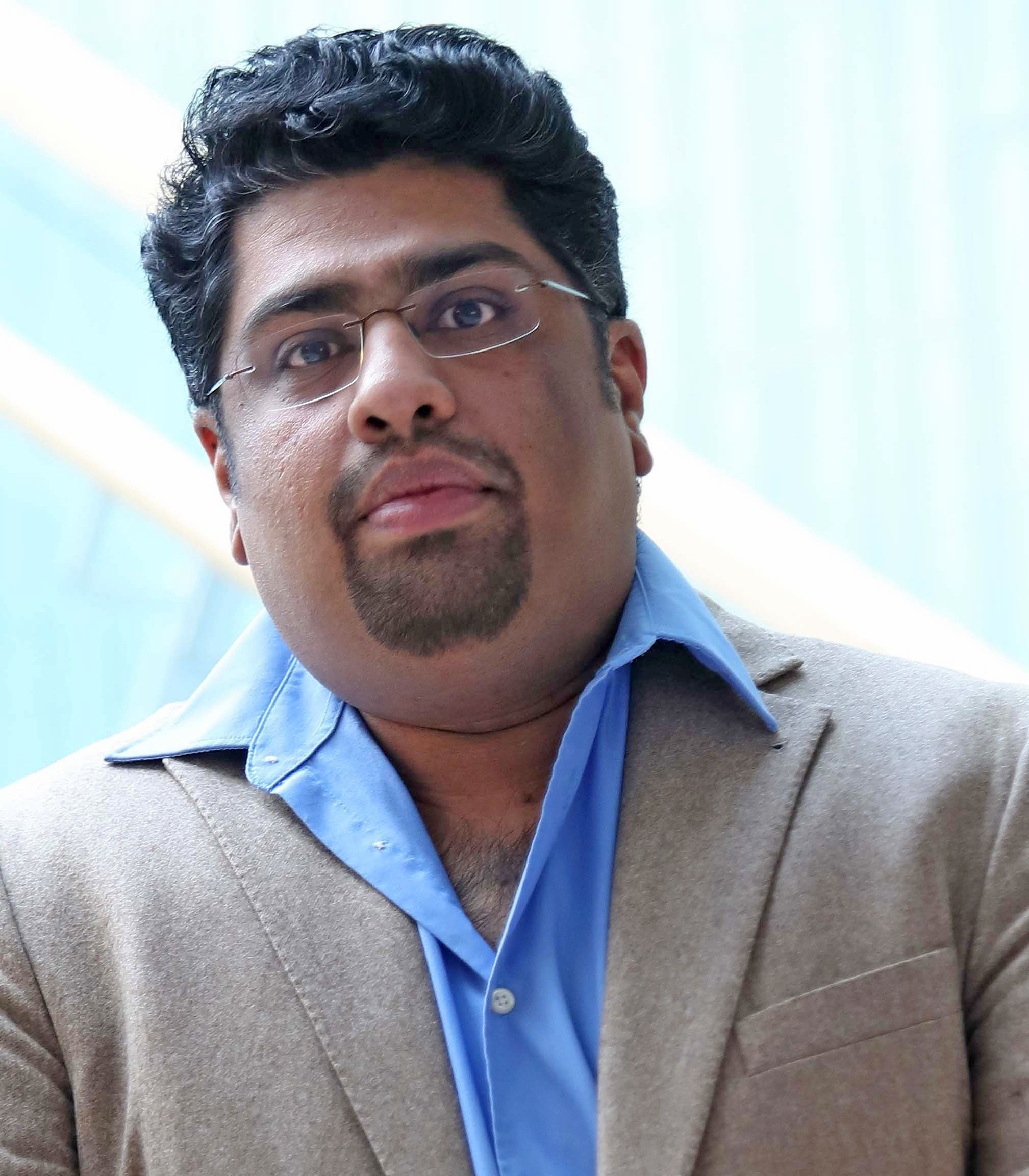
Dr. Ahmad Azab is a Lecturer at the University of Sydney’s School of Computer Science, specializing in Networking, Cybersecurity, and Machine Learning. He holds a PhD and industrial certifications including CISSP, CCSP, and CCNA. His teaching spans networking, cybersecurity, ethical hacking, and machine learning applications. Research interests focus on network traffic classification, IoT integration in cognitive radio networks, malware analysis, and cybersecurity countermeasures. His work bridges academic research with industrial applications, emphasizing practical solutions for emerging threats. Publications highlight innovations in botnet detection, malware classification, and cybersecurity frameworks. Supervision of bachelor and master’s projects underscores his commitment to mentoring future technologists. Professional affiliations include IEEE and ISC².
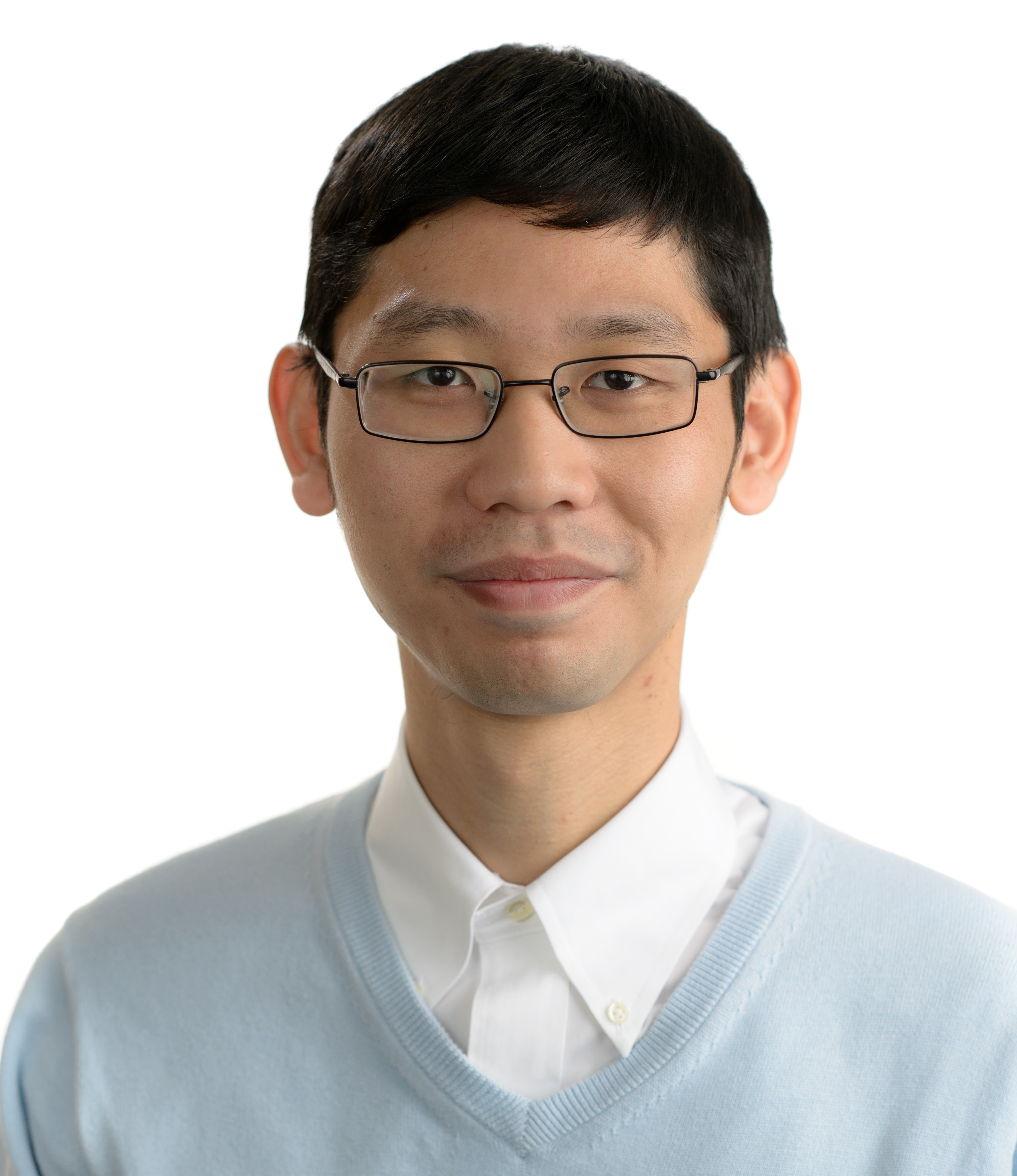
Dr. Wei Bao is an Associate Professor in the School of Computer Science at the University of Sydney, part of the Faculty of Engineering. He leads the I-Net (Intelligent Networking) Group and holds a B.Eng. from Beijing University of Posts and Telecommunications (2009), M.A.Sc. from the University of British Columbia (2011), and Ph.D. from the University of Toronto (2015). His research focuses on distributed machine learning, AI-driven network systems, and intelligent network optimization, with industrial collaborations at companies like Link Group. Education: Bachelor of Engineering, Beijing University of Posts and Telecommunications (2009) Master of Applied Science, University of British Columbia (2011) Ph.D., University of Toronto (2015) Research Interests: Dr. Bao's work addresses challenges in distributed machine learning, AI integration into network systems, and optimizing network performance. He emphasizes practical applications through industry partnerships, aiming to bridge academic research with real-world impact. His current projects include federated learning frameworks, IoT communication sharing architectures (e.g., sTube+), and edge computing optimizations. Publications Trends: His recent work focuses on federated learning algorithms (e.g., Federated Learning with Nesterov Accelerated Gradient ), edge computing optimizations ( SOAR: Smart Online Aggregated Reservation ), and partial label learning techniques. These reflect a blend of theoretical advancements and applied systems research. Awards: Multiple Distinguished TPC Member awards (INFOCOM 2020-2024) Best Paper Awards at ACM MSWiM (2019), IEEE NCA (2016), and others Advising & Grants: Dr. Bao supervises PhD candidates in distributed systems and machine learning. His grants include projects like Pioneering Federated Real-Time Video Analytics (ARC DP 2025) and industry collaborations via the University of Sydney's Industry Program. He also leads the Master of Computer Science program at the University of Sydney. Labs & Teams: He directs the I-Net Group, focusing on intelligent networking and distributed systems. Collaborations span institutions like The Hong Kong Polytechnic University (Dr. Dan Wang) and York University (Dr. Uyen Trang Nguyen).
Edoardo Serra is an Associate Professor in the Department of Computer Science at Boise State University (BSU), a role he has held since July 2021. He previously served as an Assistant Professor at BSU from 2015 to 2021 and holds a joint appointment as a Senior Researcher at Pacific Northwest National Laboratory (PNNL) since June 2021. Since January 2023, he has co-directed the Computing Ph.D. Program at BSU and serves as General Chair of the 2024 ACM CIKM Conference. His academic journey includes a Ph.D. in Computer Science Engineering from the University of Calabria, Italy (2012), followed by postdoctoral positions at the University of Calabria and the University of Maryland. He also served as a Visiting Researcher at UCLA (2010–2011). His research focuses on AI/ML applications in cybersecurity, graph representation learning, generative AI, and robust AI systems. Notable projects include: NSF-funded cybersecurity curriculum integration Department of Defense-funded analysis of terrorist networks Idaho Department of Commerce precision agriculture initiatives Key research areas include graph neural networks, adversarial robustness, and ML-driven security solutions. His work has been recognized with awards such as Best Application Paper (2021) and Best Paper Award (2018). He actively contributes to professional service roles, including program chairs and editorial boards. Current projects emphasize AI ethics, generative models, and scalable graph algorithms. He advises on applied AI consulting for industry and government, focusing on model interpretability and cybersecurity implications.
Professor Antje Gumz holds a Professorship for Psychosomatics and Psychotherapy with a focus on Depth Psychology-Based Psychotherapy at the Psychologische Hochschule Berlin (PHB). She leads a dedicated working group focused on psychotherapy research and training, with particular emphasis on therapeutic relationship skills, alliance ruptures, and psychodynamic concepts. Her academic work bridges clinical practice and scientific research, contributing significantly to the field of psychotherapy. Dr. Gumz's research interests span multiple dimensions of psychotherapy, with particular focus on measuring and training therapeutic relationship skills, including alliance ruptures, facilitative interpersonal skills, dealing with transference/countertransference, and enactments. She investigates mediators of therapy success and the role of language and voice in psychotherapy, bringing a unique perspective that integrates psychodynamic and systems theory concepts. Her work emphasizes the importance of understanding the therapist's role in therapeutic tensions and crises, and how these can be transformed into opportunities for therapeutic advancement. Professor Gumz has published extensively on psychotherapy techniques and training, with numerous publications in leading journals. Her recent work focuses on the development of assessment tools like the Psychodynamic Intervention List (PIL) and the Mediators of Change in Psychotherapy Inventory (MoCPI). Her research demonstrates how specific verbal techniques relate to session quality and therapeutic outcomes, providing empirical support for clinical practice. Heigl Foundation Research Grant (2019-2025) for therapist interpersonal skills research German Psychoanalytic Society Research Grant (2017-2019) for therapeutic techniques studies Professor Gumz actively supervises numerous doctoral students and research assistants, fostering the next generation of psychotherapy researchers. Her work extends beyond academia through collaborations with multiple psychotherapy training institutes across Germany. She has developed innovative training approaches like the Modified Alliance-Focused Training with Doubling (MAFT-D) to improve therapists' competencies in handling therapeutic tensions. Her research group maintains strong national and international collaborations, contributing to evidence-based psychotherapy training and improved treatment outcomes.
Iti Chaturvedi is a Lecturer in the Department of Information Technology at James Cook University (JCU). She holds a Ph.D. in Computer Engineering from Nanyang Technological University, Singapore. Her research focuses on signal processing and AI applications in social media, including emotion recognition, speech analysis, and sentiment analysis. She has been recognized as a Top 2% Most Cited Researcher globally (2022) and received the JCU CSE Early Career Researcher Award (2020). She teaches courses such as Machine Learning and Data Science, Programming III, and Design Thinking I. Current research projects include sentiment prediction from social media (since 2020). She serves as an Associate Editor for the Expert Systems journal (2023) and has been an ARC Assessor (2020). Key contributions include work on speech emotion recognition, constrained manifold learning for videos, and multimodal emotion recognition systems. Her research outputs span journals like Expert Systems , Signal Processing , and conferences including IJCNN and AAAI.
Enzo Mastinu is an electronic engineer specialized in embedded systems for biomedical applications, holding an Associate Professor qualification in Bioengineering. He earned his bachelor's and master's degrees in electronic engineering from the University of Cagliari and a PhD in biomedical signals and systems from Chalmers University of Technology, Sweden. His research focuses on advanced prosthetics and neuroprostheses for upper limb amputations, incorporating embedded systems design, control algorithms, sensory feedback, signal processing, AI, and osseointegration. Key projects include the HAND and HAND2 initiatives, funded by the EU and the Italian Ministry of Research, aiming to develop semi-autonomous prosthetic hands. He has published 25 journal articles (75% in Q1) and 21 conference papers, contributing to a PCT patent. Mastinu is a Senior Member of IEEE EMBS and RAS, reviews for ~90 journals/conferences, and edits Transactions on Medical Robotics and Bionics (IEEE) and Scientific Data (Nature). He has supervised ~40 students across PhD, master's, internships, and postdocs, and teaches courses in biomedical engineering and STEM education. His scientific awards include the Marie Skłodowska-Curie Fellowship (2021), National Qualification as Associate Professor (2024), and a Young Researcher Grant (2025). Research emphasizes clinical implementation of prosthetics with neural feedback and intuitive control, as highlighted in high-impact journals like the New England Journal of Medicine.
Dr. Jiju Poovvancheri is an Associate Professor in the Department of Math & Computing Science at Saint Mary’s University, Halifax, Canada. He holds affiliations with the Graphics & Spatial Computing Lab and previously held postdoctoral positions at the University of Victoria and University of Calgary. His research focuses on computer graphics, 3D vision, and machine learning, with applications in virtual/augmented reality, autonomous robotics, urban planning, and bio-mechanical studies. Key research areas include point cloud processing, semantic surface reconstruction, spatial data structures, and geometric deep learning. Education: PhD from Indian Institute of Technology Madras (2011–2014), supervised by Prof. Ramanathan Muthuganapathy. Postdoctoral work at University of Calgary (EYES-HIGH Fellowship, 2015–2017) and University of Victoria (MITACS Elevate Fellowship, 2018). Research & Awards: Winner of MITACS Elevate Fellowship (2018), EYES-HIGH Fellowship (2015–2017), and multiple grants including NSERC DG (2019–2026). His work has been supported by NVIDIA GPU hardware, NSERC, CFI, and industry partners like Modest Tree Media and Caterpillar. Professional Activities: Associate Editor for IEEE Access , Guest Editor for special issues in Remote Sensing and Sensors , and reviewer for top conferences like CVPR, ICCV, and ECCV. Member of ACM SIGGRAPH, Solid Modeling Association, and IEEE Geoscience & Remote Sensing Society. Lab & Collaborations: Leads the Graphics & Spatial Computing Lab, collaborating with institutions globally. Current projects include "Interaction and navigation in virtual spaces" and industry partnerships with Modest Tree Media for real-time object recognition. Advising: Supervised over 20 graduate and undergraduate students, with notable alumni advancing to roles at ReelData AI, Royal Canadian Air Force, and academic institutions like Dalhousie University.
Jacob Whitehill is an Associate Professor in the Department of Computer Science at Worcester Polytechnic Institute (WPI), affiliated with the Learning Science & Technologies (LST) program. His research focuses on applying machine learning to education and human-computer interaction, including speech recognition, emotion analysis, and automated classroom observation. He leads the NSF-funded project Developing New Scientific Instruments for Classroom Observation and collaborates on the AI Institute for Student-AI Teaming (iSAT) . His research interests span Applied Machine Learning (e.g., multi-modal systems, speaker diarization), AI for Education (e.g., automated instructional evaluation, child speech recognition), and Emotion Recognition (e.g., affective computing in classrooms). Recent work emphasizes classroom observation tools and improving student-teacher interaction analysis through video and audio data. Notable projects include: NSF-funded classroom observation tools AI Institute for Student-AI Teaming (iSAT) Schmidt Futures-funded Hybrid Human-Agent Tutoring for math education His team includes PhD students Xinlu He (Data Science), Jiani Wang (Computer Science), and Yiwen Guan (Computer Science), along with visiting scholar Cecilia Tivir. He advises students on topics like speaker recognition, educational data mining, and computer vision in classroom settings. Grants and collaborations include NSF, Schmidt Futures, and industry partnerships. His lab develops tools for automated feedback on teaching practices, leveraging LLMs and multimodal data. For more details, contact jrwhitehill@wpi.edu .
Ioannis Stamos is a Professor of Computer Science at Hunter College, City University of New York (CUNY), within the School of Arts and Sciences. His research focuses on Computer Vision, Robotics, Computer Graphics, and 3D Visualization, with emphasis on 3D modeling using range and image data. He earned his Ph.D. in Computer Science from Columbia University (2001), followed by an M.S. and M.Phil. from Columbia's Computer Science Department, and a Diploma of Engineering from the University of Patras, Greece. Dr. Stamos has received prestigious awards including the NSF CAREER Award (2003) and Google Research Awards (2014, 2017). His work integrates 2D images and 3D range data for urban scene modeling, sensor fusion, and real-time object detection. Notable contributions include advancements in 6DoF pose estimation, LiDAR-based curb detection, and Kronecker product models for repeated patterns in urban imagery. He leads the Computer Vision & Robotics Lab and teaches graduate courses in 3D Computer Vision and Photorealistic Modeling. His research is supported by NSF grants, including MRI awards for mobile robotics and large-scale 3D modeling. He serves as Area Editor for the Journal of Computer Vision and Image Understanding and has co-chaired conferences like 3DV 2013. His lab collaborates on projects involving procedural modeling of urban environments and online classification of 3D point clouds.
Dr. Gady Agam is an Associate Professor in the Department of Computer Science at Illinois Institute of Technology (Illinois Tech), affiliated with the College of Computing. His primary research focuses on Computer Vision, Machine Learning, and Artificial Intelligence, with applications in medical imaging, remote sensing, and security systems. He leads the Visual Computing Lab, which explores topics such as deep learning, geometric modeling, and computational methods for data analysis. Dr. Agam teaches courses including CS584 (Machine Learning), CS512 (Computer Vision), and CS577 (Deep Learning). His research has resulted in over 100 peer-reviewed publications and collaborations with organizations like SPIE. He has held leadership roles in conferences such as Document Recognition and Retrieval and has contributed to industry-relevant projects like the MuscleX software. His academic contributions include advancements in image registration, feature detection, and automated medical diagnostics. He actively supervises graduate students in his lab and maintains partnerships with academic and industrial entities to drive innovation in visual computing technologies.
Matthew Allen Bishop is a Professor in the Department of Computer Science at the University of California, Davis. His primary affiliation is with the College of Engineering. Bishop's research focuses on cybersecurity, including secure programming, insider threat detection, malware analysis, and cybersecurity education. He has contributed extensively to curricular guidelines (e.g., CSEC 2017) and frameworks for cyber defense. His work spans theoretical advancements (e.g., intrusion detection models) and applied systems (e.g., secure voting platforms). Notable research areas include: Cybersecurity Education: Developing curricula and pedagogical frameworks for secure coding and ethical practices. Insider Threat Mitigation: Declarative approaches and behavioral analysis for detecting and preventing attacks. Malware Mitigation: Techniques leveraging uncertainty principles and defensive programming. Election Security: Analyzing vulnerabilities and designing secure voting systems. Bishop has collaborated with institutions like the Department of Homeland Security (DHS) and National Security Agency (NSA) on critical infrastructure protection. His publications span conferences like IEEE Security & Privacy, HICSS, and NSPW, emphasizing real-world applications of cybersecurity principles.
Tamara Sumner is a Professor at the Institute of Cognitive Science , University of Colorado. Her research focuses on leveraging AI and educational technology to improve teaching practices, particularly in STEM education, and fostering equitable learning opportunities. She co-leads the Institute for Student-AI Teaming (iSAT), reimagining AI's role in education. Her work emphasizes classroom discourse analysis, teacher professional development, and rural STEM pathways. Key research areas include: AI tools for automating feedback on teacher-student interactions Equity-focused learning analytics and visualizations Rural youth engagement in STEM through community partnerships Integration of computational thinking and sensor technologies in K-12 curricula Her recent articles highlight advancements in automated discourse analysis, equity-driven tools like the SEET system, and AI-augmented tutoring models. She has contributed to grants such as the BIGDATA: IA initiative (2018) and co-designed programs like DaSH Home for remote learning. Her work bridges research and practice, involving educators and communities in co-design processes. Current initiatives aim to address systemic inequities through technology, such as visual learning analytics for classroom reflection and STEM career pathways for underserved rural populations.
Marine Cazenave is a Group Leader at the Department of Human Origins, Max Planck Institute for Evolutionary Anthropology, Leipzig. Her research focuses on the functional and adaptive evolution of the postcranial skeleton in fossil hominins, emphasizing locomotor behavior reconstruction through bone structure analysis. She holds a PhD in Anthropobiology from Universities of Toulouse and Pretoria, with postdoctoral fellowships at the American Museum of Natural History (USA) and University of Kent (UK). PhD in Anthropobiology (University of Toulouse/University of Pretoria, 2015-2018) Postdoc: Richard Gilder Graduate School (2022-2024); Fyssen Foundation (2020-2022) Her research integrates virtual imaging (e.g., micro-CT scanning), comparative studies of living primates, and fieldwork to decode locomotion patterns in hominins. Key focuses include hip/knee joint adaptations, trabecular bone architecture, and the interplay between bone structure and environmental interactions. Recent work highlights locomotor diversity in South African australopiths, Paranthropus robustus hip loading differences, and the functional significance of calcar femorale variation. Awards include the 2022 Journal of Human Evolution Early Career Prize. Collaborations span institutions globally, advancing projects like the Bakeng se Afrika Digital Skeletal Repository. Her methodologies emphasize multi-disciplinary approaches, combining fossil analysis with experimental frameworks (e.g., captive primate studies).
Natalie Priebe Frank is a Professor of Mathematics and Statistics at Vassar College. She has been affiliated with the university since 2000 and specializes in hierarchical tiling systems, quasicrystals, and dynamical systems. Her work bridges mathematical theory with applications in materials science and art. Education: BS from Tulane University of Louisiana; PhD from the University of North Carolina at Chapel Hill. Research interests include the study of aperiodic tilings, their spectral properties, and connections to quasicrystal structures. She explores how tiling patterns model natural phenomena and has contributed to breakthroughs like the discovery of the aperiodic monotile. Her recent work discusses the implications of hierarchical tilings in understanding non-repetitive patterns and their diffraction properties. Notably, she co-authored the 2023 discovery of the 'einstein' tile, an aperiodic monotile, and has published extensively on substitution tiling dynamics and fractal geometry. Publications span foundational texts like The Tiling Book and peer-reviewed articles on spectral theory and geometric patterns. She actively engages in science communication, featured in Quanta Magazine for her insights on aperiodic tilings' real-world relevance.
Ayman El-Hag is an Associate Professor in the Department of Electrical and Computer Engineering at the University of Waterloo. He is affiliated with the Outdoor Insulation and Condition Monitoring Research Group, focusing on advancing technologies for high-voltage insulation systems and smart grid infrastructure. His work integrates machine learning, signal processing, and materials science to improve condition monitoring and diagnostic methods for power equipment. Research interests include partial discharge detection using UHF and acoustic sensors, machine learning applications for defect classification in outdoor insulators, and the development of non-invasive sensing techniques for real-time monitoring. He also explores energy management systems leveraging fuzzy logic and smart meter data analysis for residential and grid-level applications. Recent publications highlight advancements in capsule networks for insulator discharge prediction, deep learning-based hydrophobicity classification, and novel antenna designs for partial discharge localization. His work emphasizes practical solutions for power system reliability and environmental resilience of insulation materials under extreme conditions. El-Hag is a Full-time faculty member and holds Adjunct faculty status, contributing to interdisciplinary research projects. He actively engages in promoting condition monitoring methodologies through educational initiatives and industry partnerships.