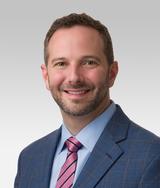
Daniel Hashimoto is an Assistant Professor in the Department of Surgery at the Perelman School of Medicine, University of Pennsylvania. He directs the Penn Computer Assisted Surgery and Outcomes (PCASO) Laboratory, a multidisciplinary research group bridging surgery, computer science, and robotics. He also holds appointments in the School of Engineering and Applied Science, focusing on General Robotics, Automation, Sensing, and Perception. His research centers on applying artificial intelligence (AI), computer vision, and robotics to enhance surgical decision-making and education. Key areas include intraoperative data analysis, digital health literacy, and automated feedback systems for surgical technique improvement in clinical and simulated environments. Recent publications highlight his work on AI-driven surgical video analysis, federated learning for medical data, and ethical considerations in robotic surgical training. The PCASO Lab collaborates on validating AI tools for procedures like cholecystectomy and endoscopic myotomy while addressing data quality and privacy frameworks. Scientific Awards: Linda Pechenik Montague Investigator Award (Perelman School of Medicine) Daniel mentors student researchers such as Vivek Singh, Aarush Sahni, and So Hee Ahn, who contribute to projects on robotic procedures and surgical education. The PCASO Lab emphasizes interdisciplinary collaboration between clinicians, engineers, and data scientists.
Katharine R. Clapham, MD, is an Assistant Professor in the Division of Cardiovascular Medicine at the University of Utah, with a secondary role as Adjunct Assistant Professor in Radiology & Imaging Sciences. She specializes in pulmonary vascular disease , particularly methamphetamine-associated pulmonary arterial hypertension (PAH) , and co-directs the Pulmonary Hypertension and Dyspnea Program. Her clinical expertise includes cardiovascular disease, nuclear cardiology, and echocardiography. Education : AB in Biochemical Sciences (Harvard College, 2008), MD from MIT-Harvard joint program (Harvard Medical School); Residency (Massachusetts General Hospital, 2015); Fellowships (Yale New Haven Hospital, 2018; Brigham and Women’s Hospital, 2022). Dr. Clapham’s research focuses on pulmonary vascular disease , with recent publications exploring topics such as JAK2-mutant clonal hematopoiesis in thromboembolism , genomic predictors of venous thromboembolism , and toxin-induced PAH . She has also contributed to studies on right ventricular function , PECAM-1 biomarkers , and mentorship in cardiovascular training . A major emphasis of her work is understanding the link between methamphetamine use and PAH , including mechanisms of vascular injury and treatment strategies. As Co-Director of the Pulmonary Hypertension and Dyspnea Program, she collaborates with pulmonologists and addiction medicine specialists to improve patient care. Her work includes participation in the NIH-sponsored Expose PAH registry and exploration of genetic predispositions to PAH. Dr. Clapham is board-certified by the American Board of Internal Medicine (Internal Medicine and Cardiovascular Disease), Certification Board of Nuclear Cardiology, and National Board of Echocardiography.
Professor Kirsten McCaffery is an NHMRC Principal Research Fellow and Director of the Sydney Health Literacy Lab at the School of Public Health, University of Sydney . She leads research in health communication, shared decision-making, and health literacy, focusing on socially disadvantaged populations including culturally and linguistically diverse (CALD) communities. Her work addresses critical gaps in cancer screening, overdiagnosis, and low-value healthcare practices. Key Affiliations: Director of Research, School of Public Health; Director, Sydney Health Literacy Lab; Co-founder, Wiser Healthcare; Node Leader, Charles Perkins Centre Health Literacy Node Research Themes: Obesity, Diabetes and Cardiovascular Disease; Cancer; Healthy Ageing Research Methodology: Combines quantitative methods (randomised trials, experimental studies) and qualitative research to evaluate decision aids, health literacy interventions, and communication strategies during health emergencies like the COVID-19 pandemic. Scientific Awards: 2023 Research.com Social Sciences and Humanities in Australia Leader Award 2022 SHaPED Trial of the Year Award 2021 Public Health Research & Practice Best Paper 2020 Fellow of the Australian Academy of Health and Medical Sciences Leadership & Impact: Director of a 35-member research group, co-founder of a cross-institutional collaboration (Wiser Healthcare), and principal investigator on AU$57m+ in competitive grants. Her work has been published in Lancet, BMJ, JAMA, and MJA , with over 350 publications.
Laurent Suppan is a researcher at the University of Geneva, focusing on prehospital emergency care, medical education, and simulation-based training. His work spans airway management, stroke detection, pandemic response, and technology-enhanced healthcare protocols. Affiliation: University of Geneva Key research areas: Emergency Medicine, Medical Education, Public Health Interventions His research explores prehospital clinical decision-making, device evaluation (e.g., supraglottic airways), and digital health tools like mobile apps and serious games to improve emergency care. Recent studies examine student paramedic training, medication error reduction, and pandemic preparedness. Publications include analyses of ventilation techniques during cardiac arrest, hypercapnia management in acute heart failure, and prehospital arterial blood gas evaluation. Collaborative work with institutions in Switzerland highlights his commitment to advancing EMS protocols and education. While no scientific awards are listed here, Suppan's supervision of 4 works and extensive publication record in journals like Journal of Clinical Medicine and BMC Emergency Medicine demonstrate academic leadership. His methodological rigor is evident in randomized controlled trials, retrospective cohort studies, and framework development projects. Current projects involve real-time patient modeling for major incidents and enhancing first responder recruitment during crises.
Lisa A. Carey, MD, ScM, FASCO is the L. Richardson and Marilyn Jacobs Preyer Distinguished Professor for Breast Cancer Research at the University of North Carolina at Chapel Hill School of Medicine. She serves as the Deputy Director of Clinical Sciences at UNC Lineberger Comprehensive Cancer Center and Director of the UNC Lineberger Center for Triple Negative Breast Cancer. Dr. Carey is an internationally recognized breast cancer physician-researcher whose work has significantly advanced the understanding and treatment of breast cancer subtypes. Dr. Carey's research focuses on breast cancer, with particular expertise in molecular subtypes, especially triple negative breast cancer. Her work spans the spectrum from early curative breast cancer to metastatic disease, with significant contributions to neoadjuvant chemotherapy strategies, evaluation of new chemotherapy agents, and examination of tumor characteristics that predict response to therapy. She led groundbreaking research identifying the elevated risk of basal-like breast cancer in young African-American women and conducted the first trial examining new drug regimens for triple negative breast cancer. Her recent publication record demonstrates a strong focus on advancing precision medicine in breast cancer, with work spanning biomarker discovery, novel therapeutic approaches including targeted therapies and immunotherapies, treatment optimization for different breast cancer subtypes, and addressing health disparities in breast cancer care. Her research increasingly incorporates genomic and transcriptomic analyses to better understand treatment responses and resistance mechanisms. OncLive Giants of Cancer Care Award, 2025 Ned Brooks Award for Public Service, The Carolina Center for Public Service, UNC-Chapel Hill, 2024 Member, Board of Directors of the American Society of Clinical Oncology, 2020 Fellow of the American Society of Clinical Oncology, 2019 Member, Susan G. Komen Scientific Advisory Board, 2018 UNC Healthcare System Excellence in Care Award, 2018 Co-Chairperson, Breast Committee, Alliance for Clinical Trials in Oncology, 2016 Dr. Carey holds significant leadership roles in national cancer research initiatives, serving on the National Cancer Institute Breast Cancer Steering Committee and as Co-Chair of the NCI-sponsored Alliance Breast Committee. She has led numerous clinical trials, including large NCI-sponsored studies, and her Tumor Donation Program has contributed novel information regarding genetic differences between primary breast cancer and metastases. Her work has spawned the AURORA-US multicenter initiative examining the molecular landscape of metastatic disease, where she serves on the Steering Committee. As Director of the UNC Lineberger Center for Triple Negative Breast Cancer, Dr. Carey leads a dedicated team focused on understanding and developing treatments for this aggressive breast cancer subtype. Her research program integrates clinical trials with translational research, working closely with scientists across UNC Lineberger and the UNC Gillings Global School of Public Health to better characterize molecular subtypes of breast cancer.
Dr. Leena Sharma is a Professor in the Department of Medicine (Rheumatology) and Preventive Medicine (Epidemiology) at Northwestern University's Feinberg School of Medicine, holding the Chang-Lee Professorship of Preventive Rheumatology. She serves as Director of the Program in Preventive Rheumatology and Principal Investigator of the NIAMS-funded Core Center for Clinical Research, FIRST-DailyLife, while directing the Multidisciplinary Career Development Program (KL2) at the Northwestern University Clinical and Translational Sciences Institute. Educational background: MD from the Medical College of Wisconsin (1984) Residency at the University of Texas Medical Branch Hospital (1987) Fellowship in Rheumatology at Northwestern University's McGaw Medical Center (1989) Board certified in Internal Medicine and Rheumatology, Dr. Sharma's research pioneers preventive approaches to knee osteoarthritis through large-scale longitudinal studies of high-risk populations. Her work investigates biomechanical factors (varus-valgus alignment, joint instability), MRI tissue characteristics, muscle strength, and psychosocial elements like pain catastrophizing to prevent disability before osteoarthritis's irreversible downward spiral. She champions shifting intervention to pre-radiographic stages where patients remain functional enough for effective prevention. Analysis of her 2024-2025 publications reveals consistent focus on MRI-defined osteoarthritis progression, cartilage loss prediction, joint replacement outcomes, and pain assessment methodologies. These studies emphasize early biomarker identification for clinically significant disease and validate tools for predicting disability risk in pre-osteoarthritis, demonstrating how mechanical and psychosocial factors interact in disease trajectories. Scientific awards: Teaching Pin, Northwestern University Feinberg School of Medicine Office of Medical Education (2024) Highly Commended in Primary Health Care for Fast Facts: Osteoarthritis, British Medical Association Medical Book Awards (2010) OARSI Clinical Research Award (2009) Top 10 Arthritis Research Advances, Arthritis Foundation (2003) Dr. Sharma leads the NIAMS-funded FIRST-DailyLife Core Center and NIH/NCATS-supported KL2 program, securing Northwestern's fourth continuous NIH grant for osteoarthritis research with expanded focus on underserved minorities' healthcare utilization. Her NIH R01-AR-52918 grant underpins foundational work using Osteoarthritis Initiative data to detect early MRI lesions predicting symptomatic disease. As Director of the Program in Preventive Rheumatology, she cultivates interdisciplinary teams integrating rheumatology, epidemiology, biomechanics, and patient-centered outcomes. Her leadership established Northwestern's Preventive Rheumatology Symposium and the Chang-Lee Professorship, accelerating translation of discoveries like wearable sensor applications for obesity-related osteoarthritis into clinical practice.
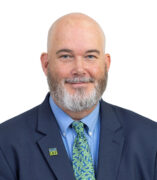
Stephen T Magill, MD, PhD, serves as Assistant Professor of Neurological Surgery at Northwestern University Feinberg School of Medicine. His clinical expertise focuses on brain, pituitary, and skull base tumors using minimally invasive and endoscopic techniques, while maintaining readiness for complex open approaches when necessary. His academic foundation includes a BS in Neuroscience from the University of Pittsburgh (2004, summa cum laude), followed by combined MD/PhD training at Oregon Health & Science University (2011 PhD, 2013 MD) through the Medical Scientist Training Program. He completed neurosurgical residency at UCSF (2020) and a fellowship in Minimally Invasive Cranial and Endoscopic Skull Base Surgery at The Ohio State University (2021). Dr. Magill's research centers on meningioma biology and clinical management, spanning three interconnected domains: understanding molecular drivers of tumor growth/recurrence, developing molecular diagnostic tools for treatment decisions, and creating targeted therapies for radiation/surgery-resistant cases. His work on intratumor heterogeneity in meningioma has revealed critical treatment resistance mechanisms, while his 40-site surgical outcomes study established new grading standards for tuberculum sellae meningiomas. Recent publications demonstrate consistent focus on meningioma genomics (TERT mutations), hydrocephalus pathophysiology (SGLT2 inhibitors), and adjuvant therapy optimization. His research bridges clinical neurosurgery, molecular oncology, and pharmacological innovation with direct patient care applications. Key recognitions include: Career Development Award, North American Skull Base Society (2024) Best Clinical Research Award (2021 NASBS and 2020 CNS Tumor Section) NIH-funded postdoctoral fellowship under Drs. Costello and Raleigh Editor's Choice Collection in Journal of Neurosurgery (2019) Alpha Omega Alpha Honor Society membership (2013) He leads NRG BN012 clinical trial for brain metastases and directs research initiatives examining SGLT2 inhibitors for hydrocephalus. As Co-chair of NASBS Trials During Turnover committee and editorial board member for Journal Of Neurological Surgery Reports, he shapes national research standards while mentoring through the AANS Young Neurosurgeons Committee. Dr. Magill's work integrates with Northwestern Medicine's neurosurgery department and Robert H. Lurie Comprehensive Cancer Center, contributing to multidisciplinary tumor boards and translational research pipelines focused on improving outcomes for complex skull base pathology.
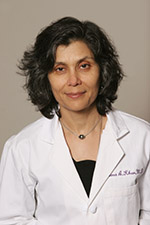
Dr. Seema A Khan is Professor of Surgery (Breast Surgery) at Northwestern University Feinberg School of Medicine and the Bluhm Family Professor of Cancer Research. She serves as a surgical oncologist at Northwestern Memorial Hospital and co-leader of the breast cancer program at the Robert H. Lurie Comprehensive Cancer Center of Northwestern University. Her educational background includes an MD from Dow Medical College, Pakistan (1978) and an MS from Harvard School of Public Health (1990). Her clinical training encompasses residencies at Saint Agnes Hospital and Saint Joseph's Hospital, followed by fellowships at Roswell Park Cancer Institute. Dr. Khan's research focuses on improving identification of women at high risk for breast cancer to develop better prevention strategies. She studies molecular profiles of benign breast disease, DNA alterations, progesterone signaling effects on breast cancer risk, and lipid metabolism's influence on risk. Her work aims to find safe prevention methods that balance cancer risk reduction with quality of life. In 2014, her team published groundbreaking research on a topical tamoxifen gel that reduced cancer cell growth with fewer systemic side effects compared to oral administration. Her recent publications (2023-2025) demonstrate continued leadership in breast cancer research, spanning molecular biology, epidemiology, clinical oncology, and patient-centered outcomes. Her work addresses critical questions in breast cancer prevention, risk stratification, treatment response, and quality of life considerations. Dr. Khan has received the Department of Surgery Research Mentor Award from Northwestern University Feinberg School of Medicine in both 2022 and 2023. She serves on the CP-CTNet Steering Committee, chairs the TMIST Data Safety Monitoring Committee, and participates in the San Antonio Breast Cancer Symposium Planning Committee. She is also an editorial board member for Cancers MDPI and Cancer Prevention Research. Currently, Dr. Khan leads a phase 2 clinical trial (ATOS-Z-201) investigating (Z)-endoxifen as a treatment for premenopausal women with ER+/HER2- breast cancer. Her professional leadership extends to membership in the American Surgical Association, American Society of Clinical Oncology, American Association for Cancer Research, Society of Surgical Oncology, American Society of Breast Surgeons, and as a Fellow of the American College of Surgeons.
Mark B. Lockwood is an Associate Professor in the Department of Biobehavioral Nursing Science at the University of Illinois at Chicago College of Nursing, where he conducts NIH-funded research on symptom science, gut microbiome interactions, and health disparities in kidney disease and transplantation. Education: PhD, Oregon Health and Science University School of Nursing MSN, Loyola University at New Orleans School of Nursing ASN/BSN, Jewish Hospital College of Nursing and Allied Health (Goldfarb School of Nursing at Barnes-Jewish Hospital) Research Focus: Dr. Lockwood employs an 'omics' approach to investigate symptom clusters in chronic kidney disease (CKD) and the brain-gut microbiome axis in pre- and post-kidney transplant patients. His work examines how disruptions in oral/gut microbiota from antibiotics, immunosuppression, and transplant surgery influence psychoneurological symptoms (fatigue, sleep disturbance, depression/anxiety), aiming to develop interventions that reduce health disparities. Collaborating with Dr. Stefan Green's DNA Services Laboratory at UIC, he integrates metabolomics and microbiome science into nursing research. Publication Trends: His 2013-2021 publications reveal a progression from digital health equity in transplantation toward cutting-edge microbiome-symptom mechanisms, with increasing focus on metabolite profiling, symptom cluster subgroups, and omics methodologies in nephrology nursing science. Scientific Recognition: 2025 DAISY Award for Extraordinary Nurse Educators 2021 NIH/NINR Clinical Loan Repayment Award 2020 UIC CON Staff and Faculty Appreciation Award 2019 International Transplant Nurses Society Best Abstract Award 2018 UIC College of Nursing Janet A. Deatrick Award 2018 International Transplant Nurses Society Distinguished Service Award Research Leadership: As Principal Investigator on multiple NIH grants—including R01DK135574 (Gut Microbiome and Pain in Kidney Transplantation), U01 DK123787-S01 (HEAL supplement), and K23NR018482 (Microbiota and Symptoms in Transplant Patients)—Dr. Lockwood directs a robust program presented at major conferences like the American Transplant Congress and International Transplant Nurses Society Symposium. His work bridges nursing science with translational microbiome research to address critical gaps in transplant care. Collaborative Infrastructure: His research leverages the UIC DNA Services Laboratory for advanced microbiome and metabolite analysis, fostering interdisciplinary partnerships across nephrology, nursing, and genomics to transform symptom management in kidney disease.
Felipe A. Lisboa, M.D. is a Research Assistant Professor in the Department of Surgery at the Uniformed Services University of the Health Sciences (USUHS) School of Medicine in Bethesda, MD. He serves as the Surgical Critical Care Initiative (SC2i) Associate Director of Clinical Research and SC2i USU/WR Biorepository Director. With over ten years of experience in both basic and clinical research, Dr. Lisboa has established himself as a prominent researcher in surgical critical care, precision medicine, and inflammatory response mechanisms. Dr. Lisboa's research interests span surgical critical care, precision medicine, inflammatory response mechanisms, trauma and wound healing, angiogenesis, immunology, molecular biology, and the application of machine learning in clinical research. His work particularly focuses on multiomics approaches (genomics, proteomics, and metabolomics) to understand surgical complications including wound failure, local infection, sepsis, pneumonia, ARDS, AKI, and VTE in military and civilian patients. His publication record demonstrates a clear progression from fundamental molecular immunology research to applied clinical trauma medicine, with recent work emphasizing precision medicine approaches to surgical decision-making. His articles reveal a consistent focus on inflammatory biomarkers, wound healing mechanisms, and computational methods to improve outcomes for trauma patients. Dr. Lisboa's scientific contributions include developing clinical decision support tools, expanding the SC2i USU/WR Biorepository inventory, and implementing clinical study protocols for surgical critical care research. His work bridges basic science with clinical applications, particularly in combat casualty care.
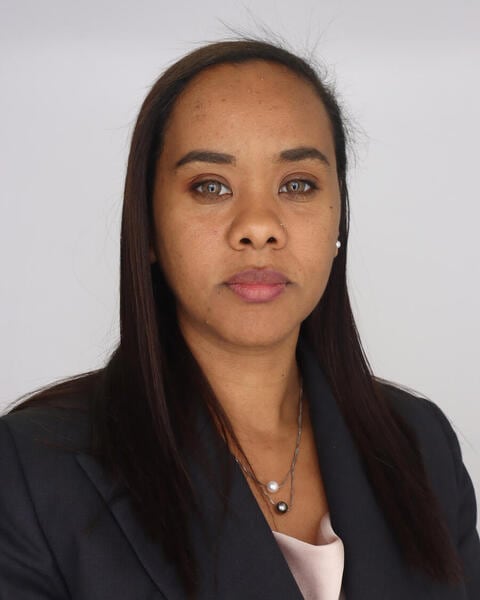
Dr. Wigdan H. Farah is a board-certified Pulmonary and Preventive Medicine physician at Mayo Clinic College of Medicine in Rochester, Minnesota. She holds dual certification from the American Board of Internal Medicine in Pulmonary Disease and the American Board of Preventive Medicine in Public Health. Dr. Farah completed her medical degree at Ahfad University for Women in Sudan, followed by Internal Medicine residency at Saint Joseph Mercy Health System in Michigan. She then pursued dual fellowships in Preventive Medicine and Pulmonary Diseases at Mayo Clinic, where she also earned a Master of Public Health from the University of Minnesota. Her research focuses on personalizing care for chronic lung diseases using phenotypic profiling and biomarkers, developing implementation science programs to improve lung cancer screening access, and addressing health disparities. Dr. Farah has published extensively on occupational lung diseases, infectious disease responses including SARS-CoV-2 transmission patterns, and community-acquired pneumonia. Analysis of her recent publications reveals consistent focus on health disparities, particularly in vaccine uptake and influenza outcomes by race/ethnicity, and occupational lung diseases including fatal asthma in cannabis production. Her work frequently employs systematic review and meta-analysis methodologies across pulmonary medicine, infectious diseases, and preventive medicine. Her notable awards include: 2024/2025 Arizona Approaches to Equity Scholar from the National Heart, Lung and Blood Institute 2023 CHEST Diversity Travel Grant 2021 APTR-AHRQ Preventive Medicine Rotation Scholarship Award 2020 Charles Craig, MD, Outpatient senior resident of the year award Dr. Farah actively contributes to multiple professional organizations including the American College of Chest Physicians, American Thoracic Society, and American College of Occupational Medicine. Her work bridges clinical practice, research, and public health policy to improve lung health outcomes with particular attention to health equity.
Jessica Kay Jeffrey is an Associate Clinical Professor in the Department of Psychiatry and Biobehavioral Sciences at the David Geffen School of Medicine at UCLA. Her work focuses on innovative approaches to mental health treatment, particularly in the areas of psychedelic therapy, adolescent psychiatry, and integrated care models. Dr. Jeffrey's research spans several key areas of psychiatry with emphasis on adolescent mental health, psychedelic-assisted therapy, and collaborative treatment approaches. Her work on psilocybin for depression treatment represents cutting-edge research in novel therapeutic approaches. She has developed screening tools for behavioral health in pediatric primary care and explored technology applications to improve mental health service delivery. Her research program demonstrates a commitment to evidence-based, patient-centered care with focus on measurement-based approaches and interdisciplinary collaboration. Her publication record shows a progression toward innovative mental health treatments, with recent work focusing on psychedelic therapeutics for adolescents and adults with depression. She has contributed significantly to discussions about ethical considerations, safety protocols, and clinical applications of these emerging treatments. Her research also emphasizes collaborative care models integrating psychiatrists, nurses, and pharmacists to optimize treatment outcomes. Dr. Jeffrey maintains an active collaboration network with prominent UCLA researchers including Charles Grob, Marc Weintraub, Patricia Lester, Nastassia Hajal, and David Miklowitz. Her work has been cited extensively and discussed across various platforms, indicating significant impact in the field of mental health research and practice.
Associate Professor Claudia Rutherford is a clinical research methodologist at Chris O'Brien Lifehouse and the University of Sydney, specializing in patient-reported outcomes (PROs), health-related quality of life (HRQL), and symptom burden in research and clinical practice. With over 15 years of experience, she serves as Director of the Sydney Quality of Life Office (SQOLO), which she re-established in 2023 to optimize the use of PROs in health research and routine healthcare, ensuring the patient perspective informs care, research, and decision-making. Her research interests focus on: Clinical research in implementing routine PRO collection in health settings for individual patient decision-making and service evaluation Methodological research to improve PRO/HRQL research standards from concept development through peer-review reporting Rutherford's recent publications (2023-2025) demonstrate a strong focus on patient-reported outcome measures across various healthcare contexts, with particular emphasis on oncology applications. Her work spans systematic reviews, psychometric evaluations, cross-cultural validations, and implementation studies, with significant contributions to immune checkpoint inhibitors, cancer survivorship, bladder cancer, and integration of PROs into routine clinical care. She frequently collaborates on international initiatives aimed at standardizing PRO methodology and implementation, particularly through her leadership in the SISAQOL-IMI project. Her scientific recognition includes: Novice Investigator Award of EPUAP for 2010 New Investigator Poster Presentation Award of ISOQOL 2014 As an educator, Rutherford coordinates and lectures for OLEO5623 Quality of Life Research Principles at the University of Sydney since 2018, lectures for AMED3001 Cancer Unit of Study at Westmead since 2018, and serves as a guest lecturer on patient-reported outcomes at Sydney Nursing School since 2016. She supervises research students including Margaret TAIT, who is researching health-related quality of life in patients accessing medicinal cannabis. Rutherford also chairs the Patient-Reported Outcomes Special Interest Group with over 1000 members and contributes to the Primary Care Collaborative Cancer Clinical Trials Group (PC4). Rutherford leads several significant research projects including: Strengthening Healthcare Systems with Patient Reported Outcome Measures (PROMs) - NHMRC 2021 Partnership Projects PRC3 Identifying referral pathways for a nurse-delivered sexual function and intimacy service for cancer patients - Cancer Institute NSW Clinical Trials Portfolio MY-PROMPT-2 trial for relapsed multiple myeloma - NHMRC MRFF Rare Cancers ACORNS Program of Research (2018-2023) - Beckett Fellowship SISAQOL-IMI - International Standards of PROs in Cancer Clinical Trials
Erik Bruun Simonsen is a Guest Researcher in the Department of Neuroscience, specializing in Motor Control, at the Faculty of Health and Medical Sciences, University of Copenhagen. His research focuses on biomechanics, anatomy, and physiology, with particular expertise in human movement analysis through 3D techniques. Dr. Simonsen is an expert in movement, training, sports, and muscles. More specifically, he researches the biomechanics of human movements, especially human posture and gait through 3D analysis. His work spans several key areas including: Biomechanical analysis of human movement patterns Muscle function and coordination during various activities Sports performance and injury prevention Rehabilitation following musculoskeletal injuries Occupational biomechanics and workplace injury prevention Spinal cord anatomy and neurophysiology Analysis of Dr. Simonsen's publication record reveals a consistent focus on applying biomechanical principles to understand human movement in both athletic and clinical contexts. His recent work demonstrates strong interdisciplinary collaboration, particularly with researchers like T. Alkjær, M.R. Krogsgaard, and D.L. Benoit. His research spans sports performance (sprint mechanics, running economy), rehabilitation (ACL reconstruction outcomes), occupational health (back pain in baggage handlers), and basic neuroscience (spinal cord anatomy). The methodology consistently features advanced 3D movement analysis techniques applied to specific functional tasks. Dr. Simonsen's work has gained recognition beyond academia, with publications referenced in Wikipedia pages, picked up by news outlets, and discussed on social media platforms. His research appears in reputable journals across sports science, physiology, orthopedics, and neuroscience, demonstrating the broad applicability of his biomechanical approach.
Henning Langberg is a Professor in the Department of Public Health at the University of Copenhagen's Faculty of Health and Medical Sciences. He serves as Research leader for CopenRehab and has held significant external positions including Chief Innovation Officer at Copenhagen University Hospital until October 2023 and CEO of Bestyrelsen for Kulturarvens Forskerskole until April 2020. Starting October 2024, he will serve as a Consultant for LangbergPLUS consulting. Langberg's research interests focus on rehabilitation science, particularly in the areas of: Cancer rehabilitation, especially for lung cancer patients Physical activity interventions for chronic conditions like diabetes Use of technology in healthcare and rehabilitation Gerontechnology and aging-related health interventions Cardiopulmonary rehabilitation His 251 research outputs demonstrate a strong focus on evidence-based rehabilitation approaches. Recent publications show trends toward systematic reviews and meta-analyses of rehabilitation interventions, particularly examining the effectiveness of early postoperative rehabilitation, remote monitoring for chronic disease management, and comparative exercise methodologies. His work bridges clinical practice with research evidence, often focusing on patient-centered outcomes and quality of life improvements. Langberg has been actively involved in research networks and committees, including membership in Sundhedsstyrelsen (the Danish Health Authority) from 2012 to 2015 and leadership of CopenRehab since 2012. His research has garnered significant attention with numerous citations and mentions across social media and academic platforms. He leads the CopenRehab research group, which focuses on developing and evaluating rehabilitation interventions across various patient populations. The team employs both quantitative and qualitative methodologies to understand the effectiveness of rehabilitation programs and the factors influencing patient engagement and outcomes.