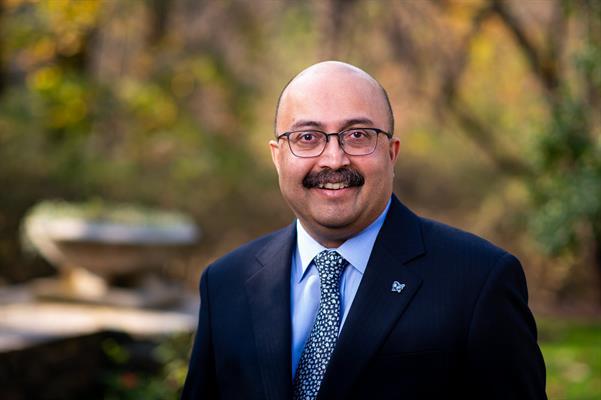
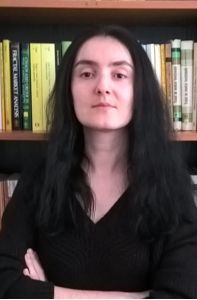
Motiur Rahaman is a research-focused academic at Charles Sturt University, Australia, affiliated with the Data Mining Research Group (DaMRG) in the School of Computing, Mathematics and Engineering. His work bridges artificial intelligence with practical applications in agriculture and healthcare. Charles Sturt University Data Mining Research Group (DaMRG) Department of Computer Science His research interests center on artificial intelligence, computer vision, and data mining , with strong applications in remote sensing for agriculture (e.g., weed detection in crops) and medical imaging analysis (e.g., predicting ICU admission from X-ray features in COVID-19 patients). He also explores speech emotion classification using augmented audio data. His work often involves Gaussian mixture modeling, spatial correlation analysis, and deep learning techniques. The recent publications show a clear trend toward applied AI in solving real-world problems, particularly in sustainable agriculture and public health. His interdisciplinary collaborations reflect a strong emphasis on translating AI models into practical tools for farmers and clinicians. Scientific Awards: World-first computing and artificial intelligence COVID-19 severity scoring study (Grant, May 2020) Dr. Rahaman has been involved in significant grant-funded research, particularly in AI for healthcare. He collaborates extensively with researchers in viticulture, medicine, and agricultural technology. While no formal advisees are listed, his role in doctoral theses and datasets suggests mentoring and team leadership. He is a key contributor to the Smart Wine Project , which developed an open image library for grapevine nutrient disorders, demonstrating his involvement in data-driven agricultural innovation.
Alberto Abello Gamazo is a full professor at the Facultat d'Informàtica de Barcelona (FIB), Universitat Politècnica de Catalunya (UPC), where he is affiliated with the Department of Services and Information Systems Engineering. He coordinates the Erasmus Mundus Doctoral Program in Information Technologies for Business Intelligence and leads research within the inSSIDE and inLab FIB groups. His work bridges computer science and healthcare, focusing on data-intensive systems and their real-world applications. Research Interests: His expertise spans databases, big data, NoSQL, OLAP, data storage, and data science. He investigates automated data pipelines, federated data management, feature selection, and AI-driven analytics. His work increasingly integrates healthcare applications, particularly in automated diagnosis using AI and digital microscopy for diseases such as malaria and schistosomiasis. Publication Trends: His recent articles (2023–2025) emphasize automated data science pipelines (e.g., Hyppo), fairness and interpretability in machine learning, efficient data management in document stores, and the application of AI to medical diagnostics. A strong trend is the development of low-cost, open-source robotic microscopy systems for global health challenges. Scientific Awards: Premiada (recognized activity) XXV Congreso Nacional de la Sociedad Española de Enfermedades Infecciosas y Microbiologia Clínica Advising and Grants: He has advised numerous PhD students and leads multiple competitive R&D+i projects funded by national and European programs (e.g., HORIZON 2020, Plan Nacional). His projects include 'Graph-driven federated data management,' 'EXPeriment driven and user eXPerience oriented analytics,' and health-focused initiatives like 'For an improvement of Health through rapid and economic diagnosis (iH-red).' He collaborates extensively with institutions like the Hospital de la Vall d'Hebron and Fundació PROBITAS. Labs and Teams: He is a core member of the inSSIDE (integrated Software, Services, Information and Data Engineering) and inLab FIB research groups, both affiliated with CIT-UPC. These groups focus on cutting-edge data engineering, information systems, and their societal applications.
Sunil Kumar is the President of Tufts University and holds a Professorship in the Department of Electrical and Computer Engineering. He earned his PhD from the University of Illinois at Urbana-Champaign, a Master’s from the Indian Institute of Science Bangalore, and a Bachelor’s from National Institute of Technology, Mangalore University. His research focuses on performance evaluation and control of manufacturing systems, service operations, and communications networks using stochastic modeling and optimization methods. He applies control theory to address managerial challenges in complex systems. Recent publications span diverse fields including meteorology, game theory, nuclear physics, healthcare analytics, and cybersecurity. His work emphasizes interdisciplinary applications of mathematical models across engineering, healthcare, and environmental systems. Dr. Kumar’s academic leadership includes roles in university administration and engineering education. No specific grants or awards are listed in the provided information.
Professor Bart De Moor is a full professor at the KU Leuven Faculty of Engineering Sciences, affiliated with the Department of Electrical Engineering (ESAT) and the STADIUS Center for Dynamic Systems, Signal Processing, and Data Analysis. His research spans mathematical engineering, system theory, and biomedical data science, with significant contributions to Machine Learning Medical AI Time Series Analysis High-Dimensional Data Optimization underpinned by an ERC Advanced Grant and the Order of the Crown (2025). His recent work includes AI-driven clinical decision support systems ( BJOG , 2025), spatial omics pipelines for pancreatic cancer ( Cancer Research , 2025), and energy demand forecasting ( Applied Energy , 2025). He has supervised over 93 PhD students and founded 9 spin-offs, including Health House and Athumi .
Susan Fisher is a distinguished Professor at the University of California San Francisco (UCSF) School of Medicine, where she leads a multifaceted research program focused on placental development, trophoblast biology, and pregnancy complications. Her work bridges basic science and clinical applications, with particular emphasis on understanding the molecular mechanisms underlying normal and pathological pregnancy processes. As Principal Investigator on numerous NIH-funded projects since 1982, she has established herself as a leader in reproductive biology research. Dr. Fisher's educational foundation includes: A.B. in Biology and Chemistry from Hope College, Holland, Michigan (1972) M.S. in Anatomy from University of Michigan, Ann Arbor (1973) Ph.D. in Anatomy from University of Kentucky, Lexington (1977) Postdoctoral training in Mass Spectrometry at University of Kentucky (1977-1982) Her research program centers on three interconnected areas. First, she investigates the cellular mechanisms of trophoblast invasion during normal pregnancy, discovering how cytotrophoblasts regulate their invasive potential through balanced expression of pro- and anti-invasive molecules and how oxygen tension controls their differentiation. Second, her lab studies early human development using embryonic stem cell models, with recent work on apical-basal polarization and constructing human embryo fate maps. Third, she applies mass spectrometry approaches to proteome analyses, including salivary proteome mapping for disease diagnosis and environmental impact studies on placental development. Analysis of her recent publications reveals a strong trend toward multi-omics approaches (transcriptomics, proteomics, lipidomics) to investigate environmental impacts on pregnancy. Her work increasingly examines how chemicals like pesticides, flame retardants, and bisphenol analogs affect placental function, with particular focus on molecular mechanisms linking environmental exposures to pregnancy complications like preeclampsia. This represents a significant shift toward translational environmental reproductive health research. Dr. Fisher's scientific excellence has been recognized through numerous prestigious awards: Multiple NIH MERIT Awards (DE07244 in 2002 and HD076253 in 2014) UCSF Academic Senate Distinguished Teaching Award (1987) Pew Foundation Faculty Development Award (1988) UCSF Graduate Association Outstanding Mentor Award (2004) Frontiers in Reproduction Research Program Pioneer Award (2013) NIH State of the Art Lecture invitation As a dedicated mentor and investigator, Dr. Fisher has maintained continuous NIH funding since 1982, directing major research initiatives including the UCSF Pregnancy Exposures to Environmental Chemicals (PEEC) Children's Center. Her laboratory has trained numerous graduate students and postdoctoral fellows, contributing significantly to the field through both scientific discoveries and人才培养. Her collaborative approach spans multiple disciplines, integrating cell biology, molecular techniques, and clinical perspectives to advance understanding of reproductive health. Dr. Fisher leads a dynamic research team that combines traditional cell biology approaches with cutting-edge omics technologies. Her laboratory participates in several major collaborative initiatives at UCSF, particularly the PEEC Children's Center, which brings together environmental health scientists, obstetricians, and molecular biologists to investigate how environmental factors impact pregnancy outcomes. This interdisciplinary approach characterizes her research philosophy, bridging basic science with clinical applications to address critical issues in women's reproductive health.
Dr. Timothy Ashby serves as an Assistant Professor in the Department of Biomedical Informatics within the College of Medicine at the University of Arkansas for Medical Sciences (UAMS). His research focuses on genomic and computational approaches to understanding multiple myeloma pathogenesis, tumor microenvironment interactions, and therapeutic resistance mechanisms. Supported by a TRI KL2 Scholars award as Principal Investigator, his work integrates multi-omics data to identify novel therapeutic targets and improve risk stratification. Dr. Ashby's research interests center on cancer genomics and biomedical informatics applications in multiple myeloma. His laboratory investigates spatial genomic heterogeneity, drug resistance mechanisms mediated by tumor-stromal interactions, and epigenetic drivers of high-risk disease. Current projects include characterizing NOTCH3-CXCL12 signaling axes in chemoresistance, developing bispecific CAR-T therapies targeting BCMA/CD24, and creating genomic risk stratification systems for transplant patients. Analysis of his 15 most recent publications reveals dominant themes in tumor microenvironment crosstalk (73% of articles), genomic instability drivers (60%), and therapeutic resistance mechanisms (87%). His work increasingly incorporates multi-omics integration (40% of recent papers) and clinical translation of genomic findings (33%). Scientific recognition includes: TRI KL2 Scholars award (Principal Investigator, 2022-2024) Dr. Ashby actively participates in major myeloma research initiatives as Co-Investigator on multiple significant grants including: US Department of Defense grant W81XWH-19-1-0500 (2020-2024) targeting CD24+ tumor-initiating cells NIH R01CA209882 (2017-2028) investigating osteocyte contributions to myeloma bone disease His collaborative network includes leading myeloma researchers at UAMS and national institutions, with particular emphasis on translating genomic findings into clinical applications. His research is conducted within the UAMS Myeloma Multidisciplinary Team, which includes clinicians, basic scientists, and bioinformaticians focused on precision oncology approaches. Current efforts involve developing clinical genomic classifiers and validating novel therapeutic targets identified through his group's computational analyses.
Gianmaria Silvello is a researcher at the University of Padua , Department of Information Engineering. His work spans data science, biomedical informatics, algorithmic fairness, and digital libraries. Research Interests : Knowledge Graph Accuracy Estimation Ethical AI & Data Governance Biomedical Data Curation Algorithmic Fairness & Bias Auditing Digital Library Systems Provenance Tracking in Research Notable Contributions : Co-developer of the CoreKB medical knowledge base platform, TBGA gene-disease dataset, and MedTAG biomedical annotation tools. His 2025 work on database impact metrics with Buneman et al. redefines data citation analysis. Collaborative Networks : Partnerships with institutions across Italy, Switzerland, and Spain, including projects like BRAINTEASER for ALS/MS patient data and iDPP@CLEF for disease progression prediction challenges.
Adib R Karam is an Associate Professor at UMass Chan Medical School in the Department of Radiology, with a specific division in Community Radiology at the T.H. Chan School of Medicine. He holds an MD degree from Lebanese University in Beirut, Lebanon. Dr. Karam's research focuses on various aspects of diagnostic and interventional radiology, with particular expertise in: Liver imaging and biopsy techniques Gallbladder and hepatobiliary imaging CT-guided procedures and interventions MRI with contrast agents, particularly gadoxetate disodium Abdominal and pelvic imaging Image-guided biopsies across various organ systems His publication record shows consistent scholarly activity since 2008, with a notable focus on practical clinical applications of radiological techniques. His research demonstrates expertise in optimizing imaging protocols, improving biopsy safety and efficacy, and addressing diagnostic challenges in abdominal imaging. Recent work has expanded into AI applications in radiology and multicenter studies on procedural safety. Dr. Karam has collaborated extensively with colleagues across multiple departments and institutions, reflecting the interdisciplinary nature of modern radiological research. His work appears in high-impact radiology journals including Radiology, where his 2018 systematic review on LI-RADS features for hepatocellular carcinoma diagnosis has been cited 93 times, indicating significant influence in the field.
Dr. Steven J Baccei is a Professor in the Department of Radiology at UMass Chan Medical School, where he serves as Division Chief of Musculoskeletal Imaging and Vice-Chair of Radiology Quality, Patient Safety, and Process Improvement. He joined the institution in 2010 as an assistant professor specializing in musculoskeletal imaging and intervention, and has held several leadership positions since. Dr. Baccei's educational background includes: BS in Biology from Boston College, Chestnut Hill, MA MD from New York Medical College, Valhalla, NY Residency in Diagnostic Radiology at Tufts Medical Center, Boston, MA Fellowship in Musculoskeletal Imaging and Intervention at Brigham and Women's Hospital, Boston, MA His primary research focuses on systems based practice, quality improvement work, and musculoskeletal imaging optimization . Dr. Baccei's publications demonstrate consistent expertise in radiology quality assurance, process improvement, and development of imaging protocols. His work spans from optimizing communication systems for actionable findings to implementing AI-based quality assurance workflows. Dr. Baccei has served in significant leadership roles, including being elected to a 4-year term as President (-elect) of the UMass Memorial Medical Staff in 2015. He co-chairs the Group Practice Quality Committee and has contributed extensively to the American College of Radiology Appropriateness Criteria across multiple musculoskeletal conditions. As an educator, Dr. Baccei mentors medical students, radiology residents, and fellows, with particular emphasis on quality improvement methodologies and musculoskeletal imaging interpretation.
Elisabeth Garwood, MD, serves as Assistant Professor in the Department of Radiology at the T.H. Chan School of Medicine, UMass Chan Medical School, specializing within the Musculoskeletal Division. Her clinical practice and research integrate advanced imaging techniques with cutting-edge artificial intelligence applications to enhance diagnostic precision in orthopedic radiology. Education: BS in Animal Sciences, University of Massachusetts Amherst MD, Pennsylvania State College of Medicine Dr. Garwood's research program centers on the transformative intersection of musculoskeletal imaging and artificial intelligence. She pioneers AI-driven quality assurance systems that prevent diagnostic errors in high-acuity settings while developing rapid MRI protocols that maintain diagnostic integrity through time-efficient acquisition strategies. Her expertise spans knee and shoulder pathology, with particular focus on sports injuries, post-operative monitoring, and biomechanical assessment using advanced imaging modalities. The evolution of her work demonstrates a strategic pivot from foundational musculoskeletal MRI techniques (2017-2020) toward leadership in AI integration for radiology workflows (2021-2024). Publication analysis reveals consistent contributions to radiology's technological evolution, with recent high-impact work addressing critical gaps in AI-radiologist collaboration. Her 2023-2024 publications establish frameworks for preventing missed diagnoses through discordance-alerting systems and analyzing reinjury patterns in athletic populations, reflecting both technical innovation and clinical relevance. Scientific Awards: No awards documented in provided materials. Dr. Garwood actively contributes to radiology education through residency training innovations, as evidenced by her AI-DSS implementation research. While specific grant funding isn't detailed, her multi-institutional collaborations (including 6 co-authors across 9 publications) demonstrate significant research engagement. Her work has influenced clinical practice through Wikipedia citations, patent references, and clinical guideline incorporation. Based at UMass Chan Medical School's Worcester campus, she maintains active collaborations within the Department of Radiology and participates in multi-site research networks focused on musculoskeletal AI applications and imaging protocol optimization, frequently working with colleagues including Ryan Tai, Ganesh Joshi, and Debajyoti Saha.
Hao Lo is an Associate Professor at UMass Chan Medical School affiliated with the T.H. Chan School of Medicine and the Radiology Department with a focus on Emergency Radiology . He holds dual roles in both the Radiology and Emergency Medicine departments. Education: BS in Science from Duke University, MD from Duke University, MBA from University of Massachusetts Dr. Lo's research spans Radiology and Emergency Medicine , with recent work on AI applications in radiology , emergency imaging protocols , and clinical education methods . His publications cover diagnostic imaging , trauma radiology , and pandemic response strategies . Current projects involve medical education and technological integration in diagnostics . Recent publications (2020-2024) show expertise in emergency radiology , AI training , and cost-effective imaging . Common themes include CT/MRI applications , trauma diagnosis , and educational innovation . Key subfields: gastrointestinal imaging , neuroradiology , pulmonary imaging . Dr. Lo collaborates with radiologists like Alex Newbury , Hemang Kotecha , and Byron Chen . His work intersects with diagnostic imaging , emergency medicine , and medical informatics . Notable contributions include developing hands-on radiology electives and analyzing AI implementation in diagnostic workflows. He also explores public health implications of radiological practices during pandemics.
Claudia Zaharia is an Associate Professor at the Faculty of Mathematics and Informatics, West University of Timișoara, Romania, actively contributing to interdisciplinary research spanning ecology, statistics, and mathematics. Her work integrates field-based ecological studies with advanced computational methodologies. Her research profile features two dominant pillars: Ecological Conservation : Focused on freshwater ecosystems in the Carpathian Basin, particularly examining native crayfish species (Austropotamobius) threatened by invasive species (Faxonius limosus), habitat fragmentation, and hydrological changes. Her studies investigate headwater refuges, flash-flood impacts, and phylogeographic patterns linked to plate tectonics. Statistical & Mathematical Innovation : Pioneering applications of Additive Bayesian Networks and association rules for antimicrobial resistance analysis, alongside theoretical contributions to probabilistic metric spaces and functional equations. Recent work extends into anthropometric analysis of Romanian populations. Analysis of her 2015-2025 publications reveals a distinctive interdisciplinary trajectory where ecological field data informs statistical modeling, while mathematical rigor strengthens ecological predictions. This synergy is evident in studies connecting crayfish conservation with hydrological modeling and antimicrobial resistance patterns with network theory. No scientific awards were documented in the source materials. Information regarding graduate student mentorship, research grants, or specific laboratory affiliations was not provided in the available documentation.
Dr. Rıdvan Özbek is a Lecturer in the Department of Surgical Medical Sciences (Urology) at the Faculty of Medicine, University of Health Sciences. His academic profile includes 15 publications spanning 2016-2023, with a focus on urological surgical techniques and immune response analysis. Research Domains: Urology, Surgical Sciences, Clinical Research Key Topics: Retrograde Intrarenal Surgery (RIRS), Kidney Stone Treatment, Prostate Cancer Surgical Margins, SARS-CoV-2 Vaccine Responses His collaborative network spans institutions like Ankara Ataturk Sanatoryum Training and Research Hospital and Kastamonu University, with 35 co-authorships recorded between 2016-2023. Notable collaborations include Prof. Dr. Ömer Faruk Bozkurt (6 joint publications) and Dr. Çetin Kılınç (3 publications in 2022). According to YÖKSİS metrics, he has accumulated 90 weighted points through 3 international articles (2 ESCI, 1 SCI Expanded), with 61 Web of Science citations (h-index 5). His recent work includes comparative studies of scoring systems in stone surgery and longitudinal analyses of post-vaccination immune markers.
Professor Michele Hu is a Professor of Clinical Neuroscience and Consultant Neurologist at the University of Oxford's Nuffield Department of Clinical Neurosciences, where she also serves as Deputy Head of the Division of Clinical Neurology. She leads the medical Parkinson's disease and movement disorders service at Oxford University Hospitals NHS Trust, directing one of only seven nationally-accredited atypical Parkinson's disease clinics in the UK. MBBS, University of London (1993) PhD, University of London (2001) FRCP, Royal College of Physicians, London (2009) Her research focuses on understanding the earliest pathological pathways in Parkinson's disease, with particular emphasis on longitudinal cohort studies and biomarker development for early and prodromal stages. She specializes in REM sleep behavior disorder as a prodromal marker and investigates how sleep affects neurodegeneration. Her work integrates neuroimaging, wearable technology, and molecular biomarkers to develop diagnostic and progression markers. Analysis of her 15 most recent publications reveals a strong focus on biomarker discovery (particularly α-synuclein assays), neuroimaging-based subtyping, gut-brain axis interactions, and therapeutic interventions. Her research consistently bridges basic science with clinical applications, emphasizing translational approaches to Parkinson's disease diagnosis and treatment. Professor Hu serves as the NIHR Parkinson's Speciality Lead for the Thames Valley and South Midlands region and chairs the Research Engagement Committee of the UK Parkinson's Excellence Network. She is also Treasurer of the Association of British Neurologists Movement Disorders Special Interest Group. As co-Principal Investigator of the Oxford Parkinson's Disease Centre, she leads a major £10.7 million Parkinson's UK-funded initiative. Her current grant portfolio includes 11 active projects totaling over £8 million, focusing on wearable technology, biomarker validation, and disease-modifying therapies. She supervises multiple Clinical Training Research Fellows and leads international collaborations including the Parkinson's Progression Markers Initiative (PPMI). Her research groups include the Parkinson's and Neurodegeneration Research groups, Computational Neuroscience, Experimental and Clinical Sleep Medicine, and the Oxford Motor Neuron Disease Centre, forming a multidisciplinary hub for neurodegenerative disease research.
Dr. Moritz Lindner is a Senior Postdoctoral Research Fellow at the Nuffield Laboratory of Ophthalmology , part of the Medical Sciences Division at the University of Oxford . Affiliated with St Cross College , his work focuses on optogenetic gene therapy for restoring vision in retinal blindness models. University: University of Oxford Department: Nuffield Laboratory of Ophthalmology College: St Cross College Lindner's research spans retinal neurobiology , visual electrophysiology , and gene therapy . His recent publications analyze trends in vision restoration technology , retinal pathology , and neuroengineering . Scientific Awards: Goodger and Schorstein Postdoctoral Scholarship (2018) Knoop Junior Research Fellow (2016) German Research Foundation Fellowship (2016) BONFOR Gerok Fellowship (2015) Travel Award of the German Retina Society (2015) Doctorate (summa cum laude) (2012) Poster Award of the German Physiological Society (2012) Lindner collaborates with Professor Mark Hankins and is part of the Retinal Neurobiology and Optogenetics Group . He has developed tools like ERGtools2 for visual electrophysiology data analysis.