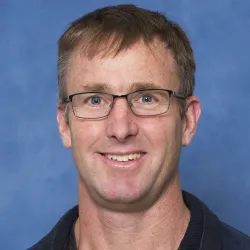
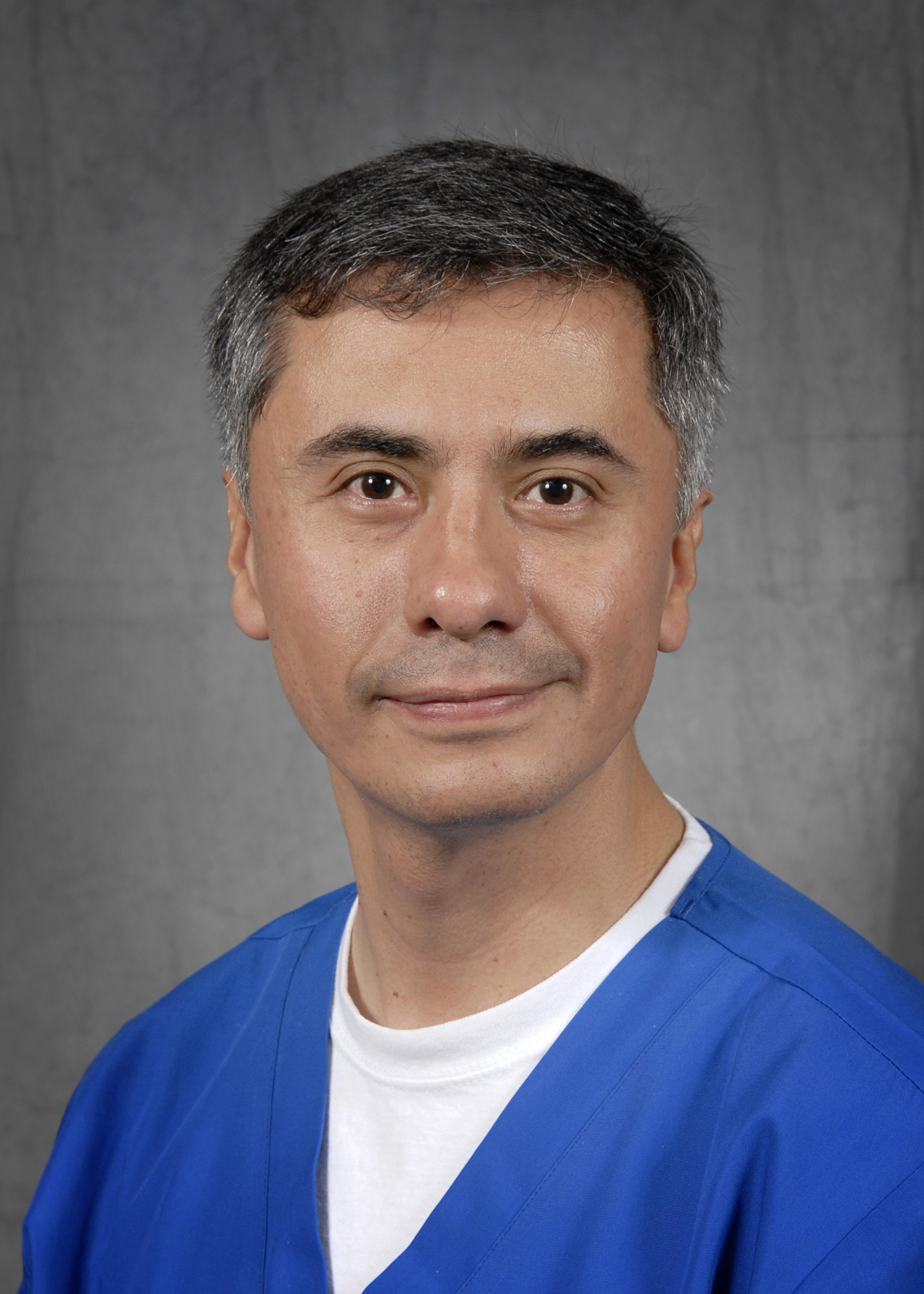
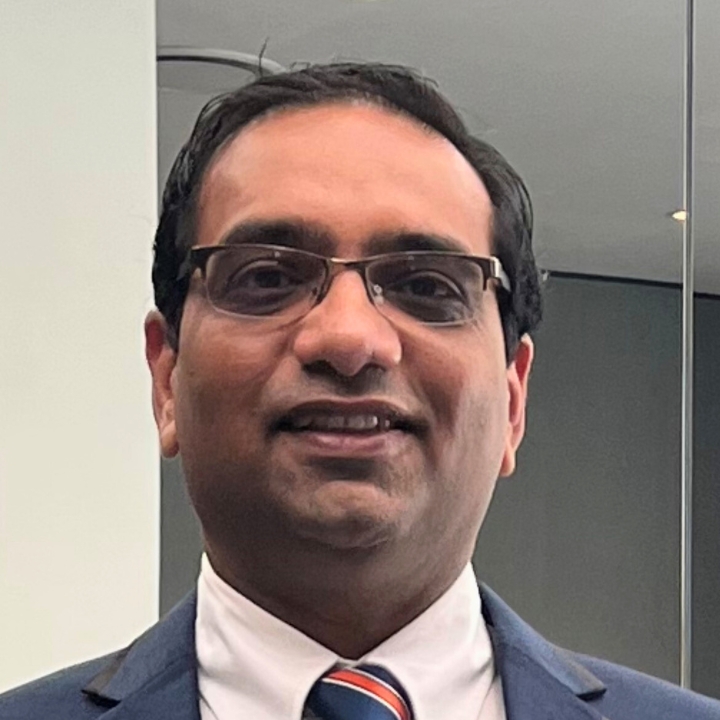
Associate Professor Brendan McMorran is a faculty member at The John Curtin School of Medical Research (JCSMR), Australian National University (ANU). He leads the McMorran Group focusing on platelet biology and host responses to malaria. His academic roles include Associate Director, HDR (Higher Degree Research) and Group Leader in the Division of Immunology and Infectious Diseases. Education: BSc (Hons) and PhD from University of Otago (New Zealand), followed by postdoctoral research at University of Queensland and Menzies Research Institute. Previously held positions at Macquarie University before joining ANU in 2014. Research interests center on understanding malaria survival mechanisms, particularly platelet-mediated parasite killing, and developing host-directed therapies. Key projects include genetic causes of renal disease in Indigenous Australians and roles of platelets in regulating red blood cell turnover. Notable contributions include identifying platelets' role in killing malaria parasites, discovering defense peptides from Platelet Factor 4, and investigating host genetics in malaria resistance. Supported by NHMRC and ARC funding.
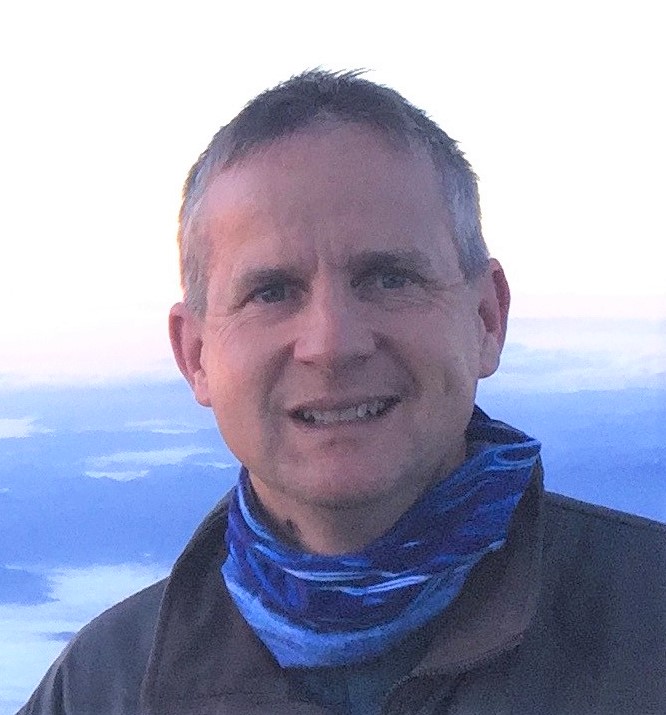
Professor Ross Andrews is an Honorary Professor in the Department of Applied Epidemiology at the Australian National University (ANU). His research focuses on epidemiological studies of infectious diseases, particularly in vulnerable populations such as Indigenous communities, pregnant women, and children. He has contributed to projects addressing scabies, pneumococcal infections, and helminthiasis, emphasizing prevention strategies and public health interventions. Andrews' work integrates mathematical modeling, systematic reviews, and longitudinal studies to evaluate disease dynamics and vaccination efficacy. Key areas include understanding the burden of infectious diseases in remote Australian Aboriginal communities and assessing the safety and impact of vaccines like influenza and pertussis during pregnancy. He also explores the role of water, sanitation, and hygiene (WASH) programs in reducing helminth infections in Timor-Leste. His research highlights interdisciplinary approaches to global health challenges, with publications in high-impact journals such as Mathematical Biosciences , Vaccine , and Clinical Infectious Diseases . Andrews collaborates extensively with international teams to translate findings into actionable public health policies.
Professor Owen Lewis is a Professor of Ecology and Tutorial Fellow at Brasenose College, University of Oxford. His research focuses on community ecology and conservation biology, particularly in tropical rainforests, emphasizing biodiversity maintenance, species interactions, and climate change impacts. He holds an MA (Oxford) and PhD (Leeds) and has led the Ecology and Conservation Section in the Department of Biology since 2007. His teaching includes ecology, entomology, and conservation biology across undergraduate years, alongside supervising fourth-year research projects. Lewis organizes annual tropical field courses in Sabah, Malaysian Borneo. His research explores insect-driven ecosystems, invasive species, and human-ecosystem interactions. Notable contributions include studies on parasitoid communities under climate change, ant invasion dynamics, and seed predation in tropical forests. He leads the Community Ecology Research Group, collaborating internationally on biodiversity conservation and ecosystem functioning. His work integrates field experiments, molecular analyses, and ecological modeling to address global environmental challenges. Education: MA in Biological Sciences, St. Hugh's College, Oxford PhD in Population Ecology of Butterflies, University of Leeds Research Interests: Tropical biodiversity, insect-plant interactions, climate change effects, and conservation strategies in modified ecosystems. He prioritizes functional and community-level approaches to understand ecosystem resilience. Publications: Over 100 peer-reviewed articles, with recent focus on experimental climate impacts, food web structures, and invasive species effects. His work bridges theoretical and applied ecology, influencing conservation policies. Awards & Grants: Not explicitly listed, but his leadership roles and extensive publications suggest recognition in ecological research. Advising & Grants: Supervises undergraduate and postgraduate students, coordinates field courses, and secures grants for tropical research. Collaborates with institutions like the Smithsonian Tropical Research Institute and the Natural History Museum (London). Labs & Teams: Heads the Community Ecology Research Group, focusing on tropical forest biodiversity, functional ecology, and conservation biology. The group’s website highlights ongoing projects and international collaborations.
Diego Riveros-Iregui is a Professor in the Department of Geography at the University of North Carolina at Chapel Hill, recognized for pioneering research in ecohydrology and biogeochemistry. His work focuses on water-carbon-nitrogen interactions in tropical ecosystems, urban-rural gradients, and climate-impacted watersheds, employing high-frequency monitoring and advanced modeling techniques to address critical environmental challenges. His research interests center on tropical ecohydrology, particularly in Andean páramos and Galápagos Islands, examining carbon cycling in peatlands, nitrogen dynamics across land-use gradients, and stormwater impacts on urban streams. He integrates stable isotope analysis, machine learning, and field observations to study how geomorphology and climate variability regulate biogeochemical fluxes, with emphasis on vulnerable ecosystems facing anthropogenic pressures. Analysis of his 15 most recent publications (2021-2025) reveals dominant trends in high-resolution watershed monitoring, tropical carbon emissions, and urban hydrology. Key methodological innovations include machine learning for water use estimation, isotope-based tempestology, and bias correction in contaminant plume mapping, demonstrating interdisciplinary approaches spanning environmental engineering, climatology, and ecosystem science. Professor Riveros-Iregui has received the following scientific awards: Presidential Early Career Award for Scientists and Engineers (PECASE), the U.S. government's highest honor for early-career scientists, nominated by the National Science Foundation As a PECASE awardee, he leads NSF-funded research programs examining watershed processes across tropical and temperate regions. His collaborative work includes contributions to the EU-funded WELL CARE consortium on water security, though specific grant details and student mentorship records aren't documented in the source material. Current research priorities involve scaling point observations to watershed-level fluxes and assessing climate change impacts on island hydrology. While no dedicated laboratory is specified, his field studies leverage international partnerships in Ecuador's páramos and the Galápagos archipelago, focusing on microclimate-soil microbiome interactions and sustainable water resource management in high-elevation ecosystems.
Catherine Bert is a Researcher affiliated with the University of Namur (UNamur), based in the Center for Vulnerabilities and Societies Transitions within the Philosophical Space of Namur. She holds a Doctorate in Philosophy (UNamur) and multiple diplomas in Sociology, International Relations, and Comparative Politics from Université catholique de Louvain (UCL). Her academic roles include being a Professor of Philosophy, Ethics, Anthropology, and Sociology at the IES Parnasse-Deux-Alice in Brussels, a member of the ethics committee at CHR de la Haute Senne, and an editorial board member of the journal Les politiques sociales . Research Interests: Dr. Bert specializes in clinical ethics, bioethics, and pandemic-related healthcare ethics. Her work intersects with sociological and anthropological perspectives, focusing on solidarity practices, care ethics, and gender-based violence in medical contexts. She actively contributes to the United Nations Sustainable Development Goals, particularly in eradicating poverty and promoting health equity. Projects & Activities: She has led or collaborated on projects like the 'Universality of Values in Bioethics' and 'Virtue Ethics in Care Practices Analysis'. Her research spans ethical dilemmas in healthcare, including reproductive rights and pandemic response. She frequently participates in workshops, conferences, and colloquia on ethics and healthcare, such as the 'Certificat interUniversitaire en Éthique des Soins de Santé (CUESS)'. Publications: Her recent work addresses solidarity initiatives, crisis care ethics, and gender violence in reproductive healthcare. She also explores molecular mechanisms in skin diseases, including fungal infections and epidermal barrier dysfunction. Affiliations & Roles: Beyond academia, she advises on ethical committees and editorial boards, emphasizing translational ethics into policy and practice.
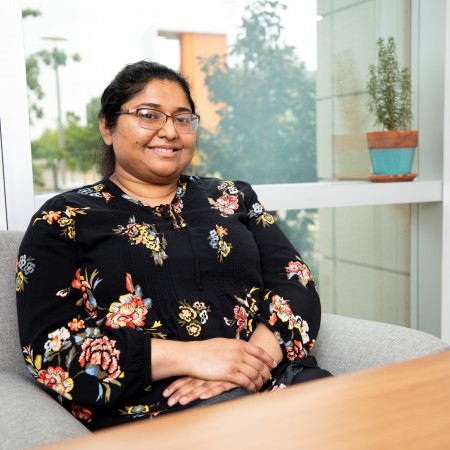
Dr. Shalini Prasad is the Cecil H. and Ida Green Professor in Systems Biology Science and Associate Professor of Bioengineering at the University of Texas at Dallas (UT Dallas), affiliated with the Erik Jonsson School of Engineering and Computer Science. She also holds an adjunct professorship in Physics at Portland State University. Her research focuses on developing nanomaterial-based biosensors for medical diagnostics, environmental monitoring, and public health applications. She leads the Biomedical Microdevices and Nanotechnology Lab, which has supported over 50 researchers across graduate and undergraduate levels. Dr. Prasad earned her PhD in Electrical Engineering from the University of California, Riverside (2004) and B.E. in Electronics and Communication Engineering from the University of Madras (2000). Her career includes roles at Portland State University, Arizona State University, and Wichita State University. She has received prestigious awards, including the Bomhoff Distinguished Professorship and the Cecil Green Professorship, and holds over 30 peer-reviewed publications. Her research interests emphasize interdisciplinary approaches to create affordable, portable diagnostic tools for diseases like cancer, neurodegeneration, and cardiovascular disorders, as well as environmental sensors for soil health and water quality. Recent work includes wearable devices for monitoring inflammatory bowel disease and asthma, saliva-based THC detection, and low-cost CO₂/humidity sensors. Awards: Graduate Student Research Award (2004) Bomhoff Distinguished Professor of Bioengineering Cecil H. and Ida Green Professorship Advising & Grants: Dr. Prasad’s lab has secured funding from federal agencies and corporate partners, supporting projects like the SWEAT wearable for chronic inflammation tracking and soil health sensors. Her work bridges engineering, biology, and clinical applications, with a focus on translational technologies. Labs/Teams: Director of the Biomedical Microdevices and Nanotechnology Lab, collaborating on interdisciplinary projects with industry and academic partners.
Thomas Melia is a Professor of Cell Biology at the Yale School of Medicine, part of Yale University. He leads the Melia Lab, focusing on autophagosome biogenesis and membrane dynamics during autophagy. His research integrates cell-based assays with advanced imaging techniques like electron cryo-microscopy. Key areas include understanding membrane sources for autophagosomes, lipid transport mechanisms, and organelle formation under cellular stress. Education: PhD in Biochemistry from Baylor College of Medicine (1999), BS in Biological Sciences from Carnegie Mellon University (1992) Research Interests: Autophagy, lysosomal biology, membrane trafficking, and protein aggregate clearance Lab Affiliations: Collaborates with departments like Biochemistry, Quantitative Biology, and Molecular Cell Biology Melia's work bridges molecular mechanisms with cellular function, particularly in how cells respond to starvation or pathogen invasion by degrading cytosolic components. Recent studies highlight roles for dynamin-like proteins in nuclear autophagy and lipid transfer proteins in organelle biogenesis.
Michelle Leishman is a Professor and Director of the Smart Green Cities Research Centre and Australian Harmony Centre for Ecosystem Futures at Macquarie University's School of Natural Sciences. Her work bridges urban ecology, plant conservation, and climate change adaptation through projects like Which Plant Where (with Hort Innovation), urban greening initiatives (with Sydney Water), and ecosystem restoration (with Botanic Gardens of Sydney). Her research focuses on urban greenspace and plant-environment interactions , particularly invasive species impacts , vegetation responses to climate change , and ecosystem restoration . She has published extensively on topics like urban tree resilience , riparian vegetation recovery , and plant-pathogen dynamics . Her recent work includes biostimulant applications for drought tolerance and myrtle rust susceptibility in Australian flora. Michelle is a Fellow of both the Royal Society of NSW and the Australian Academy of Technological Sciences and Engineering . She received the 2022 NSW Premier's Prize for Biological Sciences and the 2017 BHERT Award for Outstanding Collaboration , reflecting her leadership in applied ecological research.
Mary Catherine Aime is a Professor of Botany & Plant Pathology at Purdue University's College of Agriculture, where she serves as Director of the Purdue University Herbaria (Arthur Fungarium and Kriebel Herbarium). Her research program focuses on the systematics, biodiversity, and evolution of Fungi, with particular emphasis on the earliest diverging lineages of Basidiomycota, rust fungi, fungi in tropical ecosystems, and fungal diseases of tropical tree crops. Dr. Aime's research interests span fungal systematics, biodiversity, and evolution. Her lab employs diverse methodologies from genomics to field studies in remote regions to investigate vastly underexplored fungal lineages. She has made significant contributions to the understanding of rust fungi (Pucciniales) taxonomy, establishing a comprehensive higher-rank classification based on molecular, morphological, and ecological data. Her work has important implications for plant pathology, agriculture, and biodiversity conservation. Dr. Aime's publication record demonstrates consistent contributions to fungal systematics, particularly in rust fungi research. Her work spans taxonomic revisions, molecular phylogenetics, biodiversity documentation, and the development of practical identification tools like Rust HUBB. Her research shows a clear progression from foundational taxonomic work to the development of molecular resources that benefit the broader plant pathology community. As Director of the Purdue University Herbaria, Dr. Aime oversees one of the most important collections of rust fungi (Pucciniales) in the world through the Arthur Fungarium (PUR). Her leadership in maintaining and expanding these critical research collections supports global mycological research efforts.
Anna Kuparinen is a Professor at the University of Jyväskylä's Faculty of Mathematics and Science, Department of Biological and Environmental Science. Her research group, EcoEvoAqua, focuses on aquatic species and their ecosystems, particularly eco-evolutionary dynamics. Key research areas include ecological modeling, fisheries-induced evolution, food web stability, and environmental impacts on species survival. Recent work examines predator reintroduction effects, climate-driven selection pressures, and parasite-host interactions in aquatic systems. Publications span theoretical ecology, conservation biology, and fisheries management. Her research emphasizes interdisciplinary approaches to address complex ecological challenges. Education details are not explicitly listed, but her academic career reflects extensive contributions to aquatic ecology and conservation. Awards are not mentioned in the text, though her prolific publication record indicates recognition in her field. She leads the EcoEvoAqua research team, which integrates computational models with empirical data to study ecosystem resilience and biodiversity. Ongoing projects include modeling Lake Oulujärvi dynamics and exploring manganese toxicity in fish populations.
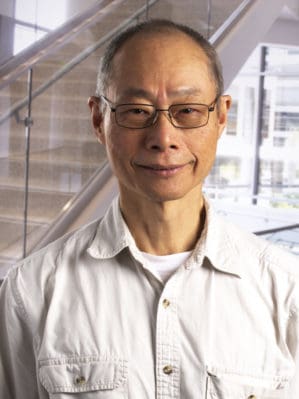
Chia Lee, Ph.D., is a Professor in the Department of Microbiology and Immunology at the University of Arkansas for Medical Sciences (UAMS) College of Medicine. Their research focuses on understanding the molecular mechanisms of Staphylococcus aureus pathogenesis, particularly the regulation of virulence factors such as capsule and α-toxin. They completed their Ph.D. and postdoctoral training at Kansas State University. Key research interests include bacterial virulence regulation, antibiotic resistance, biofilm formation, and the transition from carriage to invasive disease. Their lab employs structural biology, mutagenesis, and proteomics to study regulatory networks like ClpC, SigB, and small RNAs. Recent work involves developing rat models for studying implant-associated biofilm infections. Publications highlight advances in understanding capsule regulation via SarZ, MgrA, and RbsR, as well as α-toxin regulation and biofilm matrix composition. Collaborators include M. G. Lei, R. K. Gupta, and D. D. Gudeta. Research has implications for developing novel therapeutics against staphylococcal infections. Lab activities emphasize translational research bridging basic science and clinical applications, with a focus on elucidating how regulatory pathways control virulence expression during infection. Current projects address in vivo regulatory dynamics and disease transition mechanisms.
Dr. Alejandro Banda serves as Clinical Professor in the Department of Pathobiology and Population Medicine at Mississippi State University's College of Veterinary Medicine, while concurrently holding the position of Executive Director for the MSU Veterinary Research and Diagnostic Laboratory (MVRDLS). He leads the poultry and mammalian virology laboratories and oversees the vivarium operations, directing critical diagnostic and research functions. His educational foundation includes: Ph.D. in Medical Microbiology from the University of Georgia (2002) D.V.M. from the National Autonomous University of Mexico (1998) M.S. in Veterinary Medicine from the National Autonomous University of Mexico (1996) Dr. Banda's research centers on veterinary virology with specialized expertise in poultry disease diagnostics and wildlife pathogen surveillance . His work bridges laboratory science with field applications, particularly in chronic wasting disease (CWD) ecology and avian influenza epidemiology. He employs advanced genomic techniques like iSeq100 and MinION sequencing for pathogen characterization, focusing on practical solutions for agricultural and wildlife health challenges. His investigations frequently address immunosuppressive diseases in poultry production systems and novel disease transmission pathways in wild species. Recent publications demonstrate a clear trajectory toward environmental disease surveillance methodologies, particularly leveraging natural animal behaviors for non-invasive CWD monitoring in deer populations. His work simultaneously addresses critical poultry health issues including neurologic diseases in commercial flocks and parasitic infections in exotic avian species, reflecting dual expertise in domestic animal medicine and wildlife disease ecology. Dr. Banda actively directs laboratory operations at MVRDLS, managing the poultry virology section, mammalian virology laboratory, and vivarium facilities. His leadership integrates diagnostic services with research initiatives focused on emerging pathogens affecting both agricultural and wildlife populations in Mississippi and beyond.
Amit Morey is an Associate Professor in the Department of Poultry Science at Auburn University's College of Agriculture. His research focuses on food safety, poultry meat quality, and advanced sensing technologies. He leads projects involving biosensor development, microbial pathogen detection, and spoilage prediction using machine learning and spectral imaging. His work bridges laboratory innovations with industry applications, addressing challenges in poultry processing, packaging, and supply chain management. Education details are not explicitly listed, but his extensive publications suggest advanced training in food science, microbiology, and engineering. Research interests include antimicrobial biopolymer films, texture analysis of catfish and chicken fillets, and the application of functional ice in seafood preservation. He has pioneered methods for rapid Salmonella detection using microfluidics and fiber optics-based SERS sensors. Notable contributions include developing predictive models for spoilage using near-infrared spectroscopy and exploring cyclic temperature abuse impacts on poultry safety. His interdisciplinary approach integrates artificial intelligence with traditional food science techniques to enhance food safety and reduce waste. While no specific grants or awards are listed, his active publication record (over 100 papers from 2005–2025) indicates sustained research funding. He collaborates on projects addressing global food safety inequities, such as sensor-enabled decision support systems (SENS-D) for vulnerable communities. Lab activities include the Auburn Poultry Science Lab, focusing on meat quality assessment, microbial interventions, and smart packaging solutions. His work has direct industry impact, with applications in poultry processing plants and retail cold chain management.
Ben KEFFORD is an Associate Professor at the University of Canberra, affiliated with the Centre for Applied Water Science and Systems Ecology. His research focuses on the ecological effects of contaminants and environmental stressors in freshwater systems. He leads projects addressing salinization, pesticide impacts, climate change, and alpine stream ecology. Key areas of expertise include macroinvertebrate community dynamics, toxicology, and ecosystem function assessment. He is actively involved in 15+ research projects, including studies on firefighting chemical effects, alpine ecosystem resilience to climate change, and ecological impacts of mange treatment in wombats. His work emphasizes bridging laboratory experiments and field observations to inform conservation and management strategies. KEFFORD's research outputs (107+ publications) highlight innovative methods for assessing environmental risks, such as improved toxicity testing and trait-based biomonitoring. He collaborates globally, with recent contributions to initiatives like GLOBSALT analyzing freshwater salinization impacts. His projects often integrate mesocosm experiments with large-scale ecological data to address pressing environmental challenges. While no formal awards are listed, his extensive grant history and project leadership reflect his recognition in freshwater ecology. He advises PhD students exploring chemical stressors in streams, ecological realism in risk assessment, and trait-based approaches to biomonitoring. KEFFORD's work extends to policy-relevant areas like algal bloom management in Lake Burley Griffin and the effects of road de-icing salts in alpine regions. His interdisciplinary approach combines field studies, experimental work, and trait databases to advance freshwater conservation science.
Julian Guttman is a Professor in the Department of Biological Sciences at Simon Fraser University (SFU), specializing in Cellular Microbiology. He serves as Editor-in-Chief of the journal Cytoskeleton . His research focuses on bacterial infections' molecular mechanisms, particularly how pathogens like Listeria monocytogenes , E. coli , and Salmonella manipulate host cell cytoskeletons (actin, microtubules) to invade, spread, and cause disease. Key areas include actin-based motility, pathogen-induced membrane protrusions, and therapeutic development. His lab actively recruits undergraduate, graduate students, and postdoctoral fellows. Education: BSc (University of Western Ontario), MSc and PhD (University of British Columbia). He has published extensively on host-pathogen interactions, with recent work on Listeria's caveolin-mediated spreading, KATNAL1-driven microtubule disassembly by Klebsiella, and cyclophilin A's role in Salmonella invasion. His work bridges microbiology, cell biology, and structural biology to combat infectious diseases.