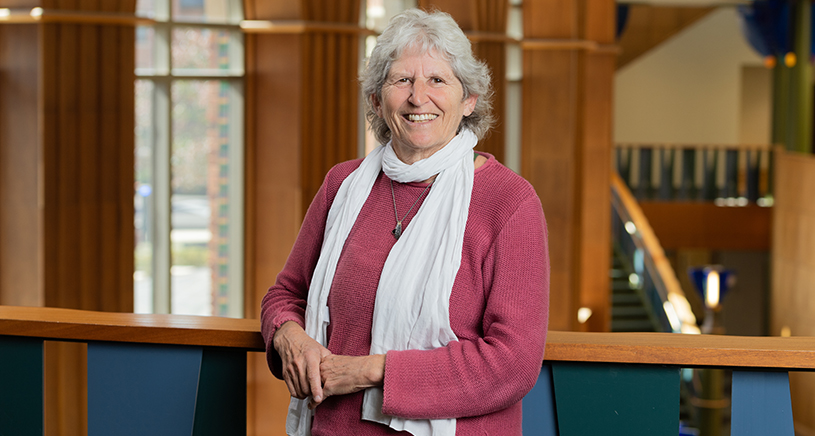
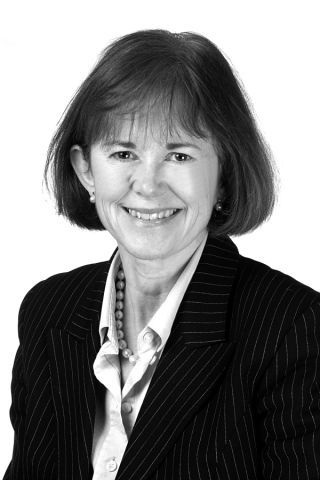
George T. C. Chiu is a Professor in the School of Mechanical Engineering at Purdue University, with courtesy appointments in Electrical and Computer Engineering and Psychological Sciences. He holds a 50% appointment as Assistant Dean for Global Engineering Programs and Partnerships. His research focuses on mechatronics, dynamic systems and control, functional printing, and human-machine interaction, with applications in biomedical engineering, robotics, and advanced manufacturing. Education: PhD (1994), MS (1990) University of California, Berkeley; BS (1985) National Taiwan University. Research interests emphasize application-driven solutions for printing technologies, motion control, and embedded systems. Notable projects include developing inkjet printing for biomedical materials and sensor systems. Awards include ASME Fellowship (2013) and the 2024 ASME Rabins Leadership Award. Publications span topics like inkjet drop dynamics, control systems, and biofabrication. He has led initiatives such as the Purdue FIRST Programs, fostering K-12 STEM education through robotics mentorship. Editorial roles include Editor-in-Chief of IEEE/ASME Transactions on Mechatronics (2017-2019).
Vijini Mallawaarachchi is a Research Fellow in Bioinformatics at Flinders University's Flinders Accelerator for Microbiome Exploration (FAME). His research focuses on developing computational methods for metagenomic analysis, particularly viral genome recovery from metagenomes. He holds a PhD in Computer Science from the Australian National University (2022) and a BSc in Computer Science and Engineering (Honours) from the University of Moratuwa, Sri Lanka (2018). Education: Doctor of Philosophy (Computer Science), Australian National University, 2018–2022 Bachelor of Science (Computer Science & Engineering, Honours), University of Moratuwa, 2014–2018 Research Interests: Metagenomics, algorithms for genome recovery, bacteriophage discovery, machine learning applications in bioinformatics, and software engineering for computational biology. His work emphasizes leveraging assembly graphs and computational models to analyze microbial communities and viral genomes. Grants & Awards: 2025: National Computational Merit Allocation Scheme Grant (Co-CI) - A$412,000 2025: ARC Discovery Projects Grant (Co-CI) - A$685,781 2024: Outstanding PhD Thesis Award (ABACBS) 2023: Australian Society for Microbiology Early Career Award Professional Engagement: Active member of ISMB, ISVM, ACM, IEEE, ABACBS, ASM, and RSE AU/NZ. Supervises HDR and Honours students in bioinformatics and computational biology. Labs & Tools: Leads projects at FAME, developed tools like GraphBin, Phables, and ConDiGA for metagenomic analysis. Collaborates on open-source initiatives like the cogent3 Python APIs.
Eric W. Schmidt is a Distinguished Professor of Medicinal Chemistry at the University of Utah, with adjunct appointments in Biological Sciences and Chemistry. His research focuses on natural products chemistry, biosynthesis, synthetic biology, and pharmaceutical applications of marine animal microbiomes. University of California, San Diego (BS, PhD) Research areas include: Biosynthesis in animals and their microbiomes Synthetic biology approaches to chemical engineering Drug design from marine natural products Metagenomic analysis of symbiotic relationships Neuroactive compound discovery Antibiotic development against resistant pathogens His lab has pioneered methods for: Biosynthetic gene cluster identification Heterologous expression in E. coli Enzymatic modification of peptides Chemical analysis of marine invertebrates Recent publications highlight discoveries in: Marine animal chemical defense mechanisms Evolution of biosynthetic pathways Antibiotic resistance profiling Ionic channel-targeting compounds Peptide macrocyclization techniques Lipid-polyketide biosynthesis continuum Email: ews1@utah.edu Honors include: Distinguished Professor recognition
Jennifer Dy is a Distinguished Professor at Northeastern University with joint appointments in Electrical and Computer Engineering and Khoury College of Computer Sciences. As Director of AI Faculty at the Institute for Experiential AI, she leads research in machine learning, computer vision, and explainable AI. Her work spans biomedical applications (COPD phenotyping, neuroimaging) and fundamental algorithms (active learning, continual learning). She holds a PhD from Purdue University and is an AAAI Fellow. Research Focus: Dy develops methodologies for robust and interpretable machine learning, including techniques for model stability in continual learning, dependency-aware active learning, and axiomatic explanation frameworks. Her applied research advances diagnostic tools using Raman spectroscopy, CT imaging, and multi-omics biomarker discovery. Awards: Recognized with the NSF CAREER Award, Faculty Research Team Award, and AAAI Fellowship for contributions to unsupervised learning and medical AI. Publication Trends: Recent articles demonstrate strong cross-disciplinary integration, combining theoretical advances in explainability/robustness with applications in healthcare, wireless systems, and particle physics. Methodological themes include optimal transport theory, probabilistic modeling, and transformer architectures.
Jeff S Abramson is a Professor of Physiology in the David Geffen School of Medicine at the University of California Los Angeles (UCLA). His research focuses on the structural and functional characterization of membrane transport proteins, particularly sugar transporters and mitochondrial channels. He maintains an active laboratory investigating the molecular mechanisms of cellular transport processes. Dr. Abramson's primary research interests center on membrane transport proteins, with particular emphasis on sugar symporters and voltage-dependent anion channels (VDACs). His work combines structural biology, biophysics, and biochemistry to understand the molecular mechanisms of transport, including conformational changes during transport cycles, substrate recognition, and regulation by membrane potential. His research has significant implications for understanding metabolic disorders, mitochondrial function, and potential therapeutic targets. Analysis of Dr. Abramson's publication record reveals a consistent focus on membrane protein structure-function relationships over the past two decades. His work demonstrates expertise in X-ray crystallography, cryo-electron microscopy, and functional assays to characterize transport proteins. Recent publications show increasing emphasis on mitochondrial biology, particularly VDAC structure and function, while maintaining his longstanding interest in sugar transport mechanisms. His research bridges fundamental biophysical principles with potential biomedical applications in metabolic diseases. Dr. Abramson has been awarded multiple NIH grants supporting his research, including the R35GM135175 grant titled 'Deciphering molecular details of cellular sugar transport and their roles in disease' (2020-2024), R01GM124783 'Functional and structural studies of unique pathogenic transporters involved in glycobiology' (2017-2021), and R01GM078844 'Structural and functional characterization of sugar transporters in health and disease' (2006-2020). As Principal Investigator, Dr. Abramson has mentored numerous graduate students and postdoctoral researchers. His laboratory has made significant contributions to understanding the structure-function relationships of membrane transport proteins through collaborations with researchers across multiple disciplines. The lab utilizes advanced techniques including X-ray crystallography, cryo-EM, electrophysiology, and computational modeling to address fundamental questions about membrane protein mechanisms. Dr. Abramson's laboratory is part of UCLA's broader research ecosystem focused on structural biology and membrane protein research. His work intersects with several research centers at UCLA including those focused on metabolic diseases and structural biology. The lab maintains active collaborations with researchers specializing in biophysics, computational modeling, and disease mechanisms to translate basic findings into potential biomedical applications.
Emine Ayaz is a Professor at Istanbul Technical University's Department of Electrical Engineering. Her research spans fault detection in electric motors, signal processing, and nuclear power plant monitoring, with recent work integrating deep learning (e.g., dual RNN architectures) and medical applications (e.g., parasitology, plant-based wound healing). Key Collaborations : International partnerships in motor diagnostics and nuclear engineering. Projects : Led grants on high-voltage training and predictive maintenance for TEİAŞ and industrial processes. Research Trends : Recent publications emphasize neural networks for motor fault classification, coherence analysis for insulation diagnostics, and interdisciplinary work in plant biotechnology and parasitology. Labs & Teams : Involved in projects analyzing vibration signals, wavelet transforms, and sensor fusion for industrial and nuclear systems.
Professor Trevor Lithgow is a Research Professor in Microbiology at Monash University, affiliated with the Monash Biomedicine Discovery Institute. He holds a PhD from La Trobe University (1992) and has held fellowships including the ARC Federation Fellowship (2008) and ARC Laureate Fellowship (2014). His research focuses on bacterial cell biology, antimicrobial resistance (AMR), and phage therapies, leveraging nanoscale imaging techniques like cryo-EM and super-resolution microscopy. He leads the Monash Centre to Impact AMR, an interdisciplinary initiative addressing global AMR challenges through collaborations across engineering, social sciences, and clinical medicine. Key achievements include the HFSP Tenth Anniversary Award (1999), Lemberg Medal (2020), and Royal Society of Victoria Medal (2017). His work on bacterial outer membrane assembly, phage-bacteria interactions, and structural analysis of the mitochondrial TOM complex has advanced understanding of pathogen resilience and novel antimicrobial strategies. Current projects include developing phage therapies and cross-sectoral AMR surveillance frameworks. Education: PhD in Biochemistry (La Trobe University, 1992) Research Interests: Bacterial cell surface visualization, nanoscale imaging, phage biology, AMR mechanisms Leadership: Director of Monash Centre to Impact AMR since 2020 Awards: 10+ national/international honors, including ARC Fellowships Publications span over 250 articles on bacterial membrane biology, AMR dynamics, and phage applications, with recent focus on polymyxin dependence in Acinetobacter and phage-driven resistance resensitization.
Philip Boone, MD, PhD, is an Attending Physician in the Division of Genetics and Genomics at Boston Children's Hospital and an Instructor of Pediatrics at Harvard Medical School. He specializes in medical genetics with particular expertise in rare disorders, medical mysteries, deletion and duplication syndromes, and Cornelia de Lange syndrome. Dr. Boone sees patients at Boston Children's Brookline location (2 Brookline Place, 7th Floor) and provides comprehensive genetic care including diagnostics, counseling, and individualized management. Stanford University (Undergraduate, 2006) Baylor College of Medicine (Graduate & Medical School, 2013-2014) Boston Combined Residency Program (Internship & Residency, 2016-2020) Harvard Medical School Genetics Training Program (Fellowship, 2020) Dr. Boone's research focuses on neurodevelopmental disorders, chromatin regulation, and genetic diagnostics. His work spans from fundamental genetic mechanisms to clinical applications, with particular emphasis on cohesinopathies including Cornelia de Lange syndrome. He has contributed significantly to understanding genetic variants associated with growth disorders, developmental features, and structural chromosomal abnormalities. His research combines advanced genomic technologies with clinical insights to improve diagnosis and management of rare genetic conditions. Analysis of Dr. Boone's publication record reveals a strong focus on medical genetics with emphasis on neurodevelopmental disorders, chromatin regulation, and genetic diagnostics. His work spans basic research on gene function and regulation to clinical applications in rare disease diagnosis. A notable trend is his investigation of cohesin complex disorders, particularly SMC3 variants and their relationship to Cornelia de Lange syndrome. His publications demonstrate expertise in both traditional genetic analysis and cutting-edge genomic technologies including long-read sequencing and telomere-to-telomere assembly. Dr. Boone actively contributes to medical education through publications on genetic diagnostics and distance learning resources for medical genetics. He has co-authored educational materials that help advance the field's knowledge base and training capabilities. As an attending physician in the Division of Genetics and Genomics at Boston Children's Hospital and a research fellow in the Center for Genomic Medicine at Massachusetts General Hospital, Dr. Boone works within one of the largest pediatric genetics practices in the country. The division includes over 30 board-certified clinical geneticists, genetic counselors, dieticians, and nursing staff who provide comprehensive care for patients with both common and extremely rare genetic conditions.
Antti Poso is a Professor of Drug Design at the University of Eastern Finland (Kuopio), affiliated with the School of Pharmacy under the Faculty of Health Sciences. His research focuses on computer-aided molecular design, particularly targeting anti-cancer drugs and anti-microbials. Key projects include the EDCMET project (2019–2024) and the GeneCellNano Flagship (2020–2028). He leads the Molecular Modeling and Drug Design Research Group, specializing in QSAR analysis, kinase inhibition profiling, and systems-level drug response modeling. Recent work includes studies on SARS-CoV-2 inhibitors, endocrine disruptors, and bacterial pathogenesis. His findings bridge chemical structure with biological outcomes, leveraging computational tools like CCA and molecular dynamics simulations. Collaborations span medicinal chemistry, pharmacology, and systems biology, contributing to both academic and applied drug discovery efforts. Education: Not explicitly stated in texts; assumed to hold advanced degrees in pharmacy or chemistry. Research Themes: Drug design, molecular modeling, QSAR, computational biology, and anti-infective agents. Key Contributions: Over 150+ publications, including influential works on chemoinformatics-driven drug response analysis and structure-based inhibitor design. Publications highlight advancements in kinase inhibitors, anti-microbial strategies, and viral hijacking mechanisms. His work emphasizes translating computational insights into therapeutic solutions for cancer, infectious diseases, and metabolic disorders.
Vera D'Urso is an Associate Professor of Zoology at the Department of Biological, Geological and Environmental Sciences, University of Catania, where she has been employed since 1994. Her academic career began with a CNR scholarship from 1977-1980, followed by work as a Confirmed Researcher at the Faculty of Natural and Mathematical Sciences, University of Catania from 1980-1994. She has received DAAD scholarships for research at the University of Marburg in Germany in 1984 and 1987. Dr. D'Urso earned her Degree in Biological Sciences from the University of Catania with a grade of 110 cum laude. She furthered her expertise with postgraduate courses in "Quantitative Methods in Ecology" at the International Center of Theoric Physics in Miramare, Trieste in 1980. Dr. D'Urso is a leading expert in several entomological fields, with primary research interests in: Insecta Homoptera Auchenorrhyncha (leafhoppers and related insects) Insecta Diptera Phlebotominae (sand flies) Systematics and biodiversity of Mediterranean insects Insect vectors of phytoplasmas affecting economically important plants Alien species and their ecological impact Tardigrades and their taxonomy Her extensive publication record spanning over 95 scientific papers demonstrates her expertise in insect systematics, morphology, and ecology. Recent research has focused on Mediterranean biodiversity, particularly examining alien species like Balclutha brevis and their impact on local ecosystems. She has also made significant contributions to understanding phytoplasma transmission in grapevines, sandfly vectors of leishmaniasis in Sicily, and tardigrade taxonomy in extreme environments including Antarctica. Dr. D'Urso has served on numerous scientific committees including the editorial board of Biodiversity Journal, and has been a referee for multiple prestigious journals. She has participated in research projects including "Morphology, Systematics, Biology and Biogeography of Rhynchota Insects" (1994-99) and studies on sandflies in areas with high canine leishmaniasis endemicity (2004-06). Her academic service includes membership on doctoral committees at the University of Catania, participation in national evaluation committees for associate professor positions in Zoology, and serving on the Department Board of the Department of Biological, Geological and Environmental Sciences (2018-2020). She has also conducted numerous entomological collection missions in Italy and abroad including Greece, Bulgaria, Macedonia, former Yugoslavia, Germany, Tunisia, Libya, and Malta.
Curtis Suttle is a Professor in the Department of Botany at the University of British Columbia's Faculty of Science. He also holds affiliations with Earth and Ocean Sciences, Microbiology and Immunology, and the Institute for Oceans and Fisheries. His research focuses on marine virology and the ecological roles of viruses in aquatic ecosystems, particularly their impact on phytoplankton and microbial communities. Dr. Suttle received his B.Sc. and Ph.D. from UBC, was a Coastal Marine Scholar at SUNY StonyBrook (1987-88), and served as Assistant/Associate Professor at the University of Texas at Austin (1988-96) before returning to UBC. His research program investigates the biology and ecology of viruses that infect microalgae and cyanobacteria. Key areas include discerning viral effects on primary productivity, isolating novel marine viruses, developing molecular identification methods, and studying viral distribution patterns. His work has revealed that viruses can occur in seawater at concentrations exceeding 10 5 ml -1 , with cyanophage concentrations reaching 10 6 infectious units ml -1 in coastal waters. Dr. Suttle's team has developed PCR primers specific for viral DNA polymerase genes, showing these viruses belong to a single family related to herpes viruses. Recent publications show a strong focus on marine viral ecology, with particular attention to oyster microbiomes, viral taxonomy, and the role of viruses in marine ecosystems. His research spans from coastal environments to the deepest ocean trenches, examining viral diversity across environmental gradients and investigating viral impacts on carbon cycling and marine food webs. Dr. Suttle leads an active research group with several post-doctoral associates, research scientists, and graduate students. His team conducts field work at multiple locations including the Naica Mine in Mexico, Pavilion Lake in British Columbia, Saanich Inlet, and the Strait of Georgia. Current projects include collaborations with the Hakai Institute, Line P Research Cruise, and CASES (Canadian Arctic Shelf Exchange Study). His laboratory has made significant contributions to understanding viral roles in marine ecosystems, particularly through expeditions to extreme environments like the Naica crystal caves and deep ocean trenches. Ongoing research explores viral impacts on microbial community structure, carbon cycling, and ecosystem function across diverse marine habitats.
Betsy Foxman serves as the Hunein F. and Hilda Maassab Professor of Epidemiology at the University of Michigan School of Public Health. She directs three major initiatives: the Center for Molecular and Clinical Epidemiology of Infectious Diseases, the Integrated Training in Microbial Systems program, and the Certificate in Healthcare Infection Prevention & Control. Her academic leadership spans decades with continuous research contributions. Dr. Foxman earned her PhD and MSPH from UCLA (1983, 1980) and BS from UC Berkeley (1977). Her research centers on infectious disease transmission, microbiome ecology, antibiotic resistance, and wastewater surveillance . Key projects include analyzing the oral microbiome in dental caries using genomic methods, studying nose/throat microbiome associations with respiratory infections in nursing facilities, and developing wastewater monitoring for antibiotic-resistant pathogens. Her work integrates next-generation sequencing with epidemiological analysis to identify novel interventions. Publication trends reveal consistent focus on microbiome-pathogen interactions across multiple body sites (oral, vaginal, gut, respiratory). Recent articles demonstrate methodological innovation in wastewater epidemiology (2024 Norovirus GII monitoring) and clinical applications like predicting vancomycin-resistant enterococci contamination (2023 Lancet study). Her research bridges molecular microbiology with population health, emphasizing translational potential for diagnostics and public health interventions. Fellow of the Infectious Disease Society of America Fellow of the American College of Epidemiology Fellow of the American Academy of Microbiology Dr. Foxman's advising portfolio includes numerous NIH-funded projects on microbiome dynamics and infection control. Her leadership in the Center for Molecular and Clinical Epidemiology drives collaborative research across departments. Current initiatives focus on wastewater surveillance standardization and microbiome-based diagnostics for infection prevention. She maintains active laboratories for genomic analysis of microbial communities and clinical sample processing.
Hans Steenackers is an Associate Professor at the Faculty of Bioscience Engineering, KU Leuven, where he leads the MICA Lab within the Department of Microbial and Molecular Systems. His research focuses on innovative antimicrobial strategies targeting microbial communities, including socio-active, anti-resistance, and observation-guided approaches. Key research areas include biofilm dynamics antimicrobial resistance evolution in situ microbial monitoring Salmonella Typhimurium pathogenesis anti-virulence therapies His recent publications highlight advancements in biofilm inhibition, triggered antimicrobial release systems, and evolutionary robustness of probiotics. The majority of his work involves interdisciplinary collaborations, particularly in projects like TARDIS, ULTiMatE-MS, and MICROTUNe, with a focus on translating fundamental research into clinical applications. As an educator, he teaches advanced courses in microbial physiology, biofilm research, and applied biotechnology. The MICA Lab actively partners with academic and industrial stakeholders in initiatives such as the Flemish Scientific Research Network on Biofilms and the Bioclean H2020 project.
Moira Whyte serves as Sir John Crofton Professor of Respiratory Medicine and Head of Edinburgh Medical School at the University of Edinburgh, while directing the MRC University of Edinburgh Centre for Inflammation Research. Her leadership spans clinical academia and major research initiatives focused on respiratory pathophysiology. Her educational background includes a 1st Class B.Sc. (1981), M.B., B.S. (1984), and Ph.D. (1993) from the University of London, complemented by professional qualifications: M.R.C.P. (1987), F.R.C.P. (1998), and F.Med.Sci. (2005) from the Academy of Medical Sciences. Whyte's research centers on neutrophil biology, macrophage function, and hypoxia signaling pathways in respiratory diseases. Her work explores how oxygen-sensing mechanisms like HIF pathways regulate immune cell function in COPD, pulmonary fibrosis, and bacterial infections, with particular focus on cellular metabolism and inflammation resolution. Analysis of her 15 most recent publications reveals consistent focus on neutrophil and macrophage biology within respiratory diseases, with growing emphasis on metabolic regulation of immune responses. Her work bridges basic science (using zebrafish models) with clinical applications, particularly in COPD and pulmonary fibrosis. Her scientific recognition includes: 2014 OBE for Services to Respiratory Medicine 2014 Foundation Fellow of the European Respiratory Society 2005 Fellow, Academy of Medical Sciences 2002 Tudor Edwards Lecturer of the Royal College of Physicians 1994 Wellcome Trust Advanced Fellowship 1989 MRC Clinical Training Fellowship Whyte directs substantial research funding, including a £6.4M Wellcome Trust Clinical PhD Programme (ECAT-Plus) and multiple grants investigating macrophage function in COPD, hypoxia pathways in pulmonary fibrosis, and neutrophilic inflammation regulation. Her collaborative approach is evident in multi-institutional projects like the EME-TIPAC study on pulmonary fibrosis. As Director of the MRC Centre for Inflammation Research, she leads a multidisciplinary team investigating fundamental mechanisms of inflammation across multiple disease contexts, with particular strength in respiratory immunology and translational applications.
Kyu Y. Rhee is a Professor of Medicine and Professor of Microbiology and Immunology at Weill Cornell Medical College . His research focuses on Mycobacterium tuberculosis , with emphasis on metabolic pathways , antibiotic resistance mechanisms , and drug development . Research highlights include: Multi-omic approaches to TB drug discovery Mechanistic studies of antibiotic action Deciphering TB transmission genetics Metabolomics-driven target identification Current funding includes: Bill & Melinda Gates Foundation : AI/ML-assisted bacterial permeability platform National Institute of Allergy & Infectious Diseases : UM1 TB drug regimen design consortium National Heart, Lung, & Blood Institute : Studies on M. tuberculosis PE/PPE proteins and fructose-induced cancer He has authored over 50 publications on TB metabolomics, drug development, and pathogen persistence. His work bridges systems biology , chemical biology , and clinical research to address antimicrobial resistance.