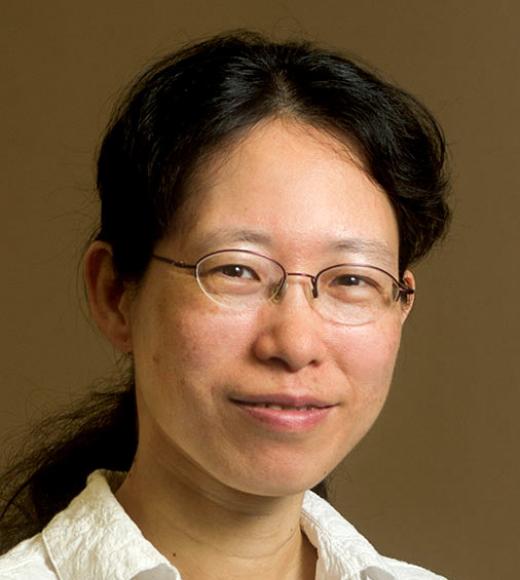
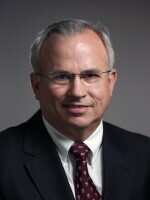
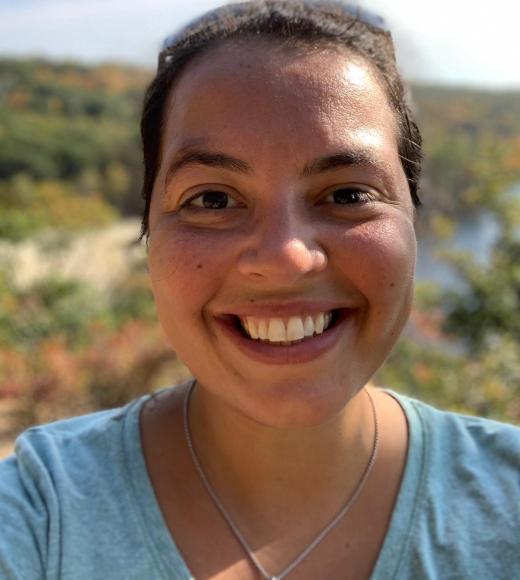
Dr. Xi Chen is a Professor in the Department of Chemistry at the University of California, Davis, where he has been a faculty member since 2003. His research spans carbohydrate chemistry, glycobiology, and cancer biology, with notable contributions to chemoenzymatic methods for glycoconjugate synthesis. Dr. Chen's work focuses on developing hybrid chemical-enzymatic approaches to synthesize complex carbohydrates and glycoconjugates, characterizing glycosyltransferase mechanisms, and designing enzyme mutants for improved catalysis. He also investigates carbohydrate-based diagnostics and therapeutics, particularly in cancer and inflammatory diseases. His recent publications highlight interdisciplinary studies linking carbohydrate metabolism to p53 tumor suppression pathways and RNA-binding protein regulation in cancer. Awards include AAAS Fellow (2015), ACS Isbell Award (2012), and NSF CAREER Award (2006). He earned his Ph.D. at Wayne State University (2000) and B.S. at Xiamen University (1994). Scientific Awards American Association for the Advancement of Science Fellow (2015) Dean's Team Award for Excellence (2013) Carbohydrate Research Award for Creativity (2013) ACS CARB Horace S. Isbell Award (2012)
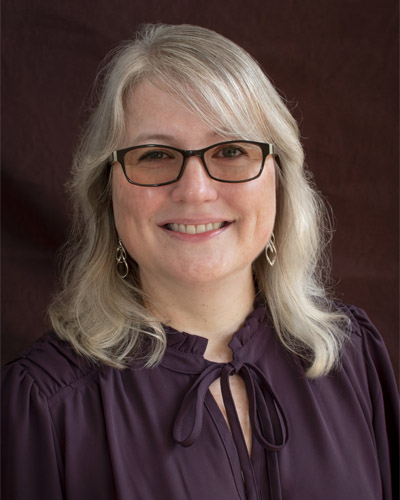
Dr. Audrey Lamb is a Professor and Chair of the Department of Chemistry at The University of Texas at San Antonio (UTSA), within the College of Sciences. She joined UTSA in 2020 after rising to full professor at the University of Kansas, where she served as interim dean of graduate studies in 2019. Her leadership extends to professional organizations, including serving as an elected council member for the American Society for Biochemistry and Molecular Biology. Dr. Lamb received her B.S. in Chemistry from Furman University in 1993 and her Ph.D. in Biochemistry from Vanderbilt University School of Medicine in 1998. She completed postdoctoral studies in biochemistry at Northwestern University before beginning her academic career at the University of Kansas in 2003. Dr. Lamb's research focuses on understanding bacterial pathogenesis through mechanistic enzymology and structural biology. Her lab investigates how human pathogens biosynthesize metallophores for metal ion scavenging and riboflavin (Vitamin B2) biosynthesis pathways. These studies aim to identify targets for novel antibiotic development against multidrug-resistant pathogens. Her work spans bacterial enzymology, structural biology, and metabolic pathway analysis, with applications in antimicrobial drug design. Analysis of Dr. Lamb's recent publications reveals a consistent focus on enzyme mechanisms in bacterial metabolism, particularly in metallophore and riboflavin biosynthesis pathways. Her work combines structural biology with kinetic analysis to elucidate catalytic mechanisms. Many publications investigate enzymes from pathogens like Pseudomonas aeruginosa, Staphylococcus aureus, and Trypanosoma cruzi, highlighting the translational potential of her basic science research for antimicrobial development. Dr. Lamb has received notable recognition including: Election as a 2022 Fellow of the American Association for the Advancement of Science (AAAS) Award-winning teaching and mentoring at undergraduate and graduate levels Dr. Lamb has mentored numerous students and postdoctoral fellows, with many alumni now in academic, industrial, and research positions. Her lab has received funding from prestigious sources including the National Institutes of Health, National Science Foundation, American Lung Association, and W.M. Keck Foundation. She actively collaborates with researchers at Loyola University Chicago, Texas A&M University, University of Kansas Medical Center, and UTSA's Department of Molecular Microbiology and Immunology. The Lamb Lab maintains a comprehensive suite of equipment for protein biochemistry and structural studies, including multiple AKTA FPLCs, a stopped-flow spectrophotometer, crystallization robot, various spectrophotometers, and HPLCs. This infrastructure supports their research on enzyme mechanisms and structural biology of bacterial metabolic pathways.
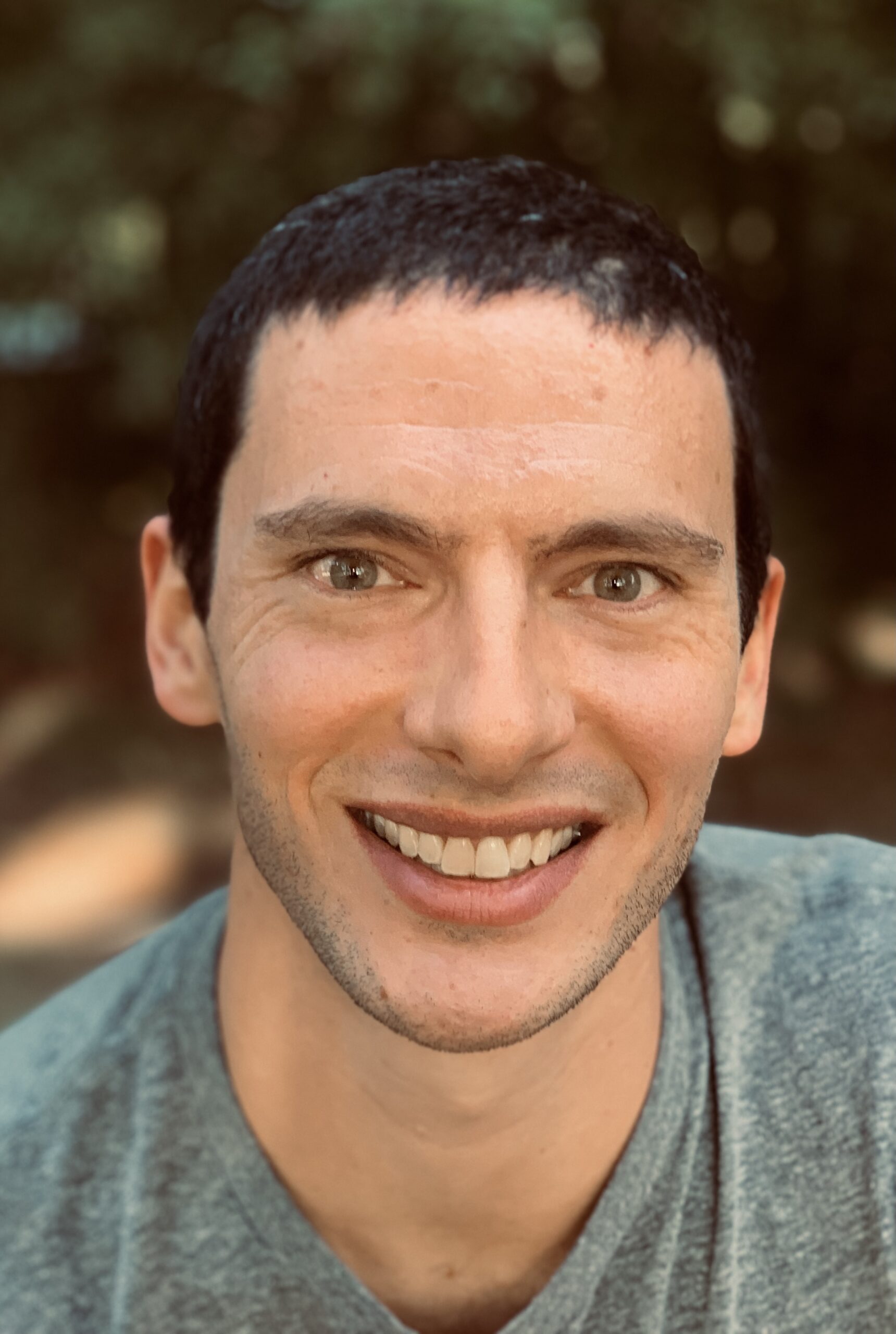
Yang Luo is a Kennedy Trust Senior Research Fellow in Data Science at the University of Oxford's Kennedy Institute of Rheumatology. His research bridges statistical genomics and computational immunology to unravel genetic contributions to immune-mediated traits, with a focus on the major histocompatibility complex (MHC) region. His work leverages large biobank datasets (UK Biobank, Biobank Japan), gene expression resources (GTEx), and proteomic data to decode molecular mechanisms linking genetic variation to disease risk. Specific interests include tuberculosis genetics, multi-ancestry polygenic risk scores, and single-cell eQTL modeling. Recent publications highlight expertise in HLA association studies, evolutionary immunogenetics, and disease-specific cell state dynamics. Key contributions include constructing a global HLA haplotype panel and developing novel statistical methods for admixed population genetics. Scientific Awards: Kennedy Trust Senior Research Fellow in Data Science His lab integrates computational and experimental approaches to translate genetic findings into clinical applications for immune disorders.
Britt Koskella is an Associate Professor at the University of California, Berkeley, affiliated with the Department of Environmental Science, Policy, and Management within the College of Natural Resources. Her research focuses on evolutionary biology, particularly host-pathogen coevolution and microbial interactions, integrating experimental evolution, field studies, and molecular biology. She leads the Koskella Lab, which investigates how microbial communities, phages, and pathogens influence host health and agricultural sustainability. Research Interests: Dr. Koskella explores the coevolutionary dynamics between hosts and their symbionts, including bacteriophage-bacteria interactions in plant microbiomes. Her work bridges ecological and evolutionary principles to address applied challenges in disease management and sustainable agriculture. Key areas include understanding phage-mediated selection in natural populations, the role of microbiomes in host defense, and the spatial/temporal adaptation of pathogens. Advancing Knowledge: Dr. Koskella’s lab employs experimental evolution in greenhouses and lab settings to test hypotheses derived from field observations. Recent studies highlight the indirect role of phages in plant disease protection and the design of synthetic microbial communities for agricultural applications. She collaborates on initiatives like the Joint Berkeley Initiative for Microbiome Sciences (JBIMS), emphasizing interdisciplinary approaches. Lab Team & Contributions: The lab includes students and researchers such as Eli Mehlferber, Asa Conover, and others, advancing projects on microbiome assembly, phage therapy, and pathogen coevolution. Dr. Koskella’s work has been published in high-impact journals like Current Biology , American Naturalist , and Ecology Letters .
Jos Ruytinx is a faculty member in the Department of Bio-engineering Sciences at Vrije Universiteit Brussel (VUB), Belgium. His research focuses on plant-fungal interactions, particularly ectomycorrhizal symbiosis and metal homeostasis mechanisms. He actively supervises graduate students and serves on PhD committees, contributing significantly to the academic community at VUB. Dr. Ruytinx's research interests span several interconnected fields: Mycorrhizal symbiosis between plants and fungi Zinc and heavy metal homeostasis in ectomycorrhizal systems Molecular mechanisms of fungal adaptation to metal stress Transport physiology in plant-fungal symbiotic relationships Evolutionary aspects of ectomycorrhizal fungi Responses to ionizing radiation in plant-microbe systems His recent publications demonstrate a strong focus on understanding how ectomycorrhizal fungi like Laccaria bicolor and Suillus luteus interact with their plant hosts under metal stress conditions, particularly zinc. Through comparative transcriptomics and functional characterization of transporters, his work reveals genetic determinants of symbiotic compatibility and mechanisms of metal tolerance. This research has implications for phytoremediation and sustainable agriculture in contaminated soils. Dr. Ruytinx has received recognition for his work with an h-index of 17 and over 2151 citations. His research is supported by multiple grants including: FWOAL1080: Zinc homeostasis in ectomycorrhizal symbiosis: nutrition and beyond (2023-2026) FWOTM1079: Reactive oxygen species in ectomycorrhizal fungi: damage, signaling or both? (2021-2025) OZR4191: Bilateral cooperation for joint PhD VUB-UHasselt (2023-2027) HERC66: 3D-CELLMAP project (2024-2028) As an academic advisor, Dr. Ruytinx has supervised 7 students through their theses, including Master's and Doctoral candidates. His laboratory focuses on fungal genetics and plant-microbe interactions, with particular expertise in zinc transport mechanisms in ectomycorrhizal systems. He actively participates in public engagement activities, including field samplings and expert commentary on fungi as biofertilizers.
Prof. Dr. Michael Schloter serves as Director of the Research Unit for Comparative Microbiome Analysis at Helmholtz Munich since 2011 and holds a Professorship in Microbiology at the Technical University of Munich since 2010. He concurrently acts as Principal Investigator at both the German Center for Lung Diseases (DZL) and the Central for Food and Nutrition (ZIEL) at TU Munich, driving interdisciplinary research at the intersection of environmental and human health through the "Planetary Health" framework. His educational foundation was built through diploma studies at Ludwig Maximilian University Munich and doctoral research at the University of Bayreuth, followed by formative work in Brazil and the United States where he pioneered bioinocula development for stress-resilient agriculture. At Helmholtz Munich (formerly GSF), he evolved from group leader in soil microbial ecology (2001) to Research Unit Director, expanding his focus from agricultural systems to human microbiome-health connections. Dr. Schloter's research program centers on microbiome-host crosstalk across ecological scales, investigating how environmental microbiota interact with human and plant microbiomes to influence health outcomes. His work integrates ecological theory with microbiome analysis to decode host-microbe co-evolution patterns, with applications spanning sustainable agriculture, allergy prevention, and infection control. Key thematic pillars include holobiont theory, probiotic development, and microbiome-mediated disease prevention through environmental quality improvement. Analysis of his 2025 publications reveals a strategic research portfolio bridging fundamental and applied microbiome science. Agricultural studies dominate (maize, potato, apple systems), examining microbial inoculants and soil management, while human health investigations explore preterm birth complications and Antarctic mammal microbiomes. Computational approaches for antimicrobial resistance assessment and ecosystem-scale projects like JenaTron demonstrate methodological breadth, all converging on translating microbiome functionality into real-world sustainability solutions. Major recognitions include: Election to the Bavarian Academy of Science (2021) Consistent placement among the top 1% of highly cited global researchers (2019-2021) Heinrich Baur Research Award (2011) for agricultural microbiology contributions As Research Unit Director, Schloter leads large-scale collaborative initiatives including the DZL and ZIEL consortia, securing major funding for microbiome standardization projects and international research networks. His leadership extends to developing analytical frameworks for cross-ecosystem microbiome comparisons and establishing protocols for translating microbial ecology principles into clinical and agricultural applications. The Comparative Microbiome Analysis unit operates as a nexus for multi-host microbiome research, employing comparative genomics, field-scale agricultural trials, and clinical cohort studies to investigate microbiome dynamics across environmental, plant, and human systems. Current infrastructure includes advanced sequencing facilities and experimental platforms for plant-microbe and host-microbe interaction studies under controlled and natural conditions.
Jeremy Wang, PhD is an Assistant Professor in the Department of Genetics at the UNC School of Medicine . His research focuses on applying high-performance computational methods and machine learning to analyze high-throughput sequence data using long-read technologies (e.g., Oxford Nanopore) to advance precision personalized medicine . Key disease areas include Inflammatory Bowel Diseases (IBD) Respiratory Infectious Diseases His lab specializes in microbiome analysis , host-pathogen interactions , and computational genomics , working with collaborators in clinical, translational, and computational domains. His publications demonstrate expertise in long-read sequencing applications for Pediatric cancer classification SARS-CoV-2 genomic epidemiology Microbiome spatiotemporal dynamics Murine disease models Drosophilid genome assemblies Metagenomic bias analysis Collaborations span UNC and global institutions, with current work extending to clinical laboratory partnerships for pathogen sequencing and oral microbiome sampling methodology.
Gregory C. Gray, MD, MPH, FIDSA is a Professor in Infectious Disease Epidemiology at the University of Texas Medical Branch (UTMB) in Galveston, Texas, with appointments across multiple departments including Internal Medicine (Infectious Diseases), Microbiology & Immunology, and Global Health & Emerging Diseases. Dr. Gray has conducted epidemiological studies of infectious diseases for over 25 years across five continents, with a particular focus on occupational disease transmission, especially respiratory viruses. His research has examined farmers, veterinarians, turkey workers, swine workers, poultry workers, horse workers, cattle workers, hunters, and military personnel. He pioneered the Millennium Cohort Study, a prospective cohort study of approximately 300,000 people projected to continue through 2068, and has led numerous large-scale vaccine trials. As a strong advocate for the One Health approach, Dr. Gray has established One Health centers in the USA, Romania, and China, and developed four graduate programs in One Health (PhD, MHS, and certificates). His recent research focuses on zoonotic spillover events, universal influenza vaccines, and coronavirus detection in agricultural settings, with numerous publications in 2024-2025 addressing H5N1 avian influenza, respiratory virus transmission, and environmental health impacts. Selected honors include: Department of Defense Legion of Merit Medal Secretary of Defense Medal for Outstanding Public Service Medal of Honor from Mongolia's Minister of Health The Peace Medal awarded by the President of Mongolia University of Texas Medical Branch Robert E. Shope, MD Professorship Dr. Gray has authored over 350 peer-reviewed manuscripts cited more than 21,000 times (H-index 76). His current research portfolio includes multiple active grants from the USDA, Fogarty International Center, and private industry focusing on zoonotic disease surveillance, influenza vaccines, and coronavirus detection in agricultural settings. He has mentored numerous students and established international collaborations across six continents.
Philippe Christe is an Associate Professor in the Department of Ecology and Evolution at the University of Lausanne (UNIL), Faculty of Biology and Medicine. His research centers on host-parasite interactions, with a focus on bats, birds, and their ectoparasites, integrating behavioral, physiological, and genetic approaches. He leads the Christe Group, which investigates evolutionary and ecological dynamics in host-parasite systems, particularly avian malaria and bat-mite relationships. He is actively involved in conservation initiatives, including the Jorat Peri-Urban Nature Park, and collaborates with KORA on human-wildlife interactions. Bachelor's degree in biology, UNIL (1989) PhD in Zoology and Animal Ecology, UNIL (1994) Philippe Christe’s research interests lie at the intersection of parasitology, evolutionary ecology, and conservation biology. He investigates how host defenses evolve in response to parasitic pressures, examining trade-offs between immunity and life history traits such as reproduction and survival. His work often integrates field studies with experimental and molecular techniques. Key model systems include Parus major (great tit) and Culex pipiens in avian malaria, and bat species with their ectoparasitic mites. He also explores broader ecological interactions, including predator-prey dynamics and wildlife conservation in human-modified landscapes. His recent publications reflect a strong emphasis on disease ecology, wildlife conservation, and molecular methods. Articles span topics such as avian malaria transmission, lynx population dynamics, snow leopard behavior, and habitat fragmentation effects on insects. These works employ advanced techniques like DNA metabarcoding, spatial modeling, and long-term monitoring, demonstrating a trend toward interdisciplinary, data-driven ecological research with direct conservation applications. Dubois Foundation Prize for an educational CD-Rom on bats (2004) Communication Award from the Faculty of Biology and Medicine of UNIL (2017) Philippe Christe has supervised numerous PhD and Master’s students, contributing significantly to training the next generation of ecologists and evolutionary biologists. His group collaborates widely with institutions such as the Museum of Zoology in Lausanne and KORA, and participates in large-scale conservation projects involving snow leopards, lynx, and bats. He has been involved in research grants related to host-parasite coevolution, wildlife monitoring, and conservation strategies. His leadership in establishing the Jorat Peri-Urban Nature Park and involvement in the UNIL Interdisciplinary Center for Mountain Research highlight his commitment to applied science and environmental stewardship. He leads the Christe Group, which conducts research on host-parasite coevolution, with a focus on bats and their ectoparasites, and birds affected by avian malaria. The group combines fieldwork, laboratory experiments, and molecular analyses, and includes post-docs, PhD students, and technical staff. Collaborations extend to researchers in Bern, Paris, and Spain, fostering an international and interdisciplinary research environment.
Anya L. Brown is an Assistant Professor in the Department of Evolution and Ecology at the University of California, Davis, based at the Bodega Marine Lab. Her research focuses on the community ecology of marine systems, particularly coral reefs, investigating how host-associated microbes and trait variation influence species resilience to stress, ecological interactions, and adaptive plasticity. Education: B.S. (Brown University, 2009), M.S. in Biology (California State University, Northridge, 2012), Ph.D. in Ecology (University of Georgia, 2018). Postdoctoral Experience: Ewel Postdoctoral Fellow in Tropical Ecology (University of Florida, 2018-2020); Postdoctoral Scholar in Marine Chemistry and Geochemistry (Woods Hole Oceanographic Institution, 2020-2022). Her recent publications highlight microbial dynamics in coral reefs, antibiotic effects on reef microbiomes, and trait-mediated interactions. She emphasizes interdisciplinary approaches, combining molecular tools with observational and experimental studies. The Brown Lab actively engages students in cross-system marine research, prioritizing inclusivity in scientific communities. Key trends in her work include understanding microbial responses to environmental stressors, coral disease mechanisms, and the role of extended phenotypes in reef ecology. These studies span tropical and temperate marine ecosystems, with implications for conservation and restoration. Scientific Awards: Hellman Fellowship 2024-25 Ewel Postdoctoral Fellowship in Tropical Ecology Dr. Brown's lab fosters research across coral reefs and local coastal systems, integrating ecological and microbial perspectives. She advocates for inclusive teaching and research practices while advancing microbial ecology frameworks in marine conservation.
Chiu Ping Cheng is a Professor in the Department of Biology at the University of Minnesota, USA, specializing in Molecular Biology and Plant-Microbe Interactions . With over two decades of research on Ralstonia solanacearum and its interactions with solanaceous crops, Dr. Cheng has pioneered studies on plant defense mechanisms against bacterial wilt, regulatory gene functions, and biocontrol agent applications. Current research: Plant-pathogen interactions Special techniques: Genomic screening, bacteriophage-derived proteins Key pathogens: Ralstonia solanacearum, Pectobacterium carotovorum His recent publications (2024) explore tomato cultivar resistance variation , NADPH oxidase-effector interactions , and phenylpropanoid metabolism in wild mungbean . Though no formal scientific awards are listed, his work has been featured in leading journals like Plant Cell & Environment and New Phytologist . Dr. Cheng operates from the Life Science Building R942 laboratory.
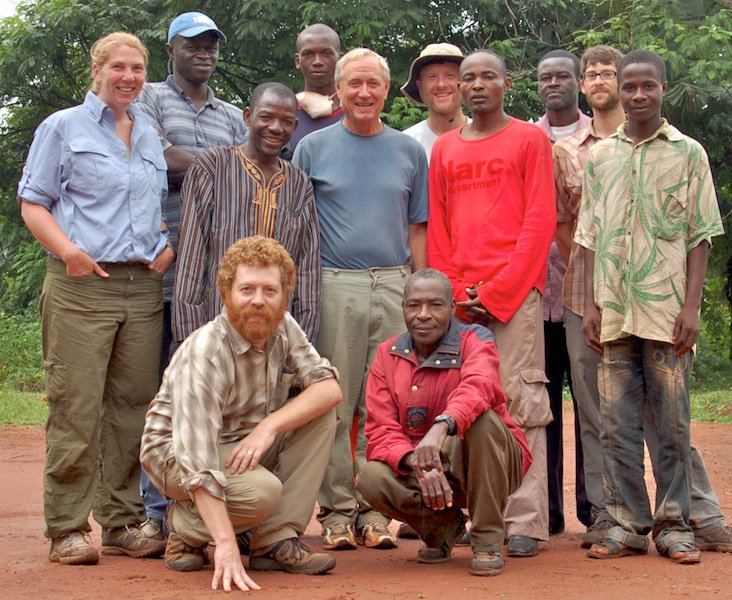
Edward H. Hagen is a Professor of Evolutionary Anthropology at Washington State University, Vancouver. He holds a BA in Mathematics from UC Berkeley and a Ph.D. in Anthropology from UC Santa Barbara (1999). His postdoctoral work was at Humboldt University, Berlin, under Peter Hammerstein. Since 2007, he has been at WSU, leading the Bioanthropology Lab. His research integrates evolutionary approaches to medicine, focusing on substance use, mental health, child development, and leadership evolution. Key themes include evolutionary medicine, signaling theory in depression/suicidality, and the role of pharmacological plant use in human evolution. He has conducted fieldwork in the Central African Republic, Ecuador, and India. Hagen's work spans theoretical models (e.g., depression as bargaining signals) and empirical studies (e.g., tobacco use and helminth infection in hunter-gatherers). He has secured over $387,000 in grants, including NSF funding for projects on leadership, child signals of need, and smoking behavior. His lab explores topics like music's evolutionary roots (credible signaling hypothesis) and predator deterrence. He is active in academic discourse, critiquing popular theories like Dunbar's social bonding hypothesis for music evolution. His publications span evolutionary psychology, anthropology, and medical journals, emphasizing interdisciplinary approaches.
Ana Maria Velez is an Associate Professor at the Department of Entomology, University of Nebraska-Lincoln. Her research focuses on insect responses to chemical stressors, particularly RNA interference (RNAi) and Bt toxins for pest management. With a 80% research and 20% teaching appointment, she leads the Insect Toxicology Lab and teaches courses like 'Toxins in the Environment' and 'Insecticide Toxicology.' Education: Ph.D. in Entomology, University of Nebraska-Lincoln, 2013 M.S. in Entomology, Universidad Nacional de Colombia, 2009 B.S. in Biology, Pontificia Universidad Javeriana, Colombia, 2006 Her research spans molecular, organismal, and population levels to evaluate transgenic crops and RNAi technologies. Key areas include resistance mechanisms, non-target effects, and risk assessment frameworks. She has extensive publications on western corn rootworm and fall armyworm, emphasizing sustainable pest control. Her work also addresses sublethal impacts on non-target species like monarch butterflies and honeybees. Recent articles highlight RNAi delivery optimization, Bt resistance dynamics, and ecological impacts of insecticides. Her lab collaborates on patents for RNAi-based pest suppression methods targeting chromatin remodeling and developmental genes. Scientific Awards Distinguished Multicultural Alumni (2019) DuPont Young Professor Award (2016) International Congress of Entomology Travel Awards (2016) Widaman Trust Distinguished Graduate Assistant (2011) Milton E. Mohr Teaching Fellowship (2012) The Vélez Arango Lab investigates durability and safety of insect control technologies, with emphasis on RNAi and Bt crops. Their work informs integrated pest management (IPM) systems and regulatory frameworks.
Colin Cooper is a Professor of Cancer Genetics at the Norwich Medical School, University of East Anglia. He is also a member of the Metabolic Health and Cancer Studies research groups. His work focuses on genomic evolution, tumor microbiome dynamics, and biomarker development for prostate cancer and musculoskeletal health. Cooper’s recent research explores the interplay between cancer genetics and microbial communities, emphasizing their role in prognosis and treatment outcomes. He investigates clonal evolution in tumors, mutational signatures, and non-invasive diagnostic tools like urinary extracellular vesicles. His collaborations span genomics, microbiology, and clinical applications. 2025: Causes of evolutionary divergence in prostate cancer (Genomics, Precision Medicine) 2024: Applications of urinary extracellular vesicles... (Biomarker Development, Liquid Biopsy) 2023: Caution regarding pan-cancer microbial structure (Methodological Considerations, Microbiome Analysis) In 2022, Cooper received the European Urology Oncology SoMe Award for his contributions. His work is frequently cited and has been featured in media outlets globally, highlighting his impact on cancer and aging research.
Ferran Garcia-Pichel is a Regents Professor and Center Director at Arizona State University’s School of Life Sciences, affiliated with the Biodesign Center for Fundamental & Applied Microbiomics, Center for Biodiversity Outcomes, Water Institute, and Global Drylands Center. He holds a PhD in Microbiology from the University of Oregon (1999) and has been a faculty member at ASU since 1999. His research focuses on microbial adaptations in arid environments, including biogeochemical cycling, soil crust formation, and sustainable land restoration. Key interests include cyanobacterial sunscreen compounds (scytonemin), carbonate dissolution mechanisms, and hydrogen production. Teaching responsibilities include advanced microbiology, microbial ecology, and geomicrobiology courses such as MBB 495 Undergraduate Research and BIO 493 Honors Thesis. Awards span from the 2021 Regents Professor distinction to the 2023 Sperry Award for restoration science. His lab explores interdisciplinary approaches to study microbial communities in desert soils, marine intertidals, and atmospheric dust, with applications in climate resilience and biomedicine. Research highlights include biocrust restoration strategies, microbial nitrogen fixation networks, and the role of GABA/Glu signaling in spatial organization. Collaborations address global challenges like fugitive dust mitigation and carbon sequestration. The lab is based at the Biodesign Building B on ASU’s Tempe campus.