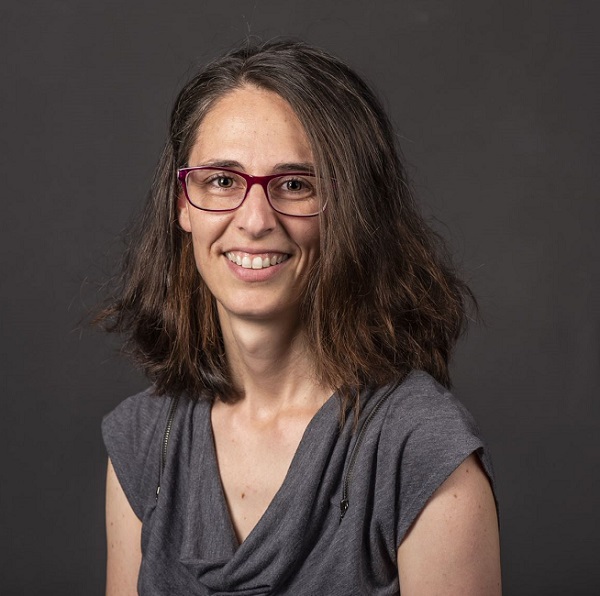
Dr. Virginie Rolland is a Professor of Quantitative Wildlife Ecology at Arkansas State University , affiliated with the Beck College of Sciences & Mathematics and the Department of Biological Sciences. She holds a PhD in Ecology and Population Dynamics from University Paris VI (2008), an MS in Ecology, Evolution, Biometry from the University of Leicester and University Lyon I (2005), and a BS in Population Biology from University Lyon I (2003). Research Focus : Population dynamics, global change ecology, climate change biology, foraging ecology, and conservation ecology. Key Contributions : Investigates immune responses in reptiles, habitat use in bats and pocket gophers, climate-driven selection pressures in birds, and conservation interventions like predator guards for nest boxes. Collaborative Work : Engages community science for spatiotemporal analysis of host-parasite interactions and songbird nesting parameters. Her recent publications (2022-2025) span wildlife immunology, climate change impacts on avian and bat populations, and habitat conservation strategies. She applies genomic, telemetry, and observational methods across terrestrial and freshwater ecosystems. Contact: vrolland@AState.edu | Office: Lab Science East 314 | Lab Website
Iva Filipovic serves as a Research Specialist in the Department of Laboratory Medicine, Division of Clinical Microbiology at Karolinska Institutet since 2025, following her Postdoctoral Research Fellowship (2019-2025) at the Department of Medicine Huddinge, Center for Infectious Medicine. She contributes to The Systems Virology Lab under Ujjwal Neogi, focusing on translational immunology in medical contexts. Her educational background includes: PhD in Physiology, Development and Neuroscience (Reproductive Immunology), University of Cambridge (2019) MSc in Immunology, Imperial College London (2015) BSc in Molecular Biology with Physiology, University of Belgrade (2014) Her research integrates tissue-resident immunology with systems approaches, examining innate lymphocytes in reproductive health, infectious diseases, and cancer. She employs advanced methodologies including RNA-Seq, single-cell analysis, and 29-color flow cytometry to investigate immune mechanisms in endometrial tissue, liver fibrosis, and viral pathogenesis. Current work emphasizes translational applications in sepsis, cholangiocarcinoma, and SARS-CoV-2 immunity. Analysis of her 15 most recent publications (2018-2025) reveals dominant themes in mucosal immunology, with significant contributions to understanding MAIT cells in sepsis, NK cell dynamics in reproduction, and immune biomarkers in cancer. Her work consistently bridges basic immunology with clinical applications through multi-omics approaches and large-scale collaborative studies like the Karolinska KI/K COVID-19 immune atlas. She actively participates in The Systems Virology Lab, contributing to Karolinska's infectious disease research infrastructure. Her technical expertise in high-dimensional immune profiling supports collaborative projects across virology, hepatology, and oncology research groups at Karolinska Institutet.
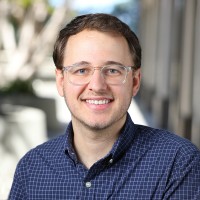
Dr. Sara Ballouz is a Senior Lecturer at the University of New South Wales (UNSW) , affiliated with the Garvan Institute of Medical Research and the Garvan-Weizmann Centre for Cellular Genomics . Her research integrates computational and experimental approaches to understand the genetic architecture of disease , with a focus on X-linked disorders , sex differences in disease , and personalized medicine . 2013 - PhD, Victor Chang Cardiac Research Institute and UNSW 2008 - BE Bioinformatics (First Class Honours), UNSW 2008 - BSc Genetics, UNSW Her work addresses challenges in analyzing multi-omics data (genomes, transcriptomes, epigenomes, proteomes) to develop robust tools for personalized medicine. Key contributions include improving RNA-seq accuracy through pan-human consensus genomes and creating computational methods like AuPairWise and CoCoCoNet for co-expression analysis. She explores developmental stochasticity and its transcriptional legacy, alongside cross-tissue X-chromosome inactivation patterns. Recent publications emphasize single-cell transcriptomics applications in autoimmune diseases (e.g., X-linked chronic granulomatous disease ), long COVID immune dysregulation , and cardiometabolic disease treatment. Her group at Garvan-Weizmann Centre leverages computational genomics and meta-analysis to address reproducibility in biomedical research. Dr. Ballouz supervises students including Lachlan Gray , who investigates X chromosome roles in female autoimmune disease . She collaborates with institutions like Cold Spring Harbor Laboratory and Victor Chang Cardiac Research Institute . Email: s.ballouz@unsw.edu.au
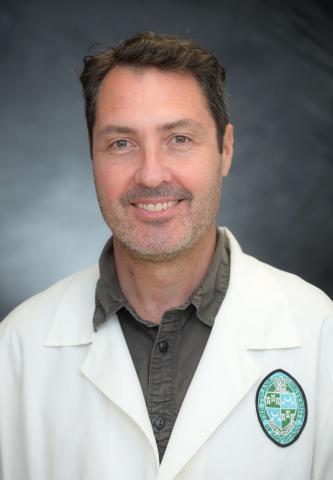
Dr. Jacqueline Burre serves as an Associate Professor of Neuroscience within the Brain and Mind Research Institute at Weill Cornell Medical College, Cornell University, a role she assumed in 2021. Her research program investigates molecular mechanisms underlying neurodegenerative disorders with emphasis on synucleinopathies including Parkinson's disease and dementia with Lewy bodies, bridging fundamental synaptic biology with translational therapeutic development. Her academic training includes: Ph.D. in Neuroscience from Johann Wolfgang Goethe University, Germany (2006) Diploma in Neuroscience from Johann Wolfgang Goethe University, Germany (2003) Dr. Burre's primary research explores alpha-synuclein's physiological role at the synapse and its pathological transformation in disease. Her laboratory examines how alpha-synuclein interacts with synaptic vesicles, how lipid composition and post-translational modifications (like N-acetylation) regulate these interactions, and how disruptions lead to neurodegeneration. This work extends to STXBP1 encephalopathies and monogenetic epilepsies, employing biochemical, proteomic, and advanced imaging approaches to uncover disease mechanisms. Analysis of her publication trajectory (2020-2025) reveals progressive focus on alpha-synuclein condensation, synaptic vesicle dynamics, and biomarker discovery for synucleinopathies. Her recent work increasingly integrates lipidomics and proteomics to identify early pathological signatures, with emerging emphasis on therapeutic strategies including pharmacological chaperones and gene therapy approaches for Parkinson's disease and multiple system atrophy. Dr. Burre currently leads multiple NIH-funded projects as Principal Investigator: Changes in synaptic vesicle-binding of alpha-synuclein as an early biomarker for synucleinopathies (NINDS R01, 2024-2029) The impact of beta- and gamma-synucleins on alpha-synuclein's synaptic function (NINDS R01, 2022-2026) Synaptic vesicle changes in synucleinopathies (NINDS R21, 2022-2025) A novel gene therapy approach for multiple system atrophy (NINDS subaward, 2023-2025) Within the Brain and Mind Research Institute, her laboratory utilizes cutting-edge techniques including super-resolution microscopy, synaptic vesicle proteomics, and electrophysiology to study synaptic dysfunction. She maintains active collaborations with clinicians and basic scientists across Weill Cornell to accelerate translation of mechanistic insights into therapeutic interventions for neurodegenerative conditions.
Paul Rainey is a Professor and Director of the Department of Microbial Population Biology at the Max Planck Institute for Evolutionary Biology in Plön, Germany. He also serves as Professor at ESPCI Paris and holds an adjunct position at the New Zealand Institute for Advanced Study (NZIAS). His research spans microbial evolution, ecological scaffolding, and biophysics, supported by the Max Planck Society and collaborations across institutions. University of Canterbury – BSc, MSc, PhD Paul's research focuses on experimental evolution, ecological complexity, and the emergence of individuality in microbial systems. Recent work explores evolutionary rescue, biophysical mechanisms of surface colonization, and the interplay between ecological and genetic factors in adaptation. His publications highlight interdisciplinary approaches, merging microbial ecology with theoretical frameworks for evolutionary transitions. Key themes include stochastic phenotype switching, genome streamlining, and the role of environmental structure in shaping evolutionary trajectories. Fellow of the Royal Society of New Zealand Member of EMBO Paul leads the Laboratory for Evolutionary Genetics at ESPCI Paris and collaborates with institutions like Kiel University and the CRC 1182. His work addresses microbial community dynamics, evolutionary medicine, and the broader implications of eco-evolutionary feedback in biological systems.
Alexander Gitlin, MD, PhD , is an Assistant Member in the Immunology Program of the Sloan Kettering Institute at Memorial Sloan Kettering Cancer Center , and an Adjunct Assistant Professor (by joint appointment) at the Weill Cornell Graduate School of Medical Sciences . He directs the Gitlin Lab, which investigates how inflammatory cell signaling controls the magnitude and quality of innate immune responses in health and disease. Education & Training AB, Chemistry & Physics – Harvard University, 2009 PhD, Immunology – The Rockefeller University, 2016 (mentor: Michel Nussenzweig) MD – Weill Cornell Medicine, 2017 Residency, Clinical Pathology – Stanford University, 2017-2019 Post-doctoral training – Genentech, Inc. (Vishva Dixit laboratory), 2019-2022 Research Focus The Gitlin Lab combines genome-editing , proteomics , advanced imaging , and in-vivo models to dissect molecular circuits that balance cell survival and death during innate immune activation. By studying genes mutated in inherited autoinflammatory diseases, the group aims to uncover new therapeutic targets for immunodeficiency, auto-inflammation and cancer. Representative Publications Trend Across 25 peer-reviewed articles (2011-2025), Gitlin’s work moves from foundational studies on germinal-center B cell selection to recent high-impact papers that mechanistically link ubiquitin signaling, caspase activity and Toll-like receptor pathways. These studies collectively illuminate how post-translational modifications tune inflammatory intensity. Scientific Awards & Honors Pershing Square Sohn Cancer Prize – 2025 NIH Director’s DP5 Early Independence Award – 2022-2027 Josie Robertson Investigator – 2022-2027 Burroughs Wellcome Fund Career Award for Medical Scientists – 2022 NIAID K08 Mentored Clinical Scientist Award – 2021 Harold M. Weintraub Graduate Student Award – 2016 Training & Mentorship Gitlin currently mentors four PhD students (Kanno, Londoner, Morrison, Pacini) drawn from the Tri-Institutional and Gerstner Sloan Kettering programs. The lab hosts research fellows, technicians, and rotating students, and maintains active recruitment for fully-funded post-doctoral positions. Lab & Institutional Affiliations The Gitlin Lab is physically housed within the Immunology Program at the Sloan Kettering Institute, with access to core facilities for CRISPR editing, single-cell genomics, high-resolution imaging and mouse models. The group is additionally affiliated with the Gerstner Sloan Kettering Graduate School of Biomedical Sciences and the Weill Cornell Immunology & Microbial Pathogenesis PhD program .
Kevin Zwezdaryk, PhD is an Assistant Professor in the Department of Microbiology and Immunology at Tulane University School of Medicine. He received his BS from Nicholls State University, followed by PhD and Postdoctoral training at Tulane University in Biochemistry/Molecular Biology and Microbiology/Immunology. Education: BS (Nicholls State University), PhD (Tulane University), Postdoc (Tulane University) His research focuses on how human cytomegalovirus (HCMV) manipulates host metabolic pathways, particularly mitochondria, to facilitate viral replication and its implications for aging and cancer. His work investigates HCMV-induced alterations in ATP production, reactive oxygen species, nuclear signaling, and apoptosis. Key research areas include: Host-virus metabolic interactions Mitochondrial dysfunction in viral pathogenesis Applications to aging and oncology Development of antiviral strategies targeting host metabolism Recent publications highlight his work on metabolic diagnostics, neuroinflammation in viral infections, and immunometabolism. His lab utilizes advanced techniques like Seahorse metabolic analysis and CRISPR-based diagnostics.
Guramrinder Thind, MD is an Assistant Professor of Pulmonology at the UCSF School of Medicine, practicing in the Fresno division. He is board-certified in Internal Medicine, Critical Care Medicine, and Critical Care Echocardiography, and holds ELSO Adult ECMO Practitioner Certification. His clinical and academic focus lies in advanced respiratory support, critical care ultrasonography, and the management of complex cardiopulmonary conditions. Education: MBBS, Medicine – SDM Medical College, Dharwad, India (2014) Residency in Internal Medicine – Western Michigan University Homer Stryker M.D. School of Medicine, Kalamazoo, MI (2018) Fellowship in Critical Care Medicine – Cleveland Clinic Foundation, Cleveland, OH (2022) Research Interests: Dr. Thind's research spans extracorporeal life support , mechanical ventilation strategies , ARDS management , and point-of-care ultrasonography . He is particularly engaged in optimizing ECMO circuits, evaluating esophageal pressures in ventilated obese patients, and exploring high-frequency oscillatory ventilation as a rescue therapy. His work also delves into cardiorenal syndromes , fluid resuscitation in sepsis , and radiation exposure in ICU survivors . Scientific Awards: Cleveland Clinic Foundation MICU Nursing Staff Appreciation Award (2019–2021) Clinical Focus & Education Role: Dr. Thind is deeply committed to medical education and has embraced the clinician-educator role. His expertise includes airway management, ICU procedures, and advanced respiratory monitoring techniques. He is also active on social media under the handle @thind888 , where he shares insights and updates on critical care practices.
Paul Keim is a Distinguished Professor at Northern Arizona University and holds the Cowden Endowed Chair in Microbiology. He serves as a Regents Professor of Biology and leads the Pathogen Genomics Program, a joint initiative between TGen and Northern Arizona University. His work focuses on bacterial pathogen genomics, biodefense, and molecular epidemiology. Institution: Northern Arizona University & TGen Division: Immunology and Microbial Genomics Division Email: pkeim@tgen.org Dr. Keim specializes in genomic forensic analysis of biothreat agents like Bacillus anthracis (anthrax), Yersinia pestis (plague), and Francisella tularensis (tularemia). His research includes understanding pathogen evolution, ecology, and epidemiology to develop advanced diagnostics and therapeutics. He has collaborated with federal agencies on bioterrorism response, notably providing critical forensic analysis during the 2001 anthrax attacks. Key publication trends include genomic surveillance of bacterial pathogens, evolutionary dynamics , and molecular identification tools . His studies often employ whole-genome sequencing , SNP analysis , and MLVA techniques. Scientific Awards Cowden Endowed Chair in Microbiology, Northern Arizona University Dr. Keim's work has shaped modern bioforensic methodologies , particularly for anthrax and plague. His lab's 1993 analysis of the Tokyo anthrax attack linked it to Aum Shinrikyo, establishing genomic tools as critical for biocrime investigations.
Shavannor M. Smith is an Associate Professor in the Department of Plant Pathology at the University of Georgia's College of Agricultural and Environmental Sciences . Smith's research focuses on plant-pathogen interactions , particularly the structure and evolution of disease resistance loci , and genetic improvement of crop plants for disease resistance . With appointments since 2007 and graduate program coordination from 2017-2022, Smith has established a multidisciplinary research program integrating genetics, genomics, and plant biology. Research interests include: Genetic basis of host plant resistance Evolution of resistance genes in crops Plant-pathogen co-evolution dynamics Application of genomic tools to crop protection Recent scholarly works emphasize: Rust resistance in switchgrass Quantitative trait loci mapping Host response signatures to fungal pathogens Genotype-by-environment interactions Awards and honors include: UGA Teaching Academy (2022) Dean's Award for Graduate Education (2022) D. W. Brooks Diversity Award (2021) Lilly Teaching Fellow (2010-2012) Smith's funding portfolio features grants from the USDA NIFA, National Corn Growers Association, and NSF for projects on: Next-generation maize biotechnology Rust resistance mechanisms Microbiome-pathogen interactions Genetic diversity analysis
Sonia M. Altizer is a Professor and Department Head of Entomology at the University of Georgia's College of Agricultural and Environmental Sciences. Her research focuses on the intersection of insect ecology, animal migrations, and the ecology of infectious diseases in natural populations. With a Ph.D. from the University of Minnesota and a B.S. from Duke University, she has established herself as a leading expert on monarch butterfly migration and disease dynamics. Her work combines field studies, laboratory experiments, and mathematical modeling to understand host-parasite interactions in migratory systems. Ph.D. – University of Minnesota B.S. – Duke University Dr. Altizer investigates how migration affects disease transmission in wildlife populations, with particular emphasis on monarch butterflies and their protozoan parasites. Her research explores the evolution of host resistance, parasite virulence, and the impacts of climate change and anthropogenic factors on these interactions. She has pioneered studies on tropical milkweed's role in monarch disease risk and developed conservation strategies for declining migratory species. Dr. Altizer's recent articles examine thermal tolerance in butterfly-parasite systems, migratory phenology shifts, and the consequences of resource supplementation for disease dynamics. These publications consistently address climate change effects, pesticide impacts, and conservation-oriented solutions across ecological, evolutionary, and epidemiological contexts. 2025: UGA Distinguished Research Professor 2024: Fellow, Ecological Society of America 2020: AAAS Fellow 2018: Lamar Dodd Creative Research Award 2016: Lothar Tresp Outstanding Honors Professor 2014: UGA Athletic Association Professor of Ecology 2008: Presidential Early Career Award in Science and Engineering (PECASE) 2008: UGA Award for Teaching Excellence As head of the Altizer Lab (altizerlab.org), she leads interdisciplinary research teams investigating migratory animal health, with applications to conservation policy and practice. Her work has shaped understanding of how human-altered landscapes affect disease risks in wildlife populations, particularly for pollinators like monarch butterflies.
Susan W. Volk is the Corinne R. and Henry Bower Professor of Surgery at the University of Pennsylvania School of Veterinary Medicine , where she also serves as a Professor in Soft Tissue Surgery and a faculty member of the Bioengineering Graduate Group. A board-certified veterinary surgeon (Diplomate, American College of Veterinary Surgeons), her work bridges regenerative medicine , collagen biology , and cancer microenvironment research . Education BA in Biology, University of Pennsylvania (1991) VMD in Veterinary Medicine (1995) PhD in Cell and Molecular Biology (1998) Volk's research focuses on dynamic reciprocity between cells and extracellular matrices , particularly the role of Type III Collagen (Col3) in cutaneous wound healing, fibrosis, and tumor suppression. Her lab has pioneered understanding of Col3's ability to direct stromal organization, limit scar formation, and suppress cancer metastasis through matrix regulation. Key publication trends include Prevention of scar overproduction via Col3 modulation Stromal signatures predicting cancer outcomes in companion animals Development of collagen-based biomaterials for regenerative therapies Electrical stimulation and stem cell applications in wound repair Interferon-oxysterol defense against tumor vesicles Scientific Awards 2019 Emerging Inventor of the Year, Penn Center for Innovation 2021 Translational Regenerative Science Award, Wound Healing Foundation Editorial Board Member, Wound Repair and Regeneration Vice President (2023), Wound Healing Society Grants & Collaborations : Multiple NIH R01 grants, member of Wound Healing Society and North American Veterinary Regenerative Medicine Association boards. Her lab collaborates with Penn Vet Cancer Center and international institutions on cross-species fibrosis and oncology studies.
Vivian Loo is a Professor at the Faculty of Medicine and Health Sciences , McGill University , and an Associate Investigator at the RI-MUHC (Glen site) under the Infectious Diseases and Immunity in Global Health Program . She specializes in hospital epidemiology and infectious disease research. McGill University RI-MUHC, Glen site MUHC (Division of Infectious Diseases) Research Interests Dr. Loo's work focuses on Clostridium difficile infections (CDI) , examining epidemiological risk factors, asymptomatic colonization, environmental control strategies, and rapid diagnostic test evaluation. Her studies address healthcare-associated infection prevention, transmission dynamics, and host-pathogen interactions. Scientific Contributions Her research includes: Epidemiology of CDI acquisition Environmental control measures Diagnostic test optimization Host DNA biomarkers in feces Strain typing effects on detection
Sunil Thomas, PhD , is a Research Professor at the Lankenau Institute for Medical Research (LIMR), with a distinguished career in translational science. His work bridges microbiology, immunology, molecular biology, and cell biology to develop diagnostic tools and vaccines for diseases affecting millions globally. He has held academic titles at LIMR since 2012, including Research Assistant Professor, Research Associate Professor, and now Research Professor. Current roles: Research Professor (2022–Present), Editor of Vaccine Design: Methods and Protocols (Springer-Nature), and Visiting Professor at Temple University (2017). Education: BSc in Botany (Kerala University), MSc in Biotechnology (Cochin University of Science and Technology), PhD in Environmental Biotechnology (Cochin University), and Postdoctoral Fellowship at Mount Sinai School of Medicine. Research interests encompass translational studies on immunotherapies for ulcerative colitis and Alzheimer’s disease, focusing on Bin1 monoclonal antibodies. He has pioneered structure-based vaccines for ehrlichiosis, modeled SARS-CoV-2 membrane proteins, and developed diagnostic tools like the ELISA kit for T-cell lipid rafts and Eastern Blotting for post-translational modifications. His lab investigates antibody uptake mechanisms and gut-brain axis interactions using animal models. Recent publications highlight his work on viral protein structure (Camp Hill, Borealpox, Oropouche), microbiome analysis in ICUs, diet-immunotherapy interactions, and advancements in AI-driven vaccine design. He has also contributed to understanding SARS-CoV-2 pathogenesis, monoclonal antibody therapies, and microbiome-host health connections. Patents include methods for disease treatment, Ehrlichia diagnostics, biosimulator technology, heat shock protein peptides, and vaccines against ehrlichiosis. Commercialized products like the IDO1 monoclonal antibody are now diagnostic probes in cancer research.
PD Dr. Klaus B. Tenberge is a Professor in the Department of Botany at the University of Münster, Germany. His research focuses on molecular cytology of plant-pathogen interactions and cell wall biology , with a particular emphasis on Claviceps purpurea infections in rye and Botrytis cinerea interactions with tomato/bean plants. He has supervised numerous doctoral and state examination theses since 1992 and serves on the Münster State Examination Office for biology teaching positions. Education: Biology and Mathematics at University of Münster (First State Examination, Doctorate, Habilitation in Botany) Contact: Schlossplatz 7, Münster | tenberg@uni-muenster.de His research projects analyze host-pathogen dynamics using light/electron microscopy , immunogold labeling , and in situ hybridization , targeting mechanisms like cell wall degradation , active oxygen species , and scavenging enzymes . Key collaborations include work on Claviceps and Botrytis systems with DFG and EU funding. He contributes to scientific societies (German Botanical Society, German Society for Electron Microscopy) and peer-review for journals such as Molecular Plant Pathology and New Phytologist . Recent teaching includes modules on field biology , plant biodiversity , and electron microscopy .