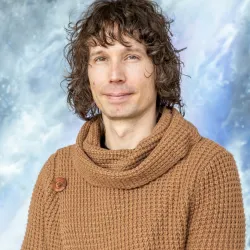
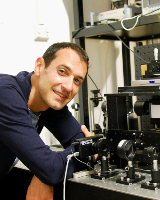
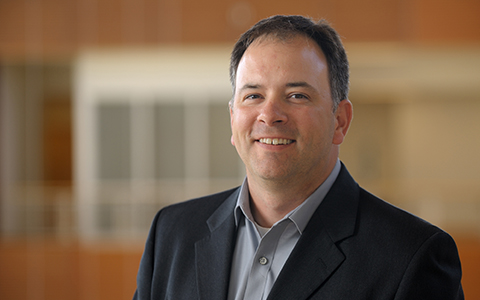
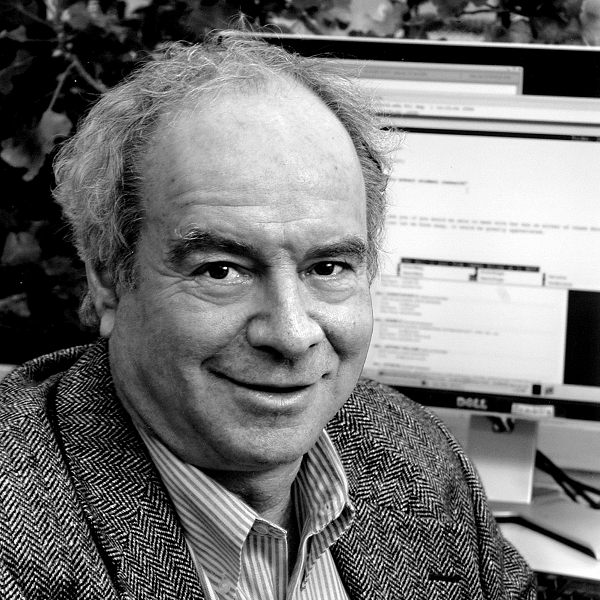
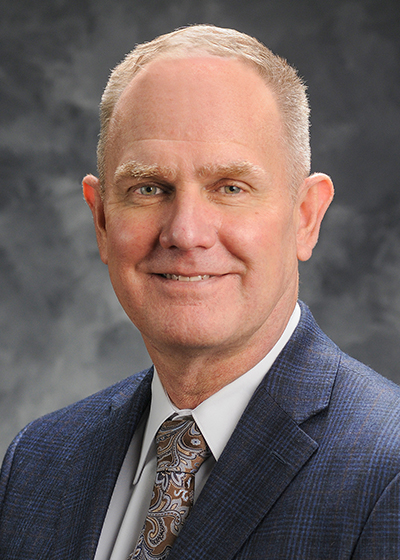
Dr. Israel Vaughn is an Instrument Scientist at the Advanced Instrumentation and Technology Centre within the Research School of Astronomy and Astrophysics at the Australian National University. With a PhD in Optical Sciences from the University of Arizona, their work focuses on optical instrumentation, space optics, and polarimetric remote sensing. Education: PhD in Optical Sciences, Wyant College of Optical Sciences, University of Arizona; Master of Mathematics (By Coursework), University of New Mexico. Dr. Vaughn’s research interests include: Engineering Instrumentation Electromagnetics Astronomical Instrumentation Nonlinear Optics Spectroscopy Space Instrumentation Recent publications highlight their contributions to adaptive optics systems for the Giant Magellan Telescope, metasurface lenslet arrays, and polarimetric imaging innovations. Their work also extends to space-based mission concepts like the Ultraviolet Extinction Sky Survey (UVESS).
Bin Ran serves as the Vilas Distinguished Achievement Professor and Director of the Intelligent Transportation Systems (ITS) Program within the Civil & Environmental Engineering Department at the University of Wisconsin-Madison. A globally recognized expert in Connected Autonomous Mobility (CAM), he has authored over 850 scientific articles and secured more than 200 patents across multiple jurisdictions, significantly advancing transportation engineering through innovations in vehicle-highway automation and intelligent infrastructure systems. His educational foundation includes a PhD from the University of Illinois at Chicago (1993), an MS from the University of Tokyo (1989), and a BS from Tsinghua University (1986). These qualifications underpin his leadership in transportation research and education. Ran's research program centers on Connected Autonomous Mobility (CAM), Collaborative Automated Driving Systems (CADS), and Connected and Automated Vehicle & Highway (CAVH) technologies. His work integrates dynamic transportation network modeling, smart city applications, big data analytics, and Drive GPT-enhanced traffic simulation to develop proactive safety systems and resilient infrastructure solutions. Current projects emphasize cloud-based architectures, digital twins, and cooperative vehicle control frameworks. Analysis of his 2024-2025 publications reveals dominant trends in cloud-to-vehicle control systems, risk-quantified adaptive cruise control, and federated digital twin frameworks for connected corridors. Research spans cybersecurity for connected vehicles, energy-efficient platooning, and urban traffic flow optimization—addressing both technological innovation and sustainability challenges in transportation networks. Professor Ran has received prestigious accolades including the ITE's Wilbur S. Smith Distinguished Transportation Educator Award (2018) and the Vilas Distinguished Achievement Professorship (2016). His complete award portfolio features: 2025 TRB Committee on Vehicle-Highway Automation Best Paper Award 2024 Top 0.05% Lifetime Global Highly Ranked Scholar in Transport 2020 ASCE Journal Best Paper Award 2010 Chinese National Distinguished Expert Lifetime Honor 1994 Charley Wootan Award for best transportation PhD dissertation He actively mentors graduate researchers through thesis supervision (CIV ENGR 890/990 courses) and leads major initiatives including the Transportation Research Board's Task Force on vehicle-highway automation architecture and the World Transport Convention's Faculty Committee. His grant portfolio supports international collaborations through the International Road Federation's 180-country network. As ITS Program Director, Ran oversees a research ecosystem integrating connected vehicle corridors, roadside edge computing, and V2X-enabled infrastructure. His team develops physical-virtual integration frameworks like the Digital Twin for Connected Vehicle Corridors, focusing on real-world deployment of cooperative automated driving systems across diverse environmental conditions.
Chunying Li serves as an Assistant Professor in the Department of Electronic and Electrical Engineering at the College of Engineering, Southern University of Science and Technology (SUSTech). Recognized as a 2024 Shenzhen Pengcheng Peacock Program Distinguished Talent and Ocean Power Young Scientist nominee, her research pioneers spherical underwater robotics and multi-agent systems for complex marine environments. Her educational foundation includes: Ph.D. in Intelligent Mechanical Systems Engineering from Kagawa University, Japan (2021-2023) M.S. in Control Engineering from Tianjin University of Technology, China (2017-2020) Dr. Li's research integrates biomimetic principles with advanced engineering to solve underwater navigation challenges. Her work on multi-sensor fusion enables robust environmental perception, while adaptive control algorithms allow spherical robots to operate in turbulent conditions. Key applications include ocean monitoring, resource exploration, and collaborative multi-robot missions where traditional systems fail. Recent publications (2020-2024) reveal a strong focus on performance optimization and biomimetic sensing , with 7 of 11 representative papers appearing in Q1 journals like Information Fusion (IF=17.564). A notable trend is the development of artificial lateral line systems inspired by fish, significantly improving obstacle recognition in murky waters. Her accolades include: 2024 Young Scientists Nomination for Ocean Power 2024 Shenzhen Pengcheng Peacock Program Distinguished Talent 2023 Chinese Society of Automation Natural Science Award (Second Prize) 2022 CSC National High-Level University Scholarship Dr. Li leads the Shenzhen Outstanding Science and Technology Innovation Talent Program while contributing to international projects: Shenzhen Grants: Pengcheng Peacock Program (Principal Investigator) International Collaboration: Japan SPS KAKENHI Program (Key Researcher) Regional Projects: Tianjin Science and Technology Innovation Cooperation Program Her laboratory develops spherical underwater robot platforms featuring hybrid thrusters and multi-sensor arrays, emphasizing father-son robot coordination and jellyfish-inspired swarm behaviors. Through IEEE ICMA conference leadership roles (Finance Chair 2025, Publication Co-Chair 2024), she actively shapes robotics research standards in Asia-Pacific.
Swen Leugner is a Researcher at the Competence Center for Communication, Systems, and Applications at Lübeck University of Applied Sciences since May 2016. He holds a doctorate in Engineering Sciences (University of Lübeck, 2024) and focuses on wireless networks, particularly enhancing coexistence and robustness in license-free frequency bands. Doctorate in Engineering Sciences, University of Lübeck (2024) M.Sc. in Electrical Engineering and Applied Information Technology, Technical University of Lübeck (2016) B.Sc. in Electrical Engineering, Energy Systems and Automation, Technical University of Lübeck (2014) His research spans wireless networks, indoor localization, clock synchronization, and sensor systems. Key projects include DRAISE (Wireless Robust Adaptive Industrial Systems), DRAGON SMEs 4.0, 5G-TELK-NF, Baltic Future Port, and O5G-N-IoT. Recent work explores 5G campus networks for rescue scenarios and context-aware wireless systems. Scientific contributions include novel synchronization algorithms (TriClock), interference mitigation strategies (eNAV), and LoRa/802.15.4 coexistence frameworks. He actively participates in conferences like IEEE RTUWO, FICC, and Localization and GNSS workshops.
Prof. Dr. René Röpke is a faculty member at Vienna University of Technology in the Learning Technologies department. His work bridges game-based learning, cybersecurity education, and open educational resources (OER), with a focus on interactive systems and data-driven educational strategies. Key research areas include gamification , learning analytics , and AI-integrated curriculum design . Active in the DELFI Conference (German e-learning conference) and collaborative projects like AIStudyBuddy and WebWriter . His recent publications highlight innovations in anti-phishing education, Python programming exercise generation, and AI-driven study path analytics. Themes center on personalized learning , collaborative group dynamics , and open science practices . He frequently contributes to conference proceedings and co-edits academic volumes. Projects emphasize human-centered design , including tools for OER conversion, dynamic difficulty adjustment in games, and interactive visualizations for curriculum analytics. His work often integrates psychological factors like extraversion into educational technology frameworks.
Elena Tenenbaum is an Assistant Professor in Psychiatry and Behavioral Sciences and Psychology and Neuroscience at Duke University, where she is also a Faculty Network Member of the Duke Institute for Brain Sciences . Her research focuses on language acquisition and cognitive development in children with autism spectrum disorder (ASD) , particularly those who are minimally verbal. She employs eye-tracking , EEG , and remote assessment tools to investigate social attention, audio-visual processing, and executive function in ASD. Education: Ph.D. in Psychology from Brown University (2011), Clinical Psychology respecialization at Suffolk University. Her work bridges neuroscience and clinical psychology to understand ASD heterogeneity, with a focus on early intervention and perinatal influences . Recent publications highlight scalable remote methodologies like the RISE Battery for infant cognitive studies and LVIS for assessing communicative competence in low-verbal ASD. She has received grants including the Meeting on Language in Autism (2025-2028) and Shenoy Undergraduate Research Fellowship in Neuroscience (2025-2026). Awards include fellowships and research grants for ASD and developmental disorders. Her lab collaborates on digital phenotyping , audio-visual synchrony , and social attention mechanisms .
Christian Doeller is a Professor of Medicine (Neuroscience) at the Norwegian University of Science and Technology (NTNU), leading research at the Kavli Institute for Systems Neuroscience . He also serves as Managing Director of the Max Planck Institute for Human Cognitive and Brain Sciences and Professor of Psychology (Learning and Memory) at Leipzig University , Germany. Specializes in translational neuroscience of ageing and Alzheimer's disease Focuses on cognitive neuroscience of learning and memory Key projects: Jebsen Centre for Alzheimer's Disease, Helse Midt-Norge, and ERC-CoG project GEOCOG His recent research explores hippocampal-entorhinal cognitive maps, spatial navigation, and memory reconfiguration across abstract and Euclidean spaces. Collaborations span NTNU, Max Planck Institute, and Leipzig University. Notable article trends include human cognitive neuroscience applications, neuroimaging techniques (DTI-fMRI, eye tracking), and neural coding in memory systems. Themes like stress effects on memory and cortical motor system interactions with cognitive maps are recurrent. Christian Doeller's team investigates brain mapping and neurodegenerative diseases, leveraging advanced neuroimaging and computational models. His work bridges basic neuroscience with clinical applications in Alzheimer's research.
Ignacio IZEDDIN is an Associate Professor ( Maître de conférences ) at the Institut Langevin, ESPCI Paris, which is part of CNRS and Université PSL. His research sits at the critical intersection of advanced optical imaging, biophysics, and molecular cell biology, with a particular focus on pushing the boundaries of what can be visualized and understood about molecular distribution and cellular dynamics. His primary research interests include Single-Molecule Localization Microscopy (SMLM), super-resolution imaging techniques, single particle tracking (SPT), biophotonics, diffusion processes in cell biology, molecular cell biology, transcription regulation, DNA repair mechanisms, and light-matter interactions at the nanoscale. Dr. IZEDDIN's work aims to develop innovative microscopy tools that overcome current limitations in spatial and temporal resolution, enabling the capture of rapid, dynamic cellular processes with unprecedented clarity. The trends in his recent publications reveal a strong focus on developing event-based sensor technology for high-speed single-molecule localization, creating novel 3D microstructured substrates for cellular imaging and calibration, studying light-matter interactions at the nanoscale through fluorescence lifetime imaging, and applying these advanced techniques to understand fundamental biological processes like DNA repair, chromatin dynamics, and cellular differentiation. His work consistently bridges physics, engineering, and biology to solve complex imaging challenges. Dr. IZEDDIN is actively involved in research funding and recruitment, with current projects including a European LIGHTinParis COFUND PhD position analyzing alpha-synuclein diffusion in neurons using super-resolution microscopy based on event sensors, and hiring for a software engineer position to develop data processing tools for event-based SMLM technology. His laboratory employs a highly interdisciplinary approach, combining physics, biology, and engineering expertise to tackle challenging problems in cellular imaging. Current projects involve collaborations with neuroscientists, physicists, and engineers to study everything from molecular diffusion in neurons to macrophage differentiation on 3D topographical substrates.
Gary Hecht is an Associate Professor of Accountancy and Arthur Andersen Faculty Fellow at the University of Illinois Urbana-Champaign's Gies College of Business. He holds the role of Associate Dean of Professional Education Pathways and previously served as Executive Director of Lifelong Learning (2020–present), Academic Director of the iMSA Program (2017–2020), and PricewaterhouseCoopers LLP Faculty Fellow (2013–2019). He joined the faculty in 2013 after roles as an Assistant Professor at Emory University and the University of Wisconsin-Madison. He earned a BS in Accountancy from Illinois State University (1995) and a PhD in Accountancy from the University of Illinois Urbana-Champaign (2005). His research focuses on performance measurement systems, incentive design, and strategic behavior in organizational settings. He has explored topics such as collaborative effort in cross-functional teams, the impact of transparency on managerial decisions, and the role of learning (both experiential and vicarious) in employee performance. His work often bridges accounting principles with behavioral economics to analyze how organizational structures and incentives shape behavior. Dr. Hecht has been repeatedly recognized on the List of Teachers Ranked as Excellent, reflecting his commitment to pedagogy. His recent publications (2020–2025) emphasize the effects of performance reporting frequency, transparency, and compensation mechanisms on team dynamics and managerial strategy. He has also contributed to understanding how noise in performance measures influences learning outcomes and how timing impacts performance measure weighting in strategic decisions. His professional awards include the Arthur Andersen Faculty Fellowship and sustained teaching excellence. His career path reflects deep engagement with both academic research and administrative leadership in business education, particularly in professional development pathways.
Dr. Todd Humphreys is an Assistant Professor in the Department of Aerospace Engineering and Engineering Mechanics at The University of Texas at Austin. He directs the Radionavigation Laboratory, focusing on software-defined GPS receivers and LEO-based positioning systems. His research emphasizes defending against GNSS spoofing/jamming and exploring satellite navigation innovations. Research interests include satellite navigation, orbital dynamics, and signal processing with applications in ionospheric remote sensing and cybersecurity. He co-founded Coherent Navigation to develop hardened GPS systems using Iridium signals. Recent work focuses on LEO mega-constellations (Starlink, OneWeb) for resilient PNT solutions, spoofing detection via single/dual-satellite geolocation, and multi-modal fusion for urban navigation (TEXR Dataset). His publications address OFDM signal design for ranging, radar-inertial positioning, and anti-spoofing countermeasures. Current projects involve beamforming optimization for LEO terminals and TITAN inertial-terrain navigation.
Mario Vanhoucke is a Lecturer (Education) at the UCL School of Management, University College London. He also holds the position of full professor at Ghent University and Vlerick Business School (Belgium), and is the founder of the 'Operations Research & Scheduling' research group. His primary research interests focus on project scheduling, risk analysis, and optimizing resource efficiency, combining Operations Research methodologies with practical applications in project management. He has led a multi-million euro research project in collaboration with UK and US universities, emphasizing industry partnerships through PMI (Project Management Institute). His work includes developing project management software tools, authoring books, and contributing to academic conferences. Notable recognition includes the 2020 'Outstanding Research' award from IPMA. Vanhoucke’s research spans earned value management, multivariate regression for path analysis, and computational methods like SAT solvers for scheduling problems. His contributions bridge academic theory with real-world project optimization challenges.
Henry J. Frisch is a Professor of Physics at the University of Chicago, affiliated with the Department of Physics and the Enrico Fermi Institute. His research focuses on particle physics, high-energy experiments, and advanced detector development. He has been a key contributor to the CDF experiment at Fermilab, playing a pivotal role in the discovery of the top quark and precision measurements of the W boson mass. Frisch’s work includes pioneering advancements in picosecond-resolution timing detectors (LAPPD) and their applications in neutrino physics and medical imaging. Education: B.A., Physics, Harvard University, 1966 Ph.D., Physics, University of California, Berkeley, 1971 Research Interests: Frisch’s research spans particle physics experiments, detector technology, and instrumentation. He specializes in precision measurements at colliders, neutrino detection systems, and the development of high-resolution timing detectors. His contributions include advancements in optical time-projection chambers, picosecond timing electronics, and applications of detector technology in biomedical imaging. Awards and Honors: Quantrell Award for Excellence in Teaching, University of Chicago, 1992 University of Chicago Provost’s Teaching Award, 2006–2007 Fellow of the American Physical Society, 1986 Service and Leadership: Frisch has held leadership roles in numerous scientific organizations, including the High Energy Physics Advisory Panel (HEPAP), the CDF collaboration, and the American Physical Society. He has contributed to international conferences and workshops on particle physics, detector technology, and neutrino research.
Dr. Ivan Lokmer is an Associate Professor in Petroleum Geoscience at the School of Earth Sciences, University College Dublin. His research focuses on geophysical inversion techniques, volcano seismology, and seismic wave propagation in complex media. He holds a PhD from UCD and has expertise in numerical modeling, machine learning applications, and subduction zone dynamics. Key research areas include stress field analysis along the Hikurangi Margin, diffraction imaging using deep learning, and long-period volcanic seismic event mechanisms. He has coordinated modules such as 'Applied Geophysics' and 'Geocomputation' at UCD since 2019. Education: BSc in Physics (University of Zagreb, 1997), MSc in Geophysics (University of Zagreb, 2002), PhD in Volcano Seismology (UCD, 2008). Research highlights include studies on seismic source inversion, borehole stress orientation variability, and volcanic tremor analysis. His work integrates field observations with computational methods to advance understanding of tectonic and volcanic processes. Notable contributions include the FAME project using fiber-optic sensing for volcano monitoring and publications on subduction zone stress patterns. Teaching responsibilities include courses on geophysical methods and geocomputational tools. Ongoing projects focus on machine learning in seismic imaging and geohazard analysis.
J. Alex Thomasson is a Professor, Department Head, and William B. and Sherry Berry Endowed Chair in the Department of Agricultural and Biological Engineering at Mississippi State University. With expertise in precision agriculture, remote sensing, and agricultural robotics, he focuses on cotton production, drone-based monitoring, and sensor development for soil and fiber quality analysis. Education : Ph.D., M.S., and B.S. in Agricultural Engineering from University of Kentucky, Louisiana State University, and Texas Tech University Experience : Department Head at Mississippi State University (2020–Present), Endowed Chair at Texas A&M University (2005–2020), USDA Agricultural Research Service (1989–1997) His research spans optical sensing technologies, cotton fiber quality mapping, and UAV applications in crop phenotyping and disease detection. Recent work includes: Autonomous grain cart navigation using motion planning algorithms UAV thermal calibration via temperature-controlled references Adsorbent-SERS systems for plant volatile organic compound analysis Publications highlight advancements in: Drone-based cotton root rot classification Multi-scale frictional property analysis of cotton fibers Wavelet spectroscopy for soil and biomass characterization
Veronica Ford is a Part-Time Lecturer at the University of New Brunswick's Faculty of Law. Her interdisciplinary research bridges cognitive neuroscience, psycholinguistics, and clinical psychology, examining bilingual language processing, reading disorders, and technology-assisted psychiatric diagnosis. Research focuses on cognitive mechanisms in bilingual reading, eye-movement patterns in clinical populations (schizophrenia/dyslexia), and developing human-centered diagnostic tools using wearable sensors. Studies employ eye-tracking, ERP, and computational methods to analyze language processing and cognition. Recent articles (2020-2025) investigate cross-language activation during reading, L1 orthographic effects on L2 speech, psychiatric diagnosis systems using ECG, and perceptual span in disordered reading. Work consistently integrates behavioral, neurophysiological, and computational approaches.