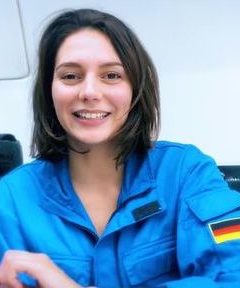
Dr. Leonie Baumann is an Assistant Professor in the Department of Economics at McGill University, specializing in Economic Theory, Networks, Mechanism Design, and Game Theory. She holds a Ph.D. (summa cum laude) and M.Sc. in Economics from the University of Hamburg, and dual B.A. degrees from the University of Siegen. Currently on maternity leave, Dr. Baumann previously served as a Postdoctoral Research Associate at the University of Cambridge. Her research explores social interactions in microeconomic theory, with a focus on network formation dynamics, strategic evidence disclosure, and robust implementation mechanisms. Recent work examines how network structures influence economic decision-making and resource allocation. Dr. Baumann's publications demonstrate consistent focus on network economics and game-theoretic modeling, with emerging applications in discrimination mechanisms and evidence disclosure. Her methodological approaches combine theoretical rigor with computational innovations. Awards & Recognition: Vice-Chancellor's Innovation Award (2020) Econometric Society Travel Grant (2015) Multiple research grants including SSHRC and FQRSC funding Supervision & Service: Currently advising 4 doctoral students on topics ranging from biosolvent characterization to indoor air quality Active editorial board member for Journal of Mathematical Economics Organizes international conferences on economic theory
Sergey Nizkorodov is a Professor and Co-Director of AirUCI at the University of California, Irvine. He leads the Aerosol Photochemistry Group, focusing on the chemical composition, photochemistry, and physical properties of atmospheric organic aerosols. His research employs advanced techniques such as aerosol chamber experiments, cavity ring-down spectroscopy, and ultrahigh-resolution mass spectrometry. Key areas include understanding aerosol phase transitions, light absorption properties, and environmental impacts of wildfire and urban emissions. His work addresses critical questions about aerosol aging, reactive oxygen species formation, and the role of aerosols in climate and human health. Notable projects include investigating plastic burning emissions, wildfire-generated aerosols, and household stove pollution in India. Nizkorodov collaborates with interdisciplinary teams to advance atmospheric chemistry research and policy-relevant science through initiatives like the Chem-SURF program. Research findings highlight the transformation of aerosols into glassy states under sunlight, the formation of persistent free radicals, and the influence of acidity on aerosol fluorescence. His contributions have advanced methodologies for molecular-level aerosol analysis and underscored the urgency of mitigating anthropogenic and biogenic aerosol impacts.
Philip K. Hopke, Ph.D., serves as an Adjunct Professor in both the Department of Public Health Sciences and Department of Environmental Medicine at the University of Rochester School of Medicine and Dentistry. With a distinguished career spanning over five decades since earning his Ph.D. from Princeton University in 1969, Dr. Hopke has established himself as a global leader in environmental chemistry and air pollution research. Ph.D. in Chemistry, Princeton University (1969) M.A. in Chemistry, Princeton University (1967) B.S. in Chemistry, Trinity College (1965) Dr. Hopke's pioneering work focuses on particulate matter source apportionment , where he developed innovative methodologies like dispersion-normalized positive matrix factorization (DN-PMF). His research integrates chemometrics , atmospheric chemistry , and environmental epidemiology to address critical air quality challenges worldwide. Recent projects span China's megacities, Iran's water crisis, and New York State's vehicle emission regulations, with particular emphasis on health impacts of source-specific pollutants. Analysis of his 15 most recent publications reveals consistent focus on advanced source apportionment techniques , health outcomes linked to air pollution , and policy evaluation using sophisticated statistical modeling. His work increasingly incorporates machine learning approaches while maintaining rigorous chemical characterization of environmental samples. Scientific Recognition Fellow of both the Air and Waste Management Association (2021) and American Association for Aerosol Research Recipient of the Lifetime Achievement Award in Chemometrics (2014) Albert Nelson Marquis Lifetime Achievement Inductee (2018) Multiple international awards including the Fissan-Pui TSI International Aerosol Research Award (2018) Dr. Hopke maintains an exceptionally active research program with collaborators across six continents, evidenced by his 2025 publications from China, Iran, Kazakhstan, and the United States. His work bridges fundamental atmospheric science with practical public health applications, particularly in evaluating regulatory impacts on air quality and health outcomes.
Dr. Stella Daskalopoulou is a Senior Scientist at the Research Institute of the McGill University Health Centre (RI-MUHC) and a Professor in the Department of Medicine at McGill University's Faculty of Medicine and Health Sciences. She specializes in translational cardiovascular research with a focus on vascular health, atherosclerosis, and hypertension management. Senior Scientist, RI-MUHC Glen site Professor, Department of Medicine, McGill University Member, Cardiovascular Health Across the Lifespan Program Research Focus: Her work integrates biomedical technology with clinical investigation to identify early vascular impairment markers. Key areas include: Arterial stiffness and hemodynamic assessment Adiponectin signaling pathways in atherosclerosis Sex-specific cardiovascular risk stratification Biomarker discovery for plaque instability Pregnancy-related vascular complications Machine learning applications in plaque classification Scientific Engagement: Dr. Daskalopoulou contributes to hypertension guideline development (2024 ESC Guidelines) and explores environmental impacts on vascular health (household pollution studies). Her recent publications emphasize: Deep learning for plaque characterization Sex hormone receptor pathways in atherosclerosis Adipokine interactions with HDL metabolism Clinical decision tools for preeclampsia prediction Laboratory: Leads the Vascular Health Unit at RI-MUHC, combining histopathology, immunophenotyping, and advanced imaging for translational research.
Rossana Bellopede is an Associate Professor at the Politecnico di Torino, affiliated with the Department of Environmental, Land and Infrastructure Engineering (DIATI) . She leads the Raw Materials (DIATI) laboratory and contributes to projects like CITERIA (critical raw material recovery) and SHOWCAVE (tourist cave impact mitigation). Her roles include coordinating PhD programs in Civil and Environmental Engineering and teaching courses on Circular Economy , Natural Stone Characterization , and Occupational Safety . Research focuses on solid waste recovery (tunnel muck, mining tailings) natural stone durability (weathering, bowing phenomena) microplastic pollution (karst systems, groundwater, caves) asbestos testing (industrial safety) Recent publications examine textile wastewater microfibers (2025), microplastic transport in karst environments (2025), and critical raw material recovery techniques (2025). Her work aligns with SDG 12 (Responsible Consumption) and SDG 11 (Sustainable Cities). Scientific participations include Advisor for ANIM (National Mining Engineers Association) Organizing committee of Heritage Stones Workshop (2021) Research network PROMETIA (2018-2025) She manages commercial projects like CE marking for Piasentina Stone , develops FAST4C circular textiles protocols (2024-2028), and supervises PhD candidates studying microplastic pollution in karst systems stone durability mechanisms sustainable construction materials
Sally Pusede is an Associate Professor in the Department of Environmental Sciences at the University of Virginia's College of Arts & Sciences, where she directs atmospheric chemistry research and co-leads the Repair Lab. Her work bridges atmospheric science and environmental justice through measurements from ground, aircraft, and satellite platforms in urban and agricultural environments. Dr. Pusede earned her Ph.D. from the University of California Berkeley in 2014. Her educational background established the foundation for her interdisciplinary approach combining chemical measurements with community engagement. As an atmospheric chemist, Pusede investigates reactive nitrogen cycles, greenhouse gas emissions (particularly nitrous oxide), and neighborhood-level air pollution disparities. Her research employs spatial and temporal variability analysis to derive mechanistic insights into urban atmospheric processes, with emphasis on how pollution adversely affects human health and ecosystems. She is co-director of UVA's Repair Lab, which develops community-based solutions to environmental justice issues like coal dust pollution in Hampton Roads and industrial swine facility impacts in North Carolina. Analysis of her 15 most recent publications (2022-2025) reveals three dominant research thrusts: 1) Quantifying air pollution inequality using satellite remote sensing (especially nitrogen dioxide and ammonia), 2) Investigating reactive nitrogen chemistry in urban-agricultural interfaces, and 3) Developing community-driven repair frameworks for environmental justice. Her work consistently demonstrates how neighborhood-level pollution disparities contribute to health outcomes and ozone formation, particularly in communities of color. Dr. Pusede's scientific contributions have been recognized with prestigious awards including: Presidential Early Career Award for Scientists and Engineers (PECASE), Biden Administration, 2024 Future Horizons in Climate Science Turco Lectureship, American Geophysical Union, 2022 National Science Foundation (NSF) CAREER Award, 2021 NASA New Investigator Program Award, 2021 Environmental Sciences Organization Faculty Teaching Award, University of Virginia, 2016 She mentors graduate students through the Pusede Lab while securing major grants from NSF, NASA, and the White House Office of Science and Technology Policy. Her teaching portfolio includes EVSC 4380 (Air Pollution and Environmental Justice), EVSC 4490/7490 (Air Pollution), EVSC 5350 (Atmospheric Chemistry), and EVSC 3300 (Atmosphere and Weather). The Repair Lab operates as an interdisciplinary environmental justice hub where Pusede collaborates with community practitioners, embedding researchers in Virginia communities through its practitioner-in-residence program. This lab focuses on coal dust pollution in Hampton Roads and industrial swine facility impacts in Eastern North Carolina, using satellite data to document environmental injustices while co-developing solutions with affected residents.
Christian Ludwig is an Adjunct Professor at EPFL and head of the joint EPFL-PSI Professorship, leading the Chemical Processes and Materials (CPM) research group at the Paul Scherrer Institute. His work bridges sustainable resource management, waste treatment technologies, and nanomaterials development with applications in energy and environmental systems. Education: PhD in Inorganic, Analytical, and Physical Chemistry from University of Berne (1993) Master's degree from University of Berne (1990) Research interests focus on developing sustainable technologies for resource management. His group investigates thermal and aqueous waste treatment systems, bioenergy technologies, nanoparticle-based materials for clean technology applications, analytical methods for real-time environmental monitoring, and recycling strategies for minerals and rare earth elements. Recent work examines nucleation processes, trace element fate in bioenergy systems, and algal biomass applications. Publication trends show strong focus on sustainable materials processing, environmental nanotechnology, and waste valorization. Recent articles demonstrate innovative approaches to nanoparticle characterization, supercritical fluid applications, and resource recovery from complex waste streams. Scientific awards: No major awards documented in provided materials. Advising and lab leadership: Supervised 23 PhD students and leads the Ludwig Group (EPFL) and CPM group (PSI), focusing on sustainable energy carriers and processes. Research integrates synchrotron methods, nanoparticle synthesis, and environmental technology development.
Dr. Olfa Lopez-D’Angelo is a researcher at the Department of Multiscale Simulation of Particulate Systems at Friedrich-Alexander-Universität Erlangen-Nürnberg. Her research focuses on granular rheology, additive manufacturing for space applications, and the behavior of materials under microgravity conditions. She leads the Rheologie granularer Materialien unter Weltraumbedingungen project (2023–2026), funded by the German Ministry for Economic Affairs and Climate Action (BMWK). Her work bridges theoretical physics, experimental engineering, and space technology. Key research interests include granular fluid dynamics, powder-based manufacturing processes in low-gravity environments, and the structural analysis of metamaterials. She has contributed to pioneering studies on acoustically propelled macroparticles and granular piston-probing in microgravity. Her interdisciplinary approach is evident in collaborations with institutions like ESA and DLR, as well as her involvement in projects such as the VIP-DROP2 module for droplet dynamics experiments. Awards: Granular Matter Gordon Research Conference Poster Prize (2022) ELGRA Research Prize (2021) Fly Your Thesis! 2019 (2018) ESA Networking/Partnering Initiative Fellowship (2017) Dr. Lopez-D’Angelo actively disseminates her work through international conferences (e.g., DPG, IAC) and public engagement initiatives, including the podcast Talk That Science . Her research emphasizes practical applications in space exploration, such as in-situ resource utilization and advanced manufacturing systems for extraterrestrial environments.
James K. Hammitt is a Professor of Economics and Decision Sciences at the Harvard T.H. Chan School of Public Health , affiliated with the Center for Risk Analysis , Center for Health Decision Science , and Health Policy and Management Department . He is also a Senior Common Room member at Winthrop House (Faculty of Arts & Sciences, Harvard University). Education: AB in Applied Mathematics (magna cum laude, Harvard College, 1978), ScM in Applied Mathematics (Harvard University, 1978), MPP in Public Policy (Kennedy School of Government, 1981), PhD in Public Policy (Harvard University, 1988) His research focuses on quantitative methods in health and environmental policy , including benefit-cost analysis , decision analysis , and risk analysis . Key areas include managing long-term environmental uncertainties (climate change, ozone depletion), ancillary benefits/risk trade-offs , and social preference characterization using revealed/stated-preference and health-utility methods. He has contributed to 15+ recent publications spanning mortality risk valuation , health impact modeling , and policy evaluation in contexts ranging from COVID-19 to electric vehicles . Awards: Distinguished Achievement Award, Society for Risk Analysis (2015) Outstanding Achievement Award, Society for Benefit-Cost Analysis (2021) His work addresses complex policy challenges through interdisciplinary approaches, integrating economics , public health , and environmental science . While student advising isn't explicitly mentioned, his leadership in National Academies of Sciences panels and advisory committees to EPA/government agencies underscores his policy influence. No email addresses are publicly available.
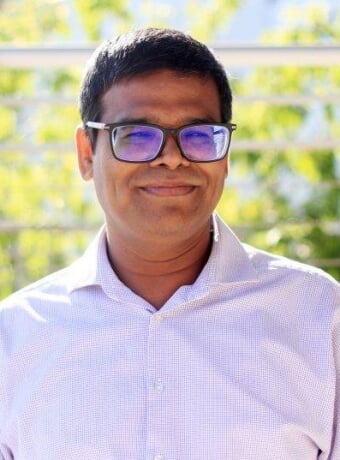
Snehamoy Chatterjee serves as Associate Professor and Witte Family Endowed Faculty Fellow in the Department of Geological and Mining Engineering and Sciences at Michigan Technological University. His expertise spans ore reserve estimation, mine planning optimization, and AI-driven safety systems, with significant contributions to remote sensing applications in mining and geological hazard assessment. Chatterjee earned his PhD in Mining Engineering from the Indian Institute of Technology Kharagpur, followed by postdoctoral research at the University of Alaska Fairbanks and the COSMO Stochastic Mine Planning Laboratory at McGill University. His academic journey includes prior faculty positions at India's National Institute of Technology. His research program integrates cutting-edge artificial intelligence with geospatial technologies to solve critical challenges in mining safety and resource management. Key focus areas include: Generative AI frameworks for real-time mining hazard prediction Hyperspectral and InSAR remote sensing for mineral exploration Deep learning applications in geophysical inversion Stochastic optimization of mine planning under uncertainty Machine learning-driven landslide and earthquake hazard mapping Chatterjee's 15 most recent publications (2023-2024) reveal a pronounced shift toward AI-geospatial fusion , with 60% of works applying deep learning to satellite imagery for hazard monitoring. His team's research spans three critical domains: mining safety systems (33%), geological hazard prediction (47%), and resource optimization (20%), demonstrating strong interdisciplinary collaboration across environmental science and engineering disciplines. Professional recognition includes: Editor's Best Reviewer Award 2014 from Mathematical Geosciences Journal APCOM Young Professional Award 2015 at the 37th APCOM conference Chatterjee actively mentors graduate students and leads multiple federally funded research initiatives focused on mine safety innovation and critical mineral exploration. His professional service includes editorial responsibilities for Mining, Metallurgy & Exploration and committee roles in major international conferences through IAMG, SME, and AGU. Current projects emphasize generative AI applications for predictive safety analytics and hyperspectral remote sensing for critical mineral discovery. His research extends through collaborations with the COSMO Laboratory network and industry partners across North America, India, and Australia, with recent fieldwork focusing on Alaskan platinum deposits and Indian coal reserves.
Dr. Judith Chow is a Research Professor and holds the Nazir and Mary Ansari Chair in Entrepreneurialism and Science at the Desert Research Institute (DRI) in Reno, Nevada. She is also a member of the graduate faculty in the Department of Environmental Science and Atmospheric Sciences Program within the Department of Physics at the University of Nevada, Reno (UNR), where she advises graduate students pursuing Masters and Doctoral degrees. With over 40 years of experience in atmospheric, air quality, and environmental health research, Dr. Chow leads DRI's Environmental Analysis Facility (EAF), directing a team of research scientists and technicians in developing and applying advanced analytical methods for characterizing atmospheric particles. Sc.D. in Environmental Science and Physiology from Harvard University (1985) M.S. in Environmental Health Sciences from Harvard University (1983) B.S. in Biology from Fu-Jen Catholic University, Taiwan (1974) Dr. Chow's research spans multiple critical areas in atmospheric science, with particular focus on ambient air and source sampling, chemical and physical analysis of suspended particulate matter, field study design and management, and source apportionment modeling. Her work integrates chemistry, physics, biology, engineering, biostatistics, toxicology, epidemiology, and medicine to address complex air quality challenges. She has established international collaborations across Asia, the Americas, Europe, Africa, Australia, and Antarctica, demonstrating the global relevance of her research. Analysis of Dr. Chow's most recent publications (2023-2025) reveals a continued emphasis on advanced particulate matter characterization, with growing attention to emerging pollution sources like battery fires, spacecraft materials, and industrial processes. Her work increasingly incorporates sensor technology and real-time monitoring approaches, reflecting the evolving nature of air quality research. There's also a noticeable expansion into environmental justice applications and health-focused studies, particularly examining the impacts of air pollution on vulnerable populations. ISI Highly Cited Researcher in ecology and environment with over 28,000 citations and an h-index of 83 Recognized as one of Stanford University's Top 2% of the World's Most Cited Scientists Appointed to U.S. EPA's Clean Air Science Advisory Committee (2015-2018, re-appointed 2021) Member of U.S. National Academy of Sciences committees addressing airborne particulate matter research priorities Co-editor for Aerosol and Air Quality Research and Particuology journals Dr. Chow advises numerous graduate students at UNR and has secured funding for over 50 large atmospheric studies throughout her career. She has led international projects assessing port operations' air quality impacts in southern California, measuring emissions in Canada's Oil Sands Region, designing air quality networks for the World Bank in developing countries, and evaluating photochemical aging effects on biomass burning emissions. Her Environmental Analysis Facility serves as a hub for advanced analytical methods development, particularly for characterizing suspended atmospheric particles and their effects on health, climate, visibility, ecosystems, and cultural artifacts. As founder and leader of DRI's Environmental Analysis Facility, Dr. Chow heads a multidisciplinary team that develops and applies advanced analytical methods to characterize atmospheric particles. Her facility has expanded capabilities to obtain more information from archived samples using thermal and mass spectrometric technologies, with current priorities including improved detection of brown carbon, application of microsensors to human exposure estimates, and simulation of source profile changes using photochemical flow tube reactors.
Professor Roy Harrison OBE FRS is the Queen Elizabeth II Birmingham Centenary Professor of Environmental Health at the University of Birmingham and holds an Adjunct Professor position at King Abdulaziz University, Saudi Arabia. With a 45-year academic career, he specializes in air pollution , focusing on emissions, atmospheric transformations, and health impacts of particulate matter. B.Sc. (Chemistry, 1969) Ph.D. (Organic Chemistry, 1972) D.Sc. (Environmental Chemistry, 1989) His research spans airborne particle characterization , chemical aging of aerosols, traffic emission mitigation technologies, and environmental policy development . Recent publications emphasize source apportionment , oxidative potential measurement , and machine learning applications in pollution modeling. Scientific recognition : Officer of the Order of the British Empire (2004) Fellow of the Royal Society (2017) Web of Science Highly Cited Researcher Professor Harrison has supervised 30+ doctoral researchers and serves on numerous advisory boards including DEFRA's Air Quality Expert Group and WHO air quality guidelines committees. He is Editor-in-Chief of Climate and Atmospheric Science (Nature) and maintains active roles in multiple editorial boards.
Associate Professor Pierre Le Clech is a leading expert in membrane science and chemical engineering at the University of New South Wales , affiliated with the UNESCO Centre for Membrane Science & Technology. His work focuses on optimizing membrane processes for water and wastewater treatment, particularly addressing fouling mechanisms caused by biopolymeric materials and algal blooms. Current research explores fouling characterization, energy-efficient desalination, and membrane regeneration strategies. He contributes to Desalination and Water Treatment as Associate Editor, and serves on the editorial boards of Membrane Water Treatment and Process Safety and Environmental Protection . Research Trends : Recent publications highlight advancements in algal fouling analysis, graphene oxide membrane applications, and computational modeling of fouling dynamics. His work bridges chemical engineering with environmental technology , emphasizing sustainable solutions for global water challenges. Scientific Awards : Associate Editor, Desalination and Water Treatment Editorial Board Member, Membrane Water Treatment and Process Safety and Environmental Protection Supervision & Collaboration : He actively supervises projects in municipal wastewater treatment, potable water systems, and membrane fouling mitigation. His team collaborates with industry partners on innovations like solar-integrated desalination and biofouling prevention.
Dale R. Tree is a Professor in the Department of Mechanical Engineering at Brigham Young University (BYU), College of Engineering, where he has held academic appointments since 1994. He progressed from Assistant Professor (1994–2000) to Associate Professor (2000–2007) before attaining full professorship in 2007. His research focuses on experimental combustion diagnostics across diesel engines, coal, biomass, and black liquor systems, with emphasis on soot/NOx reduction and optical measurement techniques. Education: PhD, Mechanical Engineering (Minor: Chemical Engineering), University of Wisconsin-Madison, 1992 MSME, Mechanical Engineering, Purdue University, 1988 BS, Mechanical Engineering, Brigham Young University, 1986 Research Interests: Professor Tree investigates combustion dynamics using advanced diagnostics like Planar Laser-Induced Fluorescence (PLIF) and Laser-Induced Incandescence (LII). Key areas include: Soot/NOx formation mechanisms in diesel engines Black liquor droplet combustion for pulp industry applications Biomass/coal cofiring impacts on emissions Low-NOx burner design for sustainable fuels High-temperature fuel spray characterization Publication Trends: His recent articles (2004–2010) predominantly explore combustion optimization, emissions reduction, and diagnostic methods. Common themes include soot modeling in compression ignition engines, black liquor spray dynamics, biomass cofiring emissions, and innovative temperature/pollutant measurement techniques. Collaborative work with national labs (e.g., Sandia) and industry (Cummins) underscores applied research focus. Scientific Awards: No awards mentioned in the source material. Advising & Leadership: Has advised 15+ graduate students (MS/PhD) in combustion research. Additional roles: SAE Advisor & Mini-Baja/FSAE Coach Department Assessment and ABET Coordinator Sabbatical researcher at Sandia National Laboratories (1999–2000) Labs & Collaborations: Conducts experiments at BYU Combustion Laboratory. Key collaborations include Sandia National Laboratories (optical diagnostics), Cummins Engine Company (diesel emissions), and industry partnerships in biomass conversion. Leads student engineering teams for SAE competitions.
Yu U. Wang is a Professor in the Department of Materials Science and Engineering at the College of Engineering, Michigan Technological University. His research integrates experimental characterization and computational modeling to advance functional materials science, with a focus on phase transformations and microstructure-property relationships. Dr. Wang's educational background includes: PhD in Mechanical and Aerospace Engineering from Rutgers University BS in Mechanical Engineering from the University of Science and Technology of China His research spans phase transforming materials, in-situ synchrotron X-ray and neutron scattering techniques, diffuse scattering analysis, ferroelectric/magnetoelectric composites, colloidal self-assembly systems, and computational microstructure modeling. This work bridges fundamental materials physics with applications in energy harvesting, sensing, and advanced ceramics, emphasizing the interplay between nanoscale phenomena and macroscopic properties. Analysis of Dr. Wang's publications reveals a sustained focus on computational materials science, particularly phase field modeling applied to ferroelectric and shape-memory systems. His research consistently combines theoretical frameworks with experimental validation through diffraction techniques, targeting high-strain piezoelectrics, magnetoelectric composites, and nanodomain engineering for next-generation functional materials. Scientific awards received by Dr. Wang are not specified in the available documentation. Details regarding graduate student advising, research grants, and laboratory facilities are not provided in the source material, though his extensive publication record indicates active research supervision and project leadership.