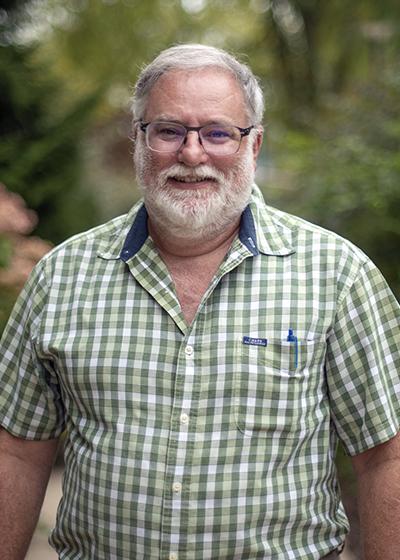
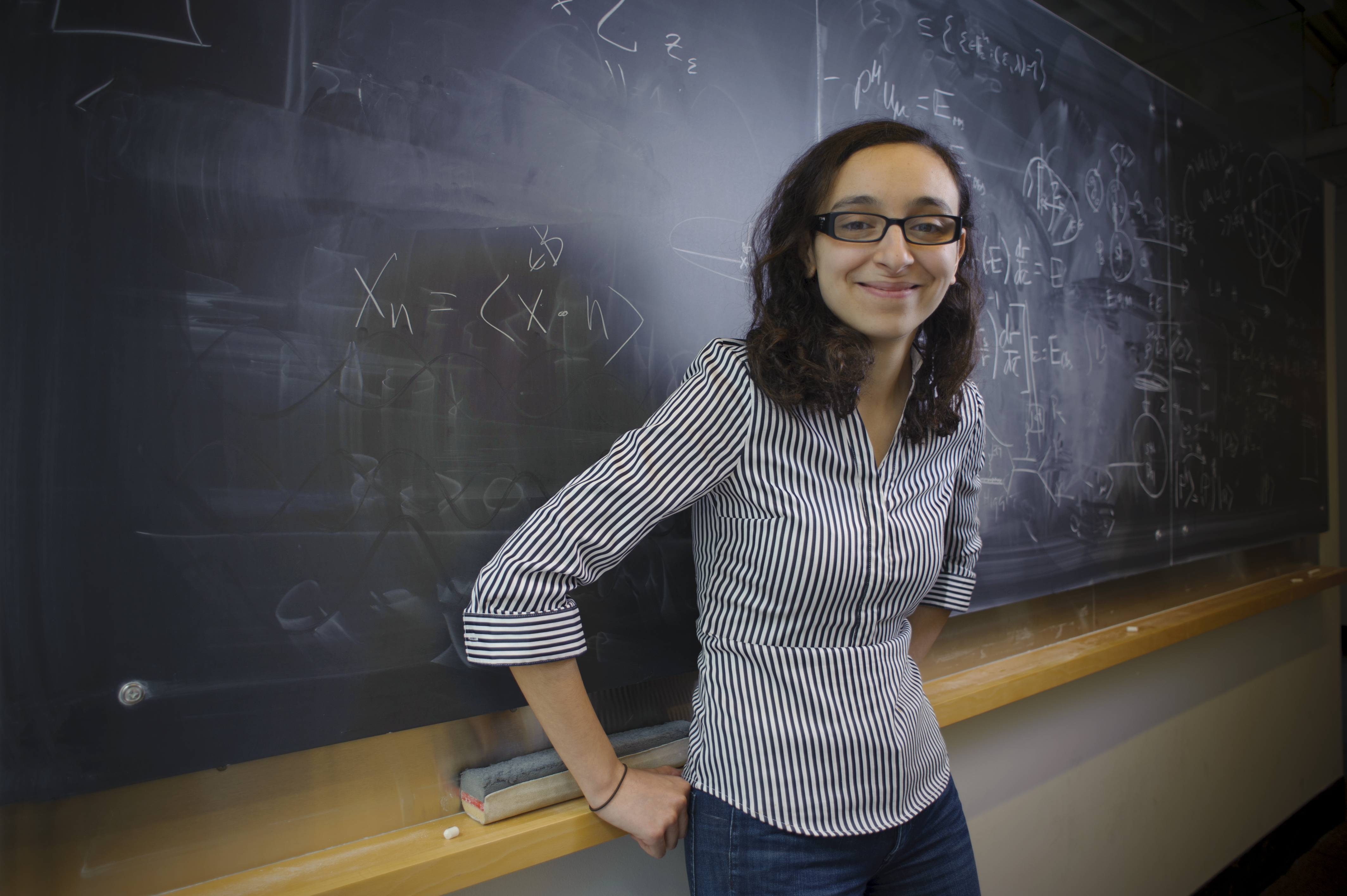
Dr. Jiang Li is a Professor in the Batten College of Engineering & Technology at Old Dominion University (ODU). He holds a Ph.D. in Electrical Engineering from the University of Texas at Arlington (2004), an M.S. in Automation from Tsinghua University (2000), and a B.S. in Electrical Engineering from Shanghai Jiao Tong University (1992). Before joining ODU in 2007, he was a postdoctoral fellow at the NIH's Department of Radiology (2004–2006). Dr. Li's research focuses on machine learning, medical imaging, and signal processing. His work spans computer-aided diagnosis systems for medical applications, neural networks, and modeling/simulation. He has led or co-led numerous grants, including funded projects on biomarker identification, robotic dental implantation, and hazard detection. His research trends emphasize interdisciplinary applications of AI, such as medical imaging analysis, remote sensing, and cybersecurity in engineering systems. Recent publications highlight advancements in deep learning for radiation estimation, seagrass mapping, and adversarial attack detection. Awards : NIH Fellows Award for Research Excellence (2006) UTA TxTEC Award (2003) Image Processing Scholarship (2002) Herman Fellowship (2000) Dr. Li's advising and grants reflect collaborations across disciplines, with notable contributions to biomedical engineering and computational methods. He has contributed to labs and teams in medical imaging, robotics, and environmental remote sensing.
Ji Ma is an Assistant Professor in the Department of Materials Science and Engineering at the University of Virginia. His research focuses on additive manufacturing of metallic alloys, microstructure control, and multifunctional materials design. He explores novel material properties through 3D printing techniques, including spatially tailored properties, 3D concrete printing, and medical implant applications. His work addresses challenges in porosity, residual stress, and corrosion resistance in additively manufactured materials. Education: Ph.D. Mechanical Engineering, Texas A&M University (2012) B.S. Civil Engineering, Texas A&M University (2008) Research Interests include: Additive Manufacturing Multifunctional Materials Tailored Materials Orthopaedic Implants His projects span metallic alloys, multi-material printing, and bio-inspired materials for healthcare and construction. Grants and Collaborations: Virginia Innovation Partnership grant for commercializing 3D-printed wrist replacement technology Lead of $4.3M DARPA project to develop corrosion-resistant materials for naval systems Cross-disciplinary work with architecture and environmental sciences on sustainable 3D-printed soil structures Labs/Teams: Directs the Advanced Additive Manufacturing and Materials Group, focusing on innovation in material design, process optimization, and application-driven solutions for industry and healthcare.
Nancy Reid is a University Professor in the Department of Statistical Sciences at the University of Toronto, Canada. Her academic leadership includes roles such as OC (Order of Canada), FRS (Fellow of the Royal Society), and FRSC (Fellow of the Royal Society of Canada). She specializes in foundational statistical theory, asymptotic methods, likelihood inference, and Bayesian-frequentist comparisons. Reid's research bridges theoretical advancements and practical applications in biostatistics, machine learning, and interdisciplinary data science. Her work emphasizes robust statistical methods for high-dimensional and complex data, including contributions to partial likelihood (Cox model), saddlepoint approximations, and accuracy in directional inference. Key recognitions include the COPSS Distinguished Achievement Award, Gold Medal from the Statistical Society of Canada, and numerous editorial and advisory roles. Reid collaborates globally, delivering invited lectures at institutions like Harvard, Stanford, and the Royal Society. Reid's academic output spans over 30 years, with influential books like Theory of the Design of Experiments (with D.R. Cox) and Applied Asymptotics . Her recent focus includes replicability in data science, foundations of statistical inference, and bridging gaps between theoretical and applied statistics. She actively promotes methodological rigor and interdisciplinary collaboration through initiatives like the Canadian Statistical Sciences Institute.
Associate Professor John Pye leads research in high-temperature solar-thermal systems and industrial decarbonisation at the Australian National University's School of Engineering. He holds a BE/BSc (University of Melbourne) and a PhD (University of New South Wales) focused on solar thermal modelling. His work bridges engineering innovation and sustainability, with a focus on green steel production, CSP technologies, and hydrogen applications. As a Visiting Scholar at Sandia National Laboratories, he advanced solar thermal testing methodologies. Educations: Bachelor of Engineering (Mech.) and Bachelor of Science (University of Melbourne, 1997) PhD in System Modelling of Compact Linear Fresnel Reflectors (UNSW, 2008) His research interests include solar thermal energy systems, concentrated solar power (CSP), and hydrogen-based industrial processes. Notable contributions include system-level optimisation of CSP plants, techno-economic analysis of green steel production, and solar-thermal beneficiation of iron ore. His work often integrates AI for optimisation and free/open-source engineering software. Recent publications focus on solar thermal applications in steelmaking, particle-based CSP systems, and hydrogen plasma metallurgy. Projects include the Gen3 Liquids Pathway for CSP and solar-driven thermochemical processes. Collaborations span industry and academia, addressing decarbonisation challenges in steel production and energy storage. Supervises research in solar thermal engineering and low-carbon technologies, contributing to Australia's role in zero-emissions commodity production. Active in policy submissions related to green energy and manufacturing frameworks.
Valeria Garbin is a Full Professor in the Department of Chemical Engineering at Delft University of Technology (TU Delft), Faculty of Applied Sciences. She heads the Transport Phenomena section and leads the Garbin Research Group, which focuses on microscale fluid dynamics, soft and biological materials, colloid and interface science, aiming to advance sustainable processes and products, including applications in drug delivery and bioprocessing. Institution: Delft University of Technology Faculty: Faculty of Applied Sciences Department: Department of Chemical Engineering Section: Transport Phenomena Position: Full Professor She obtained her MSc in Physics from the University of Padova (2003) and her PhD from the University of Trieste, Italy (2007). She was a Rubicon Fellow at the University of Twente (2007–2009), a postdoctoral researcher at the University of Pennsylvania (2009–2012), started her independent group at Imperial College London (2012), and joined TU Delft in 2019. Her research interests center on microscale transport phenomena in complex fluids, including droplets, particles, and biological systems. She integrates fluid dynamics with soft matter physics and colloid science to understand how microstructural changes affect macroscopic behavior in formulated products such as foods, personal care items, and pharmaceuticals. A major focus is on enabling sustainable innovation by replacing harmful ingredients through fundamental insights into flow and interfacial behavior. Valeria Garbin has secured several high-level research grants, including an ERC Starting Grant (2015), an ERC Proof of Concept Grant (2022), and an NWO Vici Grant (2022). She has been recognized with the McBain Medal (2018) and the Soft Matter Lectureship (2020). Her research group includes postdoctoral researchers and PhD students working on topics such as Pickering emulsions, microfiber filtration using acousto-fluidics, and electrohydrodynamic drying of biomass. Although no specific article list was provided in the source text, her work likely spans journals in soft matter, fluid mechanics, and chemical engineering, with emphasis on experimental, simulation, and modeling approaches to complex fluid systems. ERC Starting Grant (2015) ERC Proof of Concept Grant (2022) NWO Vici Grant (2022) McBain Medal (RSC/SCI, 2018) Soft Matter Lectureship (RSC, 2020) She advises multiple PhD students and postdocs, contributing to training the next generation of scientists in transport phenomena and sustainable technology. Her group collaborates across disciplines to bridge fundamental science with industrial applications. She teaches courses such as Fysische Transportverschijnselen (BSc), Advanced Interfacial Engineering (MSc), and Molecular Transport Phenomena (MSc), contributing significantly to chemical engineering education at TU Delft. The Garbin Research Group is actively involved in developing scalable, non-clogging filtration technologies, improving energy efficiency in drying processes, and designing tunable multiphase catalytic systems. Their approach combines precision experiments, particle-based simulations, and analytical modeling to link microscale dynamics to macroscopic performance.
Dr. Vladimir Pascalutsa is a Staff Scientist at the Institute of Nuclear Physics, Johannes Gutenberg-Universität Mainz, Germany. He holds a PhD in Theoretical Physics from Utrecht University (1998) and has held positions at NIKHEF (Netherlands), Flinders University (Australia), Ohio University (USA), and the European Centre for Theoretical Studies in Nuclear Physics (ECT*, Italy). His research focuses on QCD, hadron structure, dispersion relations, chiral perturbation theory, and light-by-light scattering effects in precision experiments like muon g-2. He has advised PhD students Nadia Krupina and Franziska Hagelstein. His work includes contributions to lattice QCD calculations, muonic hydrogen spectroscopy, and theoretical frameworks for nuclear structure. Key roles include: Staff Scientist, University of Mainz (2008–present) Assistant Professor, ECT* Trento (2006–2008) Research Associate Professor, College of William and Mary (2003–2006) Research Interests: QCD and hadron structure Dispersion relations and sum rules Chiral effective field theories Lattice QCD applications Muon hydrogen precision measurements Publications emphasize advancements in muon g-2 calculations, hyperfine splitting in hydrogen-like atoms, and nuclear structure effects in QED. His 2024 textbook 'Causality Rules' formalizes dispersion theory concepts.
Jonathan P. Mathews is a Professor of Energy and Mineral Engineering at The Pennsylvania State University, specializing in coal science and technology. He holds the title of ACS Fellow and leads research on coal structure, atomistic modeling, and carbon materials. His work focuses on the relationship between coal structure and behavior, including applications in coalbed methane, CO₂ sequestration, and carbon product development. He teaches courses on energy science, environmental energy systems, and oversees the Penn State Coal Research and Sample Banks. Education: Ph.D. in Fuel Science from Penn State (1998). Research interests include molecular modeling of coal/char/soot, advanced analytical techniques, and collaborations with institutions globally. He has authored over 95 journal articles and developed software tools like Fringe3D for structural analysis. His research highlights include: atomistic representations of coal for combustion/gasification studies, microwave applications for coal processing, and structural characterization of coal macerals. Awards include recognition as an ACS Fellow. Advises students in energy and mineral engineering, focusing on coal science, and collaborates with national labs and international partners. Labs/Teams: Leads the Penn State Coal Research Group, advancing computational and experimental methods in coal science. His work bridges geoscience, materials science, and energy engineering, addressing sustainable energy challenges through interdisciplinary approaches.
Professor Bill Lee is the Sêr Cymru Professor of Materials for Extreme Environments at Bangor University's School of Computing and Engineering. His research focuses on advanced nuclear materials, including ceramic composites, high-temperature alloys, and burnable absorbers for reactor applications. He leads projects on nuclear fuel development, waste management, and extreme environment material behavior. Research Interests: Nuclear fuel cycle optimization Materials for high-temperature reactors Radiation-resistant ceramics Grain boundary engineering Thermal-hydraulic modeling Key Projects: Energy Institute at Bangor University (2017-2024) Boiling Water Reactor Research Hub Network (2016-2019) Scientific Contributions: Over 50 peer-reviewed articles on materials science, nuclear engineering, and energy systems. Notable work includes studies on uranium carbide oxidation, lithium accommodation in zirconia, and refractory alloy coatings.
Dr. Jacob Taylor is an Adjunct Professor at the University of Maryland and a Fellow at the Joint Quantum Institute (JQI) and the National Institute of Standards and Technology (NIST). His research focuses on quantum information science, dark matter detection, and the development of quantum sensors. Taylor leads the Taylor Research Group, which explores mechanical quantum sensing, quantum computing applications, and gravitational interactions. He has advised numerous graduate students, including Prabin Adhikari, Andrew Glaudell, and Haitan Xu, and collaborates with postdoctoral researchers such as Vanita Srinivasa and Minh Tran. His work spans theoretical and experimental domains, with notable contributions to dark matter detection methodologies, including proposals for ultraheavy dark matter searches using mechanical pendulums and optomechanical sensors. Taylor has also pioneered quantum computing automation techniques, leveraging machine learning to optimize quantum dot systems. His research has been recognized with prestigious awards, including the 2020 Department of Commerce Gold Medal for expanding U.S. leadership in quantum information science. In recent years, Taylor's team has published extensively on topics like backaction-evading receivers, cavity-mediated spin qubit entanglement, and pressure sensing via atomic collisions. These studies highlight his interdisciplinary approach, blending quantum mechanics, engineering, and computational methods. His laboratory work emphasizes both fundamental physics and practical applications, such as improving cryogenic systems for dark matter experiments like DarkSide-20k. Awards: Department of Commerce Gold Medal Award (2020) Grants and Funding: Supported by NIST and DOE projects in quantum sensing and dark matter detection Lab Affiliations: Taylor Research Group (JQI), QuICS (Quantum Information and Computer Science)
Lina Necib is an Assistant Professor of Physics at MIT, specializing in theoretical astroparticle physics. Her research focuses on using Galactic dynamics to study Dark Matter properties, leveraging cosmological simulations, stellar catalogs, and machine learning. She discovered the Nyx structure in the Milky Way and contributed to catalogs of accreted stars. Affiliated with the Kavli Institute for Astrophysics & Space Research, she holds a PhD from MIT (2017) and postdoctoral fellowships at Caltech, UC Irvine, and Carnegie Observatories. Her work bridges astrophysics and particle physics, with applications to direct detection experiments. Educational Background: B.A. Mathematics & Physics, Boston University, 2012 PhD Theoretical Physics, MIT, 2017 (advisor: Jesse Thaler) Research Interests: Dark Matter dynamics, Galactic structure analysis via Gaia satellite data, collider physics methods for Dark Matter detection, and hydrodynamic simulations (FIRE, Eris, Illustris). Her work on Nyx and stellar streams has advanced our understanding of the Milky Way's dark matter halo. She explores Dark Matter models like 'Boosted Dark Matter' and their detectability in neutrino experiments. Awards & Recognition: 2024 Sloan Research Fellow 2024 NSF Early Career Award 2023 George E. Valley, Jr. Prize (APS) Grants & Advising: Recipient of major grants (NSF, Sloan), advises students on Dark Matter projects. Collaborates with实验 physicists to translate astrophysical results into experimental frameworks. Hosts the Necib Research Group at MIT. Labs & Teams: Leads a team focused on integrating observational data and simulations to map Dark Matter in the Milky Way. Collaborates with global astronomy and particle physics communities via projects like Gaia and SDSS.
Dr. Timo J.J.M. van Overveld is a University Researcher at the Applied Physics and Science Education department of Eindhoven University of Technology. His work focuses on fluid dynamics, computational modeling, and self-organization phenomena in environmental and turbulent flows. PhD in Applied Physics (2023, Eindhoven University of Technology) Master's thesis on nonlinear simulations of plasma density limits (2019, TU/e) Key research areas include: Hydrodynamic modeling of particle interactions Pattern formation in oscillating flows Stokes boundary layer dynamics Viscous fluid simulations Dipolar colloids and generalized particles His publications and datasets reveal expertise in numerical methods for fluid-particle systems, vortex dynamics, and turbulent flow analysis. Recent work explores self-organization from hydrodynamics to colloidal systems. Scientific Awards: Burgers Gallery 2023 Best Movie for fluid self-organization research He collaborates extensively with Prof. H.J.H. Clercx and Dr. M. Duran-Matute on oscillating flow studies and has contributed datasets to 4TU.Centre for Research Data.
Kenneth A. Bloom is a Professor in the Department of Physics and Astronomy at the University of Nebraska-Lincoln . His research focuses on experimental high-energy particle physics , particularly the study of top quarks and their weak interactions . He is actively involved in the D0 experiment at Fermilab and the CMS experiment at CERN, collaborating with faculty members Dan Claes, Aaron Dominguez, and Greg Snow.
Leah B. Shaw is an Associate Professor in the Department of Mathematics at the College of William and Mary, with an affiliate appointment in the Applied Science Department. Her research integrates applied mathematics, physics, and biology to model population dynamics in ecological and epidemiological systems. Education: BS in Physics and Mathematics, Virginia Tech MS in Mathematics, Virginia Tech PhD in Physics, Cornell University Her research focuses on the interplay between network structure, stochasticity, and population dynamics. She develops mathematical models to study epidemic spread, ecosystem resilience, and extinction risks. Key areas include adaptive networks, marine population dynamics (particularly oysters and blue crabs in the Chesapeake Bay), and stochastic extinction pathways. Her methodological toolkit spans statistical mechanics, nonlinear dynamics, and computational simulations. The analysis of her recent publications reveals a strong focus on epidemic modeling in complex networks, with recurring themes of adaptive behavior, multistrain interactions, and control strategies. Her work often bridges theoretical frameworks with real-world applications in public health and environmental conservation. She also explores fundamental questions in nonequilibrium systems and synchronization phenomena. Scientific Contributions: Developed models for epidemic control using behavioral adaptation and vaccination in networked populations. Studied bistability in oyster reef ecosystems, informing restoration strategies. Advanced theoretical understanding of stochastic extinction paths in finite populations. Mentored undergraduate researchers in mathematical biology projects. Published extensively in interdisciplinary journals such as Bulletin of Mathematical Biology , Physical Review E , and Journal of Theoretical Biology . Dr. Shaw mentors PhD students in Applied Science with interests in mathematical biology and welcomes undergraduate researchers, particularly those seeking summer fellowships. She emphasizes collaboration and interdisciplinary training. Her group investigates topics ranging from polio control using defective interfering particles to opinion dynamics and nonequilibrium traffic models, reflecting a broad yet cohesive research vision.
Chris Hogan is a Professor and Head of the Department of Mechanical Engineering at the University of Minnesota, College of Science and Engineering. He leads the Advanced Technologies for Preservation of Biological Systems (ATP-BIO) research group and is actively involved in multiple high-impact research projects related to aerosol science, particle technology, and environmental health. He is accepting PhD students and maintains a robust research portfolio. Education: PhD, Washington University in St. Louis (2008) BS, Cornell University (2004) Postdoctoral Associate, Yale University (2008–2009) His research focuses on aerosol science , particle dynamics , and nanomaterial synthesis , with applications in bioaerosol detection , cryopreservation , and airborne virus mitigation . His work integrates experimental techniques with mathematical modeling to solve complex engineering challenges in health and sustainability. He has made significant contributions to ion mobility spectrometry, electrostatic precipitation, and sustainable carbon nanotube synthesis. His recent publications reflect a strong trend toward interdisciplinary research, particularly at the intersection of mechanical engineering, environmental science, and biomedical applications. Key themes include particle transport modeling, nanoparticle diagnostics, cryoprotectant delivery, and the development of eco-friendly bioproducts. His articles span high-impact journals and conferences in engineering, environmental health, and materials science. Scientific Awards: Japan Society for the Promotion of Science Short Term Faculty Fellow (2011) McKnight Land-Grant Professorship (2011) Sheldon K. Friedlander Award (2011) Smoluchowski Award (2013) Kenneth T. Whitby Award (2018) Dr. Hogan has secured substantial research funding from NSF, NIH, 3M, and industry partners. He serves as Principal Investigator (PI) or Co-Investigator (CoI) on numerous active grants, including projects on identifying infectious aerosols, biodegradable sunscreen development, and sustainable nanomaterial synthesis. He advises graduate students and collaborates widely across disciplines. His lab, ATP-BIO, focuses on advancing technologies for preserving biological systems through innovative particle and aerosol engineering.
Henning Tangen Søgaard is an Associate Professor at the Department of Mechanical and Production Engineering, part of AU Engineering at Aarhus University. He teaches mathematics, numerical methods, and mathematical statistics to BEng students. His research focuses on robotics in agriculture , dynamic modeling , and precision agriculture . Primary Affiliation: Department of Mechanical and Production Engineering, AU Engineering, Aarhus University Research Expertise: Computer vision, control systems for agricultural robotics, environmental modeling (ammonia emissions, spray drift), and wireless sensor networks. His work includes developing autonomous systems for weed control, GPS-based geo-referencing of crops, and mathematical models for fertilizer-related emissions. Publications span peer-reviewed journals and reports in agricultural engineering , robotics , and environmental science . Scientific awards are not mentioned in the provided text. He has no listed PhD students but has collaborated on multiple projects. For direct contact, his email is hts@mpe.au.dk .