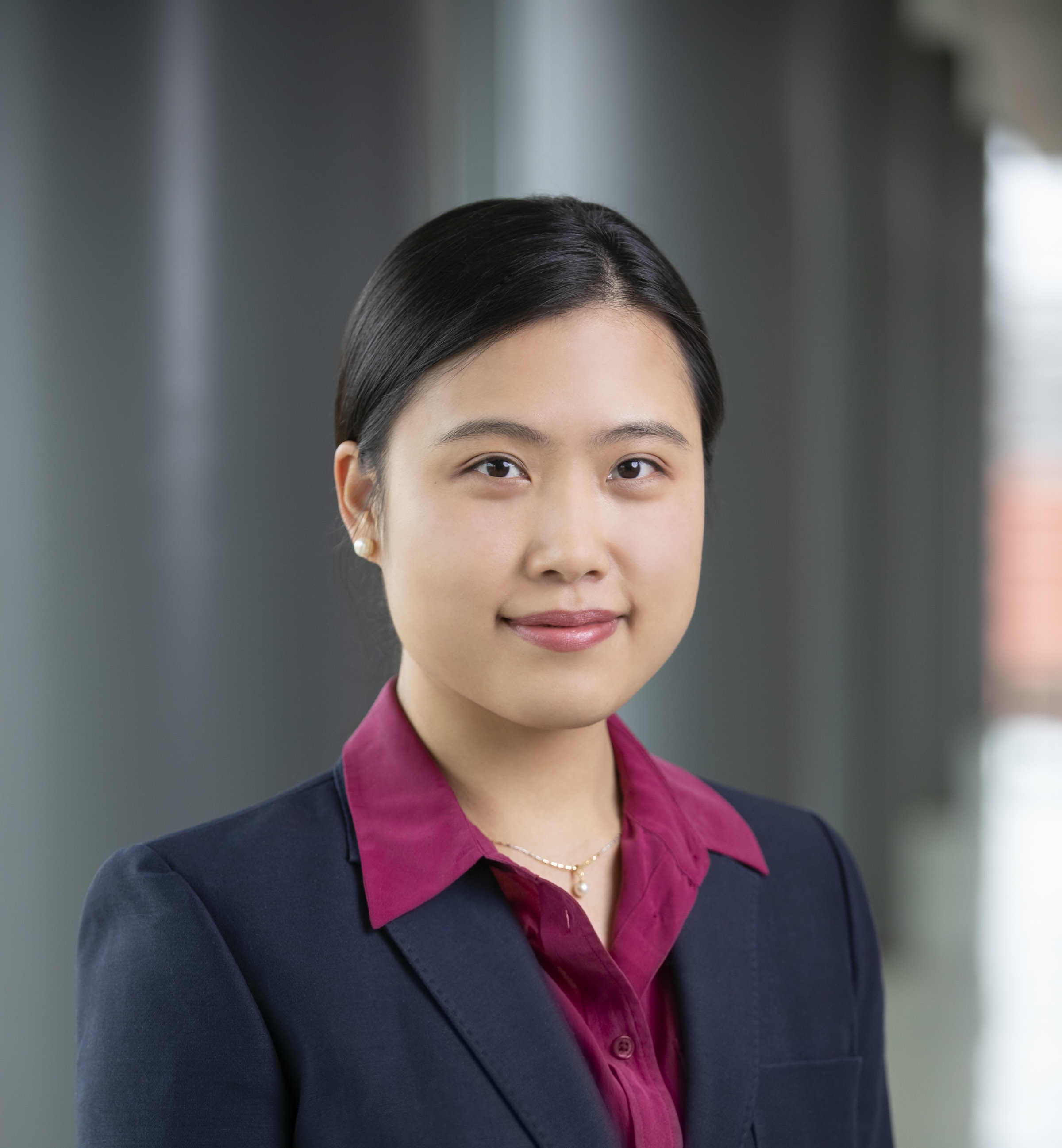
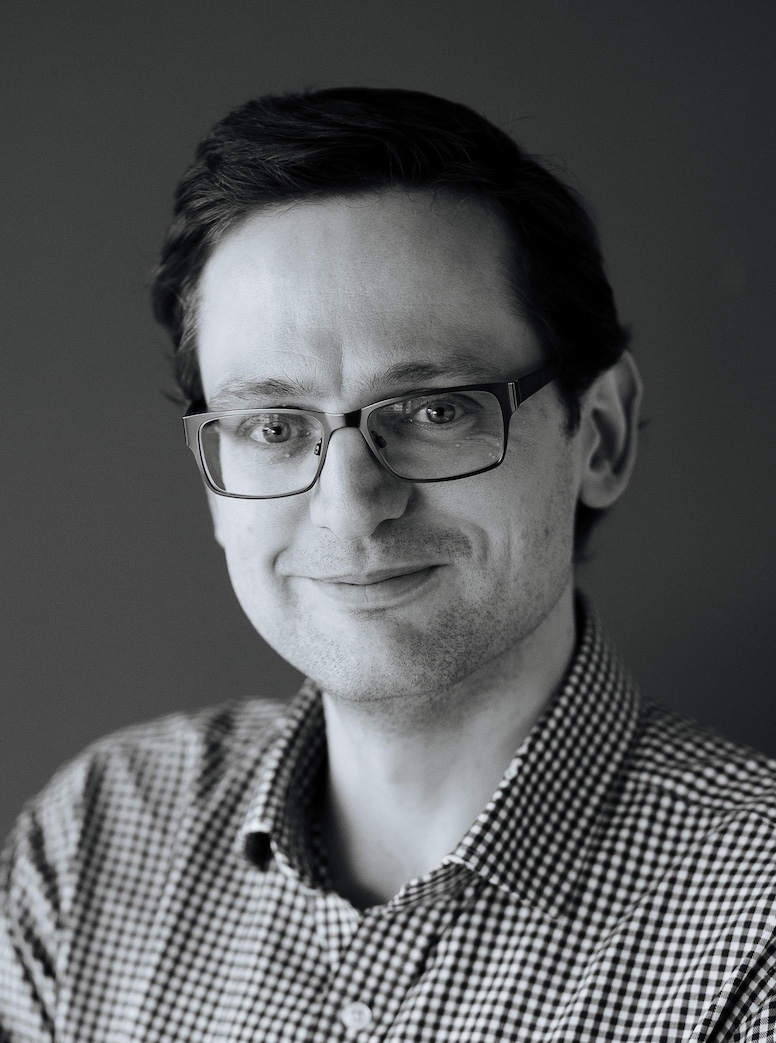
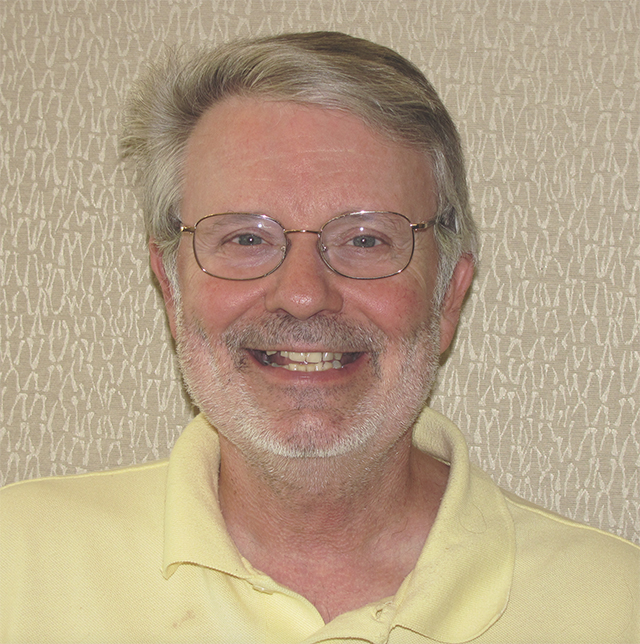
Svetlana Dubinkina is an Associate Professor in the Department of Mathematics at Vrije Universiteit Amsterdam, within the Faculty of Science. Her research focuses on data assimilation, numerical methods for fluid dynamics, climate modeling, and geophysical systems. She is affiliated with the NWO ENW Tafel Wiskunde as a board member from 2024 to 2027. Her work emphasizes energy-conserving formulations in two-fluid models for multiphase flows, ensemble-based data assimilation techniques, and parameter estimation in complex systems. Recent contributions include advancements in discretization stability for one-dimensional two-fluid models and shadowing-based methods for partially observed dynamical systems. Her research spans applications in climate science, such as Southern Ocean sea ice predictability and Antarctic sea ice variability, as well as foundational studies in ensemble transform filtering and particle methods for inverse problems. She has contributed to interdisciplinary projects like the PREDANTAR initiative and mid-Holocene climate reconstructions using data assimilation.
Job Beckers is an Associate Professor at Eindhoven University of Technology (TU/e) within the Elementary Processes in Gas Discharges group. His research focuses on particle-plasma interactions, including EUV-induced plasmas and dusty plasmas. He holds a MSc from TU/e (2007) and a PhD (cum laude, 2011) from TU/e, with postdoctoral work at Sydney University. He worked at XTREME Technologies (2011-2012) before joining TU/e as Assistant Professor, becoming Associate Professor thereafter. He received the NWO VIDI Grant in 2016. Education highlights include internships at CERN, San Diego State University, Philips Lighting, and Océ. His expertise spans plasma physics, EUV lithography, and applied physics. He leads projects like 'Plasmas and Sonic Transients' (2024-2029) and 'MEMS materials in EUV-induced plasma' (2021-2026). He teaches courses on plasma technology and astrophysics. Research interests emphasize fundamental plasma dynamics and applications, such as medical plasma filters for ostomy bags. He collaborates internationally and has published over 140 papers. His work aligns with UN SDGs through sustainable technology development. Awards include the 2016 NWO VIDI Grant. His lab focuses on plasma diagnostics, including microwave cavity resonance spectroscopy and quantum dot charge sensing. He has supervised numerous students and actively participates in conferences and academic leadership roles.
Zoi-Heleni Michalopoulou is Professor in Mathematical Sciences at New Jersey Institute of Technology, specializing in ocean acoustics and signal processing. Her research develops advanced algorithms for underwater signal detection, geoacoustic inversion, and ocean parameter estimation. Current projects include Navy-sponsored investigations into shallow water inversion using machine learning and optimization methods. Research integrates Gaussian processes, genetic algorithms, and Bayesian methods for solving inverse problems in uncertain ocean environments. Recent publications focus on multichannel signal detection in distorted underwater channels, direction-of-arrival estimation, and particle filter optimization. Maintains active collaborations with Navy research divisions. Publications demonstrate consistent methodological innovation in statistical signal processing, with applications to underwater sensor networks and acoustic characterization. Currently leads NSF-funded nanotechnology education initiatives.
Mikael P Backlund is an Assistant Professor of Chemistry at the University of Illinois . His research focuses on quantum sensing, single-molecule microscopy, and nanoparticle characterization , with applications in biophysics and nanotechnology. He leads projects on quantum optical techniques for super-resolution imaging and novel sensor designs using diamond-based materials. Key research areas include: Quantum limits in optical metrology 3D single-molecule orientation and localization Nanoparticle conformation dynamics Biological imaging at nanoscale resolutions Backlund has received prestigious awards including the Beckman Young Investigator Award (2023) and Kavli Frontiers of Science Fellowship (2024) . His work bridges quantum physics, optics, and materials science to advance next-generation imaging technologies. Recent research highlights include: Development of fractional Fourier domain quantum sensing frameworks Chiral conformer identification in atomically precise metal nanoparticles Quantum-limited resolution of spontaneous emission lifetimes Design of diamond-based spectrometers for NMR/ESR spectroscopy His lab explores foundational limits of optical measurements while creating practical tools for biological and materials research. Collaborations span quantum optics, nanotechnology, and biophysical imaging.
Dr. Alexandros Beskos is a Reader in the Department of Statistical Science at University College London (UCL). He holds a PhD in Statistics from Lancaster University (2006) and a B.Sc. in Statistics from Athens University of Economics and Business (2000). His research focuses on computational statistics, Bayesian methods, Monte Carlo algorithms, and stochastic differential equations. Beskos has led significant grants, including the Leverhulme Trust Prize (2015-2018) and EPSRC grants, and has supervised multiple PhD students and postdoctoral researchers. His academic career includes roles such as Senior Lecturer at UCL (2013-2015) and Lecturer at UCL (2008-2012). He has collaborated with institutions worldwide, including Imperial College London, National University of Singapore, and Harvard University. His work addresses high-dimensional inverse problems, sequential Monte Carlo methods, and applications in biostatistics and econometrics. Beskos has published extensively in top journals like Annals of Applied Probability and Journal of Computational Biology . He is a Fellow of the Royal Statistical Society and actively contributes to academic service, including editorial roles and conference organization. His teaching spans statistical methods, probability, and stochastic processes at both undergraduate and graduate levels.
Zhizhen Jane Zhao is an Associate Professor in the Department of Electrical and Computer Engineering at the University of Illinois at Urbana-Champaign, where she holds the William L. Everitt Faculty Fellow position. She is affiliated with the Coordinated Science Laboratory and the National Center for Supercomputing Applications, and serves as an affiliate faculty member in both the Department of Mathematics and the Department of Statistics. Dr. Zhao received her PhD in Physics from Princeton University in 2013, working with Amit Singer. She completed her bachelor's and master's degrees in Physics at Trinity College, Cambridge University, graduating in 2008. Prior to joining the University of Illinois in 2016, she was a Courant Instructor at the Courant Institute of Mathematical Sciences at New York University. Her research focuses on geometric data analysis, dimensionality reduction, mathematical signal processing, scientific computing, and machine learning, with applications to imaging sciences and inverse problems. Specific application areas include cryo-electron microscopy image processing, data-driven methods for dynamical systems, and uncertainty quantification. Her methodology bridges theoretical mathematics with practical applications in biomedical imaging and scientific computing. Analysis of Dr. Zhao's recent publications reveals a strong focus on machine learning approaches to imaging science problems, particularly in cryo-electron microscopy. She has developed innovative methods using geometric analysis, flow matching models, and multi-frequency approaches to solve inverse problems. Her research increasingly integrates physics-driven constraints with deep learning frameworks, creating more robust and interpretable models for scientific applications across biomedical imaging, climate science, and quantum computing. Dr. Zhao has received several notable honors including: William L. Everitt Faculty Fellow Dr. Zhao actively teaches courses ranging from foundational signal processing to advanced topics in machine learning and high-dimensional geometric data analysis. She has mentored numerous graduate students and postdocs working on problems at the intersection of mathematics, computer science, and domain-specific applications. Her research has been supported by various grants enabling interdisciplinary collaborations across engineering, mathematics, and computational sciences. She is an active member of the Coordinated Science Laboratory research community at UIUC, collaborating with researchers across disciplines on projects involving imaging science, machine learning, and computational methods. Her work often involves interdisciplinary teams combining expertise in mathematics, computer science, and domain-specific applications in biomedical imaging, climate science, and quantum physics.
Zhizhen Zhao is an Associate Professor in the Department of Electrical and Computer Engineering at the University of Illinois. He holds additional appointments as Associate Professor in the Coordinated Science Lab, Department of Statistics, and Department of Mathematics, and is an Affiliate at the Carl R. Woese Institute for Genomic Biology. He is also recognized as a William L. Everitt Faculty Fellow. His research encompasses machine learning, computational imaging, high-energy physics, climate modeling, cryo-electron microscopy, and quantum computing. He develops algorithms for complex data analysis, inverse problems, and interdisciplinary scientific applications. Recent publications (2023–2025) focus on generative AI, FAIR-compliant models for physics, climate prediction, and advanced imaging techniques. Key trends include deep learning for inverse problems, community detection in networks, and energy informatics. Scientific Awards: William L. Everitt Faculty Fellow He collaborates with the Coordinated Science Lab and the Carl R. Woese Institute for Genomic Biology, contributing to cross-disciplinary initiatives in AI, physics, and computational biology.
Dr. Robert Apsimon is a Senior Lecturer in Electronic Engineering at Lancaster University's School of Engineering. He previously conducted postgraduate research at CERN from 2012 to 2014 before joining Lancaster in 2014 as a Postdoctoral Research Associate (PDRA). His current affiliations include the RF Engineering of Accelerators at Lancaster (REAL) research group. He has held teaching positions at the LU/BJTU joint campus in Weihai, China since 2018. Robert earned his MPhys degree from Balliol College, University of Oxford in 2007, followed by a D.Phil. in feedback electronics at the same institution. His research interests focus on advanced RF engineering applications in particle accelerators and medical physics, including high-power RF systems, radiotherapy optimization, nonlinear beam dynamics, and broadband acceleration techniques. His projects span foundational and applied research: as Principal Investigator for CERN's AWAKE experiment (2020-2027), he explores proton-driven plasma wakefield acceleration. He leads the JLab-funded EIC project (2023-2027), mentors students in quantum engineering, and collaborates on the STELLA initiative (2024-2025) to develop high-reliability radiotherapy linear accelerators. Notable collaborations include STFC Impact Acceleration Account projects (2021-2022) and contributions to Cockcroft Phase 4 (2021-2025), enhancing accelerator technology for medical and scientific applications. Robert supervises 9 postgraduate research students, including Alexander Spelling. His work emphasizes practical solutions for accelerator design challenges, beam instability mitigation, and medical application advancements. No scientific awards are explicitly listed in the provided information.
Arthur M. de Jong is an Assistant Professor at Eindhoven University of Technology (TU/e), affiliated with the joint research group Molecular Biosensing for Medical Diagnostics, combining Applied Physics and Biomedical Engineering. He leads efforts in developing single-molecule biosensors for continuous patient monitoring in healthcare, food, and environmental applications. His work focuses on colloidal particle functionalization, non-fouling surfaces, and microfluidics integration. He holds an MSc in Chemical Engineering (1989) and a PhD in Catalysis (1994), with postdoctoral experience in surface science. He joined TU/e’s Applied Physics department in 2000 and later transitioned to biosensing in 2005. He is a core member of the Institute for Complex Molecular Systems, fostering interdisciplinary collaboration. His courses include Advanced Computational Skills, Optical Microscopy, and Experimental Physics. He contributes to UN Sustainable Development Goals via biosensor innovations for societal benefit. Education: MSc Chemical Engineering, TU/e (1989) PhD in Catalysis, TU/e (1994) Research Interests: Single-molecule biosensing technologies, colloidal particle engineering, antifouling surfaces, and integration of biosensors into clinical and industrial systems. His work bridges physics, chemistry, and biomedical engineering to enable real-time monitoring solutions. Projects: Leading the 'Real-time Biomolecular Sensing for Smart Food Industry' project (2021–2026), advancing biosensor applications in food safety and quality control. Labs/Teams: Molecular Biosensing Group and the Institute for Complex Molecular Systems at TU/e.
Max H. Bergkamp is a researcher at the Department of Applied Physics and Science Education at Eindhoven University of Technology, focusing on Molecular Biosensing . His work bridges physics and biomedical engineering to advance real-time biosensor technologies.
Paul Fieguth is a Professor and Associate Vice President - Academic Operations at the University of Waterloo. He holds affiliations with the Full-time Faculty, Faculty of Mathematics, and the Intelligent and Autonomous Systems research group. His work focuses on interdisciplinary areas including machine learning, computer vision, medical imaging, and deep learning techniques for solving complex engineering and biological problems. He has contributed to advancements in photoacoustic remote sensing, autonomous systems, and large-scale biodiversity datasets like BIOSCAN-5M. His research bridges theoretical foundations (e.g., pattern recognition, inverse problems) with practical applications in robotics, medical diagnostics, and environmental monitoring. Education details are not explicitly provided in the text, but his professional roles suggest advanced training in computer science and engineering disciplines. His research interests span a wide range, including but not limited to: pattern recognition algorithms, deep learning architectures, remote sensing technologies, and computational methods for medical imaging. Recent work emphasizes innovations in rail defect detection, 3D reconstruction, and biodiversity assessment through multimodal datasets. Publications from 2022–2025 highlight contributions to fields like neural network optimization, uncertainty quantification, and generative adversarial networks for medical applications. While no specific awards are listed, his prolific publication record reflects recognition in academic circles. Advising and grants sections remain underdeveloped in the provided information, though his leadership roles suggest involvement in institutional research initiatives. He is a key member of teams advancing technologies such as PARS imaging and autonomous systems at the University of Waterloo.
Jian Chen is a prolific academic researcher with affiliations across multiple institutions worldwide, primarily in China but also including international universities. The DBLP disambiguation page lists 47 distinct individuals with this name, working in various departments including Computer Science, Electrical Engineering, Telecommunications Engineering, and other technical fields at prestigious institutions such as Zhejiang University, Xidian University, Northeastern University, and Ohio State University. Research interests span a wide range of technical domains including artificial intelligence, machine learning, computer vision, network security, medical imaging, and electrical engineering. Recent publications indicate active research in deep learning applications, image processing, trajectory analysis, and biomedical informatics. The publication output is substantial, with numerous papers appearing in IEEE Access, Pattern Recognition, and other high-impact journals. The research trends show a strong focus on practical AI applications across multiple domains, with particular emphasis on medical imaging, network security, and intelligent control systems. Many publications involve collaborative work with researchers across different institutions, indicating an active research network. While specific awards are not listed in the provided DBLP information, the volume and quality of publications suggest recognition within the academic community. The research output demonstrates expertise in both theoretical development and practical implementation of computational methods. Jian Chen appears to be actively mentoring students, as evidenced by the numerous collaborative publications, though specific student names aren't detailed in the DBLP records. The research spans both fundamental algorithm development and applied problem-solving across various engineering and computer science domains.
Alessandro Mastrototaro holds a PhD in Applied and Computational Mathematics from KTH Royal Institute of Technology. His research focuses on advancing statistical learning methods, particularly sequential Monte Carlo (SMC) and variational inference techniques for state-space models. He currently teaches Regression Analysis (SF2930) at KTH, serving as course responsible and instructor. His work emphasizes online learning algorithms that enable real-time parameter estimation and particle proposal adaptation in dynamic data environments. Key contributions include the development of the Online Variational Sequential Monte Carlo algorithm and the ALVar estimator for adaptive variance estimation in particle filters. Publications span machine learning conferences (e.g., ICML) and journals like the Journal of the American Statistical Association, showcasing expertise in computational statistics and algorithmic innovation.
Dr. John G. Watson is a Research Professor in Atmospheric Sciences at the Desert Research Institute (DRI) in Reno, Nevada. He specializes in aerosol characterization, emission measurement technologies, and source apportionment. His research spans air quality studies, including real-world emissions testing in Canada’s oil sands, engine exhaust analysis in Hong Kong, and designing air quality networks in developing countries. Dr. Watson has collaborated internationally, notably as an Adjunct Professor at the Chinese Academy of Sciences’ Institute of Earth Environment in Xian, China. Education: PhD in Environmental Sciences (1979, Oregon Graduate Institute), M.S. in Physics (1974, University of Toledo), B.A. in Physics (1970, SUNY Brockport). Research focuses on carbonaceous materials, multipollutant emission technologies, and atmospheric aging effects. He has led over 120 air quality studies, including the Fresno Supersite and California Regional PM Study. His contributions include developing the EPA’s Chemical Mass Balance software and advancing PM monitoring guidelines. Dr. Watson has authored/co-authored 415+ peer-reviewed papers, 200+ book chapters, and 290+ technical reports, ranking him among the top 2% cited scientists globally in environmental science. Awards include ISIHighlyCited.com recognition and Stanford University’s Top 2% Cited Scientists (2021). He co-chaired the National Academy panel on China-U.S. urban air pollution challenges and authored critical reviews on visibility and air quality measurement advancements. Current projects include fugitive emission detection via microsensors, improving particulate measurement efficiency, and atmospheric contributions to stormwater runoff. He advises graduate students and postdocs, with notable international collaborations in China, India, Mexico, and beyond.
Behrooz Abbasi is an Associate Professor in the Department of Mining and Metallurgical Engineering at the University of Nevada, Reno (UNR), affiliated with the Mackay School of Earth Sciences and Engineering. His academic background includes a Ph.D. (2016) and M.S. (2011) from Southern Illinois University, and a B.S. (2008) from Tehran Polytechnic University. Education: Ph.D. Engineering Science, Southern Illinois University (2016) M.S. Mining Engineering, Southern Illinois University (2011) B.S. Mining Engineering, Tehran Polytechnic University (2008) Research Interests: Focus on geotechnical challenges in mining, including open-pit and underground mine stability, rock mass characterization via DFN modeling, blast design optimization, mine safety audits, and 3D geological modeling. His work addresses critical issues like slope failure mechanisms, seismic risk in underground mines, and numerical modeling of fault behaviors. Professional Experience: Prior to academia, Abbasi held roles as a scientist/engineer at Golder Associates (2015–2017), geotechnical engineer at CH2M HILL (2014–2015), and mining R&D at Itasca Consulting Group (2012–2013). Notable projects include slope stability assessments for Bingham Canyon Copper Mine and structural evaluations for Jansen Potash Mine. Teaching: Courses include World Mineral Economics, Mining and Sustainable Development, Production Engineering in Mines, and Advanced Ground Control. He integrates practical industry insights into curriculum design. Grants & Projects: His research has been applied to real-world challenges such as optimizing heap leach pad stability, developing UAV-based 3D modeling for open-pit slopes, and improving roof support systems in coal mines. Collaborations with industry partners like BHP Billiton and Kennecott Utah Copper highlight applied research focus. Labs & Teams: His research leverages advanced numerical tools (e.g., FLAC3D) and field data collection methods, often involving interdisciplinary teams in geomechanics and environmental engineering.