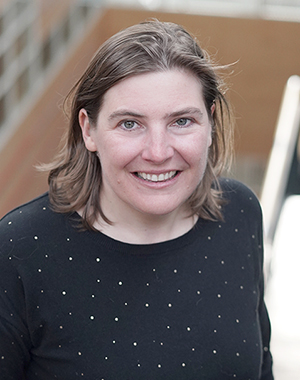
Stacey Lynn Coombes is an Assistant Professor in the Department of Obstetrics and Gynecology at Baylor College of Medicine, Houston, TX. She is affiliated with the Texas Children's Pavilion for Women, where she provides clinical services and contributes to academic medicine within a leading medical institution. Her academic and clinical work centers on obstetrics and gynecology, with inferred expertise in women's health, reproductive medicine, maternal-fetal care, and prenatal services. The department is part of a major academic medical center, suggesting strong integration of clinical practice, research, and medical education. No recent publications were listed in the provided text, so trends in scholarly output cannot be determined at this time. Scientific Awards: No awards mentioned in the provided text. There is no information available in the provided text regarding student advising, research grants, or mentorship activities. Given her faculty position, it is likely she participates in medical student or resident training within the obstetrics and gynecology program. Dr. Coombes is associated with clinical operations at the Texas Children's Pavilion for Women, located at 6651 Main Street, Suite F320, Houston, TX, indicating her involvement in a major women’s health care and academic clinical team.
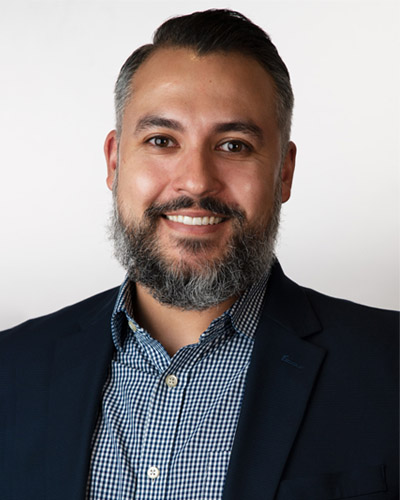
Jesús A. Romo is an Assistant Professor in the Department of Molecular Microbiology and Immunology at The University of Texas at San Antonio (UTSA), part of the College of Sciences. He conducts research at the South Texas Center for Emerging Infectious Diseases (STCEID), focusing on complex microbial interactions in the gastrointestinal tract. His research interests include: Host-fungal-bacterial interactions Trans-kingdom microbial dynamics Clostridioides difficile infections Gut microbiome modulation Medical mycology and fungal colonization Microbial biofilm formation Dr. Romo's work integrates molecular microbiology and immunology to understand how fungal and bacterial communities interact with each other and the host during infection. His lab investigates the role of fungal colonizers in modulating bacterial pathogenesis, particularly in gastrointestinal disease contexts. No recent publications were listed in the provided text, so article trends cannot be assessed at this time. There are no scientific awards mentioned in the available information. Dr. Romo advises students through his research lab at UTSA, though specific names of advisees are not provided. There is no mention of external grants or funding sources in the provided materials. He maintains an active research presence through his lab website and MyNCBI profile, contributing to the broader mission of the College of Sciences at UTSA, which emphasizes cutting-edge research and scientific impact. The Romo Lab is integrated within the South Texas Center for Emerging Infectious Diseases, a research hub focused on understanding and combating emerging pathogens through interdisciplinary collaboration and advanced molecular techniques.
Olivier Bournez is a Professor of Computer Science at École Polytechnique, part of Institut Polytechnique de Paris (IP Paris), where he is affiliated with the Department of Computer Science (DIX) and the Computer Science Laboratory (LIX), a joint CNRS unit (UMR 7161). He previously served as Director of LIX from 2010 to 2015 and currently holds key leadership roles including Vice-head of the Computer Science, Data and Artificial Intelligence department at IP Paris, Head of the 'Proofs and Algorithms' pole, and Head of the 'Algorithms and Complexity' team at LIX. His research focuses on the theoretical foundations of computation, particularly continuous-time models such as analog computing and dynamical systems, computational complexity over real numbers, distributed computing models like population protocols, and the interplay between differential equations and computation. He explores the limits of computability and complexity in both discrete and continuous domains, with applications in verification, rewriting systems, and chemical computation models. The recent publications reflect a strong trend in characterizing computability and complexity using discrete and continuous ordinary differential equations, with significant contributions to the understanding of polynomial-time computation over real numbers and the Turing completeness of chemical reaction networks. His work bridges theoretical computer science, mathematics, and biological computation, often yielding foundational insights with broad implications. MFCS'2023 Best Paper Award (coauthored with Manon Blanc) MCU'2022 Student Best Paper Award (Manon Blanc) ICALP'2016 Best Paper Award (Track B) CIE'2016 Best Paper Award CMSB'2017 Best Paper Award Ackermann Award 2017 (Amaury Pouly, PhD co-supervised) Bournez has advised several successful students, including Amaury Pouly and Manon Blanc, and has secured research funding, notably the ANR project ∂IFFERENCE. He is actively involved in the academic community, managing the Computability in Europe (CIE) association membership and serving on the editorial board of the journal Computability . His work includes educational outreach through articles in La Recherche , Le Monde 's blog 'Binaire', and the co-authorship of a French computer science textbook. He leads the 'Algorithms and Complexity' research team at LIX and is central to the 'Proofs and Algorithms' pole, fostering collaborative research in foundational computer science.
Dr. Wim Korevaar serves as a part-time university researcher at the Signal Processing Systems (SPS) Group of Eindhoven University of Technology (TU/e), while concurrently working as a Senior Telecommunications System Engineer at TNO (Dutch Applied Research Institute) in Delft since April 2019. At TNO, he designs optical and quantum satellite communication systems for ground-to-satellite and satellite-to-satellite links, contributing to standardization efforts at CCSDS and ESA. He earned his PhD, cum laude, from Eindhoven University of Technology for pioneering work on Hermite-based multi-user communication schemes as an alternative to Fourier-based systems. During his doctoral studies, he founded two companies subsequently acquired in 2007 and 2019. Dr. Korevaar's research centers on optical satellite communications, quantum communications, and signal processing for telecommunications, with specific expertise in end-to-end system performance analysis, modem design, and signal processing techniques for space-based systems. His work actively bridges academic research and industrial applications through collaborations between universities, research institutes, and private sector partners. Analysis of his 2022-2024 publications reveals a concentrated focus on advancing space communication technologies, particularly in channel modeling under atmospheric turbulence, latency-constrained fading mitigation, end-to-end performance of coherent optical feeder links, and high-speed channel coding architectures. These contributions target robust high-capacity systems for next-generation satellite networks with dual-use government and commercial applications. He currently participates in the LaiQa project (2024-2026) advancing quantum key distribution space components, and maintains active engagement with students on groundbreaking communication system innovations despite no formal advisee listings.
Annukka Jyrämä is Professor of Cultural Management at Estonian Academy of Music and Theatre (EAMT) since 2012 (0.75 part-time) and Senior Advisor at Aalto University. She holds a Ph.D. in Marketing from Helsinki School of Economics (1999) and a Master's in International Business (1991). Her research integrates cultural management, arts marketing, and organizational studies. Research Focus: Jyrämä's work explores co-creation dynamics, cultural policy frameworks, technology adoption in arts management, and organizational identity. Recent projects examine mentorship models and cultural joint ventures. Her research consistently addresses inclusivity and sustainability in creative ecosystems. Publications: Recent articles emphasize participatory cultural practices, policy capacity-building, and digital transformation in arts management, reflecting interdisciplinary approaches across 63+ publications. Awards: Best Paper Award, AIMAC 2015 (Management) Supervision & Projects: Mentored 47+ graduate students and 2 postdocs. Leads EU-funded projects like 'Reinventing Mentoring in Arts Management' (€319,999) and 'Inclusive Wellbeing Through Arts in Baltics'. Current work includes orchestra identity studies and EU Erasmus collaborations.
Brigitta Stockinger is a distinguished Professor at the Francis Crick Institute, leading research in the Division of Molecular Immunology. With a career spanning over three decades, she has established herself as a leading authority in immunology, particularly in the study of T cell biology and the aryl hydrocarbon receptor (AHR) pathway. PhD in Biology from the University of Mainz Postdoctoral training in London, Cambridge, and Heidelberg Member of the Basel Institute for Immunology (1985-1991) Group leader at MRC National Institute for Medical Research (1991-present, now part of Francis Crick Institute) Head of Division of Molecular Immunology (2010-present) Professor Stockinger's research has evolved from studying immune tolerance using T cell receptor transgenic mouse models to pioneering work on immunological memory with CD4 memory T cells. Her lab made seminal discoveries regarding Th17 cell differentiation factors, which led to groundbreaking research on the aryl hydrocarbon receptor (AHR) as an environmental sensor in the immune system. Her work spans fundamental immunology, infection responses, inflammation, and the intersection of environmental factors with immune regulation. Analysis of her extensive publication record (over 65 Crick publications) reveals a strong focus on Immunology (38 publications), followed by Model Organisms (12), Genetics & Genomics (10), and Tumour Biology (9). Her most influential work appears in top journals including Nature (5 papers), Nature Immunology (6 papers), and Immunity (6 papers), demonstrating the high impact of her research on understanding T cell plasticity, AHR signaling, and mucosal immunity. Fellow of the Academy of Medical Sciences (2005) EMBO fellow (2008) Fellow of the Royal Society (2013) ERC Advanced Investigator grant (2009) Wellcome Senior Investigator Grant (2013) CRUK grant (2015) Wellcome Investigator Grant (2018) Professor Stockinger's laboratory investigates how environmental factors influence immune responses through the AHR pathway, with particular emphasis on intestinal immunity, inflammation, and host-microbe interactions. Her work has significant implications for understanding inflammatory bowel diseases, infection responses, and the role of dietary components in immune regulation. She has established numerous collaborations across the Francis Crick Institute and maintains active research programs examining AHR's role in both innate and adaptive immunity.
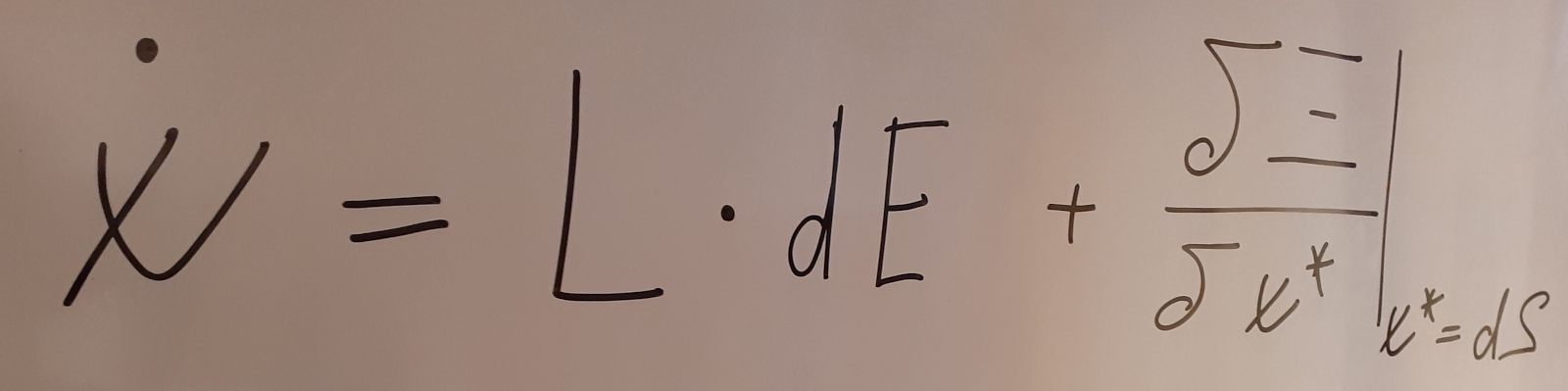
Michal Pavelka is an Associate Professor at the Division of Mathematical Modeling, Mathematical Institute, Faculty of Mathematics and Physics, Charles University, Prague, Czech Republic. His career spans roles from Postdoc (part time) at the Institute of Chemical Technology to positions at École Polytechnique de Montréal and New Technologies Research Centre. He earned his Ph.D. in 2015 and M.Sc. in 2012 at Charles University under František Maršík. Michal Pavelka's research integrates Non-equilibrium Thermodynamics , Geometric Mechanics , and Machine Learning . His work bridges advanced mathematical frameworks like GENERIC and Extended Irreversible Thermodynamics with practical applications in electrochemical systems (fuel cells, batteries) and quantum fluids . Notably, he has contributed to Smoothed Particle Hydrodynamics and Hamiltonian mechanics in complex systems. His recent publications focus on Multiscale Thermodynamics , Superfluid Modeling , and Machine Learning in Physics . Scientific awards include the Best paper award, Entropy (2021) and Czech Grant Agency President's award (2020). He has secured significant grants, including a €363k Czech Grant Agency award (2023–2025) for geometric multiscale thermodynamics of complex fluids. Scientific Awards: Best paper award, Entropy (2021) Czech Grant Agency President's award (2020) High quality monographs of Charles University competition (1st-3rd place, 2020) Current Projects: He leads research on geometric multiscale thermodynamics and co-supervises projects on zinc-air batteries and solid oxide fuel cells. His lab develops the SmoothedParticles.jl Julia package for fluid dynamics simulations.
Assoc. Prof. Dr. Fatih Buğra Erdem is an Associate Professor at the Department of Commercial Law within the School of Law at Ankara Social Sciences University (since 2021), holding a full-time position. He also serves as a part-time faculty at Freie Universitaet Berlin 's Law School (Department of Competition Law) since 2021. Education: LL.B. in Law from Atılım University (2010-2015) LL.M. in Commercial Law from Birkbeck College, University of London (2023) Ph.D. in Commercial Law from Brunel University London (2018-2021) Postdoctoral Research at Trinity College Dublin 's Law Faculty (2024) Research Interests focus on Competition Law , Corporate Law , and Intellectual Property Law , with a particular emphasis on intersections between legal theory and practical applications in maritime contracts , corporate governance , and digital economies . Publication Trends include analyses of force majeure in maritime contracts , business judgment rules , and comparative advertising regulations , reflecting his expertise in EU competition law and innovation policy . Recent works explore blockchain technology's legal implications and cross-border consumer protection mechanisms. Advising includes supervising graduate theses on topics like crowdfunding in Turkey , social media trademark violations , and blockchain in data protection , with students such as Firuze Nazlıcan Göktolga and Kübra Nur Buyur .
Mira Aaboen Sletten is a Researcher II at the Youth Research section of NOVA, the Welfare Research Institute affiliated with Oslo Metropolitan University. Based in Oslo at Stensberggata 26, she conducts research on youth-related topics with a focus on educational outcomes, mental health, and living conditions of young people. Her work bridges academic research with practical applications in youth services and educational policy. Dr. Sletten holds a PhD in Sociology. Her doctoral thesis examined the importance of participation and inclusion among peers during adolescence, establishing the foundation for her ongoing research on youth development and social dynamics. Her research primarily centers on dropout and completion in upper secondary education, trends in youth mental health, and living conditions from a youth perspective. She examines how social inclusion, peer relationships, and educational interventions affect young people's trajectories. A significant portion of her work addresses gender differences in educational outcomes and mental health, with particular attention to vulnerable youth populations and the social determinants that influence their development. Her methodology spans both quantitative and qualitative approaches to understand complex youth issues. Analysis of Dr. Sletten's recent publications reveals a consistent focus on youth development, educational outcomes, and social inequality. Her work examines school dropout prevention, mental health trends, leisure activities, and social inclusion across multiple contexts. A notable pattern is her examination of gender differences in educational and psychological outcomes, with recurring themes of vulnerability, resilience, and the impact of social policies on youth development. While no specific scientific awards are documented in the available information, her extensive publication record in reputable journals and her leadership in numerous research projects indicate significant recognition within her academic field. Her work appears in journals such as Nordic Studies in Education, Scandinavian Journal of Educational Research, and Tidsskrift for Den norske legeforening. Dr. Sletten is actively engaged in multiple research projects including 'GameChanger' which examines school-supplementary measures for at-risk youth, 'A boost for leisure clubs' initiative starting in 2025, and follow-up research on living conditions in Bergen Municipality. She has contributed to evaluations of 'Guttas Campus' and 'Idrett for alle i Oslo' (Sports for all in Oslo). Her research is supported by various grants that fund these projects, though specific grant amounts are not detailed in the available information. Dr. Sletten works within the Youth Research section at NOVA, collaborating with researchers such as Anders Bakken, Anne Grete Tøge, and Ira Malmberg-Heimonen. She is part of research teams focused on educational outcomes, youth mental health, and social inclusion. Her collaborative work extends to partnerships with institutions including the Norwegian School of Sport Sciences and various municipal entities involved in youth services across Norway.
Julie Casoli Uvsløkk is a PhD candidate in English and Foreign Language Didactics affiliated with the Linking Instruction and Student Experiences (LISE) project at the University of Oslo since 2020. Previously, she worked as a part-time lecturer (PPU) in English didactics and foreign language didactics, with a focus on French subject didactics. Her career includes roles as a publishing editor for foreign languages at Aschehoug Education (2018–2020) and secondary school teacher in Oslo (2010–2018). Education: Master's Degree in Foreign Languages in School (French), Østfold University College (2018) Practical-Pedagogical Education (PPU), English and French Didactics, University of Oslo (2010) Bachelor's Degree in English Language, Literature and Culture with French minor, Université Nancy 2 (2005) Her research focuses on intercultural competence in language education, particularly in English and French classrooms. She investigates pedagogical strategies for integrating intercultural competence into teaching practices and curriculum design, emphasizing classroom research and subject didactics. The two recent articles highlight her expertise in intercultural competence , language instruction , and longitudinal classroom studies , with methodologies ranging from comparative analyses to video-based observations.
Marie-Christine Düker is an Assistant Professor in the Department of Statistics and Data Science at Friedrich-Alexander University (Germany). Her research focuses on high-dimensional statistics, time series analysis, functional data analysis, and extreme value theory with applications in economics, psychology, chemistry, and ecology. Previously, she was a postdoctoral associate at Cornell University's Department of Statistics and Data Science under David Matteson. She earned her PhD in Mathematics from Ruhr-University Bochum under Herold Dehling and spent part of her doctoral studies at the University of North Carolina at Chapel Hill with Vladas Pipiras. Current Position: Assistant Professor, Department of Statistics and Data Science, Friedrich-Alexander University Previous Academic Affiliation: Postdoctoral Associate, Cornell University Education: PhD in Mathematics, Ruhr-University Bochum; Part-time research at University of North Carolina Research Interests: Her work spans high-dimensional time series under long-range dependence and nonstationarity, discrete data modeling, nonlinear dynamics, dimension reduction, and change-point analysis. Applications include econometrics, neuroscience, chemical data analysis, and ecological forecasting. Recent Publications: Her 2025-2024 work covers Hilbert space-valued linear processes, kernel estimation for nonlinear dynamics, confidence interval approximations, and latent Gaussian count time series. Earlier papers address simultaneous diagonalization, long-run variance matrices, and transition rate estimation challenges. Contact: marie.dueker@fau.de
Joel George is an Associate Professor in the Department of Aerospace Engineering at the Indian Institute of Technology Madras (IIT Madras), where he conducts advanced research in aerospace vehicle dynamics, navigation, and control systems. His work spans theoretical studies, experimental validation, and practical applications in both atmospheric flight and space exploration domains. Dr. George's research focuses on several critical areas of aerospace engineering: Hybrid rocket propulsion systems and thrust control mechanisms Spacecraft landing technologies, including soft landing applications Orbital mechanics, particularly periodic orbits around asteroids Unmanned aerial vehicle (UAV) applications for microgravity experiments Propeller modeling for small UAV systems Geophysical flows research as part of IIT Madras's Centre of Excellence His recent publications demonstrate a strong trend toward innovative propulsion systems with practical space applications. Dr. George's work on hybrid rocket motors shows particular promise for safer vertical takeoff and landing systems both in space exploration and terrestrial aviation. His research on UAV-based microgravity platforms offers cost-effective alternatives to traditional space-based microgravity research methods. As a dedicated mentor, Dr. George supervises several PhD students including Anandu Bhadran (hybrid rocket motors), Rishi (asteroid orbital dynamics), and Siddhardha (UAV microgravity platforms). His collaborative work extends to partnerships with Prof. Ramakrishna and other researchers at IIT Madras. Within the Geophysical Flows Lab, a Centre of Excellence at IIT Madras, Dr. George contributes his expertise in UAV design, automation, and environmental monitoring. The lab employs a unified approach combining field measurements, climate modeling, and laboratory studies to advance understanding of air-sea interactions in the northern Indian Ocean, with applications to weather prediction and climate science.
Lei Zhang is an Assistant Professor in the Department of Sociology at the University of Colorado - Colorado Springs, part of the College of Letters, Arts & Sciences. He specializes in quantitative methodology and social network analysis, with expertise in statistical modeling, causal analysis, and data mining. Position: Assistant Professor, Department of Sociology Institution: University of Colorado - Colorado Springs School: College of Letters, Arts & Sciences Contact: (719) 255-4125 | lzhang4@uccs.edu | ACAD 428 Dr. Zhang's research interests span multiple areas including social network analysis, personal and organizational social capital, social inequality and mobility, labor market dynamics in emerging economies, entrepreneurship, mental health, and Chinese and East Asian societies. He is proficient in multiple statistical software packages including Stata, SPSS, SAS, R, Mplus, LISREL, EQS, and UCINET. His recent research focuses on two main areas: the causal effects of guanxi-based corporate social capital on business performance in China, and intergenerational social mobility in the United States. Dr. Zhang's educational background includes a Ph.D. in Sociology from the University of Minnesota (2016), an M.Phil. in Social Science from Hong Kong University of Science & Technology (2007), and both M.A. and dual B.A./B.S. degrees from Peking University in China (2005 and 2002 respectively). His scholarly publications demonstrate expertise across sociology, Chinese studies, social network analysis, and sports sociology. His work spans topics from Chinese social capital and guanxi networks to Olympic sports performance analysis and mental health during the pandemic. Dr. Zhang teaches both graduate and undergraduate courses in statistics and research methods, and shares his methodological expertise through online teaching resources including YouTube videos on SPSS and Stata for social statistics.
Bert Wouters is an Associate Professor at Utrecht University's Faculty of Science, affiliated with the Department of Dynamics Meteorology. He specializes in satellite-based observations of polar ice sheets and climate dynamics, with a part-time appointment since joining the Institute for Marine and Atmospheric Research (IMAU) in 2015. His work focuses on global glacier mass loss, ice-sheet interactions with climate change, and sea-level rise contributions. Research interests span glaciology, satellite geodesy, and climate modeling. Key themes include: Quantifying ice-sheet mass balance using GRACE/GRACE-FO and ICESat-2 data Analyzing surface melt processes on Antarctic ice shelves Assessing impacts of Arctic warming on glacier dynamics Developing machine learning methods for remote sensing of cryospheric changes Publications emphasize Antarctic and Greenland ice-sheet vulnerabilities, with recurring themes of satellite validation, meltwater hydrology, and decadal climate variability. Research consistently integrates field data, climate models, and novel remote sensing techniques. Wouters leads projects like Future Deltas (water/climate interactions) and Eratosthenes (glacier topography via shadow motion analysis). He collaborates with international teams on IPCC-relevant assessments and edits for The Cryosphere .
Professor Malcolm John Perry is affiliated with the Department of Applied Mathematics and Theoretical Physics (DAMTP) at the University of Cambridge , where he has held the position of Professor of Theoretical Physics since 2007. His work is centered in the Relativity and Gravitation research group within the Faculty of Mathematics . Email: mjp1@cam.ac.uk Location: Room B1.26, Centre for Mathematical Sciences Research Group: High Energy Physics, Relativity & Gravitation Perry’s research spans key areas of theoretical physics, including quantum gravity , black hole thermodynamics , supersymmetry , and string theory . His work on soft hair and supertranslation charges has advanced understanding of black hole entropy and the information paradox. Recent publications explore Chern-Simons theory on black hole horizons and dual gravitational charges . His publications (2012–2025) reveal a focus on quantum aspects of gravity , cosmological models , and mathematical structures in high-energy physics. Collaborations with prominent physicists like Stephen Hawking and Andrew Strominger highlight his role in foundational studies of gravitational theories and quantum field theory. Perry is part of the DAMTP group that operates the COSMOS supercomputer , a critical resource for theoretical cosmology and gravitational wave research. His work intersects with the Stephen Hawking Centre for Theoretical Cosmology (CTC) , supporting conferences and collaborative research in cosmology and black holes.