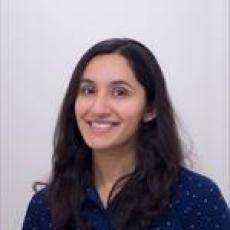
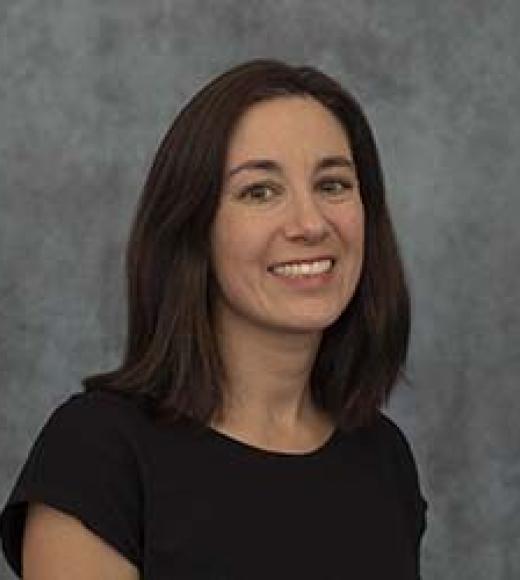
Dr. Chaitali Anand is a Research Fellow at the Institute for Neurodegenerative Diseases within UCSF's School of Medicine, specializing in translational neuroscience. Her work investigates neurodegenerative mechanisms using advanced neuroimaging and computational approaches. Education: PhD in Translational Neuroscience, Wayne State University (2020) Her research focuses on cellular vulnerability in Alzheimer's disease, tauopathy propagation mechanisms, and connectome-based modeling of neurodegeneration. She employs multi-modal neuroimaging and biophysical modeling to quantify pathological progression. Recent publications demonstrate consistent focus on Alzheimer's biomarkers, microglial interactions, and white matter microstructure. Work shows progression from empirical neuroimaging studies toward computational disease modeling frameworks. Awards: NIH F31 Predoctoral Fellowship (NIA, 2017-2019) Dr. Anand contributes to the Condello Lab's investigations into proteinopathy spread mechanisms and maintains active collaborations through UCSF's neurodegenerative disease research network.
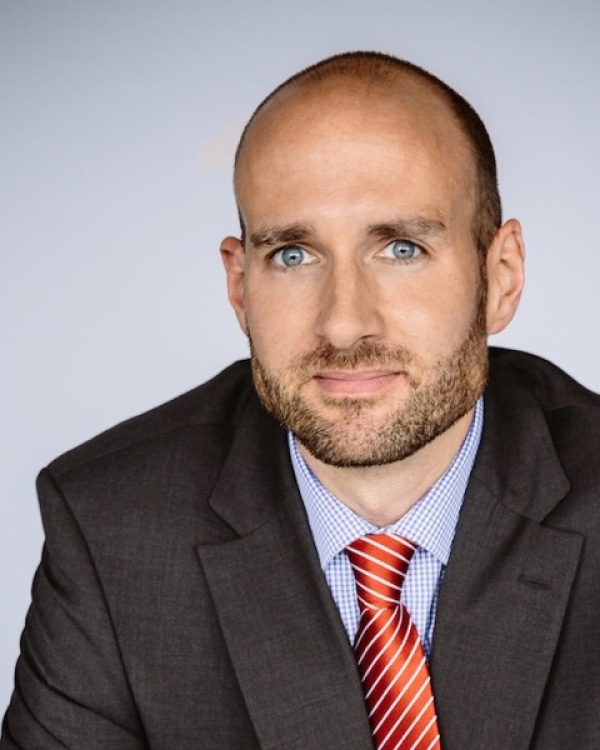
Prof. Dr. Ing. Andreas Kempf is a Professor of Fluid Dynamics at the University Duisburg-Essen, leading the Department of Fluid Dynamics. His research focuses on Large-Eddy Simulation (LES) of turbulent reactive flows, nanoparticle synthesis, and combustion engine dynamics. He holds editorial roles in journals like Proceedings of the Combustion Institute and Flow, Turbulence and Combustion . His academic career includes roles at Imperial College London (2005–2011) and a PhD from TU Darmstadt (1999–2004). Kempf’s work emphasizes LES development, particularly in combustion and multiphase systems. His recent publications highlight advancements in scalar transport modeling, detonation confinement, and coal/ammonia co-combustion. Research collaborations involve institutions like TU Darmstadt and CER.UDE. He directs the Lehrstuhl für Fluiddynamik and contributes to the Center for Computational Sciences and Simulation (CCSS). Education: Diploma in Mechanical Engineering (TU Darmstadt, 1999), PhD in Engineering (TU Darmstadt, 2004). Research interests span LES methodology, nanoparticle synthesis via spray flames (SpraySyn), and computational diagnostics like chemiluminescence tomography. His lab addresses industrial challenges in combustion efficiency and emissions reduction, supported by grants and interdisciplinary networks.
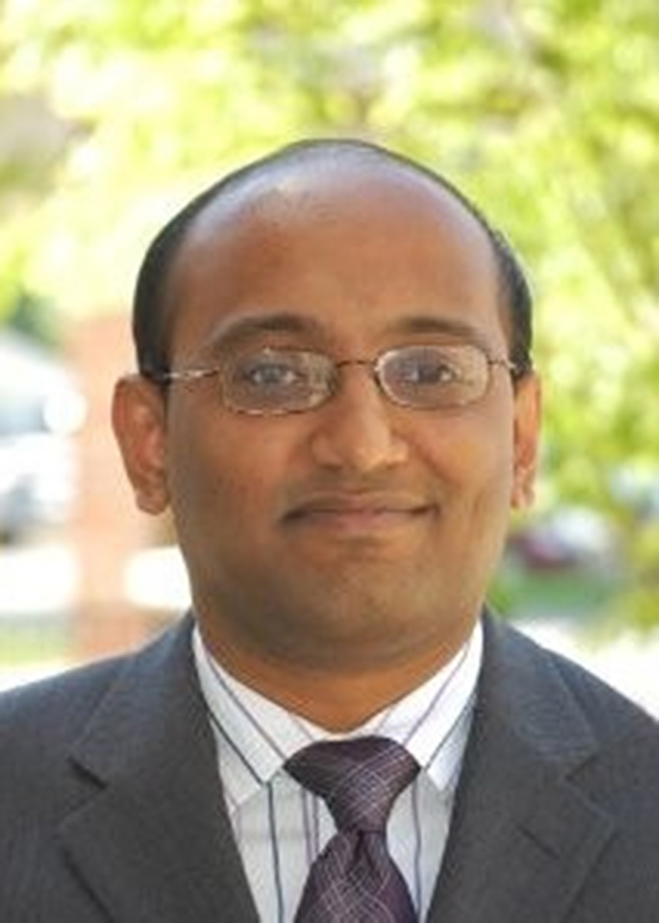
Dr. Oscar De Silva is an Assistant Professor in the Department of Mechanical Engineering at Memorial University of Newfoundland. He holds a B.Sc. from the University of Moratuwa, Sri Lanka, and a PhD from Memorial University. His expertise spans instrumentation, controls, mechatronics, and robotics, with a focus on sensor design, state estimation, and navigation systems. Dr. De Silva's research interests include state estimation, control systems, nonlinear dynamics, navigation systems, sensor design, localization, mapping, and intelligent prosthetics. He has contributed to projects such as ice detection systems for marine safety and computer vision for robotics applications. Before his current role, he worked as a research fellow at the American Bureau of Shipping-Harsh Environment Technology Centre and taught at Memorial University as a sessional instructor. His work emphasizes practical applications in autonomous systems, industrial inspection, and environmental monitoring. Notable achievements include the IMechE UK Award for Outstanding Achievement and a Gold Medal in Mechanical Engineering. His research trends focus on integrating AI, LiDAR, and radar technologies for navigation and safety systems in robotics and marine environments. Awards: IMechE UK Award for Outstanding Achievement Gold Medal in Mechanical Engineering (University of Moratuwa) Fellow of Graduate Studies (Memorial University) Advising and Grants: While no specific student names are listed, his role as an Assistant Professor involves academic supervision. His grants and collaborations likely align with his research in robotics and sensor systems, though specific details are not provided here. Labs: He is associated with the Intelligent Systems Lab at Memorial University and previously contributed to the ABS HETC. His work often involves multidisciplinary teams focused on real-world engineering challenges.
Avinash Unnikrishnan is a Professor and Chair in the Department of Civil, Construction, and Environmental Engineering at the University of Alabama at Birmingham (UAB). He holds a B.Tech. from the Indian Institute of Technology Madras, an M.S. from Vanderbilt University, and a Ph.D. from the University of Texas, all in civil engineering fields. His research focuses on optimizing urban mobility networks, resilient infrastructure systems, and the intersection of transportation with public health and pedagogy. He has contributed to studies on EV charging equity, disaster-related pathogen assessments, and drone-integrated logistics systems. Unnikrishnan's work spans transportation policy, infrastructure resilience under extreme events, and sustainable urban systems. His recent research includes analyses of post-pandemic shopping behavior in New Delhi, risk-based asset management for bridges, and the impact of truck platooning on bridge loading. He has also explored the implications of home deliveries during and post-COVID-19 lockdowns, emphasizing equity and environmental justice. He has advised several research projects funded by state and federal agencies, including studies on speed zoning methodologies, freight flow prediction using weigh-in-motion data, and motor carrier safety in Oregon. His expertise in interdisciplinary methods has led to innovations in transportation modeling, logistics optimization, and infrastructure durability assessment. Labs/Teams: While specific lab names aren’t mentioned, his research involves collaborations with state transportation departments (e.g., ODOT) and interdisciplinary teams focusing on urban systems, environmental health, and infrastructure resilience.
Andrew Reid is an Assistant Professor in the Department of Cognitive Neuropsychology at Tilburg University, Netherlands. His research focuses on developing novel neuroimaging methods to study neural correlates of cognition in healthy and degenerating brains. He specializes in multimodal datasets including EEG, fMRI, DWI, and pupillometry. Education: PhD in Psychology (Connectivity and morphology of the primate brain), Heinrich Heine University (2010) Master’s Degree in Psychology (Memorial University of Newfoundland, 2006) Bachelor’s Degree in Psychology (Memorial University of Newfoundland, 2003) Research Interests: Cognitive neuroscience of aging and neurodegeneration Functional and structural connectivity analysis White matter integrity and diffusion-weighted imaging Neural mechanisms of decision-making and attention Educational neuroscience and authentic assessment strategies Publications Overview: His work spans topics such as parahippocampal phase resetting in navigation, tract-specific diffusion-weighted statistics, and white matter hyperintensities in small vessel disease. He has contributed to advancing causal inference in functional connectivity analysis and integrating neuroimaging methods with educational pedagogy. Labs & Collaboration: He leads the Reid Lab (reid-lab.org), focusing on neuroimaging methodologies and aging-related cognitive decline. Collaborations include studies on Alzheimer’s disease, small vessel disease, and neuroimaging meta-analysis initiatives like ANIMA.
Professor Dani S. Bassett is the J. Peter Skirkanich Professor at the University of Pennsylvania's School of Engineering and Applied Science, holding primary and secondary appointments across multiple departments including Bioengineering, Physics & Astronomy, Neurology, and Psychology. She leads the Complex Systems Lab, focusing on network science applied to brain systems and physical materials. Education: B.S. in Physics (Penn State, 2004); Ph.D. in Physics (University of Cambridge, 2009) as a Churchill Scholar and NIH Health Sciences Scholar. Postdoctoral work at UC Santa Barbara and Sage Center for the Study of the Mind. Research integrates network theory, statistical mechanics, and applied mathematics to study brain networks and granular materials. Key areas include neuroplasticity, cognitive dynamics, disease mechanisms (Alzheimer's, schizophrenia), and network control theory. Her work bridges physical systems (e.g., granular matter dynamics) and biological systems (e.g., brain connectivity development). Awarded over 300 publications (33,000+ citations), major honors include the MacArthur 'Genius' Fellowship and Sloan Research Fellowship. Supported by NSF, NIH, DoD, and private foundations. Co-authored Curious Minds (MIT Press, 2022) exploring curiosity through network science and philosophy. Labs/Teams: Complex Systems Lab at UPenn, collaborating with interdisciplinary researchers. Current projects investigate dynamic network properties in brain disorders, developmental connectivity, and network-based interventions.
Dr. Gonçalo Correia is an Associate Professor at the Department of Transport & Planning, Faculty of Civil Engineering and Geosciences at Delft University of Technology, Netherlands. He holds a PhD in Transportation Systems from IST Lisbon, Portugal, and previously served as an Assistant Professor at the University of Coimbra. His research focuses on urban transport systems, particularly Transport Demand Management strategies, ridesharing, carsharing, and automated vehicles to address congestion and sustainability challenges. He employs operations research, data-driven AI, and behavioral modeling in his work. At TU Delft, he co-directs the hEAT lab, focusing on electric and automated transport. He has authored over 60 scientific publications, including contributions to prestigious journals like Transportation Research Parts A-F. As an editor-in-chief and associate editor for multiple journals, he actively contributes to academic discourse. His teaching spans operations research, transport modeling, and planning across multiple institutions. He advises companies and governments on mobility innovations and has supervised 7 PhD and over 50 master’s theses. His research projects include InnoVshare (agent-based simulation for carsharing) and D2D100%EV (electric automated vehicles). He collaborates internationally, lecturing at Beijing Jiao Tong University and Purdue University. His work integrates sustainability with emerging technologies, emphasizing urban development impacts of automated driving and smart mobility solutions.
Professor Demetrio Salvatore Lagana' is an Assistant Professor of Operations Research at the Department of Mechanical, Energy and Management Engineering (DIMEG) of the University of Calabria, Italy. He has served as scientific committee member for multiple Ph.D. programs and as editorial board member for Advances in Operations Research . Education : Master's in Engineering (1992, University "Mediterranea" of Reggio Calabria), Graduate School in Transport Terminal Infrastructures (1996, University "Federico II" of Naples), Ph.D. in Operations Research (2006, University of Calabria) Dr. Lagana' specializes in combinatorial optimization with applications to logistics and supply chain management . His research focuses on three core areas: Arc Routing Problems : Optimizing vehicle fleets in logistics networks with capacity and time constraints General Routing Problems : Integrated routing of vehicles, arcs, and vertices with complex feasibility rules Inventory Routing Problems : Vendor Managed Inventory systems balancing stock levels and transportation costs His publication trends show expertise in stochastic demand modeling (2015-2021), exact algorithm development (2013, 2016), and heuristic approaches (2012, 2017). Recent work (2023-2025) explores autonomous delivery systems and real-time logistics optimization . Scientific Awards : Member of Ph.D. Scientific Committees (Operations Research 2006-2011, Life Sciences 2013, Mathematics & Computer Science 2017-present) Editorial Board: Advances in Operations Research (Hindawi) Jury Member: Ph.D. defenses at University of Bergamo and Universitat Politècnica de Catalunya Research Grants : PRIN 2007: "Ottimizzazione della logistica distributiva" PRIN 2015: "Transportation and Logistics Optimization in Big Data era" International Collaborations : Georgia Tech, HEC Montreal, University of Valencia Research partnerships with Professors Gilbert Laporte, Stefan Irnich, and Wout Dullaert
Mijke Rhemtulla is an Associate Professor in the Department of Psychology at the University of California, Davis, where she directs the Psychological Models and Measurement Lab. She serves as Associate Editor of Advances in Methods and Practices in Psychological Science , Guest Editor for a Psychometrika Special Issue on Network Psychometrics, Consulting Editor for Psychological Methods , and Statistical Advisor for Psychological Science . She is an active member of the Society for Multivariate Behavioral Methods (SMEP) and Society for the Improvement of Psychological Science (SIPS). Education: Ph.D. in Developmental Psychology, University of British Columbia, 2010 M.A. in Developmental Psychology, University of British Columbia, 2005 B.A. in Psychology, University of Alberta, 2002 Research Focus: Dr. Rhemtulla specializes in structural equation modeling (SEM) , developing methodologies for ordinal and incomplete data analysis , planned missing data designs , and item parceling to minimize bias. Her theoretical work critically examines latent variable interpretation and the implications of network models for psychological constructs, bridging methodological rigor with substantive theory testing. Publication Trends: Her research (2012-2025) demonstrates sustained innovation in psychometric methodology, with recurring themes in missing data solutions, network modeling, and genomic applications of SEM. Recent work emphasizes statistical power, research transparency, and efficiency—particularly in infant studies and complex trait genetics—showcasing interdisciplinary impact across developmental psychology, genomics, and educational research. Scientific Awards: European Research Council Fellowship SSHRC Fellowship (Social Sciences and Humanities Research Council of Canada) NSERC Fellowship (Natural Sciences and Engineering Research Council of Canada) Advising and Grants: Supported by major international and national grants (ERC, SSHRC, NSERC), Dr. Rhemtulla mentors graduate students through advanced coursework in SEM and measurement theory. Her grant portfolio enables methodological development while promoting open science practices through editorial leadership and society involvement. Labs and Teams: She leads the Psychological Models and Measurement Lab at UC Davis, which develops SEM-based tools for psychological research. The lab fosters cross-disciplinary collaboration with geneticists, developmental researchers, and educational psychologists while advocating for transparent, reproducible methods.
Onerva Korhonen is a post-doctoral researcher at the Department of Computer Science, Aalto University , specializing in network neuroscience and urban climate governance. She develops temporal network models of the human brain and applies network methods to study climate governance systems. Research Focus: Functional brain networks at multiple scales Multilayer network representations Impact of neurological diseases on network structure Dynamic functional homogeneity analysis Urban climate governance networks Publication Trends: Her work spans temporal network modeling, fMRI preprocessing methodologies, ROI-based network definitions, and climate governance network analysis. Key themes include consistency in network reconstruction, multiscale modeling, and structure-function relationships. Areas of Expertise: Network Neuroscience Human Connectome Brain Network Dynamics fMRI Preprocessing Urban Climate Governance Climate Action Strategies
Ana L. Manera is a Post-Doctoral Fellow at McGill University's Image Processing lab and a cognitive neurology/neuropsychiatry fellow at McGill University Health Centre, specializing in brain imaging biomarkers for neurodegenerative disorders including Alzheimer's Disease and Frontotemporal Dementia. Her educational background includes: MD degree from the University of Buenos Aires, Argentina Neurology residency at the Italian Hospital of Buenos Aires Specialized training in cognitive and behavioral disorders Her research interests focus on: Medical image analysis techniques for neurological disorders Machine learning applications in pattern recognition Biomarker development for dementia diagnosis Differential diagnosis methodologies for neurodegenerative conditions Analysis of her publication record (2018-2021) reveals consistent emphasis on MRI-based structural analysis, particularly ventricular morphology and cortical atrophy patterns, to differentiate behavioral variant Frontotemporal Dementia from other dementias. Key contributions include computational tools like MNI-FTD Templates and CerebrA for standardized image processing, alongside machine learning algorithms for diagnostic classification. No scientific awards were mentioned in the source material. The provided information does not reference student advising responsibilities or externally funded research grants. She operates within McGill University's Image Processing lab environment, maintaining active collaborations with researchers including Mahsa Dadar, D. Louis Collins, and Simon Ducharme across multiple neuroimaging projects.
Christian Landschützer is an Associate Professor at the Institute of Logistics Engineering , Graz University of Technology, specializing in Mobility & Production . His work bridges engineering design with logistics innovation, focusing on simulation-based optimization and Industry 4.0 integration. Recent research trends include autonomous forestry logistics , biomass handling systems , and Physical Internet principles for hyperconnected logistics platforms. He has received accolades such as the Physical Internet Pioneer Award (2015) and Erfinder der TU Graz (2021), reflecting his leadership in technical logistics. Key projects like FutureWoodTrans and CBE4I demonstrate his commitment to sustainable solutions in industrial and environmental contexts.
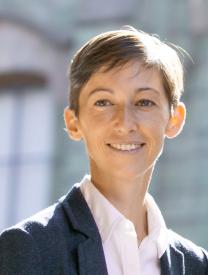
Fan Wang is an Adjunct Professor in the Department of Neurobiology at Duke University since 2021. She is also a Faculty Network Member of the Duke Institute for Brain Sciences (2008–Present) and an Affiliate of the Duke Regeneration Center (2021–Present). Her research focuses on the neural circuit basis of sensory perception, including active touch sensation , pain processing , and anesthesia-induced unconsciousness . Using genetic, viral, electrophysiological, and in vivo imaging techniques, her lab investigates tactile motor control, pain suppression mechanisms, and consciousness modulation. Ph.D., Columbia University (1998) Research trends in recent publications span neural circuit mapping , AI-driven drug design , and medical imaging innovations . Key areas include anesthesia mechanisms , pain suppression pathways , 3D dental modeling , and GABAergic neuron function in the brain stem. Collaborative work extends to computational toxicology , graph neural networks , and green pesticide design using machine learning. Scientific recognition includes the AAAS Fellowship (2014) and the Sloan Research Fellowship in Neuroscience (2004). Media coverage highlights breakthroughs such as the discovery of a potent pain-suppression center in the brain (2020) and advancements in cortical parcellation (2022). Her grants include multiple National Institutes of Health awards (1997–2022) and support from the W.M. Keck Foundation (2016–2018). Labs and teams at Duke, including the Duke Institute for Brain Sciences , collaborate on projects spanning neuroanatomy , computational biology , and environmental toxicology . Current work integrates AI tools for cortical parcellation, protein-ligand affinity prediction , and multi-agent reinforcement learning for biomedical applications.
Prof. Dr. Sebastian Markett is a Professor of Molecular Psychology at Humboldt University Berlin, Faculty of Life Sciences, Department of Psychology. He has held this position since 2017, following his appointment as Acting Professor at the University of Lübeck in 2017 and his tenure as Senior Lecturer at the University of Bonn from 2013-2017. His educational background includes a PhD in Psychology from the University of Bonn (2009-2013), a Dipl.-Psych. from the University of Bonn (2007-2009), graduate studies in psychology and cognitive neuroscience at the University of Toronto (2006-2007), and undergraduate studies in psychology at the University of Bonn (2003-2006). Prof. Markett's research focuses on the intersection of neuroscience, psychology, and genetics. His primary research interests include Connectomics and resting-state fMRI, Cognitive Neurogenetics and Genetic Imaging, Executive Control and Working Memory, and Personality and Individual Differences. His work combines advanced neuroimaging techniques with molecular genetic approaches to understand how brain structure and function relate to individual differences in cognition and behavior. He has made significant contributions to understanding the neural basis of personality traits, cognitive failures, and aging processes. His recent publications demonstrate a strong focus on network neuroscience approaches to understanding brain function. His work spans from basic connectomics research examining thalamic organization and intraparietal sulcus function to clinical applications in aging, multiple sclerosis, and mental health. A notable trend in his recent work is the integration of computational approaches with traditional neuroscience methods, particularly evident in his 2023 publications on computational mechanisms of belief updating and functional decoding of brain regions. Prof. Markett serves on the editorial board of Personality & Individual Differences and is an active ad hoc reviewer for numerous prestigious journals including NeuroImage, Human Brain Mapping, and Biological Psychiatry. His extensive review work demonstrates his standing as a respected expert in his field. He is actively involved in collaborative research, as evidenced by his participation in large-scale initiatives like the "10kin1day" Neuroimaging Initiative. His research group maintains strong connections with international institutions, including previous collaborations with the Helen Wills Neuroscience Institute at UC Berkeley.
Edoardo Fadda is a Fixed-term tenure-track Assistant Professor at the Department of Mathematical Sciences (DISMA), Politecnico di Torino . He serves as a member of the College of Mathematical Engineering and College of Electronic, Telecommunications and Physics Engineering . Specializes in Operations Research and Mathematical Programming Active in stochastic optimization , reinforcement learning , and control applications Teaching roles include Optimization Methods for Control Applications and Stochastic Programming courses His research spans supply chain optimization , logistics , and AI-integrated decision systems , focusing on uncertainty modeling and multi-stage stochastic programming. He leads the Development of Decision Support Systems and the SUPERSONIC project for ecological logistics, alongside commercial consulting for RIDIX SPA through Fondimpresa contracts. Notable collaborations include Paolo Brandimarte and Francesca Maggioni . Edoardo supervises PhD candidates Alessia De Crescenzo (39th cycle) and Lorenzo Mazza (40th cycle). His publications emphasize stochastic customer behavior , perishable product policies , and kernel-based system identification , with applications in aerospace, smart cities, and industrial manufacturing.