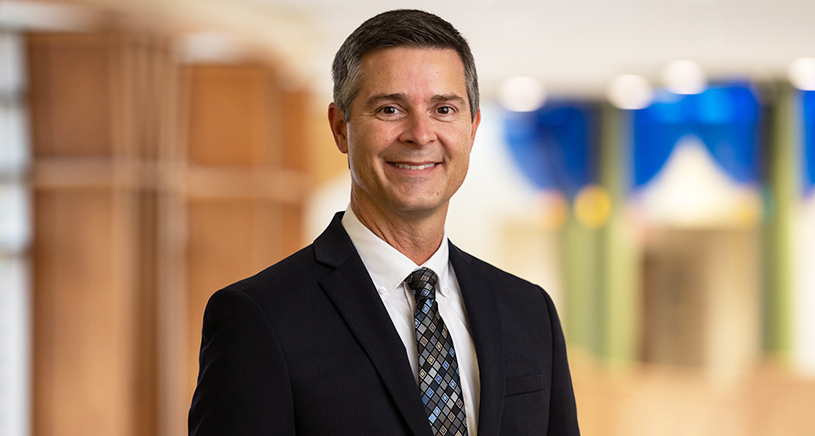
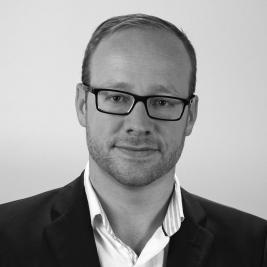
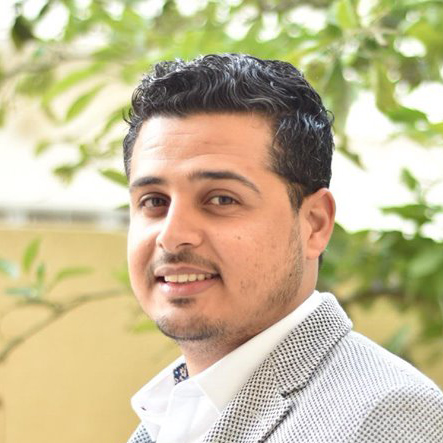
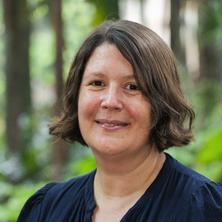
Michael Grobbauer is a Professor and Senior Researcher at the Center for Alpine Construction within the Design and Green Engineering framework at Salzburg University of Applied Sciences. He has been active since 2012, with a focus on sustainable building practices and energy-efficient urban development. Key research areas: Sustainable Construction, Building Energy Modeling, Timber Engineering, Renewable Energy Integration His recent work explores parametric timber solutions and energy performance certificate-based urban modeling , contributing to climate-resilient building systems. He has published 42 works, including 2023 Energy journal articles and 2022 conference papers on modular construction. Salzburg State Architecture Prize (2006) Inventor of Graz University of Technology (2013) Salzburg Timber Construction Award (2007) IOC/IAKS Special Distinction (2007) Active in projects like ScaleUp_ZAB (2023–2025), Grobbauer leads initiatives in solid timber construction and photovoltaic integration . He has reviewed 14 publications and presented at events including the 2024 Austrian PV Conference.
J. Tim Dvonch is an Associate Professor and Associate Chair in the Department of Environmental Health Sciences at the University of Michigan School of Public Health. His research focuses on exposure assessment and health effects of environmental pollutants, particularly air pollution, with emphasis on chemical composition of airborne particulates and source identification. Dr. Dvonch earned his academic degrees from the University of Michigan: PhD in Environmental Health Sciences (1998) MS in Environmental Health Sciences (1994) BS in Chemistry (1992) His expertise spans laboratory development and field evaluation of exposure assessment methodologies for air pollutants, including mass, number, and chemical composition of ambient particles at community, micro-environmental, and personal levels. He investigates health impacts of air pollution on vulnerable populations, exploring relationships between pollution exposure and adverse outcomes like respiratory/cardiovascular diseases. His work integrates atmospheric transport of toxicants across environmental systems and addresses socio-economic disparities in pollution-related health risks. Analysis of Dr. Dvonch's recent publications reveals three dominant research thrusts: (1) Development of wearable sensor technologies for personalized aerosol exposure monitoring, (2) Health effects studies of PM2.5 on respiratory/cardiovascular systems with focus on vulnerable subpopulations, and (3) Advanced source apportionment techniques using mercury isotopes and chemical speciation. His 2022-2025 work notably expanded into wastewater-based epidemiology for pathogen surveillance during the SARS-CoV-2 pandemic. Dr. Dvonch leads significant research initiatives including the Wearable Microsystem for Continuous Personalized Aerosol Exposure Assessment (collaborating with UM, MSU, and University of Missouri), the SEWER Network for campus pathogen detection, and contributions to the Michigan Center for Lifestage Environmental Exposures and Disease. His projects emphasize community engagement and interdisciplinary approaches to address environmental health disparities through the Community Engagement Core. He actively collaborates with research teams across the University of Michigan, Michigan State University, and University of Missouri, focusing on translating exposure science into actionable public health interventions. His work bridges laboratory innovation with real-world community applications in environmental health risk assessment.
Queenie Huang is a current PhD student and Tutor at the School of Mathematics & Statistics , Faculty of Science , University of New South Wales (UNSW) . Under the supervision of Prof. Jeya Jeyakumar and Prof. Guoyin Li , her research focuses on Distributionally Robust Optimization , with applications in machine learning and mathematical modeling. Academic Background : Bachelor of Advanced Mathematics with First-Class Honours (2022), UNSW Bachelor of Actuarial Studies (2022), UNSW Her research combines theoretical advancements in robust optimization , polynomial systems , and machine learning , particularly in addressing data uncertainty through sum-of-squares-convex and second-order cone programming techniques. She has presented at prestigious conferences such as the International Symposium on Mathematical Programming in Montreal and workshops in Sydney and Auckland. Queenie has received multiple accolades including the 2024 Marguerite Frank award and several Women in Maths & Stats Prizes at UNSW. As an educator, she has tutored courses in optimization and actuarial studies, contributing to student engagement through events like Girls Do The Maths and UNSW Open Day Q&A panels.
Olugbenga Onafowora is a Professor of Economics and Warehime Chair at the Sigmund Weis School of Business, Susquehanna University. He has served as a department chair since 2010 and as a visiting professor at Rutgers University. His research spans macroeconomics, governance, trade, and health economics. Education : PhD, MS, and BS from West Virginia University and University of Ife, Nigeria. Consultancy : Rutgers University Food Policy Institute, City of Harrisburg Mayor’s Office, and Center for Urban Policy Research. His scholarly work focuses on economic growth , governance quality , trade dynamics , and healthcare financing . Recent publications analyze Latin America/Caribbean economies , COVID-19 impacts , and tourism-environment interactions . He has received awards for teaching and research excellence. Scientific Awards : John C. Horn Distinguished Service Lectureship, 2004 European Applied Business Research Conference Best Paper Award. Teaching Expertise : Macroeconomics, Microeconomics, Labor Economics, Public Finance. He has presented over 50 conference papers and authored 40+ scholarly articles, emphasizing interdisciplinary applications in economics.
Konrad Turek is an Assistant Professor at the Human Resource Studies Department at Tilburg University, the Netherlands, and a guest researcher at the Netherlands Interdisciplinary Demographic Institute (NIDI-KNAW). His research focuses on changing and ageing labour markets, life course inequalities, lifelong learning, ageing policies, age stereotypes, age management, and retirement patterns. Dr. Turek received his PhD in sociology at Jagiellonian University, Krakow, Poland in 2015. Prior to his current position, he worked at NIDI and at the University of Amsterdam in the Institutions, Inequalities, and Life courses group (IIL). His methodological expertise spans longitudinal and multilevel analysis, mixture models, structural equation modeling, and Bayesian statistics. His research demonstrates a strong commitment to open science through the Comparative Panel File (CPF) project, which harmonizes major household panel surveys from seven countries. This work enables comparative life course studies across national contexts. His publications reveal a consistent focus on understanding how demographic changes affect labor markets, particularly examining how organizations respond to aging workforces and how policies can promote longer working lives. Dr. Turek has received significant recognition including a Horizon 2020 Marie Skłodowska-Curie Individual Fellowship for his LEEP project. He has contributed to policy development, including preparation of Poland's national strategy for older worker employment 'Solidarity between Generations 2013-2020'. He actively participates in research networks as an Executive Committee member of the Society for Longitudinal and Lifecourse Studies (SLLS) and board member of the Ageing in Europe RN01 Research Network. Since 2020, he has lectured on multilevel data analysis at the European Doctoral School of Demography.
Majid Al-Sadoon serves as Associate Professor and Director of Research at Durham University Business School. His academic trajectory includes a PhD from Cambridge University (2011), Assistant Professorship at Universitat Pompeu Fabra, and Robert Solow Postdoctoral Fellowship at Cambridge. He maintains active research in econometrics with publications in Journal of Econometrics, Econometric Theory, and Econometric Reviews. Education and Early Career: PhD, University of Cambridge (2011) Robert Solow Postdoctoral Fellow, University of Cambridge Assistant Professor, Universitat Pompeu Fabra His research centers on Econometric Theory and Time Series Analysis , developing innovative methodologies for linear rational expectations models through spectral and linear systems approaches. Key contributions include subspace Granger causality testing, consistent estimation for panel data with sample selection, and unified frameworks for rank testing, bridging theoretical econometrics with macroeconomic and financial applications. Publication trends (2014-2024) reveal progressive methodological sophistication: early geometric causality analysis evolved into advanced rational expectations modeling, with increasing focus on spectral solutions and structural identification. His work consistently addresses core challenges in dynamic systems while expanding into high-dimensional panel data and nonlinear model specification. Scientific Awards No awards documented in available materials. Dr. Al-Sadoon supervises doctoral candidate Guangrui Li, with mentorship focused on econometric theory applications. His sustained publication record indicates successful research funding for time series methodology projects, though specific grants aren't detailed. While no formal laboratory is mentioned, his collaborations with scholars like M. Hashem Pesaran demonstrate integration into international econometrics research networks.
Anne-Sophie Robilliard serves as a Research Fellow at the French Institute for Research on Development (IRD), specializing in development economics with concentrated focus on Sub-Saharan Africa. Her research utilizes microeconomic household data to analyze poverty determinants, inequality dynamics, and women's labor market participation within demographic and household bargaining contexts. She actively contributes to academic instruction through policy impact assessment courses at Université Paris Dauphine and microsimulation technique seminars at Paris School of Economics (PSE), IEDES-Paris 1, and ENSAE-Dakar. Her research portfolio centers on poverty and inequality measurement, gendered labor economics, and public policy evaluation in developing economies. Methodologically, she integrates microsimulation modeling with household survey analysis to assess policy interventions, particularly examining how demographic shifts and intra-household dynamics influence women's economic participation. This work consistently addresses structural challenges in African development contexts through rigorous quantitative frameworks. Analysis of her 13 journal publications (1999-2023) reveals persistent thematic focus on African economic development with evolving methodological sophistication. Core research trajectories include income inequality measurement (2023), remittance impacts on Senegalese poverty (2019), gendered labor market disparities in West African cities (2011), and migration-labor market linkages (2015). Recent work increasingly incorporates spatial and temporal dimensions of poverty analysis while maintaining emphasis on microsimulation techniques for policy evaluation. Scientific awards: No scientific awards or honors were documented in the provided text. Advising and grants: The source material contains no information regarding graduate student supervision, doctoral committees, or research grant funding. Labs and teams: No institutional laboratories, research centers, or collaborative teams are specified in the available documentation.
Taha Mansouri is a Lecturer in Artificial Intelligence at the University of Salford's School of Science, Engineering & Environment. He leads the High Performance Computing facilities within the school and chairs the Salford AI Club, an inclusive community focused on AI applications in Higher Education. Mansouri holds dual PhDs - one in Artificial Intelligence and Deep Learning from the University of Salford and another in Information Technology Management from Allameh Tabataba'i University in Iran. His research interests span multiple critical areas in modern AI development, with particular emphasis on ethical considerations in AI systems. Mansouri actively investigates fairness, explainability, and transparency in AI algorithms, with specific focus on computer vision systems and large language models. His work addresses bias in facial emotion detection across age, gender, ethnicity, and cultural backgrounds, highlighting important concerns about equity in automated systems. Mansouri's recent publications demonstrate a strong trend toward practical applications of AI for social good, including detecting mold in social housing, ethical compliance in legal AI systems, and developing AI-resilient assessment tools for education. His research bridges theoretical AI development with real-world implementation challenges across healthcare, education, and industrial applications. Fellowship of the Higher Education Academy Senior Fellowship of the Higher Education Academy Mansouri actively supervises multiple PhD students working on diverse AI applications and leads significant research projects including the £500,000 Innovate UK Smart Grant-funded Expert Legal Intelligence (ELI) project. He serves on prestigious review panels including the EPSRC Peer Review College, the EDI Hub+ Flexible Fund Peer Review College, and the British Council's International Science Partnerships Fund Review College. His grant portfolio includes projects on ethical ASR models (£30,000 collaboration), WATCH-AI benchmarking tools, and inclusive AI emotion recognition systems. As leader of the High Performance Computing facilities, Mansouri supports interdisciplinary research across the university. He also chairs the Salford AI Club, fostering collaboration among individuals from diverse backgrounds interested in AI applications, particularly in Higher Education.
Andreea Costea is an Assistant Professor in the Programming Languages Group within the Faculty of Electrical Engineering, Mathematics & Computer Science (EEMCS) at Delft University of Technology. She joined TU Delft in October 2024 after completing her PhD at the School of Computing, National University of Singapore (NUS), where she worked in the Programming Languages and Software Engineering lab collaborating with the Automated Program Repair team, Trustworthy and Secure Software group, and VERSE lab. Her primary research focuses on programming languages design and implementation, with particular emphasis on software verification for critical code, program synthesis, and automated program repair. She maintains strong connections with industry while pursuing formal methods research, especially in the context of Rust programming language safety and interoperability. Dr. Costea's publication record demonstrates consistent contributions to software engineering and programming languages research, with recent work focusing on automated program repair techniques, Rust language safety mechanisms, and communication protocol verification. Her research shows a clear trajectory from theoretical foundations in session types and separation logic toward practical applications in memory safety and program repair. She actively serves the research community as Program Committee member for major conferences including ASE, ICSE, ICFP, and APLAS. Her service includes chairing publicity committees for SPLASH and artifact evaluation for ESOP. Regular Journal Reviewer: CACM, TOSEM, TSE Panel discussions: PLMW @ POPL'22, PLDI'21, PLMW @ PLDI'21, POPL'21 Extensive reviewing for top-tier conferences including POPL, OOPSLA, CAV, VMCAI Dr. Costea supervises multiple Master's students working on Rust-related safety projects and is actively recruiting PhD students to work on software interoperability, particularly focusing on how to restore Rust's safety guarantees when integrating with legacy C code and ensuring correct interaction between components written in different languages.
Daria Katharina Benden serves as a Postdoctoral Researcher at the University of Bonn's Bonn Center for Teacher Education (BZL) within the Empirical Educational Research and Educational Psychology research group led by Prof. Dr. Fani Lauermann. She also holds a Postdoctoral Fellowship at the College for Interdisciplinary Educational Research (CIDER). Her academic journey includes bachelor's and master's degrees in Mathematics and Physics Teacher Education from the University of Bonn, followed by a summa cum laude Ph.D. in Psychology from TU Dortmund University in 2022. Her research focuses on critical aspects of educational psychology in STEM contexts, particularly examining student motivation trajectories, educational and occupational choices in math-intensive fields, and teachers' professional competencies. She investigates how digital self-testing and self-reflection tools can support students in postsecondary education transitions, along with assessing digital competencies required by both students and instructors in modern educational environments. Her work reveals important gender differences in motivational variability and identifies early warning signs of academic disengagement through short-term motivational assessments. Benden's publication portfolio demonstrates strong methodological rigor through longitudinal analyses, random intercept cross-lagged modeling, and network analysis approaches applied to large datasets from math-intensive study programs. Her research consistently addresses the critical challenge of student retention in STEM fields through examination of expectancy-value dynamics, test engagement factors, and motivational alignment patterns. Notably, her work shows that greater motivational alignment between expectancy and value beliefs can paradoxically indicate disengagement in challenging academic contexts. International awards for young scholars from European Association for Research on Learning and Instruction (EARLI SIG-8) International awards for young scholars from American Educational Research Association (AERA MotSIG) As an active researcher, Benden regularly presents at major international conferences including AERA and EARLI, with upcoming presentations scheduled through 2025. Her collaborative work spans multiple institutions including TU Dortmund University and involves significant contributions to theoretical frameworks in educational psychology, particularly regarding situated expectancy-value theory applications in higher education STEM contexts.
Fabian Pfeffer is Associate Professor in the Department of Sociology and Research Associate Professor in the Institute for Social Research at the University of Michigan. He serves as the founding director of the Center for Inequality Dynamics (CID), leader of the Inequality Lab, and Co-Investigator of the Panel Study of Income Dynamics (PSID). Dr. Pfeffer's research investigates social inequality and its maintenance across time and generations. His current work focuses on wealth inequality and its consequences for the next generation, social mobility processes across multiple generations, and the maintenance of inequality through education. His interdisciplinary approach combines sociological theory with advanced statistical methods to analyze complex patterns of wealth distribution and mobility. Through his extensive publications from 2018-2025, Pfeffer has made significant contributions to understanding how wealth inequality shapes educational opportunities and life outcomes. His research demonstrates how family wealth influences children's educational attainment and how racial disparities in wealth perpetuate across generations. Notable methodological contributions include new approaches to analyzing mobility effects and developing the PSID-SHELF data resource. Dr. Pfeffer has developed innovative visualizations that make complex patterns of wealth inequality accessible to broader audiences, including interactive tools showing intergenerational wealth mobility and racial disparities. His work on the Wealth and Mobility (WAM) Study, conducted with the IRS Statistics of Income unit, gathers comprehensive data on U.S. household wealth. His research has important policy implications regarding wealth taxation and redistribution. Pfeffer's international comparative work reveals that national levels of income and wealth inequality are uncorrelated, challenging conventional wisdom in inequality research. His scholarship connects micro-level processes of social reproduction with macro-level patterns of inequality, providing a comprehensive understanding of how wealth shapes opportunities across generations.
Professor Eamonn Maher is the Dean of Aston Medical School at Aston University, within the College of Health and Life Sciences. His primary affiliation is with the School of Life & Health Sciences, where he leads research in genetic oncology and rare diseases. His work focuses on understanding the genetic basis of neoplasms, particularly in syndromes like von Hippel-Lindau disease, Birt-Hogg-Dubé syndrome, and hereditary renal cell carcinoma. He has published extensively on topics including genotype-specific cancer risk profiling, molecular diagnostics, and clinical guideline development. Research Interests: Professor Maher's expertise spans cancer genetics, inherited predispositions to tumors, and the molecular mechanisms of genetic disorders. Key areas include: Neoplastic risk profiling in hereditary syndromes Genomic analysis of renal and endocrine tumors Clinical management of phaeochromocytoma/paraganglioma Imprinting disorders and epigenetic mechanisms Public health implications of rare kidney diseases Recent Work Trends: His 2024–2025 publications emphasize: Advances in whole-genome sequencing for rare tumor diagnosis Systematic reviews of multiple primary renal tumors Guideline development for pediatric phaeochromocytoma/paraganglioma Genomic epidemiology of Birt-Hogg-Dubé syndrome Collaborations: His international collaborations include studies on SDHx-deficient cancers, multi-locus imprinting disturbances, and the UK National Registry of Rare Kidney Diseases (RaDaR). He also contributes to initiatives like the ClinGen VHL Variant Curation Expert Panel and ERN GENTURIS. Grants & Labs: While specific grants are not listed, his leadership in RaDaR and involvement in international registries indicate significant grant-funded research. His lab focuses on translational research bridging genetic discovery and clinical practice.
Dr. Nidhal Jamia is a Lecturer in Aerospace Engineering at Swansea University, affiliated with the School of Aerospace, Civil, Electrical and Mechanical Engineering. He holds a PhD in Mechanical Engineering and has experience as a Research Officer and Research Assistant at Swansea's Faculty of Science and Engineering (FSE). His expertise lies in Linear and Nonlinear Structural Dynamics, Turbomachinery Blade Vibrations, and Experimental Modal Analysis, with a focus on jointed structures and bolted interfaces. Dr. Jamia's research emphasizes predicting dynamic responses in complex systems, such as bolted joints and turbomachinery blades, with practical applications in vibration control and structural integrity. He has contributed to advancements in blade tip timing techniques, eddy current sensor modeling, and nonlinear system identification. His work bridges theoretical models with experimental validation, addressing challenges in aerospace and mechanical engineering. Selected research highlights include studies on mistuned bladed disks using wavelet transforms, sensor characteristics in blade tip timing, and the development of equivalent models for nonlinear joints. His recent efforts focus on stochastic updating of nonlinear systems, digital twin platforms, and the TRC benchmark system's experimental analysis. Education: PhD in Mechanical Engineering, Swansea University (2019–2022) MSc in Computational Mechanics, Polytechnical School of Tunisia (2015–2019) BEng in Civil Engineering, Engineering School of Gabes, Tunisia (2010–2014) Dr. Jamia is actively involved in teaching modules such as Engineering Mathematics, Experimental Studies for Mechanical and Aerospace Engineers, and Design and Laboratory Classes. He is available for postgraduate supervision and collaborates with industry on research projects involving structural dynamics and vibration analysis.
Associate Professor Elin Charles-Edwards is an academic in Human Geography at the University of Queensland's School of the Environment. She serves as Centre Director of the Queensland Centre for Population Research and provides expert advice to government bodies on migration and population dynamics, including roles with the Australian Commonwealth Treasury and NSW COVID-19 Populations Advisory Group. She is also a member of the Southeast Queensland Housing Supply Expert Panel. Education: Bachelor of Arts, Postgraduate Diploma in Education, and PhD in Human Geography from The University of Queensland. Her research focuses on human migration patterns, temporary mobility, demographic data analysis, and housing demography. Key interests include climate-related displacement, pandemic impacts on mobility, and housing affordability challenges in Southeast Queensland. Her recent articles explore post-pandemic shifts in short-term rentals, climate-driven migration, and household projections. She has led major grants including studies on Asian migration, housing policy, and the sharing economy's urban impacts. Grants: Current: Collaborative demography research (Queensland Treasury), Australia's Indian Diaspora analysis (DFAT) Past: Queensland Housing Strategy evaluation, Treasury internal migration assumptions She supervises PhD projects on multi-locality, climate displacement, and urban planning. Her work integrates demographic methods with policy applications, emphasizing practical solutions to population challenges.
Professor Belinda Ferrari is a leading environmental microbiologist at the University of New South Wales (UNSW), Sydney, where she currently serves as the Associate Dean Research in the Faculty of Science. She is also affiliated with the School of Biotechnology and Biomolecular Sciences (BABS), having previously held roles as Deputy Head of School and Director of Research. Her work is globally recognized for advancing our understanding of microbial life in extreme environments, particularly in Antarctic soils. Education: PhD in Microbiology, Macquarie University, 2001 BSc (Hons) in Microbiology, University of New England, 1994 Postdoctoral Scientist, University of Copenhagen, 2001–2002 Macquarie University Research Fellowship, 2002–2005 Research Interests: Professor Ferrari’s research lies at the intersection of microbial ecology, genomics, and environmental science. She specializes in uncovering the diversity and functional potential of microbial communities in Antarctic soils, focusing on atmospheric chemosynthesis , a novel carbon fixation process discovered by her team. This process allows microbes to survive by metabolizing atmospheric gases, challenging our understanding of the limits of life. Her lab also investigates microbial indicators of soil health, bioremediation of hydrocarbon-contaminated soils, and the discovery of cold-adapted microbes with biotechnological potential. Scientific Awards: UNSW Vice-Chancellor’s Award for Excellence in Higher Degree Research Supervision (2021) Faculty of Science Staff Excellence Award for Research Excellence (2018) Australian Research Council (ARC) Future Fellowship (2017) Outstanding Supervisor Award, UNSW (2015) Macquarie University Research Fellowship (2002) Leadership & Service: Professor Ferrari has held numerous leadership roles at UNSW, including Deputy Head of School and Director of Research at BABS, and currently serves on the Faculty of Science Board. She is a member of the Australian Microbiome Scientific Coordination Working Group and has contributed to national and international scientific panels, including the Royal Society of New Zealand Marsden Fund and the Australian Antarctic Science Advisory Committee. Laboratory & Team: She leads the Ferrari Lab (ferrarilab.org), a vibrant research group comprising PhD students, postdocs, and collaborators from across Australia and internationally. The lab integrates cutting-edge ‘omics’ technologies with novel cultivation methods to explore microbial dark matter and develop real-world applications in bioremediation and environmental monitoring.