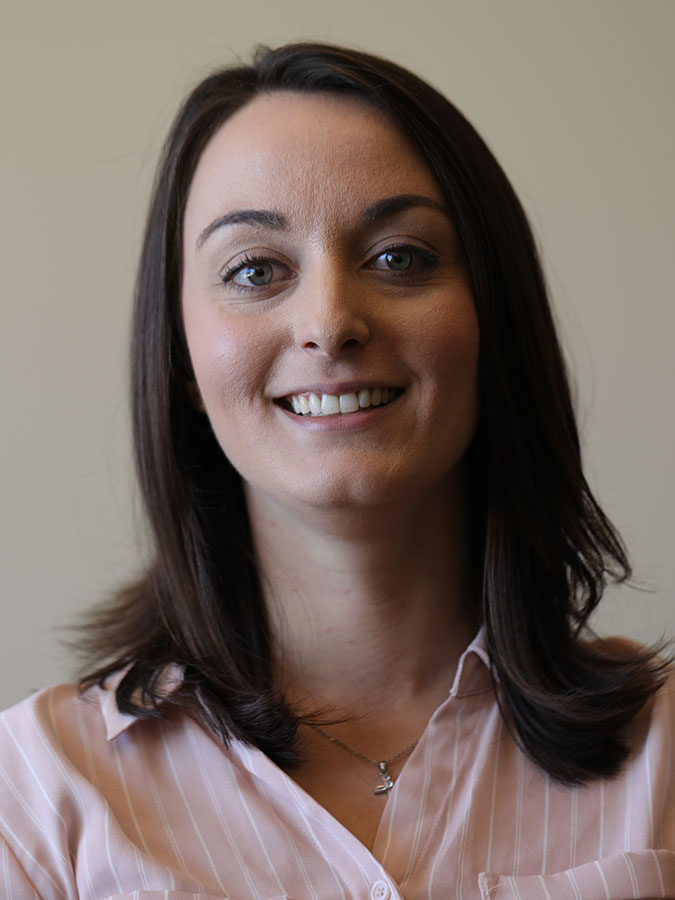
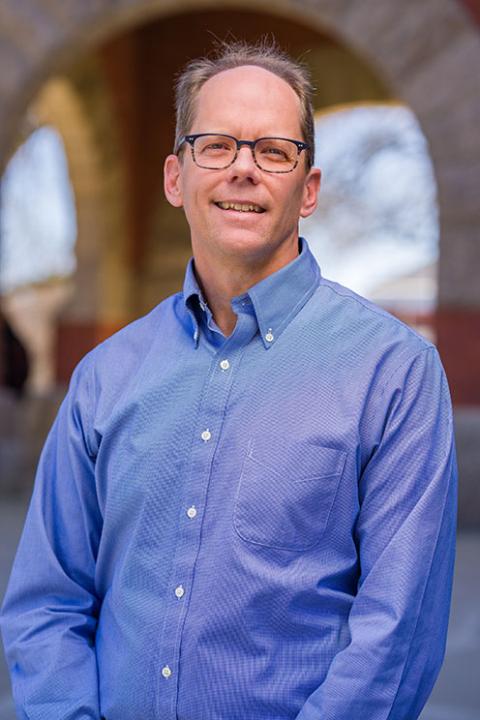
Alison J. Smith , Professor in the Department of Geology at Kent State University , is a leading paleolimnologist specializing in non-marine ostracode ecology and Holocene climate reconstruction. Her work focuses on groundwater-surface water interactions and the application of ostracode shell geochemistry to paleohydrology. Research Interests: Paleohydrology and drought history Quaternary lake sediment analysis Ostracode biogeochemical proxies North American and European ostracode biogeography Climate modeling through fossil records Recent Publications highlight her work in interdisciplinary databases like Neotoma , ostracode shell isotope calibration, and Holocene climate transitions. She has advised numerous graduate students on topics ranging from Beringian paleoecology to spring hydrology. Collaborative Initiatives: Co-founder of the Neotoma Paleoecology Database , developer of international research protocols, and advocate for student cross-training in crustacean genetics and morphology.
Dr. Julie Bowles is an Associate Professor in the Department of Geosciences at the University of Wisconsin-Milwaukee (UWM), affiliated with the College of Letters & Science. She currently serves as the Graduate Committee Chair. Her research focuses on the Earth's geomagnetic field variations, volcanic processes, and the magnetic properties of igneous rocks. She holds a PhD from the University of California, San Diego, and undergraduate degrees from the University of Washington and the University of Puget Sound. Dr. Bowles' work integrates field studies, laboratory experiments, and computational modeling to understand how magnetic minerals record geomagnetic changes. Her research projects include analyzing pyroclastic flows in the western U.S., studying eruptive processes on mid-ocean ridges, and simulating Martian rock magnetization in the lab. She has collaborated with institutions like IODP on oceanic crustal studies and contributed to interdisciplinary projects such as the Alarcon Rise geology analysis. Her publications span journals like Geochemistry, Geophysics, Geosystems and Frontiers in Earth Science. While no formal advisees are listed, her research actively engages graduate students in experimental and field-based projects. Grants and funding sources are not explicitly detailed in the provided information. Dr. Bowles' lab specializes in paleomagnetic and rock magnetic techniques, with ongoing investigations into cation ordering in titanomagnetites and the influence of emplacement conditions on magnetic signal preservation. Her work has implications for planetary science, particularly in interpreting Mars' surface magnetization and Earth's paleomagnetic history.
Stephen Dornbos is an Adjunct Professor in the Department of Geosciences at the University of Wisconsin-Milwaukee, affiliated with the College of Letters & Science. His research focuses on the evolution and preservation of early life, particularly the Ediacaran–Cambrian biodiversification event. He holds a PhD and MS from the University of Southern California and a BA from the College of Wooster. Education: PhD, University of Southern California MS, University of Southern California BA, College of Wooster Research Interests: Geobiology of microbial structures in Precambrian and Cambrian sedimentary rocks Evolutionary paleoecology of early animals during the Ediacaran–Cambrian biodiversification event Reef ecosystems and Cambrian substrate adaptations Scientific Awards: Fellow, Geological Society of America Professional Activities: Physical Scientist, U.S. Department of Defense AAAS Science & Technology Policy Fellow, U.S. Department of Defense Key Research Themes: His work analyzes Cambrian reef dynamics, Ediacaran trace fossils, and the environmental drivers of early animal evolution. Recent studies include atmospheric oxygen trends and carbonate contribution patterns in Cambrian ecosystems.
Peter Sheehan is an Emeritus Adjunct Professor in the Department of Geosciences at the University of Wisconsin-Milwaukee (UWM), affiliated with the College of Letters & Science. He holds the Robert and Sally Manegold Distinguished Curatorial Chair at the Milwaukee Public Museum and has served as Curator III, IV, and V there. His academic career spans over five decades, with a PhD in Paleontology from UC Berkeley (1971) and an MA from the same institution (1967). He has held adjunct professorships at UWM since 1977 and previously lectured at the University of Western Ontario (1972-1973) and conducted postdoctoral research in Sweden (1971-1972). His research focuses on mass extinctions, particularly the Late Ordovician and Cretaceous-Paleogene events, brachiopod community ecology, and the ecological aftermath of extinction crises. Key projects include studying microbial mat expansion post-Ordovician extinction, K/T asteroid impact effects, and Silurian faunal radiations. He also investigates modern glacial meltwater dynamics in Antarctic regions like the Bellingshausen and Amundsen Seas. Professional Affiliations: Fellow of the Geological Society of America and Wisconsin Academy of Sciences, among others. Research Themes: Extinction mechanisms, sequence stratigraphy, paleobiogeography, and climate-ocean interactions. Fieldwork: Extensive work in the Great Basin (USA), Estonia, and Antarctica. Recent publications emphasize Antarctic ice shelf dynamics, Bay of Bengal monsoon influences, and glacial meltwater pathways. His work bridges paleontology with modern environmental science, addressing both historical and contemporary Earth system challenges.
James Ahern is a Professor of Biological Anthropology and Vice Provost and Dean of the School of Graduate Education at the University of Wyoming. He holds a B.A. from Beloit College (1991), M.A. from Northern Illinois University (1993), and Ph.D. from the University of Michigan (1998). His research focuses on human biological and biocultural evolution, including the Neandertal-modern human transition in Central Europe and the origins of hominins. Ahern is particularly known for his work in Croatia, leading projects like ARCHAEOLIM to investigate the Late Pleistocene and Early Holocene of the Lim Channel. He has been recognized for his teaching excellence, receiving awards such as the Golden Apple Award and the College of Arts and Sciences Merit Award. Roles: Professor, Vice Provost, Dean of Graduate Education Education: Beloit College, Northern Illinois University, University of Michigan Research interests include Paleolithic archaeology, Neandertal studies, and the evolutionary dynamics of early human populations. Key projects involve excavations at sites like Romuald’s Cave and Ljubićeva Pećina, focusing on prehistoric violence, genetic analysis of ancient populations, and cultural transitions. His work integrates archaeological, genetic, and anatomical data to explore human origins and adaptation. Recent publications highlight studies of mass violence in Copper Age Croatia, genomic analysis of massacre victims, and geophysical surveys of Paleolithic sites. Collaborations with international teams have advanced understanding of European prehistory and human migration patterns.
Dr. James Marcus Drymon is an Associate Extension Professor at Mississippi State University's Coastal Research and Extension Center, focusing on marine fisheries ecology. His research emphasizes shark behavior, fisheries management, and conservation challenges like depredation. He holds a Ph.D. in Marine Science from the University of South Alabama, an M.S. in Marine Biology from the College of Charleston, and a B.S. in Biology from Coastal Carolina University. Key research interests include shark population dynamics, the ecological impacts of climate change on marine predators, and the intersection of fisheries practices with conservation. His work often addresses human dimensions, such as angler behavior and stakeholder engagement in fisheries management. Recent studies highlight his contributions to understanding microplastic contamination in apex predators, age/growth dynamics of marine species, and genetic connectivity of sharks across ocean basins. Drymon collaborates with institutions globally, as seen in multi-authored papers on bull shark genetics and transoceanic migration patterns. He advises graduate students and leads outreach via extension publications like Mississippi's Sharks and Rays , bridging scientific findings with public education. Projects like the Great Red Snapper Count demonstrate his commitment to informing policy through direct visual surveys and habitat analyses.
Dr. Elizabeth Cassel is an Associate Professor in the Department of Earth and Spatial Sciences at the University of Idaho, affiliated with the College of Science. She specializes in tectonics, basin analysis, and the interplay between tectonic processes and climate systems. Her research focuses on reconstructing ancient topography and tectonic histories using stratigraphic, geochemical, and thermochronometric techniques. Dr. Cassel holds a Ph.D. in Geological and Environmental Sciences from Stanford University (2010) and a B.A. in Geology from Carleton College (2003). She teaches courses including Historical Geology, Stratigraphy and Sedimentation, Basin Analysis, and Tectonics. Her research team, the Idaho Tectonics & Basin Analysis (TBA) group, investigates mountain-building processes, sedimentary basin evolution, and the influence of tectonics on landscape evolution. Current projects include studying the Eocene tectonic evolution of western North America, paleoelevation reconstructions in the Andes and Cascade ranges, and climate-tectonic interactions in Patagonia and Nevada. Dr. Cassel actively mentors students and collaborates on fieldwork across the western U.S., Peru, and Wyoming, emphasizing hands-on field studies in geological analysis. She maintains an active research program with recent grants supporting studies of Cenozoic topography and basin systems.
Dr. Mark T. Clementz is a Professor of Paleobiology and Head of the Department of Geology and Geophysics at the University of Wyoming. His research focuses on integrating paleoecology and paleobiology to understand marine and coastal ecosystem evolution, particularly using stable isotope analysis of biogenic materials. He specializes in reconstructing dietary habits, environmental adaptations, and morphological changes in extinct vertebrates. Education: Dr. Clementz holds a PhD in Geology from the University of California, Santa Cruz (2002) and a BS in Geology from the University of Missouri, Columbia (1996). Research Interests: His work spans stable isotope analysis (C, N, O, Ca, Sr), microwear analysis of tooth enamel, and morphometric techniques. Key areas include marine mammal foraging behavior, Cenozoic seagrass biogeography, and the origins of whale evolution. He frequently collaborates on projects involving Eocene terrestrial food webs and historical kelp forest dynamics. Teaching: He teaches courses such as Principles of Paleontology, Paleontology of Cenozoic Mammals, and Climate Reconstruction methods. His teaching philosophy emphasizes interactive, multi-method pedagogy to foster scientific communication skills. Notable Projects: Current research includes excavations in Egypt’s Wadi Moghra, isotopic analysis of Miocene mammals, and reconstructing prehistoric human interactions with marine ecosystems in the Aleutian Islands. Labs/Teams: Leads a multidisciplinary team applying geochemical and morphological tools to paleontological questions. Active in fieldwork and laboratory-based isotopic analyses.
Peter S. Ungar is a Distinguished Professor of Anthropology and Director of the Environmental Dynamics PhD Program at the University of Arkansas, located within the Fulbright College of Arts & Sciences. He holds affiliations with the Department of Anthropology (ANTH) and directs cross-disciplinary environmental research initiatives. Prior to joining the University of Arkansas in 1995, he taught Gross Anatomy at Johns Hopkins and Duke University medical schools and earned his PhD in Anthropological Sciences from Stony Brook University. His academic journey includes a B.A. from SUNY Binghamton and M.A./Ph.D. from SUNY Stony Brook. Research focuses on reconstructing diets and ecological adaptations of extinct mammals, including human ancestors, using dental microstructure and wear analysis. Current projects investigate climate change impacts on Arctic mammals and clinical applications of dental studies. He leads the Ungar Lab, fostering global collaborations among researchers and training graduate/undergraduate students. Affiliations include Honorary Research Fellow status at the University of the Witwatersrand (South Africa) and visiting roles at institutions like Flinders University (Australia) and the University of Helsinki (Finland). His work bridges paleontology, ecology, and human evolution, emphasizing interdisciplinary approaches to understand environmental pressures on species. Professional service includes editorial roles and advisory boards in archival and research data management, though primary contributions lie in anthropological and ecological research domains.
Dr. Elizabeth Petsios is an Assistant Professor in the Department of Geosciences at Baylor University, within the College of Arts & Sciences. Her research focuses on understanding ecological and evolutionary processes during dynamic periods in Earth's history, particularly mass extinctions and radiations. She holds a Ph.D. in Earth Sciences from the University of Southern California (2016) and a B.S. in Science of Earth Systems from Cornell University (2011). Her academic journey includes postdoctoral research at the University of Florida and University of Southern California, where she explored topics like post-Permian extinction recovery and echinoid evolution. Education: Ph.D., University of Southern California (2016) B.S., Cornell University (2011) Her research interests span biogeosciences, paleontology, and paleogenomics, with a focus on marine benthic invertebrate communities. She investigates ecosystem responses to mass extinctions (e.g., Permian-Triassic) and radiations (e.g., Mesozoic Marine Revolution), integrating paleobiological and paleoenvironmental data. Recent work includes studies on echinoid evolution, predation patterns, and anthropogenic impacts on marine life. Dr. Petsios' publications highlight advancements in understanding predator-prey dynamics, fossil preservation, and the ecological consequences of ancient mass extinctions. She actively contributes to science education research, exploring student acceptance of evolution at religiously affiliated institutions. Her work bridges paleontology with modern ecological challenges, emphasizing interdisciplinary approaches to unravel Earth's biological history.
Ashley Bulseco is an Assistant Professor in the Department of Biological Sciences at the University of New Hampshire (UNH), affiliated with the College of Life Sciences and Agriculture (COLSA). She holds a Ph.D. in Ecology, Evolution, and Marine Biology from Northeastern University. Her research focuses on microbial responses to human-driven disturbances in wetlands, estuaries, and marine ecosystems, particularly investigating how microbial shifts affect ecosystem functions like carbon and nitrogen cycling. She employs interdisciplinary methods combining fieldwork, lab experiments, biogeochemical measurements, sequencing, and bioinformatics. Previously, she taught Environmental Science and Oceanography at the high school level and remains committed to inclusive STEM education through innovative pedagogy. Her work addresses critical issues such as nitrogen enrichment impacts on salt marsh sediments, microbial community succession in constructed wetlands, and microplastic interactions in coastal environments. She also explores climate change effects on greenhouse gas fluxes and nutrient dynamics in ecosystems. Email: Ashley.Bulseco@unh.edu Office: Spaulding Hall 248, Durham, NH 03824 Bulseco’s scientific contributions include the NSF Postdoctoral Fellowship in Biology (2019) and a focus on mangrove ecosystems through the Mangrove Microbiome Initiative. Her research bridges ecological restoration, geochemical processes, and microbial adaptation, with recent studies emphasizing land-use gradients and microbial growth characteristics. She collaborates actively with institutions like Rudman Hall and integrates vlogging as a tool for science outreach in education. Grants: NSF Postdoctoral Fellowship in Biology FY 2019 Advising: No formal advisee list provided. While her current affiliation does not explicitly mention lab teams, her work is embedded within UNH’s Biological Sciences department, leveraging resources for field and lab-based studies. Her research extends to geological contexts, such as Ordos Basin shale formations, underscoring her interdisciplinary reach.
Dr. William Clyde is Professor of Geology and Associate Dean at UNH Graduate School. His research examines linkages between climate change, tectonics, and biological evolution using stratigraphic and isotopic methods, with particular focus on Paleogene hyperthermal events. PhD in Geology, University of Michigan MS in Geology, University of Michigan BA in Geology, Princeton University Principal Investigator for the Bighorn Basin Coring Project, developing continental records of early Paleogene hyperthermals. Research integrates magnetostratigraphy, stable isotopes, and paleontology to study climate-driven biotic turnover and recovery patterns. Fieldwork spans North America, Patagonia, and East Africa. Recent publications document biotic recovery after the K-Pg extinction and refine correlations between marine/terrestrial climate records.
Lisa White is an Adjunct Professor at the School of the Environment, San Francisco State University. She previously served as Associate Dean of the College of Science and Engineering and Associate Dean of Graduate Studies at SF State. Since 2012, she has been Director of Education and Outreach at the UC Museum of Paleontology in Berkeley, combining her expertise in fossils with science education. She holds a B.A. in Geology from San Francisco State University and a Ph.D. in Geology from the University of California, Santa Cruz. Education: B.A. Geology (SFSU), Ph.D. Geology (UC Santa Cruz) Her research focuses on micropaleontology, paleoceanography, stratigraphy, and historical geology. She actively engages in educational outreach through the UC Museum of Paleontology. Her professional roles span academia and science communication, with a strong emphasis on environmental and geological sciences. Office hours are held at HSS Room 279, Monday-Thursday, 9 a.m. to 5 p.m. Contact via email lwhite@sfsu.edu or phone (510) 664-4966.
Dr. Peter Roopnarine is the Curator of Geology at the California Academy of Sciences and holds dual academic appointments as a Research Professor and Adjunct Professor in the Department of Biology and Geosciences at San Francisco State University. He earned a B.Sc. in Biology, M.S. in Oceanography, and Ph.D. in Geology from the University of California, Davis. His research focuses on paleoecology, mass extinctions, and the evolution of ecological systems across deep time, with an emphasis on applying paleontological insights to modern conservation challenges. Roopnarine’s work bridges paleontology and global change science, using food web modeling to understand ecosystem responses to environmental perturbations. He leads the Roopnarine Lab, advising students on projects ranging from kelp forest resilience to Permian-Triassic extinction dynamics. Notable contributions include modeling ecological stability during mass extinctions and advocating for conservation strategies informed by deep-time data. His research spans interdisciplinary collaborations, including studies on the Permian-Triassic mass extinction, the ecological role of extinct megafauna (e.g., Steller’s sea cow), and socioeconomic network analyses of pandemic impacts. Roopnarine emphasizes the interconnectedness of ecological and human systems, advocating for policies that align with long-term planetary resilience. Key projects include: Modeling paleocommunity food webs to predict ecosystem responses to climate change. Quantifying ecological stability across mass extinctions (e.g., Permian-Triassic boundary). Assessing the role of invasive species in Ordovician marine ecosystems. His lab has produced influential publications on topics like economic cascades during pandemics and the resilience of ancient ecological systems. Roopnarine’s work is characterized by a commitment to integrating data from fossils, modern ecosystems, and mathematical models to address pressing environmental challenges.
State University of New York at BuffaloUnited States
James R. LaFountain is a Professor in the Department of Biological Sciences at the State University of New York at Buffalo, affiliated with the College of Arts and Sciences. His research focuses on the mechanisms of chromosome segregation during meiosis, utilizing advanced techniques like laser microsurgery and fluorescent speckle microscopy. His work explores the dynamic interactions between kinetochores and microtubules, investigating processes such as microtubule sliding in monoastral spindles, kinetochore fiber maturation, and the role of microtubule flux in bipolar spindle formation. Collaborative studies extend to evolutionary biology, addressing trilobite optics and arthropod pigmentation through fossil analysis. Selected publications highlight his contributions to understanding meiotic spindle dynamics and educational methodologies in cell biology. He has received the SUNY Chancellor's Award for Excellence in Teaching, underscoring his dual commitment to research and pedagogy. Scientific Awards SUNY Chancellor's Award for Excellence in Teaching Contact: 657 Cooke Hall, Buffalo NY 14260. Office hours: Tuesday and Thursday, 8:00-9:00am.