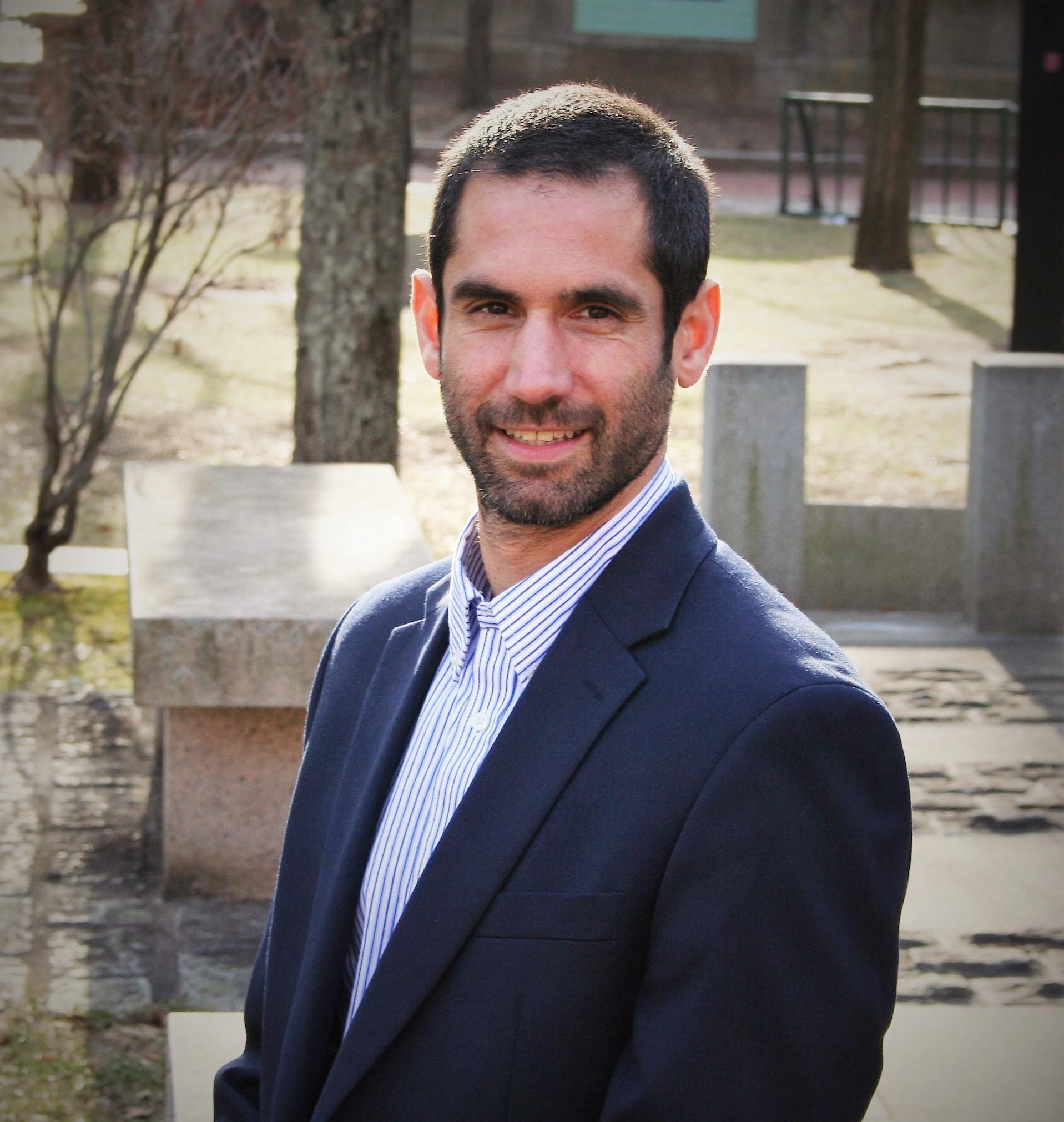
David M Williams is a Professor of Behavioral and Social Sciences and Psychiatry and Human Behavior at Brown University's School of Public Health , where he also serves as Associate Dean . His work bridges affective science and health behavior, focusing on exercise promotion and smoking cessation.
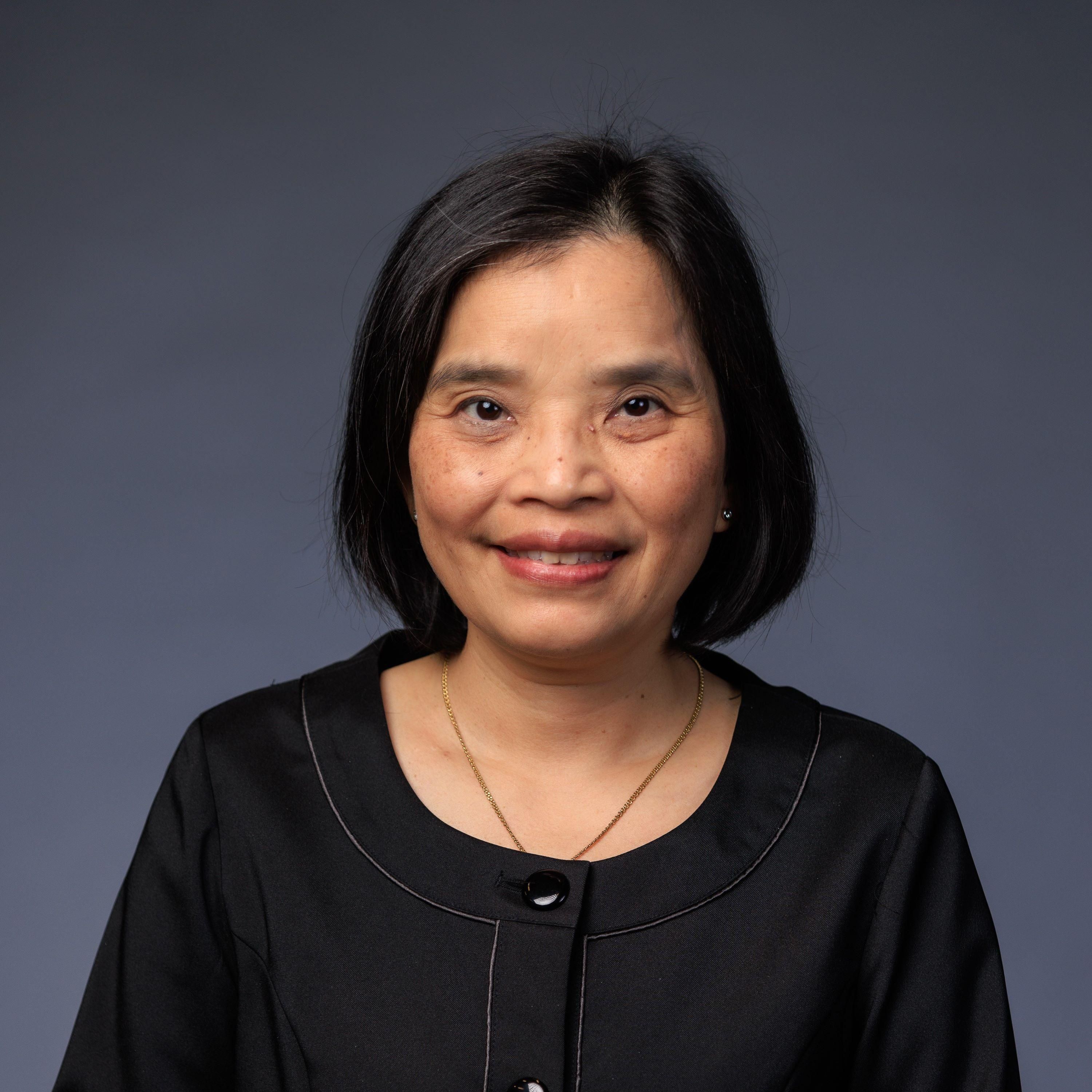
Hannah Wunsch is a Professor of Anesthesiology at Weill Cornell Medical College , Cornell University. She serves as an Attending Anesthesiologist at NewYork-Presbyterian/Weill Cornell Medical Center. M.D. from Washington University School of Medicine (2003) M.Sc. from London School of Hygiene and Tropical Medicine (2002) A.B. from Harvard University (1997) Her research focuses on critical care medicine , with particular emphasis on sepsis outcomes , mechanical ventilation practices , opioid use in postoperative and ICU settings , and health services research utilizing large administrative datasets. Key trends in her recent publications include ICU staffing models , opioid prescription patterns , mechanical ventilation strategies , and long-term outcomes after critical illness . She has published extensively in top-tier journals like Critical Care Medicine , JAMA , and The Lancet .
Fuchsia Howard, PhD, RN serves as an Associate Professor and PhD Coordinator at the University of British Columbia School of Nursing. Her office is located at T201 2211 Wesbrook Mall, Vancouver, BC V6T2B5, with contact via phone (1-604-822-4372) and email (fuchsia.howard@ubc.ca). Her research spans oncology nursing, reproductive health, critical care survivorship, and health equity . She investigates fertility preservation for cancer patients, endometriosis-associated dyspareunia management, and digital health interventions for sexual health. Her work emphasizes patient-reported and family-reported outcomes , particularly in chronic disease management and post-ICU recovery. Current projects address social determinants of health in critical illness survivorship and destigmatizing design for sexual health technologies. Her recent publications (2023-2025) demonstrate strong focus on Patient-centered outcome measures in oncology and gynecology Digital resource development for endometriosis and fertility challenges Family caregiver roles in critical illness recovery Health equity in Canadian cancer care systems Key methodologies include qualitative studies, scoping reviews, and mixed-methods approaches. As PhD Coordinator, she guides nursing doctoral candidates though specific students aren't listed in available materials. Her work connects with clinical practice through collaborations with BC Cancer and UBC-affiliated hospitals.
Dr. Tsz-Yan Milly Lo is an Honorary Reader at the University of Edinburgh’s Usher Institute and a Consultant Paediatric Intensivist at the Royal Hospital for Children and Young People in Edinburgh. She leads the Research Programme in Paediatric Critical Care Medicine and holds the NHS Research Scotland Career Research Clinician Award. Her work focuses on leveraging data informatics to improve outcomes for critically ill children, particularly in neurocritical care and brain trauma. She leads international initiatives like KidsBrainIT (a EU-funded pediatric brain trauma data initiative) and Window in the Brain (developing seizure detection tools). Dr. Lo’s education includes clinical training across Edinburgh, Birmingham, and Melbourne, complemented by a PhD and post-doctoral fellowships in Edinburgh and Toronto. Her research spans clinical informatics, multi-disciplinary data integration, and translational medicine. Key collaborations include academic, clinical, and industry partnerships (e.g., with BrainsView Ltd and engineers at the University of Edinburgh). Her scientific impact includes over 20 peer-reviewed publications, with recent work emphasizing intracranial pressure monitoring, EEG-based seizure detection, and pediatric critical care quality improvement. Her grants total over €1M, including EU NEURON funding and MRC support. She supervises a dynamic research team focusing on innovation in critical care informatics and clinical excellence. Grants: £90,953 (G-WiB), £298,740 (WiB-2), £103,164 (WiB-1), €621,834 (KidsBrainIT). Public Engagement: Launched Scotland’s first PPIE group for pediatric critical care (Intensive-Share). Her lab, IMPACT-ACE, emphasizes clinician-scientist collaboration to drive evidence-based improvements in pediatric critical care. Current projects include global seizure detection tools and pediatric brain trauma big-data analytics.
Dr. Eija Kalso is a Research Director at University of Helsinki's Clinicum and holds the title of Associate Professor . She supervises doctoral programs in Biomedicine, Clinical Research, and Drug Research, with a focus on pain management and neurobiology of disease . Key Research Areas : Chronic pain, circadian rhythm disruption in pain states, pharmacogenomics of analgesics, CRPS, and neuropathic pain mechanisms Recent Trends : 2025 publications emphasize circadian transcriptomics , opioid alternatives , and genotype-driven pain therapy Awards : Konrad ReijoWaara Prize (2007, 2007) Finnish Medical Association Best Textbook Award (2010) Academy of Finland Membership (2010) Arkkiatri Risto Pelkonen Award (2012) Active in European pain research networks , she leads projects like "Sleep and Stress in Pain Transitions" (Finnish Medical Association funding) and participates in international GLORIA consortium targeting glial-opioid receptor interfaces. Her 214+ activities include conference organizing and peer review roles.
Dan Cox serves as Dean of Natural Sciences in The College of Liberal Arts and Sciences and Professor in the School of Life Sciences at Arizona State University. He holds a B.S. in Biology from Wake Forest University and a Ph.D. in Cell Biology from Duke University, where he was an NIH pre-doctoral fellow. His postdoctoral training included a Jane Coffin Childs Fellowship and HHMI Research Associate position at UCSF. His educational trajectory includes: B.S. magna cum laude with honors in Biology, Wake Forest University (1992) Ph.D. in Cell Biology, Duke University Medical Center (1999) Postdoctoral training: Jane Coffin Childs Fellow & HHMI Research Associate, UCSF (2000-2004) Cox leads an internationally recognized neuroscience research program focused on neuronal diversity, circuit construction, and neural mechanisms of behavior—particularly pain perception and sensory neuropathies. His expertise spans neurobiology, cell biology, genetics, and computational modeling, with emphasis on multimodal sensory processing and brain plasticity. His lab has maintained continuous NIH funding for 20 years. His recent publications reveal dual research thrusts: fluid dynamics studies on drag reduction in pipe flows (examining vortex dynamics, Reynolds number effects, and wall oscillation techniques) and genetic engineering work including CRISPR-Cas9 delivery systems for immune system gene screening. This combination reflects interdisciplinary collaboration across engineering and biological domains. Key recognitions include: NIH pre-doctoral fellowship Jane Coffin Childs Fellowship for Medical Research HHMI Research Associate appointment Cox demonstrates exceptional commitment to mentoring across career stages and advancing student success through innovative pedagogies. His leadership extends to directing research centers, imaging facilities, and graduate programs—including roles as Director of the Center for Neuromics and Neuroscience Institute at Georgia State University. His NIH-funded research supports extensive interdisciplinary collaboration and training initiatives. Throughout his career, Cox has cultivated collaborative research environments through leadership in core facilities and interdisciplinary clusters, notably directing the 2CI Neurogenomics Fellowship and Brains & Behavior initiatives. His current deanship emphasizes cross-college research integration within ASU's liberal arts framework.
Richie Goulding is an Assistant Professor at Vrije Universiteit Amsterdam, affiliated with both the Faculty of Behavioural and Movement Sciences (Physiology Department) and the AMS - Musculoskeletal Health. He holds a post-Doctoral Fellow position in the Laboratory for Myology. His research focuses on physiological determinants of exercise tolerance, mitochondrial dysfunction in type 1 diabetes, and exercise bioenergetics. Goulding completed his PhD at Liverpool Hope University and conducted postdoctoral research in Kobe, Japan, under the Japan Society for the Promotion of Sciences. Key research areas include the role of exercise training in mitigating mitochondrial dysfunction, oxidative metabolism regulation, and age-related declines in physical capacity. He has published extensively on topics such as skeletal muscle adaptations, post-exertional malaise in Long COVID, and critical power thresholds in exercise physiology. Goulding teaches courses on applied exercise physiology and training aging/disuse-related issues. His work integrates experimental physiology, clinical studies, and machine learning to explore exercise performance and health outcomes. Recent studies emphasize mitochondrial health in diabetes, muscle abnormalities in chronic conditions, and predictive modeling of exercise responses.
Dr. Richard Kronick is a Professor at the Herbert Wertheim School of Public Health & Human Longevity Science at the University of California, San Diego (UCSD), where he has been a faculty member since 1991. He holds a Ph.D. in Political Science from the University of Rochester and was elected to the National Academy of Medicine in 2014. His career bridges academia and government, including roles as Deputy Assistant Secretary for Health Policy (2010–2013) overseeing the Affordable Care Act (ACA) implementation and Director of the Agency for Healthcare Research and Quality (AHRQ, 2013–2016). He also served in the Clinton Administration and as Director of Policy in Massachusetts Medicaid (1985–1987). His research focuses on health insurance, healthcare financing, and policy interventions to improve care for vulnerable populations. Key areas include risk-adjusted payment systems, Medicare/Medicaid policy analysis, and the consequences of uninsurance. Dr. Kronick’s work emphasizes aligning financial incentives with healthcare quality and equity. His publications analyze topics such as Medicare Advantage coding intensity, disparities in healthcare spending, and ACA impacts on young adult coverage. Recent work addresses how differential coding practices in Medicare Advantage could inflate costs by $200B over a decade. His articles frequently intersect policy and practice, offering actionable insights for healthcare reform. Awards: Elected to the National Academy of Medicine (2014) Special Recognition Award from Academy Health (2016) Dr. Kronick’s leadership in AHRQ and ASPE reflects his role in advancing health system performance. While specific grants are not detailed here, his governmental and academic roles imply significant involvement in policy-driven research initiatives. His work has shaped national discussions on healthcare equity, payment reform, and system sustainability.
Yi-Ju Li is Professor of Biostatistics & Bioinformatics at Duke University, where she is also a Member of the Duke Molecular Physiology Institute and part of the Division of Integrative Genomics. Her academic journey at Duke includes progression from Assistant Professor to Associate Professor and now to her current position as full Professor since 2021. Professor Li's research focuses on statistical genetics, particularly the development of statistical methods for understanding the genetic predisposition of human complex diseases. Her work encompasses family-based association methods for quantitative traits, detection of X-linked genes for disease risk, analysis of next generation sequencing data for rare variants, and applications in Alzheimer's disease, Fuchs endothelial corneal dystrophy, and peri-operative genomic studies. She has made significant contributions to understanding the genetic basis of age-at-onset of Alzheimer disease and genetic risk factors for postoperative outcomes in patients undergoing cardiac surgery. Her recent publications reveal a strong trend toward translational research with clinical applications, particularly in drug-induced liver injury, cardiovascular outcomes after surgery, and genetic risk factors for various conditions. Her work bridges statistical methodology development with practical applications in multiple disease areas, demonstrating versatility across hepatic, neurological, cardiovascular, and ophthalmological domains. Professor Li serves as Co-Investigator on multiple significant research grants, including the Drug Induced Liver Injury Network Data Coordinating Center (NIH, 2003-2028), Proteomic Biomarkers Predicting Osteoarthritis Onset and Progression (DoD, 2025-2027), and Neurocognition & Greater Maintenance of Sinus Rhythm in AF (NIA, 2021-2026). Her grant portfolio spans multiple funding agencies including NIH, Department of Defense, and various institutes within NIH. She is actively involved in the Duke Center for Statistical Genetics and Genomics, collaborating with researchers across multiple disciplines to advance genomic research methodologies and applications. Her work demonstrates strong interdisciplinary collaboration between biostatistics, medicine, and clinical research teams at Duke University.
Lisa Vargish, M.D., M.S., is an Associate Professor in the Department of Medicine at the University of Rochester School of Medicine and Dentistry . She specializes in Geriatrics and Palliative Care , with a focus on developing educational curricula for medical students and training residents and fellows. Her clinical expertise spans family medicine, geriatrics, and palliative care, and she has served as medical director for the Shepherd Home hospice in Penfield, NY. Education: MD from University of Chicago, MS in Education from Warner School of Education (University of Rochester) Certifications: Board-certified in Family Medicine, Geriatrics, and Palliative Care Dr. Vargish's research emphasizes geriatric palliative home care curricula and medical education reform . Her work includes publications on pediatric preventive care, critical care glucose management, and pain in dementia patients. She has also contributed to foundational research in oncology, particularly colorectal cancer chemoprevention. Scientific awards include the HRSA Geriatric Academic Career Development Award Educator of the Year (2016) Golden Giver Award (Channel 8 News, 2012) Dr. Vargish has held leadership roles in curriculum development, including the Pritzker Initiative at the University of Chicago, and her clinical experience includes federally-qualified health centers, sub-acute rehabilitation units, and hospice care.
Professor Richard De Abreu Lourenco is affiliated with the University of Technology Sydney (UTS) as a faculty member in the Faculty of Health , specifically within the Centre for Health Economics Research and Evaluation (CHERE) since 2024. Previously, he held academic roles at UTS including Associate Professor (2018-2023), Senior Research Fellow (2016-2018), and Research Fellow (2013-2016). His non-academic career includes leadership roles at Covance (2006-2013) and Novartis Pharmaceuticals (2001-2006). Education: PhD, University of Technology Sydney (2017) Master of Economics, University of Sydney (1997) Bachelor of Economics, Murdoch University (1992) Research Focus: His work spans applied economic evaluations , specialty health economics (particularly oncology/haematology ), patient preference modeling , and priority setting in healthcare . He explores cost-effectiveness of emerging therapies (CAR-T, SABR radiotherapy), health technology assessment (HTA) , and value frameworks for high-cost treatments . Recent Trends: Recent publications analyze access pathways for rare disease drugs , methodological challenges in discrete choice experiments , cost-effectiveness of radiotherapy vs. ablation , and genetic risk stratification in endocrine tumors . Collaborative work spans oncology , public health policy , and diagnostic testing preferences . Supervision & Grants: Available for Masters and PhD supervision . Leads funded research projects including generative AI in pharmaceutical evaluation , digital health for culturally diverse prostate cancer patients , and economic frameworks for high-cost therapies . Collaborates with institutions like Novartis , Covance , and Cancer Australia .
Dr. Julia A. Kearney is an Associate Professor and Associate Attending Psychiatrist at Memorial Sloan Kettering Cancer Center (MSK) in New York City. She serves as the Clinical Director of the Pediatric Psycho-Oncology Program at MSK, where she specializes in providing psychological support to children with cancer and their families. Dr. Kearney is board certified in Pediatrics, General Psychiatry, and Psychosomatic Medicine. Dr. Kearney completed her medical degree at the University of Cincinnati College of Medicine, followed by residency training at Mount Sinai Medical Center in New York, and fellowship training at Memorial Sloan Kettering Cancer Center. Dr. Kearney's research focuses on the psychological impact of cancer and other serious medical conditions on children and their families. Her work examines childhood medical trauma, the psychiatric aspects of Fanconi anemia, and the development of interventions to manage both physical symptoms (such as nausea, vomiting, and pain) and the emotional and cognitive effects of cancer treatment. As part of the Symptom Studies and Pharmacotherapy Laboratory in the Department of Psychiatry, she conducts studies aimed at enhancing quality of life and relieving suffering for pediatric cancer patients. Dr. Kearney has received numerous professional recognitions, including multiple "America's Top Doctor" designations from Castle Connolly (2023-2025) and the "Exceptional Women in Medicine" award (2023-2024). Her clinical expertise spans anxiety, depression, coping difficulties, adjustment disorders, attentional disorders, and other psychological challenges faced by children with cancer and their families. Dr. Kearney is an active member of several professional organizations, including the American Academy of Child and Adolescent Psychiatry, the American Psychosocial Oncology Society, and the Academy of Psychosomatic Medicine. She has contributed to important clinical guidelines, including the Standards of Psychosocial Care for Parents of Children With Cancer.
Henry R. Kranzler, MD, is a Professor of Psychiatry and Director of the Center for Studies of Addiction at the Perelman School of Medicine, University of Pennsylvania. His work bridges genetics, neuroimaging, and pharmacogenetics to advance precision addiction medicine. Research Focus: Genetics of substance use disorders (alcohol, opioids, nicotine) Pharmacogenetic approaches to personalized treatment Neuroimaging of addiction-related neural pathways Population-level genetic studies (GWAS, cross-ancestry analysis) Gene-environment interactions in addiction Recent Publications (2024-2005): Analyze genetic architectures of alcohol use disorder, opioid use disorder, and pain intensity; pharmacogenetic trials for topiramate and naltrexone; and large-scale GWAS collaborations across diverse populations. Grants: Principal Investigator, Million Veterans Program grant I01 BX003341 Principal Investigator, NIAAA grant R01 AA03005
Dr. YuanYuan Wang is a Senior Research Fellow at Monash University's School of Public Health and Preventive Medicine, specializing in clinical epidemiology of musculoskeletal conditions, particularly osteoarthritis. Over 20 years of experience includes leading randomized controlled trials for novel treatments of knee and hand osteoarthritis. Her research, supported by NHMRC and Arthritis Australia, has contributed to understanding osteoarthritis pathogenesis and preventive strategies. Education: PhD, Swinburne University of Technology (2007) on knee cartilage and bone morphologies; Master of Medicine, Dalian Medical University (1998); MBBS, Peking University (1993). Research focuses on osteoarthritis epidemiology, low back pain, obesity, and clinical trials. Key contributions include over 210 peer-reviewed manuscripts in top journals like The Lancet and Annals of the Rheumatic Diseases, with 11,500+ citations and an H-index of 65. Awards include the Mid-Career Research Excellence Award (2015) and EULAR Clinical Abstract Award (2018). Current roles include editorial positions at BMC Musculoskeletal Disorders and Frontiers in Endocrinology, and grant review committee memberships. Active in collaborations globally, leading projects like the HeLP-knee program (2019–2022) and the Open Nutrition platform (2025). Her work aligns with UN Sustainable Development Goals, addressing health challenges through translational research and community interventions.
Anış ARIBOĞAN, MD is a Professor at Uskudar University, specializing in Anesthesiology and Reanimation. He holds academic titles including Associate Professor (1997) and Professor (2004) from Çukurova University. His research focuses on critical care, resuscitation, general anesthesia, airway management, and postoperative pain management. He has contributed extensively to clinical studies involving analgesia timing in cesarean deliveries, perioperative care in oncological surgeries, and novel pain management techniques. Education: MD from Ankara University (1984), followed by specialization in Anesthesiology and Reanimation at Çukurova University. Professional Achievements: Over 37 indexed publications, 21 h-index, and expertise in managing complex cases such as congenital insensitivity to pain and anesthesia during bariatric surgery. Awards: Not explicitly mentioned in the provided text. His work emphasizes evidence-based practices, including randomized controlled trials evaluating analgesic efficacy and innovative approaches to pediatric sedation (e.g., oral glucose for newborn MRI). He has also explored rare conditions like Guillain-Barré syndrome and cardiac arrest during anesthesia, contributing to critical care guidelines.