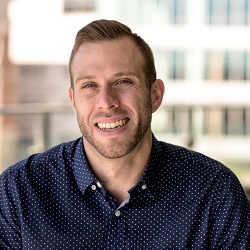
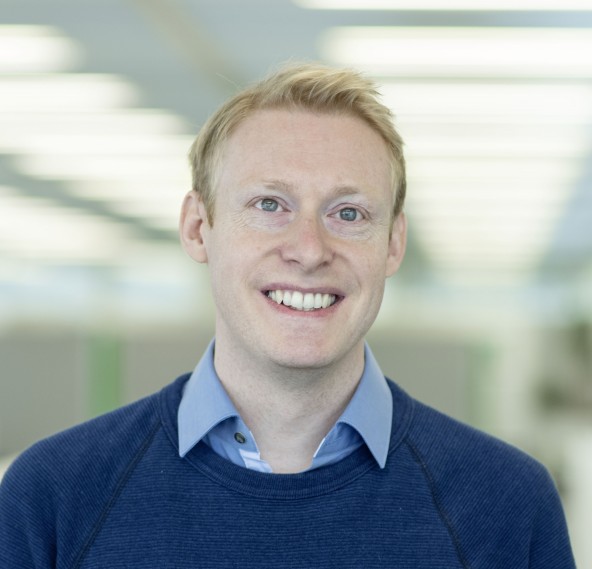
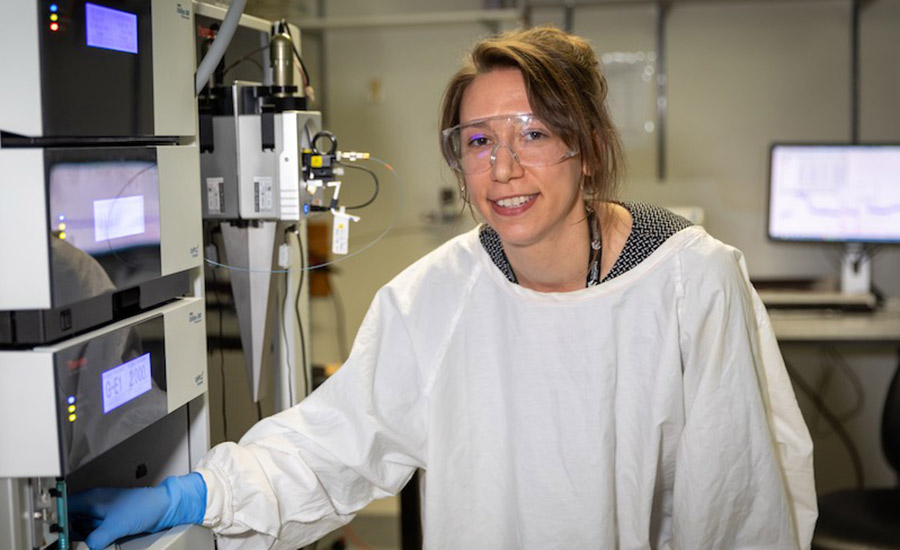
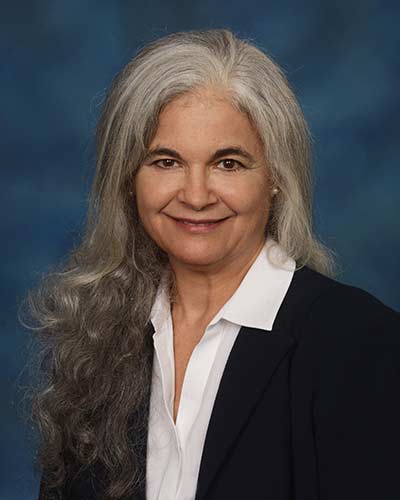
Dr. Michael Wilczek is Assistant Teaching Professor in Biotechnology/Bioinformatics at Northeastern University's Roux Institute. His research bridges virology, bioinformatics, and educational innovation, with particular focus on JC polyomavirus pathogenesis and graduate education reform. Key research domains include: Molecular mechanisms of viral infections Bioinformatic analysis of host-pathogen interactions Observational health and real-world evidence Evidence-based graduate education His publication record demonstrates: Expertise in JC polyomavirus cellular pathways Innovative applications of machine learning in virology High-throughput drug screening methodologies Health disparities research in aging populations
Ben Cosgrove is an Associate Professor in the Meinig School of Biomedical Engineering at Cornell University, serving as Director of Graduate Studies. His research focuses on systems bioengineering approaches to understand muscle stem cell dysfunction in aging and disease. He leads the Cosgrove Lab, a multidisciplinary group integrating biomedical engineering, stem cell biology, and systems biology to study microenvironmental signaling in muscle regeneration. His work includes developing biomimetic microenvironments for stem cell manufacturing and improving regenerative medicine therapies. Dr. Cosgrove holds a B.Eng. from the University of Minnesota (2003) and a Ph.D. in Bioengineering from MIT (2009). Postdoctoral training at Stanford University (with Dr. Helen Blau) followed. His research is supported by NIH grants (including R01, R21), the Glenn Medical Research Foundation, and others. He has been recognized with awards such as the BMES Graduate Research Award (2008), Rising Star Award (2015), and Swanson Teaching Excellence Award (2019). Research interests span bioengineering, biomechanics, computational science, and systems biology. His lab's innovations include spatial transcriptomic mapping and high-yield stem cell expansion platforms. Current projects aim to decode stem cell-niche interactions to treat muscle degeneration and aging. Grants: NIH K99/R00, R01, R21; Glenn Medical Research Foundation Labs/Teams: Cosgrove Lab (Cornell University) Future Work: Expanding applications of spatial transcriptomics and engineering regenerative therapies for muscle diseases
Subash Jonnalagadda, Ph.D., is a Professor and Department Head of Chemistry & Biochemistry at Rowan University's College of Science & Mathematics, also affiliated with the Biological & Biomedical Sciences program. He holds a B.S. from Pondicherry University, M.S. from University of Hyderabad, and Ph.D. in Organic Chemistry from Purdue University, with postdoctoral training at University of Pennsylvania and University of Minnesota. Recipient of Rowan University's Wall of Fame Teaching Award (2013, 2016) Eli Lilly International Graduate Scholar (2000-2005) Research focuses on: Medicinal Chemistry: Developing boron-based small molecules (e.g., benzoboroxoles) and betulinic acid derivatives as anti-cancer agents Biomass Valorization: Converting cellulose into chemicals like hydroxymethylfurfural for bio-based polymers Publications emphasize anti-cancer drug design, nanocarrier systems, and enzyme inhibition strategies. Advised over 50 graduate/undergraduate students, many progressing to academic and pharmaceutical careers. Collaborates with Rowan School of Osteopathic Medicine on Alzheimer's drug candidates.
Prof. Dr. Soeren Lienkamp is an Assistant Professor at the Institute of Anatomy , Faculty of Medicine , University of Zurich . His work bridges digital education and genetic research , focusing on enhancing medical teaching through innovative formats. Research Interests : Genetics, developmental biology, kidney disease modeling, CRISPR applications, digital medical education, and advanced microscopy. Methodologies : Combines Xenopus tropicalis models, deep learning , and bioengineering to study genetic kidney disorders and improve diagnostic tools. Publication Trends : His recent articles highlight predictable genome editing , 3D imaging technologies , and mechanistic insights into kidney and eye development. Earlier works focus on ciliary function , Wnt signaling , and metabolic stress in renal cells.
Dr. Heather Murray is a Cancer Institute NSW Early Career Research Fellow at the University of Newcastle, affiliated with the School of Biomedical Sciences and Pharmacy. She holds dual roles as a Lecturer and Postdoctoral Researcher, focusing on proteomics and phosphoproteomics to uncover therapeutic targets in acute myeloid leukemia (AML). Her work combines genomic, proteomic, and clinical approaches to address treatment resistance and precision medicine in blood cancers. Education: PhD in Medical Biochemistry (University of Newcastle, 2020), MPhil, BSc (Hons) in Biomedical Sciences, and BSc in Biological Sciences, all from the University of Newcastle. Research Interests: Proteomic characterization of leukemia subtypes, DNA repair mechanisms, and drug resistance pathways. Her lab uses phosphoproteomics to identify synergistic drug combinations targeting oncogenic pathways like FLT3 and KIT mutations. Key Collaborations: Works with clinicians like Associate Professor Anoop Enjeti and researchers at Hunter Medical Research Institute. Partnerships include institutions like the University of Southern Denmark and QIMR Berghofer. Grants & Funding: Secured over $2M in funding, including a 2022 Cancer Institute NSW Fellowship, BarbeCURE grants, and philanthropic support from organizations like the McDonald Jones Charitable Foundation. Supervision: Mentors 6 current PhD students on topics like venetoclax resistance, breast cancer biomarkers, and ex vivo AML models. Supervision history includes 6 completed Honours projects. Labs/Teams: Leads the Molecular Oncology group under Associate Professor Nikki Verrills. Member of the HMRI Precision Medicine Program and University of Newcastle ECR committees.
Professor Patrick Harter is a faculty member at the Institute of Neuropathology, Ludwig Maximilian University of Munich (LMU), where he leads research in neuro-oncology and molecular diagnostics of CNS tumors. His work focuses on glioblastoma, meningioma, and brain metastasis, with emphasis on epigenetic mechanisms like DNA methylation and metabolic adaptations in the tumor microenvironment. Research interests span: Molecular classification of brain tumors using DNA methylation profiling Therapeutic targeting of BRAF/MEK and PI3K/Akt/mTOR pathways Role of hypoxia and metabolic plasticity in treatment resistance Liquid biopsy development for non-invasive tumor monitoring His recent publications demonstrate a strong trend toward integrating epigenetic, metabolic, and immunotherapeutic approaches. Articles frequently explore: Novel biomarkers for tumor grading and prognosis Mechanisms of therapy resistance in gliomas Impact of tumor microenvironment on metastasis
Toni M. Antalis, PhD, is a Professor in the Department of Pharmacology & Physiology at the University of Maryland School of Medicine. She serves as Associate Director of Training and Education for the Marlene and Stewart Greenebaum Comprehensive Cancer Center and Director of the Program in Molecular Medicine. Her research bridges vascular biology and cancer, focusing on membrane-anchored serine proteases and their role in tumor metastasis, inflammation, and coagulation. Doctorate in Biochemistry from Rice University Postdoctoral training in Cell Biology at Baylor College of Medicine Her laboratory investigates how protease-activated receptors (PARs) and the plasminogen activation system influence vascular disease and ovarian cancer progression. Current projects include studying fibrinolysis in thrombus resolution and developing protease-targeted therapies for metastatic ovarian cancer. Recent publications highlight roles of matriptase, testisin, and PAI-2 in tumor dissemination and vascular permeability. Dr. Antalis' research is funded by the National Institutes of Health (NIH), the Department of Defense, and a VA Merit Award. She has previously received support from the Lance Armstrong Foundation and Rivkin Center. She co-directs NIH-funded T32 and PREP programs for cancer training. Mentored numerous PhD students and postdoctoral fellows Developed engineered anthrax toxin prodrugs for ovarian cancer therapy (patents 10,568,929 and 11,013,784)
Alireza Poshtkohi is an interdisciplinary researcher at the University of Hertfordshire , affiliated with the School of Physics, Engineering & Computer Science and the Department of Computer Science . He applies computational and mathematical approaches to neuroscience, physics, and engineering challenges, focusing on modeling the human nervous system and brain diseases at the cellular level using supercomputing technologies. Education: PhD in Neuroscience (Ulster University, 2023), MSc in Parallel Simulation of Electronic Systems (Shahed University, 2011), BSc in Embedded Systems and Computer Networks (2006). His research spans computational neuroscience , mathematical modeling , and high-performance computing , with publications on microglia dynamics, P2X receptors, and parallel system modeling. Recent work includes a 2024 study on the PI3K/Akt pathway and a 2023 book on distributed systems. He collaborates with experimental neuroscientists from the University of Reading and Michigan State University , integrating molecular neurobiology with computational frameworks. His technical expertise includes grid computing, cybersecurity, and simulation environments.
Christopher J. Lengner is the Harriet Ellison Woodward Professor and Chair of the Department of Biomedical Sciences at the University of Pennsylvania School of Veterinary Medicine. He is a member of the Institute for Regenerative Medicine, NIH P30 Center for Molecular Studies in Digestive and Liver Diseases, and Abramson Cancer Center, with roles in training and research leadership. Education : PhD in Cell and Molecular Biology from the University of Massachusetts Medical School (2004). His research focuses on molecular mechanisms governing stem cell potency and their dysregulation in diseases like cancer and regenerative failure. Using genetic, genomic, and single-cell approaches in murine and human systems, his lab has uncovered novel pathways in intestinal stem cell hierarchy, cancer ontogeny, and therapeutic targeting. Recent publications highlight work in colorectal cancer metastasis (PI3K/AKT, NOTUM inhibition), intestinal regeneration (mTORC1, FLASH radiotherapy), and tumor microenvironment dynamics. Collaborations span human induced pluripotent cells and patient samples. Scientific Awards : Ruth L. Kirschstein Postdoctoral Fellowship He mentors graduate students (Ryan Cedeno, Maryam Yousefi) and leads the Center for Animal Transgenesis. His lab’s integrative studies bridge basic science to translational applications in oncology and regenerative medicine.
Andrew Godwin is a Professor at the University of Kansas Medical Center , where he serves as the Chancellor’s Distinguished Chair in Biomedical Sciences and Director of Molecular Oncology in the Department of Pathology and Laboratory Medicine. He is also the Deputy Director of the NCI-designated University of Kansas Cancer Center and the Founding Director of the Kansas Institute for Precision Medicine and Biospecimen Shared Resource . Dr. Godwin is a leader in translational research and precision medicine , with a focus on molecular oncology , biomarker discovery , and genomic diagnostics . His work bridges basic and clinical science to improve cancer patient care, particularly in ovarian cancer , Ewing sarcoma , and breast cancer . He has contributed over 230 ovarian cancer-related publications and pioneered studies linking the PI3K/AKT pathway to cancer treatment targets. His research program encompasses liquid biopsies using extracellular vesicles , molecular therapeutics , companion diagnostics , and clinical trial validation . He leads the Biomarker Discovery Laboratory and has secured over $250M in extramural funding , including a $11.4M NIH grant for precision medicine initiatives. His team has developed CELLSEARCH® , the first FDA-cleared test for circulating tumor cells. Notable awards include the Dolph C. Simons, Sr. Higuchi Award (2020), Outstanding Mentorship in Pathology Award (2024), and multiple mentoring accolades from KU. He has mentored over 150 trainees across career stages and leads a multidisciplinary lab with expertise in genomics , proteomics , and bioengineering . Academic Roles: Chancellor’s Distinguished Chair in Biomedical Sciences Director, Molecular Oncology, Pathology and Laboratory Medicine Deputy Director, KU Cancer Center Founding Director, Kansas Institute for Precision Medicine Adjunct Professor, Bioengineering Program, University of Kansas Scientific Awards: KUMC Achievement Award for mentoring postdocs (2014) Chancellor’s Club Award for Research (2018) Dolph C. Simons, Sr. Higuchi Award (2020) KU Excellence in Mentoring Award (2021) Outstanding Mentorship in Pathology (2024) Key Research Themes: Extracellular vesicles as liquid biopsy tools Molecular mechanisms of sarcoma and breast cancer Genomic diagnostics and precision oncology Clinical trial biomarker validation Biospecimen repository leadership
Andreas Radbruch is a leading immunologist and Professor for Experimental Rheumatology at Charité – Universitätsmedizin Berlin. He serves as Scientific Director of the Leibniz Institute Deutsches Rheuma-Forschungszentrum Berlin (DRFZ). With a PhD in Genetics and Immunology from Cologne University, his career spans key roles including Associate Professor at the University of Cologne and Visiting Scientist at the University of Alabama, Birmingham. Professor for Experimental Rheumatology, Charité – Universitätsmedizin Berlin (1998–present) Scientific Director, DRFZ Berlin (1996–present) Associate Professor for Genetics and Immunology, University of Cologne (1990–1998) His research focuses on immunological memory and chronic inflammatory autoimmune diseases, with groundbreaking work on memory plasma cells and their survival niches. He has pioneered technologies like MACS, cytokine cytometry, and magnetofluorescent liposomes for lymphocyte analysis. Notable awards include the ERC Advanced Grant (2011), Avery Landsteiner Award (2014), and Blondel Medal (2017). He is a member of EMBO, the Berlin-Brandenburg Academy, and the German Academy of Sciences (Leopoldina). His recent publications highlight SARS-CoV-2 immune dynamics, T-cell regulation in autoimmune arthritis, and molecular mechanisms of memory cell survival. These studies bridge fundamental immunology and clinical applications in rheumatology.
Dimitrios (Dimitris) Anastasiou is a Senior Group Leader at The Francis Crick Institute in London, UK, specializing in cancer metabolism research. Previously, he served as a Group Leader at the Medical Research Council National Institute for Medical Research (NIMR) starting in 2012 before transitioning to the Crick Institute in 2015. His research career includes postdoctoral work and an Instructor position at Beth Israel Deaconess Medical Center and the Department of Systems Biology, Harvard Medical School under Lewis Cantley, where he focused on metabolic reprogramming in cancer. University College London, UK - BSc Molecular Biology (2001) University of Basel, Basel, Switzerland - PhD in Biochemistry (2006) Anastasiou's research centers on understanding how cancer cells generate energy and utilize nutrients differently from normal cells. His laboratory conducts detailed analyses of metabolic pathways in cancer, investigating how tumor cells rewire their metabolism to support rapid growth and evade the body's defenses. His work spans biochemistry, proteomics, computational systems biology, human physiology, and tumor biology, with particular emphasis on identifying metabolic vulnerabilities that could be targeted for cancer therapy. His innovative approaches include developing chemical 'sensors' to monitor metabolic changes in cancer cells over time as tumors develop. Analysis of his recent publications reveals a consistent focus on metabolic regulation in cancer, particularly regarding glycolysis, hypoxia response, amino acid metabolism, and nucleotide biosynthesis. His work frequently examines enzyme regulation (particularly PKM2), metabolic adaptation to environmental stressors, and the intersection between metabolism and signaling pathways. A notable trend is his exploration of how metabolic enzymes function beyond their traditional roles, influencing cellular signaling and gene expression in cancer contexts. Anastasiou has made significant contributions to understanding metabolic reprogramming in cancer, particularly regarding pyruvate kinase M2 regulation, hypoxia responses, and nutrient utilization in tumor microenvironments. His work bridges basic biochemical mechanisms with potential therapeutic applications, focusing on identifying metabolic vulnerabilities in cancer cells that could be exploited for treatment. As a Senior Group Leader at the Crick Institute, Anastasiou leads a research group investigating how metabolism contributes to disease, particularly cancer. His laboratory utilizes a range of techniques including metabolomics, bioinformatics, structural biology, and high-throughput screening to study metabolic pathways. The group's work aims to identify fundamental differences between metabolic pathways in tumors and healthy tissue to discover new therapeutic targets against cancer.
Dr. Premdass Ramdas is a Senior Lecturer at Monash University Malaysia, affiliated with the Jeffrey Cheah School of Medicine and Health Sciences. He joined in October 2023 with over 13 years of experience in medical biotechnology and health sciences, focusing on cancer research and bioactive natural compounds. PhD in Cancer Proteomics and Genomics, University of Malaya MSc in Medical Sciences (Cancer Genomics and Natural Products), International Medical University BSc with First-Class Honors His research focuses on the anticancer mechanisms of tocotrienols, utilizing proteomics, genomics, bioinformatics, and mouse models. He explores epigenetics, nutrigenomics, RNA/microRNA analysis, exosome biology, and AI-driven big data in cancer. His work contributes to UN Sustainable Development Goals in health and well-being. Recent publications show a strong trend in systematic reviews and mechanistic studies on vitamin E analogues in cancer, particularly colorectal and breast cancers. His research integrates molecular biology with computational approaches, including molecular docking and data mining. First-class honors for BSc Malaysian Palm Oil Board Scholarship for MSc MyBrain15 Scholarship for PhD Dr. Ramdas has secured research grants such as FRGS and actively supervises research projects. He is currently accepting PhD students and has co-supervised non-HDR reviews, indicating active mentorship. He has no known labs or teams explicitly mentioned, but collaborates extensively, particularly with Prof. Radhakrishnan A.K.
Katie Reindl is a Professor in the Department of Biological Sciences at North Dakota State University (NDSU). Her research focuses on understanding the molecular mechanisms driving changes in gene and protein expression during cancer progression and identifying pharmacological targets for cancer treatment, particularly in pancreatic ductal adenocarcinoma. She explores signaling pathways such as ERK and PI3K, as well as drug delivery strategies using nanotechnology and targeted therapies. Her work integrates molecular biology, pharmacology, and computational modeling to address challenges in cancer biology. Key areas include ER stress responses, mitochondrial dynamics, and tumor microenvironment interactions. She has contributed to advancements in combination therapies, drug delivery systems, and biomimetic tumor models. Dr. Reindl’s research emphasizes translational applications, aiming to bridge laboratory findings with clinical relevance. Her studies often involve multi-omics analyses and collaborative approaches to uncover novel therapeutic targets and improve treatment efficacy.
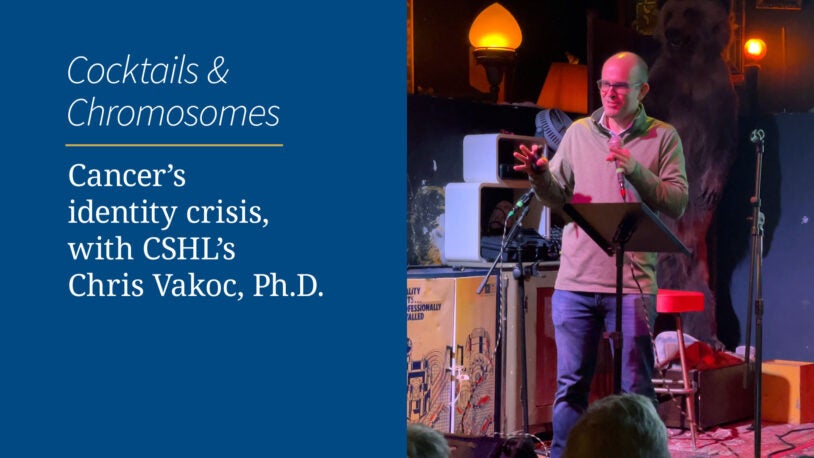
Christopher Vakoc is a Professor at Cold Spring Harbor Laboratory (CSHL), holding the Alan and Edith Seligson Professorship of Cancer Research and serving as Deputy Director of the Cancer Center. His work focuses on understanding how epigenetic dysregulation contributes to cancer pathogenesis, with particular emphasis on epigenetic dependencies and lineage plasticity. Dr. Vakoc's research investigates how transcription factors and chromatin regulators control gene expression in cancer cells. His lab employs high-throughput CRISPR-based genetic screens to identify critical epigenetic regulators in specific cancers. A significant finding from his work demonstrated that blood cancers are often vulnerable to targeting transcriptional coactivators like BRD4 and the SWI/SNF chromatin remodeling complex. His team showed that BRD4 inhibition has therapeutic effects in leukemia mouse models, leading to ongoing clinical trials. Analysis of Vakoc's recent publications reveals a strong focus on pancreatic cancer mechanisms, particularly basal-like identity and lineage plasticity. His work on the MED12-ΔNp63 interaction in pancreatic cancer represents a major breakthrough in understanding how cancer cells lose their original identity. Additionally, his research spans acute myeloid leukemia, sarcoma, lung cancer, and glioma, with consistent themes of epigenetic regulation and identification of novel therapeutic targets. Scientific awards recognizing his contributions include: Paul Marks Prize for Cancer Research AACR Outstanding Achievement in Cancer Research Award Pershing Square Sohn Prize Long Island Excellence in Healthcare Award (2023) Burroughs Welcome Fund Career Award for Medical Scientists Dr. Vakoc actively mentors numerous graduate students and postdoctoral fellows, with several former trainees now holding prominent positions in academia and industry. His research is supported by multiple grants including funding from the National Cancer Institute, Pershing Square Sohn Cancer Research Alliance, and National Institutes of Health. The Vakoc Laboratory serves as a hub for innovative cancer epigenetics research, employing cutting-edge CRISPR screening technologies to reveal new therapeutic opportunities across multiple cancer types.