Laura Berneking is a Research Fellow at the University of Hamburg's Faculty of Medicine, affiliated with the Institute of Medical Microbiology, Virology and Hygiene. Her work focuses on bacterial and viral pathogenesis, antibiotic resistance mechanisms, and immune modulation in infectious diseases. She contributes to clinical diagnostics and translational research, particularly in bloodstream infections, device-related infections, and complications following hematopoietic stem cell transplantation. Her research interests include Yersinia species' virulence strategies, the role of bacterial effectors in host immune suppression, and the molecular basis of antibiotic resistance. She has pioneered studies on Vibrio infections linked to environmental factors and evaluated novel diagnostic assays for rapid pathogen detection. Her work bridges basic science and clinical applications, emphasizing translational outcomes in infection control and patient care. Key projects include analyzing Staphylococcus condimenti genomic characterization, cefiderocol resistance in Pseudomonas aeruginosa, and HHV-6 integration post-stem cell transplantation. She collaborates with international teams on antibiotic development (e.g., rifamycin derivatives) and has published extensively in high-impact journals like PLoS Pathogens , European Journal of Cell Biology , and International Journal of Infectious Diseases . Laura Berneking holds memberships in the Deutsche Gesellschaft für Hygiene und Mikrobiologie and the Berufsverband der Ärzte für Mikrobiologie und Infektionsepidemiologie. She is based at the UKE Campus Forschung II in Hamburg, contributing to both laboratory research and clinical diagnostic workflows.
Dr. Gefion Franke is a medical specialist in Microbiology, Virology, and Infectious Disease Epidemiology at the University of Hamburg's Faculty of Medicine. She is affiliated with the Institute of Medical Microbiology, Virology and Hygiene, contributing to interdisciplinary research and clinical diagnostics. Her work focuses on hospital hygiene, antimicrobial resistance, and infection control strategies. Research Interests Carbapenemase-producing Enterobacterales (CPE) surveillance in healthcare settings Efficacy of disinfection methods (UV-C, ozone, manual wipes) Antimicrobial resistance mechanisms in pathogens like vancomycin-resistant Enterococcus faecium Environmental microbiology of hospital wastewater and airborne pathogens Recent Work Trends Recent publications (2021–2024) emphasize practical solutions for infection prevention, including evaluating novel disinfection technologies and analyzing microbial persistence in hospital environments. Her work bridges clinical practice and epidemiological research, addressing global challenges like antibiotic-resistant pathogens. Advising & Grants No formal advisee records found. Collaborates on institutional projects related to hospital hygiene and antimicrobial resistance surveillance. Active in multidisciplinary teams within the Faculty of Medicine. Labs/Teams Part of the Institute's clinical microbiology and virology research groups, contributing to diagnostic workflows and contamination studies in healthcare facilities.
Susanne Pfefferle is a researcher affiliated with the Institute of Medical Microbiology, Virology and Hygiene at the University Medical Center Hamburg-Eppendorf (UKE). She specializes in virology, molecular diagnostics, and infectious disease research, with a focus on emerging pathogens like SARS-CoV-2 and monkeypox virus. Her work includes developing diagnostic assays, studying viral pathogenesis, and investigating immune responses in immunocompromised patients. Publications highlight her contributions to understanding viral tropism (e.g., SARS-CoV-2 in ocular tissues), evaluating antiviral therapies (tecovirimat for mpox), and analyzing epidemiological trends in vulnerable populations (homeless individuals). Her research bridges clinical and molecular aspects of infectious diseases, emphasizing translational applications in diagnostics and public health. Key Research Interests: Virology, molecular diagnostics, emerging infectious diseases, SARS-CoV-2 pathogenesis, and immune responses.
Eleonora Palagano is a Tenured Scientist (Research III level) at the National Research Council of Italy's Institute of Biosciences and Bioresources (IBBR) in Florence, where she has been working since 2019. Her research spans the interdisciplinary fields of bone biology and the application of plant-derived compounds for conservation purposes. Dr. Palagano earned her PhD in experimental medicine and medical biotechnology from the University of Milan (2015-2018), following a Master's degree in Pharmacology and Medical Biotechnology from the University of Florence (2010-2012) with 110/110 cum laude, which included experimental thesis work at Trinity College, Dublin. She also holds a Degree in Medical Biotechnology from the University of Florence (2007-2010) with 110/110 cum laude, and qualified as a Professional Biologist from the University of Florence in 2019. Her research interests have evolved from a primary focus on bone biology and genetic skeletal disorders to include the application of essential oils and plant compounds for paper conservation and food preservation. Early in her career, she made significant contributions to identifying genetic mutations in rare skeletal diseases like osteopetrosis and acrofrontofacionasal dysostosis. More recently, her work has expanded into analyzing wild thyme chemotypes, developing cocrystals of essential oil components, and investigating the antifungal properties of plant compounds for cultural heritage preservation. Analysis of her publication trends reveals a strategic shift from purely medical genetics toward interdisciplinary applications. While her earlier work (2015-2020) focused almost exclusively on bone disorders and genetic skeletal diseases, her recent publications (2021-2025) demonstrate a growing emphasis on conservation science, with approximately 40% of her recent work dedicated to essential oils and plant compounds for paper and food preservation. 44th ECTS CONGRESS NEW INVESTIGATOR AWARD, Salzburg, Austria (2017) Travel Award 7th Osteoimmunology Conference, Crete, Greece (2018) ECTS Travel Award, Budapest, Hungary (2019) Dr. Palagano's technical expertise spans multiple disciplines: in biochemistry (immunoblotting, immunoprecipitation, mass spectrometry); molecular biology (site direct mutagenesis, PCR, molecular cloning); and cell biology (cell culture, immunofluorescence, osteoclast differentiation). Her laboratory work bridges medical genetics and conservation science, collaborating with multiple institutions across Italy including various divisions of the National Research Council. She is fluent in Italian (mother tongue) and has good spoken and written English skills, facilitating international collaborations.
Yasuko Rikihisa is a University Distinguished Professor of Veterinary Biosciences at The Ohio State University, specializing in obligate intracellular bacteria such as Ehrlichia, Anaplasma, and Neorickettsia. Her research focuses on understanding how these pathogens subvert host immune systems and manipulate cellular processes for survival and replication. She holds membership in the National Academy of Sciences and leads the Rikihisa Lab, which integrates genomic, molecular, and in vivo studies to address pathogen transmission, virulence mechanisms, and diagnostic advancements. Education: M.S. and Ph.D. from the University of Tokyo; Postdoctoral work at Harvard Medical School. Key Research Areas: Type IV secretion systems, autophagy manipulation, cholesterol acquisition, bacterial effector proteins. Her recent work emphasizes identifying novel therapeutic targets and vaccines, particularly against tick-borne pathogens. Notable contributions include elucidating Ehrlichia’s evasion of immune responses and its exploitation of host cell machinery for replication. Awards: Member, National Academy of Sciences. Labs/Teams: Rikihisa Lab at The Ohio State University.
Professor Andriana Margariti is a globally recognized leader in vascular biology and regenerative medicine at Queen's University Belfast's School of Medicine, Dentistry and Biomedical Sciences. She serves as Director of the iPSC facilities within the Wellcome-Wolfson Institute for Experimental Medicine (WWIEM), where she leads one of the UK's most advanced induced pluripotent stem cell programmes. Appointed Lecturer in 2013, she progressed to Senior Lecturer in 2017 and Professor in Vascular and Regenerative Medicine in 2020. Her laboratory generates human iPSCs differentiated into endothelial cells, smooth muscle cells, cardiomyocytes, and other cell types for disease modeling and therapy development. Her research focuses on stem cell biology , endothelial cell function , direct cell reprogramming , chromatin remodelling , and translational cardiovascular science . Key areas include vascular reprogramming, diabetic vascular complications, RNA binding proteins (particularly QKI family), and epigenetic mechanisms in disease. She pioneered the generation of fully functional human blood vessels from diabetic patient-derived iPSCs using single-cell RNA sequencing to reveal diabetic vascular dysfunction mechanisms. Professor Margariti's publication trends show consistent output in vascular organoid technology (2022-2025), with increasing integration of AI and digital twin technologies. Her work spans vascular biology , diabetes complications , organoid engineering , and epigenetic therapeutics , with strong translational focus toward clinical applications in regenerative medicine. PAPANIKOLAOU Prize from Hellenic Medical Society for outstanding medical research contribution Scientific Research Award from King's College London Inclusion in Ulster Transport Museum's Museum of Innovation (2022) BBSRC NEW INVESTIGATOR AWARD (2014) First Contact Initiative Grant from European Society of Cardiology (2013) Numerous student awards including ISSCR attendance grants and best presentation prizes She supervises 12 PhD students and numerous MSc/MSci students, with current projects spanning patient-specific iPSC models of vascular disease, next-generation vascularized organoids, direct reprogramming for vascular regeneration, in vivo cell-based therapeutics, and AI-enhanced digital twins. Her lab has secured major grants including BBSRC New Investigator Award and multiple BHF-funded projects. Professor Margariti collaborates globally with institutions including Harvard Medical School, UCSF, and King's College London, and serves on editorial boards for Circulation Research and other high-impact journals. Her laboratory maintains advanced iPSC facilities generating vascularized cardiac tissues and disease-specific organoids, with current research focusing on diabetic retinopathy models, next-generation vascularized cardiac organoids, and AI-integrated digital twin technology for personalized clinical applications.
Steven Gilmour is a Professor of Statistics at King's College London's Department of Mathematics, part of the Faculty of Natural, Mathematical & Engineering Sciences. He holds a BSc from Heriot-Watt University (1987) and a PhD from the University of Reading (1991). His career includes roles at Queen Mary University of London and the University of Southampton. Research focuses on experimental design, including response surface methodology, nonlinear models, and applications in healthcare and agrochemicals. Notable awards include the 2018 Lloyd S Nelson Award. His work spans over 90 peer-reviewed articles, emphasizing statistical rigor and interdisciplinary impact. Recent studies include AI's role in pandemic screening and optimal design for network experiments. Education: BSc in Statistics, Heriot-Watt University, 1987 PhD in Applied Statistics, University of Reading, 1991 Affiliations: Professor of Statistics, King's College London (2016–present) Professor of Statistics, University of Southampton (2010–2016) Key Research Themes: Multi-stratum and optimal experimental designs Nonlinear models and hybrid modeling Applications in healthcare, pharmaceuticals, and agrochemicals Grants & Projects: EPSRC-funded projects on optimal design and healthcare interventions Lab/Teams: Active in King's Statistics Group and collaborates with interdisciplinary teams in non-equilibrium science and urban data analytics. His recent work challenges AI efficacy in pandemic screening and advances methodologies for complex experimental structures. Supervises doctoral research in design-based statistical modeling and multi-objective optimization.
Marleen Voorhuijzen is a researcher at Wageningen University & Research, specializing in molecular biology and antimicrobial resistance (AMR) within the Bacteriology team. She is currently a PhD candidate in BioNanoTechnology, focusing on advanced diagnostics for food safety and zoonotic disease monitoring. Institution: Wageningen University & Research Academic Role: Researcher, PhD candidate Key Collaborations: Team Bacteriology, VLAG Graduate Program Her research spans food allergen detection, DNA metabarcoding, and CRISPR-Cas integration in diagnostic assays. She has developed portable LAMP (Loop-Mediated Isothermal Amplification) methods for real-time allergen and pathogen monitoring in complex matrices. Recent publications highlight her expertise in PCR techniques, food authentication, and zoonotic disease surveillance. Notable work includes harmonizing allergen monitoring frameworks in Europe and optimizing DNA extraction protocols for food safety applications. She actively contributes to academic discourse through presentations at international conferences, emphasizing scalable and field-deployable diagnostic solutions.
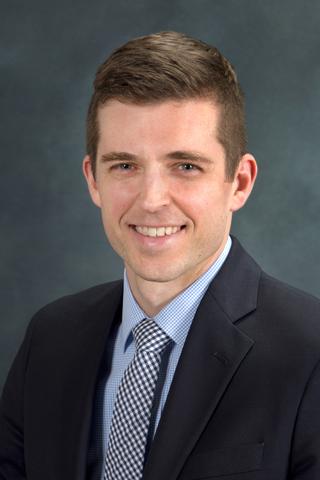
Dr. Daniel Croft is an Associate Professor in the Department of Medicine, Pulmonary Diseases and Critical Care, and the Department of Environmental Medicine at the University of Rochester School of Medicine and Dentistry. He practices at the Mary Parkes Center for Asthma, Allergy & Pulmonary Care, focusing on general pulmonary disease and occupational lung disorders. His research investigates air pollution's impact on respiratory health, including viral infections and inhaled toxins like e-cigarettes. He leads a NIH-funded project on air pollution and immune responses to respiratory viruses, and collaborates with the Western New York Center for Research on Flavored Tobacco Products (CRoFT). Education: MD, MPH from the Richard M Fairbanks School of Public Health. Residencies: Internal Medicine at Mary Hitchcock Memorial Hospital (2011-2014). Fellowship: Pulmonary and Critical Care Medicine at UR Medicine (2014-2017). Research interests include environmental health, air pollution epidemiology, vaping-induced lung injury (EVALI), and occupational lung diseases. He has published over 30 peer-reviewed articles on topics such as COPD exacerbations, neurodegenerative disease links to air pollution, and vaping's role in respiratory illnesses. Notable awards include the 2023 American Thoracic Society Fellow and the 2018 David Bates Award. His clinical work spans the ICU at URMC and outpatient care, emphasizing smoking cessation and environmental toxin mitigation.
Michelle Gatton is a Professor of Public Health at the School of Public Health & Social Work within the Faculty of Health at Queensland University of Technology (QUT). She holds a PhD in Medical Engineering (QUT, 2000) and a BSc(Hons) in applied mathematics and environmental pollution and health from Griffith University. Previously, she was a Research Fellow at the Queensland Institute of Medical Research (QIMR) and Head of the Malaria Drug Resistance and Chemotherapy Laboratory (2010–2012). Her research focuses on mosquito-borne diseases, particularly malaria, including diagnostic tool quality assessment for malaria and COVID-19. Collaborations include the World Health Organization, Foundation for Innovative New Diagnostics (FIND), and Australian Army Malaria Institute. Key projects involve modeling malaria parasite transmission and evaluating diagnostic test performance. Michelle has received the NHMRC Career Development Award in Population Health (2008). She coordinates biostatistics units in postgraduate public health programs and supervises PhD students in areas like Aboriginal health outcomes, tuberculosis implementation in Indonesia, and fluid management in critical care. She is affiliated with QUT's Centre for Immunology and Infection Control.
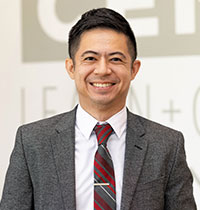
Marc Salvatus is an Assistant Professor in the Pharmacy Practice department at West Coast University, School of Pharmacy . He holds a Doctor of Pharmacy degree from WCU and is board-certified in pharmacotherapy ( BCPS ). Dr. Salvatus completed an ASHP-accredited PGY1 Pharmacy Practice Residency at Adventist Health Glendale and practices as a clinical pharmacist in an acute care community hospital, specializing in internal medicine , antimicrobial stewardship , and transitions of care . He serves as a faculty advisor for the American College of Clinical Pharmacy (ACCP) student chapter at WCU, emphasizing mentorship and collaborative learning. Education: BS in Biological Sciences from University of California, Irvine; PharmD from West Coast University (inaugural class); Post-doctorate teaching certificate from WCU SOP His research spans neuroscience ( MGAT5-mediated N-glycosylation in stem cell differentiation ) and clinical pharmacy ( pharmacist-led MRSA therapy optimization ). Publications reflect expertise in both developmental biology and infectious disease management. Dr. Salvatus has presented at events like the Western States Conference for Pharmacy Residents and the California Society of Health-System Pharmacists (CSHP) Seminar.
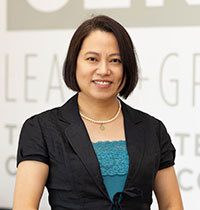
Su Young Lee is an Associate Professor in Pharmacy Practice at West Coast University. She holds a PharmD from the University of Minnesota and completed residencies at the University of Minnesota Medical Center and Seoul National Hospital. Her academic roles include teaching Pharmacotherapy in Infectious Diseases and Clinical Pharmacokinetics. Dr. Lee is actively involved in Antimicrobial Stewardship Programs and has practiced at Sinai Hospital, Baltimore, and Holston Valley Medical Center. Education: Doctor of Pharmacy (University of Minnesota, 200?) Master of Science in Pharmacy (Seoul National University, 199?) Bachelor of Pharmacy (Seoul National University, 199?) Residency: Seoul National Hospital (Therapeutic Drug Monitoring/Total Parenteral Nutrition & Pediatric Oncology) Research: Focuses on antimicrobial pharmacodynamics, resistance patterns, and stewardship strategies. Key interests include optimizing antibiotic combinations and reducing resistance through clinical interventions. Publications: Recent work addresses antibiotic efficacy against carbapenem-resistant pathogens, pharmacist-led interventions, and glycemic control in critically ill patients. Articles span disciplines like clinical microbiology, pharmacotherapy, and healthcare epidemiology. Awards: Clinical Excellence of Teaching Award (Appalachian College of Pharmacy) Preceptor of Excellence Award Young Investigator Award (Connecticut Infectious Diseases Society) Advising & Grants: Trained numerous students in antimicrobial stewardship and clinical practice. Active in faculty development programs, including teaching certificate workshops and interprofessional education initiatives. Labs/Teams: Collaborates in Antimicrobial Stewardship Programs and contributes to multidisciplinary rounds improving patient outcomes through pharmacist interventions.
Professor Οικονομόπουλος Ιωάννης is a faculty member at the Agricultural University of Athens (AUA), serving as Dean of the School of Animal Biosciences from 2019 to 2022. He holds academic roles including President of the European College of Veterinary Microbiology (ECVM) and is an expert evaluator for EU research programs. His expertise spans Veterinary Microbiology, Molecular Microbiology, and infectious disease diagnostics. Education: Veterinarian Degree: Aristotle University of Thessaloniki, Department of Veterinary Medicine MSc in Veterinary Microbiology: Royal Veterinary College, University College London PhD in Molecular Microbiology: Aristotle University of Thessaloniki Research Interests: Investigation of microbial pathogens in animals, including Mycobacterium avium and bovine tuberculosis Impact of parturition on disease detection in livestock Development of molecular diagnostic tools for veterinary applications Autoimmune diseases and their implications in public health He has supervised 20 competitive research programs and holds 6 European patents in veterinary microbiology. His work bridges clinical diagnostics and public health, with a focus on advancing molecular techniques for disease management. Grants & Recognition: Principal Inventor of 6 European Patents EU Executive Agency Expert (Research Programs) Evaluator for EAEVE (European veterinary education) He coordinates the Laboratory of Anatomy & Physiology of Farm Animals at AUA and actively contributes to interdisciplinary research teams in veterinary science.
Ronny Gunnarsson is an academic affiliated with James Cook University, specializing in clinical research with a focus on surgery, public health, and infectious diseases. His work addresses healthcare disparities, particularly for Indigenous populations, and includes predictive modeling in surgical outcomes and sepsis management. He has contributed to studies on antibiotic stewardship, menarche experiences in Papua New Guinea, and adherence to prophylaxis for rheumatic fever. Research interests span surgery, healthcare equity, infectious diseases, and clinical diagnostics. Key contributions include prediction models for surgical complications and sepsis mortality. Investigates cultural competency in healthcare and Indigenous health outcomes. His publications emphasize evidence-based practices, methodological rigor in clinical research, and addressing systemic health inequities through interdisciplinary approaches.
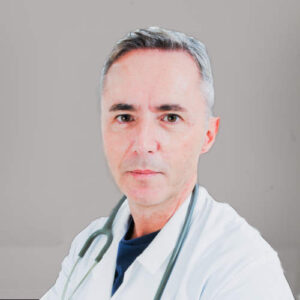
Hervé Bourhy is a distinguished Professor at Institut Pasteur in Paris, where he serves as Head of the Global Health Department since 2019. He also leads the Research Unit "Lyssavirus Epidemiology and Neuropathology" and serves as Head of the National Reference Centre for Rabies, which is also designated as a WHO Collaborating Centre for Reference and Research on Rabies. With a career spanning over three decades at Institut Pasteur since 1987, Dr. Bourhy has established himself as a leading expert in rabies and other neurotropic viral diseases. Dr. Bourhy's educational background includes: Doctor of Veterinary Medicine (1986) from the Faculty of Medicine, Nantes PhD in Microbiology (1992) from the University of Paris VI, Paris, France Certification to supervise PhD students (HDR) (2000) from the University of Paris VI Dr. Bourhy's research focuses on the complex interactions between neurotropic viruses and their hosts, with particular emphasis on rabies virus and SARS-CoV-2 . His work spans multiple dimensions of viral pathogenesis, including the mechanisms of nervous system invasion , viral evolution and adaptation , and the innate immune response to viral infections . A significant portion of his research operates under the One Health framework, recognizing the interconnectedness of human, animal, and environmental health in addressing zoonotic diseases. His laboratory has made groundbreaking contributions to the development of prophylactic and therapeutic approaches against rabies, including innovative post-exposure prophylaxis regimens and human monoclonal antibody therapies. Analysis of Dr. Bourhy's extensive publication record (200+ PubMed entries) reveals a consistent focus on rabies virus epidemiology, evolution, and pathogenesis, with a recent expansion into SARS-CoV-2 neurotropism. His work demonstrates a progression from fundamental virology to translational research with direct public health applications, particularly in resource-limited settings. The keywords that frequently appear across his publications include rabies, lyssavirus, zoonoses, viral evolution, neuropathology, and One Health. His research has increasingly incorporated advanced genomic and phylogenetic methods to understand viral transmission dynamics at micro and macro scales. Dr. Bourhy's significant contributions to the field have been recognized through numerous honors: Corresponding member of the Danish Academy of Clinical Microbiology (DSKM) since 2013 Corresponding member of the French Veterinary Academy (AVF) since 2006 Deschiens Prize from the Academy of Medicine, Paris (2003) Award from the University of Medicine, Nantes (1986) With an impressive h-index of 46 and over 6,620 citations (Web of Science), Dr. Bourhy's research has had substantial impact in the field of virology and public health. His work has led to 4 patents and has been influential in shaping WHO recommendations for rabies post-exposure prophylaxis. Dr. Bourhy has also been invited to present his research at more than 75 international symposiums and conferences, demonstrating the global recognition of his expertise. While specific details about his students are not provided in the available documentation, his leadership position as Head of the National Reference Centre for Rabies and WHO Collaborating Centre suggests substantial mentorship responsibilities. Dr. Bourhy leads the Lyssavirus Epidemiology and Neuropathology research unit at Institut Pasteur, which functions as both the National Reference Centre for Rabies in France and a WHO Collaborating Centre for Reference and Research on Rabies. His team conducts research across multiple dimensions of rabies and other neurotropic viral diseases, from basic molecular virology to field epidemiology in endemic regions. The unit maintains strong international collaborations, particularly in Africa where they have conducted extensive studies on rabies transmission dynamics in urban settings like Bangui, Central African Republic. Their work integrates laboratory research with field studies to develop practical solutions for rabies control and prevention in resource-limited settings.