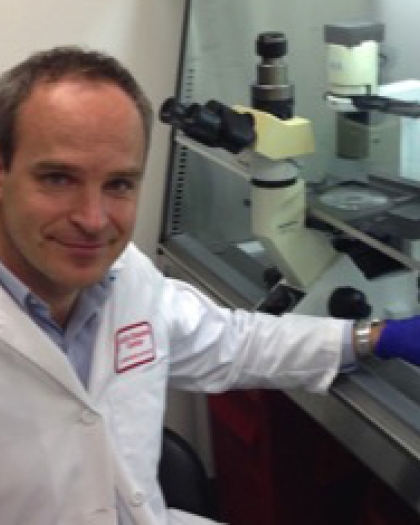
Helge Ræder is a Professor at the University of Bergen's Department of Clinical Science and serves as Vice Dean for Innovation at the Faculty of Medicine. He is a Consultant Pediatrician at Haukeland University Hospital. His research focuses on understanding endocrine diseases, particularly diabetes and adreno-gonadal conditions, through induced pluripotent stem cell (iPSC) models. He leads the Endocrine Stem Cells Group and contributes to the Center for Diabetes Research. Ræder teaches pediatric topics including Growth and Puberty Disorders, Metabolic Diseases, and Innovation courses. He also mentors residents in Pediatric Endocrinology. His research emphasizes iPSC-derived islet cell differentiation, pancreatic development, and molecular mechanisms in diabetes. He has published extensively on stem cell applications, genetic mutations (e.g., HNF4A), and pancreatic pathophysiology. Notable contributions include studies on CEL-MODY, MODY8, and the role of microRNAs in cellular differentiation. He collaborates on national medical student research programs and contributes to proteomic analyses of stem cell-derived β-cells. His lab integrates clinical insights with cutting-edge stem cell and genetic approaches to advance diabetes therapies.
Janelle Thompson is an Associate Professor at the Asian School of the Environment (ASE) at Nanyang Technological University (NTU), Singapore, and a Principal Investigator at the Singapore Centre for Environmental Life Sciences Engineering (SCELSE). Her research focuses on environmental microbiology, water quality, and extremophile biotechnology. She holds a PhD from MIT and Woods Hole Oceanographic Institution and has held roles including Associate Director at the Singapore-MIT Alliance for Research and Technology and Assistant Professor at MIT. Education: PhD (Joint Program in Biological Oceanography), MIT and Woods Hole Oceanographic Institution (2005) M.Sc. (Environmental Engineering and Science), Stanford University (1999) B.Sc. (Biological Sciences), Stanford University (1998) Research Interests: Thompson’s work integrates molecular ecology, environmental genomics, and systems biology to address sustainable resource management. Current projects include wastewater epidemiology for disease surveillance, tropical marine health, and carbon sequestration impacts on microbial communities. She leads an interdisciplinary team at NTU/SCELSE. Teaching: Developed an astrobiology course at NTU and previously taught environmental microbiology at MIT. Grants & Collaborations: Leads an NRF IntraCREATE project on wastewater epidemiology with MIT, NUS, Duke-NUS, and NEA. Collaborates globally on wastewater-based disease monitoring and extremophile applications. Labs & Teams: Heads the Environmental Microbiology Research Group at ASE/SCELSE, focusing on water quality and extremophile biotechnology.
Naglaa Shoukry Mohamed is a Full Professor in the Department of Medicine and Department of Microbiology, Infectious Diseases, and Immunology at the University of Montréal. She is affiliated with the CRCHUM (Research Centre of the University of Montréal Hospital Centre) and serves as Director of the Liver Immunology Laboratory and the Canadian Network on Hepatitis C (CanHepC). Her research focuses on hepatitis C virus (HCV) immunity, liver fibrosis mechanisms, and hepatocellular carcinoma. She leads a translational research program studying immune responses in HCV infection and has established a unique patient cohort for investigating protective immunity against HCV in high-risk populations. Her research interests include identifying immunological correlates of HCV protection, cytokine roles in liver fibrosis (IL-17, IL-22), and understanding mechanisms underlying HCV-related liver cancer. She has secured significant funding, including a 4.5M$ grant to lead the National Hepatitis C Network. Her lab explores vaccine development and immune-based therapies, with a focus on high-resolution transcriptomic and immunological analyses. Key projects address neutrophil roles in fibrosis, sex-dependent IL-22 effects in metabolic liver disease, and immune signatures in chronic HCV patients. She supervises doctoral and master’s students, including Manuel Flores Molina, Sabrina Mazouz, and Thomas Fabre. Her work bridges basic immunology with clinical applications, aiming to reduce HCV transmission and liver disease burdens.
Boyko Amarov is an Assistant Professor at the Department of Statistics and Econometrics, part of the Faculty of Economics and Business Administration at Sofia University St. Kliment Ohridski. His academic roles include teaching and research in statistical methodologies and their applications. He holds a PhD and has extensive professional experience in research and consultancy, particularly in Germany. Education: PhD in Research Fellow (2008–2012), Freie Universität Berlin, Germany. Master of Business Administration (2000–2008), Freie Universität Berlin. Bachelor of Statistics (2004–2008), Technische Universität Berlin and Humboldt Universität zu Berlin. Business Administration (1999–2000), Sofia University, Bulgaria. Research Interests: Dr. Amarov focuses on advanced statistical methodologies, including sample surveys, nonlinear estimation, and applied statistical modeling. His work intersects with biostatistics in dermatology and oncology, leveraging R and SAS programming for data analysis. He also explores survey design challenges, such as panel recruitment and nonresponse bias in official statistics. Professional Experience: His career spans academic roles at Sofia University since 2017, consultancy in statistical analysis (2012–2017), and research at Freie Universität Berlin (2012–2018). He has contributed to projects like the Thematic Network Project in Languages and internships at institutions such as the United Bulgarian Bank. Labs/Teams: Collaborates with the EORTC Cutaneous Lymphoma Tumours Group (CLTG) and other international research networks in biostatistics and oncology.
Dr. Alip Kumar is a Research Fellow in the School of Environmental and Rural Science at the University of New England, Australia. His research focuses on poultry nutrition, gut health, and alternatives to in-feed antibiotics for disease management in poultry production. He holds a PhD from UNE (2021) and prior degrees from Bangladesh Agricultural University and Kangwon National University (South Korea). His work addresses coccidiosis, necrotic enteritis, and salmonella control through innovative feed additives and organic solutions. He has published 21 journal articles and presented globally, with awards including the Youth Program Fellowship (WPC) and UNE DVCR/IPRA honors. Dr. Kumar’s research spans poultry disease mitigation, microbiota modulation, and sustainable farming systems. Education: PhD in Animal Science (2018–2021), University of New England, Australia MS in Animal Science, Bangladesh Agricultural University BSc (Hons.) in Animal Husbandry, Bangladesh Agricultural University MS in Monogastric Animal Nutrition, Kangwon National University, South Korea Research Interests: Dr. Kumar’s work combines nutritional strategies, antimicrobial alternatives, and molecular diagnostics to enhance poultry health. Key areas include the development of enzyme-based feed additives, organic acid blends, and phytochemicals to improve gut integrity and combat pathogens like Clostridium perfringens and Eimeria. He also explores the role of nanotechnology in zinc delivery and sex-based covariates in poultry trials to optimize experimental design. Publications Trends: His articles emphasize antibiotic-free solutions, with recent focus on copper oxide, eugenol-garlic mixtures, and monoglyceride blends to mitigate necrotic enteritis. He investigates microbiota modulation via enzymes (xylanase) and organic acids, alongside novel diagnostics for poultry pathogens. Long-term themes include sustainable feed formulations and precision nutrition. Awards: Youth Program Fellow/Award (World Poultry Congress, France) University of New England DVCR & IPRA Awards (Australia) BEST-KNU and Outstanding Academic Awards (South Korea) NST Fellowship (Bangladesh) Advising & Grants: While no student advisees are listed, Dr. Kumar actively reviews manuscripts for journals like Animal Nutrition and Poultry Science . His work is supported by institutional grants and collaborations within UNE’s research networks. He contributes to interdisciplinary teams exploring agribusiness sustainability and food safety. Labs/Teams: Engaged with UNE’s poultry nutrition research groups, focusing on experimental trials in controlled farming systems. Collaborates with international partners on antibiotic alternatives and disease diagnostics.
Dr. Antonio Foddai is a Lecturer in Food Science at Teesside University's School of Health and Life Sciences (SHLS). He holds a PhD in Food Molecular Microbiology from Queen's University Belfast (2010) and academic qualifications from the University of Sassari, Italy, including a BSc in Veterinary Science (1999) and an MSc in Food Safety (2006). His research focuses on bacteriophage applications for pathogen detection, phage display technologies for affinity binders, and antimicrobial peptide discovery. Key projects include leading the EU-funded 'Sustainable Food Microbiology' initiative (2024–2025) and contributing to the 'Interreg North-tick' program (2020–2023), which addressed pathogen detection and Borrelia burgdorferi research. He collaborates with companies like Nestlé and AgriSearch NI on applied food research. His teaching emphasizes interactive methods in Food Science and Microbiology. Notable publications include reviews on bacteriophage biocontrol and studies on Mycobacterium avium detection in milk, with impactful contributions to food safety and diagnostics.
Michael Levas, MD, MS is a Professor of Pediatrics and Emergency Medicine at the Medical College of Wisconsin. His research focuses on the impact of violence on youth health, social determinants of disparities, and clinical/community interventions in pediatric emergency care. He has high-volume clinical experience in childhood injury and violence. Education: Fellowship: Pediatric Emergency Medicine, University of Missouri-Kansas City School of Medicine (2011) Residency: Pediatrics, University of Missouri-Kansas City School of Medicine (2008) MD: Medical College of Wisconsin (2005) Dr. Levas' research integrates clinical practice with community programs to address health inequities. Key areas include pediatric firearm injuries, pandemic-related injury trends, and diagnostic advancements for tick-borne illnesses. He advocates for policy changes and interdisciplinary collaboration to improve outcomes for vulnerable youth. His publications highlight emerging injury epidemics during the pandemic, vaccine hesitancy in minority populations, and innovative diagnostic tools for pediatric infections. He collaborates with law enforcement and social services to strengthen violence surveillance systems. Dr. Levas holds no listed awards but is actively involved in grant-funded studies on violence prevention and health disparities. He leads teams advancing evidence-based practices in pediatric emergency care settings.
Sol Del Mar Aldrete, MD is an Assistant Professor in the Department of Medicine, Division of Infectious Diseases at the Medical College of Wisconsin (MCW). She serves as an Associate Fellowship Program Director and practices at Froedtert Hospital and Vivent Health. Dr. Aldrete specializes in infectious diseases with a focus on HIV care, particularly immune non-response to antiretroviral therapies and CD4 T-cell recovery patterns. She also contributes to infectious disease consultations in both inpatient and outpatient settings. Education: MD from Universidad Panamericana (2009), Internal Medicine residency (2013), and Infectious Diseases fellowship (2016) at Emory University. Her research investigates CD4 T-cell dynamics in HIV patients, aiming to predict adverse outcomes through immune recovery metrics. She has published on HIV pathogenesis, C. difficile epidemiology, and antibiotic stewardship, reflecting her dual clinical and investigative expertise. Dr. Aldrete is board-certified in Internal Medicine and Infectious Diseases.
R. Kirk Pirlo is an Assistant Professor in the Department of Chemical and Materials Engineering at the University of Dayton. Previously, he served as a National Research Council Postdoctoral Research Fellow at the U.S. Naval Research Laboratory (NRL) and as Federal Research Biologist and Principal Investigator at NRL from 2011–2019. He also held the role of Government Chief Technology Officer for BioFabUSA (2015–2019). Education: Ph.D., Bioengineering, Clemson University B.S., Physics, West Virginia University Research interests span Biomaterials Development , Biofabrication , and Blood-Brain Barrier Modeling . He specializes in Laser-Assisted Bioprinting , Electrospinning , and Biochip Arrays for scalable tissue engineering and pharmaceutical testing. Scientific contributions include pioneering Biopaper Substrates , Modular Bioreactors , and Multilayer Biological Constructs . His work focuses on translating advanced manufacturing techniques into practical medical solutions. Scientific Awards: NRL Karle Fellowship (2011) National Research Council Postdoctoral Fellowship (2009) Edmund and Rose Rotter Scholarship in Physics (2004) Professional affiliations include the International Society for Biofabrication, Material Research Society, Tissue Engineering and Regenerative Medicine International Society (TERMIS), Society for Biomaterials, and Biomedical Engineering Society. His LinkedIn and Google Scholar profiles highlight patents and publications in bioprinting, bioreactors, and tissue engineering.
Professor Marc Arbyn is a leading expert in cervical cancer screening and prevention at Sciensano (Scientific Institute of Public Health) in Belgium. With over two decades of research experience, he has made substantial contributions to the field of cancer epidemiology, particularly in HPV testing validation and implementation. His research focuses on: Validation of HPV tests for cervical cancer screening through the VALGENT framework Development and assessment of self-sampling methods for HPV testing Meta-analyses of screening effectiveness and diagnostic test accuracy Implementation of evidence-based cervical cancer prevention strategies Professor Arbyn's publication record demonstrates consistent high-impact research, with recent work focusing on urine-based HPV testing, clinical validation of next-generation HPV assays, and the long-term impact of HPV vaccination on cervical cancer incidence. His systematic reviews and meta-analyses have shaped international guidelines for cervical cancer screening. As a methodological expert, he has developed specialized approaches for analyzing screening test performance and has contributed significantly to evidence synthesis in medical screening. His work bridges the gap between research evidence and public health implementation, directly influencing cervical cancer prevention policies worldwide.
Arvin Dar, PhD, is the Benno C. Schmidt Chair of Cancer Research at Memorial Sloan Kettering Cancer Center (MSKCC), where he leads the Dar laboratory within the Chemical Biology Program at the Sloan Kettering Institute. He holds a PhD from the University of Toronto (2006) and a BS from the University of Western Ontario (1999). His research focuses on developing chemical tools and small molecules to target cancer mechanisms, particularly those involving signal transduction pathways, kinases, and molecular glues. Key projects include drug discovery for RAS-MAPK-driven cancers and hepatocellular carcinoma (HCC), with an emphasis on conformational modulators and molecular glues. The lab also explores precision medicine approaches using organoid models and patient-derived samples. Dr. Dar’s work has led to significant advances in understanding drug resistance mechanisms and the structural biology of cancer targets. He has received prestigious awards such as the Mark Foundation ASPIRE Award and the Pershing Square Sohn Prize. His lab collaborates widely, including with industry partners like Nested Therapeutics and Prometeo Therapeutics, which he co-founded to translate research into therapies. Dr. Dar’s research spans chemical biology, structural biology, and translational oncology, with a focus on enabling new paradigms in drug discovery. Education: PhD, University of Toronto (2006); BS, University of Western Ontario (1999) Affiliations: MSKCC, Sloan Kettering Institute, and co-founder of Nested Therapeutics/Prometeo Therapeutics His lab’s publications highlight breakthroughs in molecular glue design, kinase inhibitor specificity, and live-cell target engagement. Ongoing projects include developing multi-kinase inhibitors for liver cancer and exploring novel therapeutic strategies for colorectal cancer driven by KRAS mutations. The lab also investigates the role of pseudokinases and chaperone proteins in cancer progression. Key Awards: Mark Foundation for Cancer Research ASPIRE Award Pew-Stewart Scholars for Cancer Research National Academy of Inventors Fellow Pershing Square Sohn Cancer Research Alliance Award Dr. Dar mentors students and postdocs in a multidisciplinary environment, emphasizing both experimental and computational approaches. His lab actively recruits researchers interested in chemical biology, drug discovery, and cancer mechanisms.
Osaretin Emmanuel Asowata serves as a Research Fellow within the Department of Pathology and Laboratory Medicine at Memorial Sloan Kettering Cancer Center (MSK). His primary focus lies in the development and optimization of laboratory diagnostic methods for infectious diseases, particularly in immunocompromised patient populations such as those with cancer or HIV. His research interests encompass Diagnostic Microbiology, Clinical Virology, Molecular Diagnostics, and Infectious Disease Diagnostics. Key areas include the laboratory detection of Pneumocystis jirovecii pneumonia, characterization of the lung mycobiome using next-generation sequencing, and viral pathogen identification in pediatric oncology settings. His work bridges clinical pathology with advanced genomic technologies to improve diagnostic accuracy. Analysis of his recent publications reveals a strong trend toward molecular and genomic approaches in diagnostic microbiology. He has contributed to reviews on laboratory diagnosis of fungal pneumonia and meeting abstracts on NGS workflow optimization and enterovirus detection, indicating an active role in advancing diagnostic protocols for complex patient cohorts. No scientific awards or honors were identified in the provided information. Information regarding academic advising of students or secured research grants was not available in the source material. Dr. Asowata is an integral member of the Clinical Microbiology service at MSK, collaborating with Dr. N.E. Babady and colleagues including Dr. K. Jani and Dr. T. McMillen. His work supports the institution's mission in diagnostic innovation for cancer and infectious disease patients.
Nicolas Bebronne is a researcher at the Institute of Tropical Medicine Antwerp (ITG), Belgium, specializing in parasitology with a focus on Trypanosoma species. His work spans multiple continents, with significant research conducted in Algeria and the Democratic Republic of Congo. Bebronne has maintained a consistent research output from 2005 through 2024, demonstrating ongoing contributions to tropical medicine and parasitology. Bebronne's research interests encompass several critical areas in tropical disease research: Trypanosomiasis diagnostics and detection methodologies Genomic analysis of Trypanosoma species Epidemiology of animal trypanosomiasis (particularly surra) in North Africa Molecular characterization of Trypanosoma strains Development of improved diagnostic assays for human and animal African trypanosomiasis Capacity building for health research in endemic regions His publications reveal a strong emphasis on practical applications for disease detection and control, with numerous studies examining diagnostic test performance and epidemiological patterns in endemic areas. The research often involves collaborations with scientists from affected countries, particularly in Algeria and the Democratic Republic of Congo. Bebronne was a key collaborator in the DRC-FA4 project (2017-2021), funded by the Directorate-General for Development Cooperation and Humanitarian Aid, which focused on building health research capacity in three Democratic Republic of Congo institutions while strengthening efforts against Human African Trypanosomiasis (HAT). His scientific contributions include significant work on Trypanosoma brucei gambiense (74% of his research fingerprint), parasites (32%), Trypanosoma brucei brucei (29%), and related areas such as Pichia, genome analysis, routine diagnostic tests, and infections. His recent work demonstrates continued innovation in molecular diagnostics and epidemiological studies of trypanosomal diseases.
Stijn Rogé is a researcher affiliated with the Institute of Tropical Medicine (ITM) in Antwerp, Belgium, and the University of Antwerp. He holds a Master's degree and has conducted extensive research in parasitic and viral diseases. His work focuses on molecular diagnostics for trypanosomiasis (sleeping sickness) and emerging viral pathogens like Monkeypox, Zika, and Rift Valley Fever. Key projects include developing rapid diagnostic tests using recombinant antigens and multiplex PCR assays for simultaneous virus detection. Rogé has collaborated on studies in the Democratic Republic of the Congo, Ethiopia, and other regions, addressing both human and veterinary health issues. His research emphasizes improving diagnostic tools and understanding pathogen transmission dynamics. He led a 2004-2015 PhD project on Trypanosoma surface glycoproteins and has contributed to peer-reviewed publications in Tropical Medicine and International Health and Emerging Infectious Diseases .
Sylvia Daunert, Pharm.D., M.S., Ph.D., is a Professor and Lucille P. Markey Chair in the Department of Biochemistry and Molecular Biology at the University of Miami's Miller School of Medicine. She leads the Dr. JT Macdonald Biomedical Nanotechnology Institute and directs the Frost Institutes and University STEM Centers. Prior to this, she was the Gill Eminent Professor at the University of Kentucky. Her research focuses on bionanotechnology applications for biomedical and environmental challenges, including engineered proteins for diagnostics, drug delivery, and environmental sensing. She has over 400 publications and numerous patents, and her honors include the NSF CAREER Award, van Slyke Research Award, and membership in prestigious academies like the International Academy of Nanotechnology and Spain's Real Academia Nacional de Farmacia. Her lab develops enabling technologies for early cancer detection, targeted drug delivery, and microbiome analysis. Educations: PhD in Bioanalytical Chemistry, University of Barcelona (1991) MS in Medicinal Chemistry, University of Michigan (1985) PharmD, University of Barcelona (1982) Research Interests: Bionanotechnology and Nanomedicine Molecular Diagnostics and Point-of-Care Tests Drug Delivery Systems and Targeted Therapeutics Cancer Biomarker Identification and Early Detection Microbiome Dynamics and Therapeutic Applications Recent Article Trends: Her work emphasizes translational applications of nanotechnology, including breath-based pneumonia detection, FANCA gene oncogenicity in breast cancer, and vaginal microbiome-quorum sensing interactions. She also pioneers portable diagnostics for HPV and environmental pathogens using paper strip tests and bioluminescent sensors. Awards & Honors: 2022 Hispanic Woman of Distinction Award 2018 Florida Cancer Initiative Sunshine Award Member, Academy of Sciences of Bologna Institute Grants & Teams: Leads multidisciplinary teams at the Biomedical Nanotechnology Institute and collaborates with institutions like the Barcelona Institute of Science and Technology. Her lab’s innovations include nanocarriers for stem cell delivery and exosome-based cancer therapies. Current projects address fire investigator carcinogen exposure monitoring and stroke recovery via opioid antagonist nanodrugs. Labs & Affiliations: Directs the Daunert Lab, renowned for integrating bioanalytical chemistry and molecular engineering. Collaborations span academia (e.g., Reial Acadèmia de Farmàcia de Catalunya) and industry (e.g., Aanika Biosciences, Berg).