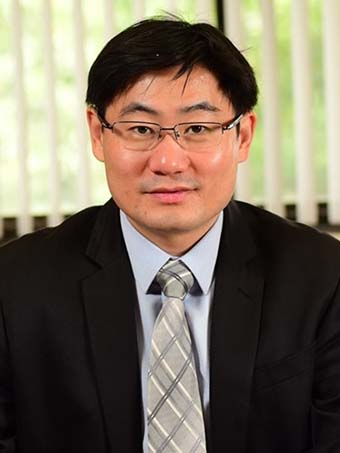
Professor CHEN Wei (National University of Singapore) holds the Provost's Chair Professorship (2023-2026) and serves as Vice-Dean (Research) with joint appointments in the Departments of Chemistry and Physics. His research focuses on molecular-scale interface engineering for 2D materials-based devices and interface-controlled nanocatalysis in energy/environmental applications. PhD in Material Science, NUS (2004) Lee Kuan Yew Research Fellow (2006-2008) Established Surface and Interface Lab (2009) Director, NUS Research Institute (Fuzhou) His work on 2D optoelectronic memory (Nat. Comm. 2018), Kagome lattice design (Nano Lett. 2020), and single-atom catalysis (Nat. Comm. 2021) has been recognized by multiple high-impact publications and the Clarivate Highly Cited Researcher status (2017-2021). Awards include the NRF Investigatorship (2023) , Mitsui Chemicals-SNIC Industry Award (2020) , and Singapore Young Scientist Award (2012) . Grants from NUS, Singapore MOE, CREATE/CRP programs, and A*STAR support his exploration of interface engineering for neuromorphic computing and energy-efficient nanocatalysts . Current projects include monolayer blue phosphorus synthesis and solid electrolyte interphase engineering for lithium batteries.
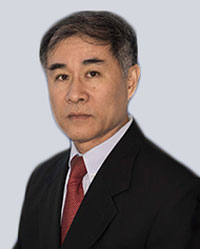
Prof. Li LU is a Professor at the Department of Mechanical Engineering, National University of Singapore (NUS). His research focuses on energy storage materials, ferroelectric systems, and advanced battery technologies. He holds editorial roles at Functional Materials Letters and Materials Technology – Advanced Functional Materials . Education: PhD from KU Leuven (Belgium), M.Eng and B.Eng from Tsinghua University (China). Research interests include thin film deposition, nanostructured materials, and solid-state electrolytes. His work addresses challenges in lithium/ sodium-ion batteries, solid-state interfaces, and high-performance energy storage systems. Recent studies emphasize aerosol deposition techniques, composite electrolytes, and interfacial stability. Publications highlight advancements in battery materials and electrolyte design. Notable contributions include ultra-stable sodium-ion batteries, ferroelectric-engineered electrolytes, and optimizing lithium metal anodes. His research bridges fundamental material science with practical energy solutions.
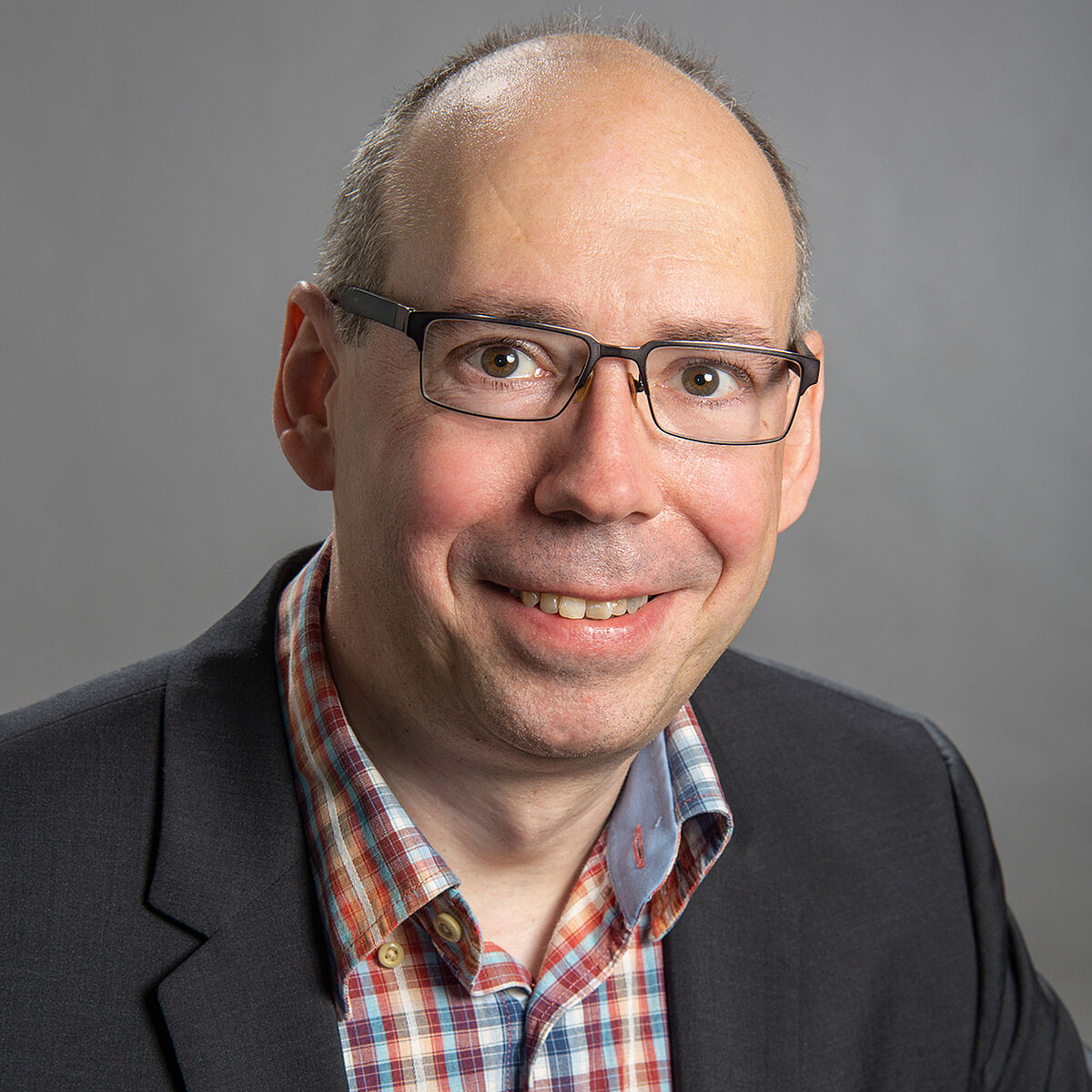
Prof. Dr. Björn Corzilius is a University Professor (W2) of Physical Chemistry at the University of Rostock, Germany, leading the Corzilius group. His research focuses on solid-state NMR spectroscopy, dynamic nuclear polarization (DNP), and applications in biomolecules and materials. He holds affiliations with the Leibniz Institute for Catalysis (LIKAT) and serves on multiple academic boards, including the transregional Collaborative Research Center TRR 386 and the journal Magnetic Resonance . Education: 1999: Studies of Chemistry, TU Darmstadt 2005: Diploma in Physical Chemistry (TU Darmstadt) 2008: Ph.D. in Physical Chemistry (TU Darmstadt) Research Interests: Solid-state NMR, DNP for sensitivity enhancement, paramagnetic metal ions, biomolecular dynamics, and method development. His work bridges theoretical and experimental approaches to advance structural and functional studies of complex systems like proteins, nucleic acids, and catalytic materials. Recent Article Trends: Focus on DNP applications in biomolecular interfaces, novel polarizing agents (e.g., Gd(III) complexes), and methodological advancements like serial polarization transfer and electron-decoupled DNP. Contributions span inorganic chemistry, materials science, and biophysical systems. Awards: Emmy Noether Fellowship (2012) Felix Bloch Lecture (2016) Regitze M. Vold Memorial Prize (2017) Best Ph.D. Supervision (2018) Grants & Labs: Principal Investigator of the Emmy Noether Group (2013–2019), now leading the DNP research team at the University of Rostock. Collaborates closely with LIKAT on catalytic and materials projects. His group actively develops open-access publishing platforms like Magnetic Resonance and hosts international conferences. Labs/Teams: The Corzilius group at the Institute of Chemistry (Rostock) specializes in NMR method development and applications. Associated with LIKAT for interdisciplinary catalysis research.
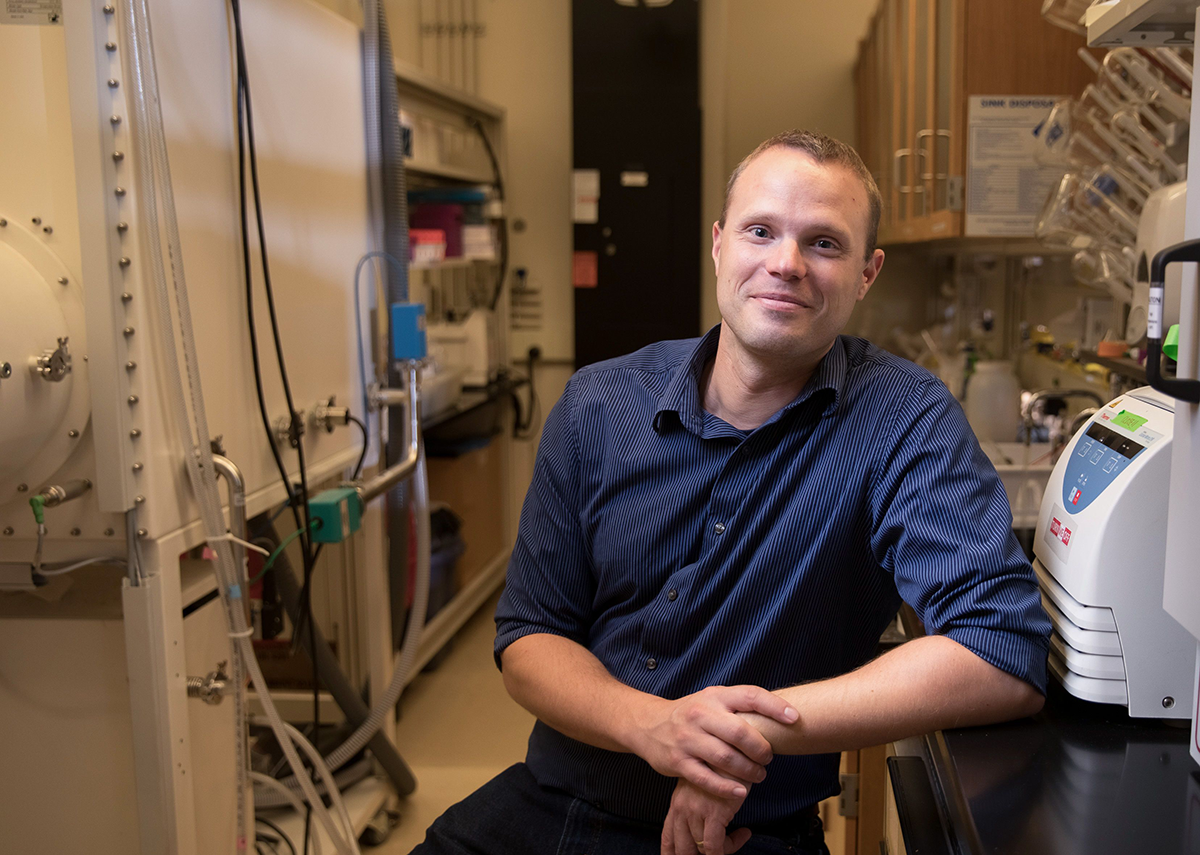
Bradley D. Olsen is a full professor in the Department of Chemical Engineering at the Massachusetts Institute of Technology (MIT), where he leads research at the intersection of polymer science, soft matter physics, and bioengineering. His work focuses on designing materials for critical applications in biotechnology, hemostasis, and sustainable polymer development while advancing fundamental understanding of polymer network mechanics and self-assembly. Education: Ph.D. in Chemical Engineering, University of California Berkeley (2007) S.B. in Chemical Engineering, Massachusetts Institute of Technology (2003) Olsen's research spans protein-based materials, block copolymer phase behavior, and mechanochemical hydrogels. He has pioneered methods for quantifying polymer network topology, developing hemostatic nanoparticles, and creating bio-inspired materials for selective biomolecular transport and medical applications. His recent publications emphasize data-driven approaches to polymer characterization and educational outreach in materials science. Scientific Awards: American Physical Society (APS) Fellow (2023) Fulbright Amazonia Scholar (2023) Alexander and I. Michael Kasser Chair in Chemical Engineering (2021) ACS Macro Letters Young Investigator Award (2021) MIT Committed to Caring Honor (2019) AIChE Owens Corning Early Career Award (2019) APS Dillon Medal (2018) Kavli Emerging Leader in Chemistry (2017) ACS Polymer Division Fellow (2016) Camille Dreyfus-Teacher Scholar (2015) Alfred P. Sloan Research Fellow (2014) NSF Career Grant (2013) NIH Postdoctoral Fellowship (2008-2009) Hertz Fellow (2003-2007) Barry M. Goldwater Scholarship (2002) Olsen has received significant grant support including NSF Career (2013) and AFOSR (2012) awards. His teaching activities include innovative international outreach like the 2025 soccer-themed science camp in Brazil. The Olsen Group at MIT explores advanced materials with applications ranging from trauma care to sustainable polymers.
Michael McAlpine is a Professor in the Mechanical Engineering department at the University of Minnesota . He also holds affiliations with the Biomedical Engineering and Electrical and Computer Engineering departments. His research focuses on 3D printing functional materials & devices , Nanoscale inks , Biomedical devices , Bioelectronics , and Flexible Microsystems . Research Interests : 3D Printing, Biomedical Engineering, Nanotechnology, Flexible Electronics, Microfluidics Labs : ME 361/363 Contact : mcalpine@umn.edu , (612) 626-3303, ME 117 Recent Research Trends include 3D Printed Biomedical Devices , Flexible Electronics , and Bioprinting Applications . His work spans from Spinal Organoid Formation to Programmable Drug Release Capsules . Scientific Award : Circulation Research 2020 Best Manuscript Award
Jun Liu is a distinguished scientist and academic, serving as a Battelle Fellow at Pacific Northwest National Laboratory (PNNL) and holding the position of Campbell Chair Professor at the University of Washington. His career spans over three decades in materials science and energy storage research, with significant leadership roles including Director of the Battery500 Consortium, a major DOE initiative focused on developing next-generation battery technologies. Dr. Liu earned his Bachelor's degree in Chemical Engineering from Hunan University, followed by a Master's degree in Ceramic Engineering and a Ph.D. in Materials Science and Engineering, both from the University of Washington. His educational background provided the foundation for his extensive career in advanced materials development. Dr. Liu's research focuses on the development, synthesis, and characterization of new materials for energy applications, with particular emphasis on battery technologies. His work spans lithium-ion batteries, lithium-sulfur systems, redox flow batteries, and magnesium-based energy storage solutions. He has pioneered approaches to improve energy density, cycle life, and safety of battery systems through innovative materials design and interface engineering. Analysis of Dr. Liu's recent publications reveals a strong focus on practical battery applications, with particular attention to lithium metal anodes, solid electrolyte interphases, and high-energy battery systems. His research increasingly addresses the challenges of translating laboratory discoveries into commercially viable battery technologies, with growing emphasis on pouch cell development and real-world performance metrics. Distinguished Inventor of Battelle (2007) PNNL's Inventor of the Year (2012, 2016) Electrochemical Society Battery Division Technology Award DOE EERE Exceptional Achievement Award PNNL Lifetime Achievement Award Fellow of the American Association for the Advancement of Science Fellow of the Materials Research Society Member of the Washington State Academy of Science Dr. Liu has secured substantial research funding through his leadership of the Battery500 Consortium and other DOE initiatives. He has mentored numerous researchers and students throughout his career, contributing to the development of the next generation of energy storage scientists. His research group at PNNL collaborates extensively with academic institutions, national laboratories, and industry partners to advance battery technology. Dr. Liu leads the Battery500 Consortium, a major collaborative effort involving multiple national laboratories, universities, and industry partners focused on developing lithium-metal batteries with significantly higher energy density than current technologies. His research group at PNNL maintains state-of-the-art facilities for materials synthesis, characterization, and battery testing, enabling comprehensive investigation of next-generation energy storage systems.
Dr. Simon Beaumont is an Associate Professor in the Department of Chemistry at Durham University , with additional responsibilities as Associate Dean (PGR) in the Faculty of Science. His research program integrates heterogeneous catalysis , nanomaterials , and in situ spectroscopic techniques to develop sustainable chemical processes. BA & MSci Natural Sciences, University of Cambridge (2003-2007) PhD in Heterogeneous Catalysis, University of Cambridge (2010) Postdoctoral Fellowship at UC Berkeley (2010-2012) Research foci include mechanistic studies of catalytic processes, nanoparticle synthesis , and in situ characterization via X-ray absorption (NEXAFS), DRIFTS, and Raman. His work addresses challenges in CO2 hydrogenation , biomass conversion , and environmental remediation , supported by national/EU/industrial funding. Recent publications highlight trends in selective hydrogenation (furfural), multi-functional catalysts (acid-base systems), and nanoparticle stability under reactive conditions. All studies emphasize molecular-level understanding for practical catalyst design. Scientific awards include Leverhulme Trust and Addison Wheeler fellowships. Teaching portfolio spans first-year laboratories , organic chemistry tutorials , and advanced catalysis lectures . Supervision of five research postgraduates and leadership of industry-funded projects further demonstrate his academic impact.
Richard D. Noble is a Research Professor in the Department of Chemistry at the University of Colorado Boulder. His research focuses on advanced membrane technologies for gas and liquid separations, with particular expertise in ionic liquids, liquid crystals, and the application of external fields for selective separations. He maintains an active laboratory in Cristol Chemistry (room 357) and collaborates extensively with Professor Doug Gin on many research projects. Noble received his BE and ME from Stevens Institute of Technology in 1968 and 1969 respectively, followed by a Ph.D. from the University of California, Davis in 1976. His educational background in engineering has provided a strong foundation for his research in chemical engineering and materials science. Professor Noble's research program centers on three interconnected areas. His primary focus is on ionic liquids for gas separations , where he evaluates various ionic liquids and complexation chemistry to tailor material properties to specific feed mixtures. He explores composite polymer/IL structures and incorporation of complexation chemistry and zeolites, and has developed specialized apparatus to measure gas solubility and diffusivity in ionic liquids. This work is conducted in collaboration with Professor Doug Gin. His second research thrust involves the use of external fields for selective separations . Noble studies how electric or light energy can enhance separation processes by changing binding affinity of complexing agents. His notable achievement is an electrochemical pump with no moving parts that produces pressures exceeding 20 atm, with applications in lab-on-a-chip and micro-scale devices. He also develops charged polymer structures for membrane separators with wide temperature and chemical stability. His third major area focuses on liquid crystals organized to form nanostructured polymer network films. These cross-linked stable films are evaluated for nanofiltration applications, particularly in water filtration including treatment of water from fracking operations. This work often intersects with his ionic liquids research, creating composite structures with potential applications in electrochemical pumps. Noble's publication record from 2017-2019 shows consistent focus on membrane technologies for separation processes, with increasing sophistication in membrane design incorporating ionic liquids, liquid crystals, and novel materials like pillar[5]arenes. His work demonstrates a clear trend toward addressing practical industrial challenges, particularly in natural gas purification (CO 2 /CH 4 separation) and environmental applications (treatment of fracking wastewater). His collaborations have produced high-impact work published in top journals including Nature Materials , Journal of Membrane Science , and Angewandte Chemie . Professor Noble has received numerous prestigious awards recognizing his contributions: AIChE Institute Service to Society Award (2005) Alfred T. and Betty E. Look Professor of Chemical Engineering (2005-present) Multiple Outstanding Graduate Teaching Awards from the Chemical Engineering Department (2006-2008) ACS Industrial & Engineering Chemistry Division Fellow (2007) CU Boulder Inventor of the Year (2008) Barrer Lecture at Penn State University (2008) Fellow at the Renewable and Sustainable Energy Institute (2009-2012) Robert L. Stearns Award from CU Alumni Association (2010) Chair d'Excellence Pierre de Fermat at Paul Sabatier University, Toulouse (2010) AIChE Institute Excellence in Industrial Gas Technology Award (2010) And numerous others through 2015 While specific grant details aren't provided, Noble's extensive publication record with multiple co-authors suggests active research mentoring and well-funded projects. His work on sophisticated apparatus and high-quality publications indicates substantial research support. His collaborations, especially with Doug Gin, suggest a strong research group environment focused on membrane science and separation technologies. Professor Noble's research operates at the intersection of chemistry, chemical engineering, and materials science. His laboratory includes facilities for membrane fabrication, gas separation testing, and characterization of novel materials. The development of specialized apparatus for measuring gas properties in ionic liquids suggests dedicated equipment for fundamental property measurements. His work on electrochemical pumps indicates capabilities in microfluidics and device fabrication, with the collaborative nature of his research suggesting a team approach to tackling complex separation challenges.
Umut Aydemir is an Associate Professor at the Department of Chemistry, Koç University , where he also serves as Director of KUBAM (Koç University Boron Application and Research Center) . His research focuses on Boron-Based High-Tech Materials, 2D Materials, Electrocatalysis, Thermoelectric Energy Harvesting , and Hydrogen Storage . PhD in Chemistry (2012), Dresden University of Technology MSc in Materials Science and Engineering (2006), Koç University BSc in Chemistry and Physics (2004), Koç University Umut’s work addresses structure-property relationships in advanced materials, with a particular emphasis on boron-containing compounds , MXenes , and thermoelectric systems . His recent publications highlight innovations in electrocatalytic water splitting , hydrogen storage materials , and sustainable coating technologies . His research trends include: Development of metal diborides for water splitting Engineering MXene/polymer composites for corrosion resistance Novel approaches to thermoelectric materials like MgAgSb and Zintl phases Designing hydrogenated borophene for environmental applications Awarded the 2024 Koç University College of Science Outstanding Faculty Award and 2019 TÜBA Young Scientist Award , Umut leads high-impact projects in materials science. He advises graduate students in Nanocatalysis and Advanced Material Synthesis and contributes to interdisciplinary initiatives at KUBAM.
Lars Eriksson is a researcher at the Department of Chemistry, Stockholm University, affiliated with the Faculty of Science. He is part of Gunnar Svensson's group, which focuses on solid-state inorganic chemistry, including the synthesis of energy-related compounds and their crystal structure analysis. Research interests span inorganic chemistry, solid-state chemistry, crystallography, energy applications, organic synthesis, catalysis, and chemical education. His work bridges experimental and computational approaches, with recent publications exploring molecular design for energy storage, asymmetric synthesis, triplet-to-singlet energy transfer, and pedagogical strategies in chemistry education. Trends in his research highlight applications in materials science, environmental chemistry, and educational methodologies. While no formal scientific awards are mentioned in the provided texts, his contributions include collaborative studies on catalysis, molecular structure, and student learning processes. He has no listed grants or students, but his publications emphasize tutor-student interactions and practical epistemology analysis. The research group he belongs to investigates fundamental properties of synthesized compounds, often with energy-related applications, and maintains strong ties to the broader chemistry community through peer-reviewed publications and educational studies.
Jiwoong Park is Professor of Chemistry and Chair of the Department of Chemistry at the University of Chicago, and simultaneously Professor of Molecular Engineering in the Pritzker School of Molecular Engineering. His interdisciplinary research group, the Park Group, is jointly affiliated with the James Franck Institute and the Materials Research Science and Engineering Center (MRSEC) at UChicago, and operates from the Gordon Center for Integrative Science. Education & Training Ph.D., University of California, Berkeley (2003) B.S., Seoul National University (1996) Junior Fellow, Rowland Institute, Harvard University (2003–2006) Assistant → Associate Professor, Department of Chemistry and Chemical Biology, Cornell University (2006–2016) Research Interests Park’s research centers on the science and technology of precisely engineered nanomaterials, particularly atomically-thin two-dimensional (2D) crystals and van der Waals solids. Spanning chemistry, physics, materials science and electrical engineering, his group develops novel synthetic, imaging and characterization techniques to uncover new physical phenomena and translate them into scalable device technologies. Key thrusts include growth of wafer-scale molecular crystals, optical and transport spectroscopy of 2D semiconductors, mechanical behavior of polycrystalline nanomembranes, and integration of these materials into photonic, electronic and energy-harvesting devices. Scientific Awards Elected Fellow of the American Physical Society (2022) – “for the development of synthetic, imaging, and characterization techniques of atomically thin materials and the discovery of novel properties of van der Waals solids.” Clarivate Highly Cited Researcher (2023) – recognition for multiple papers ranking in the global top 1% by citations in Materials Science and Chemistry. Group & Collaborations The Park Group is an interdisciplinary team of postdocs, graduate researchers and undergraduates housed in the Gordon Center for Integrative Science. The group actively collaborates with colleagues across the Department of Chemistry, Department of Physics, and the Pritzker School of Molecular Engineering, leveraging shared facilities at the James Franck Institute and MRSEC to push the frontiers of 2D material science.
Peng Xiong is a Professor in the Department of Physics at Florida State University, with a research focus on electron and spin transport in low-dimensional quantum materials. He is affiliated with the Integrative NanoScience Institute (INSI) and has made significant contributions to mesoscale physics, spintronics, and organic/solid-state hybrid systems. B.S. in Physics (1987, University of Science and Technology of China) Ph.D. in Physics (1993, Brown University) Postdoctoral Fellowship (1993-1997, University of California at San Diego) Research Interests: Mesoscale Physics: Quantum phase transitions and fluctuation effects in 2D and 1D systems, semiconductor nanowires, carbon nanotubes, and nano-magnetism. Spintronics: Spin-polarized transport in hybrid structures (ferromagnet/normal metal, ferromagnet/superconductor, ferromagnet/semiconductor), magnetic semiconductors, and spin injection/detection. Organic/Solid-State Hybrids: Nanoscale biosensors utilizing magnetic and electrical principles, bio-mechanical devices, organic/solid interfaces, and template-directed nanostructure self-assembly. Publication Trends: His recent work spans superconducting fluctuations in ultrathin films, chirality-induced spin transport in semiconductors, interplay between structural chirality and spin-orbital effects, ion migration dynamics in 1D hybrids, quantum interference in nanowire loops, and modulation of nanomaterial properties through surface defect engineering. These studies often combine material synthesis, nanofabrication, cryogenic transport, and tunneling measurements. Scientific Recognition: Alfred P. Sloan Research Fellowship (1998) University Teaching Award (2003) PAI Award for Excellence (2004) Developing Scholar Award (2007) Fellow of the American Physical Society (2012) Advising Legacy: He has mentored numerous graduate students including Jeffrey Parker (Ph.D. 2003) Yongqing Li (Ph.D. 2003) Tianhan Liu (Ph.D. 2021) Jacob Hudis (Ph.D. 2021) and continues to guide current candidates like Yuwaraj Adhikari and Zhenqi Hua. Experimental Facilities: The lab at FSU features advanced equipment for nano-fabrication, including clean rooms, mask aligners, and thin film deposition systems. Cryogenic capabilities extend to dilution refrigerators (15 mK) and He3/He4 cryostats for ultralow-temperature studies of magnetic and superconducting systems.
Professor Emilio Artacho is a faculty member in the Department of Physics at the University of Cambridge, based at the Cavendish Laboratory. He transitioned from the Department of Earth Sciences in 2011, where he was granted a Professorship in 2006. His research focuses on computational simulations of non-equilibrium processes in condensed matter, particularly using first-principles molecular dynamics and density-functional theory. He co-developed the SIESTA program for linear-scaling electronic structure calculations, widely utilized in computational materials science. Artacho’s work spans far-from-equilibrium phenomena in irradiated matter, multiferroics, nanoconfined water systems, and surface chemistry. His contributions include studies of electronic stopping power in materials, 2D electron gas formation at ferroelectric interfaces, and the structural dynamics of water under confinement. His academic roles include adjunct positions at Ikerbasque (Nanogune, Spain) and visiting professorships at institutions like the University of California, Berkeley, and École Normale Supérieure de Lyon. Research interests are anchored in theoretical condensed matter physics, with applications to nanomaterials, radiation effects, and interfacial phenomena. His computational methods bridge quantum mechanics and classical dynamics, enabling insights into complex systems like proton-irradiated solar cells and confined water films.
Dr. Michael J. Katz is a Professor in the Department of Chemistry at Memorial University in St. John's, Newfoundland and Labrador, Canada. He leads an active research group focused on porous materials, particularly metal-organic frameworks (MOFs), with applications in gas storage, chemical separation, and catalysis. His work is well-recognized in the field of materials chemistry, with numerous publications in high-impact journals spanning from 2005 to 2025. Dr. Katz's primary research interests lie in the synthesis, properties, and applications of porous materials. His work specifically focuses on: Metal-Organic Frameworks (MOFs) design and synthesis Gas storage technologies, particularly low-pressure methane storage Chemical separation processes including removal of harmful molecules from air Catalysis using porous materials Adsorption properties of various porous frameworks Environmental applications of porous materials Analysis of Dr. Katz's publication record from 2017-2025 reveals a strong emphasis on zirconium-based MOFs, particularly the UiO-66 family. His research spans fundamental characterization techniques like NMR spectroscopy to practical applications in carbon capture, gas separation, and environmental remediation. A notable trend is the increasing focus on real-world implementation of MOFs, including biochar-based materials for CO 2 capture and frameworks for air pollutant removal such as nitrous acid. His work demonstrates a progression from fundamental materials science toward practical environmental applications. Dr. Katz actively supervises graduate students and postdoctoral researchers in his research group. His laboratory at Memorial University is equipped for the synthesis and characterization of novel porous materials, with particular expertise in metal-organic framework development. His research is supported by various grants that enable the exploration of structure-property relationships in porous materials and their practical applications.
Xiaolei Fan is an Associate Professor in the Department of Chemical Engineering at The University of Manchester. He holds a BEng in Environmental Engineering from Jilin Institute of Chemical Technology (2003), an MRes in Chemical Engineering from East China University of Science and Technology (2006), and a PhD in Continuous Flow Heterogeneous Catalysis from the University of Bath (2010). His research focuses on nonthermal plasma catalysis, CO2 conversion, catalytic biorefinery, and zeolite-based catalysts. He has contributed to over 180 publications, supervised 20+ students, and led projects like the EU-funded SPACING initiative for biofuel production. Research interests include porous materials, reaction engineering, and process intensification through structured reactors/catalysts. He chairs the RSC Heterogeneous Catalysis committee and has organized conferences like the International Conference on Environmental Catalysis. His work aligns with UN Sustainable Development Goals, particularly in clean energy and sustainable chemistry. Education: BEng (Environmental Engineering), Jilin Institute of Chemical Technology, 2003 MRes (Chemical Engineering), East China University of Science and Technology, 2006 PhD (Chemical Engineering), University of Bath, 2010 Awards: Lee Hsun Lecture Award (2018) Zhenxing Scholar Professor Award (2018) Outstanding Achievement Recognition (2018) Grants/Projects: SPACING: Sustainable Production of ACrylic Acid from Renewable Waste Glycerol (2021–2024) Labs/Teams: Catalysis and Porous Materials Group at The University of Manchester