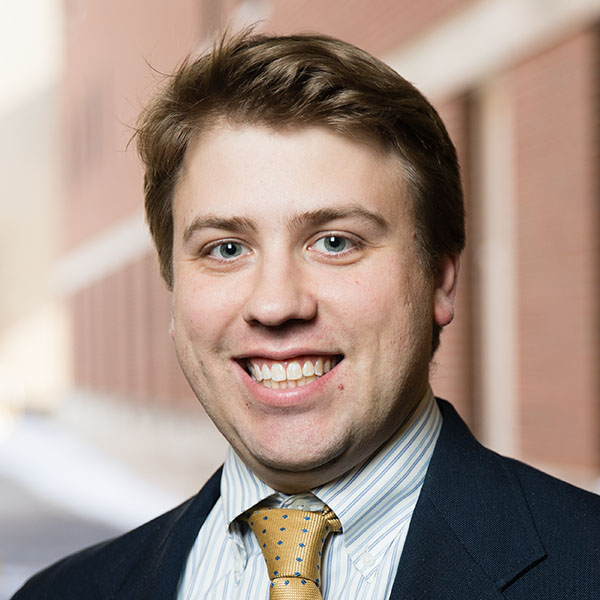
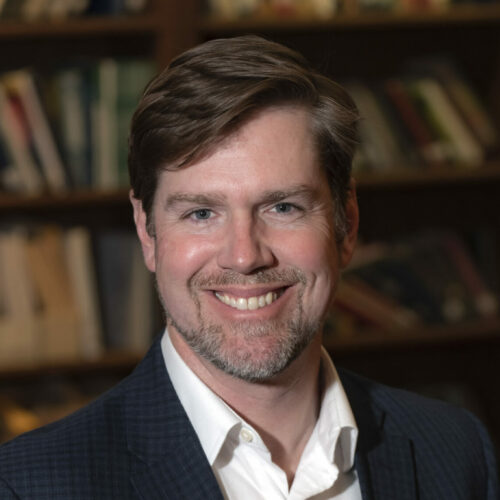
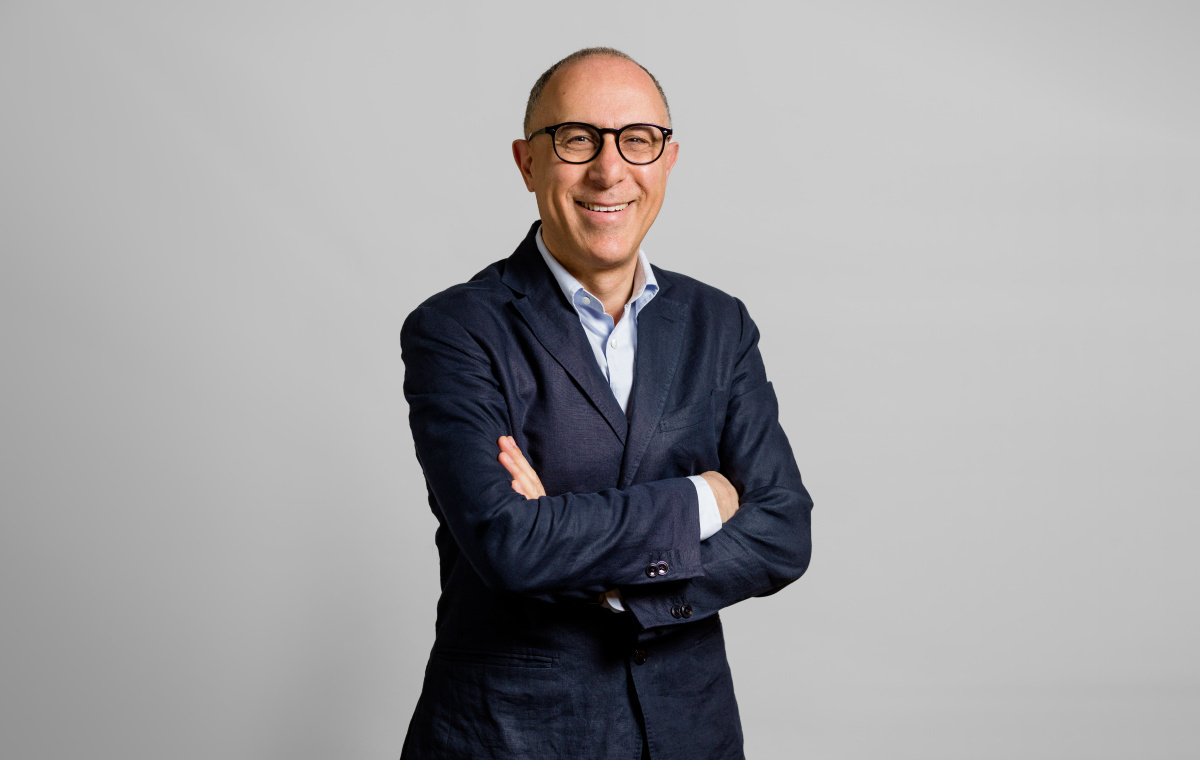
David Vock is a Professor at the University of Minnesota in the Division of Biostatistics & Health Data Science . His research focuses on statistical methods for electronic health data, causal inference, dynamic treatment regimes, and clinical trial design. PhD in Statistics, North Carolina State University (2012) MStat in Statistics, North Carolina State University (2009) BA in Mathematics and Chemistry, St. Olaf College (2007) His work integrates machine learning with traditional statistical approaches to analyze censored data in healthcare settings. He specializes in SMART clinical trials for adaptive interventions and semiparametric theory applications. Collaborative projects span transplantation , infectious disease , and cardiovascular research . Recent publications emphasize COVID-19 biomarker analysis , monoclonal antibody efficacy , and health data interoperability . These studies appear in high-impact journals like New England Journal of Medicine and Lancet Microbe . Scientific contributions have earned him membership in the Delta Omega Honorary Society in Public Health . Collaborations include the ACTIV-3/TICO Study Group and interdisciplinary teams in data science and clinical research .
Hui-Jun Zhang serves as an Associate Professor in the Department of Chemistry at Xiamen University's College of Chemistry and Chemical Engineering, with research centered on organometallic chemistry and organic synthesis methodologies. His academic credentials include a BS from Zhengzhou University (2004), followed by a dual-institution PhD completed in 2010 under Prof. Zhenfeng Xi at Peking University and Dr. Christian Bruneau at Université de Rennes 1, culminating in his appointment as Associate Professor at Xiamen University in 2012. Dr. Zhang's research program emphasizes transition metal-catalyzed reactions, particularly rhodium(III)-mediated C-H activation for molecular construction. His work bridges synthetic organic chemistry and materials science through the development of π-extended systems like perylene diimides and thienoacenes, alongside innovative approaches to covalent organic frameworks using supramolecular assembly principles. Analysis of his 2016-2020 publications reveals a dominant focus on rhodium catalysis for C-H functionalization, with significant contributions in electrochemical phosphorylation methods and the structural engineering of perylene-based dyes. His collaborative work frequently explores π-stacking interactions and regioselective synthesis strategies for advanced organic materials.
Gerald C. Kane is a Professor and the C. Herman and Mary Virginia Terry Distinguished Chair in Business Administration at the Terry College of Business, University of Georgia. He is a leading scholar in digital transformation, artificial intelligence ethics, and social media for knowledge management, with over 100 publications in top-tier journals including MIS Quarterly and Management Science. His educational background includes: PhD in Information Systems, Emory University, Goizueta Business School (2006) MBA in Computer Information Systems, Georgia State University, Robinson College of Business (2002) M. Div. in Theology, Emory University (1998) BA in Humanities, Furman University (1994) Professor Kane's research focuses on the social and ethical implications of artificial intelligence and machine learning, the success factors in digital transformation of legacy companies, and how organizations use digital tools to innovate through disruption (e.g., during the COVID-19 pandemic). He also explores social media for knowledge management across organizational boundaries and information systems in healthcare. His work provides critical insights for businesses navigating the digital era. His recent publications (2020-2025) demonstrate intense focus on AI ethics—particularly fairness and bias in machine learning algorithms—and the transformative impact of digital tools on organizational strategy and workplace design. Kane's research addresses digital strategy formulation challenges and post-pandemic workplace reinvention, reflecting his commitment to solving real-world organizational problems through technology-driven solutions. Professor Kane's contributions have been recognized with numerous prestigious awards: Davis-Dixon Impact Award, MIS Quarterly (2024) Axiom Business Book Awards Gold Medal (2021) Carroll School Coughlin Distinguished Teaching Award (2018) National Science Foundation CAREER Award ($500,000) (2009-2016) McKiernan Distinguished Fellow ($30,000), Boston College (2014-2016) Runner-up, Best Published Paper, Academy of Management (2015) U.S. Department of Defense Small Business Technology Transfer Award ($100,000) (2012) Professor Kane has secured significant research funding including a National Science Foundation CAREER Award and U.S. Department of Defense grant supporting his work on social media and knowledge management. His influential books 'The Technology Fallacy' and 'The Transformation Myth' have been translated into multiple languages and provide practical frameworks for digital transformation. While specific advisees are not documented, his role as former Senior Editor at MIS Quarterly and extensive publication record highlight his leadership in shaping information systems research.
Vahé Nerguizian is a full Professor in the Department of Electrical Engineering at École de technologie supérieure (ÉTS) in Montreal, Canada, where he has established himself as a leading researcher in microelectronics, MEMS, and biomedical applications. Affiliated with the LACIME (Communications and Microelectronic Integration Laboratory), his work bridges engineering disciplines with healthcare innovations, particularly in cancer research and point-of-care diagnostics. His educational background includes a B.Ing. from Polytechnique Montréal, an M.Eng. from McGill University, and a Ph.D. from Concordia University. This strong foundation in electrical engineering has enabled his interdisciplinary research across multiple domains. Nerguizian's research focuses on the intersection of microfluidics, MEMS, and biomedical applications, with particular emphasis on cancer cell detection, liposome production for drug delivery, and microelectronic integration for healthcare solutions. His laboratory develops microfluidic devices for synthesizing nanoparticles and liposomes, with applications in cancer therapeutics and diagnostics. The work combines microwave engineering, bio-MEMS, and microelectronics to create innovative diagnostic tools and therapeutic delivery systems. His recent publications (2021-2025) demonstrate a clear trajectory toward increasingly sophisticated biomedical applications of microfluidic and MEMS technologies, with growing emphasis on cancer research, extracellular vesicle analysis, and therapeutic delivery systems. The research has evolved from fundamental MEMS and microwave engineering toward highly translational biomedical applications. 2015: Excellence in Teaching Award from the Board of Directors Nerguizian has supervised over 25 graduate students across doctoral and master's programs, with current projects focusing on microfluidic systems for nanoparticle synthesis and sensor systems for biomolecule detection. His research has received significant funding through collaborations with medical researchers, particularly with Julia Burnier's team at McGill University. The LACIME laboratory, where he conducts his research, provides state-of-the-art facilities for micro- and nanofabrication, integrated circuit design, and photonic microsystems. As part of the LACIME research group, Nerguizian contributes to a dynamic environment focused on both fundamental and applied research with strong industry connections. The laboratory's work spans from materials science to communication protocols, with particular strength in developing innovative solutions for healthcare applications.
University of Maryland, Baltimore CountyUnited States
Marie-Christine Daniel serves as an Associate Professor in the Department of Chemistry & Biochemistry at the University of Maryland, Baltimore County (UMBC). Her research laboratory focuses on the preparation of multifunctional colloidal inorganic nanoparticles for medical, materials, and environmental applications. She maintains an active research program with laboratory space in the Meyerhoff Chemistry/Biochemistry Building. Daniel earned her Ph.D. from the University of Bordeaux 1 (France) in 2003, followed by postdoctoral training at Tokyo University (Japan) and Indiana University (IN) in 2004. Her educational background provides a strong foundation in both European and American research traditions. Her primary research interests include the development of nanoparticle-based drug delivery systems for cancer chemotherapy, particularly using dendronized gold nanoparticles capable of carrying payloads of up to 1400 dendrons per nanoparticle. She also investigates plasmon-exciton coupling using gold nanoparticles and quantum dots for quantum computing applications, and develops microfluidic sensors for lead detection in tap water. Her work bridges chemistry, materials science, and biomedical engineering. Analysis of her publication record reveals consistent research output across three main thrusts: 1) Cancer nanomedicine with emphasis on prostate cancer treatment, 2) Quantum phenomena in nanoparticle assemblies, and 3) Environmental sensing applications. Her most recent work (2025) continues to advance quantum dot transfer techniques, while her highly cited 2004 Chemical Reviews article on gold nanoparticles remains influential in the field. Daniel leads multiple funded research projects including NSF-funded work on hyperthermia for enhanced nanoparticle delivery to tumors, development of HIFU (High-intensity focused ultrasound) energized functionalized nanoparticles for tumor ablation, controlled assembly of inorganic nanoparticles for hybrid nanomaterials, and gold nanoparticle-based microfluidic devices for lead sensing in tap water. Her laboratory collaborates extensively with researchers across disciplines including physics, oncology, and engineering. The Daniel Lab maintains active collaborations with the Pelton research group in Physics at UMBC for nanoparticle optical properties research, and works with medical researchers on cancer treatment applications. Current projects include optimizing dendronized gold nanoparticles for prostate cancer treatment, developing gold nanorattles for combination chemotherapy and photothermal therapy, and creating user-friendly lead detection devices for home water testing.
Professor Cahir O'Kane is a faculty member at the Department of Genetics , University of Cambridge. He studied Genetics as an undergraduate in Cambridge, earned a PhD in bacterial genetics at Trinity College Dublin, and conducted postdoctoral work at the University of Basel, where he developed enhancer trapping in Drosophila . His research focuses on subcellular neuronal function and dysfunction using Drosophila as a model organism, particularly the role of axonal endoplasmic reticulum (ER) in hereditary spastic paraplegia (HSP). He actively contributes to undergraduate teaching in cell biology and genetics and serves as a Director of Studies at Churchill College. His work leverages Drosophila to explore ER-shaping proteins implicated in HSP, such as those causing axonal ER continuity gaps. Current projects involve screening tools for ER formation genes, light/electron microscopy analyses, and physiological impacts of ER disruption. He collaborates with the Virtual Fly Brain consortium for integrating Drosophila brain data. He advocates for sustainable funding of scientific resources like FlyBase and has supported efforts to relocate FlyBase operations to Cambridge amid NIH funding cuts. His team has received Marie-Sklodowska-Curie Horizon 2020 awards for research on ER dynamics (Dr. Lu Zhao, Dr. JJ Perez Moreno).
Prof. Dr. Gil Westmeyer is a Professor of Neurobiological Engineering at the Technical University of Munich (TUM), holding joint appointments at the TUM School of Natural Sciences and TUM School of Medicine and Health. He serves as Director of the Institute for Synthetic Biomedicine at Helmholtz-Zentrum München and leads the Chair of Neurobiological Engineering at TUM. His research program bridges molecular engineering, neuroimaging, and synthetic biology to develop next-generation tools for understanding and manipulating cellular networks. Westmeyer's educational background includes medical and philosophical studies in Munich, doctoral work on the molecular basis of Alzheimer's disease under Professor Christian Haass, clinical training at Harvard Medical School, and postdoctoral research with Professor Alan Jasanoff at MIT. His laboratory focuses on creating genetically encoded molecular sensors and actuators that enable non-invasive imaging and remote control of cellular processes across multiple scales. His research spans three primary domains: molecular sensors for multimodal imaging (from electron microscopy to whole-organism optoacoustics), molecular actuators for spatiotemporal control of cellular processes, and neurobehavioral imaging in freely behaving model organisms. The lab's work integrates synthetic biology, nanotechnology, and advanced imaging techniques to create tools that map dynamic signaling processes and manipulate cellular functions with unprecedented precision. Westmeyer's publication record demonstrates consistent innovation in molecular engineering, with recent work focusing on genetically encoded barcodes for electron microscopy, intron-encoded reporting systems, multiplexed optoacoustic imaging, and magnetically responsive cellular compartments. His publications in high-impact journals like Nature Methods, Cell, and Nature Biotechnology reflect the significance of his contributions to molecular imaging and engineering. ERC Proof of Concept 'inteRNAlizer' (2023) ERC Consolidator Grant 'EMcapsulins' (2019) ERC Starting Grant 'MagnetoGenetics' (2013) Helmholtz Young Investigator's Group (2011) Westmeyer actively mentors students and researchers through multiple teaching positions at TUM, including courses in biological chemistry, genetic machine development (iGEM), mammalian cell technology, and neuro-recording methods. His laboratory develops technologies with clear translational potential for future neurotherapies and regenerative medicine applications, particularly through the creation of imaging-controlled cellular interventions. The lab maintains strong collaborations across disciplines and institutions, with research that contributes to multiple UN Sustainable Development Goals related to health and wellbeing.
Denny Yu is an Associate Professor at the Edwardson School of Industrial Engineering, Purdue University. His work bridges human factors, neuroergonomics, and healthcare safety through advanced sensor systems and AI. Primary Affiliation : Edwardson School of Industrial Engineering, Purdue University Research Themes : Surgical ergonomics, autonomous vehicle human factors, cognitive workload assessment, multimodal physiological sensing Dr. Yu's research focuses on neuroergonomics and human-robot interaction , particularly in surgical and transportation contexts. His team develops sensor-based systems for workload monitoring, including: EEG-eye tracking fusion for situation awareness Wearable exoskeletons for surgical posture support Computer vision tools for lifting task risk analysis Smart infusion pump usability frameworks AI-driven surgical coaching systems Recent publications emphasize deep learning applications in soft tissue deformation estimation and real-time adaptive systems for robotic surgery augmentation. His work spans both occupational health (veterinary surgeons, airport workers) and medical device innovation domains.
Dr. Thangavel Thevar is a Senior Lecturer in the School of Engineering at the University of Aberdeen, where he has been teaching since 2005. He completed both his undergraduate degree (First Class Honours in Electrical Engineering) and PhD (in Laser Engineering) at the University of Aberdeen in 1989 and 1993 respectively. Prior to his academic career, he accumulated approximately 10 years of industrial R&D experience in the USA, working on solid-state laser development and holographic applications. Dr. Thevar's research focuses on several key areas: Digital holography for imaging of marine plankton and micro-particles Laser Induced Breakdown Spectroscopy (LIBS) for subsea applications Laser-based instrumentation development Development of solid-state lasers for scientific, industrial, and medical applications Engineering applications of holography His most notable recent achievement is leading a team that developed the weeHoloCam, a state-of-the-art ultracompact underwater holographic camera for imaging microorganisms. Weighing just 3.5 kg, this system is the lightest and most compact of its kind, capable of imaging 240 ml/s and continuously recording up to 200,000 holograms. The system incorporates a rapid hologram processor and an AI-based image classifier. This technology has significant applications in marine studies including spatial and temporal monitoring of plankton species, monitoring harmful plankton & micro-jellyfish, study of vertical transport of floc, and monitoring microplastic pollution in the ocean. Dr. Thevar has secured numerous research grants as Principal Investigator, including projects funded by Sustainable Aquaculture Innovation Centre (SAIC), BBSRC, DEFRA, and Defence & Security Accelerator (DSTL). His current research portfolio demonstrates strong interdisciplinary connections between optical engineering, marine science, and environmental monitoring. His scientific contributions include: Royal Academy of Engineering Visiting Teaching Fellow Award (2010-2013) US patent 8,494,012 B2 for Raman converters Development of alexandrite lasers and ruby holographic lasers during his industrial R&D period Work on US government contracts for non-destructive inspection methods for military aircraft and the space shuttle Sabbatical work at NASA Langley Research Centre developing diode pumped Thulium YALO lasers As an educator, Dr. Thevar has served as Coordinator of MSc Oil & Gas Engineering (2007-2020), Undergraduate Level 1 Coordinator, and has contributed to various committees including Quality Assurance and Students' Progression. He currently teaches courses including Principles of Electronics, Electrical & Mechanical Systems, Control Systems, and supervises individual projects at both undergraduate and postgraduate levels. He is accepting PhD students interested in Engineering research. Dr. Thevar is actively involved in professional organizations, serving as Technical Programme Chair for IEEE/OES Oceans Conference 2007, on organizing committees for various conferences, as a committee member of the Instrument Science and Technology Group (Institute of Physics), and as a member of both IET and IEEE. He also serves as a reviewer for optics-based journals.
Rachel Oliver is a Professor of Materials Science at the University of Cambridge and Director of the Cambridge Centre for Gallium Nitride. Her research focuses on characterisation techniques for gallium nitride materials used in LEDs and laser diodes, with an emphasis on nanostructure engineering and quantum technology. Awarded OBE (2025), Fellow of the Royal Academy of Engineering (FREng) (2021), and Fellow of the Institute of Materials, Minerals and Mining (FIMMM) (2019) Developed atom-probe tomography and scanning capacitance microscopy to study nitride devices Her work on quantum dots and single-photon emitters has advanced quantum crystallography and optoelectronics. Recent publications highlight trends in nitride semiconductors , solar cell efficiency , and quantum device fabrication . Scientific Awards Royal Society University Research Fellowship (2006-2011) Chair in Emerging Technologies (2023) Grants EPSRC grant for semi-polar nitride structures Oliver's lab at the Department of Materials Science and Metallurgy explores nanoscale nitride structures for future devices, while advocating for gender equality in STEM.
Professor Stylianos P. Tsitsos is a distinguished academic at the Technological Educational Institute of Serres, Greece, where he serves in the Department of Informatics and Communications within the School of Technological Applications. With a career spanning over two decades in academia and industry, he has established himself as an expert in microwave engineering and telecommunications. His educational background includes a first-class Honors degree in Electrical Engineering from Democritus University of Thrace (1989), a Master's in Telecommunications and Digital Electronics from UMIST, UK (1991), and a PhD in Microwave Engineering from UMIST (1994). His research interests focus on Wireless Radiocommunications, Microwave Engineering, Telecommunication Networks, Numerical Methods in Microwave Devices, and Telecommunications Systems Simulation. Professor Tsitsos' publication record demonstrates consistent contributions to microwave filter design and analysis, with particular emphasis on ceramic monoblock filters for PCS and UMTS mobile communication systems. His work shows a progression from fundamental electromagnetic analysis techniques to practical filter design applications, reflecting both theoretical depth and engineering relevance in the telecommunications field. As a dedicated researcher, he has led multiple significant projects including the ARCHIMEDES II program focused on developing new methods for microwave filter analysis and design, and has collaborated with international organizations including TDK Corporation (Japan) and EPSRC (UK). Throughout his academic career, Professor Tsitsos has held significant administrative responsibilities, serving as Department Head from 2006-2010 and as Acting Director of the School of Technological Applications from 2009-2010, demonstrating his commitment to educational leadership alongside his research activities.
Filip Vostal is a senior researcher at the Institute of Philosophy of the Czech Academy of Sciences with a PhD in sociology from the University of Bristol (2013). He teaches Science & Technology Studies (STS) courses at Charles University and serves on the editorial board of Time & Society . As an active member of EASST and 4S professional organizations, his work bridges academic research with practical applications across multiple disciplines. Dr. Vostal's research primarily focuses on the sociology of time, examining how temporal structures shape academic work and scientific research. His notable book Accelerating Academia: The Changing Structure of Academic Time (Palgrave, 2016) established him as a leading scholar in academic temporality studies. His current research investigates the temporality of knowledge production in x-ray free electron laser experiments, exploring the epistemic role of speed in time-resolved structural biology methods including "single particle imagining" and "serial femtosecond crystallography". His recent publications reveal a strong thematic focus on time, acceleration, and temporal structures across academic and scientific contexts. The articles demonstrate expertise spanning theoretical examinations of social acceleration to practical analyses of time in fusion research and even numismatics (the study of currency). His interdisciplinary approach connects temporal studies with science & technology studies and critical social theory. Among his scientific contributions, Vostal serves on the editorial board of Time & Society and has received research support through Czech Science Foundation grants including GA ČR(CZ) GJ16-18371Y and GA ČR(CZ) GA19-15511S. He is currently a project (co-)investigator on the TIMED project ("TIMe experience in Europe's Digital age") running from 2022-2025. Dr. Vostal maintains an active research profile with numerous publications in sociology, STS, and interdisciplinary journals. His work demonstrates consistent engagement with both theoretical frameworks and empirical investigations of time structures in contemporary academic and scientific practices.
Dr. Stefan Ritt is a prominent researcher and Group Leader of the Muon Physics group at the Paul Scherrer Institute (PSI) in Switzerland. With over 30 years of experience in particle physics, he has made significant contributions to muon decay experiments and detector development. His research focuses on precision measurements of muon properties and searches for physics beyond the Standard Model. Ritt's primary research interests encompass particle physics, muon physics, detector development, and data acquisition systems. His work has been instrumental in advancing high-precision measurements of muon decay processes, particularly in the search for lepton flavor violation. He has pioneered developments in waveform digitizing technology, most notably through the Domino Ring Sampler (DRS) series of chips, which have revolutionized data acquisition in particle physics experiments. Analysis of his recent publications reveals a strong focus on the MEG and MEG II experiments, which search for the rare decay μ+→e+γ. His work spans detector design, data acquisition systems, trigger implementation, and precision analysis techniques. The publications demonstrate expertise in liquid xenon detectors, silicon photomultipliers, timing resolution, and high-speed waveform digitization. 1984 Jugend Forscht Landessieger 2011 IEEE Senior Member 2016 IEEE Fellow for the development of the Domino Ring Sampler series of chips 2020 IEEE Emilio Gatti Radiation Instrumentation Technical Achievement Award for contributions to the development and democratization of ultra high-speed digitizers Ritt has served as a thesis examiner for institutions including INFN Pisa and ETH Zurich, demonstrating his role in academic mentoring. His leadership extends to coordinating beam time for PSI's secondary particle beam lines and organizing major international workshops. He has been instrumental in developing the Mu3e experiment and advancing muon beam technology at PSI. As head of the Muon Physics group (comprising 12 members), Ritt oversees fundamental particle physics experiments at PSI's secondary beam lines. His group is responsible for the design and implementation of data acquisition hardware and software for the MEG II experiment and serves as co-spokesperson for the Mu3e experiment.
Bjorn Baumeier is an Associate Professor in the Department of Mathematics and Computer Science at Eindhoven University of Technology (TU/e). His research group is part of the Centre for Analysis, Scientific Computing and Applications (CASA) and the Institute for Complex Molecular Systems (ICMS). He also participates in several research groups including Scientific Computing, ICMS Core, Eindhoven Hendrik Casimir institute, and Computational Quantum & Molecular Dynamics. His educational background includes: Diploma in Theoretical Solid State Science from the University of Münster PhD in Theoretical Solid State Science from the University of Münster Baumeier's research focuses on the development and application of multiscale simulation techniques for studying electronic transport processes in soft matter. His work combines approaches from computational chemistry, statistical physics, and mathematics to analyze the interplay between molecular electronic structure and material morphology. Additional research lines include studies of disordered biomolecular assemblies and super-coarse-grained modeling of soft granular materials. His group employs large-scale computer simulations linking quantum chemistry, classical Molecular Dynamics at various levels, and rate-based models. Recent publications (2024-2025) demonstrate a strong focus on charge transport phenomena in complex materials, with particular emphasis on interface effects in polymer composites, trap identification in molecular networks, and embedded many-body Green's function methods. His work bridges fundamental physics with practical applications in energy materials and opto-electronic devices. Scientific awards include: Vidi grant from NWO (The Netherlands Organisation for Scientific Research) in 2017 (€800,000) Baumeier has received significant research funding, most notably the Vidi grant focusing on understanding mechanisms underlying long-distance and spin-selective electronic transport in complex molecular systems. His research is often conducted in collaboration with multiple institutions and research groups within TU/e, indicating a strong interdisciplinary approach. His work has practical applications in opto-electronic devices and bio-molecular processes. His research group operates within the Computational Quantum & Molecular Dynamics group, which is part of several larger research initiatives at TU/e including ICMS and the Eindhoven Hendrik Casimir institute. This positioning allows for strong collaboration across physics, chemistry, and engineering disciplines.
Dr Yumi Hara Cawkwell is a Senior Lecturer at the Department of Music, Writing & Performance in School of Arts and Creative Industries at University of East London. As a composer, improviser, and performer, she works across piano, harp, voice, and clavichord. Specializes in avant-garde/experimental rock and RIO (Rock in Opposition) movements Known for collaborations with notable musicians from Soft Machine, Henry Cow, Gong, and faUSt Active in both contemporary classical and experimental rock scenes Research Interests: Her work focuses on musical improvisation, composition, and performance with particular emphasis on: Complex rhythmic structures and polymeter applications Cultural identity in diaspora musical practices Hybridization of ethnic and western instruments Memory and transcription in avant-garde contexts Recent Outputs: 2023 album Groove Study explores odd meter applications in dance music, while 2017 conference presentation on Lindsay Cooper's compositions highlights her interest in feminist musicology. Awards & Professional Involvement: 2006 British Composer Awards finalist Committee member, Ivors Composer Awards (British Composer Awards) Board member, JASMIM (Japanese Association for the Study of Musical Improvisation) 2015-2017 Panel chair, Improvisation research at international conferences Teaching: Leads modules in music performance, production techniques, and collaborative projects at University of East London.