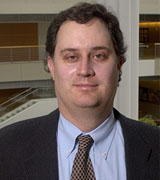
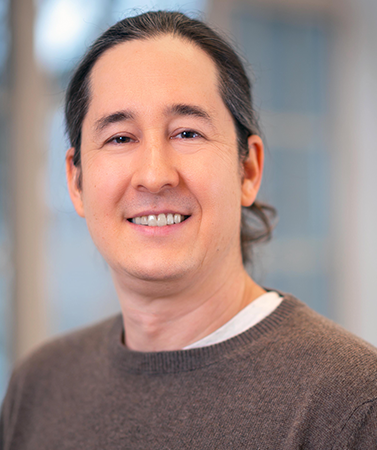
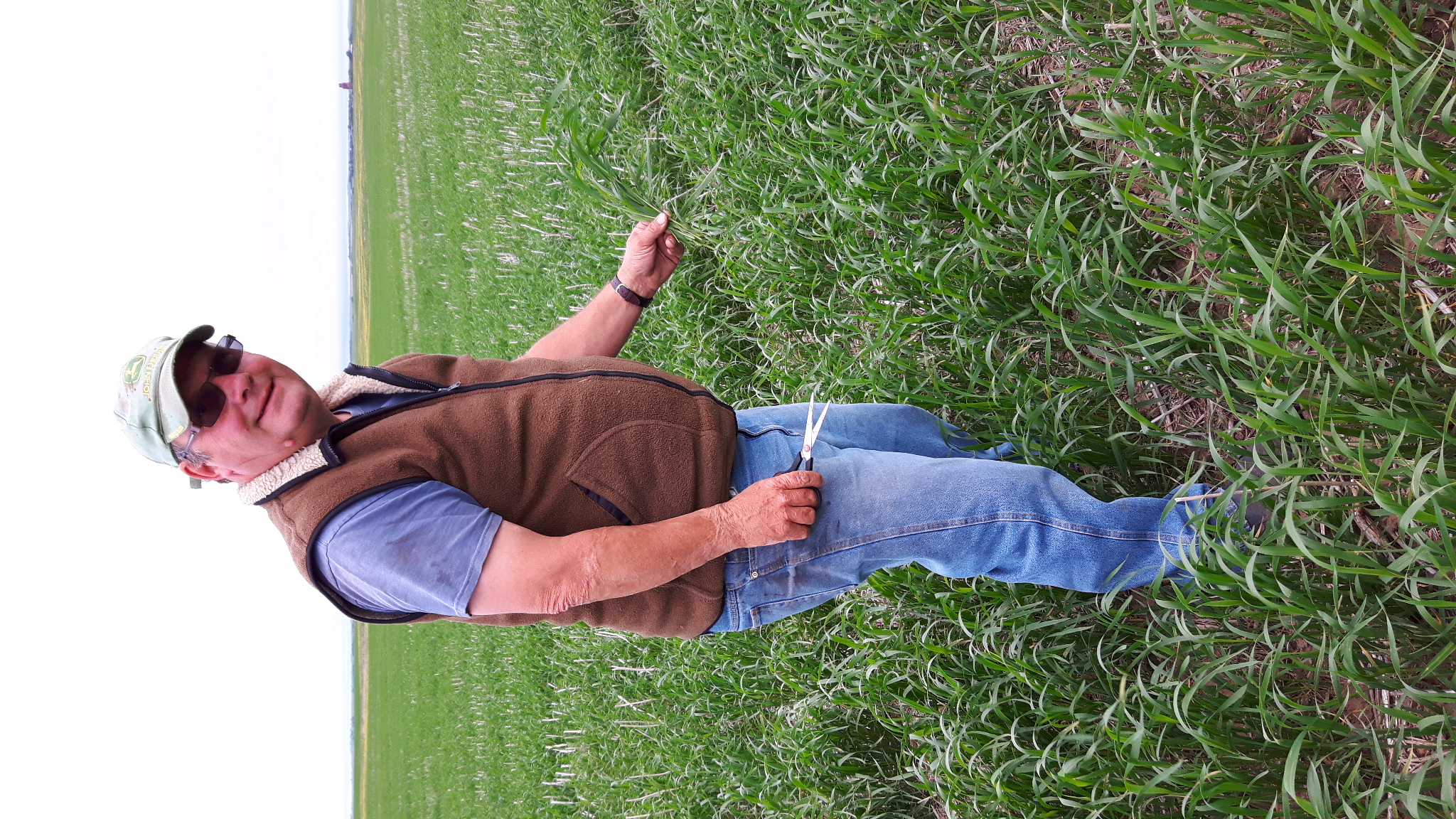
Tim Conley is Professor and Chair at the Department of Economics, University of Western Ontario. He holds a Ph.D. from the University of Chicago (1996). His research focuses on applied econometrics with emphasis on spatial dependence, cross-sectional analysis, and empirical industrial organization. His primary research interests include methodological development in econometrics, particularly around dependence modeling in cross-sectional data and spatial analysis techniques. He has made significant contributions to understanding technology adoption in developing economies and detection of collusion in market mechanisms. Professor Conley's publications demonstrate consistent focus on developing robust statistical methods for economic applications, with recent work emphasizing practical applications in policy evaluation and market analysis. His methodological innovations have been implemented in statistical software packages used by researchers worldwide.
Min Hu is an Assistant Professor in the Department of Economics, Philosophy, and Political Science at the University of British Columbia, Okanagan Campus. He holds an adjunct position at Dalhousie University's School of Health Administration. His primary research focuses on Health Economics, Applied Microeconomics, and Labour Economics, with an emphasis on vulnerable populations in Canada, Indigenous health, income inequalities, and cancer economics. He teaches courses in Microeconomics, Health Economics, and Statistics. Education: PhD in Economics (2019), Dalhousie University; Postdoctoral Fellowship in Health Economics (2019–2020), Dalhousie University. Previous degrees include an M.A. (2014–2016) and B.A. in Economics from Dalhousie University. Research interests include the socio-economic determinants of health disparities, particularly among Indigenous peoples and immigrants, and the economic impacts of cancer-related policies. He employs applied econometric methods to analyze labor market outcomes and social policy effectiveness. His recent articles explore sustainable biomass utilization, energy policies, and environmental engineering innovations. Key themes include biomass supply chain optimization, CO₂ reduction strategies, and waste-to-energy technologies. Scientific Awards: Recipient of SSHRC New Frontiers Grant (2023–2026), CIHR Team Grant (2024–2026), and multiple UBC startup grants. His work is supported by SSHRC, CRDCN, and Indigenous Services Canada. He advises students in Economics and Global Studies (IGS) programs. Grants and funding span health economics, Indigenous well-being, and sustainable energy systems. Collaborations include interdisciplinary teams in health administration and environmental policy. Labs/Teams: Engaged with UBC's Okanagan Sustainability Initiatives and Dalhousie's Health Economics Research Group. Affiliated with professional organizations like the American Economic Association and Canadian Health Economics Study Group.
Abbas Milani is a tenured Professor of Mechanical Engineering at the University of British Columbia's Okanagan campus, where he holds the Tier 1 Principal's Research Chair in Sustainable & Smart Manufacturing and serves as Director of the Materials and Manufacturing Research Institute (MMRI). He also serves as Technical Director of the Composites Research Network (CRN), Lead of the Canadian-International Biocomposites Research Network, and leads multiple major initiatives including the UBC-Pacific Economic Development Canada-Advancing Circular Economy (ACE) program and the UBC-NRC IRAP National Circular Economy CtO Program. Dr. Milani's primary research focuses on advanced modeling, simulation, and multi-criteria design optimization of composite and biocomposite materials, structures, and manufacturing processes. His expertise spans Textile Composites/Biocomposites, Materials Constitutive Relations, Finite Element Modeling, Robust Inverse Methods, Material Selection for End-of-Life Design Strategies, Multiple Criteria Decision Making, and Industry 5.0 applications. His interdisciplinary research bridges mechanical engineering, sustainable materials science, and smart manufacturing technologies. Analysis of his recent publication record reveals a strong emphasis on sustainable materials development, with particular focus on biocomposites, life cycle assessment methodologies, and optimization of manufacturing processes. His work integrates computational modeling with experimental validation across diverse application areas including medical devices, sustainable packaging, and circular economy strategies. The publications demonstrate increasing integration of artificial intelligence and machine learning approaches with traditional engineering methods. 2015 UBC Okanagan Researcher of the Year Award Killam Faculty Research Award (2016) Inducted into Royal Society of Canada - College of New Scholars (2020) Gold Medal Service Contribution Award by Academics World Reviewer Contribution Award by ASM International Multiple teaching excellence awards from UBC Dr. Milani has successfully mentored over 100 students and postdoctoral fellows who have secured positions in both industry and academia. His research program has been supported by more than $15 million in funding from government and industrial organizations. He leads the NSERC CREATE in Immersive Technologies (CITech) program and co-leads the Advanced Materials and Fabrication Core Competency within the Survive and Thrive Applied Research (STAR) program, demonstrating his commitment to training the next generation of engineers and advancing applied research.
Nathan Nunn is a Professor at the Vancouver School of Economics at the University of British Columbia. He holds a Canada Research Chair in cultural economics and is affiliated with multiple prestigious research organizations including the Canadian Institute for Advanced Research (CIFAR), the National Bureau of Economic Research (NBER), and BREAD. His office is located in the Iona Building 172 at UBC. Professor Nunn's primary research interests span political economy, economic history, economic development, cultural economics, and international trade. His work focuses on the historical and dynamic processes of economic development, particularly examining how institutions and cultures evolve across societies. He has published extensively on historical factors crucial for economic development, including distrust, gender norms, religiosity, conflict, immigration, state formation, and support for democracy. His contemporary research examines the effects of Fair Trade certification, CIA interventions during the Cold War, foreign aid, school construction, climate shocks, and trade policies, with particular emphasis on how local context influences development policy effectiveness. Nunn's recent publications reveal a strong focus on the relationship between culture, institutions, and economic outcomes. His work increasingly examines how zero-sum thinking affects economic behavior and political divides, the persistence of traditional religious beliefs in Africa, and the historical roots of contemporary economic phenomena. His publications frequently appear in top economics journals including the Quarterly Journal of Economics, Econometrica, American Economic Review, and Science. His scientific contributions have been recognized through fellowships and editorial positions, including serving as an editor at the Quarterly Journal of Economics. He has advised numerous PhD students who have gone on to faculty positions at leading universities worldwide. Professor Nunn actively disseminates his research through various media channels, including podcasts, online courses, and public lectures. His teaching includes courses on economic history, development economics, and political economy, with a particular focus on how historical perspectives inform contemporary economic issues.
Dr. Yunfei Jiang is an Assistant Professor in the Department of Plant, Food, and Environmental Sciences at Dalhousie University's Faculty of Agriculture. Her research focuses on improving crop resilience to climate change and sustainable agronomic practices in Atlantic Canada, with expertise in agronomy, crop physiology, and environmental stress responses. She holds a Ph.D. in Plant Science from the University of Saskatchewan (2017), an M.Sc. from Dalhousie University (2013), and a B.Sc. in Horticulture from Fujian Agriculture and Forestry University (2010). Her research includes evaluating enhanced efficiency fertilizers, biochar, and intercropping systems to enhance soil health and crop yields. She teaches courses such as AGRN2001 (Cereal-Based Cropping Systems) and PLSC2001 (Plant Propagation Techniques). Funding and awards details, along with her graduate students' projects, are available on her lab website at jiangdal.ca . Dr. Jiang is affiliated with professional organizations including the Nova Scotia Institute of Agrologists and the American Society of Agronomy. Her lab, the Agronomy and Crop Physiology (ACP) Lab, emphasizes sustainable agriculture and crop adaptation to environmental challenges. Contact her via email at yunfei.jiang@dal.ca or visit her lab's address: PO Box 550, Truro, NS B2N 5E3.
Dr. Amir Hakami is a Professor in the Department of Civil & Environmental Engineering at Carleton University , where he leads the Carleton Atmospheric Modelling Group . His research focuses on advanced air quality modeling techniques to inform environmental policy. Degrees: B.Sc. (Polytechnic of Tehran), M.Sc., Ph.D. (Georgia Tech), Postdoc (Caltech) Contact: Office 3454 Mackenzie Building, Phone: 613-520-2600 ext. 8609, Email: amir.hakami@carleton.ca Research Interests: Air quality modeling at multiple spatial scales Adjoint sensitivity analysis for atmospheric response Inverse modeling and data assimilation techniques Uncertainty quantification in environmental systems Interdisciplinary applications in policy, public health, and economics Teaching: Courses include Environmental Engineering Systems Modeling , Contaminant Transport , and Air Pollution & Emissions Control at undergraduate and graduate levels. Research Group: The group includes Ph.D. candidates, postdoctoral fellows, and alumni working on topics ranging from atmospheric chemistry to sustainable energy systems. Members come from diverse backgrounds in engineering, science, and policy disciplines.
Dr. Claire Kremen is a Professor at the University of British Columbia (UBC), holding joint appointments in the Institute for Resources, Environment, and Sustainability (IRES) and Zoology within the Faculty of Science. She is the President’s Excellence Chair in Biodiversity and a highly-cited researcher since 2014. Her work focuses on reconciling agricultural land use with biodiversity conservation, emphasizing strategies like diversified farming systems to enhance ecological connectivity, ecosystem services (e.g., pollination), and sustainable livelihoods. Her research spans field, lab, and modeling studies, addressing how diversified farming systems influence wildlife population persistence, pest control, and socio-economic outcomes. She has held prior faculty roles at Princeton University and the University of California, Berkeley, where she co-founded the Berkeley Food Institute. Her international collaborations include work in Madagascar and roles on Conservation International’s Scientific Advisory Board. Research Interests: Community ecology, ecosystem services, agricultural diversification, conservation policy, and environmental change. Key projects investigate how landscape design and farming practices balance biodiversity conservation with food production, using case studies in strawberry farming, pollinator networks, and pest control. Awards & Recognition: President’s Excellence Chair in Biodiversity (UBC), Clarivate Analytics Highly Cited Researcher (2014–present). Grants & Advising: Advises students via courses like RES 509 (Advanced Conservation Science) and RES 510 (Social-Ecological Systems). Her lab integrates empirical and theoretical approaches to address barriers to sustainable agriculture adoption and promotes policy frameworks for biodiversity-friendly farming. Labs & Teams: Leads the Conservation and Sustainable Agriculture Lab (WorCS Lab), collaborating with interdisciplinary teams on global food systems and biodiversity research.
Martha Stiegman is an Associate Professor at the Faculty of Environmental and Urban Change, York University. Her research integrates Indigenous knowledge, food sovereignty, and arts-based methodologies to address issues of social, environmental, and disability justice. She is actively engaged in community-based research and public scholarship in Toronto and Mi’kma’ki (Nova Scotia). Her educational background includes a PhD from Concordia University’s Special Individualized Program and a BA in English Literature & Political Science from McGill University. This interdisciplinary foundation supports her work at the intersection of activism, research, and art. Stiegman’s research focuses on three interconnected domains: Indigenous/settler treaty relations, food sovereignty and justice movements, and participatory video and arts-based research. She emphasizes decolonizing methodologies and community-led knowledge production. Her work explores how arts-based approaches can deepen dialogues across communities and strengthen collective action for justice. Her recent publications and multimedia projects demonstrate a strong trend toward interdisciplinary, community-engaged scholarship that bridges Indigenous epistemologies, environmental justice, and disability justice. She frequently uses film, digital storytelling, and public art to mobilize knowledge and challenge colonial narratives. Co-creator of A Treaty Guide for Torontonians (2022) Lead on the Polishing the Chain project exploring Toronto’s treaty relationships Editor of the forthcoming Anti Colonial Food Systems (Routledge) Active collaborator with Indigenous scholars and artists including Dr. Sherry Pictou, Ange Loft, and Elder Kerry Prosper Stiegman has been involved in significant research grants such as the Atlantic Aboriginal Health Research Program. While specific advisees are not listed, her collaborative projects suggest active mentorship and supervision. She does not appear to lead a formal lab but works within research collectives and community partnerships.
Theresa Ulicki is an Assistant Professor in the Department of International Development Studies at Dalhousie University's Faculty of Arts and Social Sciences. Her work focuses on gender and development, with regional expertise in Southern Africa. Education: BA (McGill University), MA (St. Mary's University), DPhil (University of Sussex) Her research explores: Gender equity in organizational contexts Gender-based violence in institutional settings Labor migration patterns in Southern Africa Intersection of poverty, gender, and migrancy Recent publications address gender dynamics in the South African Police Service and cross-border migration from Lesotho. She has contributed to journals like Policing and Society and Development Southern Africa , with a thematic focus on gender and migration intersections.
Dr. Laura L. Van Eerd is a Professor of Sustainable Soil Management at the University of Guelph Ridgetown Campus, affiliated with the School of Environmental Sciences. Her research focuses on biogeochemical cycling of nitrogen and carbon in agroecosystems, emphasizing cover crops, soil health, and sustainable agriculture. She holds a BSc (Env), MSc, and PhD from the University of Guelph. Her research addresses: (1) cover crop roles in soil health and productivity, (2) nitrogen use efficiency, and (3) mitigating environmental impacts of agricultural practices. Current projects include cover crop nitrogen losses, remote sensing for crop nitrogen deficiency, and pest control product environmental impacts. She has published over 50 peer-reviewed articles, including the 2018 Best Paper in the Canadian Journal of Plant Science. Education: BSc (Environmental Science), University of Guelph MSc, University of Guelph PhD, University of Guelph Her awards include recognition as one of Canada’s Influential Women in Agriculture (2020), the Dr. Ron Pitblado Teaching Excellence Award (2016), and the OAC Distinguished Extension Award (2011). Her work bridges research, teaching, and extension to support Ontario’s agricultural sector. Advising and grants: Laura leads research teams at Ridgetown Campus, focusing on vegetable production systems and sustainable soil management. Her grants include funding for cover crop nitrogen dynamics and soil health indicator studies. Labs/teams: Active in Ridgetown Campus’s agricultural research initiatives, collaborating with growers and government to develop practical solutions for soil health and environmental sustainability.
Dr. David Burton is a Professor in the Department of Plant, Food, and Environmental Sciences at Dalhousie University's Faculty of Agriculture. He serves as Director of the Centre for Sustainable Soil Management and leads initiatives in soil health, greenhouse gas emissions, and sustainable agricultural practices. His teaching spans undergraduate and graduate courses in soil science, nutrient management, and climate change. Research focuses on microbial metabolism in soil, nitrogen cycling, and the environmental impacts of agricultural practices. He co-founded the Atlantic Soil Health Lab and manages the Greenhouse Gas Analysis Lab. Key affiliations include the Canadian Society of Soil Science (Fellow), Soil Conservation Council of Canada, and Fertilizer Canada's 4R Research Network. Recent work emphasizes soil's role in climate resilience, including presentations on regenerative farming and soil carbon sequestration. He collaborates with government and industry to develop climate-smart soil management policies and tools for nitrogen management optimization. Awards: Fellow of the Canadian Society of Soil Science Labs: Centre for Sustainable Soil Management, Greenhouse Gas Analysis Lab, Atlantic Soil Health Lab Grants: NSERC CREATE Climate Smart Soils
Priyank Chandra is an Assistant Professor at the University of Toronto's Faculty of Information and Director of the STREET Lab (SocioTechnical Resistance and Ethical Technologies Lab). His interdisciplinary research focuses on sociotechnical practices of marginalized communities, leveraging HCI, CSCW, STS, and development studies to design inclusive technologies. He holds a PhD in Information from the University of Michigan, along with MS in Economics and BE in Electronics Engineering. Chandra has received awards at ACM CHI and CSCW for his work on labor movements, digital resistance, and accessibility. Education: PhD in Information, University of Michigan (2019) MS in Economics BE in Electronics Engineering Research Interests: Chandra explores how marginalized communities reconfigure technologies to foster self-organization and resistance. His work bridges HCI/CSCW with theories from development studies and institutional analysis, emphasizing ethical, socially just systems. Recent projects include studying farmer movements in India, gig economy platforms, and weather risk communication for visually impaired Ontarians. Grants & Awards: SSHRC Grant: Repertoires of Contention in Digital Labour Platforms (2023-2024) NSERC Grant: Designing Inclusive Platforms for the Gig Economy (2022-2027) Connaught New Researcher Award (2023) ACM CHI/CSCW Awards for contributions to labor studies and accessibility Advising & Labs: Supervises students in ICTs, design, and marginality. Directs the STREET Lab at KMDI, focusing on ethical tech for vulnerable communities. Teaches courses on inclusive design and marginalized communities' ICT practices.
Peter Brummund is an Associate Professor of Economics at the University of Alabama, holding a position in the Department of Economics, Finance, and Legal Studies within the Culverhouse College of Business. He is also an IZA Research Fellow since December 2023, having previously served as a Research Affiliate since October 2018. In 2021, he was a Visiting Professor at WU Wien (Vienna University of Economics and Business). Education: PhD in Economics from Cornell University (2012) MA in Economics from Cornell University (2010) MSc in Development Studies from the London School of Economics (2006) BS in Computer Science from Taylor University (1999) Peter Brummund's research focuses on labor and development economics, with particular emphasis on how labor markets can enable people to work their way out of poverty. His work examines incomplete labor markets, job creation and destruction, job quality, job stability, minimum wages, monopsony, occupational segregation, program and policy evaluation, trade and labor, and the wage-productivity gap. He utilizes high-resolution datasets from numerous countries including Brazil, Ethiopia, Indonesia, Malawi, Uganda, United States, and Tanzania. His recent publications reveal a strong focus on labor market dynamics in developing countries, with particular attention to agricultural labor markets in Africa, occupational segregation trends in the United States, and the impacts of minimum wage policies. His methodological approach combines rigorous econometric analysis with detailed institutional knowledge of the labor markets he studies. Scientific Awards: Ernst Liu Family Economics Outstanding Teaching Award, Cornell, 2008 IZA Research Fellow (since December 2023) Professor Brummund has advised numerous PhD students, including Laura Connolly (2018, now at Michigan Tech) and Chris Oconnor (2021, now at Holy Cross), and currently advises Klara Kinnl and Melanie Gräser at WU Wien. His undergraduate mentoring has led to placements at prestigious institutions like Stanford's Institute for Economic Policy Research and recognition through the Randall Research Scholars Program and University of Alabama Undergraduate Research Awards. He teaches courses in Labor Economics, Development Economics, Policy Evaluation Methods, and Microeconomics at both undergraduate and graduate levels.
Dr. Jeff Schoenau is a Professor of Soil Fertility and Saskatchewan Ministry of Agriculture Strategic Research Chair in Soil Nutrient Management at the University of Saskatchewan's Department of Soil Science within the College of Agriculture and Bioresources. His research focuses on soil management strategies to enhance fertility, productivity, and health in prairie agricultural soils, including nutrient cycling, organic amendments, and salinity management. Education: Ph.D. (Soil Science, 1988) and B.S.A. (Agronomy, 1984) from the University of Saskatchewan. Affiliations: Fellow of the Agricultural Institute of Canada, member of the Saskatchewan Agriculture Hall of Fame (2022). Research Interests His work emphasizes 4R fertilization practices, cropping systems for soil organic matter improvement, novel nutrient/water management strategies, problem soils (e.g., saline/sodic lands), and greenhouse gas emissions mitigation. Awards Recipient of multiple accolades, including the 2024 Teaching Excellence Award, 2023 Professor of the Year, and the 2004 NSERC Synergy Award for innovation in plant root simulator technology. Teaching & Outreach Teaches courses on soil fertility, field studies, and soil characterization. Actively involved in farming with his wife, balancing academic and agricultural pursuits.
Matt Ratto is a full Professor in the Faculty of Information at the University of Toronto , where he also serves as Associate Dean, Research . He is a faculty affiliate of the Climate Positive Energy Institute , the Schwartz Reisman Institute for Technology and Society , and an SDG Fellow with the Sustainable Development Goals Institute . His work bridges critical theory and digital innovation , focusing on the social production of knowledge through emerging technologies. His research explores critical making and socio-technical systems , with applications in 3D-printed prosthetics (deployed in Cambodia, Tanzania, and Uganda), AI-driven healthcare solutions , and climate justice in computing . He has received over $6 million in funding, including two Canada Grand Challenge grants , and founded organizations advancing equitable technology access. Ontario Minister of College and Universities’ Award of Excellence (2020) Bell Canada Usability Labs Chair in Human-Computer Interaction (2018–2023) He supervises students such as Olivia Doggett and Sarah Gram , with past advisees including Brian Sutherland and Dan Southwick . His Critical Making Lab fosters interdisciplinary collaboration, and he teaches courses like INF2241: Critical Making and INF351: Information Design Studio .